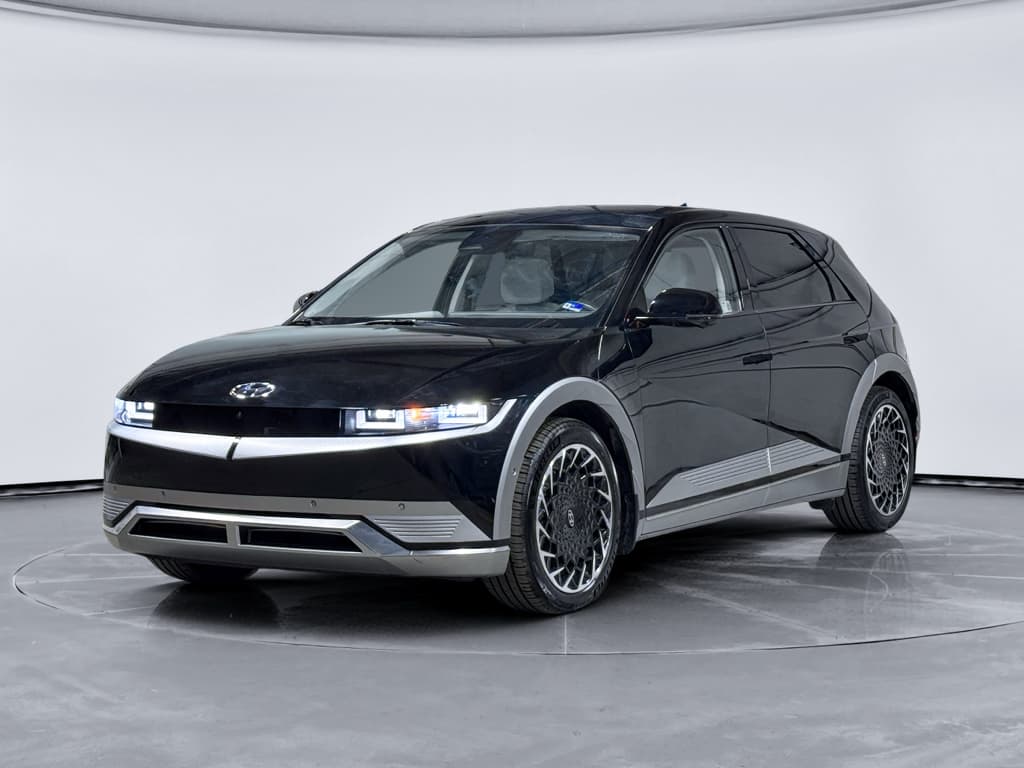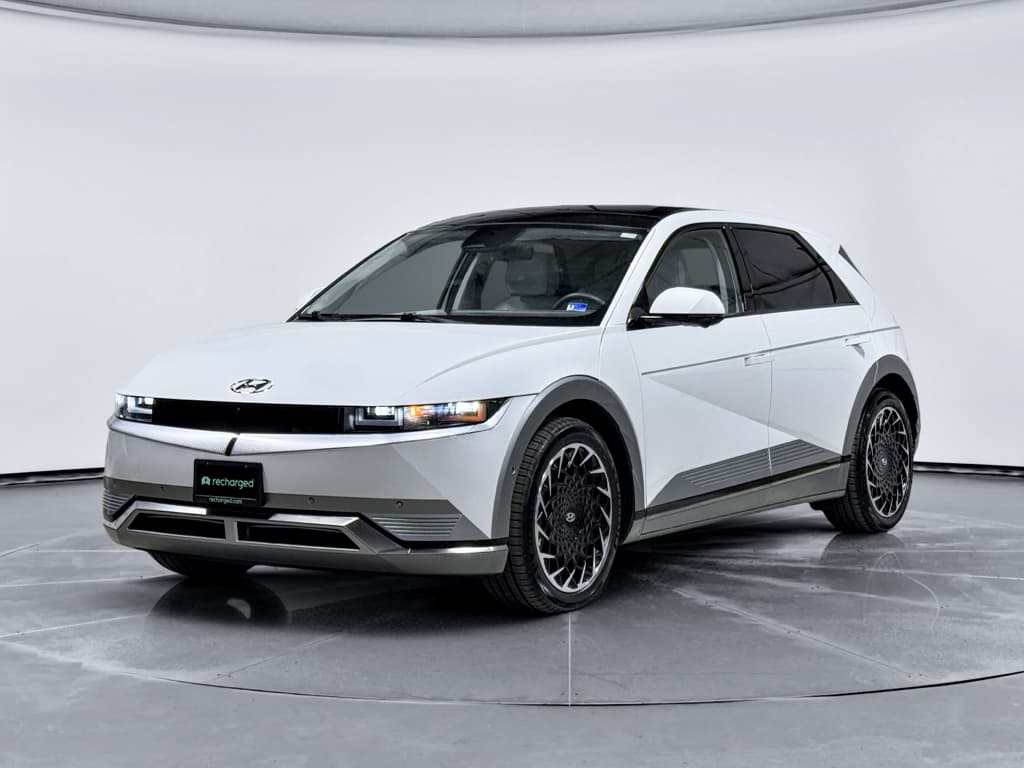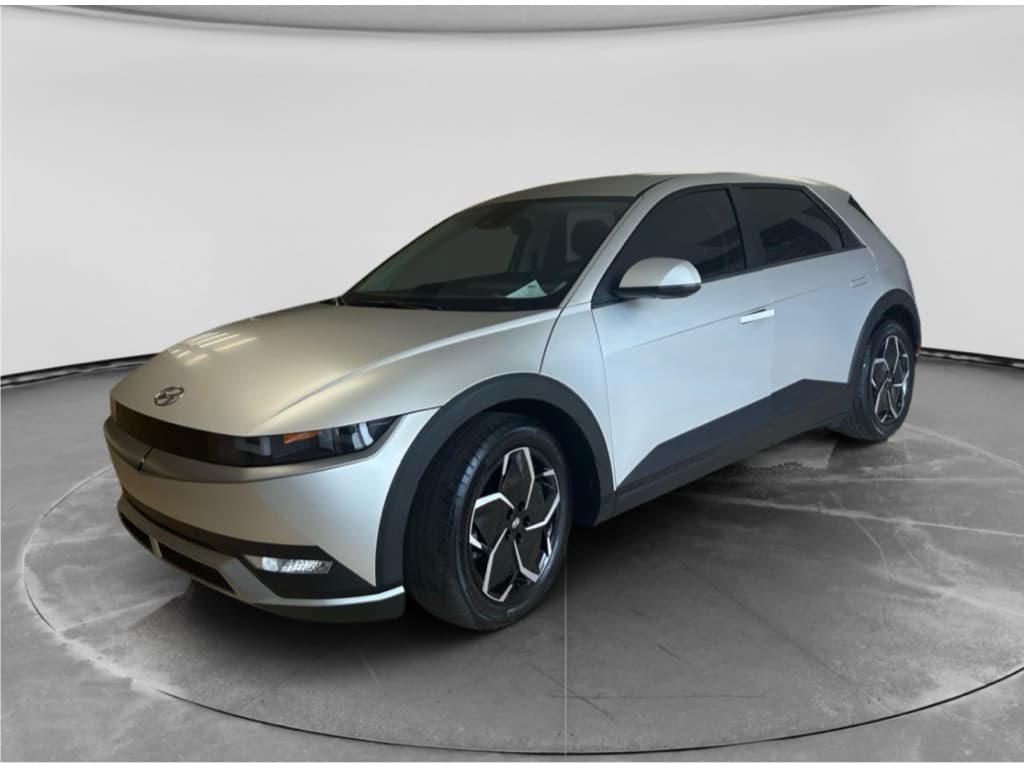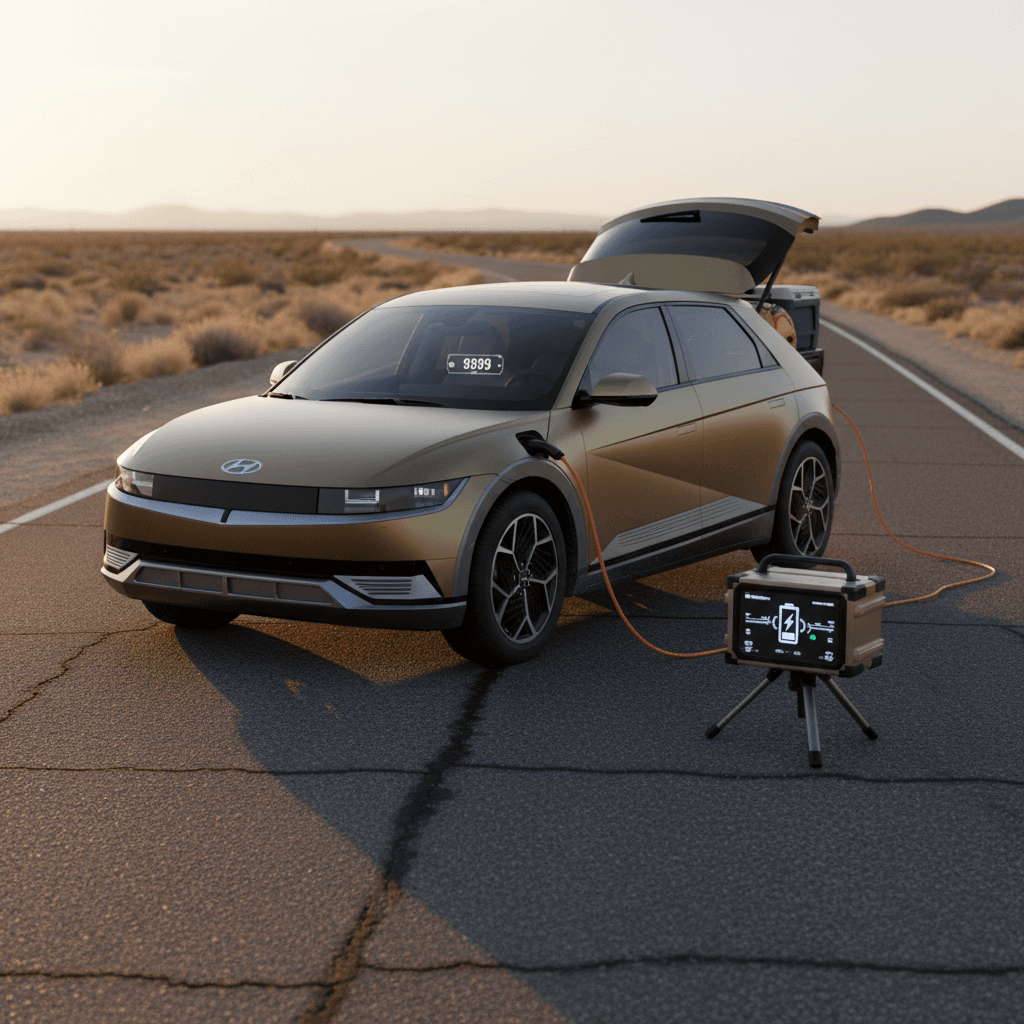
If you’re eyeing a 2023 Hyundai IONIQ 5, you’ve probably seen the big EPA numbers, up to 303 miles of range, and wondered what a real 2023 Hyundai IONIQ 5 range test actually delivers. On paper, the math looks great. On a 70–75 mph highway with winter temps, passengers, and cargo? That’s a different story.
Quick takeaway
2023 IONIQ 5 range test overview
Hyundai sells the 2023 IONIQ 5 with two battery sizes and two drivetrains in the U.S. The standard‑range pack (about 58 kWh usable) is paired with rear‑wheel drive only. The long‑range pack (77.4 kWh) can be had with either rear‑wheel drive (RWD) or dual‑motor all‑wheel drive (AWD). Those choices matter more for your real‑world range than any marketing claim.
- Standard‑range SE RWD: best price, lowest range
- Long‑range RWD (SE/SEL/Limited): max EPA range at 303 miles
- Long‑range AWD (SE/SEL/Limited): strongest performance, 266‑mile EPA range
Independent testers have pushed all three setups through controlled highway loops, mostly at 70–75 mph. Across those tests, the IONIQ 5 shows a familiar EV pattern: high efficiency in city and mixed driving, but a noticeable drop on constant‑speed highway runs where aero drag dominates.
Battery sizes and EPA range by 2023 IONIQ 5 trim
Let’s start with what the window sticker promises. For the 2023 model year, Hyundai and EPA estimates look like this for U.S. models:
2023 Hyundai IONIQ 5 EPA range by configuration
Official EPA all‑electric range estimates for U.S. 2023 IONIQ 5 trims.
| Trim / Battery | Drive | EPA range (combined) | EPA city | EPA highway |
|---|---|---|---|---|
| SE Standard Range (58 kWh) | RWD | 220 miles | 127 MPGe | 94 MPGe |
| SE / SEL / Limited (77.4 kWh) | RWD | 303 miles | 132 MPGe | 98 MPGe |
| SE / SEL (77.4 kWh) | AWD | 266 miles | 113 MPGe | 90 MPGe |
| Limited (77.4 kWh, 20" wheels) | AWD | 266 miles | 113 MPGe | 90 MPGe |
Actual range will vary with driving style, conditions and temperature.
EPA is not a guarantee
The long‑range RWD trims are where the IONIQ 5 shines on paper, cracking the 300‑mile barrier while still offering strong performance. The dual‑motor AWD versions give you a big bump in power, up to 320 hp, but trade away roughly 37 miles of EPA‑rated range.
Real‑world highway range tests at 70–75 mph
Highway range is where many shoppers focus, because that’s what determines how often you’ll stop on a road trip. Several outlets have tested the IONIQ 5 on 70–75 mph highway loops, charging to 100%, then driving until near empty:
What testers have seen on the highway
Representative 70–75 mph range test results for 2023‑spec IONIQ 5s.
Long‑range RWD
Multiple tests of long‑range RWD cars have landed in the 230–250 mile ballpark at 70–75 mph in mild weather. That’s ~15–25% below the 303‑mile EPA rating, which is typical for many EV crossovers on pure highway runs.
Long‑range AWD
Dual‑motor AWD models commonly deliver around 200–210 miles in 70–75 mph testing. One well‑known 75‑mph test saw a dual‑motor car run 210 miles from full to empty.
Standard‑range RWD
With its smaller pack, the SE Standard Range tends to fade earlier. In similar conditions, expect closer to 170–185 miles at a true 70–75 mph cruise.
Those numbers can sound disappointing compared with the brochure. But stacked against other compact electric crossovers, the IONIQ 5 is competitive. Its brick‑inspired styling creates more drag than a slippery hatchback, but its efficient motors and heat‑pump‑equipped 2023 models help offset that on cooler days.
Highway hack
City and mixed-driving range: what most owners see
Few IONIQ 5s live their whole lives pinned at 75 mph. In real‑world commuting and errand duty, suburban speeds, stop‑and‑go, moderate highway stretches, the 2023 IONIQ 5 often comes much closer to its EPA estimates, especially in mild climates.
Typical real‑world range in everyday driving
Hydrogen‑free EVs like the IONIQ 5 are actually more efficient around town than on the interstate. Regenerative braking recovers energy in stop‑and‑go traffic, while lower speeds cut aerodynamic losses. If your typical day looks like a 20‑mile round‑trip commute plus errands, even the standard‑range IONIQ 5 can feel like overkill.
AWD vs RWD: how much range you really lose
On paper, the jump from RWD to AWD costs you about 37 miles of EPA‑rated range (303 vs 266 miles) on long‑range cars. In practice, the gap varies with how and where you drive.
Rear‑wheel drive (RWD)
- Best choice if you care most about range and efficiency.
- Less drivetrain weight and drag = lower energy use.
- In real‑world highway tests, often ~10–15% better range than AWD.
- With winter tires and traction control, still suitable for many climates.
All‑wheel drive (AWD)
- Best choice for traction and performance.
- More power (up to 320 hp) and quicker 0–60 times.
- Range penalty is bigger at high speed or in cold weather, where extra losses add up.
- If you frequently see snow or steep, wet hills, the confidence may be worth the trade‑off.
Used‑market reality
How weather, wheels and cargo change your range
Two identical 2023 IONIQ 5s can produce very different range test results. Temperature, wheel size, tires, and payload all play a role, and they’re exactly what separate a best‑case YouTube test from your Tuesday commute.
Key factors that move your range up or down
Think beyond the battery and motor spec sheet.
Temperature
Cold weather is the biggest range killer. Heating the cabin and battery can cut winter highway range by 25–40%, especially below freezing. The 2023 IONIQ 5’s standard battery heater helps, but physics still wins.
Wheels & tires
AWD Limited trims often ride on 20‑inch wheels with wider, stickier tires. Those look great and improve grip, but they add rolling resistance and aero drag, shaving additional miles compared with 19‑inch setups.
Weight & roof loads
Extra passengers, cargo, or a roof box all cost range. A fully loaded family road‑trip can easily knock off another 5–10% compared with solo commuting.
Don’t panic below 10%
Charging speeds, road trips, and planning stops
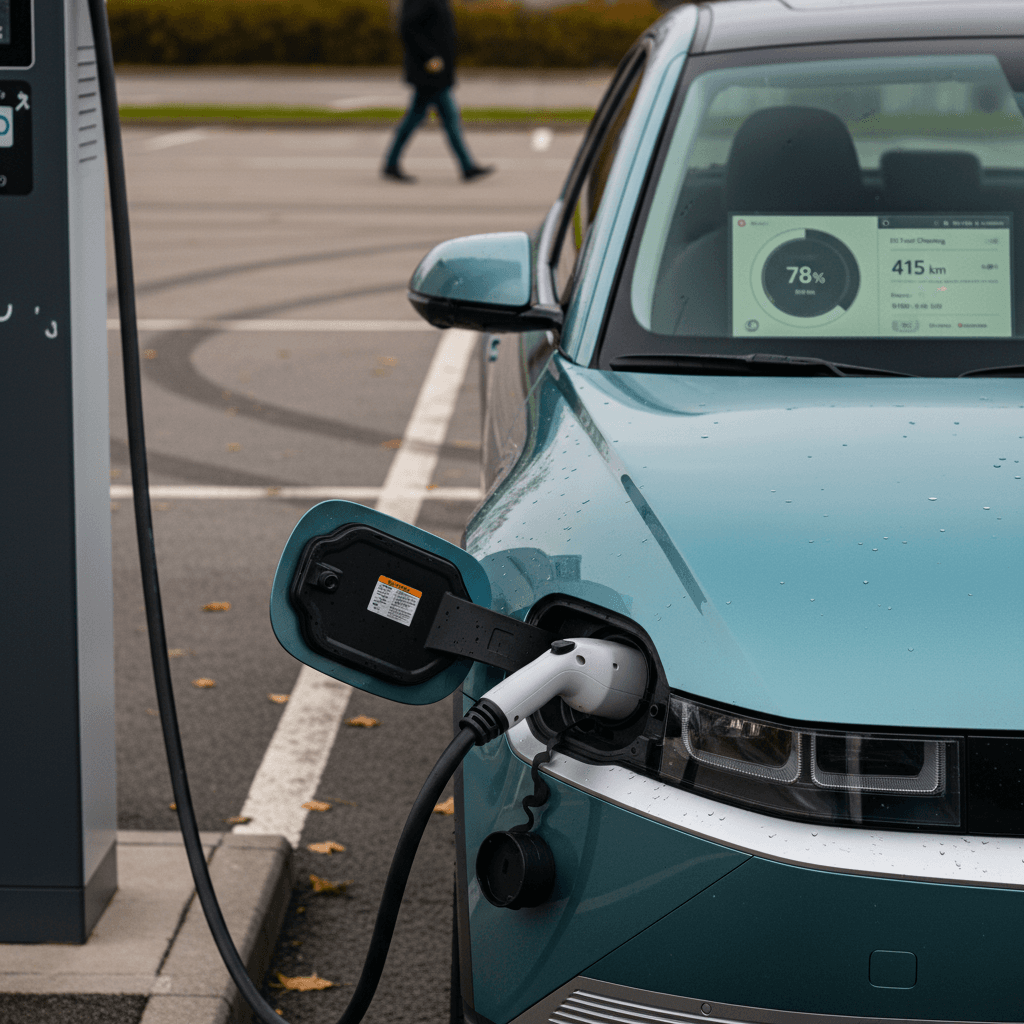
Range is only half the road‑trip story. The 2023 Hyundai IONIQ 5 rides on Hyundai’s E‑GMP platform with an 800‑volt electrical architecture, which lets it charge much faster than many rivals when you do need to stop.
Charging performance for the 2023 IONIQ 5
On a long interstate drive, that means you don’t need to squeeze every mile out of the battery. Many owners run from roughly 10–15% up to 60–80% repeatedly, taking advantage of the IONIQ 5’s strong charging curve instead of slow‑charging to 100% every time.
Smart way to road‑trip a 2023 IONIQ 5
1. Plan for 2–3 short, fast stops
Use EV trip‑planning apps to target high‑power DC fast chargers spaced 120–160 miles apart, depending on your trim and weather.
2. Charge in the battery’s sweet spot
The IONIQ 5 charges fastest between roughly 10–60%. Above 80%, speeds drop off sharply, fine for home, less ideal when you’re paying by the minute.
3. Precondition when you can
Use the climate control and, where available, battery preconditioning so the pack is warm when you arrive at a fast charger in cold weather.
4. Keep speeds realistic
The difference between 65 and 80 mph is huge for range. On a tight charging network, slowing down 5–10 mph is often faster than adding another stop.
Shopping used: range, degradation and Recharged Score
Most 2023 Hyundai IONIQ 5s are now moving into the used market, where range questions get more complicated. You’re not just asking, “What can this trim do new?” but “How has this specific battery been treated over the last few years?”
What usually happens to range over time
- After 2–3 years, many modern EVs show only modest degradation, often in the single‑digit percentage range, if they haven’t been abused.
- Fast charging every day, frequent 100% charges, and hot‑climate storage can accelerate loss.
- Because the IONIQ 5 launched fairly recently, we’re just now seeing solid real‑world data emerge, but early signs are encouraging.
How Recharged helps you see the real picture
- Every EV sold on Recharged comes with a Recharged Score Report that includes battery health diagnostics, not just odometer readings.
- We use verified battery data, fair‑market pricing, and EV‑specialist guidance so you understand how much usable range to expect today, not just what the EPA said in 2023.
- Nationwide delivery and an Experience Center in Richmond, VA make it easier to shop beyond your local lot.
Why this matters on a used IONIQ 5
Practical tips to maximize your IONIQ 5 range
Whether you’re testing a 2023 IONIQ 5 on an extended drive or just trying to stretch your daily charge, little habits add up. You don’t have to crawl in the right lane with the heater off, but a few smart choices can net you dozens of extra miles.
Simple ways to stretch range in a 2023 IONIQ 5
Use Eco or Normal instead of Sport
Sport mode is fun but keeps the motors livelier and less efficient. For commuting and trips, Eco or Normal usually delivers the best balance of response and efficiency.
Pre‑heat or pre‑cool while plugged in
Condition the cabin while the car is still on AC power so you’re not burning through battery to bring the cabin up to temperature.
Dial back highway speeds slightly
Even 5 mph makes a difference. If your test loop is at 65–70 mph instead of 75–80, you’ll see numbers much closer to EPA range.
Check tire pressures regularly
Underinflated tires can sap range and wear out faster. Make sure the pressures match the door‑jamb sticker, especially before a long trip.
Travel light and remove roof racks
Extra weight and drag cost energy. Empty the cargo area and remove empty roof racks or boxes when you’re not using them.
Avoid topping to 100% daily
For long‑term battery health, living between about 20–80% is ideal. Save 100% charges for trips when you really need every mile.
2023 Hyundai IONIQ 5 range test FAQ
Common questions about 2023 IONIQ 5 range tests
Bottom line: Is the 2023 IONIQ 5’s range enough?
If you go into a 2023 Hyundai IONIQ 5 range test expecting a magic 303 miles at 75 mph in January, you’ll be disappointed. But judged on realistic terms, mixed driving, smart trip planning, and the IONIQ 5’s excellent fast‑charging performance, the 2023 model offers more than enough range for most households, especially in long‑range RWD form.
Where the IONIQ 5 really distinguishes itself is in how quickly it gets range back. An efficient, 800‑volt charging setup means that even if you stop a bit more often than a Tesla driver, your breaks can be short. And on the used market, tools like the Recharged Score Report give you data on actual battery health and remaining range, not just a faded window sticker. If you want a sharp‑looking, fast‑charging EV crossover with honest real‑world range, a well‑specced 2023 IONIQ 5 deserves a test drive, and a close look at its battery report.