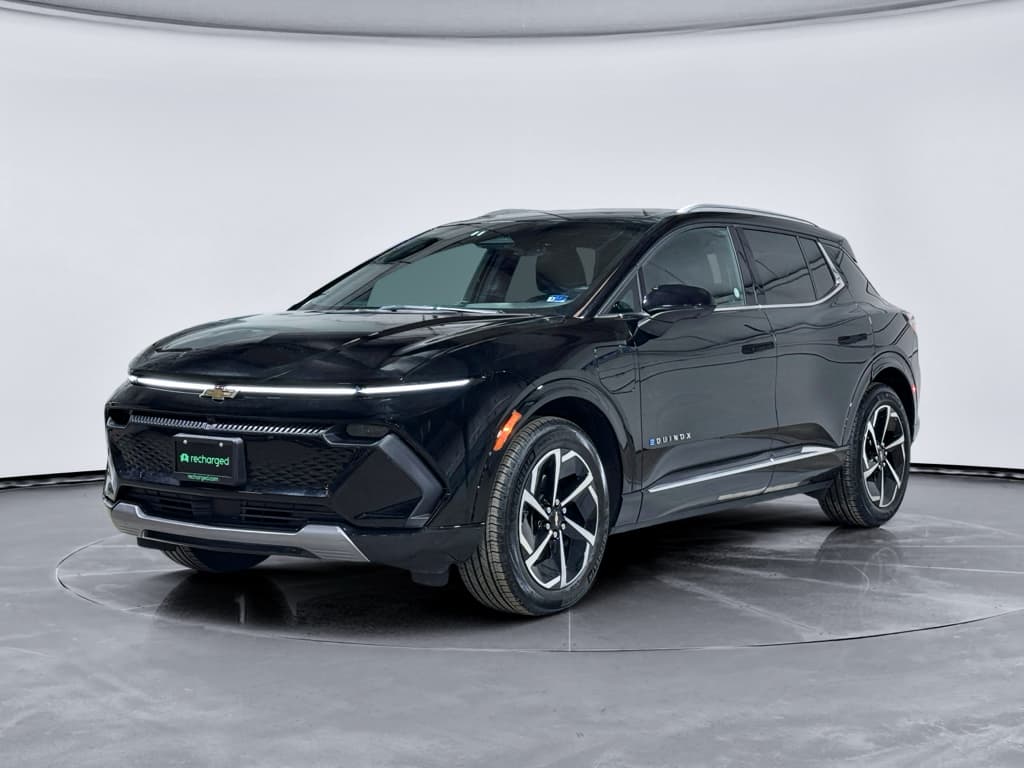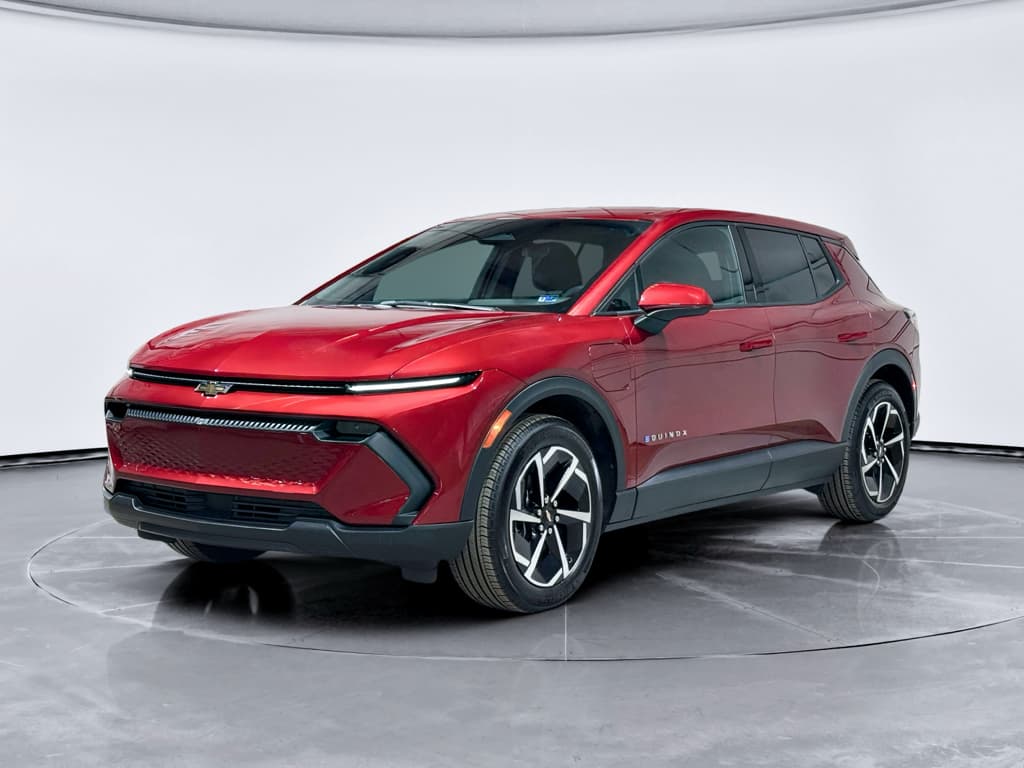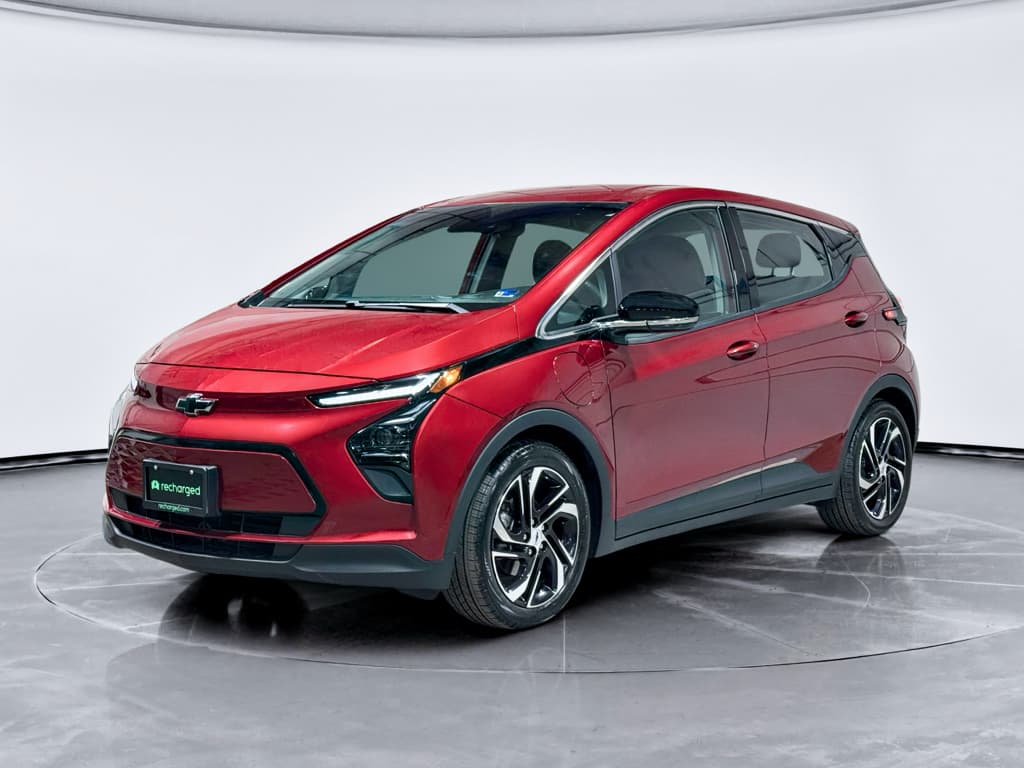
If you’re shopping for a compact, affordable electric hatchback, the 2023 Chevy Bolt EV is going to show up on every used-EV shortlist. But the Bolt name also carries baggage from earlier battery fire recalls, and you might be wondering: Is the 2023 Chevy Bolt EV reliable enough to buy used? This guide walks through the data, the real-world trouble spots, and the checklist you should use before you sign anything.
Quick take
2023 Bolt EV reliability at a glance
Key 2023 Chevy Bolt EV reliability signals
The headline: the 2023 Chevy Bolt EV is not a problem child like some earlier EV experiments, but it isn’t flawless either. Third-party data paints a picture of an inexpensive EV that’s mostly dependable, with some notable trouble spots that show up repeatedly in owner complaints and survey data.
How reliable is the 2023 Chevy Bolt EV?
Start with the structured data. J.D. Power gives the 2023 Bolt EV an overall score of 80 out of 100, with a Quality & Reliability score of 77/100 and a class-leading 91/100 resale forecast. That places it squarely in the "average" reliability tier but with much stronger-than-average expectations for depreciation, which is exactly what you want as a used buyer.
Consumer Reports goes a step further, calling the 2023 Bolt more reliable than the average 2023 vehicle based on subscriber survey data, with recurring issues clustering around the EV battery, suspension/steering, and climate control systems. In plain language: the car is generally dependable, but when things do go wrong, they tend to land in the same buckets.
How to read the scores
Owner review sites back this up. Edmunds shows a roughly 4.4 out of 5 owner rating for the Bolt EV, with positive comments about efficiency, low running costs, and surprising space for the size. Negative reviews tend to focus on ride quality, interior materials, infotainment glitches, and a smaller group flagging more serious electrical or steering issues.
2023 Bolt EV battery reliability and recall legacy
When people ask about 2023 Chevy Bolt EV reliability, they’re often thinking about the well-publicized LG Chem battery fire recalls that affected 2017–2022 Bolt EV and EUV models. GM ultimately replaced or remanufactured battery packs in those earlier vehicles and rolled out diagnostic software limits while it worked through the recall.
The 2023 Bolt EV uses updated battery packs and software that were designed to address those fire risks. The big recall campaign was effectively baked into the 2023 model’s development. As of early 2026, there hasn’t been a headline-grabbing new battery-fire recall tied specifically to 2023 Bolt EV packs, which is encouraging.
Don’t assume "no battery issues"
Battery longevity data for 2023 Bolts is still emerging, but early owner reports suggest the pack holds up well in normal use, with modest capacity loss over the first 2–3 years. Many owners are still seeing real-world ranges close to the original ~259-mile EPA figure, especially in mild climates and mixed driving.
Where you do see battery-related complaints, they tend to involve charging faults (car won’t accept a charge, shuts off mid-session, or throws error messages) rather than outright pack failures. In several NHTSA complaints, owners describe the car losing propulsion or refusing to shift out of park following an electrical issue, often traced back to wiring, harnesses, or control modules rather than the high-voltage pack itself.
How Recharged handles Bolt battery health
Ready to find your next EV?
Browse VehiclesOther common issues on 2023 Bolt EVs
Take a spin through NHTSA complaint data and owner forums, and certain patterns pop up for the 2023 Bolt EV. None of these are universal, but they’re common enough that you’ll want to screen for them on any used example.
Known trouble spots on 2023 Bolt EVs
These don’t affect every car, but they’re worth checking before you buy.
Steering rack / return-to-center
Multiple owners report steering that doesn’t self-center after a turn or feels sticky near center. In some cases, dealers have diagnosed a failing steering rack with a multi-thousand-dollar repair quote.
On a test drive, the steering wheel should smoothly return toward center without you having to fight it.
Electrical & propulsion faults
Complaint patterns include sudden loss of propulsion, the car dropping into service mode, or refusing to shift into gear after errors. These are usually traced to control modules, wiring issues, or blown fuses rather than the main battery itself.
Any history of repeated electrical repairs is a red flag.
Braking and one-pedal transitions
A minority of drivers report soft or delayed brake feel when switching quickly from regen (paddle or one-pedal) to the friction brakes, sometimes tied to minor rear-end collisions.
The brake pedal should feel consistent and confidence-inspiring in mixed driving.
Climate system & HVAC
Consumer survey data flags the climate system as a more common trouble area on 2023 Bolts. Problems range from AC that won’t cool properly to intermittent fans or sensor errors. These issues are usually annoying rather than catastrophic, but repairs can still be pricey once you’re out of basic warranty.
Fit, finish & ride quality
Owner reviews frequently mention noisy suspensions, clunks, and clicks from the front end over time, as well as interior rattles and lower-rent materials. These don’t necessarily mean the car is unreliable, but they do affect perceived quality and resale.
Recall snapshot for 2023 Bolt EV
Warranty coverage and what it means on a used Bolt
2023 Chevy Bolt EV factory warranty coverage
Here’s what Chevy offered new on the 2023 Bolt EV and what’s likely left when you shop used in 2026.
| Coverage | Term (years / miles) | What it covers | Status for a typical 2023 Bolt in 2026 |
|---|---|---|---|
| Basic bumper-to-bumper | 3 yrs / 36,000 mi | Most components, electronics, interior, exterior trim | Often expired or close to expiring, check in-service date |
| Electric drive & battery | 8 yrs / 100,000 mi | High-voltage battery pack and electric drive components | Usually active; major battery or drive failures may still be covered |
| Rust / corrosion | 6 yrs / 100,000 mi | Corrosion perforation on body panels | Generally still active |
| Roadside assistance | 5 yrs / 60,000 mi | Towing, lockout, some roadside services | May still be active, depending on in-service date |
| Free maintenance | 1 yr / unlimited miles | Limited scheduled maintenance | Expired on most used examples |
Most 2023 Bolts will still have battery and powertrain coverage, even if their basic warranty has expired.
Warranty status depends on the original in-service date, when the first owner took delivery, not the model year itself. A 2023 Bolt sold late in the year could still have many months of basic coverage left in 2026, while an early-delivery car might be entirely out of bumper-to-bumper protection.
Ask for a factory warranty printout
What to check before buying a 2023 Bolt EV used
Pre-purchase checklist for a 2023 Chevy Bolt EV
1. Run the VIN for recalls and accidents
Use the NHTSA recall tool and a vehicle history report to look for open recalls, structural damage, or repeated insurance claims. A clean history plus documented recall completion is a strong starting point.
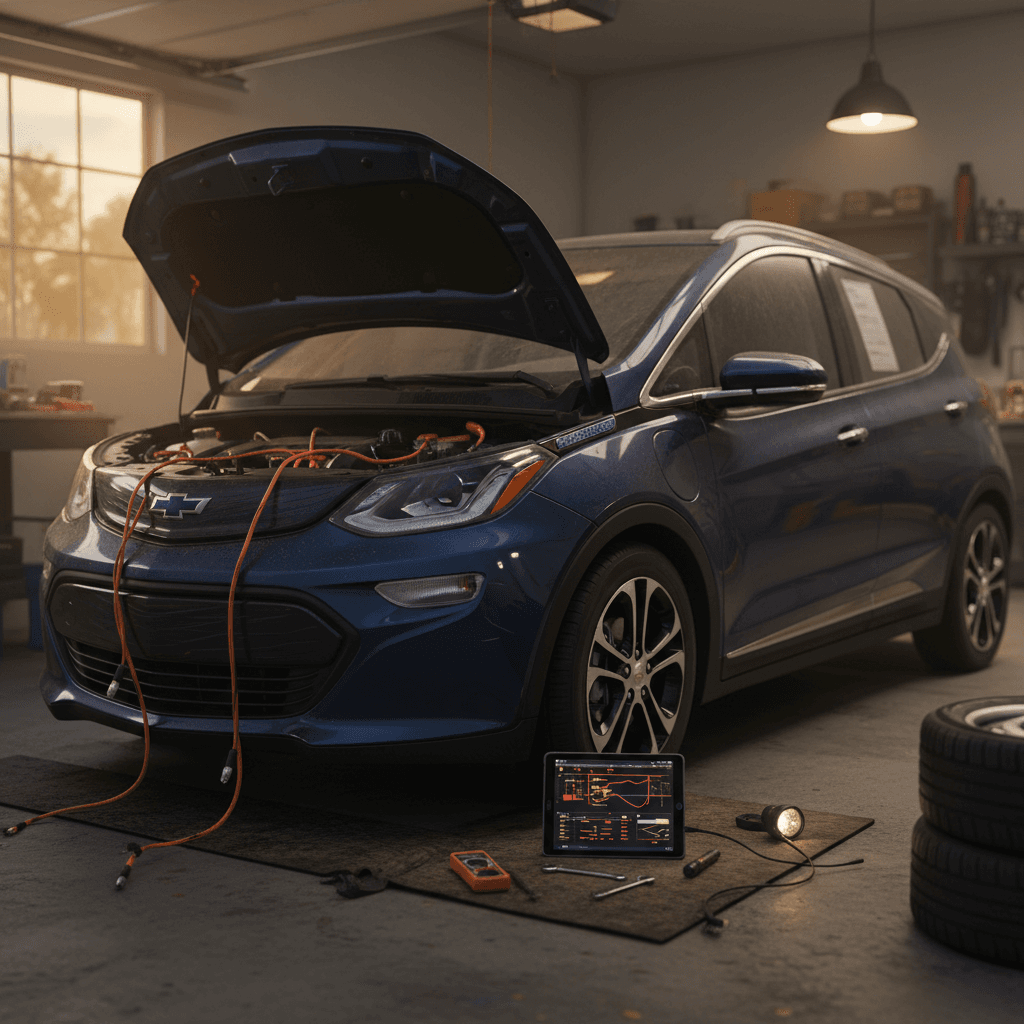
2. Get a battery health report
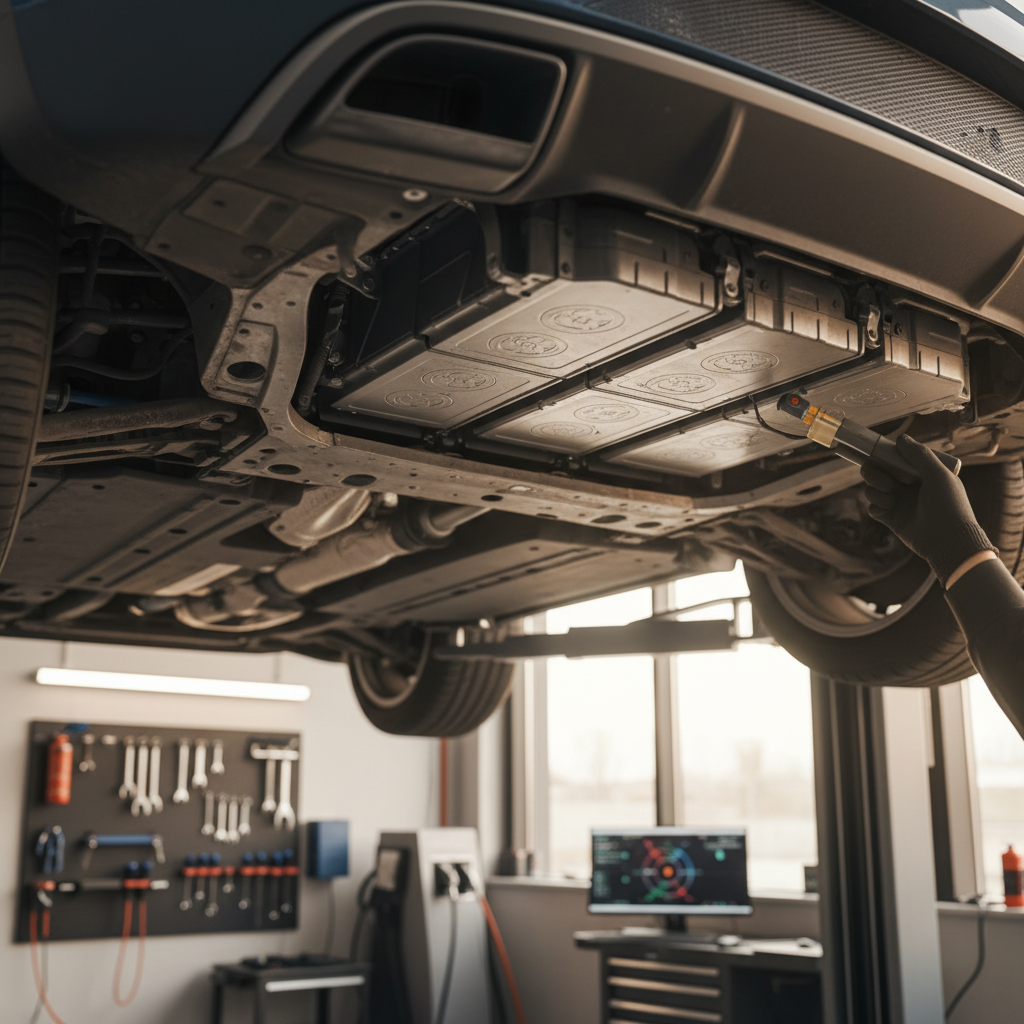
Ask for <strong>verifiable battery data</strong>, not just a full-charge guess. At Recharged, our Recharged Score includes measured battery capacity and estimated remaining range, so you know how the pack has aged.
3. Inspect steering and front suspension
On your test drive, perform several low-speed turns in a parking lot and gentle highway lane changes. The wheel should return smoothly toward center without sticking, and there should be no clunks, binding, or wandering.
4. Stress-test the brakes and regen
Try one-pedal driving, use the regen paddle, and then transition quickly to the brake pedal. The pedal should feel firm and predictable, with no alarming delay when you need full braking force.
5. Check all charging behavior
If possible, test both Level 2 AC charging and DC fast charging. Confirm the car initiates and maintains charge, doesn’t throw error messages, and reaches expected charge rates for the station type.
6. Cycle the climate and electronics
Run the HVAC on hot and cold, adjust fan speeds, and verify defrost performance. Test the infotainment system, backup camera, and driver-assistance features for glitches or error messages.
How Recharged helps with inspections
How the 2023 Bolt EV compares to other used EVs
When you zoom out to the broader used-EV market, the 2023 Bolt EV occupies a compelling niche: small, efficient, and comparatively affordable. It’s not as polished as a Tesla Model 3, but it’s much cheaper; it doesn’t have the crossover form factor of a Hyundai Kona Electric or Kia Niro EV, but it’s easier to park and often undercuts them on price.
2023 Bolt EV vs. other popular used EVs
High-level look at how the 2023 Bolt EV stacks up against common alternatives from a used-buyer perspective.
| Model (used) | Typical EPA range | Reliability picture | Pros for used buyers | Potential downsides |
|---|---|---|---|---|
| 2023 Chevy Bolt EV | ~259 mi | Above-average overall; some steering and electrical issues | Low purchase price, good efficiency, strong resale forecasts | Compact size, cabin noise, ride quality, some complaint clusters |
| 2022 Tesla Model 3 RWD | ~267 mi | Mixed; electronics and trim issues common | Access to Supercharger network, strong performance and tech | Higher price, more complex electronics, repair costs |
| 2022 Hyundai Kona Electric | ~258 mi | Generally solid; some early build issues | Crossover shape, decent reliability, long warranty if in time | Tighter rear seat, infotainment glitches |
| 2022 Nissan Leaf SV Plus | ~215 mi | Average to below average, depending on year | Low pricing, simple tech, easy to live with | Shorter range, CHAdeMO fast charging, weaker resale |
Exact pricing and reliability will vary by mileage, region, and individual vehicle history.
Think total cost, not just purchase price
Ownership experience, costs, and depreciation
From a day-to-day perspective, most 2023 Bolt EV owners report low running costs and a simple ownership experience. There’s no engine oil to change, brake wear is modest thanks to strong regenerative braking, and electricity is typically cheaper per mile than gasoline, especially if you can charge at home.
- Electricity costs that often work out to the equivalent of 70–100+ mpg in fuel spend, depending on local rates and charging habits.
- Infrequent maintenance visits focused on inspections, tires, cabin filters, and brake fluid.
- Insurance that’s broadly similar to other compact hatchbacks, though it can vary by region and carrier.
- Depreciation curves that have flattened somewhat now that the Bolt’s earlier battery issues are better understood.
J.D. Power’s resale forecast rating of 91/100 suggests the 2023 Bolt EV should hold value better than many other 2023 vehicles over the next several years, especially as demand for affordable used EVs grows. That’s good news if you expect to trade out of the car in a few years or sell it privately.
Leverage financing and trade-in tools
FAQ: 2023 Chevy Bolt EV reliability
Frequently asked questions about 2023 Bolt EV reliability
Bottom line: Is a 2023 Chevy Bolt EV a good used buy?
Taken in context, the 2023 Chevy Bolt EV is one of the more appealing budget-friendly used EVs on the market. It offers solid reliability scores, strong range for the price, and excellent efficiency. The flip side is a set of recurring issues, especially around steering, electrical glitches, and HVAC, that you can’t ignore if you care about long-term ownership costs.
If you’re willing to do your homework, or work with a retailer that’s already done it for you, a clean, well-documented 2023 Bolt EV with a healthy battery and no steering or electrical gremlins can be a smart, low-cost way into EV ownership. At Recharged, we lean on battery diagnostics, transparent Recharged Score reports, and EV-specialist inspections to separate the keepers from the headaches, then pair that with financing, trade-in options, and nationwide delivery to make the whole process simpler. That’s ultimately the key with any used Bolt: don’t just buy the badge, buy the specific car in front of you.