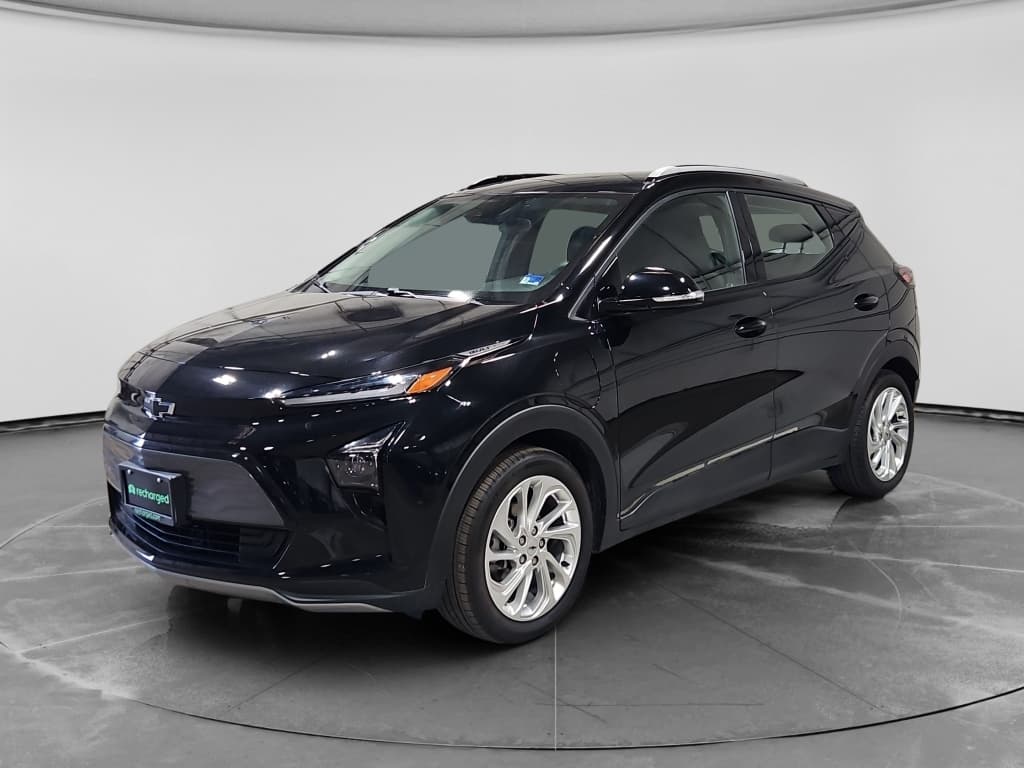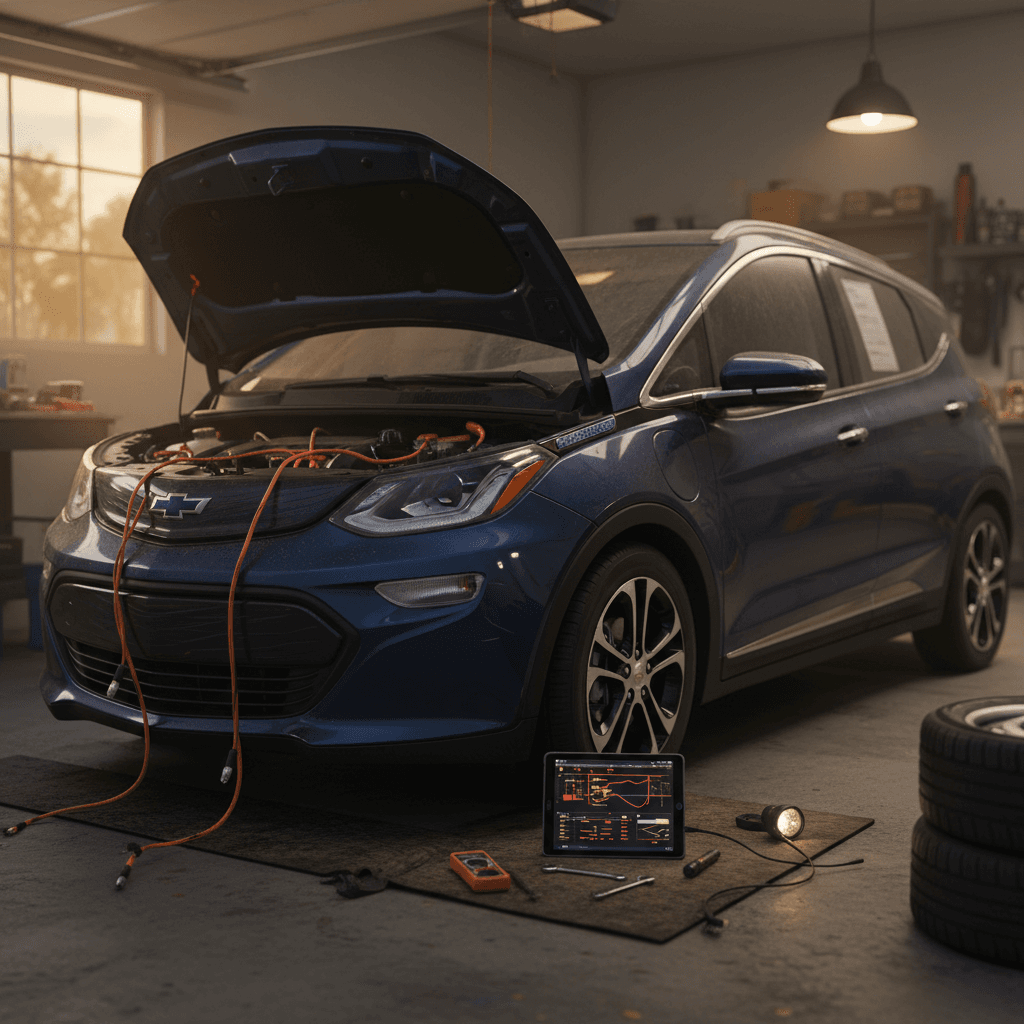
You don’t Google “2023 Chevy Bolt EV problems” because you love drama. You’re probably eyeing one of these bargain long‑range EVs on the used market and wondering: *am I buying into another Bolt fire saga, or is the 2023 car finally sorted?*
Fast context
Overview: Should you worry about 2023 Bolt EV problems?
Here’s the headline: among affordable EVs, the 2023 Bolt EV is a bit of a unicorn, long range, low price, and generally solid reliability. Owner surveys and consumer‑reliability data put the 2023 Bolt above average compared with other 2023 vehicles, with relatively few serious drivetrain or battery complaints reported to date.
- One open safety recall affecting all 2017–2023 cars (seat belt pretensioner fire risk after a crash).
- Battery‑fire recall that haunted earlier Bolts was largely resolved before 2023 production, with updated packs and software in place.
- Most common real‑world “problems” are charging‑speed disappointment, quirky software behavior, and a handful of electronic glitches rather than catastrophic failures.
Used‑buyer shortcut
Major 2023 Bolt EV recalls and safety issues
Let’s start with the stuff that can literally catch fire. The 2023 model year carries one major U.S. safety recall that applies to all 2017–2023 Bolt EVs:
Key 2023 Chevy Bolt EV recall
The most important safety campaign affecting 2023 Bolt EVs.
| Issue | Model years affected | What happens | Fix | Cost to owner |
|---|---|---|---|---|
| Seat-belt pretensioner can ignite carpet after crash | 2017–2023 Bolt EV | If the front seat‑belt pretensioner deploys in a crash, hot gas can ignite carpet fibers near the B‑pillar. | Dealer installs protective metal foil and sometimes a pretensioner cover. | Free (safety recall). |
Always verify recall status by VIN before you buy a used Bolt EV.
Important nuance
There is no “do not drive” or “park outside” order associated with this 2023 recall campaign. Still, when you run a VIN on a used 2023 Bolt EV, you want to see it marked as completed. Any franchised Chevy dealer can perform the repair at no cost to you.
Battery health and fire risk: What changed by 2023
If the Bolt name trips your internal smoke alarm, you’re remembering the earlier battery‑fire crisis. GM ultimately replaced battery modules, or entire packs, on affected 2017–2022 cars and updated monitoring software. By the time the 2023 Bolt EV rolled off the line, the pack design and controls had been revised with those lessons baked in.
2023 Bolt EV battery: what’s different from early cars?
Why the 2023 feels less like a rolling recall and more like a normal EV.
Updated pack & modules
Stricter monitoring
Stable real‑world range
Battery failures still possible
For a used‑EV shopper, the key question isn’t “will it catch fire?” so much as “how healthy is this specific pack?” That’s where a structured battery evaluation, scan‑tool data, DCFC performance, and real‑world range tests, matters more than model‑year mythology. Every Bolt that passes through Recharged gets a Recharged Score battery health report so you’re not guessing.
Charging issues, especially DC fast charging
If there’s one recurring complaint from 2023 Bolt EV owners, it’s this: “Why is my DC fast charging so slow?” On paper, the Bolt can pull around 55 kW. In practice, owners often see 30–40 kW or less, depending on temperature, state of charge, and the health of the charger itself.
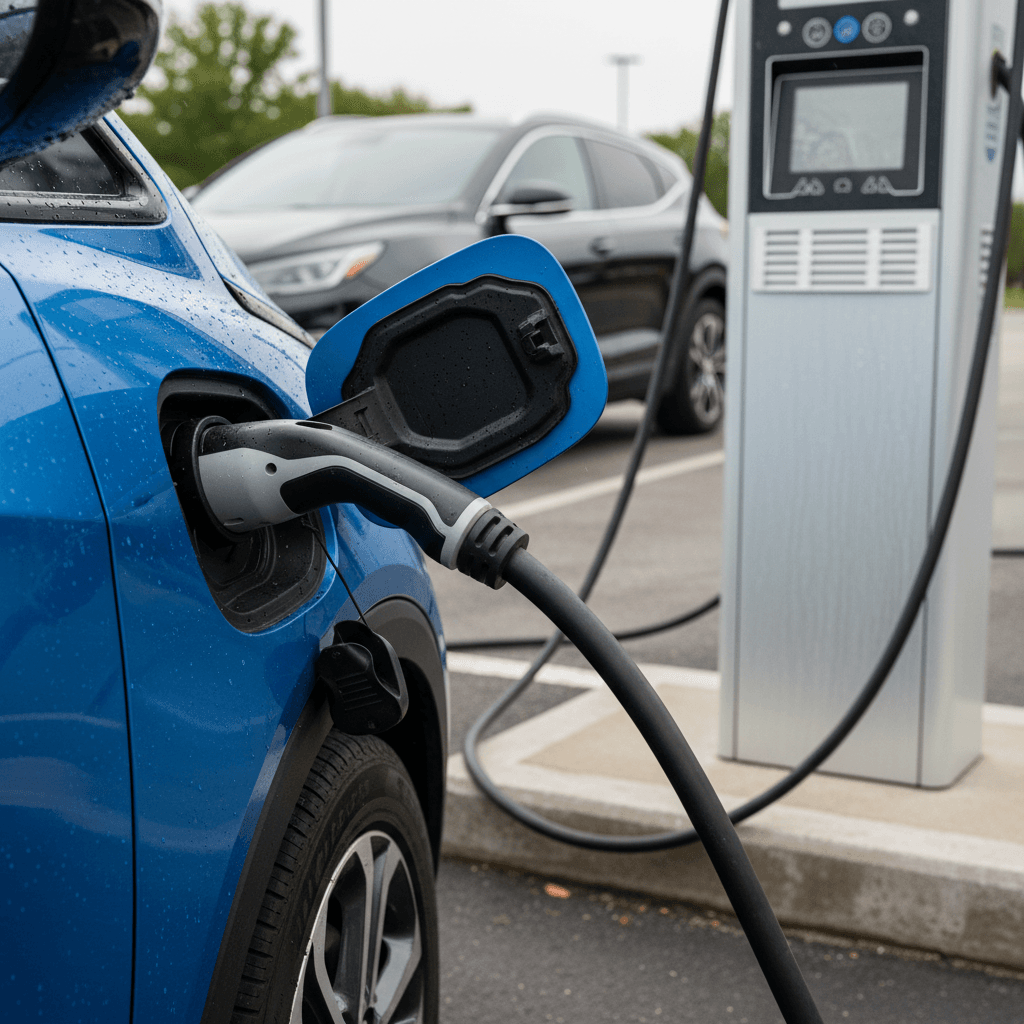
- Shallow charging curve: The Bolt holds near‑peak power only at low state of charge, and begins tapering in the 50–60% range. Above ~70%, charge speeds get painful.
- Cold‑weather penalty: In colder climates, owners frequently report maxing out in the 25–35 kW range unless the battery has been driven and warmed up first.
- Charger roulette: Some “problems” are really broken or derated DC fast‑charging stations. The Bolt gets blamed for a 27 kW session when the station itself is sick.
How to make your Bolt charge faster (relatively speaking)
There are also a handful of owners who suspect genuine DC‑charging hardware or software faults, cars that will not exceed ~25–30 kW even in ideal conditions. Those cases deserve dealer diagnosis under warranty. But for most drivers, the “problem” is really that the Bolt is an older‑generation EV in a world now populated by 800‑volt, 200‑kW bruisers.
Software glitches, electronics, and driver assistance
Like many modern cars, the 2023 Bolt EV runs a lot of its life through software, and occasionally, you can feel it. Owner stories collect around a small number of recurring quirks:
Common 2023 Bolt EV software and electronics complaints
Annoying more often than dangerous, but worth knowing about.
“Conditions not correct for shift”
Climate control weirdness
Backup camera & infotainment glitches
12‑volt gremlins
When a glitch becomes a safety issue
Everyday niggles: noises, interior and ergonomics
Beyond the headline problems, the 2023 Bolt EV has the usual chorus of minor annoyances that show up in owner reviews but seldom send people back to the dealer:
- Interior rattles and squeaks: A few owners mention dash or trim rattles that dealers can often fix with simple adjustments.
- Piano‑black trim scratching easily: That shiny black center stack loves fingerprints and micro‑scratches. Many owners resort to vinyl wraps or screen protectors.
- Seat comfort debates: Earlier Bolts were infamous for narrow, flat front seats. The 2022 refresh improved padding and shape, but if you have a sensitive back or broad shoulders, test‑sit a 2023 for a full commute‑length drive.
- Small‑car ride quality: The Bolt is a light, upright hatchback. On bad pavement, it can feel busier and noisier than heavier, more expensive EVs.
How 2023 Bolt EV reliability compares
2023 Bolt EV reliability in context
If you strip away the Bolt’s old‑news fire‑recall baggage and look purely at 2023 data, this car lands in a comfortable middle ground: more reliable than many gas compacts and early‑adopter EVs, but not as drama‑free as a Toyota hybrid. It’s a simple powertrain by EV standards, with no turbo plumbing, multi‑gear transmission, or exhaust to fail.
“For the price, range, and efficiency, the 2023 Bolt EV feels like a last‑call special: the end of a model run where GM has finally debugged most of the hardware, just as they’re walking it off the stage.”
What to check when buying a used 2023 Bolt EV
If you’re evaluating a specific car, on a dealer lot, private driveway, or online, your mission is to separate a great, fairly‑priced hatchback from the one Bolt in ten with lurking issues. Here’s a structured checklist you can run through in under an hour.
Pre‑purchase checklist for a 2023 Bolt EV
1. Verify recall status by VIN
Run the VIN through NHTSA or a Chevy dealer and confirm the seat‑belt pretensioner recall is marked <strong>completed</strong>. If not, insist it’s booked and documented before you sign anything.
2. Inspect and test the charging ports
Check the CCS fast‑charge and J1772 ports for bent pins, corrosion, or damage. Plug into Level 2 and, if possible, a DC fast charger to confirm the car charges normally and reaches expected speeds for the conditions.
3. Review battery health and range
On a full charge, compare the projected range to the original 259‑mile EPA rating in similar weather. A professional scan of pack health, like the <strong>Recharged Score</strong>, is the gold standard, since we pull pack data rather than guessing from the dash.
4. Test drive for software and shift issues
Take multiple start/stop cycles. Watch for long “waiting to initialize” messages, “conditions not correct for shift” warnings, or refusal to go into Drive/Reverse. Note any warning lights, glitches, or laggy screens.
5. Check climate, camera, and safety tech
Run the A/C and heat on all settings, including after a remote start if available. Test the backup camera, parking sensors, and lane‑keeping/forward‑collision features. Inconsistent behavior now can mean warranty visits later.
6. Listen for rattles and evaluate comfort
On rough pavement, listen for dash or door rattles. Spend enough time in the driver’s seat to decide if the seating position and cushioning actually work for your body, you’ll live there for years.
How Recharged de‑risks this for you
Ready to find your next EV?
Browse VehiclesEstimated costs, fixes and warranty coverage
Warranty basics on a 2023 Bolt EV
- Battery & electric drive: typically 8 years / 100,000 miles from original in‑service date (U.S. market). Most 2023s still have years of coverage left.
- Bumper‑to‑bumper: 3 years / 36,000 miles. Early off‑lease cars may be near the end of this window.
- Recalls: Safety recall work is free for the life of the vehicle, regardless of owner.
Typical out‑of‑pocket repair scenarios
- 12‑volt battery replacement: a few hundred dollars if out of warranty.
- Infotainment or camera module issues: can run from low hundreds to over $1,000 depending on parts and labor, often covered under basic warranty.
- Climate‑control fixes: anything from simple reprogramming to four‑figure A/C work if major components fail out of warranty.
The nightmare scenario, out‑of‑warranty high‑voltage battery or drive‑unit replacement, is rare on 2023s and would usually fall under the longer EV‑component warranty if it did occur. Where many used‑car buyers get surprised is the nickel‑and‑dime world of modules, sensors, and trim that fail just after the 3‑year mark.
Don’t skip the paperwork
Is a used 2023 Chevy Bolt EV worth it?
Put it this way: if you want the most range per dollar in a relatively modern EV, the 2023 Bolt EV is still on the short list. Its main sins are sins of age, slow charging, modest refinement, not fundamental unreliability. The worst of the fire‑recall era is behind it, and for many households the Bolt is a dependable, cheap‑to‑run commuter with occasional‑road‑trip capability if you’re patient at chargers.
- You should probably buy one if most of your driving is local, you can charge at home, and you value low operating costs over long‑distance convenience.
- You should think twice if your life is all interstate road trips, fast‑charging‑only, in cold climates, you’ll get tired of watching those DCFC progress bars.
- You should absolutely walk away from any specific car with unresolved recalls, persistent software gremlins, or obvious charging/battery oddities that a seller can’t explain with paperwork.
The 2023 Bolt EV is not perfect, but it’s also not the rolling lithium time bomb of internet legend. Go in with open eyes, the right diagnostics, and a clear understanding of its quirks, and you can end up with one of the better value plays in the used‑EV market. And if you’d rather someone else obsess over the battery graphs and recall bulletins, that’s exactly what we do at Recharged before any Bolt ever hits our site.