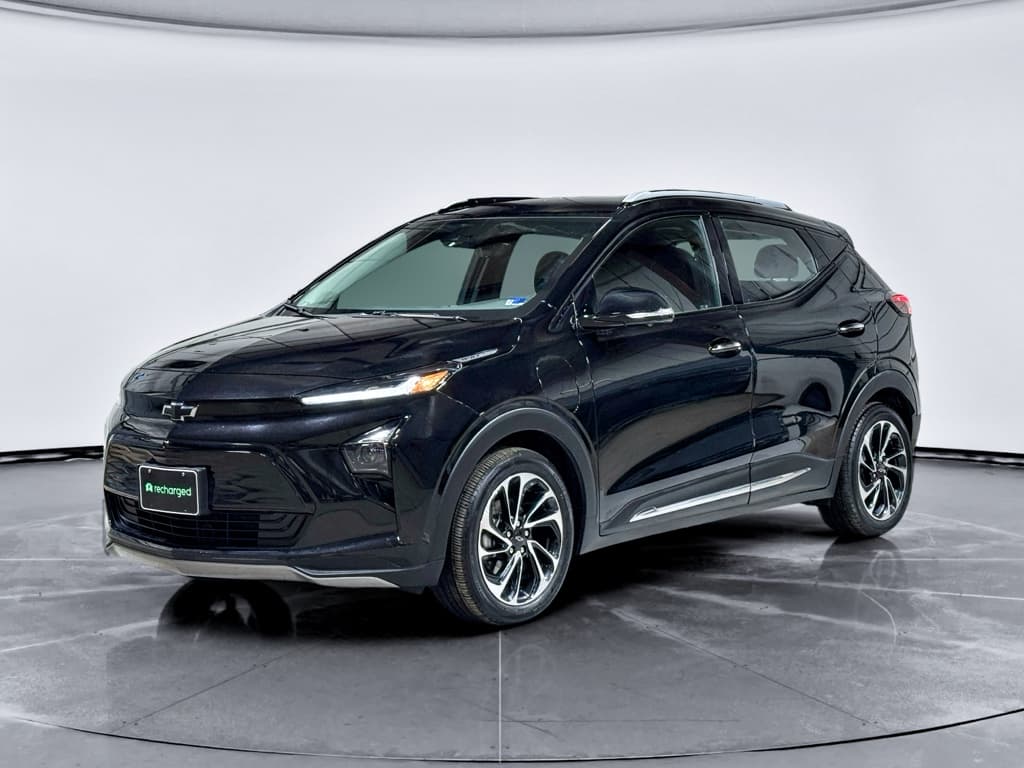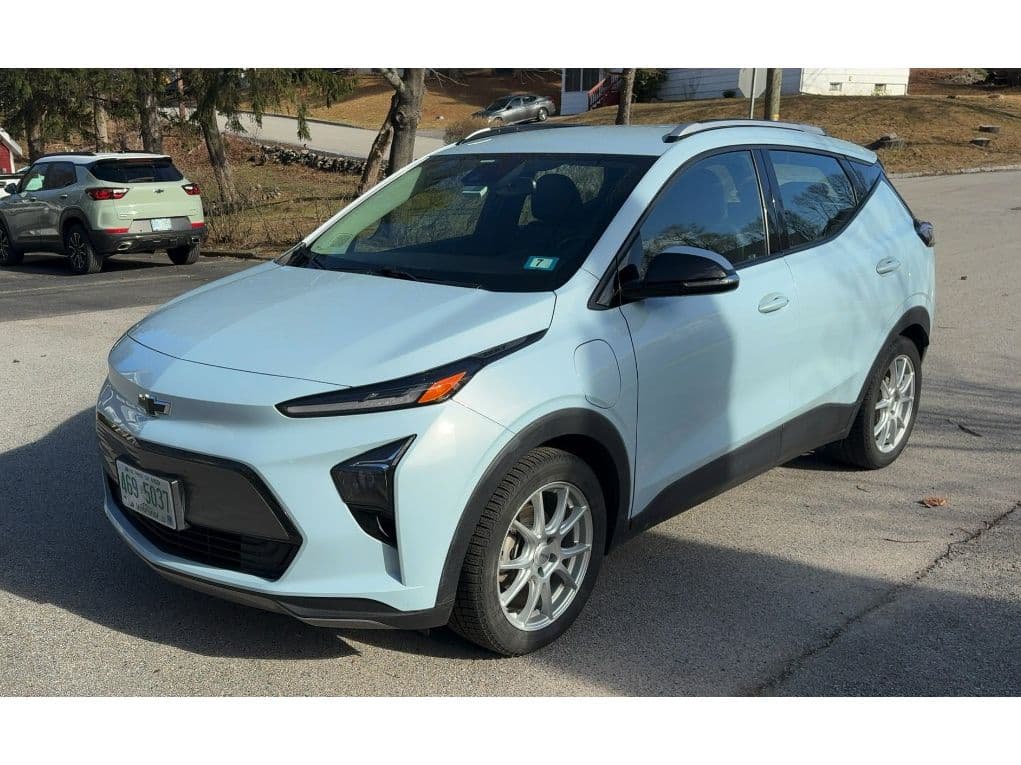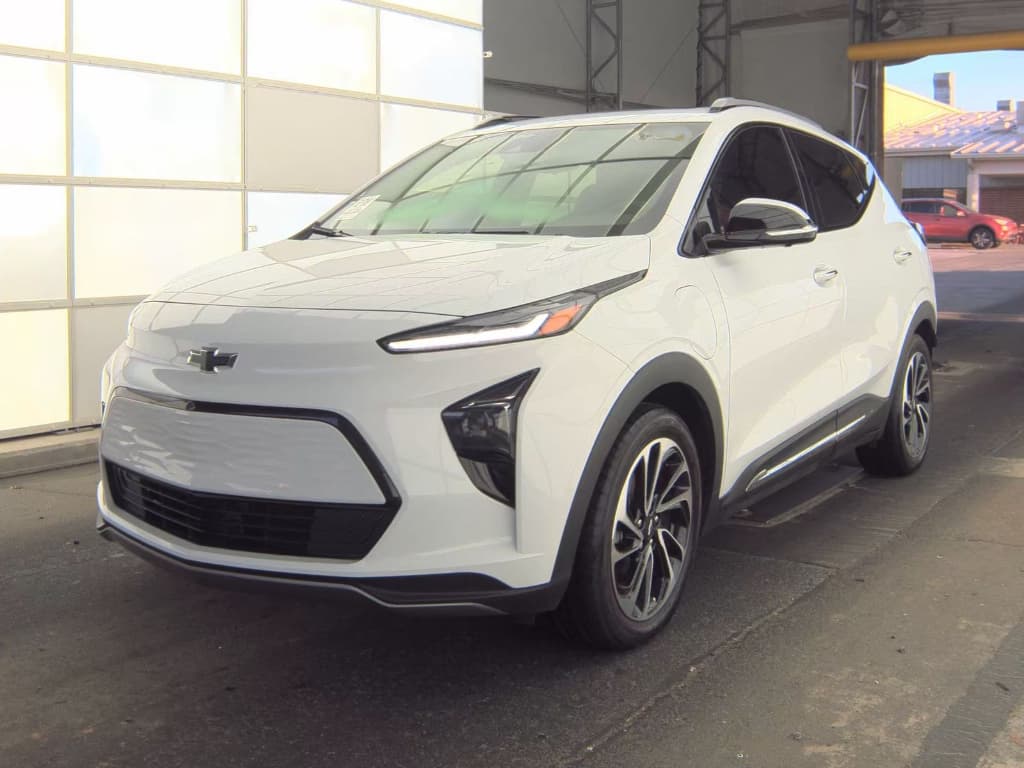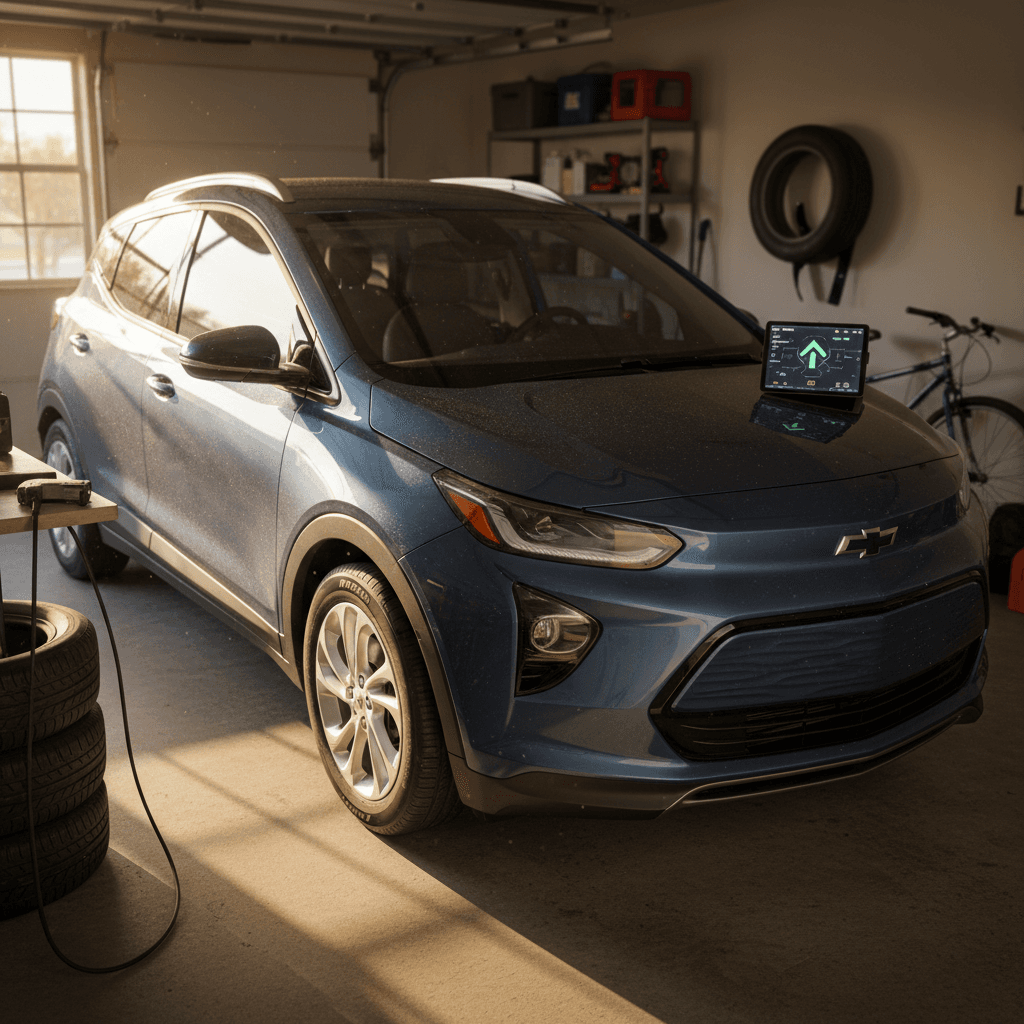
If you’re eyeing a used 2023 Chevrolet Bolt EUV, you’ve probably heard two conflicting stories: it’s either a bargain, rock-solid commuter or an EV plagued by odd warnings and legacy battery baggage. The truth sits in the middle. The 2023 Chevrolet Bolt EUV reliability rating is generally better than average for its model year, but there are clear patterns in owner complaints that you should understand before you buy.
Quick verdict
Overview: 2023 Bolt EUV reliability rating at a glance
Key reliability signals for the 2023 Chevy Bolt EUV
On paper, the 2023 Bolt EUV looks like a strong bet: no repeat of the 2017–2022 battery‑fire recall, an inexpensive purchase price on the used market, and relatively simple EV hardware. But the model also generates more NHTSA owner complaints than many Chevy nameplates, and it can be fussy about software and electronics. If you go in with eyes open, and know what to inspect, a 2023 EUV can be a very low‑cost, low‑drama daily driver.
How major sources rate the 2023 Chevrolet Bolt EUV
Consumer survey data
Consumer Reports’ owner survey shows the 2023 Bolt EUV scoring better‑than‑average overall reliability versus all 2023 vehicles. Trouble spots are mostly in in‑car electronics, electrical accessories, and charging behavior, while powertrain and high‑voltage battery issues are relatively rare. That’s a meaningful shift from early‑run Bolts that were affected by the battery‑fire recall.
Owner‑review sites
On mainstream review platforms, the 2023 Bolt EUV trends very positive:
- Kelley Blue Book owner rating around 4.6–4.8 out of 5 overall, with reliability frequently called out as a strong point.
- Cars.com and similar marketplaces show high recommend‑to‑a‑friend percentages, often above 90%.
When owners are unhappy, it’s usually over ride comfort, charging speed, or dealership service, not constant breakdowns.
Reliability rating sources at a glance
Where the 2023 Bolt EUV stands today
Consumer Reports
Overall reliability: Better than average for 2023 model year vehicles.
Key issues: In‑car electronics, charging quirks, and minor electrical accessories.
J.D. Power EVX study
In the 2023 EVX Ownership Study, the Bolt EUV scores 716 / 1,000 in overall EV owner satisfaction, below segment average but ahead of the Bolt EV and Leaf, reflecting solid but not class‑leading experience.
Real‑world owners
Owner communities report that many 2023 EUVs run tens of thousands of miles with no major faults; issues, when they happen, tend to be one‑off electronic or cooling‑system glitches handled under warranty.
How to read these scores
Common 2023 Bolt EUV problems owners report
No modern EV is trouble‑free, and the 2023 Bolt EUV is no exception. The good news: most complaints are about annoyances, not catastrophic failures. When you scan NHTSA complaints, owner forums and survey comments, a few patterns show up again and again.
Typical 2023 Bolt EUV trouble spots
These are the issues that show up most often in owner surveys and complaints. Not every car will have them, but they’re worth checking on a test drive.
| Area | Typical Symptoms | How Serious? | What to Do |
|---|---|---|---|
| In‑car electronics | Glitches in infotainment, frozen screen, backup camera warnings or temporary sensor faults | Low–medium | Check every camera and sensor, reboot the system, and verify software updates are current. |
| Charging behavior | Slow DC fast‑charge rates, charging errors in cold weather, picky behavior with certain public chargers | Medium | Test both Level 2 and at least one DC fast charger; watch for error messages and unusually low charge power. |
| 12‑volt system & accessories | Random warning lights, dead 12‑V battery after the car sits, keyless entry issues | Medium | Inspect 12‑V battery age and health; confirm all electrical accessories (locks, lights, wipers) operate normally. |
| Steering & suspension noises | Squeaks in cold weather, minor clunks or rattles over bumps, vague on‑center feel | Low–medium | Listen during a cold start and on rough pavement; have a shop check alignment and front‑end components. |
| Trim & build quality | Interior rattles, piano‑black trim scratching easily, wind noise from doors or hatch | Low | Decide what you can live with; cosmetic issues rarely affect safety but may impact your satisfaction. |
Use this as a checklist when you road‑test a used 2023 Bolt EUV.
Don’t ignore warning lights
Battery health, durability and the end of the fire recalls
The single biggest question around any used Bolt is still the battery. Earlier 2017–2022 Bolts (EV and EUV) were swept up in a widely publicized battery‑fire recall that required pack inspections and, in many cases, full replacements. The 2023 Bolt EUV sits on the far side of that saga, built after GM re‑engineered its LG Chem supply and quality checks.
What we know about 2023 Bolt EUV battery reliability
Good news, with a few things to watch
No repeat of fire recall
The 2017–2022 recall covered earlier packs; by 2023, production used revised cells and stricter QC. There’s no active battery‑fire recall on 2023 models.
Moderate, predictable degradation
Owner reports from 2022–2023 EUVs show modest early capacity adjustment as the BMS learns, then a long, gradual decline. Most daily‑driven cars still show healthy range after the first couple of years.
Cold‑weather quirks
A subset of owners see errors tied to the battery coolant heater or reduced power messages in extreme cold. These are typically repairable under warranty but can mean time in the shop.
Cold‑climate buyers: pay extra attention
Safety ratings, recalls and technical service bulletins
From a safety‑regulation perspective, the 2023 Bolt EUV looks solid. NHTSA’s data shows a 5‑star overall crash‑test rating for the Bolt EUV, and as of early 2026 there are no vehicle‑level recalls specifically targeting the 2023 EUV’s core systems. That doesn’t mean it’s recall‑free in practice, though, there are also component recalls and technical service bulletins (TSBs) that matter to owners.
What to review before you sign on a 2023 Bolt EUV
1. NHTSA complaint history
Look up the VIN on NHTSA’s database to see whether previous owners have filed complaints about braking, steering, or battery issues. A few complaints are normal; a pattern on the same car is a red flag.
2. Recall and campaign status
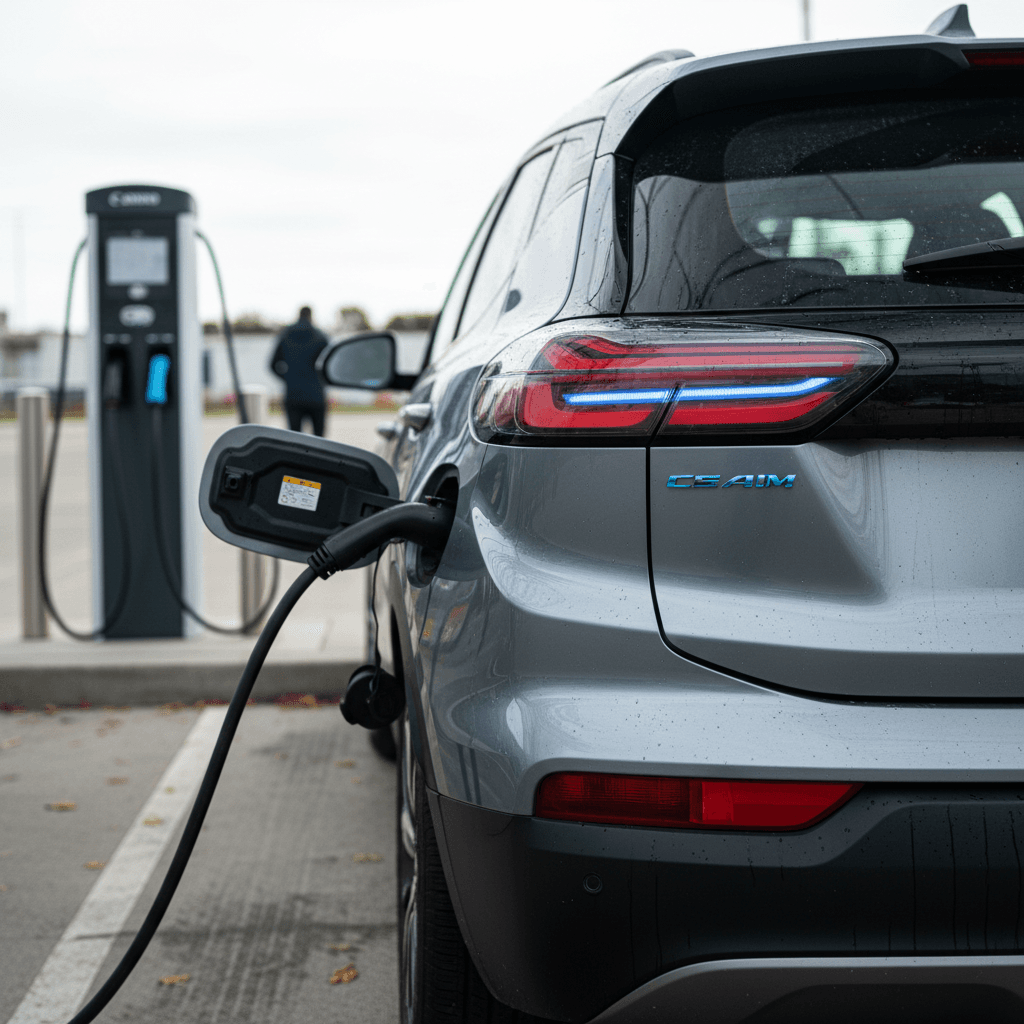
Confirm that all open campaigns are completed. While there’s no battery‑fire recall for 2023, there is a separate recall for certain portable charging cords used with 2022–2023 Bolt EUVs. Make sure any affected cord has been replaced or inspected.
3. Dealer service records
Ask for documentation of any warranty repairs, especially repeated visits for the same warning message. A one‑time module replacement is fine; three visits for the same drive‑unit code is not.
4. ADAS and camera performance
Test lane‑keeping assist, forward‑collision warning, and rear cross‑traffic alert in a safe area. Some owners report intermittent alerts or camera glitches that may not leave a permanent code.
Portable charger recall isn’t about the car
How the 2023 Bolt EUV compares to other EVs
When shoppers ask about the 2023 Bolt EUV’s reliability rating, what they really want to know is, “How does this stack up against a Kona Electric, Ioniq 5 or Tesla Model 3?” You’re trading some polish and charging speed for lower cost and, in many cases, simpler long‑term ownership.
2023 Bolt EUV vs other popular affordable EVs
A high‑level view of where the Bolt EUV lands on reliability and ownership feel compared with key rivals.
| Model (2023) | Reliability Snapshot | Charging Experience | Interior & Build | Typical Used Price (US) |
|---|---|---|---|---|
| Chevy Bolt EUV | Better‑than‑average reliability; complaints skew to electronics and trim | Slow DC fast‑charging; solid Level 2 performance | Budget‑grade materials, occasional rattles and squeaks | Often among the lowest‑priced used EVs with ~250 miles of range |
| Hyundai Kona Electric | Strong long‑term reliability; some reports of battery/charging issues but not systemic | Faster DC fast‑charging than Bolt; decent network compatibility | Tighter cabin but more refined-feeling interior than Bolt | Generally higher prices than comparable‑mileage Bolt EUVs |
| Nissan Leaf (62 kWh) | Simple hardware; battery degradation can be an issue in hot climates | CHAdeMO fast‑charging limits station choice long‑term | Basic interior, aging platform | Often cheap used, but older fast‑charge standard is a drawback |
| Tesla Model 3 RWD | Mixed build quality; powertrain is robust, but paint and trim issues are common | Excellent Supercharger access and speed | More modern design and tech, plus over‑the‑air updates | Typically costs more than a similar‑mileage Bolt EUV |
These are generalized impressions based on survey data and owner reports, not strict rankings.
Where the Bolt EUV quietly wins
What to check on a used 2023 Bolt EUV
Reliability rating averages don’t protect you from buying the one car that lived at the service bay. Your best defense is a methodical inspection that targets the Bolt EUV’s known weak points.
Targeted inspection checklist for a 2023 Bolt EUV
1. Scan the high‑voltage system
Have a shop or EV specialist scan for stored and pending codes related to the battery, coolant heater and drive unit, even if the dash is clear. Many “propulsion power reduced” events leave breadcrumbs.
2. Test fast‑charging from ~10–70%
If possible, take the car to a reputable DC fast charger. Watch the charge curve and listen for fans and pumps. You want stable operation and no sudden power drop or error messages as the battery warms up.
3. Evaluate range vs. stated battery health
On a full charge, compare displayed range to EPA ratings and your local conditions. A little variation is normal, but major shortfall could point to battery degradation or a mis‑calibrated BMS.
4. Listen for steering and suspension noises
At low speed in a parking lot, turn the wheel lock‑to‑lock and listen for squeaks or binding. On a rough road, pay attention to clunks or looseness that might indicate worn components or alignment issues.
5. Check for water leaks and wind noise
Inspect door and hatch seals, especially at the top corners and spoiler. During a test drive, listen for excessive wind noise around the A‑pillars and doors at highway speed.
6. Push every button, use every feature
Cycle windows, locks, cameras, sensors, wireless charging pad, heated seats and steering wheel. Many owner complaints are about small electrical gremlins that only show up when you actually use everything.
Bring an EV‑savvy inspector
Ownership costs, warranty coverage and downtime risk
Part of reliability is simply, “How often will this car strand me and how expensive is it when something breaks?” On those fronts, the 2023 Bolt EUV does reasonably well, thanks to straightforward EV hardware, strong battery coverage and low routine maintenance demands.
- Battery and EV component warranty: GM typically backs the Bolt EUV’s high‑voltage battery and electric drive components for 8 years / 100,000 miles from original in‑service date, so many 2023s are still under major‑component coverage.
- Low routine maintenance: No oil changes, spark plugs or timing belts. You’re mostly budgeting for tires, cabin filters, brake fluid and the occasional alignment.
- Potential downtime: When things do go wrong, especially modules or coolant heaters, owners sometimes report long waits for parts. That’s more about parts pipelines and dealer EV expertise than a high failure rate, but it’s worth factoring in if you only have one car.
- Insurance and depreciation: Because the 2023 Bolt EUV is inexpensive on the used market and parts are shared with the Bolt EV, overall ownership cost per mile can be lower than most ICE compact crossovers with similar space.
Watch the calendar, not just the odometer
How Recharged evaluates 2023 Bolt EUVs for reliability
Because Recharged focuses on used EVs, we see the same patterns you do, some 2023 Bolt EUVs are flawless, others have a paper trail of nuisance issues. That’s exactly why every vehicle we list includes a Recharged Score Report with verified battery and charging health, plus a plain‑English summary of risk areas.
What’s different about a 2023 Bolt EUV from Recharged?
How we separate the keepers from the headaches
Deep battery & charging diagnostics
We don’t stop at a quick drive. Recharged uses specialized diagnostics and controlled charge sessions to evaluate battery capacity, thermal behavior and DC fast‑charging performance on every Bolt EUV.
Known‑issue checklist
Our inspectors run through a Bolt‑specific checklist that covers coolant heaters, steering noises, infotainment stability, trim quality and more, exactly the items most used‑car inspections skip.
Transparent history & support
Each car’s Recharged Score Report summarizes service history, campaigns and any remaining warranty, and our EV specialists help you interpret what that means for real‑world reliability.
Ready to find your next EV?
Browse VehiclesShop 2023 Bolt EUVs the low‑stress way
FAQ: 2023 Chevrolet Bolt EUV reliability questions answered
Frequently asked questions about 2023 Bolt EUV reliability
Bottom line: Is the 2023 Bolt EUV a safe bet used?
If you strip away the internet noise and look at the data, the 2023 Chevrolet Bolt EUV reliability rating is quietly reassuring. Owners give it high marks, independent surveys put it on the right side of average, and the big‑ticket EV hardware, the battery and drive unit, rarely makes the news. Most headaches live in the realm of infotainment hiccups, occasional charging quirks and the sort of trim grumbles you expect from a budget‑minded compact crossover.
For a value‑focused used‑EV buyer, that’s a compelling formula. If you’re willing to do your homework, checking for software updates, testing fast‑charging and making sure any open campaigns are closed, a 2023 Bolt EUV can deliver years of inexpensive, low‑maintenance driving. And if you’d rather let someone else do that legwork, shopping 2023 Bolt EUVs that already carry a Recharged Score Report with battery diagnostics is one of the simplest ways to tilt the odds of trouble‑free ownership in your favor.