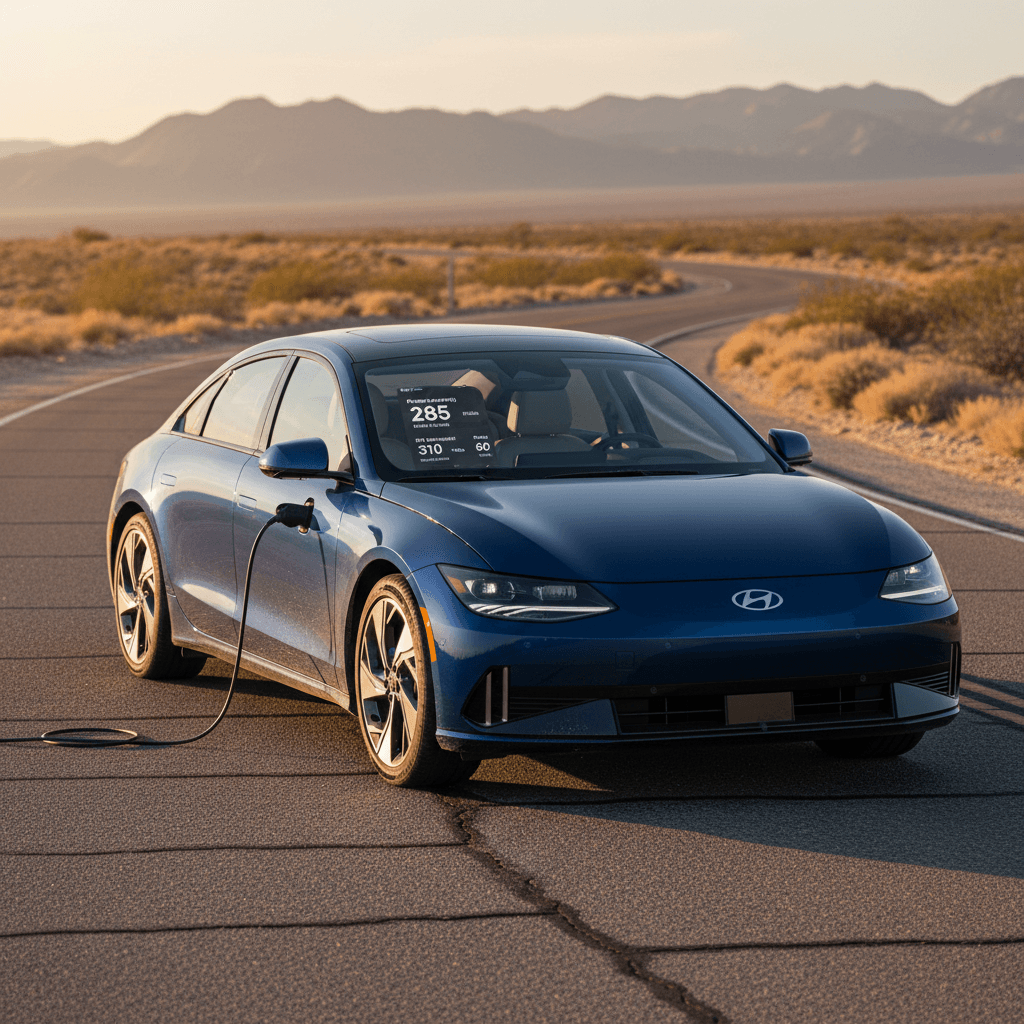
If you’re looking at a 2023 BMW i7, you’re probably wondering what its **real‑world range** looks like, not just the brochure numbers. Early range tests of the 2023 BMW i7 show that this big luxury EV can comfortably beat 300 miles on a charge, and in some cases even edge past its EPA rating, impressive for a 6,000‑pound flagship sedan.
Key takeaway
BMW i7 battery specs and EPA range explained
Before you dive into 2023 BMW i7 range test results, it helps to anchor on the basic specs. For the U.S. in 2023, the **i7 xDrive60** was the primary configuration available. It pairs dual motors with a large battery and offers several wheel options that noticeably affect rated range.
2023 BMW i7 xDrive60: core range & battery specs
2023 BMW i7 EPA range by wheel size
How wheel size affects the 2023 BMW i7’s official range. If you’re shopping used, this is worth checking on the window sticker or build sheet.
| Model year & trim | Wheel size | EPA combined range (mi) | Notes |
|---|---|---|---|
| 2023 i7 xDrive60 | 19-inch | 318 | Best rated range; most efficient configuration |
| 2023 i7 xDrive60 | 20-inch | 296 | Sportier look with ~7% range penalty |
| 2023 i7 xDrive60 | 21-inch | 308 | Middle ground: more style, small range hit |
Larger wheels look great but cost you rated range.
Check the wheels on any used i7
Real-world 2023 BMW i7 range tests
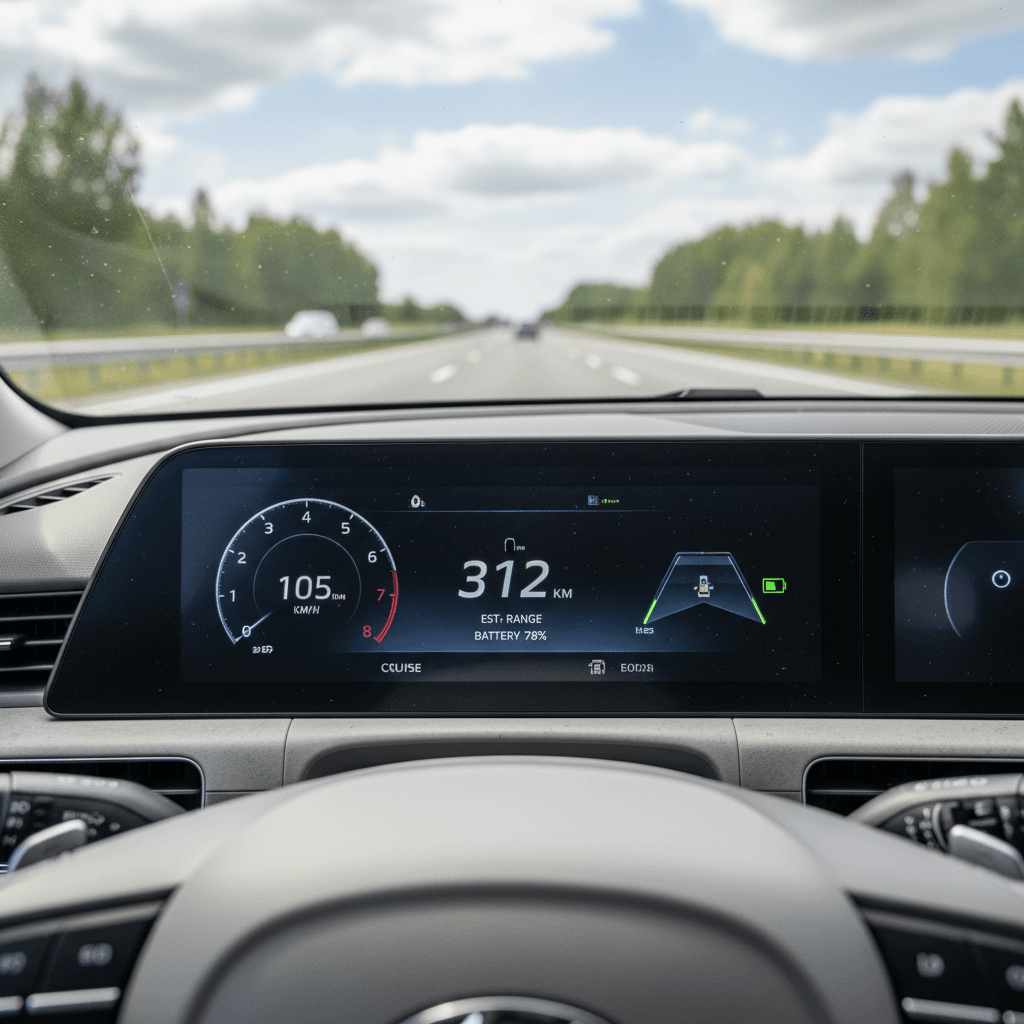
Paper specs are one thing; how far the 2023 i7 actually goes between charges is what matters. Across multiple independent range tests, the i7 xDrive60 shows a consistent theme: **it’s not a headline‑grabber, but it’s quietly efficient for its size and often matches or beats its rating**.
What real-world 2023 BMW i7 range tests show
Different testers, similar story: roughly 300+ miles is realistic in mixed use.
Highway loop on 21" wheels
In one instrumented test with 21‑inch wheels, a 2023 BMW i7 xDrive60 covered about 320 miles before reaching a low state of charge, slightly ahead of its 308‑mile EPA rating for that configuration.
Average consumption landed around 35–36 kWh/100 miles, which is competitive for a full‑size luxury EV sedan.
Long-drive efficiency test
Another range test that tracked consumption rather than running the pack to 0% saw the i7 averaging about 160 Wh/km (≈26 kWh/100 mi) under favorable conditions. That math implies a theoretical ~390+ miles from the usable 101.7‑kWh pack, though that’s an upper bound in ideal scenarios.
Cold-weather target
BMW’s own engineering target for the i7 is that you should retain roughly 70–85% of rated range even in temperatures down to about 20°F. In practice, owners report that a 2023 i7 still comfortably clears 230–260 miles on cold days if you start with a full charge and drive reasonably.
How to interpret range tests
How the i7 compares to EQS, Model S, and Lucid Air
You don’t cross‑shop a 2023 BMW i7 in a vacuum. If you’re comparing luxury EV flagships, Mercedes EQS, Tesla Model S, Lucid Air, the i7 lands solidly in the middle of the pack on range, while prioritizing isolation and comfort over absolute efficiency.
BMW i7 vs Mercedes EQS
- Range: Many EQS variants slightly edge out the 2023 i7 on EPA range, but real‑world tests show both landing in the 300–340‑mile window depending on spec.
- Driving feel: EQS is more aero‑optimized and efficiency‑minded, while the i7 feels more traditional luxury sedan with a quieter, more insulated cabin.
- Charging: Both sit around the 195–200 kW DC peak, so fast‑charging experience is broadly similar.
BMW i7 vs Tesla Model S & Lucid Air
- Range: Long‑range versions of the Model S and Lucid Air simply go farther. It’s not unusual to see 350–400+ miles from them in comparable testing.
- Efficiency: Tesla and Lucid prioritize slippery aerodynamics and low consumption; the i7 trades some of that away for cabin silence and classic 7‑Series proportions.
- Takeaway: If your priority is maximum range per charge, Model S or Lucid Air still lead. If you’re okay with ~300 real‑world miles and want BMW’s feel and build quality, the i7 makes sense.
Where the 2023 i7 shines
Factors that make your 2023 i7’s range go up or down
Range tests are snapshots. Day to day, your own 2023 BMW i7’s range will swing based on how and where you drive. Because the i7’s pack is large, small percentage changes can mean 30–60 miles of difference on the dash.
Biggest variables in 2023 BMW i7 real-world range
1. Speed and aerodynamics
Above ~65–70 mph, aerodynamic drag climbs sharply. A 2023 i7 driven at 80 mph can easily use 20–30% more energy than one at 65 mph, shrinking a 300‑mile car into the low‑200s on a long interstate run.
2. Wheel and tire package
Those gorgeous 21‑inch aero wheels carry a real penalty. Larger, wider wheels and stickier tires increase rolling resistance. If range matters, the 19‑inch setup is the sweet spot.
3. Temperature and climate control
Cold weather thickens battery chemistry and increases HVAC loads; very hot weather means constant A/C. Either way, expect more energy use. Preconditioning while plugged in helps preserve range.
4. Driving style and modes
Aggressive launches and heavy braking waste energy. Smooth inputs and using **Efficient** or **Personal** modes, rather than Sport, will keep consumption closer to EPA numbers.
5. Payload and roof accessories
Four adults and luggage, a roof box, or bikes on a hitch add weight and drag. That’s true for any EV, but with the i7’s large frontal area, aero add‑ons have an outsized effect.
Don’t diagnose battery health by one bad trip
Highway vs. city: what to expect in daily driving
Because the 2023 i7 is heavy and geared for comfort, its real‑world efficiency profile is a bit different from a smaller EV or a Tesla. **City and mixed driving can actually be kinder to range than fast highway running**, thanks to strong regen and lower aero drag.
Typical 2023 i7 range behavior by drive type
Your numbers will vary, but these patterns show up across tests and owner reports.
City & suburban mixed driving
- Lots of stops, speeds mostly under 50 mph.
- Strong regenerative braking recovers a meaningful share of energy.
- In mild weather, many drivers see 3.0+ mi/kWh, or roughly 300–330 miles on a full charge.
Sustained highway driving
- Steady 70–80 mph cruising, especially with A/C or heat.
- Aero drag dominates; regen plays a smaller role.
- Expect more like 250–300 miles of practical range depending on speed, conditions, and wheels.
Use your trip computer, not just the big number
Charging speed and road-trip viability
Range is only half the equation. To understand how the 2023 BMW i7 behaves on road trips, you need to look at **how quickly it adds miles back** once you’re low. The i7 doesn’t chase 350‑kW charging headlines, but it’s competitive and, more importantly, consistent.
2023 BMW i7 xDrive60 charging summary
Approximate charge times and what they mean in real miles for trip planning.
| Charger type | Power (approx.) | 0–100% / 10–80% time | Miles added in 10–30 minutes* |
|---|---|---|---|
| Level 2 home / workplace | 9–11 kW | ~11 hours (0–100%) | N/A – overnight refill |
| DC fast charger (peak) | Up to 195 kW | ~34 min (10–80%) | ~80–120 miles in 10–20 min, depending on state of charge |
| Real-world average session | 90–120 kW | 25–40 min (20–80%) | One good coffee stop ≈ another 150–200 miles of driving |
DC fast charging is where the i7 makes its big battery usable on long drives.
Electrify America access for early i7s
Range tips for current and future used i7 owners
If you’re already driving a 2023 i7, or you’re thinking about buying a used one, there are a few practical habits that can keep your **real‑world range close to what you saw in those early range tests**, even as the car ages.
Practical ways to maximize 2023 i7 range
Precondition while plugged in
Use the BMW app or in‑car scheduling to warm or cool the cabin while the car is still on shore power. That way, the first 20–30 minutes of climate load don’t come out of the battery.
Plan speeds around your range target
If you need 280–300 miles between charges, cruising closer to 65 mph than 80 mph can be the difference between arriving with a buffer and sweating it out at 3%.
Match wheels to your priorities
If you’re cross‑shopping used i7s, consider whether you really need the 21‑inch look. A car on 19s can offer smoother ride and a meaningful range bump.
Keep software and tires in good shape
BMW often refines energy management through software updates. Combine that with properly inflated, EV‑rated tires and you’ll preserve both efficiency and ride quality.
Use realistic state-of-charge bands on trips
On road trips, planning to charge between about 10–80% usually minimizes time spent plugged in. That’s where the i7 pulls the highest power from DC fast chargers.
Get an objective battery health check when buying used
For any used EV, including the i7, a <strong>third‑party battery health report</strong> is the best way to confirm the pack is aging normally. Recharged’s <strong>Recharged Score</strong> includes verified battery diagnostics so you’re not guessing about the most expensive component.
Is a used 2023 BMW i7 right for you?
Put simply, **the 2023 BMW i7 delivers enough real‑world range for almost any U.S. use case short of extreme‑distance road‑warrior duty**. If your typical day is under 150 miles and you have access to home or workplace charging, you’ll rarely think about range at all. Long trips every now and then are entirely workable with 195‑kW DC fast charging and practical 250–320‑mile legs.
Good fit for you if…
- You prioritize comfort, quiet, and tech over chasing maximum possible range.
- Your daily driving is mostly commutes, errands, and regional trips under 200 miles.
- You’re comfortable planning one DC fast‑charge stop every 3–4 hours on longer journeys.
- You want a flagship EV that still feels like a classic BMW 7‑Series from behind the wheel.
Maybe look elsewhere if…
- You routinely drive 400+ miles in a day in areas with sparse fast‑charging.
- Maximum efficiency and range are more important than interior space and ride comfort.
- You live in a region with very cold winters, no home charging, and need every last mile of buffer.
How Recharged can help
Ready to find your next EV?
Browse Vehicles2023 BMW i7 range test: FAQ
Frequently asked questions about 2023 BMW i7 range
The bottom line from early 2023 BMW i7 range tests is reassuring: this is a big, lavish EV that still manages honest, repeatable range numbers. If your life fits inside a roughly 300‑mile envelope between fast‑charging opportunities, and you value comfort as much as efficiency, the i7 belongs on your shortlist, especially as used examples start to look increasingly compelling on price.