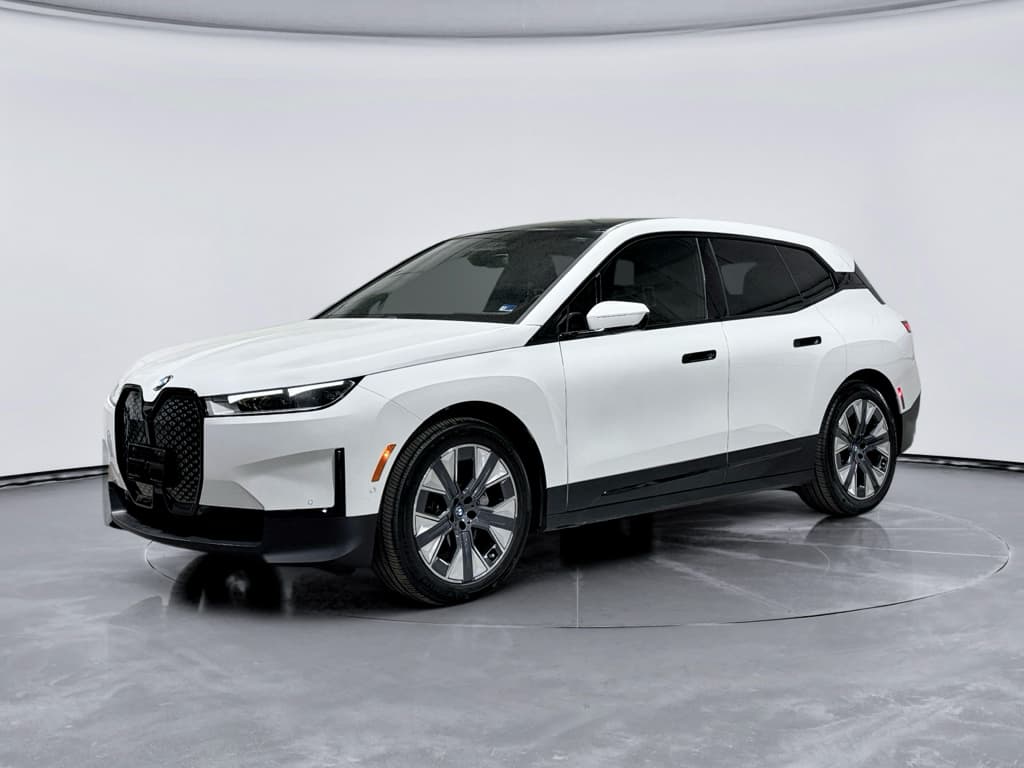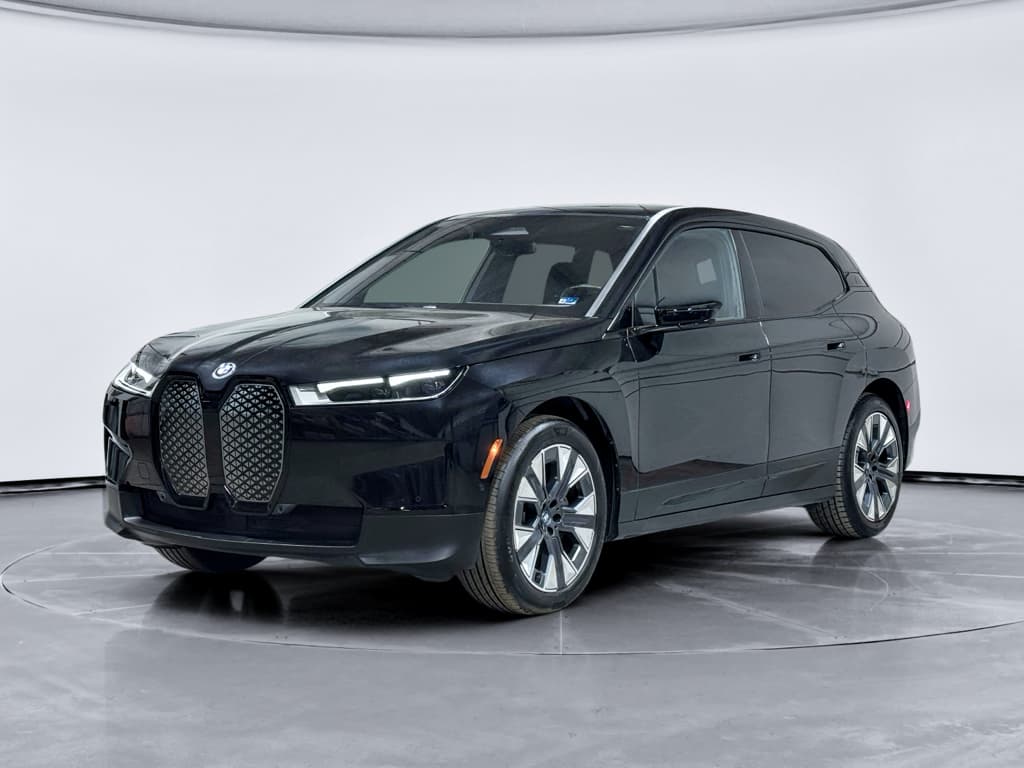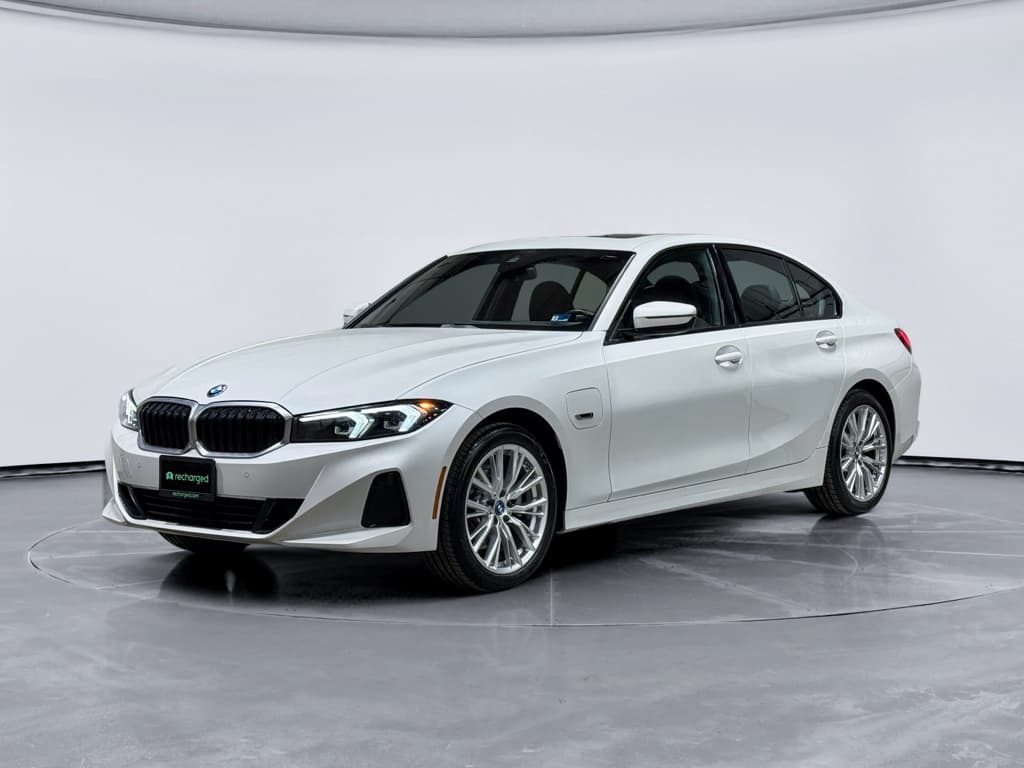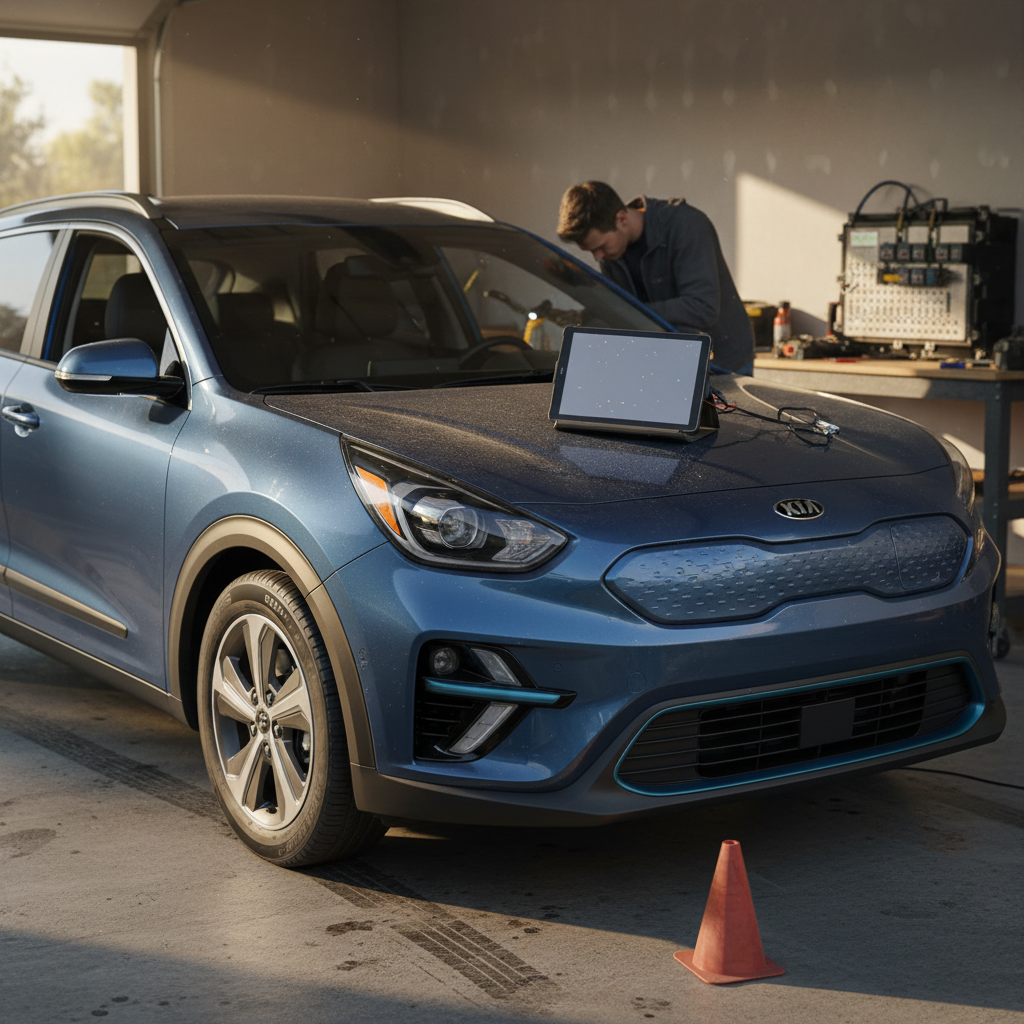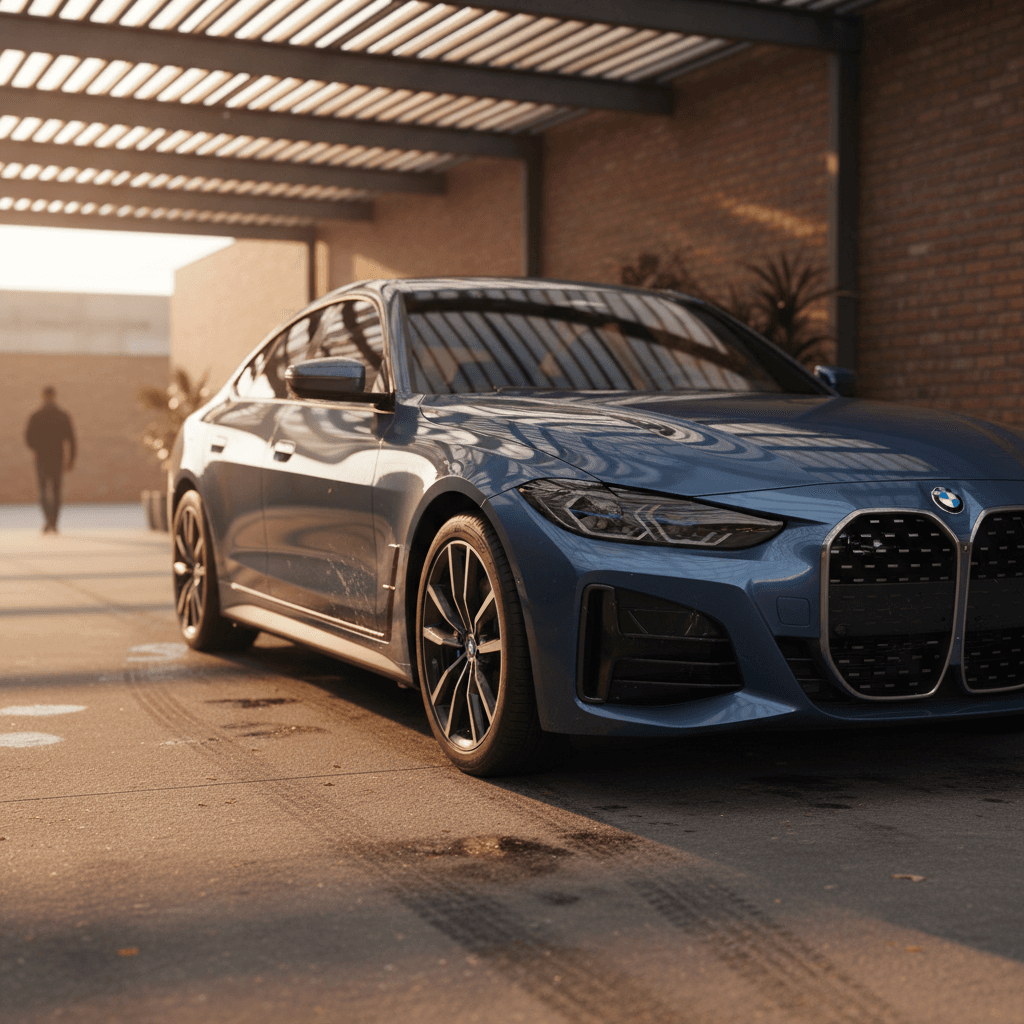
If you’re eyeing a 2023 BMW i4, you’re probably wondering whether its sleek looks and strong performance are backed up by solid reliability. The 2023 BMW i4 reliability rating is generally better than many shoppers expect, with strong scores from some major outlets, but it isn’t flawless. Software quirks, a handful of recalls, and BMW‑level repair costs mean you’ll want to go in with your eyes open, especially if you’re buying used.
Quick take
2023 BMW i4 reliability rating at a glance
2023 BMW i4 reliability snapshot
If you zoom out, the 2023 i4 behaves like a modern German luxury EV: fundamentally sound hardware wrapped in a very complex software stack. That combination delivers a great drive and a premium feel, but it also means your real‑world experience depends heavily on software updates, recall completion, and how well the specific car has been maintained.
How major sources rate the 2023 BMW i4
Different organizations slice reliability a bit differently, but taken together they paint a consistent picture: the 2023 i4 isn’t a ticking time bomb, nor is it bulletproof. It’s a mid‑pack to strong performer among luxury EVs.
2023 BMW i4 reliability ratings by source
Approximate positioning of the 2023 BMW i4 in major reliability and owner‑experience studies as of 2024–2025.
| Source | Type of rating | 2023 BMW i4 take‑away |
|---|---|---|
| Consumer‑style reliability survey | Predicted/owner‑reported reliability | About average to above average reliability vs. same‑year vehicles; most trouble spots are software and charging behavior, not core drivetrain failures. |
| J.D. Power EV owner studies | Overall EV ownership quality & reliability | BMW i4 scores well on perceived quality and reliability among premium EVs, helped by strong driving dynamics and build quality. |
| Owner forums & communities | Anecdotal long‑term reports | Many owners report 20,000–40,000+ essentially trouble‑free miles, with occasional complaints about OTA updates, CarPlay/Android Auto, or warning lights that require dealer visits. |
| Legal/complaint aggregators | NHTSA & lemon‑law complaints | Documented issues tend to focus on software, unintended acceleration allegations, and a small number of charging or high‑voltage system concerns rather than widespread mechanical defects. |
Scores are simplified for shoppers; exact numbers and methodologies vary by provider.
How to read these ratings
Common 2023 BMW i4 problems and complaints
Every model has its weak spots. For the 2023 i4, the themes that surface most often in owner surveys, forums, and complaint databases look like this:
- Software and warning‑light glitches – Random “drivetrain malfunction” or driver‑assist warnings, temporarily disabled features, or failed over‑the‑air (OTA) updates that require a dealer visit to sort out.
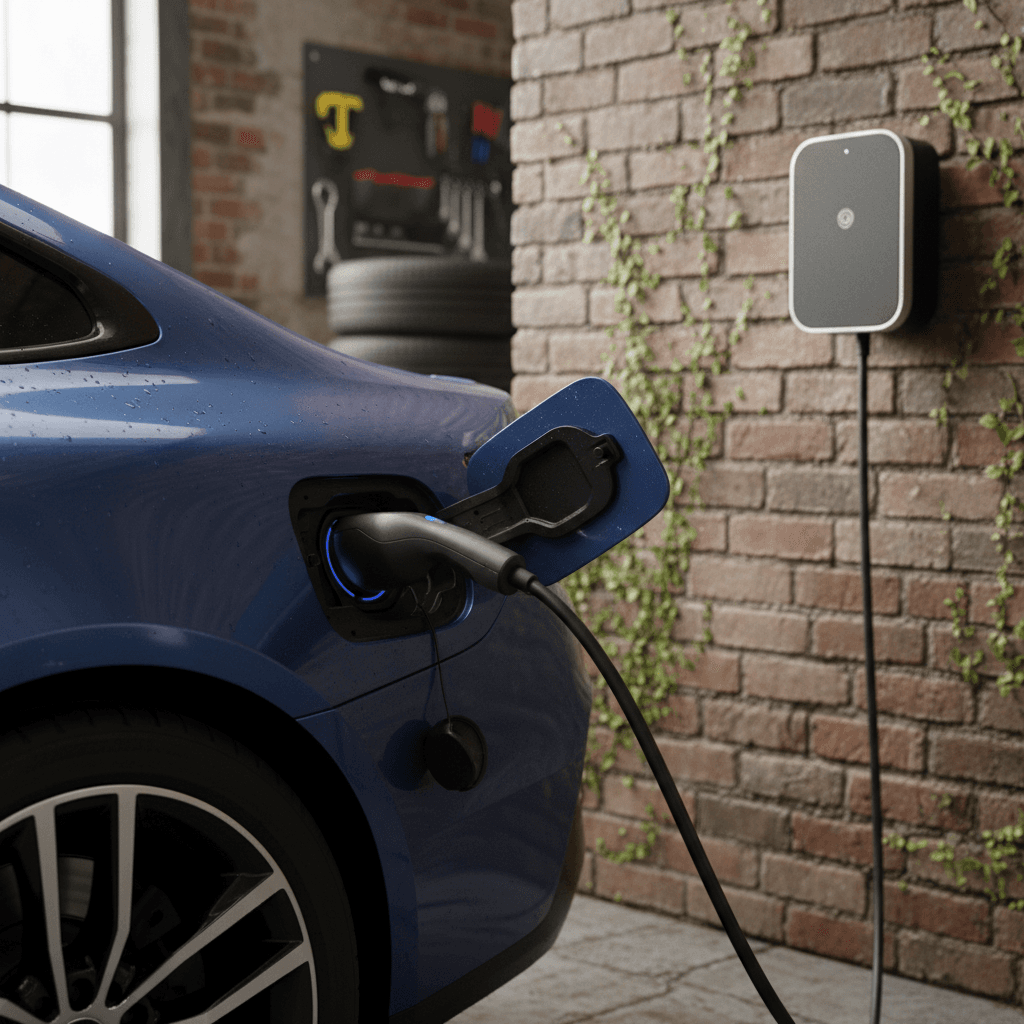
- Picky Level 2 charging behavior – Some 2023 i4s can be finicky with certain home or public Level 2 chargers: charging sessions that stop prematurely, slower‑than‑expected charge rates, or failure to initiate until software is updated or the EVSE is swapped.
- Infotainment and CarPlay/Android Auto issues – Laggy iDrive 8 responses, dropped smartphone connections, or navigation settings that “forget” preferences after an update.
- Climate‑control and comfort quirks – Isolated reports of non‑responsive heated seats, inconsistent preconditioning, or A/C behavior that requires software flashes or component replacement.
- Isolated high‑voltage or auxiliary battery issues – A minority of owners report 12‑volt battery replacements or high‑voltage component recalls; usually handled under warranty but worth confirming on any used candidate.
Not every car has these problems
Recalls and safety issues for the 2023 BMW i4
One reason shoppers search for the 2023 BMW i4 reliability rating is the number of recalls attached to early i4 production. By the 2023 model year, many early issues had been identified, but several important campaigns still affect 2022–2023 cars.
- High‑voltage battery fire‑risk recalls – Some 2022–2023 i4 packs were built with potentially defective cells that could, in rare cases, pose a fire risk. BMW advised affected owners not to charge over certain limits or to park outside until modules were inspected or replaced.
- Battery‑software updates – Separate campaigns required dealers to update the high‑voltage battery ECU software to prevent shutdowns or incorrect monitoring of the pack.
- Loss of drive power – Limited batches of 2022–2023 i4s were recalled for issues that could cause the high‑voltage system to shut down unexpectedly, leading to a sudden loss of propulsion.
- Other standard BMW recalls – Like most modern BMWs, the i4 also sees occasional campaigns for items like airbag software, seat components, or driver‑assistance calibration. These are inconvenient but typically fixed with a short dealer visit.
Why recall completion matters on a used 2023 i4
Battery health, degradation, and warranty coverage
Under the skin, the 2023 i4 uses BMW’s fifth‑generation eDrive hardware shared with the iX and other newer EVs. That’s good news for long‑term durability: early data suggests **slow, well‑controlled battery degradation** when the car is used and charged reasonably.
- In U.S.‑market cars, the i4’s high‑voltage battery is covered for 8 years or 100,000 miles (whichever comes first), including protection against excessive capacity loss.
- Real‑world owners who track their pack report capacity often in the high‑90% range even after tens of thousands of miles, assuming normal DC‑fast‑charging use and sensible charging habits.
- BMW’s thermal‑management system is conservative, which helps protect the pack over the long haul but can make the car feel “heavy” compared with some rivals.
Battery‑friendly habits for an i4
Ownership costs and out‑of‑warranty risk
Reliability ratings rarely talk about what happens when something **does** break. Here, the 2023 BMW i4 behaves like any modern premium BMW: the car itself is generally robust, but complex parts and labor‑intensive repairs can be eye‑opening out of warranty.
Where 2023 i4 ownership costs can spike
Not every owner will see these bills, but you should understand the risk profile before you buy.
High‑voltage components
DC/DC converters, onboard chargers, or high‑voltage wiring issues are rare but can be costly once you’re outside the 8‑year/100,000‑mile battery and EV‑component warranty window.
Electronics & modules
iDrive screens, radar sensors, and control units make the i4 feel modern. They also mean diagnostic time and expensive modules if something fails years down the road.
Standard BMW wear and tear
Brakes, suspension components, and tires are still BMW‑priced items. The heavy EV curb weight and strong torque can mean faster tire wear, especially on M50 trims.
How Recharged helps control the risk
Ready to find your next EV?
Browse VehiclesHow the 2023 BMW i4 compares to other EVs
Versus other luxury EV sedans
Cross‑shopped against the Tesla Model 3, Polestar 2, and Mercedes‑Benz EQE, the 2023 i4 lands in a comfortable middle ground for reliability. Build quality and interior durability are strong, and owner reports about severe defects are less common than in some early‑generation EVs, but the number of recalls and BMW‑typical repair pricing keep it from being an outright "set‑and‑forget" choice.
If you prioritize solid road manners, a conventional luxury‑car feel, and a mature driving experience, the i4 is a compelling package with acceptable reliability risk for most shoppers.
Versus mainstream EVs
Compare the 2023 i4 to mainstream EVs like the Hyundai Ioniq 5 or Kia EV6 and the picture shifts. Those models often have lower running costs, simpler equipment levels, and in some cases fewer recalls, but they also lack the BMW’s Gran Coupe styling, rear‑drive feel, and brand cachet.
From a pure reliability and cost‑to‑fix perspective, a mainstream EV may be a safer play. From a driving enjoyment and cabin quality standpoint, many shoppers find the trade‑off worth it in the i4.
Shopping a used 2023 BMW i4: what to look for
If you’re considering a used 2023 i4, your goal is simple: pick a car whose history suggests it’ll behave like the best examples in the data, not the horror stories. Here’s how to tilt the odds in your favor.
Pre‑purchase checklist for a 2023 BMW i4
1. Run the VIN for recalls and campaign history
Confirm that all open recalls, especially those tied to the high‑voltage battery, software, or loss‑of‑power issues, have been completed. Ask for documentation from a BMW dealer if possible.
2. Verify battery health, not just range estimates
Use a professional tool or a third‑party battery report (like the <strong>Recharged Score</strong>) to see current usable capacity and charge‑behavior trends. Dash‑displayed range alone can be misleading.
3. Check software level and update history
Ask the seller when the last major software update was performed and whether they’ve had issues with failed OTA updates, warning lights, or disabled driver‑assist systems.
4. Test Level 2 and (if you can) DC fast charging
If possible, plug the car into a home or public Level 2 unit and a DC fast charger to see how it behaves. Watch for sessions that fail to start, stop unexpectedly, or severely underperform expectations.
5. Inspect tires, brakes, and suspension carefully
Heavy EVs eat tires and suspension components more quickly. Uneven tire wear, clunky suspension noises, or pulsation under braking can hint at expensive work coming due.
6. Review service records for patterns
One or two visits for software or minor fixes aren’t unusual on a modern EV. Multiple trips for the same charging, high‑voltage, or drivetrain issue are a reason to walk away.
Leaning on Recharged for due diligence
FAQ: 2023 BMW i4 reliability questions answered
Common reliability questions about the 2023 BMW i4
Bottom line: should you worry about 2023 i4 reliability?
If you’ve read scary headlines about recalls or seen a few loud complaints online, it’s easy to assume the worst. The fuller picture is more balanced. The 2023 BMW i4 reliability rating sits solidly in the “acceptable to good” band for a first‑wave luxury EV, with most headaches tied to software updates, charging compatibility, and the reality that modern BMWs are complex machines.
If you choose carefully, prioritizing a car with completed recalls, clean service history, and verified battery health, the odds are high that your 2023 i4 will deliver years of quiet, quick, enjoyable driving. At Recharged, that’s exactly the kind of due diligence we bake into every used i4 we list, so you can chase the car you want without losing sleep over the one you might accidentally get.