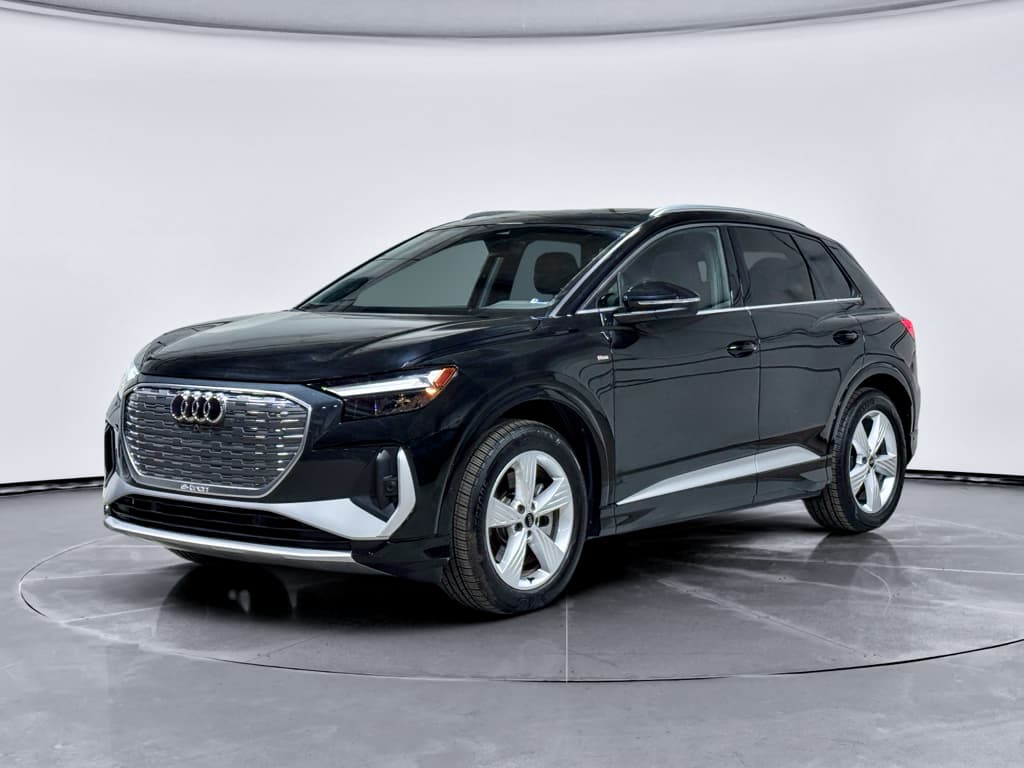
If you’re shopping for a premium electric SUV, a used 2023 Audi Q4 e-tron has likely landed on your shortlist. It promises Audi luxury, practical range, and more approachable pricing than a new model. In this 2023 Audi Q4 e-tron review focused on the used market, we’ll dig into range, charging performance, reliability impressions, depreciation and the key checks to make before you buy.
At a glance
Overview: How the 2023 Audi Q4 e-tron Looks on the Used Market
Key 2023 Audi Q4 e-tron numbers (U.S.)
On the used market, the 2023 Q4 e-tron is now showing up in meaningful numbers as first‑lease returns and early adopters move on. That means you can often find examples with 20,000–35,000 miles, remaining factory warranty, and prices materially below new. It slots between mainstream EVs like the VW ID.4 and more expensive luxury nameplates like the Tesla Model Y Long Range and Volvo XC40 Recharge.
Where Recharged fits in
Battery, Range & Real-World Efficiency
Battery specs & trims
- 82 kWh gross, ~77 kWh usable lithium‑ion battery pack shared across U.S. 2023 Q4 e-tron models.
- Q4 40 e-tron: single rear motor, around 201 hp, rear‑wheel drive; best range of the lineup.
- Q4 50/55 e-tron quattro: dual motors, significantly more power (around mid‑range 280–300+ hp) and all‑wheel drive, with a modest range penalty.
Audi tuned the Q4 e-tron for comfort and efficiency rather than headline‑grabbing acceleration. That’s good news for used buyers: the shared, relatively conservative battery and powertrain are not being pushed to extremes, which generally supports long‑term battery health when paired with sensible charging habits.
EPA and real‑world range expectations
Official EPA ratings for the 2023 Q4 e-tron fall broadly in the low‑ to mid‑200‑mile range depending on trim, wheel size and whether you choose rear‑ or all‑wheel drive. In owner testing and media reviews, most drivers report real‑world highway range in the 190–230‑mile band at typical U.S. interstate speeds, with city driving and milder weather pushing things higher.
Cold‑weather reality check
Battery degradation so far
Because the 2023 model is only a few years old, long‑term degradation data is still emerging. Early owner reports suggest that, with normal use, most Q4 packs are holding up well, typical capacity loss in the first 2–3 years is modest, often in the single‑digit percentage range. Where there are complaints, they tend to focus more on software‑predicted range being optimistic or jumpy rather than on dramatic, measured capacity loss.
How Recharged evaluates Q4 batteries
Charging: Home Setup and Road-Trip Speeds
Home and workplace charging
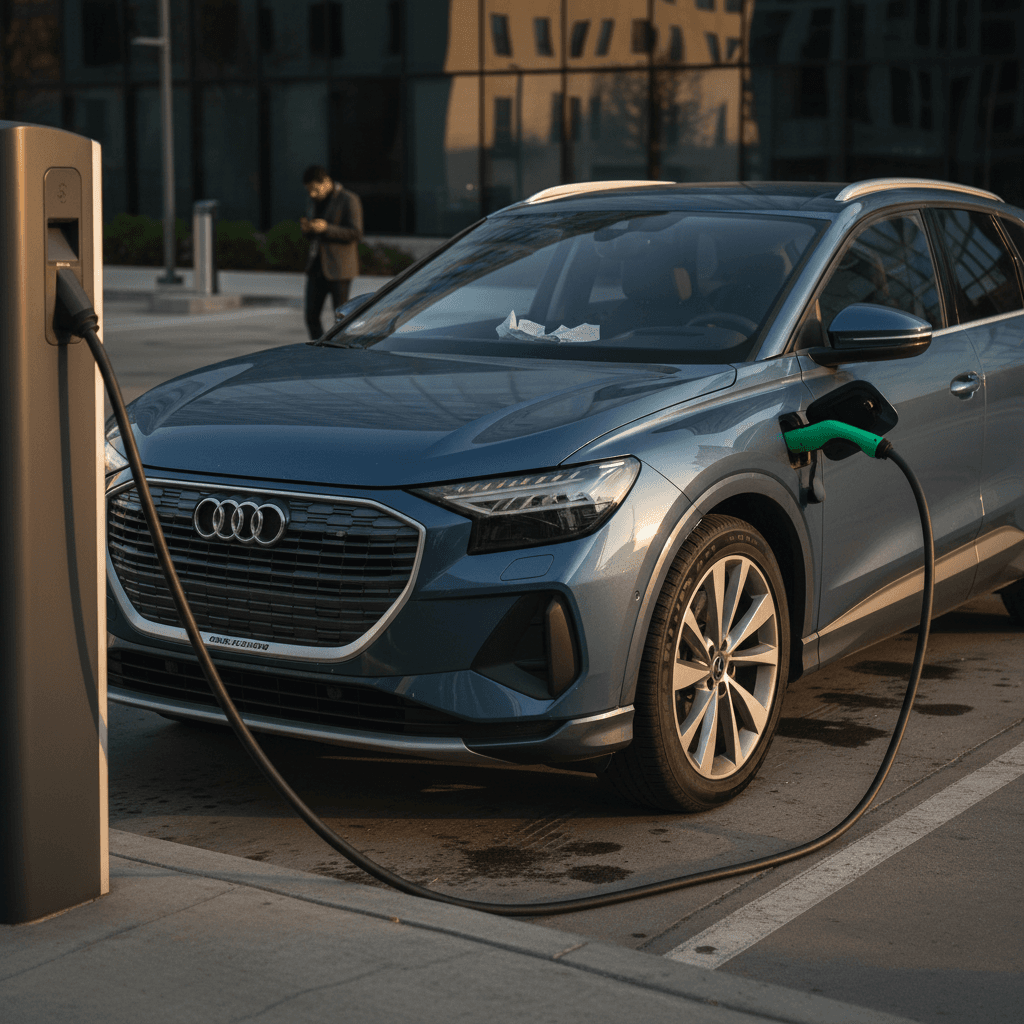
The 2023 Audi Q4 e-tron supports up to 11 kW AC charging, which is more than enough for overnight top‑ups. On a typical 40‑amp (9.6 kW) Level 2 home charger, you can expect to add roughly 25–30 miles of range per hour, or go from low state of charge to full in about 8–10 hours. That makes the Q4 easy to live with if you have reliable home or workplace charging.
- Level 1 (120V household outlet): workable only for very short commutes; think 3–4 miles of range per hour.
- Level 2 (240V, 32–48A): the Q4’s sweet spot; install at home if you can.
- AC public charging: fine for destination top‑ups, but you’ll want DC fast charging for true road trips.
DC fast charging performance
On paper, the 2023 Q4 e-tron can accept up to roughly 125–150 kW on a CCS DC fast charger, depending on battery variant and software updates. Audi quotes a 5–80% charging window in the mid‑30‑minute range in ideal conditions, and independent testing typically lands in that ballpark when you arrive with a warm battery and low state of charge.
Charging curve behavior
Network compatibility and future‑proofing
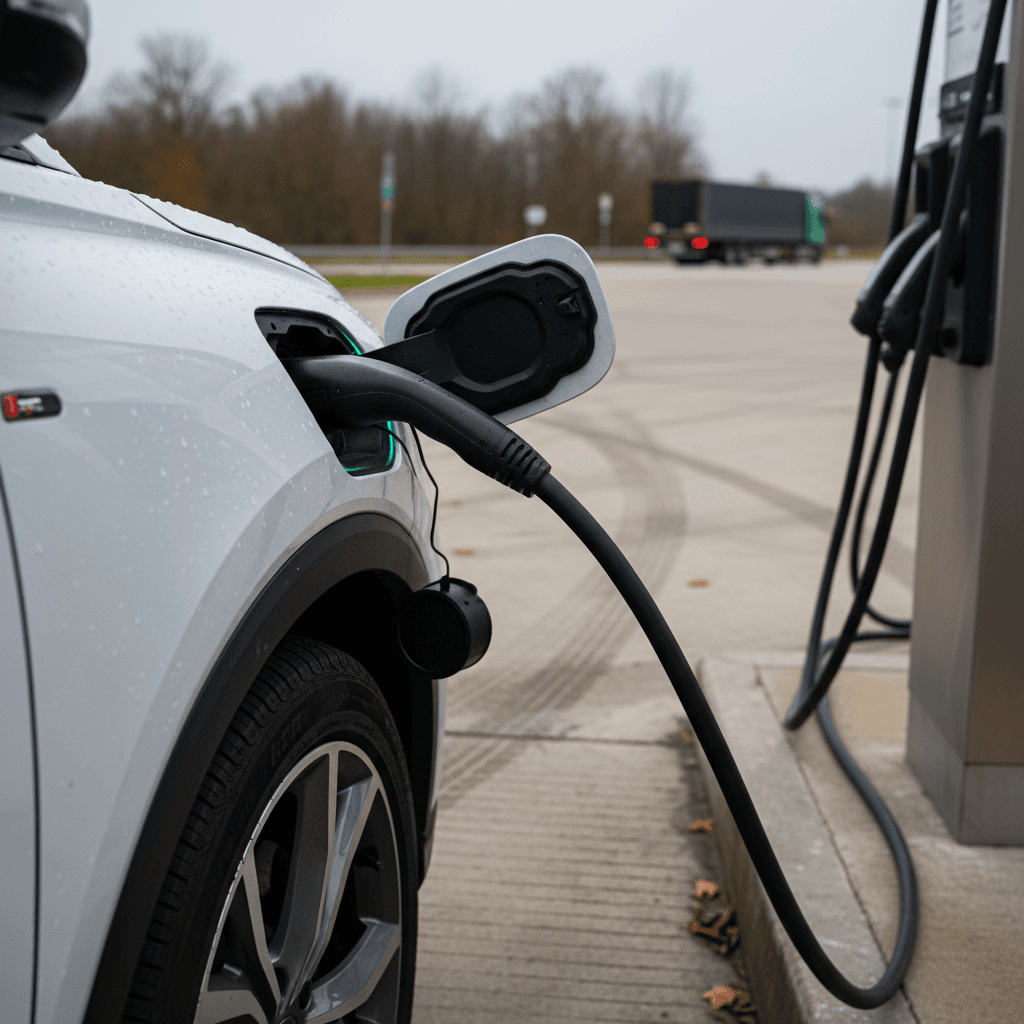
The 2023 Q4 e-tron uses the CCS1 fast‑charging standard in North America, which gives you access to major networks like Electrify America, EVgo and others. As the industry pivots toward Tesla’s NACS connector, many non‑Tesla brands, including Audi’s corporate cousins, are lining up adapter solutions and direct‑NACS ports for future models. For a 2023 Q4, you’ll be relying primarily on the existing CCS networks plus any official adapter options as they roll out.
Public charging caveat
Driving Experience, Comfort & Tech
Ride, handling and performance
On the road, the 2023 Q4 e-tron feels very much like a modern Audi crossover, just quieter. The steering is light but accurate, body motions are well controlled, and the suspension skews toward comfort over outright sportiness. The dual‑motor quattro versions add serious shove off the line, 0–60 mph in the ~5‑second neighborhood, while the single‑motor Q4 40 trades some speed for better efficiency and lower cost.
Interior quality and space
Inside, the Q4 delivers what many buyers expect from the four‑rings badge: solid materials, clean design and comfortable seating for four adults (five in a pinch). It’s roomier than an Audi Q3, closer to a Q5 in daily practicality, with a flat floor that helps rear‑seat comfort. Cargo space is competitive for the class, though not class‑leading, if maximum cargo room is critical, cross‑shop the Tesla Model Y or Hyundai Ioniq 5.
Infotainment and driver assistance
The 2023 Q4 e-tron runs Audi’s MMI system with a central touchscreen and a high‑resolution digital instrument cluster. Wireless Apple CarPlay and Android Auto are widely available depending on trim, and the optional augmented‑reality head‑up display is a standout tech feature when equipped. Driver‑assist features such as adaptive cruise control, lane‑keeping assistance and 360‑degree camera views are present on many used examples, but not all, packages varied by original buyer.
Software quirks to be aware of
Reliability: What We’re Hearing From Owners
Formal long‑term reliability data for the 2023 Q4 e-tron is still limited, but a picture is emerging from service bulletins and owner communities. The core motor and battery hardware have generally been solid so far. Where complaints do surface, they tend to focus on charging behavior, electronic gremlins, or dealer service experiences more than major drivetrain failures.
- Occasional reports of charge‑port hardware needing replacement under warranty.
- Software‑related bugs affecting infotainment, digital keys or driver‑assistance behavior.
- HVAC quirks (weak A/C performance or inconsistent cabin pre‑conditioning) in a minority of vehicles.
- Mixed experiences with dealer familiarity around EV diagnostics and software updates.
Warranty coverage on a used 2023 Q4
Because of the Q4’s relative youth, a clean service history and evidence of timely software updates matter as much as traditional “reliability scores.” With Recharged, those details are surfaced in the Recharged Score Report, so you can quickly see recall status, major repairs and any patterns that might affect your ownership experience.
Depreciation, Pricing & Running Costs
Where used prices are landing
Used 2023 Q4 e-tron prices vary widely by trim, mileage and region, but early‑2026 listings in the U.S. often cluster in the high‑$30,000s to around $50,000. Single‑motor Q4 40 models with higher miles sit at the lower end; low‑mile Q4 50/55 quattro Prestige examples with desirable options nudge the high end. Relative to the original MSRP, you’re typically looking at a modest but meaningful first‑owner depreciation hit, less severe than some first‑generation luxury EVs, but more than many mainstream gas SUVs.
Energy and maintenance costs
Once you own it, the 2023 Q4 e-tron is generally cheaper to run than a comparable gas Audi. Assuming average U.S. residential electricity rates and a blend of home and public charging, energy costs per mile can land at roughly half or less what you’d pay for gasoline in a similar‑size SUV. Routine maintenance, tires, cabin filters, brake fluid, wipers, still applies, but you avoid oil changes, exhaust work and many transmission‑related services.
Financing a used Q4 e-tron with Recharged
Ready to find your next EV?
Browse VehiclesHow the 2023 Q4 e-tron Compares to Rivals
2023 Audi Q4 e-tron vs key used‑EV rivals
High‑level comparison to other popular used electric SUVs shoppers often cross‑shop.
| Model | Strengths | Weak points for used buyers | Best for |
|---|---|---|---|
| Audi Q4 e-tron (2023) | Premium cabin, quiet ride, solid range, traditional SUV feel | Charging curve not class‑leading, some software quirks, CCS fast‑charging reliance | Drivers who want an Audi‑like experience in an EV without going full‑size Q8 e-tron |
| Tesla Model Y (2023) | Excellent fast‑charging network, strong efficiency and software, more cargo space | Ride can be firm, interior feels more minimalist, build‑quality complaints | Heavy road‑trippers and buyers who value the Supercharger network above all |
| VW ID.4 (2023) | Lower prices, similar platform, decent space and efficiency | Interior and materials feel less premium, infotainment learning curve | Value‑focused shoppers who like the Q4’s fundamentals but don’t need the badge |
| Volvo XC40 Recharge / C40 (2023) | Strong performance, Scandinavian design, comfortable seats | Earlier models less efficient, smaller battery, shorter range | Shorter‑distance drivers prioritizing design and comfort over max highway range |
Specs are approximate and vary by trim; always verify details for specific vehicles you’re considering.
Where the Q4 stands out
- Luxury feel that’s closer to a gas Q5 than a tech experiment.
- Balanced tuning – quiet, comfortable, and composed.
- Reasonable range and charging that make daily life easy with home charging.
Where it falls short
- Not the quickest charger on today’s DC networks.
- Software polish and app experience lag Tesla and some Korean rivals.
- Used prices still carry a noticeable Audi premium.
Used 2023 Q4 e-tron Inspection Checklist
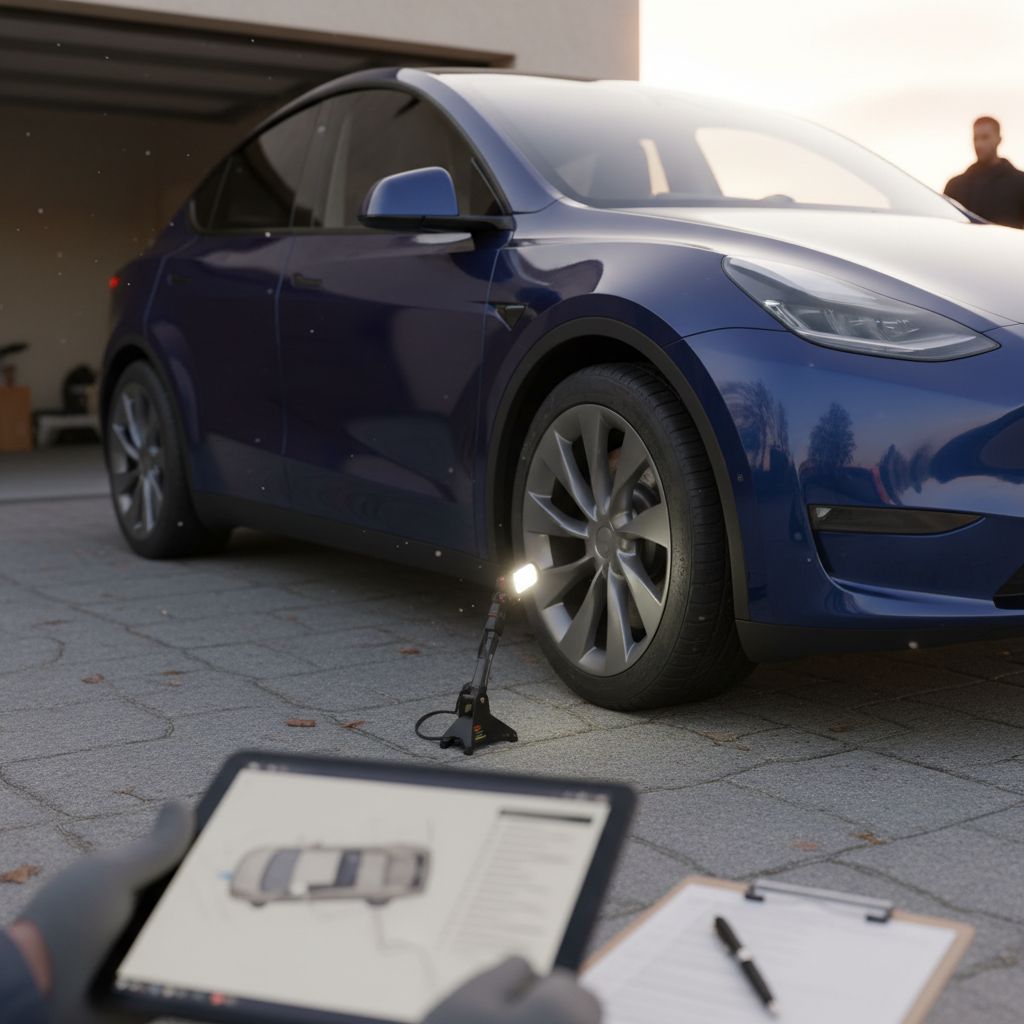
What to check before you buy a used 2023 Q4 e-tron
1. Verify battery health and range
Compare the car’s indicated 100% range to expectations for its trim and climate, and ask for a <strong>battery‑health report</strong>. On Recharged, this is built into the Recharged Score so you don’t have to guess.
2. Test DC fast charging behavior
If possible, plug into a CCS fast charger and watch how quickly the car ramps up and whether it holds reasonable power through at least 50–60% state of charge. Sudden drops or repeated connector errors are red flags.
3. Check software version and recalls
Confirm that all <strong>software updates and recall campaigns</strong> have been performed. Walk through menus, try built‑in navigation, and pair your phone to look for lag, freezing or odd behavior.
4. Inspect charge port and cables
Look for cracked plastics, bent pins or moisture around the charge port. Make sure the port door opens and closes smoothly and that included cables and adapters are in good condition.
5. Evaluate tires and brakes
The Q4’s weight and torque can wear tires more quickly than a gas crossover. Uneven wear may indicate alignment issues; ask to see any <strong>alignment or suspension</strong> work that’s been done.
6. Review service history
Ask for records of any <strong>HVAC repairs, charging‑system work or electronics fixes</strong>. A clean service file with documented software updates is far better than a car with recurring unresolved complaints.
Leaning on an EV specialist
Who the Used Q4 e-tron Is (and Isn’t) For
Is a used 2023 Q4 e-tron right for you?
Match the Q4’s strengths and weaknesses to your real‑world needs.
Great fit if…
- You want a premium-feeling EV that still drives like an Audi crossover.
- You have reliable home or workplace charging and mainly commute or take regional trips.
- You value a quiet, comfortable ride over maximum performance.
- You’re cross‑shopping a Q5 or similar gas SUV and want lower running costs.
Maybe not ideal if…
- You road‑trip frequently through charging deserts and need the absolute best fast‑charging experience.
- You’re extremely sensitive to software polish and want the slickest infotainment and app ecosystem.
- Your budget is tight enough that every dollar counts, mainstream options like the ID.4 may deliver similar utility for less.
Viewed through a used‑EV lens, the 2023 Audi Q4 e-tron is a quietly compelling package: premium feel, usable range, and reasonable charging performance paired with a still‑evolving software story and a bit of an Audi price premium. If you can charge at home, do your homework on battery health and software history, and shop with good data rather than guesswork, it can be a smart way to get into a luxury EV without paying new‑car money. And if you’d like a second set of eyes, Recharged’s battery diagnostics, pricing insights and EV‑savvy support team are there to help you decide whether this Q4, or something else, fits your life best.