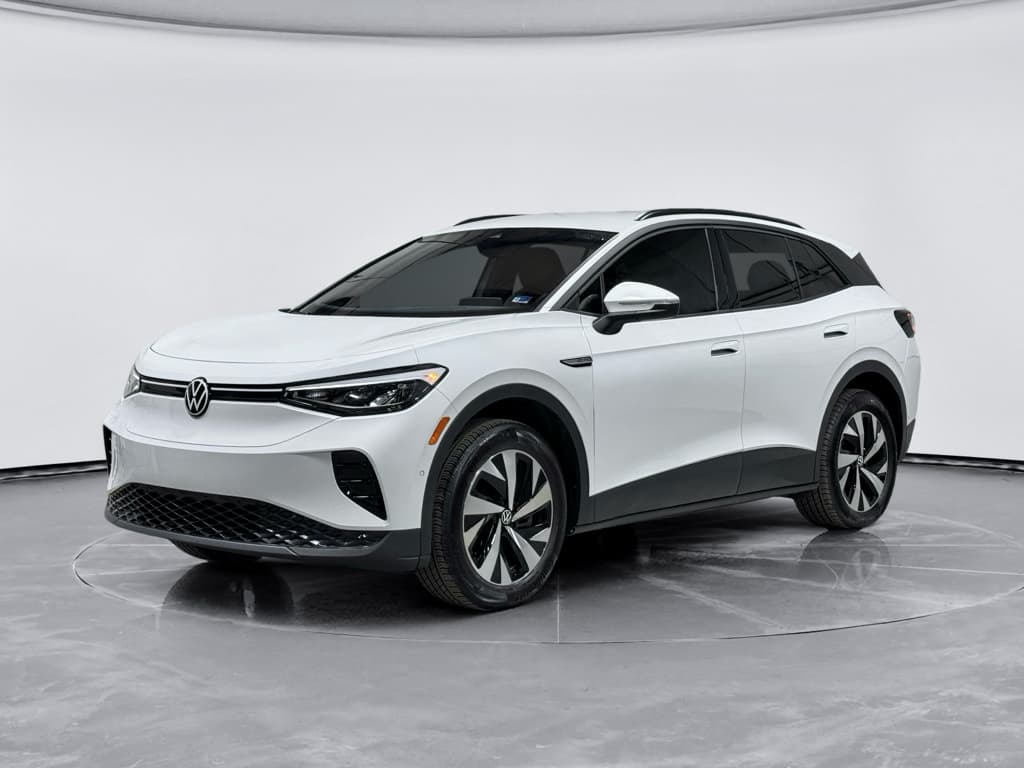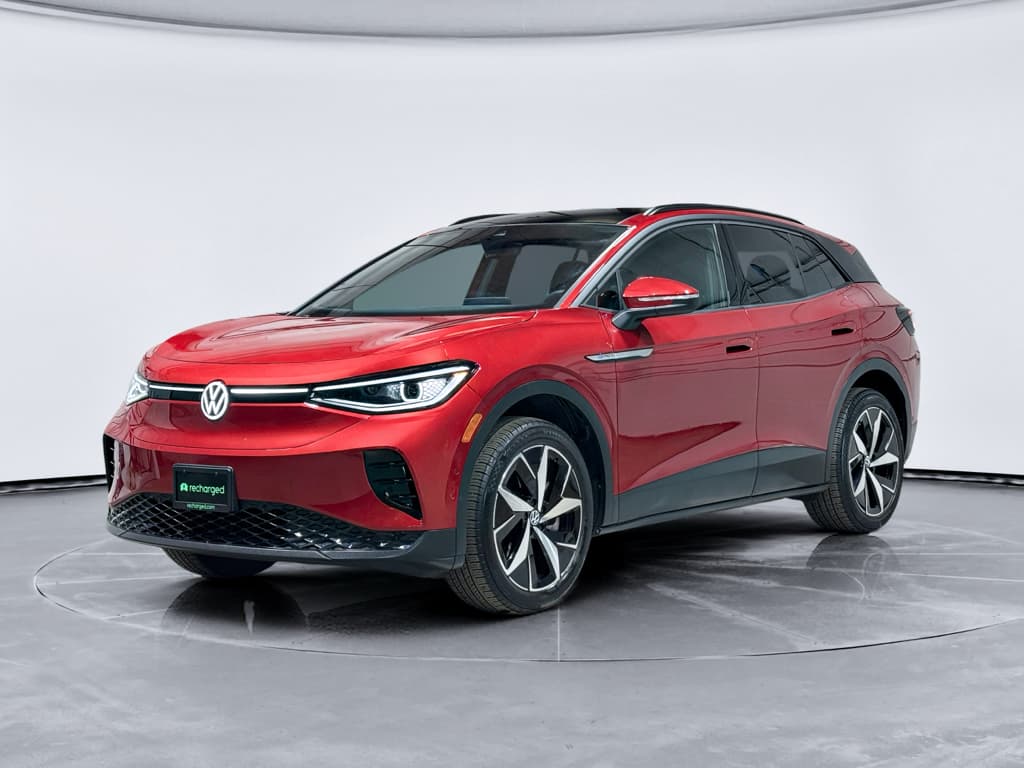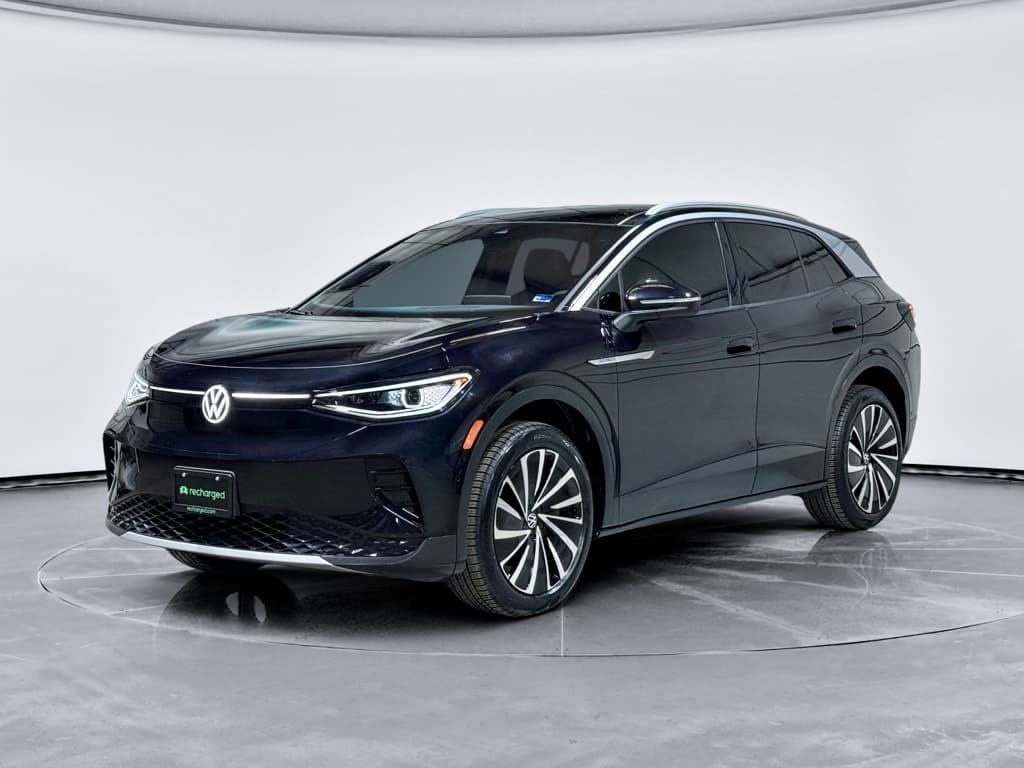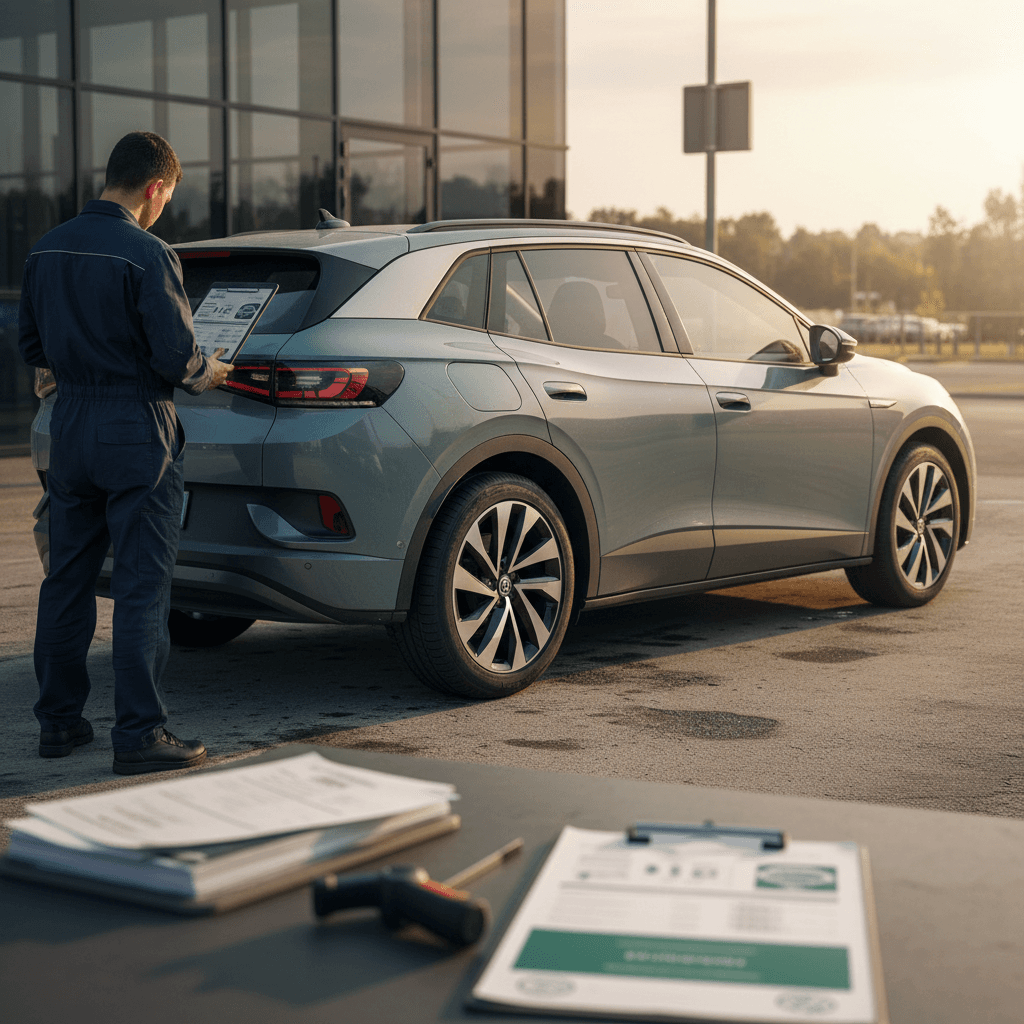
If you’re driving a 2022 Volkswagen ID.4 and thinking about what comes next, the big question is simple: what’s my 2022 Volkswagen ID.4 trade in value right now? Three model years in, the ID.4 has entered that interesting phase where the worst of the early drop is mostly behind you, but every extra year and mile still matters. Let’s walk through what your SUV is realistically worth in 2026, and how to squeeze a few more dollars out of it when you decide to sell or trade.
Context: 2026 used EV market
What a 2022 Volkswagen ID.4 Is Worth in Trade Today
2022 Volkswagen ID.4: ballpark value snapshots for 2026
Those ranges are directional, not promises. Your actual 2022 ID.4 trade in value can swing several thousand dollars based on trim (Pro vs Pro S, RWD vs AWD), mileage, regional demand, battery health, and how badly a particular dealer needs inventory. Some online car‑buying sites currently peg 2022 ID.4 market values around the high teens to low twenties for average‑mileage examples, with cleaner, lower‑mile Pro S AWD models stretching into the mid‑20s when sold retail rather than traded.
Don’t anchor on a single website number
Quick checklist: 30‑second read on your 2022 ID.4’s value
Gut‑check your ID.4’s value before you click for quotes
1. Know your trim and drivetrain
Is your ID.4 a <strong>Pro or Pro S</strong>? Rear‑wheel drive or <strong>AWD</strong>? A 2022 Pro S AWD started life close to $50k; a Pro RWD was nearer the low‑$40ks. That gap still matters at trade‑in time.
2. Check your mileage vs the pack
Average use is ~12k–15k miles per year. Under 40k miles in 2026 is low, 40k–60k is normal, and past 70k starts to drag value down more sharply.
3. Walk around the car like a buyer
Look for curb‑rashed wheels, cracked glass, dings, mismatched paint, or warning lights. Every flaw is a line item a dealer will use to justify a lower offer.
4. Gather your paperwork
Service records, recall documentation, and tire receipts all help tell a "cared‑for" story. That can be the difference between an average and a strong offer.
5. Get at least three real offers
Use a mix of local dealers, online buyers, and marketplaces. If two offers cluster and one is way low, you’ve found your lowball. If one is clearly high, you’ve probably found your best path.
How pricing works for a 2022 Volkswagen ID.4
When a dealer or buyer works up a number for your 2022 ID.4, they’re not thinking about what you paid. They’re thinking about what similar vehicles are trading for at auction and retail right now, then working backward. A typical 2022 Volkswagen ID.4 Pro RWD carried an MSRP in the low‑$40,000s when new, while a loaded Pro S AWD sat closer to $50,000. Today, used‑car data services suggest that an ID.4 can lose around 60–65% of its value in the first five years, with a big chunk of that hit coming in the first three.
How dealers see your 2022 ID.4
- They start with recent auction prices for similar ID.4s.
- Subtract estimated reconditioning: detail, tires, brakes, software updates, glass.
- Factor in EV market risk and how quickly ID.4s sell on their lot.
- What’s left is your trade‑in offer, with a safety margin built in.
How marketplaces like Recharged see it
- We think about what a well‑presented, inspected ID.4 can sell for to a used‑EV shopper.
- We care a lot about verified battery health, clean history, and transparent pricing.
- That lets us often pay closer to retail value than a pure wholesale‑minded dealer, especially through consignment or instant‑offer programs.
Where Recharged fits in
Ready to find your next EV?
Browse VehiclesTrim, mileage, and condition: what moves your ID.4’s number
How your specific 2022 ID.4 configuration affects value
Same model year, very different numbers depending on what you drive
Trim: Pro vs Pro S
The 2022 ID.4 lineup in the U.S. was simple: Pro and Pro S, each available with RWD or AWD. A Pro S adds details shoppers like, bigger touchscreen, nicer upholstery, panoramic roof, more convenience features, so it still commands a premium on the used market.
Drivetrain: RWD vs AWD
AWD models cost roughly $3,000–$4,000 more when new and still tend to be worth more now, especially in snow states. If you have a Pro S AWD, expect stronger demand than for a base Pro RWD in milder climates.
Mileage and usage pattern
Under ~10,000 miles per year looks attractive. Once you’re past about 60,000 miles, buyers and lenders start to treat the vehicle as "higher‑mileage," which drags down both trade‑in and private‑party values.
Condition levels and their typical impact on a 2022 ID.4
How dealers and buyers translate what they see into dollars
| Condition label | What it usually means | Typical impact vs "clean" |
|---|---|---|
| Outstanding | Looks nearly new, fresh tires, no paintwork, full records | +5–10% on trade‑in, easier to hit top of online value range |
| Clean | Normal wear, minor wheel scuffs, interior tidy, no warning lights | Baseline many tools assume |
| Average | Some dings, older tires, stained interior, missed a service | −5–10% vs clean |
| Rough | Visible damage, warning lights, Carfax accident, smoked in cabin | −15% or more and may go straight to auction |
Use this as a guide when you describe your ID.4 online or over the phone.
One fast way to lift your number
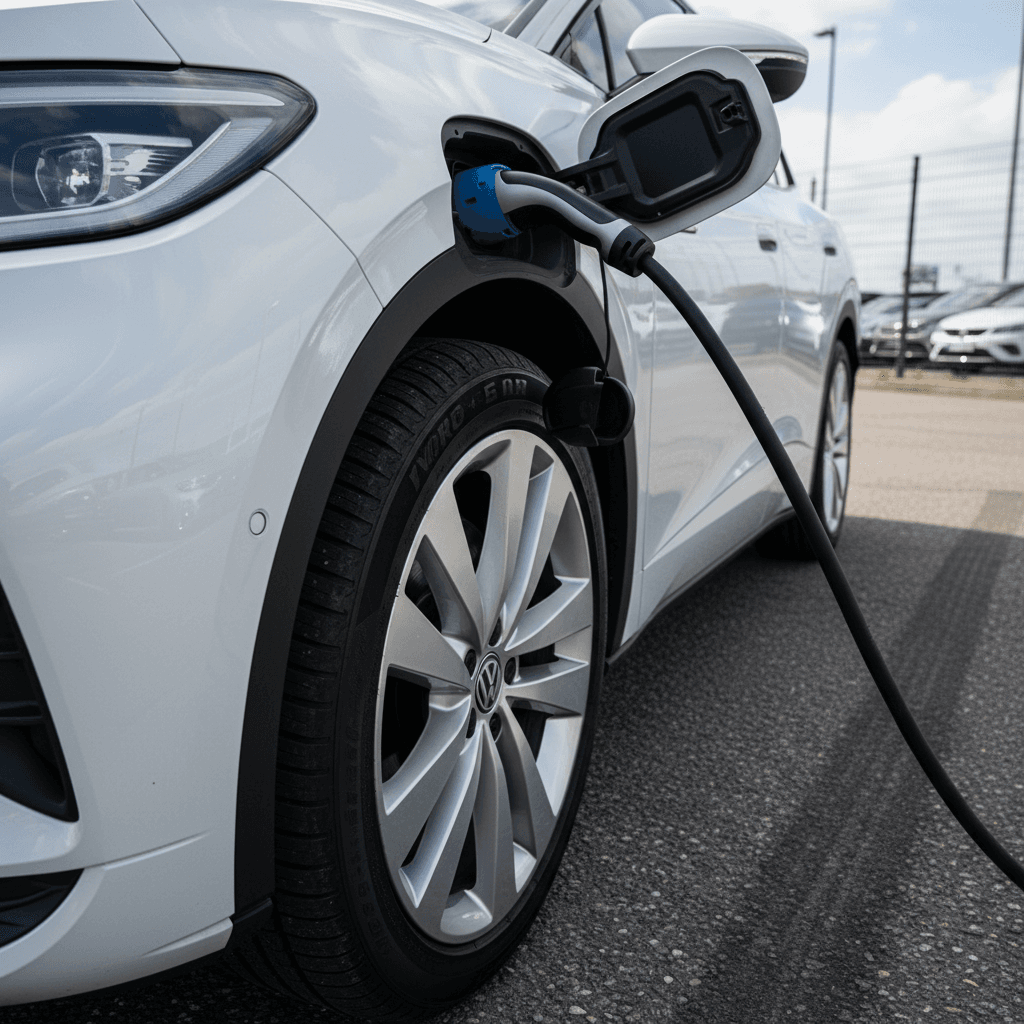
Why battery health matters more than on a gas car
With a gasoline SUV, a buyer can shrug off a few mechanical quirks. With a 2022 ID.4, everything revolves around the battery. Volkswagen backs the ID‑family high‑voltage pack with an 8‑year/100,000‑mile warranty against defects, with a guaranteed minimum percentage of original capacity. Real‑world long‑term testing of Volkswagen’s similar ID‑series packs has shown encouragingly low degradation over the first 4 years and 100,000‑plus miles, meaning most healthy packs are still well within warranty targets at the age your 2022 is now.
What buyers and dealers look for
- No repeated DC fast‑charging abuse that’s obvious from logs or history.
- Normal range for your climate and tires, not a sudden unexplained drop.
- No history of high‑voltage battery repairs or replacement outside warranty.
- No dash warnings for electrical, charging, or thermal‑management issues.
How Recharged helps you prove it
Every EV sold through Recharged comes with a Recharged Score Report, including verified battery health diagnostics. That means:
- Objective data on pack capacity and charging behavior.
- Clear, shopper‑friendly explanations instead of cryptic numbers.
- Less fear for the next owner, and often, stronger sale prices.
Red flags that crush EV value
Dealers vs online buyers vs marketplaces like Recharged
Three main ways to unlock your 2022 ID.4’s value
Each comes with trade‑offs in price, time, and effort
Traditional franchised dealer
Pros: Easiest when you’re trading for another car, and tax savings in many states if you trade rather than sell outright. You’re in and out in an afternoon.
Cons: EVs can be "hot potato" inventory for some dealers. If they’re not confident reselling an ID.4, they’ll price conservatively and send it to auction.
Online instant‑offer companies
Pros: Quick valuations, doorstep pickup, and you can shop multiple offers from your couch. Many factor in national demand, not just your local lot.
Cons: Condition adjustments at inspection time can be harsh, and not all of them truly understand EV battery health beyond age and miles.
EV‑focused marketplace like Recharged
Pros: Built for used EVs from the ground up. Recharged can:
- Give you an instant offer on your 2022 ID.4,
- List it on consignment with a Recharged Score report, or
- Help you trade into another used EV with expert guidance.
Cons: If you’re in a rush and only care about speed, you may choose the very fastest, not the highest, offer.
If you’re the kind of owner who kept the software updated, watched your charging habits, and can produce a neat folder of receipts, you’re exactly the seller an EV marketplace is built around. A generic used‑car pipeline might not reward that level of care, but EV‑savvy buyers absolutely will.
7 steps to boost your 2022 ID.4 trade‑in value
Turn your ID.4 into the best‑looking one in the lane
1. Fix the cheap, obvious stuff first
Touch‑up paint on small chips, inexpensive wheel refurbishing, fresh cabin air filter, and a good interior detail can return more than they cost, especially on a white or dark‑colored ID.4 where blemishes pop.
2. Put decent rubber on it
Bald or mismatched tires scream "deferred maintenance." A mid‑priced set in the correct size makes the whole car feel newer, and gives buyers confidence about safety and winter performance.
3. Clear the dash and update software
Any warning light is an instant value‑killer. Address recalls and basic maintenance, and make sure your 2022 ID.4 has the latest software updates applied so the buyer sees a modern, responsive system.
4. Gather documentation and accessories
Original charging cable, manuals, two keys, roof‑rack hardware if you have it, missing pieces give dealers a reason to mark you down. Having it all in a bag or folder signals a careful owner.
5. Get a battery health readout
If you’re selling through Recharged, our <strong>Recharged Score</strong> includes battery diagnostics. Even if you sell elsewhere, having records that show consistent range and charging behavior can calm buyer nerves.
6. Photograph it like a listing, even for trade
Dealers love it when you email photos and VIN ahead of time. Shoot exterior from all corners, interior, tires, infotainment, odometer, and charge port. A clean, well‑lit set of photos can help you negotiate from a position of strength.
7. Play offers against each other (politely)
Once you have 2–3 written offers, you can ask your preferred buyer, "If you can match this number for my 2022 ID.4 Pro S AWD, I’d rather work with you." Many will move a little to win a clean EV they understand.
How the used EV tax credit affects 2022 ID.4 prices
One reason 2022 ID.4 values can look lower than you might expect is the federal used clean vehicle credit. Under current IRS rules, qualifying used EVs sold by dealers for $25,000 or less can unlock up to a $4,000 tax credit for eligible buyers. That ceiling has quietly become a price target in the used EV world, especially for 2021–2023 models like the ID.4.
What this means for your trade‑in
- Dealers know that if they can retail a 2022 ID.4 at or under $25,000, it becomes very attractive to buyers chasing the credit.
- They’ll usually work backward from that price, subtracting reconditioning, margin, and risk, so if they think it’s a $25k retail car, your trade‑in might land in the high teens or very low 20s.
- Above that $25k line, the tax‑credit carrot disappears, so demand can thin out.
How to use the credit to your advantage
- If you sell privately around the same price a dealer would charge, tell shoppers your 2022 ID.4 may qualify under current IRS rules (but always urge them to confirm with a tax pro).
- If you’re trading, remember the dealer bakes the credit into their pricing strategy. You can still negotiate for more if your car is cleaner than what they’re using as a comparison.
Important tax note
Is now a good time to sell your 2022 ID.4?
Timing the market perfectly is a fantasy, but you can make a smart call. By 2026, many 2022 ID.4s are coming off leases, which adds supply and puts pressure on values. At the same time, new EVs keep getting more range and better tech, which gradually ages your Volkswagen in the eyes of shoppers. The flip side? The steepest part of the depreciation curve is largely behind you, and Volkswagen’s battery warranty still has years and miles left on the clock.
- If your 2022 ID.4 mileage is still under roughly 45,000 and you’re thinking about moving on in the next year or two, selling sooner rather than later usually captures a better number.
- If you’re already into higher‑mileage territory but the car’s been reliable and suits your needs, keeping it and driving it for several more years can be cheaper than rolling into something newer.
- If you want to stay electric but need more range, seats, or tech, using today’s value as a healthy down payment on a newer used EV can make sense, especially if you can find a vehicle that qualifies for a fresh federal tax credit.
Use an expert as a sounding board
FAQ: 2022 Volkswagen ID.4 trade‑in value
Frequently asked questions about 2022 ID.4 value
Your 2022 Volkswagen ID.4 trade in value isn’t just a number spat out by a website. It’s a story about how the car was built, how it’s been driven, how healthy its battery is, and how you choose to sell it. With a little preparation, fresh rubber, a clean cabin, solid records, and a battery health check, you can turn your ID.4 from just another used EV into the one that stands out, whether you hand over the keys at a local dealer or work with an EV‑specialist marketplace like Recharged to unlock its full worth.