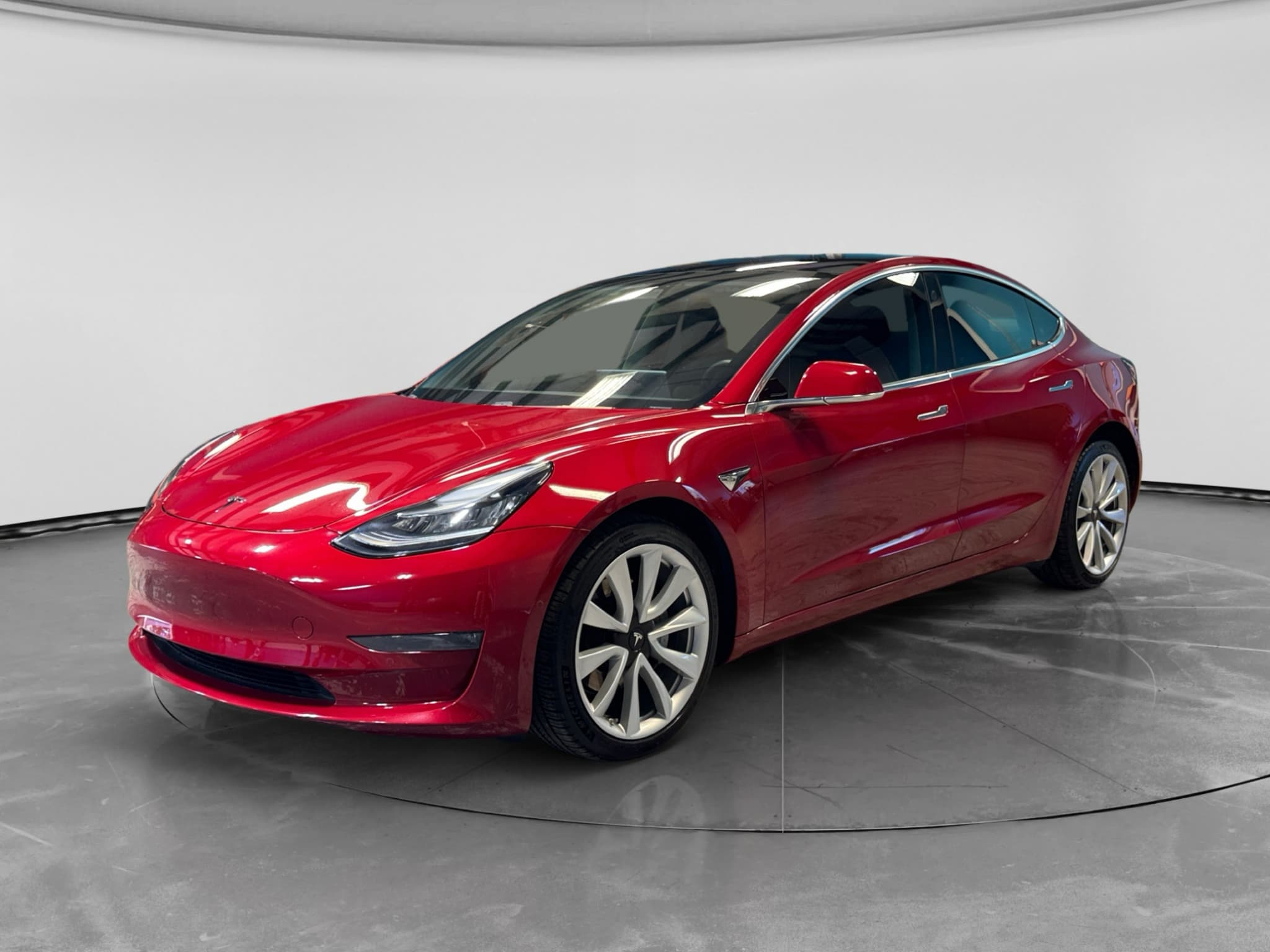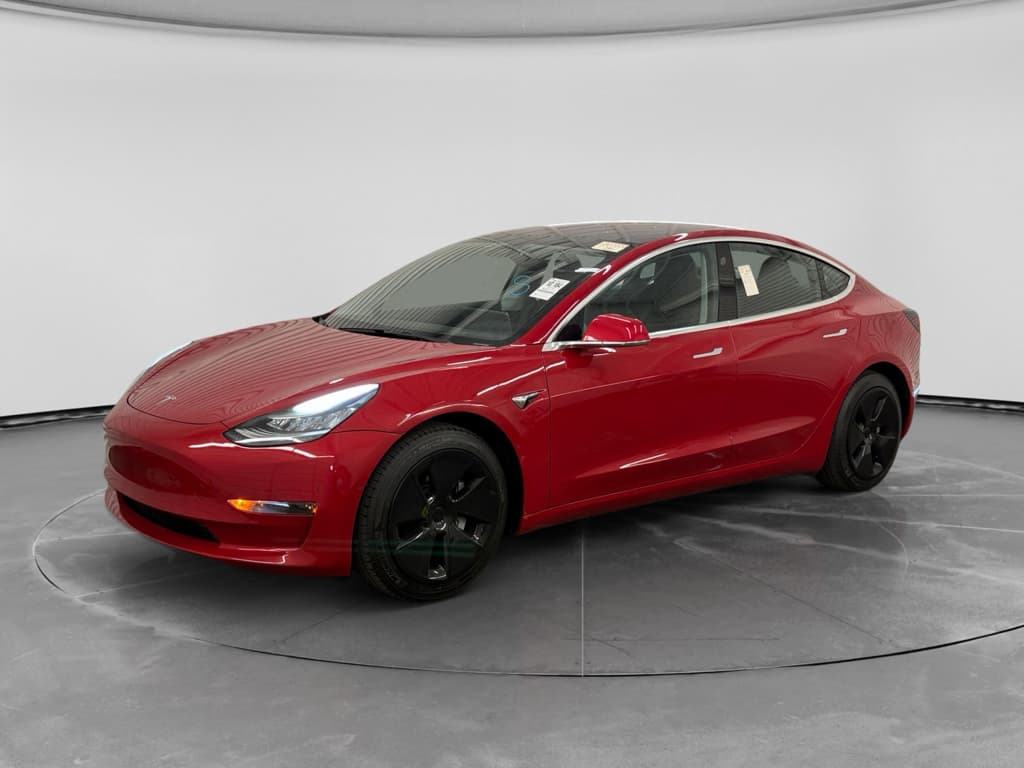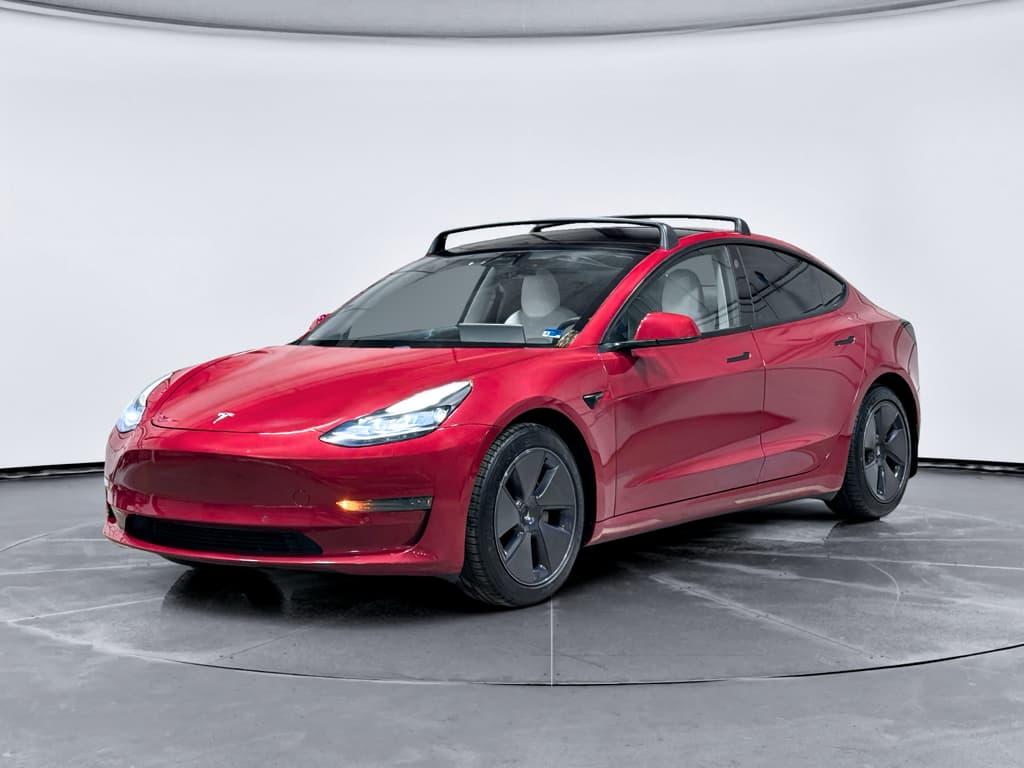
Which version fits your driving?
The Long Range is the safer all-purpose choice, while the Standard Range Plus is the sharper value for predictable daily driving. A larger range buffer helps when highway speeds, winter temperatures, detours, or an aging battery reduce the distance available between charging stops. But if you charge at home and your routine rarely tests the car’s limits, paying extra for unused range may not improve your ownership experience.
Start with your longest normal driving day, not an imaginary cross-country emergency. If that day leaves a comfortable reserve in the Standard Range Plus, it can be all the Model 3 you need. If you regularly arrive home low, depend heavily on public charging, or take long trips, the Long Range buys flexibility and fewer charging decisions; see our guide to choosing the right EV range for a practical way to calculate your needs.
The decision in one table
Use your driving pattern and the car’s verified condition to decide where your money does the most work.
| Option | Best for | Main advantage | Watch for |
|---|---|---|---|
| Standard Range Plus | Daily commuting | Lower purchase cost | Smaller range buffer |
| Long Range | Trips and cold weather | More driving flexibility | Higher purchase cost |
| Better-condition car | Any used-EV buyer | Lower condition risk | Verify actual trim |
Model names and equipment can vary by model year, so verify the configuration of the individual vehicle.

What Recharged’s Model 3 data shows
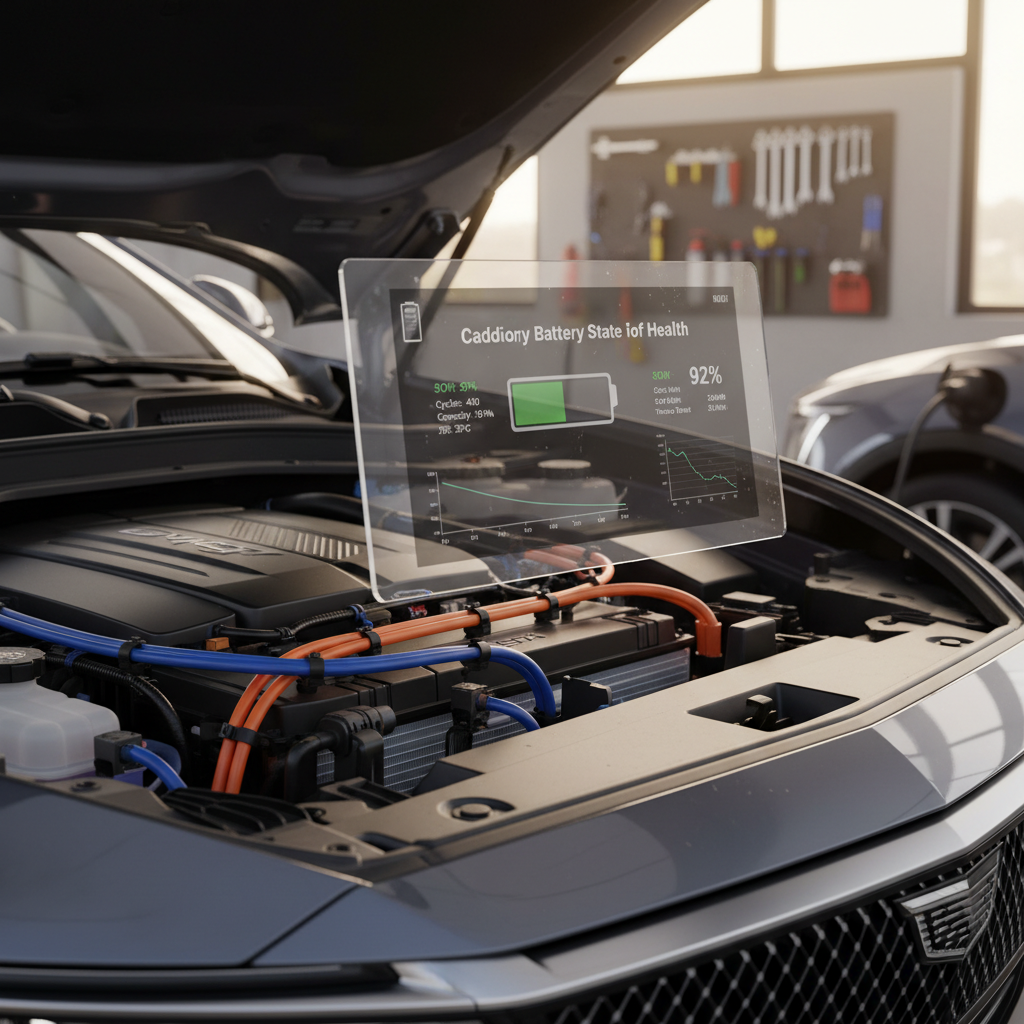
Recharged’s inspection data shows that used Model 3 battery condition varies enough to deserve equal billing with trim. Across 303 Recharged Score inspections, tested remaining battery capacity averaged 87.8%, with a median of 87.5%; tested real-world range averaged 280 miles, with a median of 279 miles. Those results combine Model 3 configurations rather than separating Standard Range Plus from Long Range, so they should not be treated as trim-specific range claims.
Current Recharged listings tell a similarly broad market story. Among 31 Model 3s listed when the snapshot was taken, asking prices ran from $20,000 to $51,597, with a $36,997 median and $34,304 average. That spread covers differences in configuration, age, mileage, equipment, battery condition, and overall condition; the useful takeaway is that trim alone cannot explain the price of a used Model 3.
On a used Model 3, range is only part of the decision. We’d rather see you buy the car whose battery diagnostics, physical condition, and price make sense together than chase a badge without checking the individual vehicle.
Compare battery reports, not dashboard guesses
Recharged data
Used Tesla Model 3 battery health
88%
avg remaining capacity
From Recharged battery inspections, not manufacturer estimates.
- Lowest
- 73%
- Median
- 88%
- Highest
- 100%
- Est. range
- 280 mi avg
- Cell balance pass
- 100%
- Quick charges
- 23 avg
- Slow charges
- 75 avg
Average cell imbalance: 5.5 mV
Based on vehicles Recharged tested
Recharged data
Used Tesla Model 3 prices at Recharged
$36,997
median list price
Current list prices for matching inventory at Recharged.
- Lowest
- $20,000
- Average
- $34,304
- Highest
- $51,597
Average Recharged Score on these listings
4.7 / 5
Range
4.3 – 4.9
Based on available listings
Every EV is battery-tested with a Recharged Score. Nationwide delivery.
Range matters, but condition can matter more
A healthy Standard Range Plus can be the smarter purchase than a neglected Long Range. The larger-battery car still has the inherent flexibility advantage, but worn tires, accident repairs, charging problems, cosmetic damage, or weak battery results can quickly erase its appeal. Compare each candidate using its actual inspection findings, price, mileage, and ownership history rather than assuming every Long Range is automatically superior.
Cosmetic modifications also deserve a close look. Recharged’s team has inspected a Model 3 with a poorly installed wrap that exposed the original paint at door, mirror, and handle seams; nicks in the wrap revealed more of the contrasting color underneath. A wrap can protect paint when properly installed, but sloppy edges, trapped damage, or an undesirable color combination shouldn’t be priced as an upgrade.
A poorly installed wrap isn’t automatically a deal-breaker, but it isn’t automatically a selling point either. Check the seams, ask what the paint looks like underneath, and decide whether removal belongs in your budget.
The Standard Range Plus makes the strongest case when you have dependable home charging. A home Level 2 setup uses a 240-volt circuit to add energy much faster than a regular household outlet, allowing you to start most mornings with the charge level you selected. If home charging isn’t practical, the Long Range model’s additional buffer may be more valuable because it gives you more room between public-charging visits; learn more in our Level 1 versus Level 2 charging guide.
What should you inspect before buying?
You should verify the configuration, battery condition, charging operation, and physical condition before choosing either version. Used listings can simplify or misstate trim names, and Tesla’s naming and equipment have changed over time. Confirm the individual car’s details in its vehicle information screen and supporting records instead of relying only on the listing headline.
Used Model 3 inspection checklist
Verify the exact configuration
Match the listing to the car’s information screen, drivetrain, wheels, equipment, and supporting records.
Read the battery diagnostic
Compare tested remaining capacity and estimated real-world range with your driving needs.
Test AC and fast charging
Confirm the charge port works properly and the vehicle begins charging without errors.
Inspect tires and alignment
Look for uneven wear, mismatched tires, wheel damage, and signs the car pulls while driving.
Check repairs and modifications
Examine panel fit, paint, glass, underbody areas, wraps, and aftermarket accessories.
Price the whole vehicle
Weigh age, mileage, condition, battery results, configuration, and financing, not the trim badge alone.
A proper test drive should cover more than straight-line acceleration. Listen for suspension noises, check that the car tracks straight, test climate control, operate the cameras and screen, and note any warnings. For a broader walk-through, use our used-EV inspection checklist before committing.
Instant offer, trade-in, or consignment. Pickup available.
Model 3 Standard Range Plus vs Long Range FAQ
The verdict
The Long Range wins for flexibility, but the Standard Range Plus can win on value. Buy the Long Range when its added buffer solves a real problem in your weekly driving; otherwise, put the savings toward a cleaner, better-documented Standard Range Plus with strong battery results. Whichever trim you choose, a Recharged Score Report helps you compare verified battery health, fair market pricing, and the condition of the actual car, not an idealized version of the badge.