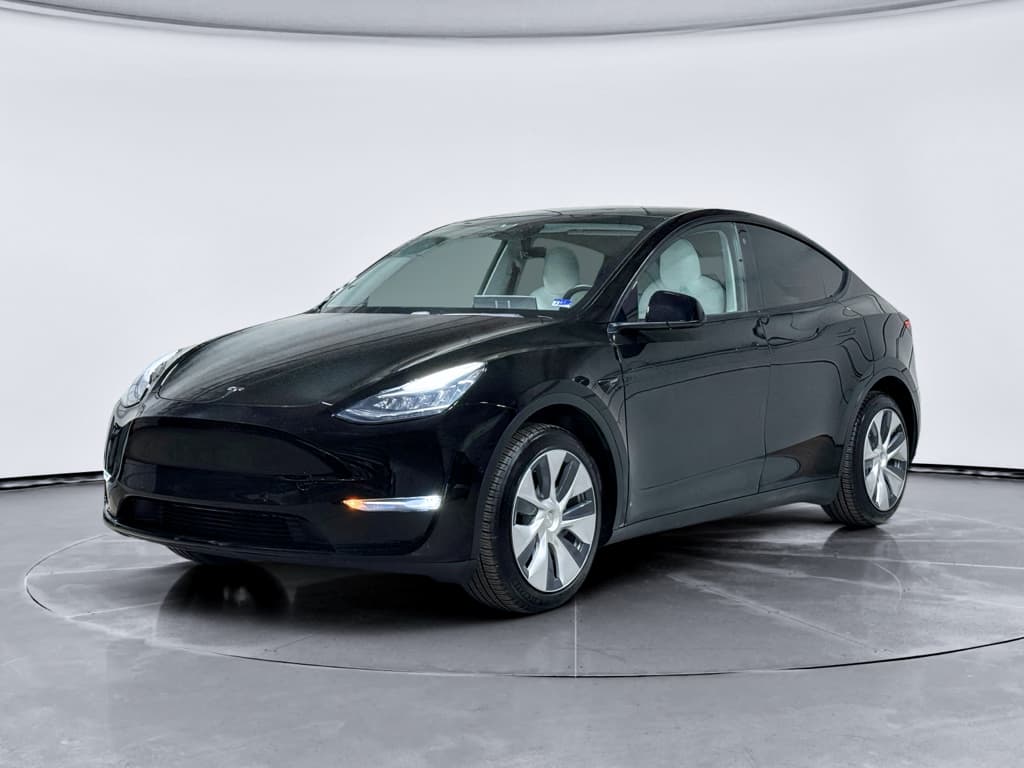
If you’re eyeing a used 2022 Tesla Model Y, you’ve probably seen wildly different takes on its reliability. Some owners report **trouble‑free years and low running costs**; others talk about repeat service visits for rattles, sensors and software glitches. This guide pulls together the latest 2022 Tesla Model Y reliability ratings, common problems, and recall history so you can decide if it belongs in your driveway.
Quick take
Overview: How Reliable Is the 2022 Tesla Model Y?
2022 Tesla Model Y Reliability at a Glance
The short version: the 2022 Model Y has **average to slightly above‑average reliability overall** compared with the broader EV market, and it’s one of the more dependable fully electric crossovers. Where it struggles is not the battery or motors, but **fit‑and‑finish, electronics, and driver‑assist behavior** (things like phantom braking). That means your experience will depend heavily on how well a specific vehicle was built, maintained, and updated.
Model years vs. build dates
How Major Rating Groups Score the 2022 Model Y
Consumer-style reliability scores
- Consumer Reports has steadily improved its view of Model Y reliability as early build issues have been ironed out, now calling it one of the more reliable EVs on sale, with recent models helping lift the brand into its overall top 10.
- Owner surveys and platforms like Kelley Blue Book show high satisfaction with performance and day‑to‑day dependability, even when owners report annoyance with trim or quality niggles.
In practical terms, that puts the 2022 Model Y in the "acceptable to good" band for reliability, especially for an EV loaded with software and driver‑assist tech.
Data-based reliability indexes
- Independent reliability indexes that track complaint volume and failure types peg the 2022 Model Y around the middle of the pack, with a composite score near 50/100, better than the more trouble‑prone 2020–2021 builds but not as clean as the very best gas crossovers.
- Problem reports tilt toward electronics, body hardware and driver‑assist systems, not catastrophic engine‑style failures that you’d see with some ICE rivals.
Viewed strictly as a used‑car bet, the 2022 Model Y is safer than many early‑generation EVs, but still demands a more careful tech and software review than a conventional SUV.

Common 2022 Tesla Model Y Problems & Complaints
When shoppers talk about the 2022 Tesla Model Y’s reliability rating, they’re usually talking about how often these issues show up. Not every car has them, but they’re common enough that you should actively look for them on a test drive.
Top Problem Areas on 2022 Model Y
What owners and data sets flag most often
Build quality & noise
- Misaligned body panels or inconsistent gaps
- Wind noise from frameless windows or hatch
- Interior rattles from dash, doors, or cargo area
These are the most visible complaints at delivery and are the easiest to spot during an inspection.
Electronics & driver assist
- “Phantom braking” when using Autopilot or cruise
- Inconsistent lane‑keeping in poor lane markings
- Occasional camera or sensor error messages
Most are software‑related, but they directly affect confidence on long highway drives.
HVAC & heat pump issues
- Weak cabin heat in very cold weather on some early builds
- Occasional compressor or valve replacements under warranty
- Fogging or defrost performance complaints in extreme climates
Later software and hardware tweaks reduced the frequency, but cold‑climate shoppers should test thoroughly.
- Door handles or latches that don’t behave as expected, especially during low‑voltage situations
- Infotainment bugs after over‑the‑air (OTA) software updates, occasionally requiring reboots
- Squeaks from suspension components or premature wear of small bushings on high‑mileage vehicles
- Premature tire wear if the vehicle has seen aggressive driving or frequent heavy loads
Pro tip on software issues
Recalls and Safety Concerns for the 2022 Model Y
Every modern Tesla, including the 2022 Model Y, has been subject to multiple recalls, some traditional, some via software. Recalls don’t automatically mean a vehicle is unreliable, but they do tell you where engineers and regulators have found weaknesses.
Key Recall Themes Affecting 2022 Model Y
Representative recall and investigation topics that a used‑car shopper should understand. Exact campaign IDs and coverage depend on build date and equipment.
| Area | What it involves | Why it matters |
|---|---|---|
| Autopilot / FSD behavior | Software recalls and investigations around Tesla’s Autopilot and Full Self‑Driving capability, including stopping behavior and traffic control recognition. | Impacts crash risk when driver‑assist is engaged. Even if software is updated, evaluate how the car behaves on your own routes. |
| Phantom braking | Federal regulators have probed reports of sudden deceleration at highway speeds on 2021–2022 Model 3/Y vehicles when using driver assistance. | Can be unnerving and dangerous if traffic is following closely. You’ll want to test highway behavior yourself. |
| Door latches & handles | Investigations and campaigns related to doors that may not open as intended in certain failure modes, alongside Tesla’s unique electronic handle design. | In an emergency, you need doors to open quickly, teach all occupants how the manual releases work. |
| Occupant & restraint systems | Software‑driven recalls around chimes, warning logic, or seatbelt detection across multiple Tesla models, including the Y. | These are typically fixed via OTA updates, but you should confirm that software remedial work has been applied. |
| Hood latch / frunk detection | Campaigns addressing the possibility that hood‑open detection might not function correctly in rare circumstances. | A hood that can appear closed but isn’t fully latched is a visibility and safety hazard at speed. |
Always run the VIN through NHTSA and Tesla’s own recall tool to confirm status before you buy.
Don’t ignore recall status
Battery and Drivetrain Longevity on 2022 Builds
From a reliability standpoint, the **battery pack and dual‑motor drivetrain are the 2022 Model Y’s strongest assets**. Across the fleet, high‑mileage Ys tend to show modest range loss and few outright pack failures when they’ve been charged and driven reasonably.
How the 2022 Model Y Holds Up Mechanically
Where it tends to be solid, and where to be careful
Battery health trends
- Most owners report single‑digit percentage degradation in the first 60,000–80,000 miles.
- Heat‑pump‑equipped Ys are more efficient in moderate climates but can struggle in extreme cold if there are HVAC issues.
- Frequent DC fast charging doesn’t appear to be a deal‑breaker, but consistent 100% charges and high heat can accelerate wear.
Motors & reduction gear
- Few documented failures of the front or rear drive units on 2022 builds compared with many ICE transmissions over similar mileage.
- No traditional transmission fluid changes or timing belts to worry about.
- Most "drivetrain" complaints are actually tire, alignment, or suspension‑noise issues rather than motor breakdowns.
Good news for long-term ownership
Ownership Costs When Reliability Is “Mixed”
On paper, the 2022 Model Y promises low running costs: no oil changes, no exhaust system, and fewer moving parts than a gas SUV. But a middling reliability rating can change the math if your particular car is a "service frequent flyer." Here’s what that looks like in practice.
Costs that usually go down
- Routine maintenance: No oil or transmission fluid, fewer filters, and regenerative braking that can stretch brake pad life well beyond what you’d expect on a comparable gas crossover.
- Fuel: Even at average U.S. electricity rates, home charging is typically far cheaper per mile than gasoline.
- Wear items: With smooth torque delivery, items like spark plugs, belts, and exhaust don’t exist, because the car doesn’t need them.
Costs that can go up
- Out-of-warranty repairs: When something like a camera module, HVAC component, or control arm does fail out of warranty, parts and labor are typically more expensive than for a mass‑market ICE crossover.
- Service access: You’re largely tied to Tesla Service and mobile techs, which can mean appointment backlogs in some regions.
- Tire replacement: Instant torque and heavier curb weight can chew through tires faster, especially on Performance models.
Budgeting rule of thumb
What to Check When Buying a Used 2022 Model Y
Because reliability is uneven from car to car, your inspection matters more on a 2022 Model Y than on a simpler used SUV. Here’s a focused checklist geared to this model year’s known issues.
Used 2022 Model Y Reliability Checklist
1. Scan for panel gaps and paint flaws
Walk the car in good light and look closely at hood, hatch, and door gaps, plus paint texture on bumpers vs. metal panels. Significant misalignment or mismatched respray can hint at prior damage or rushed factory work.
2. Listen for rattles and wind noise
On a test drive, use a smooth road and turn off the audio. Listen for buzzes from the dash or rear hatch and for wind hiss around the mirrors and glass at highway speeds.
3. Stress-test Autopilot and cruise
If equipped, try Autopilot or traffic‑aware cruise on a lightly traveled highway. Watch for phantom braking, lane‑keeping quirks, and whether the driver‑assist systems feel predictable enough for your comfort level.
4. Check HVAC performance in real conditions
Set cabin temperature to a comfortable setting and verify strong heat and A/C output, clear defrost, and quiet operation. In colder regions, pay extra attention to how quickly the cabin warms up and whether windows stay clear.
5. Review software, recalls, and service history
From the central screen, note the software version and check for outstanding updates. Ask for Tesla service records showing completed recall work and repairs on cameras, suspension, HVAC, or door hardware.
6. Verify battery health and charging behavior
Look for realistic displayed range at 80–90% charge compared with original EPA ratings, and, if possible, observe a DC fast‑charge session to confirm the vehicle can pull expected charge rates without abrupt throttling.
Be cautious with sight-unseen cars
How Recharged Evaluates 2022 Model Y Reliability
Because the 2022 Model Y can be excellent or frustrating depending on the specific vehicle, Recharged leans heavily on data and hands‑on inspections rather than a single generic reliability rating.
Inside the Recharged Score for a 2022 Model Y
How we turn reliability risk into a clear, shoppable number
Battery & charging diagnostics
Problem-area inspection
Transparent history & pricing
Ready to find your next EV?
Browse VehiclesIf you decide a 2022 Model Y fits your needs, Recharged can also handle **financing, trade‑in, and nationwide delivery**, or work with you on an instant offer or consignment if you’re moving out of an existing EV. Our goal is to make sure you understand not just the price you pay, but the reliability story behind the VIN you’re choosing.
FAQ: 2022 Tesla Model Y Reliability Rating
Frequently Asked Questions
Bottom Line: Is a 2022 Model Y a Safe Bet Used?
If you strip away the hype and the hate, the 2022 Tesla Model Y comes into focus as a **technically strong EV with average overall reliability and very model‑specific quirks**. Its battery, motors, and charging hardware are proving durable, and many owners rack up tens of thousands of miles with minimal drama. At the same time, others deal with panel fixes, software frustrations, or driver‑assist behavior they never fully trust.
For used‑EV shoppers, that means the real question isn’t "Is the 2022 Model Y reliable?" so much as **"Is this specific 2022 Model Y reliable?"** A careful inspection, battery‑health readout, and recall check will tell you far more than any single reliability rating. If you’d rather not shoulder that homework alone, starting your search with vetted vehicles and a detailed Recharged Score report can turn Tesla’s most popular crossover into a smarter, more predictable used‑car bet.