If you’re eyeing a used 2022 Tesla Model S, you’re probably wondering whether its reliability matches the car’s price tag and performance. The short answer: the 2022 Model S can be a fantastic long‑range luxury EV, but it doesn’t have a trouble‑free record. Understanding where it tends to be solid, and where owners are still seeing issues, will help you decide if it’s the right fit and what to inspect before you buy.
Quick take
2022 Tesla Model S reliability at a glance
2022 Model S reliability snapshot
On paper, the 2022 Model S looks like a paradox. J.D. Power’s data suggests solid quality and reliability relative to other Teslas, while Consumer Reports calls the 2022 Model S "less reliable than the average new car" and flags a large number of recalls. At the same time, owner‑review platforms show high satisfaction, especially around performance and everyday usability.
Key reliability takeaway
How Consumer Reports, J.D. Power & owners rate reliability
What the major ratings say
- Consumer Reports: Rates the 2022 Model S reliability below average compared with all vehicles from that model year and notes 19 recalls. Trouble spots include body hardware, in‑car electronics, charging system, suspension and various electrical accessories.
- J.D. Power: Gives the Model S a 75/100 Quality & Reliability score across recent years (including 2022), making it one of the stronger Teslas in their data set.
- Industry context: Tesla as a brand continues to rank in the bottom tier of initial quality, largely due to build issues and an aggressive pace of design changes.
What real owners report
- High satisfaction: Kelley Blue Book consumer reviews for the 2022 Model S average around 4.7/5 overall, with 4.6/5 specifically for reliability and about 90% of owners saying they’d recommend it.
- What they love: Outrageous acceleration, long range, over‑the‑air updates, and the convenience of Tesla’s Supercharger network.
- What they complain about: Fit and finish, random software gremlins, squeaks/rattles, and occasional service frustrations when something does go wrong.
How to interpret the mixed scores
Most common 2022 Model S problems
Because the 2022 Model S rides on an updated platform but still carries over a lot of legacy hardware and design concepts, its trouble spots are clustered in a few familiar Tesla categories: body hardware, electronics, suspension, and software‑related quirks. Battery and motor failures are much less common than cosmetic or convenience annoyances, but they do happen, and they’re costly if they occur out of warranty.
Typical 2022 Model S trouble spots
Not every car will have these issues, but these are the patterns to watch for when you shop used.
Body hardware & trim
- Misaligned panels, loose trim, or tail light garnish coming away from the body.
- Trunk, hatch or frunk latches needing adjustment to close properly.
- Door alignment issues that cause wind noise or small water leaks.
These are usually fixable but can signal rushed assembly or past collision repairs.
Electronics & infotainment
- Glitches with the central touchscreen, backup camera, or Bluetooth.
- Occasional phantom warnings for safety systems or driver‑assist features.
- Lag or freezes after major over‑the‑air updates until the car is rebooted.
Most are resolved with software, but hardware replacements can be pricey out of warranty.
Suspension & ride quality
- Air suspension compressors or height sensors acting up.
- Clunks or knocks over bumps from worn links or bushings.
- Uneven tire wear from alignment that’s slightly out from the factory.
Still less of an issue on 2022 than on the earliest Model S years, but worth checking.
- Noises and leaks: owners and survey data cite squeaks, rattles and wind noise more often than major drivetrain failures.
- Charging quirks: some cars report intermittent issues connecting to specific home or public chargers, often resolved with software or a charge port component replacement.
- Climate system: a subset of owners have reported weak HVAC performance or noisy fans, particularly in very hot or cold climates.
Serious but less common issues
Battery & drivetrain: long-term durability
One reason buyers still flock to used Model S sedans is the track record of Tesla’s battery packs and drive units. High‑mileage early Model S cars with well over 150,000 miles have shown relatively modest degradation when properly maintained. The 2022 Model S benefits from years of iteration on that hardware, but any individual car’s history will drive its reliability picture.
2022 Model S battery & drivetrain reliability overview
High-level view of how the core EV hardware tends to hold up, based on industry data and early owner reports.
| Component | Typical behavior | Risk level by year 3–4 | What to check on a used 2022 |
|---|---|---|---|
| High-voltage battery | Gradual capacity loss; many owners see single‑digit % loss in first few years. | Generally low, assuming no abuse or fast‑charging 100% of the time. | Verify rated vs. displayed range, charging history if available, and scan for battery fault codes. |
| Drive units (motors) | Smooth, quiet operation; occasional reports of noise or bearing issues. | Low to moderate; failures are rare but costly. | Listen for whine or grinding, check for any drive unit or inverter warranty work. |
| On-board charger & charge port | Can be sensitive to certain home wiring or public hardware; occasional port door or contact issues. | Moderate; more nuisance than catastrophe. | Test AC and DC fast charging, confirm no intermittent charging fault messages. |
| 12-volt system | Powers door handles, latches, some safety functionality; failure can create weird behavior. | Moderate; aging 12‑volt batteries can cause random errors. | Check service records for 12‑volt battery replacement and ask about any strange intermittent issues. |
Battery and motor failures are rare but extremely expensive if they occur out of warranty.
Range vs. battery health
Recalls, safety issues & software updates
The 2022 Model S has been subject to an unusually high number of NHTSA recalls for a relatively new vehicle, roughly 19 campaigns covering everything from air‑bag hardware to pedestrian warning sounds and driver‑assistance behavior. Many of these were addressed via over‑the‑air software updates, which is Tesla’s strength, but it means you need to confirm that the specific car you’re considering is fully up to date.
Key recall and safety themes for 2022 Model S
Most issues are fixable, but they reinforce why software and hardware status matters on a used Tesla.
Software-driven recalls
- Changes to pedestrian warning sounds and Boombox features to meet federal noise rules.
- Driver-assistance behavior tweaks around Autopilot and collision warning systems.
- Updates to prevent defrost performance issues that could reduce visibility.
These are typically fixed automatically if the car has received regular OTA updates.
Hardware-related recalls
- Air‑bag and horn‑pad campaigns tied to certain steering wheel or yoke configurations.
- Front seat‑belt anchor inspections to ensure proper attachment.
- Isolated side‑curtain air bag and structural component campaigns.
These require a physical service visit, important to verify in the vehicle’s history.
Door handles & emergency egress
Ownership costs, downtime and warranty coverage
Pure maintenance costs on a Model S, no oil changes, fewer moving parts, remain lower than many gas luxury sedans. But when something breaks out of warranty, it can get expensive quickly. Estimates place 10‑year maintenance and repair costs for a Model S well below the segment average, yet individual repair bills for things like suspension components, door hardware or electronic modules can climb into four figures.
What you’re likely to spend
- Routine care: Tires, cabin air filters, brake fluid and occasional alignment are the main recurring items. High torque means you’ll want good tires and proper rotations.
- Wear items: Air suspension parts and door hardware become more likely failure points as the car ages, especially in harsh climates or on rough roads.
- Unplanned repairs: A single out‑of‑warranty repair for a control arm, charge port or infotainment module can rival several years of basic maintenance on a simpler car.
Warranty & downtime reality
- New vehicle warranty: 4 years/50,000 miles bumper‑to‑bumper from original in‑service date; 8 years and a mileage cap for battery and drive unit.
- Used buyer window: By 2026, many 2022 Model S cars are nearing the end of their basic warranty, but still covered for core EV hardware.
- Service delays: Tesla Service Centers vary by region; some owners report quick turnarounds, others face long waits for parts or appointments.
Planning for a modest repair fund and verifying remaining warranty coverage is critical.
What to check when buying a used 2022 Model S
Because reliability is so dependent on the individual vehicle, your pre‑purchase inspection is where you can turn an inherently risky high‑tech car into a smart used buy. You want to verify both physical condition and software/recall status, then dig into battery health before you sign anything.
Used 2022 Tesla Model S reliability checklist
1. Confirm software & recall status
From the car’s screen, check that it’s on a current software version and has a history of regular updates. Ask the seller for a printout or screenshot showing no outstanding recalls, and match it against NHTSA’s VIN lookup.
2. Inspect body, doors & glass
Look closely for panel gaps, repainting, cracked glass or misaligned liftgates. Open and close every door, trunk and frunk from both inside and outside to catch latch, sensor or alignment issues.
3. Test drive for noises & suspension issues
On a mix of smooth and rough roads, listen for clunks, pops or knocking, especially over bumps. Watch how the air suspension raises/lowers and whether the car stays level when parked overnight.
4. Evaluate battery health & range
With the pack near full, compare the displayed range to the original rating. A third‑party diagnostic or a Recharged Score report can quantify remaining capacity well beyond what the dash shows.
5. Stress-test the electronics
During your drive, work the touchscreen, cameras, Bluetooth, climate system, heated seats and all driver‑assist features you plan to use. Random reboots or frequent error messages are red flags.
6. Review service history and warranty
Ask for invoices and digital records. Look for documented fixes of early issues (door or trunk adjustments, software‑related campaigns) and confirm how much of the factory battery/drive unit warranty remains.
How Recharged evaluates 2022 Model S reliability
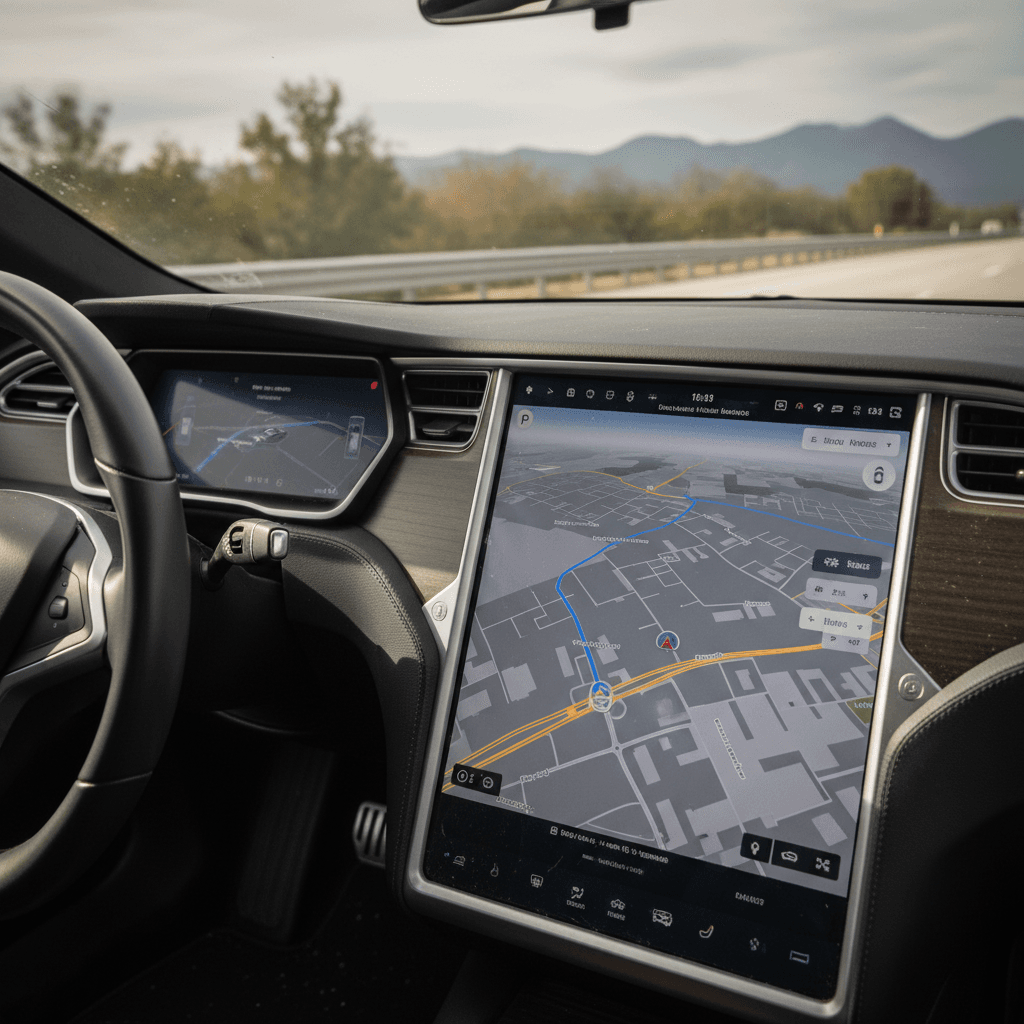
Because today’s EVs are rolling computers, traditional inspections don’t tell the whole story. At Recharged, every used Tesla Model S we list goes through a battery‑specific diagnostic and a detailed condition review that’s bundled into a transparent Recharged Score Report so you’re not guessing about hidden issues.
What’s in a Recharged Score Report for a 2022 Model S
Objective data + expert inspection, tailored to high‑tech EVs.
Battery & charging health
- Measured usable capacity vs. original spec.
- Fast‑charge vs. home‑charge usage profile where available.
- Scan for pack faults, charge‑port errors and thermal‑management issues.
Software, recalls & ADAS
- Software version and update cadence.
- Verification of completed recall and service campaigns.
- Operational check of Autopilot and key safety systems.
Body, chassis & ride quality
- Panel alignment and paint consistency review.
- Road test for suspension noise and steering feel.
- Underbody inspection for damage that can hurt long‑term reliability.
Ready to find your next EV?
Browse VehiclesWhy this matters for a 2022 Model S
FAQ: 2022 Tesla Model S reliability
Frequently asked questions about 2022 Tesla Model S reliability
Bottom line: Is a 2022 Tesla Model S a safe bet?
If you want a long‑range, blisteringly quick luxury EV, the 2022 Tesla Model S is still one of the most compelling cars on the road. But from a reliability standpoint, it’s not a set‑and‑forget appliance. Build quality variation, numerous recalls and complex software mean some cars are substantially better bets than others.
The smart play is to treat each 2022 Model S as an individual: verify its software and recall history, dig into battery health, and inspect doors, suspension and electronics before you buy. If you can find a well‑maintained example with clean diagnostics, ideally backed by a transparent Recharged Score Report and remaining factory warranty, you can enjoy the strengths of the 2022 Model S while sharply reducing your downside risk as a used EV buyer.