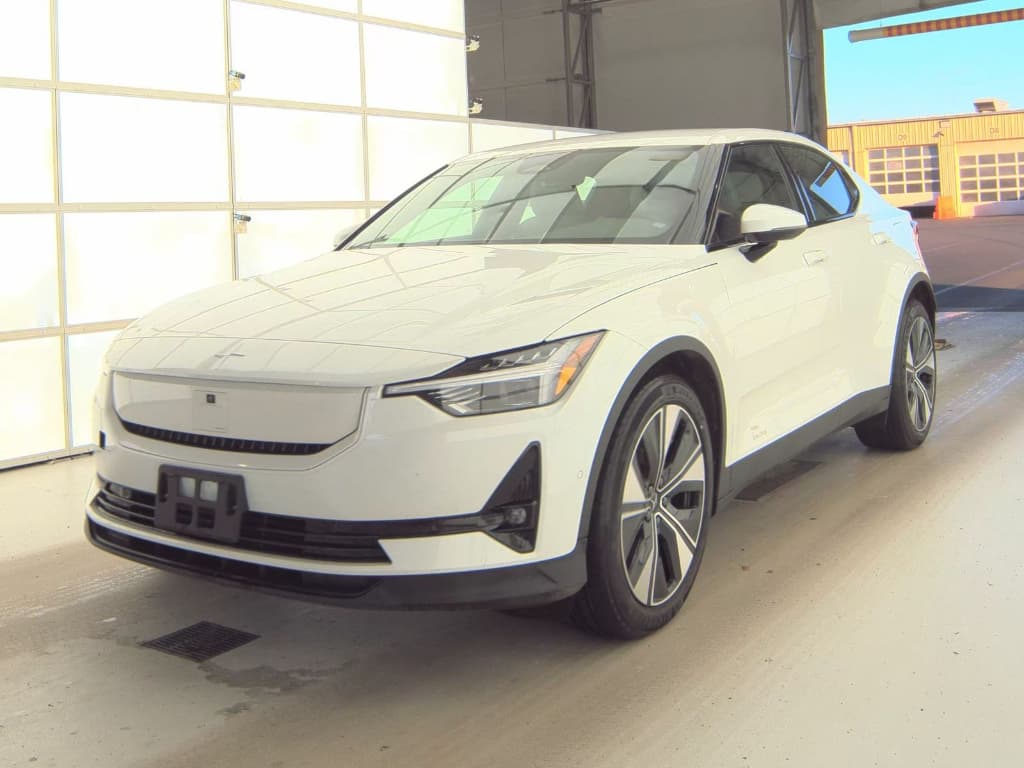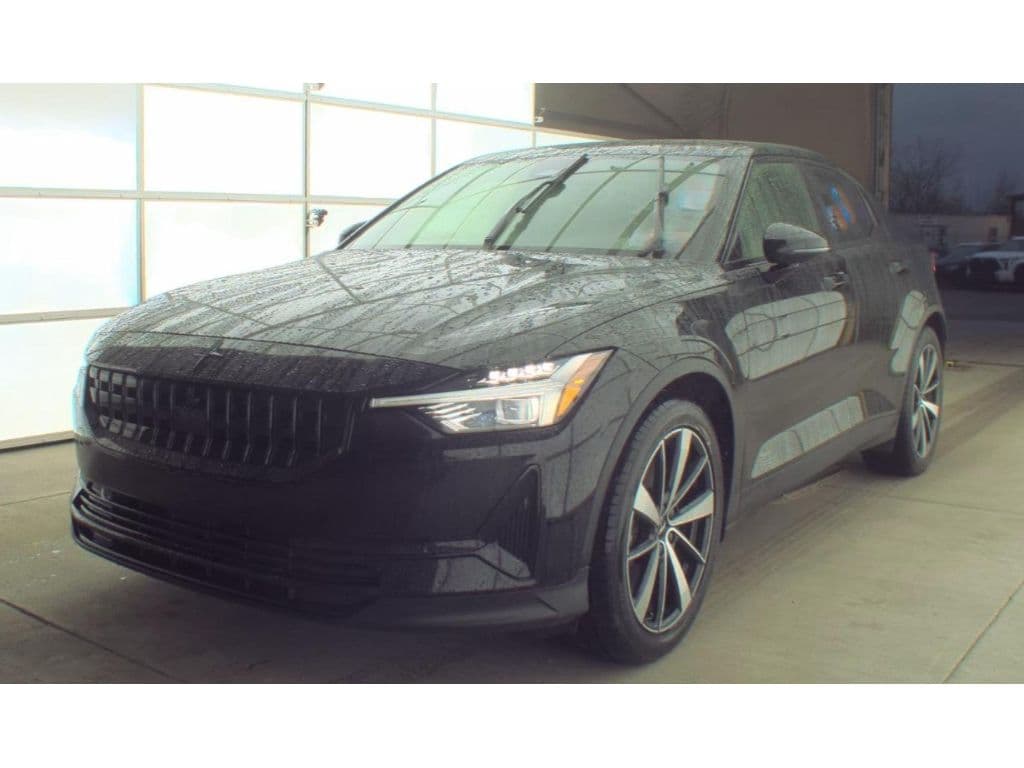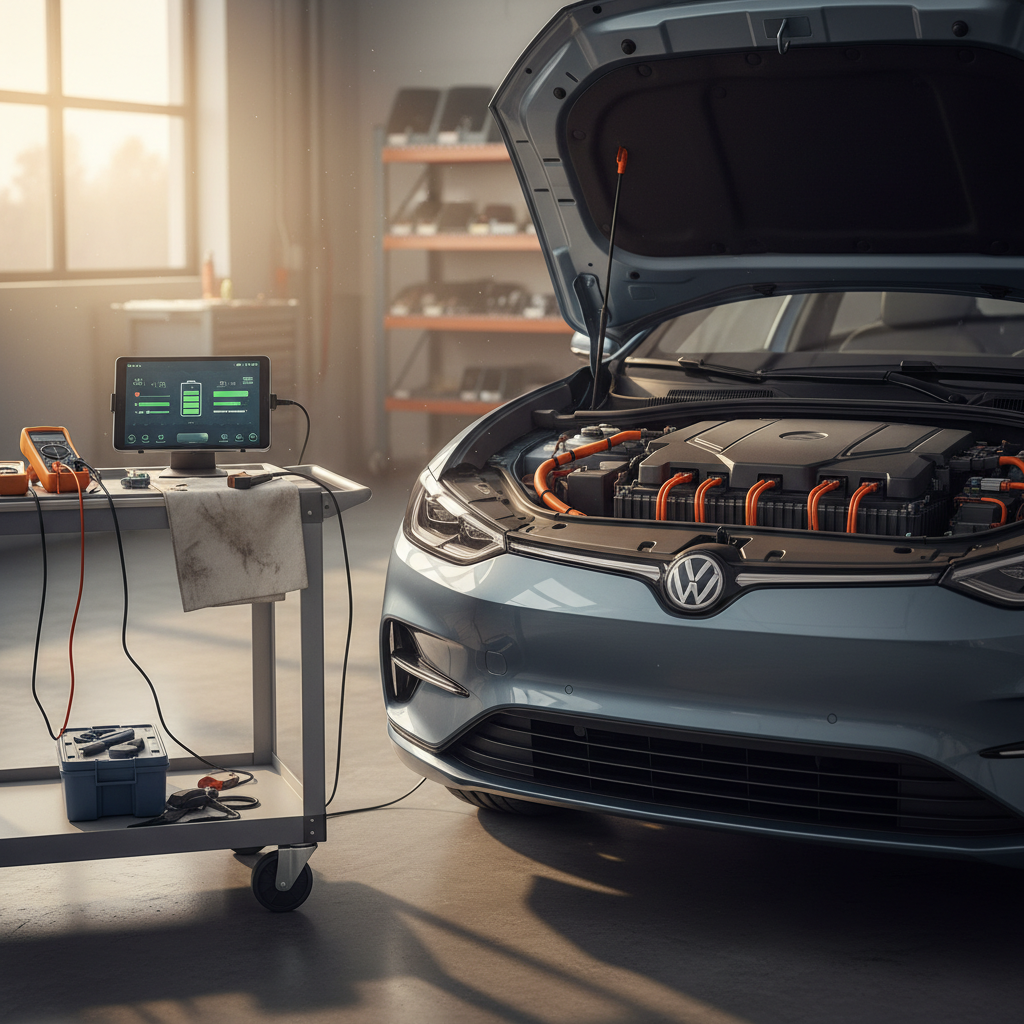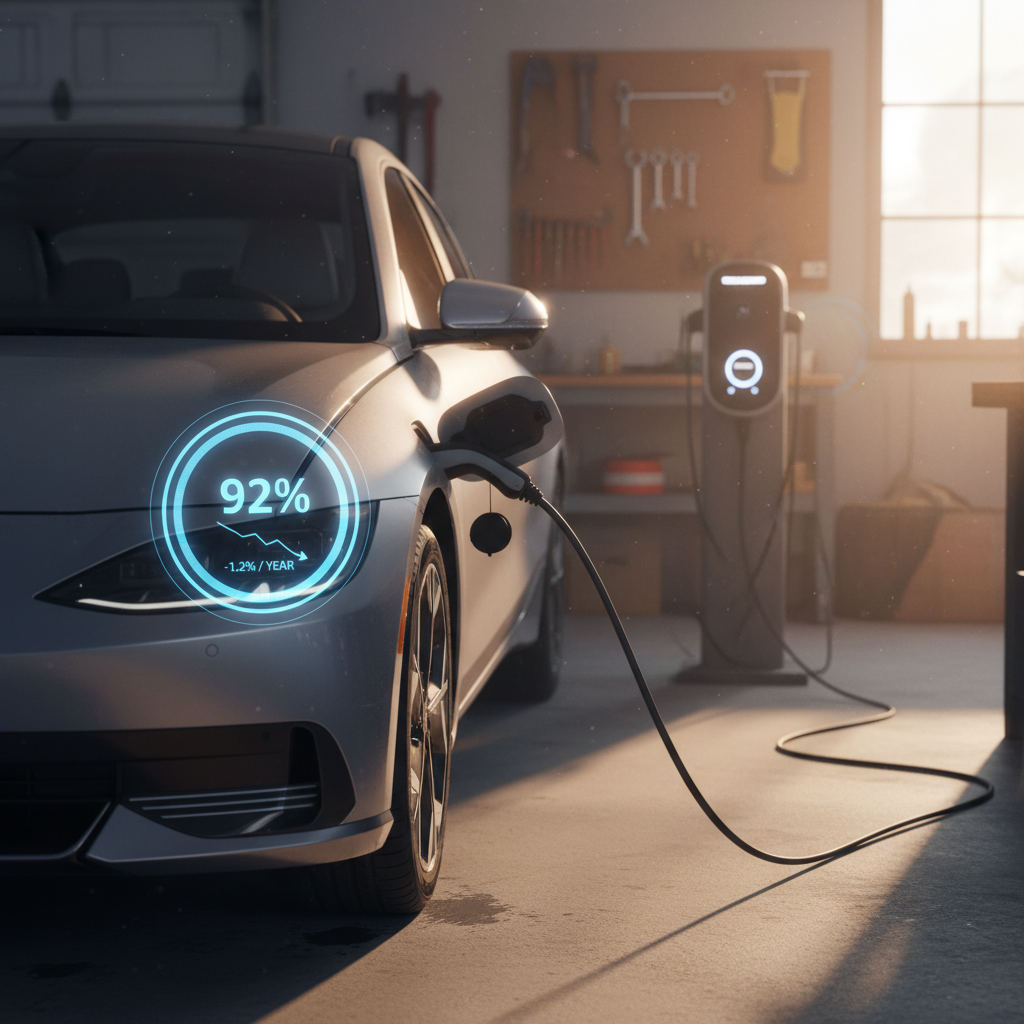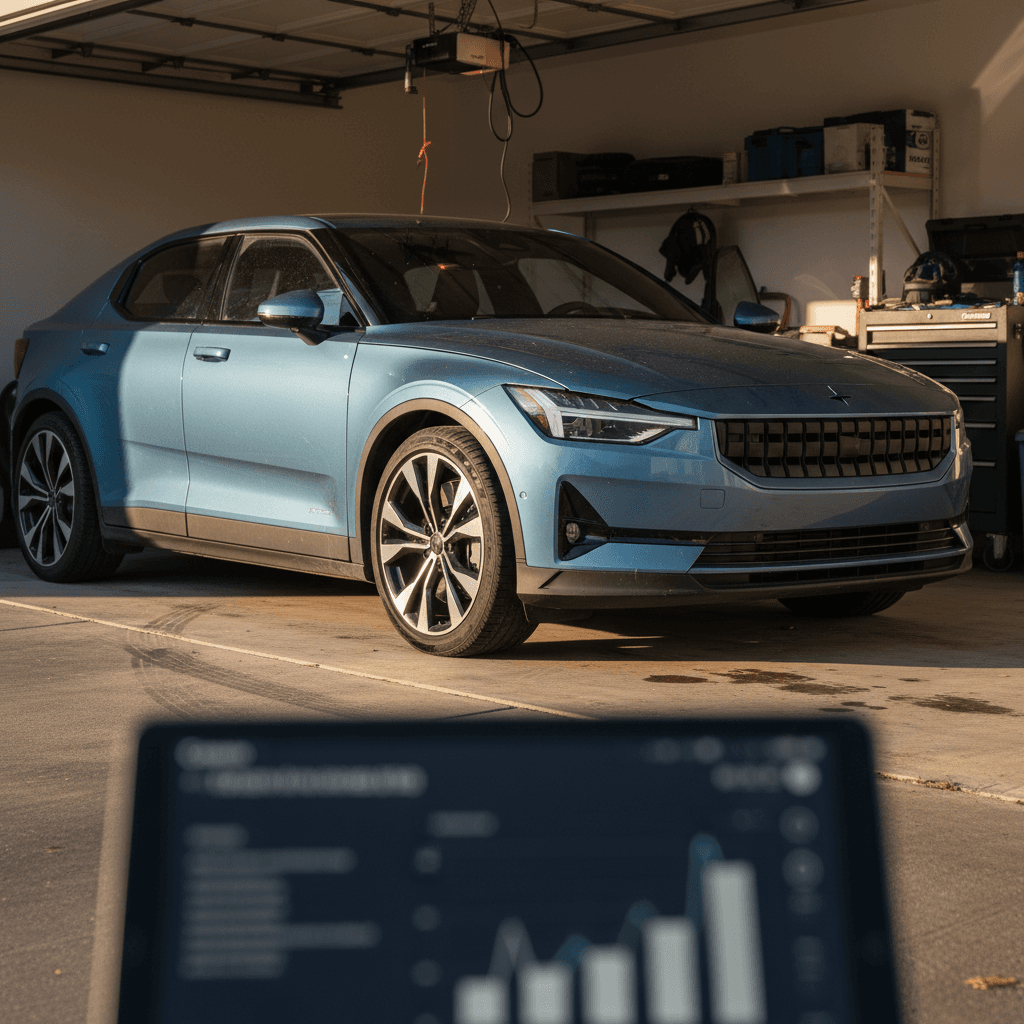
If you’re considering a used 2022 Polestar 2, reliability is probably high on your list. This stylish Swedish‑branded EV has earned praise for design and performance, but real‑world reports paint a more mixed picture when it comes to long‑term dependability. In this guide, we’ll break down what’s known about 2022 Polestar 2 reliability, the most common issues owners report, and how to shop smart if you’re eyeing one on the used market.
Quick take
Overview: How Reliable Is the 2022 Polestar 2?
Putting all the data on the table, the 2022 Polestar 2 lands squarely in the "average to somewhat below average" reliability bucket among modern EVs. It isn’t as problematic as the least reliable electric models, but it also doesn’t enjoy the bulletproof reputation of some mainstream brands.
2022 Polestar 2 Reliability Snapshot
Owner feedback is polarized. Some drivers call their 2022 Polestar 2 the best car they’ve ever owned, with zero issues beyond minor infotainment lag. Others report repeated service visits for suspension noises, warning lights, and telematics glitches. That spread is exactly what makes it important to inspect an individual car carefully before you buy.
Ratings & Owner Sentiment at a Glance
What Owners and Reviewers Are Saying
Different sources, similar theme: great to drive, but some rough edges on reliability.
Owner reviews (positive)
On major review sites, many 2022 Polestar 2 owners report no mechanical issues over tens of thousands of miles, praising build quality, performance, and interior finish. Several note the car feels “solid” and “squeak‑free” compared with rivals.
Owner reviews (negative)
Critical reviews often center on suspension clunks, rear motor noises, and slow or glitchy software. A few owners describe repeated service visits where issues were "fixed" only to return within months.
Big‑picture verdict
Ratings average out to around 3.5–4.0 out of 5 on consumer sites. That’s acceptable, but the spread between owners with zero problems and those with ongoing annoyances is wider than you see on the most reliable EVs.
How to read the mixed reviews
Common 2022 Polestar 2 Problems to Know
You’re not buying a science project here, most 2022 Polestar 2s are perfectly usable daily drivers. But several patterns have emerged that you’ll want to check for specifically on a used example.
Typical 2022 Polestar 2 Issue Patterns
Use this as a short list of items to ask about and test‑drive for.
| Area | Symptoms Owners Report | How Serious? | What to Ask/Check |
|---|---|---|---|
| Suspension & front end | Clunks, creaks, or "wooden" feel over bumps; front end noises at low speeds | Annoying, can affect comfort; rarely a safety issue if addressed | Listen over speed bumps and tight turns; ask about prior suspension work or TSB updates. |
| Rear motor / driveline | Thumps or clunk when taking off from a stop; occasional vibration | Can indicate wear or tolerance issues; usually repairable under warranty | Accelerate gently from a stop with windows up and down; feel for any shudder. |
| Battery/charging behavior | Unexpected range drop, charging stops early, DC fast‑charge inconsistency | Varies from software quirk to hardware fault | Review charging history if available, and test both Level 2 and (if possible) DC fast charging. |
| Electrical warnings | Random warning lights (traction control, parking aids, battery warnings) that clear or reappear | Mostly nuisance; in some cases require module replacement or software updates | Scan for stored codes; ask for repair invoices tied to warning messages. |
| HVAC & A/C | Weak airflow, inconsistent cabin heating or cooling, clicking noises in dash | Comfort issue; components can be costly out of warranty | Run the A/C and heat for several minutes at different fan speeds; listen for clicking or fluttering. |
| 12‑volt battery | Sudden no‑start or "dead" car despite healthy high‑voltage pack | Stranding risk; very common across many EV brands | Ask if the 12‑volt battery has been replaced and when; check service records. |
Not every car will have these problems, but they’re the ones that come up most often in owner reports and legal case write‑ups.
Watch for repeat repairs
Battery & EV System Reliability
For most shoppers, the high‑voltage battery is the make‑or‑break item on any used EV. The good news is that, as of early 2026, there isn’t evidence of a systemic battery defect unique to the 2022 Polestar 2. You’ll find isolated stories of pack or module replacements, but no wave of failures that would suggest a flawed design.
- Real‑world range tends to lag the optimistic on‑screen estimate, especially at highway speeds or in cold weather. That’s typical of many EVs, but early testers called out the Polestar 2’s prediction display as especially rosy.
- Some owners and legal firms note cases of unexpected battery drain or charging faults, often resolved with software updates or component replacements rather than full battery swaps.
- The dual‑motor powertrain itself has proven stout overall; complaints are more about noises (clunks or thumps) than outright motor failures.
Battery warranty safety net
At Recharged, every EV gets a Recharged Score battery health report before it’s listed. That means we directly measure usable capacity and fast‑charging behavior instead of guessing based on mileage alone, critical for a model like the Polestar 2 where range estimates can already be a bit optimistic.
Software, Infotainment & Electronics
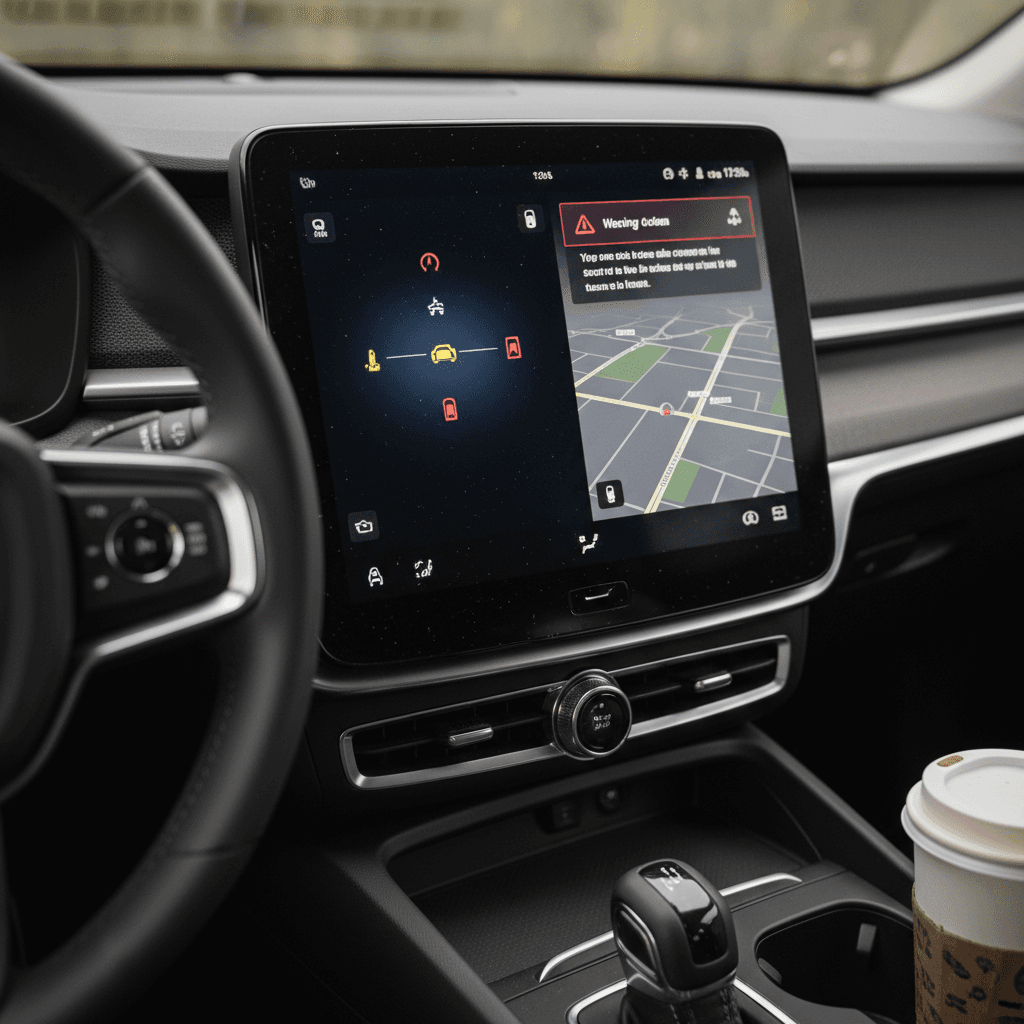
If there’s one area where early Polestar 2s, 2022 included, catch the most heat, it’s software. The Android Automotive‑based infotainment system is powerful and modern, but several owners complain about lag, random app failures, and the occasional frozen screen. Separate from the center screen, the car’s telematics module and driver‑assist electronics have had their share of growing pains.
The good news
- Many bugs are fixable via over‑the‑air (OTA) updates, no dealer visit required.
- Newer software builds often improve stability and add features like better CarPlay support.
- Compared with some legacy‑brand systems, the Google‑based interface is still more intuitive when it’s behaving.
The bad news
- Owners report random restarts, slow bootups after the car sits, and occasional failures of the backup camera or parking sensors.
- Telematics/control unit glitches can trigger warning messages like eCall failures or traction‑control errors.
- A May 2025 recall covers rear‑camera display issues on 2021–2025 cars, including 2022 models; the fix is a software update but highlights the system’s sensitivity.
On your test drive
Recalls Affecting the 2022 Polestar 2
Like many first‑ and second‑generation EVs, the Polestar 2 has seen several recalls across 2021–2025 model years. For a used 2022, you mainly care about whether those campaigns have been completed, not whether they existed in the first place.
- Early Polestar 2s had multiple software‑related safety campaigns, including issues that could trigger propulsion warnings or limp‑home behavior.
- A 2025 recall covers around 27,000+ U.S. Polestar 2s from 2021–2025 for a rearview camera display that can intermittently fail to show an image while reversing; the fix is a software update to keep the camera and infotainment unit in sync.
- Other recalls have covered relatively narrow components or configurations and are typically resolved through software updates or parts replacement at no cost to the owner.
How to verify recall status
Ready to find your next EV?
Browse VehiclesWarranty Coverage & What Still Applies on a Used 2022
The 2022 Polestar 2 was sold with a multi‑part warranty package that can still be very meaningful on the used market. Exact terms can vary by market, but for U.S.‑spec cars you’ll typically see coverage in line with other premium EVs.
Typical 2022 Polestar 2 U.S. Warranty Coverage
Always confirm specific in‑service dates and coverage for the VIN you’re considering.
| Warranty Type | Typical Term | What It Covers | Why It Matters Used |
|---|---|---|---|
| Basic (bumper‑to‑bumper) | 4 years / 50,000 miles (approx.) | Most non‑wear components: electronics, interior, suspension, HVAC | Many 2022 cars are nearing the end of this, so timing is critical. |
| High‑voltage battery | 8 years / 100,000 miles (capacity & defects) | Battery pack, modules, and related components | Protects you if there’s a true battery defect or major capacity loss. |
| Corrosion / paint | Longer term, often 7–12 years against perforation | Body corrosion from the inside out | Less likely to be used soon, but nice long‑term safety net. |
| Roadside assistance | Often mirrors basic warranty term | Towing, lockout, limited transport to service center | Helpful if software or 12‑volt issues leave you stranded. |
Time limits start from the original in‑service date, not the model year.
Used‑car angle
How the 2022 Polestar 2 Compares to Other Used EVs
When you zoom out to the broader EV market, the 2022 Polestar 2 looks like this: dynamically excellent, with a somewhat rockier reliability record than mainstream competitors, but not dramatically worse than other premium start‑up or near‑start‑up brands.
Reliability Context: 2022 Polestar 2 vs. Key Rivals
General tendencies, not guarantees for any single car.
Versus Tesla Model 3
Pros: Polestar 2 often feels better screwed together inside, with more traditional controls and a Volvo‑influenced safety mindset.
Cons: Tesla’s EV hardware is more mature, and service coverage is wider; overall reliability differences are modest but Tesla benefits from sheer scale of experience.
Versus Hyundai Ioniq 5 / Kia EV6
Pros: Polestar 2 has sport‑sedan dynamics that keen drivers love.
Cons: Korean rivals tend to score better on long‑term reliability and warranty coverage, with fewer reports of electronics drama.
Versus Chevy Bolt EUV / similar
Pros: Far more premium cabin and driving feel.
Cons: Mainstream EVs like the Bolt tend to be simpler and more thoroughly debugged, benefiting reliability and ownership cost.
The upshot: if you value handling, design, and uniqueness, a 2022 Polestar 2 can make sense, especially at the right used price. If your top priority is "set it and forget it" dependability, a more conservative mainstream EV might be a better bet.
Used 2022 Polestar 2 Inspection Checklist
With any EV, especially one with mixed reliability reports, the smartest move is to put the individual car under a microscope. Use this checklist as a starting point, or lean on an EV‑specialist retailer like Recharged that does much of this legwork for you.
Key Checks Before You Buy a 2022 Polestar 2
1. Pull a full service and recall history
Ask for dealer service printouts or digital records showing completed recalls, software updates, and repairs. Pay attention to any repeated visits for the same issue, especially electronics, HVAC, or suspension noises.
2. Get objective battery health data
Don’t guess based on mileage alone. A professional battery health test, like the <strong>Recharged Score</strong> we run on every car, will estimate remaining capacity and flag abnormal degradation or charging behavior.
3. Test for suspension and driveline noises
On your test drive, find a rough road or speed bumps. Listen for clunks, creaks, and thumps from the front end or rear axle, especially at low speeds and while turning or gently accelerating.
4. Stress‑test the electronics
Cycle through the infotainment system, cameras, driver‑assist features, and app connectivity. Verify the backup camera works reliably and that the most recent software updates have been installed.
5. Check HVAC performance in all modes
Run heat and A/C at different fan speeds. Make sure airflow is strong, temperature changes quickly, and there are no rhythmic clicks or grinding noises behind the dash.
6. Inspect tires, brakes, and alignment
Uneven tire wear or a steering wheel that sits off‑center can hint at unresolved suspension problems or prior damage. EVs are hard on tires, so expect some wear, but not strange patterns.
7. Confirm warranty status and coverage transfers
Ask for the original in‑service date and current mileage, then verify what factory warranties remain and whether they transfer to you automatically.
How Recharged can simplify this
FAQ: 2022 Polestar 2 Reliability
Common Questions About 2022 Polestar 2 Reliability
Bottom Line: Should You Buy a Used 2022 Polestar 2?
The 2022 Polestar 2 is one of those cars that can either delight you or frustrate you, depending on which example you end up with. As a piece of engineering, it’s quick, secure, and enjoyable to drive, with a cabin that feels more premium than many direct rivals. As a used‑EV purchase, its reliability story is mixed: no catastrophic pattern of failures, but enough software, suspension, and electronic gripes to make careful shopping essential.
If you find a 2022 Polestar 2 with clean history, up‑to‑date software, a quiet suspension, solid battery‑health data, and some warranty coverage left, it can be an excellent value, especially if you appreciate Scandinavian design and don’t want the same EV everyone else has. If, on the other hand, every service record is a saga of repeated fixes for the same noisy front end or glitchy electronics, you’re probably better off walking away and looking at a better‑documented example.
Recharged was built for precisely this kind of decision. Our EV‑specialist inspections, Recharged Score battery reports, and transparent pricing are designed to make buying a used Polestar 2, or any used EV, as straightforward as possible. Whether you end up in a Polestar, a Tesla, or something else entirely, the key is the same: buy the individual car in front of you, not the brochure or the average rating.