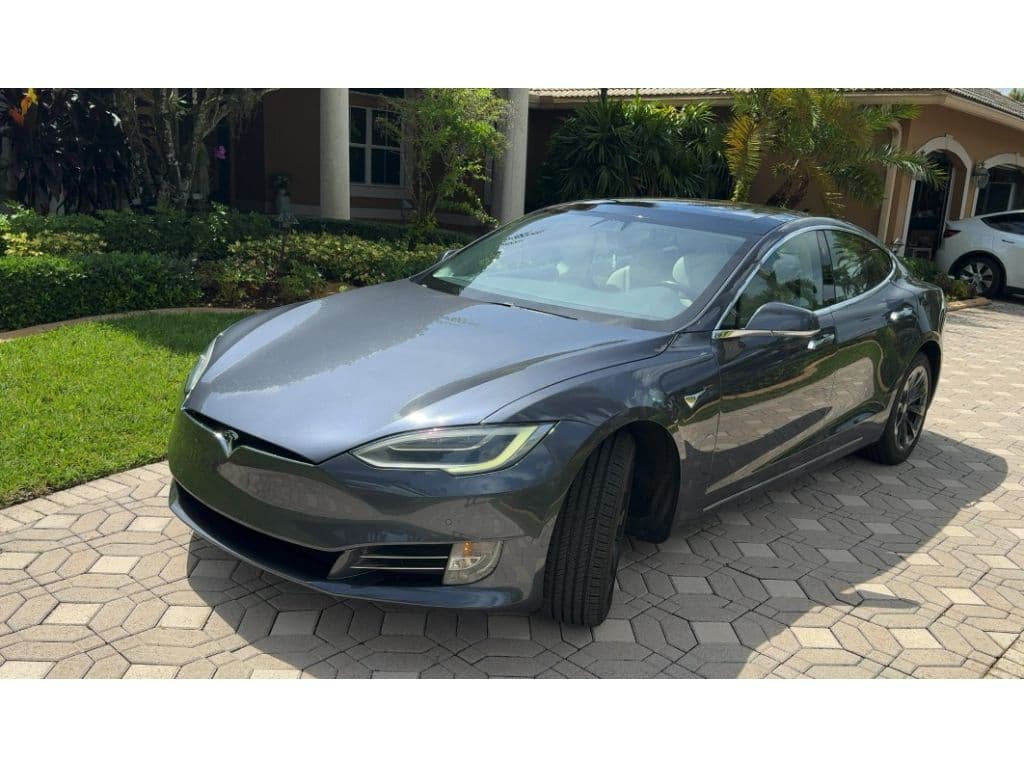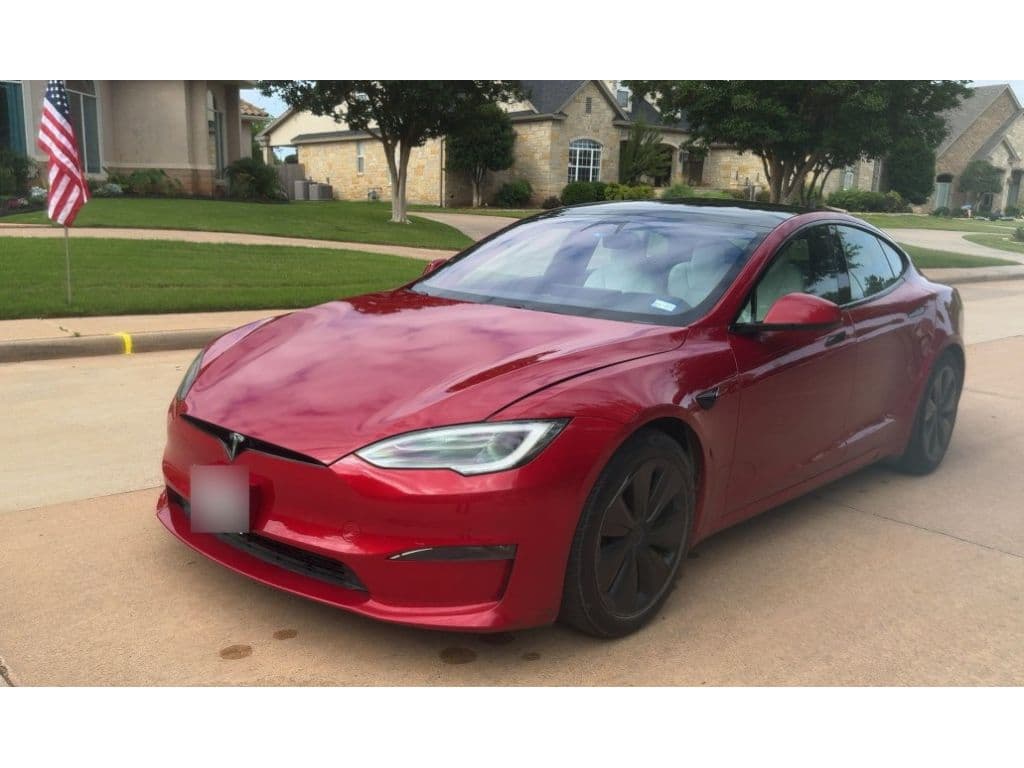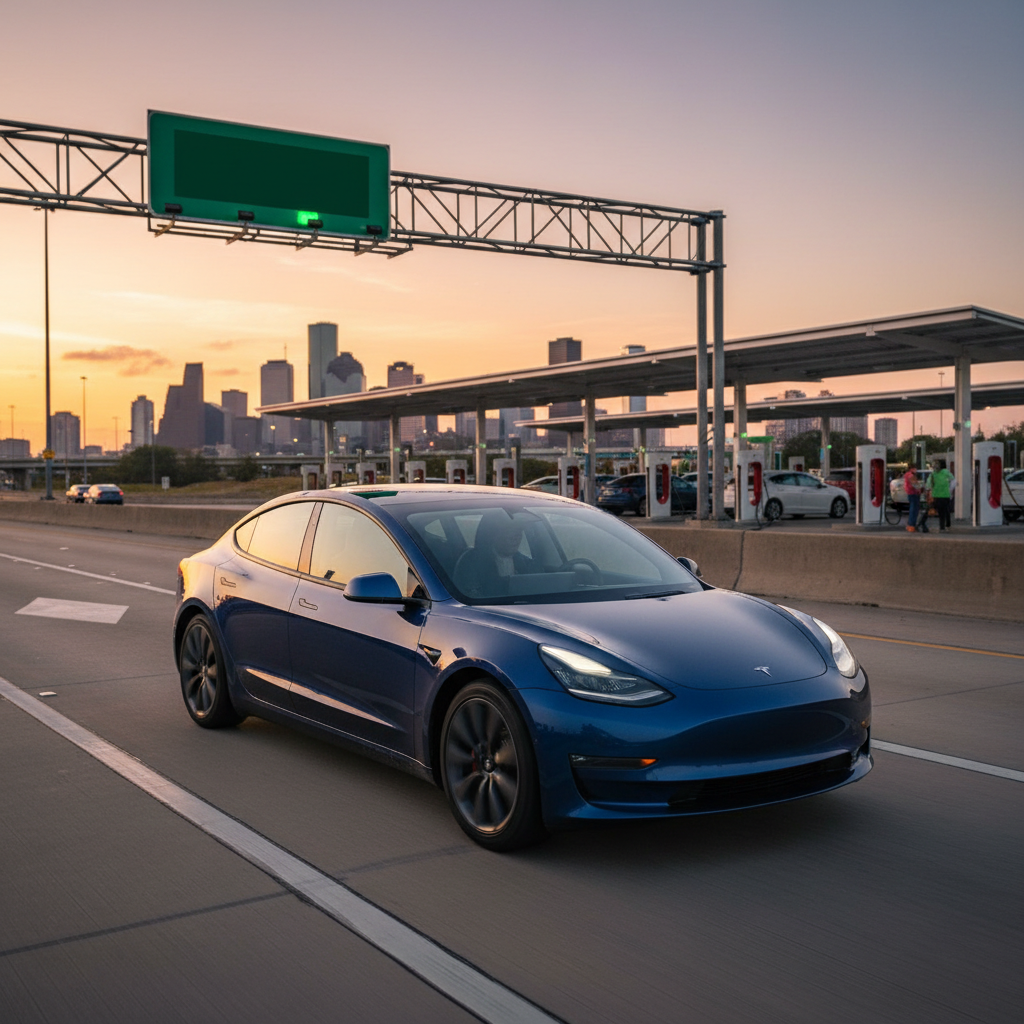
If you’re looking at a used flagship EV, the **2022 Tesla Model S** is probably on your shortlist. It offers huge range, blistering performance, and access to Tesla’s Supercharger network. But it also comes with a track record of **reliability issues, software quirks, and recalls** that you should understand before you write a big check.
Quick takeaway
Overview: How Reliable is the 2022 Tesla Model S?
Independent reliability surveys rate the **2022 Model S below the average** for its model year, with a notably high number of **recalls and owner complaints** compared with many luxury sedans. That doesn’t mean every car is a problem child, but it does mean you should approach a used example with eyes wide open.
2022 Tesla Model S Problem Snapshot
Why this matters for used shoppers
Major Recalls Affecting the 2022 Model S
By 2026, the 2022 Tesla Model S had been tied to **dozens of recall actions**, many resolved via over‑the‑air software updates and some requiring service visits. When you’re evaluating a used car, you want to confirm that these have all been addressed.
Key Recalls Touching the 2022 Model S
Not a complete list, but these are the big‑ticket recalls you should confirm are closed on any car you’re considering.
| Area | Example Issue | Typical Fix | Owner Impact if Unrepaired |
|---|---|---|---|
| Airbags / Horn | Incorrect horn pad in driver airbag may disable horn | Service inspection and swap to correct airbag/horn assembly | No horn function, reduced ability to warn other drivers |
| Seat Belt Warning | Seat belt warning light and chime may not activate correctly | Over‑the‑air (OTA) software update | Driver may not be reminded to buckle up; compliance issue |
| Warning Lights Font Size | Brake/park/ABS warning lights display too small | OTA software update to adjust fonts | Harder to read critical warnings on cluster |
| Power Windows | Auto‑reversal may not react properly to obstructions | OTA update to window control logic | Pinch risk if window doesn’t reverse quickly enough |
| Pedestrian Warning / Boombox | External speaker sounds may mask pedestrian warning noise | OTA software update disabling Boombox when moving | Pedestrians may not hear the car at low speeds |
| Defrost / Heat Pump | Heat pump valve logic can trap refrigerant, reducing defrosting | OTA update to HVAC controls | Poor windshield defrosting in cold weather, reduced visibility |
Always run the VIN through Tesla and NHTSA recall search tools before purchase.
How to check recall status
Most Common Owner-Reported Issues
Owner complaints and defect databases paint a consistent picture of where **2022 Model S problems** tend to cluster. The most frequent categories are equipment, forward‑collision and driver‑assist systems, steering, electrical issues, brakes, and tires.
Top Problem Categories for 2022 Model S
Where drivers report the most trouble
Equipment & Electronics
Forward Collision / Autopilot
Steering & Handling
For a used shopper, the headline is simple: **electronics and driver‑assist systems are far more likely to cause headaches than the battery or motors**. You want a test drive long enough to expose those issues, ideally on a mix of city and highway roads.
Battery and Charging Problems
The good news is that catastrophic **high‑voltage battery failures are rare** on 2022 cars. Still, you’ll see plenty of complaints about charging behavior, range estimates, and charge‑port quirks. These can be frustrating, even when they don’t indicate a dying pack.
- Inconsistent rated range vs. real‑world miles, especially at highway speeds or in cold weather
- Charging sessions at home that stop unexpectedly due to wall‑power issues, charger faults, or software errors
- Supercharger sessions that ramp slowly or throttle earlier than expected when the battery is cold or highly charged
- Charge‑port door or latch malfunctions that make it hard to plug in
How serious are these battery complaints?
At Recharged, every vehicle gets a **Recharged Score Report** with a dedicated battery‑health assessment. That includes verified usable capacity, fast‑charge performance, and how the car’s range compares with what Tesla advertised when it was new, information you rarely get in a private sale.
Software, Autopilot, and FSD Issues
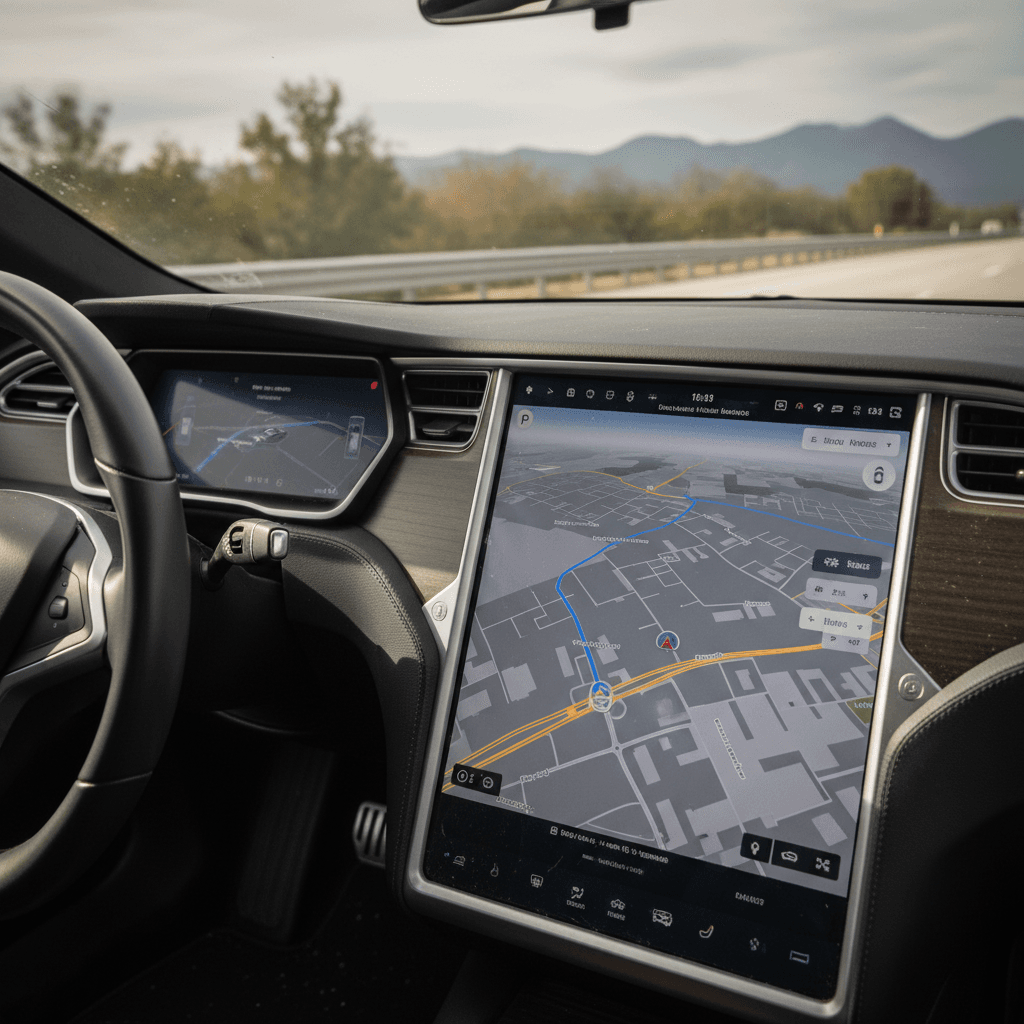
The 2022 Model S is a rolling software platform. That’s a strength, you get features and fixes over the air, but also a major source of complaints. Owners frequently report **infotainment glitches, navigation bugs, and inconsistent Autopilot or Full Self‑Driving (FSD) behavior**.
Infotainment & UI glitches
- Central screen freezing or rebooting mid‑drive.
- Backup camera lag or temporarily blank display.
- Bluetooth connectivity hiccups and audio dropouts.
- Climate control settings that don’t always respond on first tap.
These issues are usually cured (or at least improved) with software updates, but repeat glitches can make a car feel older than it is.
Autopilot & FSD behavior
- Phantom braking: abrupt slowdowns when no obstacle is present.
- Overly aggressive turns or lane changes requiring driver takeover.
- Erratic behavior on complex city streets or tight off‑ramps.
- Inconsistent lane‑keeping on poorly marked roads.
Remember: these systems are driver‑assist, not self‑driving. You’re still legally and practically responsible for what the car does.
Don’t buy FSD based on hype
Suspension, Steering, and Brake Concerns
The Model S is heavy and extremely quick, especially in Plaid trim, which can put extra stress on **suspension bushings, control arms, tires, and brakes**. Complaint data for 2022 cars shows a meaningful number of issues in these systems, even at relatively modest mileage.
Typical Chassis‑Related Complaints
Symptoms to listen and feel for on a test drive
Steering & Alignment
Noises & Harshness
Brakes & Tires
Plaid models need extra scrutiny
Interior, Build Quality, and Noise
Compared with the very earliest Model S years, the 2022 cabin is better screwed together. Still, owners report a steady stream of **squeaks, rattles, and wind noise** complaints, more than you’d expect in a six‑figure luxury sedan when new.
- Rattles from the dashboard, yoke/steering wheel, or rear hatch on rough roads
- Wind noise from frameless doors or misaligned glass at highway speeds
- Loose interior trim, creaking center console, or buzzing speakers at certain volumes
- Occasional issues with powered trunk or frunk latches not closing cleanly
Simple test: the quiet‑road check
How These Problems Impact Used 2022 Model S Values
Used Tesla prices have been volatile over the last few years. As of late 2025 and early 2026, broader used‑Tesla values slid versus the overall market, in part because shoppers are more aware of **quality issues, heavy recall activity, and intense competition from newer EVs**.
Why some 2022 Model S cars are bargains
- Depreciation from original six‑figure MSRPs makes **2022 cars look attractive** versus new luxury EVs.
- Many problems are **software‑fixable** and already addressed via OTA recalls.
- A well‑maintained car with a healthy battery can deliver years of high‑end EV driving for far less than new.
Why others are money pits
- Examples with **unresolved recalls, repeated Autopilot complaints, or obvious build‑quality issues** can be expensive and frustrating.
- Out‑of‑warranty repairs on air suspension, electronics, or HVAC can be costly without coverage.
- Cars that were driven hard (especially Plaid) may hide tire, brake, and suspension wear beneath a shiny exterior.
This spread is why a curated used‑EV seller like Recharged exists. We screen out problem cars, verify battery health with our **Recharged Score diagnostics**, and price vehicles around real‑world condition instead of just mileage and trim lines.
Pre‑Purchase Checklist for Used Buyers
If you’re evaluating a 2022 Tesla Model S, whether through a marketplace, franchise dealer, or private seller, use this checklist to separate strong candidates from future headaches.
2022 Tesla Model S Used‑Buyer Checklist
1. Run a full recall and software status check
Confirm that all **open recalls are closed** and the car is on current software. Ask for a Tesla service history printout or at least screenshots from the owner’s app.
2. Verify battery health and fast‑charge behavior
Look at typical **100% rated range** and ask for recent Supercharger sessions. Ideally, get a third‑party or seller‑provided **battery‑health report** that shows usable capacity and charge rates.
3. Deep‑dive the touchscreen and cameras
Spend 10–15 minutes parked cycling through **navigation, cameras, audio, Bluetooth, climate, and seat controls**. Any freezing, lag, or missing camera feeds are red flags.
4. Test Autopilot and (if equipped) FSD
On a multi‑lane road, carefully test **lane‑keeping, adaptive cruise, and automatic lane changes**. You’re looking for repeated phantom braking, erratic turns, or behavior that makes you constantly override the system.
5. Inspect wheels, tires, and brakes
Check for **curb‑rashed wheels, uneven tire wear, vibrations while braking, or lip on the rotor edges**. High‑performance tires and big brakes aren’t cheap to replace.
6. Listen for suspension and interior noises
Drive over various surfaces at city and highway speeds. Note any **clunks, rattles, or excessive wind noise** that suggest suspension or build‑quality issues.
7. Confirm charging equipment and port condition
Make sure the sale includes the **mobile connector or home charger details**, and inspect the charge port for damage, looseness, or signs of overheating.
8. Review ownership and accident history
Pull a vehicle‑history report for **accidents, lemon buybacks, or repeated service visits** for the same concern. Multiple hits in any of those categories are a reason to walk away or demand a steep discount.
How Recharged simplifies this process
Ready to find your next EV?
Browse VehiclesWhen a 2022 Model S Is Still a Good Buy
Despite its well‑documented problems, the **2022 Tesla Model S can be an excellent used buy** in the right circumstances. It delivers class‑leading range, incredible performance, and a charging network that’s still the benchmark in North America.
Green flags
- Clean history report with no major accidents or buybacks.
- Documented Tesla service showing recalls and software campaigns completed.
- Battery‑health data indicating normal degradation for age and mileage.
- Quiet cabin and tight, rattle‑free ride on test drive.
- Autopilot that behaves predictably on your daily routes.
Red flags
- Open recalls or a seller who can’t explain recent software updates.
- Persistent infotainment freezes, camera glitches, or warning lights.
- Uneven tire wear, strong brake vibration, or obvious suspension noises.
- Owner stories about “random” Autopilot behavior they’ve learned to live with.
- Any sign that the car sat for long periods without charging, or was frequently DC‑fast‑charged from very low state of charge.
If you can find a **well‑cared‑for 2022 Model S with a clean history, healthy battery, and fully addressed recalls**, you’re getting one of the most capable long‑range EVs on the road today. If instead you see a car with warning lights, rough ride quality, or an owner shrugging off software issues, it’s often cheaper, and far less stressful, to move on to the next candidate or let a specialist like Recharged do the vetting for you.