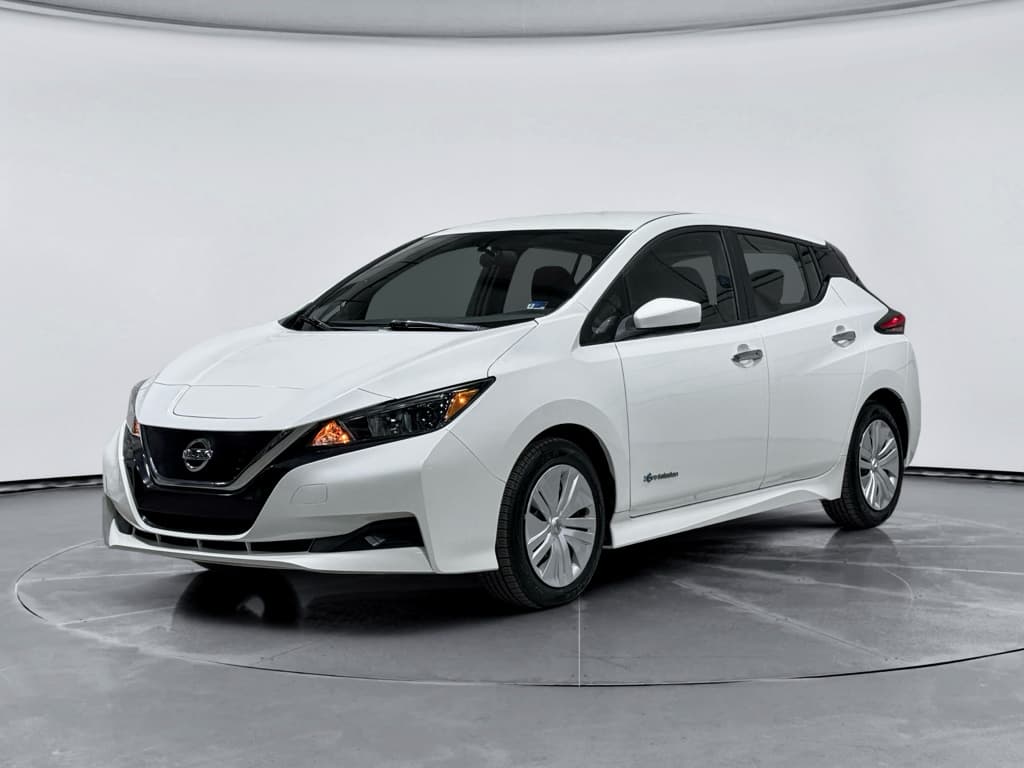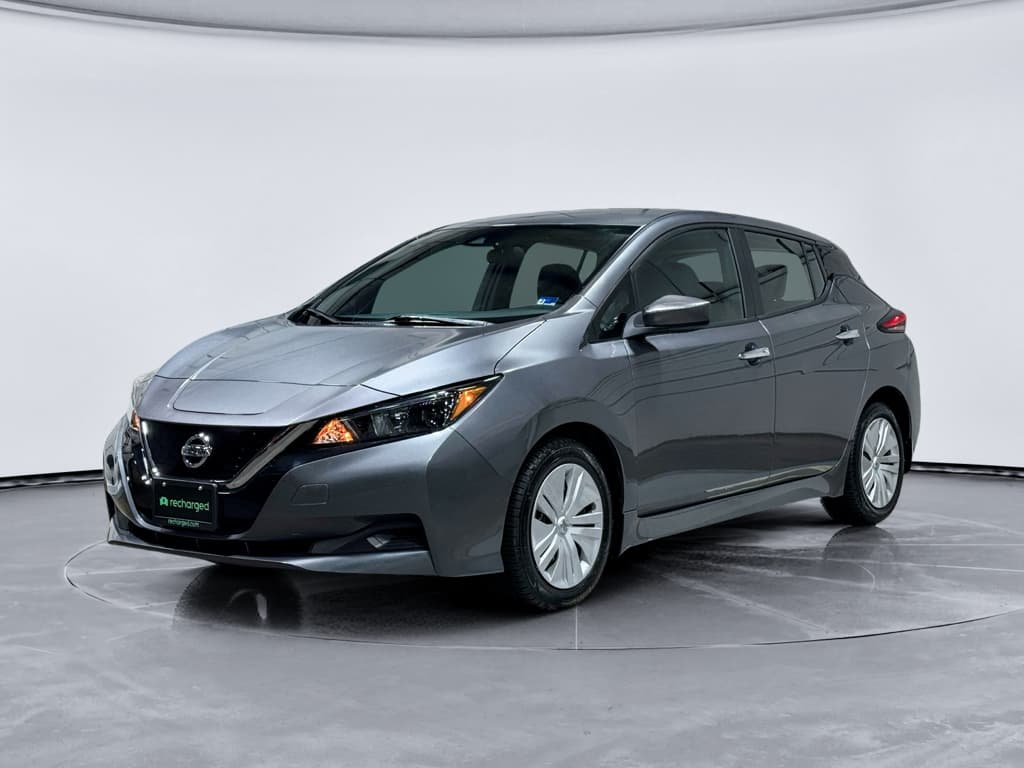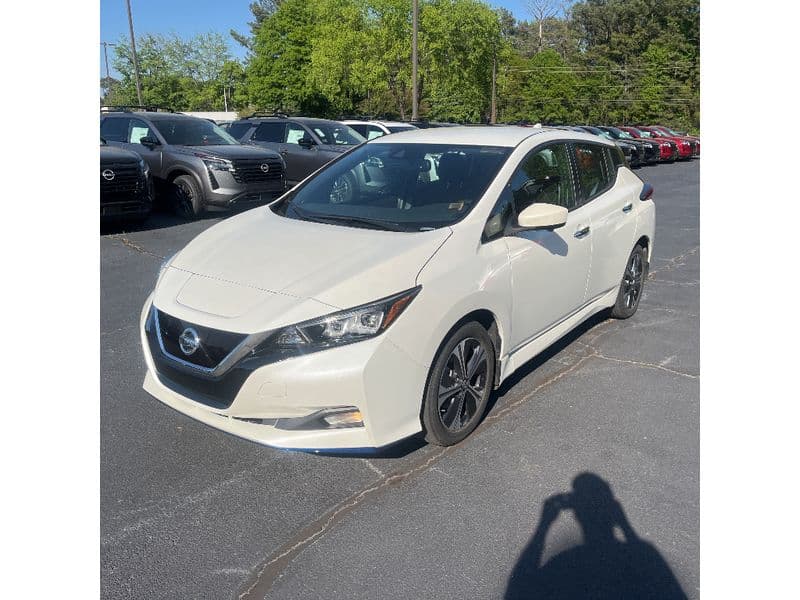
The 2022 Nissan Leaf is the elder statesman of affordable EVs. By 2022 it had already ceded the tech spotlight to newer rivals, but Nissan quietly slashed prices, turning the Leaf into one of the cheapest new electric cars you could buy. Today, as a used EV, the question is simple: is a 2022 Nissan Leaf a clever budget hack, or a dead end with the wrong plug and too little range?
Quick verdict
2022 Nissan Leaf overview
2022 Nissan Leaf key numbers
The second‑generation Leaf received only light updates for 2022, but a major price correction made it noteworthy again. Nissan offered two basic flavors: the standard Leaf with a 40‑kWh battery and the more capable Leaf Plus with a 62‑kWh pack. All are front‑wheel drive, five‑door hatchbacks with seating for five and a genuinely usable cargo area.
- Body style: Compact 5‑door hatchback, FWD only
- Powertrain: Single permanent‑magnet motor (front axle)
- Battery options: 40‑kWh or 62‑kWh lithium‑ion pack
- DC fast charging: Standard on all trims, using CHAdeMO
- Driver‑assist: Nissan Safety Shield 360 standard; ProPILOT Assist available on SV/SL Plus
Model-year nuance
Battery, range & trims explained
With the 2022 Nissan Leaf, everything starts with the battery you choose. There are effectively two families: the short‑range 40‑kWh cars and the longer‑range 62‑kWh Leaf Plus models. Get this choice wrong and you could spend the next five years staring at the state‑of‑charge gauge like it’s a horror movie.
2022 Nissan Leaf trims, batteries & range
How the 2022 Leaf lineup breaks down by battery, power, and EPA range.
| Trim | Battery | Power | EPA range | Notes |
|---|---|---|---|---|
| S | 40 kWh | 147 hp / 236 lb‑ft | 149 miles | Base model, 16" wheels |
| SV | 40 kWh | 147 hp / 236 lb‑ft | 149 miles | More features, same battery |
| S Plus | 62 kWh | 214 hp / 250 lb‑ft | 226 miles | Longest‑range 2022 Leaf |
| SV Plus | 62 kWh | 214 hp / 250 lb‑ft | 215 miles | Better equipment, slight range loss |
| SL Plus | 62 kWh | 214 hp / 250 lb‑ft | 215 miles | Top trim, most features |
Leaf Plus trims share the larger 62‑kWh pack but offer slightly different range ratings.
In real‑world mixed driving, the 40‑kWh Leaf tends to deliver about 130–140 miles in mild weather, while the 62‑kWh models can realistically hit around 190–210 miles before you start sweating. Cold weather and highway speeds can shave 20–30% off those figures, especially if you rely heavily on cabin heat.
Range in winter
Who the 40‑kWh Leaf suits
- Daily round‑trip commute under about 70 miles.
- Reliable home charging every night.
- Little or no need for spontaneous long highway trips.
- Budget is the top priority; 40‑kWh cars are cheapest used.
Who should insist on 62 kWh (Leaf Plus)
- Regular highway driving or regional trips.
- Round‑trip days that can stretch past 100 miles.
- You want “gas‑car‑like” flexibility on weekends.
- You plan to keep the car for many years and want more buffer against battery aging.
Driving impressions: city darling, highway meh
On paper, the 2022 Nissan Leaf is modestly powered. Standard cars make 147 horsepower and 236 lb‑ft of torque, good for roughly 0–60 mph in around eight seconds. Leaf Plus models step that up to 214 hp and 250 lb‑ft, trimming about a second off the sprint. In practice, the Leaf feels brisk off the line around town, with that trademark instant EV shove, then runs out of enthusiasm as speeds climb.
What it’s like to drive a 2022 Leaf
Strengths in the city, compromises on the interstate.
Urban smooth operator
The Leaf is in its element below 50 mph. Light steering, compact size, and unobtrusive power delivery make it easy to thread through traffic and tight parking garages.
Highway compromises
On the highway the Leaf is stable but not inspiring. Wind and road noise creep in, and the base motor can feel strained during long uphill grades or fast passing.
One‑pedal-ish driving
Nissan’s e‑Pedal system allows strong regenerative braking so you can mostly drive with one pedal, though it’s not as aggressive or polished as the best systems today.
Ride & handling
Charging experience & CHAdeMO reality check
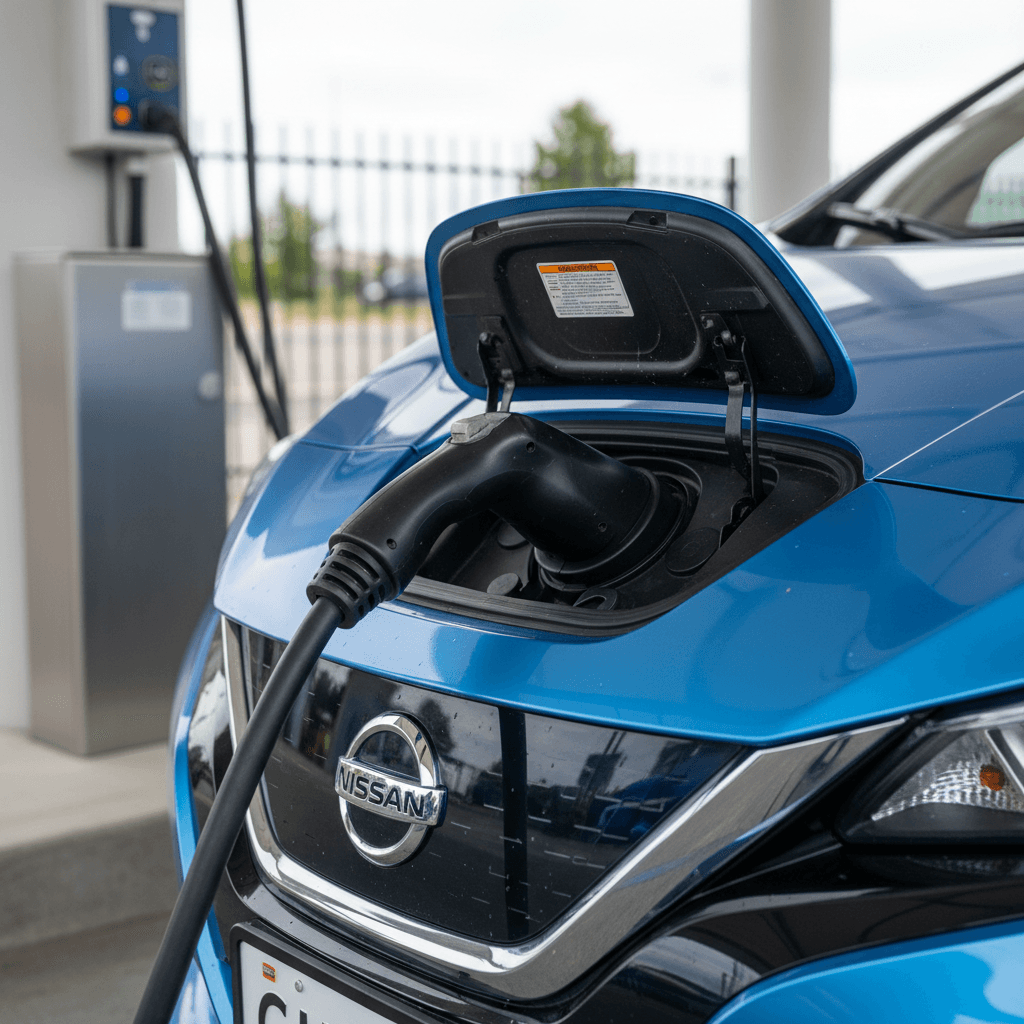
Charging is where the 2022 Nissan Leaf’s age shows most clearly. At home, it behaves like a normal EV. Out in the wild, its reliance on the CHAdeMO DC fast‑charging standard is a growing liability in North America, where most new stations favor CCS and, increasingly, NACS (Tesla’s connector).
2022 Leaf charging options
Approximate charge times for a healthy 2022 Leaf battery.
| Charging type | Connector | Power | 40‑kWh time | 62‑kWh time |
|---|---|---|---|---|
| Level 1 (home 120V) | J1772 | ~1.4 kW | 20–30 hrs (0–100%) | 30–40 hrs (0–100%) |
| Level 2 (home/work 240V) | J1772 | ~6.6 kW | 7.5–8 hrs | 11–11.5 hrs |
| DC fast charge (public) | CHAdeMO | 50–100 kW peak | ~40 min (10–80%) | ~45–60 min (10–80%) |
Times are estimates and depend on temperature, state of charge, and charger output.
The CHAdeMO problem
Before you buy, check your charging life
1. Map CHAdeMO near you
Use apps like PlugShare or your favorite charging map to see how many CHAdeMO stations exist near home, work, and your favorite weekend destinations, and how busy they are.
2. Confirm home charging
A 40‑kWh Leaf survives on Level 1 in a pinch, but you’ll want a proper 240‑V outlet and Level 2 charging for sanity, especially with the 62‑kWh pack.
3. Think about your longest regular trip
If your longest routine round‑trip is over 120–130 miles, factor in weather, traffic, and possible detours. A Leaf Plus is strongly recommended in that case.
4. Decide how often you road‑trip
If you dream of cross‑country adventures, the 2022 Leaf is the wrong tool. If your “road trip” is visiting friends 60 miles away a few times a year, it can work.
Interior, tech & practicality
Step inside the 2022 Leaf and you won’t mistake it for a luxury EV. The design is straightforward, with soft‑touch surfaces in the right places and plenty of hard plastic where you’re less likely to look. It feels honest rather than aspirational, but for the price, that’s not a sin.
Cabin strengths & weaknesses
Where the 2022 Leaf still works, and where it shows its age.
Space & comfort
Front seats are supportive, with a high, airy seating position that many drivers love. Rear space is adequate for two adults, tight for three. The hatchback layout delivers a generous cargo area for a compact car.
Tech & screens
Most 2022 Leafs feature an 8‑inch touchscreen with Apple CarPlay and Android Auto, plus a partially digital instrument cluster. It’s functional rather than flashy, but everything is easy to find and read.
- All 2022 trims include Nissan Safety Shield 360 (automatic emergency braking, blind‑spot monitoring, rear cross‑traffic alert, lane‑departure warning, and more).
- SV Plus and SL Plus add available ProPILOT Assist, a hands‑on, lane‑centering cruise system that meaningfully reduces fatigue on long drives.
- The cargo bay offers roughly 24 cubic feet behind the rear seats, enough for grocery duty, strollers, or a family weekend bag stack.
The Leaf’s interior isn’t here to impress your neighbors. It’s here to start every morning, commute without complaint, and swallow a Costco run with silent, battery‑powered humility.
Reliability, recalls & battery health
One of the 2022 Nissan Leaf’s quiet superpowers is reliability. Survey data has consistently ranked recent Leafs as better than average, with relatively few serious drivetrain issues reported. For a used buyer, that’s welcome news, so long as you respect the battery and understand the recent recall picture.
Battery‑fire recall on 2021–2022 Leafs
Why later Leafs age better
Early first‑gen Leafs had a rough reputation for battery degradation, especially in hot climates, thanks to limited thermal control. By 2022, chemistry and management had improved, and real‑world reports suggest the batteries hold up significantly better, though they still don’t have the rock‑solid longevity of some liquid‑cooled packs.
What you should check on a used Leaf
- State of Health (SoH) reading using a proper EV diagnostic tool.
- Number of DC fast‑charge sessions and total mileage.
- Service history and any warranty battery work.
- Remaining capacity warranty period (8 years/100,000 miles from original in‑service date for defects).
How Recharged handles battery health
Used 2022 Nissan Leaf pricing & value
Thanks to generous new‑car discounts in 2022, and rapid EV depreciation in general, the Leaf is now one of the least expensive ways into a modern electric car. Recent U.S. listing data shows average used prices for 2022 Leafs around $13,500, with 40‑kWh cars typically cheaper than Leaf Plus models.
Typical used 2022 Leaf price ranges (U.S.)
Illustrative retail asking ranges as of early 2026. Actual prices vary by mileage, condition, trim, and region.
| Trim / battery | Approx. price range | Best use case |
|---|---|---|
| S / SV (40 kWh) | $11,000–$14,000 | Low‑cost commuter, second car |
| S Plus (62 kWh) | $13,500–$16,000 | Max range for the money |
| SV Plus / SL Plus (62 kWh) | $15,000–$18,000 | More comfort + driver‑assist tech |
Expect to pay a noticeable premium for low‑mileage Leaf Plus trims with ProPILOT Assist.
Total cost of ownership win
Who the 2022 Nissan Leaf is (and isn’t) for
The 2022 Leaf is not a one‑size‑fits‑all EV. It’s a tool, very good for some jobs, comically wrong for others. The trick is being honest about how you actually drive.
Is the 2022 Leaf a fit for you?
Match your life to the car’s strengths and weaknesses.
Great for: predictable commuters
If you drive 30–70 miles a day, have a driveway or garage, and mainly bounce between home, work, and school, the Leaf’s range and comfort are more than enough, especially in Leaf Plus form.
Great for: budget‑minded first EV buyers
Want to ditch gas without a $40K payment? A used 2022 Leaf lets you experiment with EV life at a fraction of the price of a new model.
Not great for: road‑trip warriors
If your idea of fun is multi‑state drives and fast‑charging sprints, the Leaf’s CHAdeMO plug and modest range will frustrate you. Consider a CCS or NACS‑equipped EV with 250+ miles instead.
How Recharged makes buying a 2022 Leaf safer
Used EVs live and die by their batteries and charging compatibility. That’s why Recharged was built specifically around electric cars, including popular models like the 2022 Leaf. Instead of crossing your fingers on a random classified listing, you get data, guidance, and a streamlined buying path.
What you get with a 2022 Leaf from Recharged
Verified battery health with Recharged Score
We plug directly into the car to measure battery State of Health and fast‑charge behavior, then benchmark it against similar Leafs so you know exactly what you’re buying.
Transparent, fair pricing
Our pricing tools track real‑world EV markets so your 2022 Leaf is priced fairly for its mileage, battery health, and trim, not just a guess based on gas‑car book values.
Financing built for EVs
Recharged offers financing options tailored to used EVs, plus a fully digital purchase flow. You can browse, get pre‑qualified, and complete paperwork online.
Trade‑in and nationwide delivery
Have a gas car to ditch? We’ll value it and handle the swap. When you’re ready, we can deliver your Leaf to your driveway, with EV‑savvy support if this is your first electric car.
2022 Nissan Leaf FAQ
Frequently asked questions about the 2022 Nissan Leaf
Bottom line: Is the 2022 Leaf still a smart buy?
The 2022 Nissan Leaf is a curious artifact of the EV world: technologically outgunned, but economically compelling. It won’t wow you with 300‑mile range, 350‑kW charging, or a cinematic dashboard. What it can deliver is something more prosaic and, for many households, more useful: a quiet, low‑cost, low‑drama way to make every routine trip electric.
If your life fits inside its envelope, home charging, modest commutes, occasional regional drives, the 2022 Leaf, especially in Leaf Plus form, remains one of the best budget EV plays on the market. Just respect its limitations, insist on verified battery health, and let an EV‑focused platform like Recharged help you find a well‑cared‑for example. Do that, and this once‑pioneering hatchback can still be the right car at the right time, for the right price.