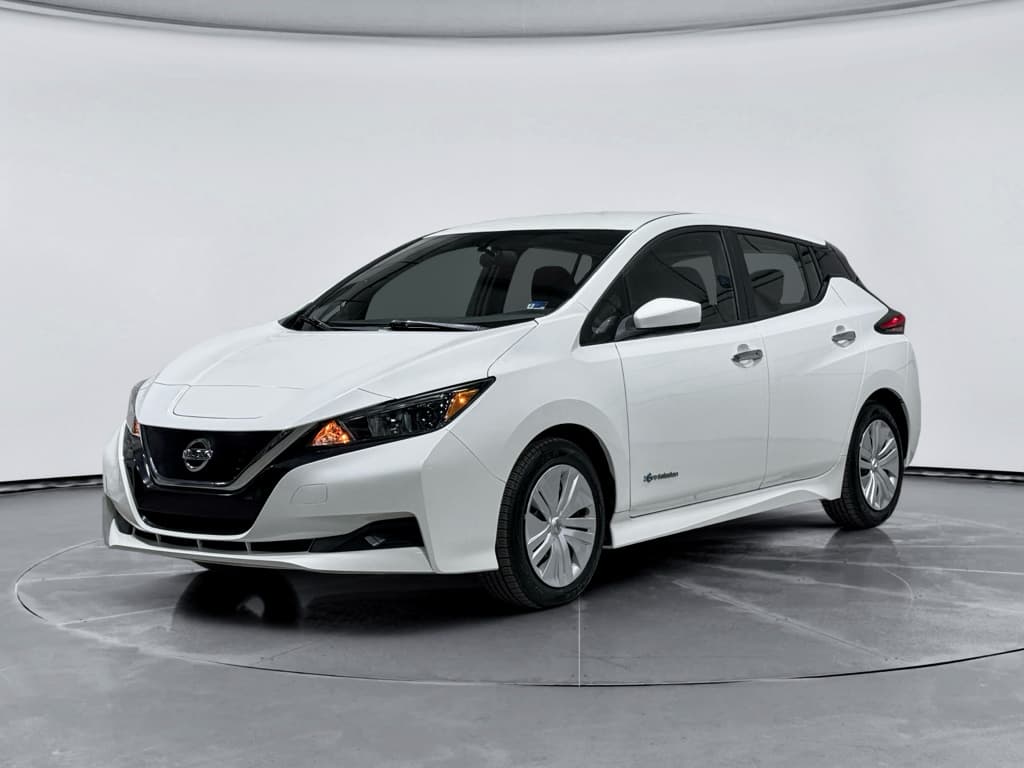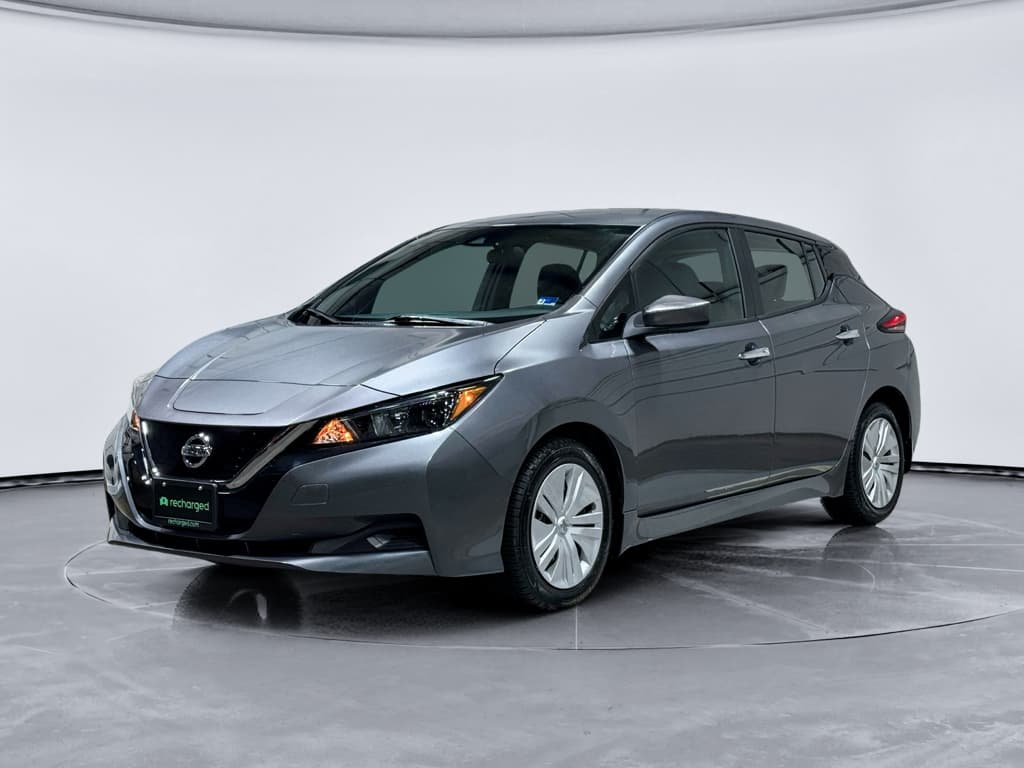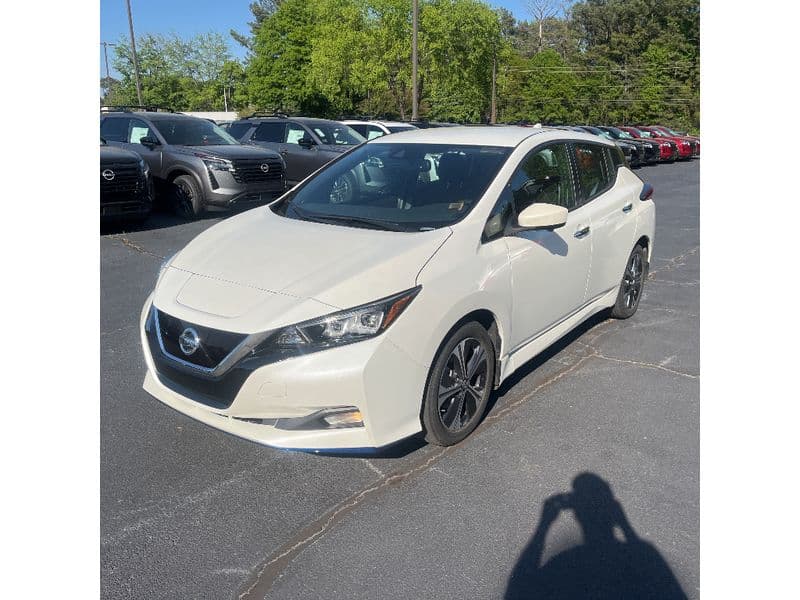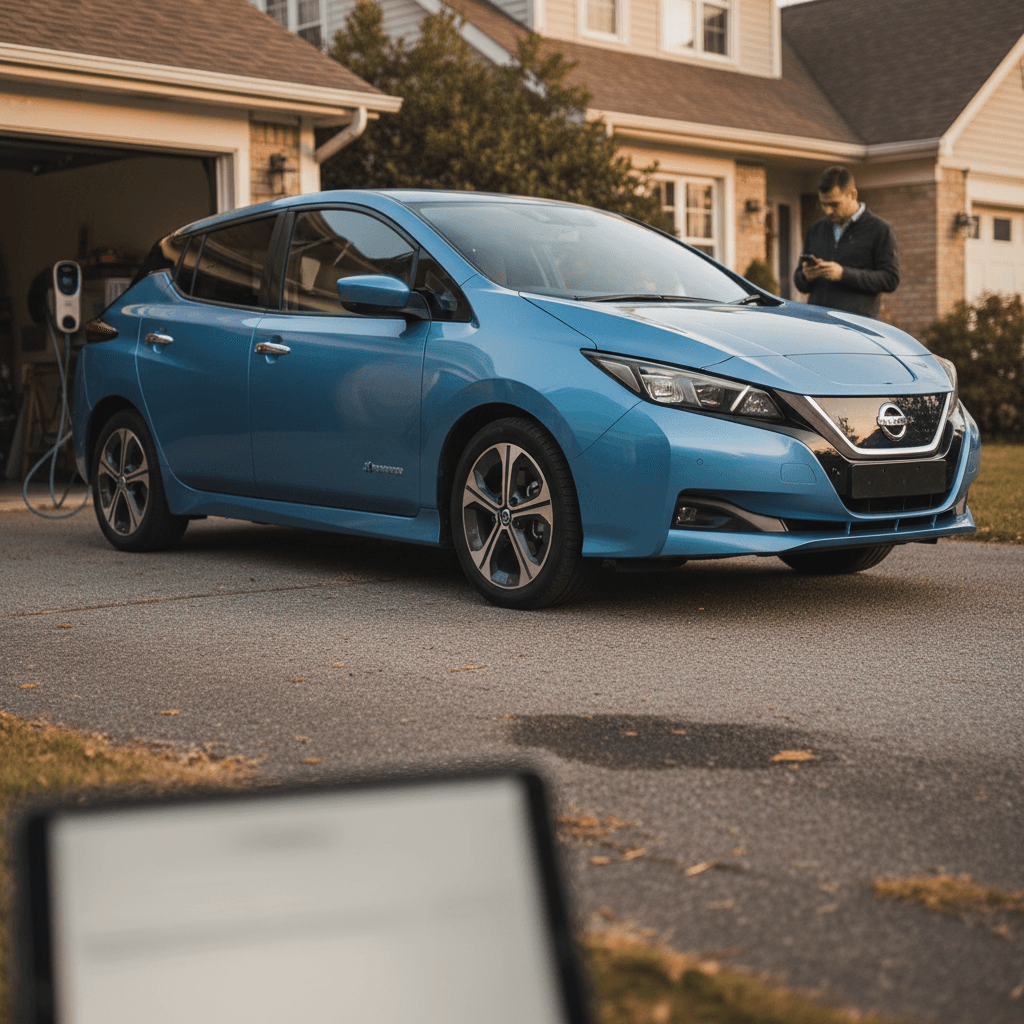
If you’re eyeing a used 2022 Nissan Leaf, reliability is probably your first question. The good news: most 2022 Leafs are inexpensive to own, mechanically simple, and score well in reliability surveys. The bad news: a small but serious high‑voltage battery recall and some recurring electronics quirks mean you can’t just glance at the odometer and call it good. This guide breaks down the 2022 Nissan Leaf reliability rating, common issues, and what to check before you buy.
Quick take
Overview: 2022 Nissan Leaf reliability rating
2022 Nissan Leaf reliability at a glance
Put simply, the 2022 Leaf is generally a solid, low‑drama EV as long as you confirm recall work and battery health. Its simple powertrain and mature platform tend to mean fewer catastrophic failures than many newer, more complex EVs. Where owners see the most headaches is electronics (infotainment, cameras, sensors) and a small number of high‑voltage batteries with defects.
How major sources rate the 2022 Leaf
Key 2022 Nissan Leaf reliability ratings
What leading data sources and owners say
RepairPal
4.5 / 5 reliability, ranked near the top of alternative‑fuel vehicles. Owners report fewer unscheduled repairs and lower repair severity than average, which keeps long‑term costs down.
Owner reviews
Kelley Blue Book consumer reviews average around 4.1 / 5 overall, with reliability specifically scoring about 4.4 / 5. Roughly 8 out of 10 owners say they would recommend the 2022 Leaf.
Consumer Reports & others
Consumer Reports indicates the 2022 Leaf is more reliable than the average 2022 vehicle, with trouble spots clustered around in‑car electronics rather than the battery or motor.
These scores all point in the same direction: the 2022 Leaf is better than average for reliability, especially relative to many first‑generation EVs and some newer, more complex models. At the same time, the ratings are only part of the story. They don’t fully capture long‑term battery health, the limitations of the CHAdeMO fast‑charging standard, or the impact of recent battery‑fire recalls on certain 2022 Leafs.
Don’t rely on scores alone
Battery life and range reliability
Battery health is the centerpiece of any 2022 Nissan Leaf reliability rating. Unlike a gas car, most of your long‑term risk is locked up in the battery pack and charging system, not the motor or transmission (which the Leaf doesn’t really have in the traditional sense).
Battery options on the 2022 Leaf
- 40 kWh pack (Leaf S, SV): EPA range around 149 miles when new. Best for short commutes and city use.
- 62 kWh pack (Leaf S Plus, SV Plus, SL Plus): EPA range up to about 215–226 miles, depending on trim. Better for highway use and road trips, though still modest vs newer EVs.
Both packs use air‑cooled battery technology carried over from earlier Leafs, which keeps costs low but can make packs more sensitive to heat and repeated fast charging.
Real‑world battery reliability
- Most 2022 owners report gradual, predictable capacity loss, in line with earlier Leafs when they’re used primarily for commuting.
- In hotter regions or with heavy DC fast‑charging, some drivers see the state‑of‑health drop faster than expected and lose their first capacity bar relatively early.
- A small number of 2022 Leafs are affected by a high‑voltage battery defect currently under federal recall, which can trigger warning lights, reduced power, or even a fire risk if not addressed.
Battery recall is a serious wildcard
From a day‑to‑day standpoint, the 2022 Leaf’s pack tends to be dependable for predictable, modest‑range driving. Where reliability becomes questionable is when you depend on fast charging for long trips, or if you end up with one of the relatively few packs implicated in the current battery recall. That’s why any serious reliability evaluation should include both a software‑level battery health check and a recall status search.
Most common 2022 Nissan Leaf problems
No car is perfect, and the 2022 Leaf has its own pattern of issues. Most aren’t catastrophic, but they can be annoying and affect how you experience the car day‑to‑day, especially as the vehicle ages and the basic warranty expires.
Frequent 2022 Nissan Leaf trouble spots
Patterns seen in owner surveys, forums, and repair data.
| Category | Typical symptoms | How serious is it? | What to check when buying used |
|---|---|---|---|
| Battery & range | SOH dropping faster than expected, early loss of capacity bars, noticeable range loss vs window sticker. | Medium–High | Scan SOH with a proper battery tool, compare real‑world range to EPA estimates, and confirm if the car lived in a very hot climate. |
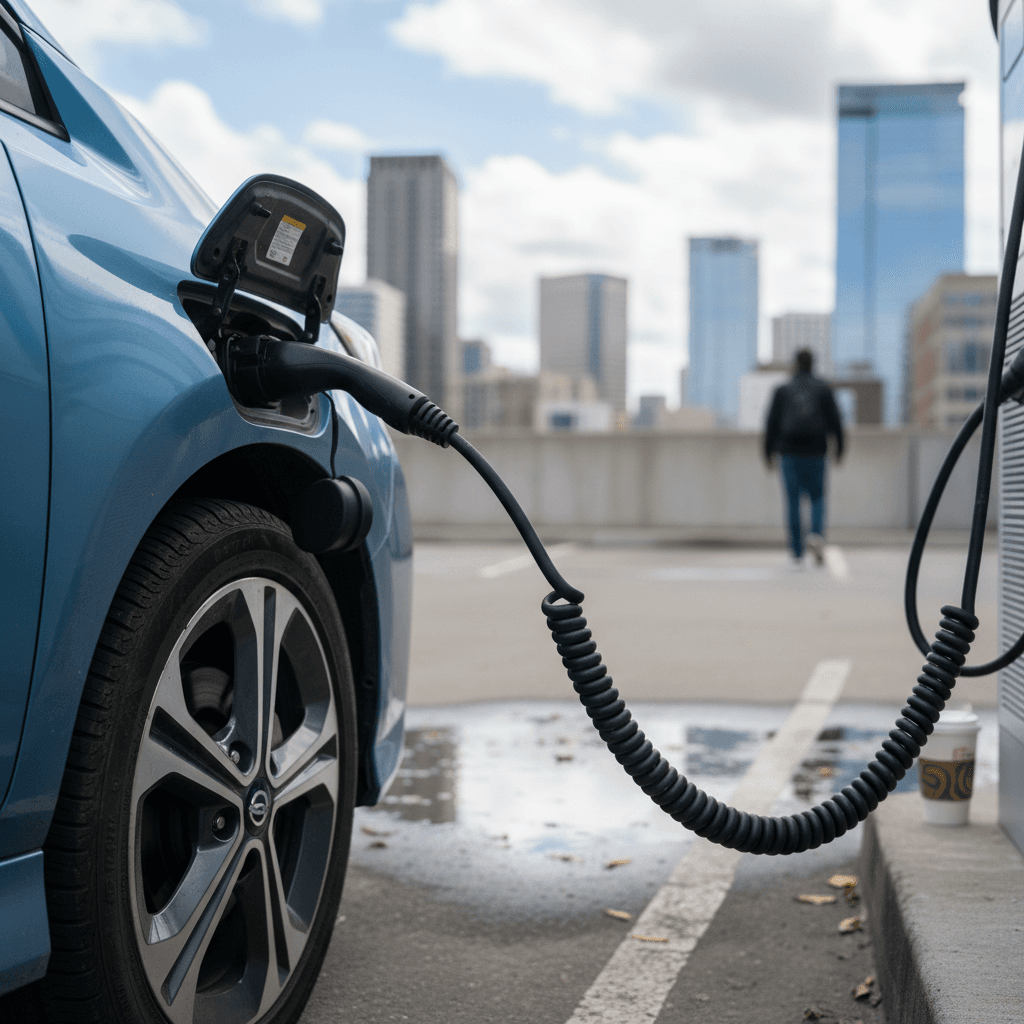
| Charging behavior | Car won’t start a charge at some home or public stations, CHAdeMO sessions stop early, or the charge port feels finicky to latch. | Medium | Test Level 2 charging at home or a public station, and if possible, a CHAdeMO DC fast‑charge session. Look for any warning lights. |
| Infotainment & audio | Crackling or cutting‑out Bluetooth/CarPlay/Android Auto audio, frozen screen, slow response. | Low–Medium | During a test drive, stream audio over Bluetooth and smartphone mirroring. Cycle through inputs and watch for glitches. |
| Camera & sensors | Backup camera image flickering or going black, distorted image, random parking sensor beeps. | Medium | Ask if the rearview camera harness recall was completed. Put the car in reverse multiple times and check the display. |
| Noise & trim | Wind noise from mirrors/doors at highway speed, rattles from hatch area, squeaks inside over bumps. | Low | Drive at 60–70 mph and listen carefully. Minor noise is normal for a compact EV, but loud wind roar can be tiring. |
| Warning lights | Random EV system, ABS, or traction control lights that clear after a restart or minor dealer software fix. | Medium | Scan for stored codes, review service history, and be wary of any car with recent repeat EV‑system warnings. |
Not every 2022 Leaf will have these issues, but they’re the ones you’re most likely to encounter or see mentioned in service records.
Test electronics like a detective
Recalls you need to know about
By 2026, the 2022 Leaf has accumulated multiple recalls. Most are straightforward dealer fixes, but one involves the high‑voltage battery and is still in interim status for some owners.
- Rearview camera harness recall (2018–2022) – The wiring to the backup camera can be damaged over time, leading to loss or distortion of the rear image. Dealers inspect, reroute, and protect or replace the harness.
- Fast‑charging / DC quick‑charge limitations – A prior campaign on some Leafs limited fast‑charging to prevent overheating. You’ll want to know if your car is subject to any quick‑charge guidance and whether updates are complete.
- High‑voltage battery fire risk (selected 2021–2022 cars) – A small subset of packs can potentially overheat and, in rare cases, catch fire. Interim notices instruct owners to avoid DC fast charging while Nissan works toward a permanent remedy.
- Additional minor campaigns – Smaller safety or compliance recalls (such as software updates for warning lights) may apply depending on build date and options.
Always run the VIN
At Recharged, every vehicle goes through a recall status review as part of our intake process. If a 2022 Leaf has an open safety recall that can be remedied, we coordinate with the appropriate dealer before listing it or clearly disclose the status so you can make an informed call.
Ownership costs, warranty and depreciation
Reliability isn’t just about whether the car breaks. It’s also about what it costs you when something does go wrong, and how fast the vehicle loses value. Here, the 2022 Leaf looks surprisingly strong.
What reliability means for your wallet
Why the 2022 Leaf can be a low‑risk used EV, if you buy carefully
Low repair costs
Edmunds and other cost‑of‑ownership analyses show below‑average repair and maintenance costs for the Leaf over five years. With no engine, transmission, or exhaust, many traditional failure points simply don’t exist.
Predictable maintenance
Most routine costs are tires, brake fluid, cabin filters, and potentially brake work. Regenerative braking reduces pad and rotor wear, so many owners go years before needing a brake job.
Heavy depreciation, cheaper entry
Because of its older tech and CHAdeMO fast‑charging, the 2022 Leaf depreciates faster than some rivals. That hurts original buyers, but it makes used prices very attractive if you mainly need a commuter EV.
- 3‑year/36,000‑mile bumper‑to‑bumper warranty (most examples are now out of this window).
- 5‑year/60,000‑mile powertrain warranty covering the electric motor and related components.
- 8‑year/100,000‑mile battery warranty against excessive capacity loss (dropping below nine capacity bars) and certain defects.
How the 2022 Leaf compares to other used EVs
Reliability vs other compact EVs
When you line the 2022 Leaf up against other mass‑market EVs of its era, think Chevy Bolt EV, Hyundai Kona Electric, Kia Niro EV, it lands in a respectably solid spot for reliability:
- Fewer headline‑grabbing battery defects than early‑run Bolts or some newer EVs, though the current battery recall is an important exception.
- Simpler, more proven platform than many newer models with dual motors, adaptive suspensions, or complex driver‑assistance stacks.
- A track record stretching back over a decade, which gives analysts and shoppers more data to work with.
Where the Leaf falls behind
Reliability isn’t the whole story. The 2022 Leaf lags its peers in a few structural ways:
- CHAdeMO fast‑charging is being phased out in North America, which limits your DC fast‑charge options in some regions and chips away at long‑distance practicality.
- Air‑cooled battery is more sensitive to heat than the liquid‑cooled packs in many competitors, especially for drivers who rely heavily on fast charging in hot climates.
- Range is modest by 2026 standards, which is fine for a commuter but may be limiting if you’re replacing a gas car entirely.
Who the 2022 Leaf is ideal for
Used 2022 Leaf buying checklist
Because reliability on a used EV is so tightly tied to battery condition and past care, a 10‑minute test drive isn’t enough. Here’s a focused checklist to evaluate a 2022 Leaf before you commit, exactly the sort of process Recharged uses when we inspect vehicles for our marketplace.
9 reliability checks before you buy a 2022 Nissan Leaf
1. Pull a full history report
Start with a vehicle‑history report to check for prior accidents, salvage or lemon buyback titles, odometer issues, and repeated service visits for EV‑system warnings.
2. Run a complete recall check
Use the VIN to search for open recalls, especially any high‑voltage battery or fast‑charging campaigns. Ask for paperwork showing completed recall work.
3. Verify battery state‑of‑health (SOH)
Use a professional‑grade scan tool or a trusted battery report, like the <strong>Recharged Score</strong>, to see SOH and capacity bars. Be cautious if SOH is significantly below peers of similar age and mileage.
4. Confirm remaining battery warranty
Look up the in‑service date and mileage to see how much of the 8‑year/100,000‑mile battery warranty remains. Ask the seller to show the original warranty booklet or service records if needed.
5. Stress‑test the charging system
At minimum, plug into a Level 2 charger and confirm the car starts and maintains a charge without errors. If you can, test a CHAdeMO fast‑charge session briefly and watch for warning messages or early shut‑offs.
6. Check for water leaks and smells
Inspect the hatch area, rear footwells, and under the seats for damp carpet or mildew smells, which can lead to electrical gremlins over time.
7. Put the infotainment through its paces
Connect your phone via Bluetooth and CarPlay/Android Auto, stream music, make a call, and switch sources. Listen for crackles, dropouts, or frozen screens that might hint at head‑unit issues.
8. Test cameras and sensors repeatedly
Shift into reverse multiple times in different lighting conditions, and make sure the backup image is clear and consistent. Try parking sensors in a tight space to verify they behave predictably.
9. Drive a varied test route
Include city streets and highway speeds. Listen for wind noise and rattles, check straight‑line tracking, and pay close attention to any warning lights that pop up even briefly.
Consider a professionally vetted Leaf
How Recharged evaluates 2022 Leaf reliability
Because the 2022 Leaf’s reliability hinges on details you can’t see in photos, our process goes deeper than a typical used‑car inspection. When Recharged onboards a 2022 Leaf, we:
- Run a full diagnostic scan of the EV system, including stored trouble codes that may not trigger a warning light yet.
- Capture a battery health profile as part of the Recharged Score, so you can compare SOH across different Leafs, not just read the dash bars.
- Check recall and service campaign status using the VIN and update records, flagging any open safety items, including interim battery recalls related to fast charging.
- Road‑test the car on both city streets and highway to identify noises, alignment issues, regeneration behavior, and any intermittent warning lights.
- Evaluate fast‑charging behavior when appropriate, including start‑up, charge rate, and whether the car maintains charging without unexpected cut‑offs.
- Price the vehicle against national and regional data so that any remaining risks (like aging CHAdeMO infrastructure) are accurately reflected in the asking price.
What this means for you
Ready to find your next EV?
Browse VehiclesFAQ: 2022 Nissan Leaf reliability
Common questions about 2022 Nissan Leaf reliability ratings
Bottom line: should you buy a 2022 Leaf?
Taken in full, the 2022 Nissan Leaf reliability rating is quietly impressive. Most owners report few serious problems, repair data shows low long‑term costs, and the powertrain itself has a solid track record. Where things get more nuanced is around the battery: its air‑cooled design, the aging CHAdeMO standard, and the limited but serious 2021–2022 battery recall mean you can’t treat every example as equal.
If you mainly need an affordable EV for commuting, school runs, and local errands, and you confirm strong battery health, clean recall status, and glitch‑free electronics, a 2022 Leaf can deliver a lot of value for the money. If you expect frequent fast‑charging road trips or live in an area with shrinking CHAdeMO support, you may want to weigh other used EVs more heavily or view the Leaf as a second car.
Either way, the key is transparency. A thorough inspection, a real battery‑health report, and a clear understanding of recalls will tell you far more than any single number on a ratings chart. That’s exactly the kind of data‑driven picture Recharged aims to provide, so you can decide whether a 2022 Leaf fits your life, and your risk tolerance, before you ever click “buy.”