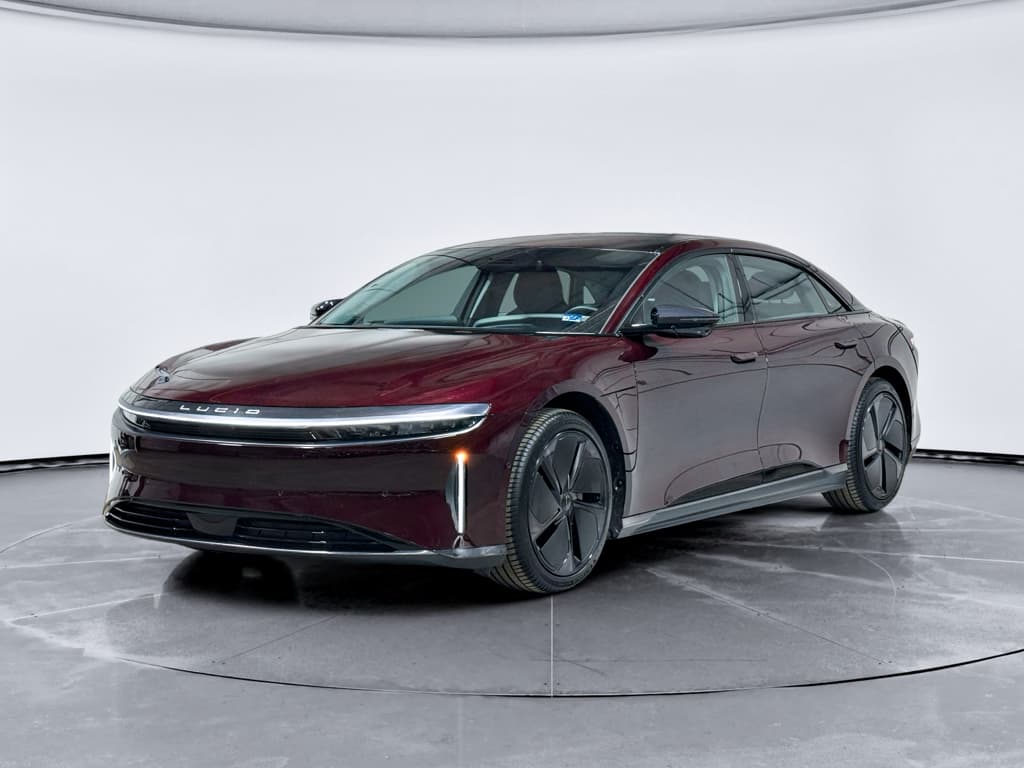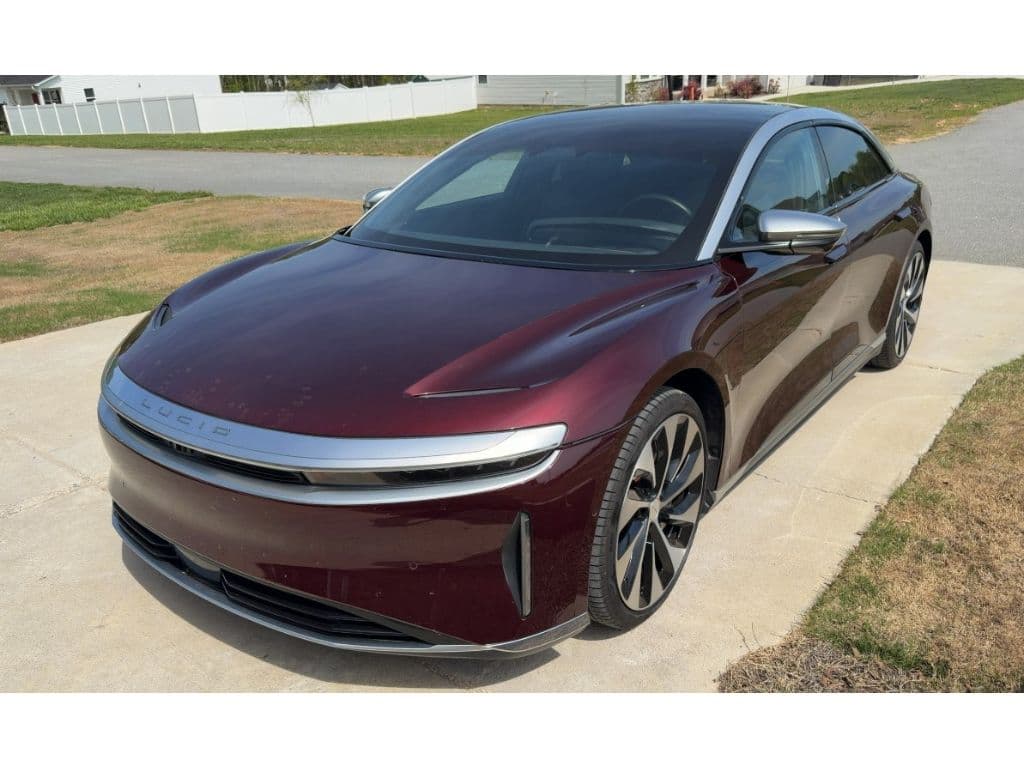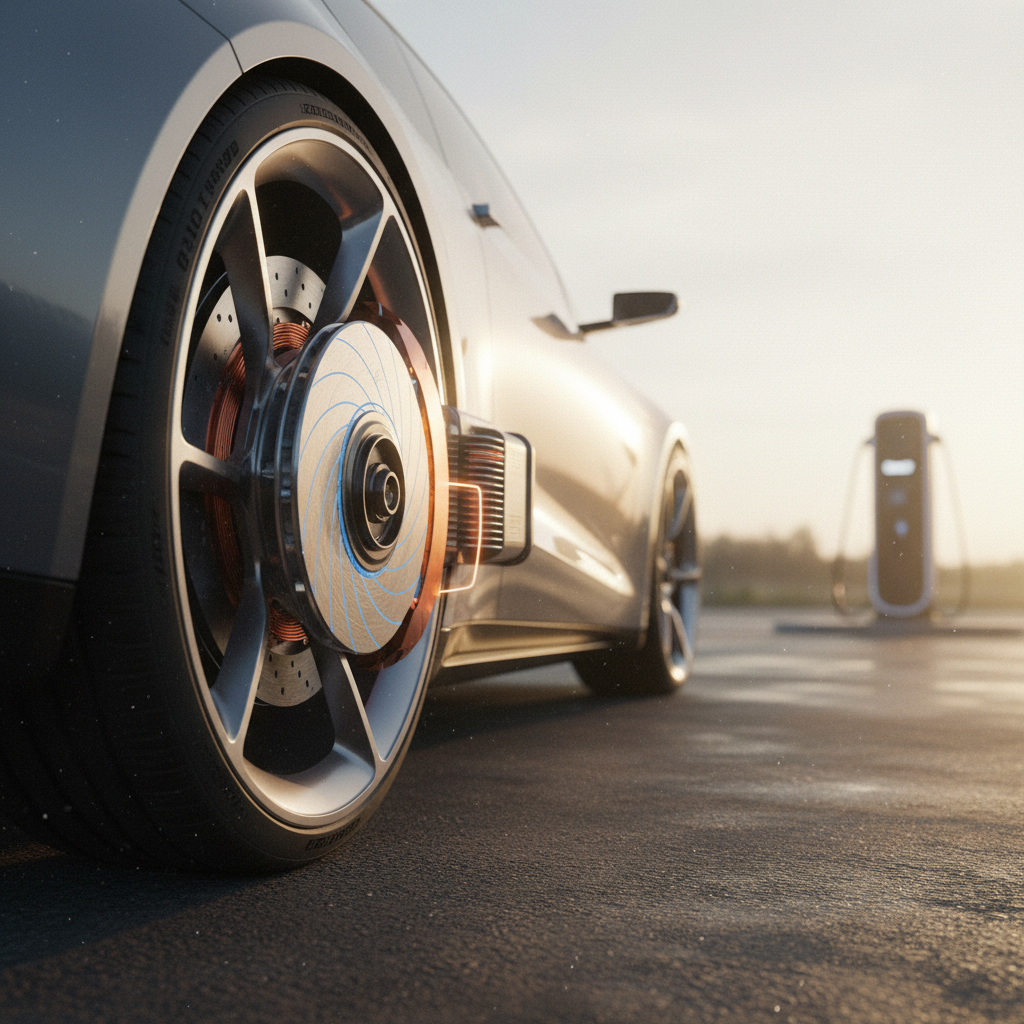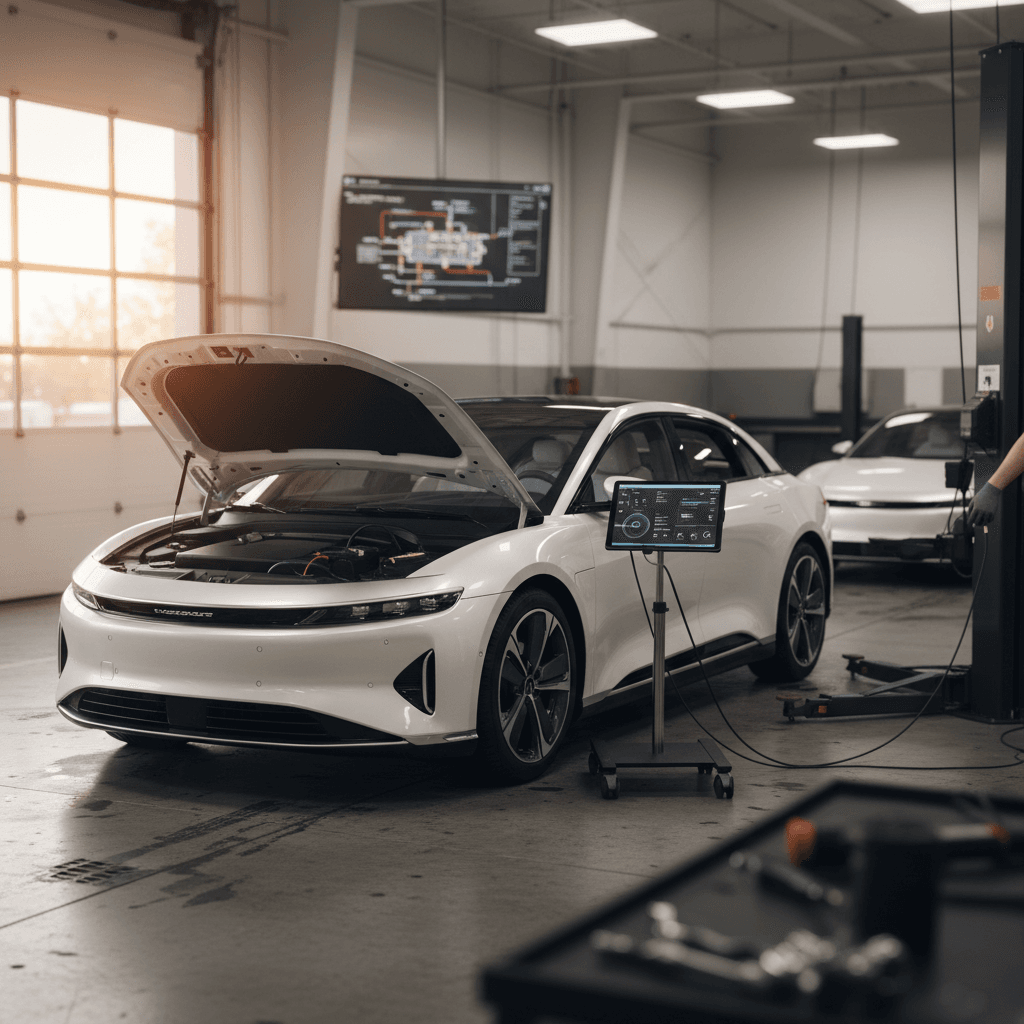
If you own, or are considering buying, a 2022 Lucid Air, understanding the full 2022 Lucid Air recalls list is just as important as knowing the range, performance, or options package. Early-production EVs often see a flurry of software and hardware fixes, and the first Lucid Air model year is no exception.
Model years vs. build dates
Overview: Why 2022 Lucid Air recalls matter
The 2022 Lucid Air was Lucid’s launch year in the U.S., and early production runs are where real‑world data meets first‑generation hardware and software. Between 2022 and late 2025, NHTSA data shows that the Lucid Air accumulated multiple safety recalls touching 2022 cars, ranging from display wiring and loss-of-power risks to software glitches and high-voltage interlock logic. Most fixes are software-only, but a few require physical service visits.
2022 Lucid Air recall landscape at a glance
Don’t panic, do verify
Quick 2022 Lucid Air recalls list (2022–2025)
Below is a simplified summary of the major NHTSA safety recalls that include the 2022 Lucid Air as of early 2026. Exact campaign numbers and details come from NHTSA Part 573 reports and Lucid defect notices; names here are shortened for clarity.
Key recalls that affect the 2022 Lucid Air
High‑level snapshot of the recall campaigns that touch 2022 model year Lucid Air vehicles. Always confirm applicability by VIN on NHTSA.gov or with Lucid before acting.
| Approx. NHTSA Campaign* | Lucid campaign ID (if known) | Core issue | Fix type | 2022 Air involvement |
|---|---|---|---|---|
| 2022–2023 display wiring harness | SR-22-01 (naming varies) | Improperly secured ethernet harness for center/driver displays can rub steering shaft and cause display flicker or failure. | Physical inspection and harness re‑routing or replacement. | Yes – affects early 2022 builds (≈1,100 cars). |
| HV contactor / loss-of-power logic | SR-24-03-0 / 24V‑0xx | Intermittent high-voltage interlock (HVIL) logic can cut drive power unexpectedly in certain 2022–2023 cars. | OTA software update to change HVIL logic plus, in some cases, hardware inspection. | Yes – many 2022 vehicles included. |
| HVIL wiring harness robustness | 24V-497 (example) | High‑voltage interlock harness routing in 2022–2023 cars may lead to intermittent HVIL connection. | Enhanced harness routing/retention; may require physical repair plus software check. | Yes – subset of 2022 production. |
| Powertrain software / loss of motive power | 23V-523 & related | Drive-unit software bug may trigger sudden loss of power on specific software versions in 2022–2023 Air. | OTA update to newer drive-unit software version. | Yes – applies if car was on affected software at time of recall. |
| ADAS / driver-assist software performance | 23V-110 & later SW campaigns | Driver-assistance and stability control behavior doesn’t meet intended performance thresholds in some scenarios. | OTA calibration and feature updates. | Yes – 2022 cars on older ADAS software builds. |
| Rearview camera display reliability | 24V-011 (subject of later NHTSA query) | Intermittent rear camera image on certain software/hardware combinations. | OTA software fix and possible display module checks. | Yes – depending on infotainment hardware and firmware. |
| Thermal management / HVAC defrost | Multiple campaigns 2023–2024 | Defrost or HVAC behavior may not meet visibility requirements under specific conditions. | OTA update to HVAC and thermal control software. | Some 2022 vehicles included, depending on hardware. |
| Seat and restraint hardware micro‑campaigns | Small VIN‑range campaigns | Seat structure or restraint fastener torque not to spec in narrow production windows. | In‑person inspection and torque/part replacement. | Only certain 2022 VIN ranges; many cars unaffected. |
Abbreviated descriptions for owner awareness only, your Lucid service advisor will have the full technical bulletin.
About campaign numbers
Major 2022 Lucid Air recalls explained
1. Display wiring harness recall (early 2022 cars)
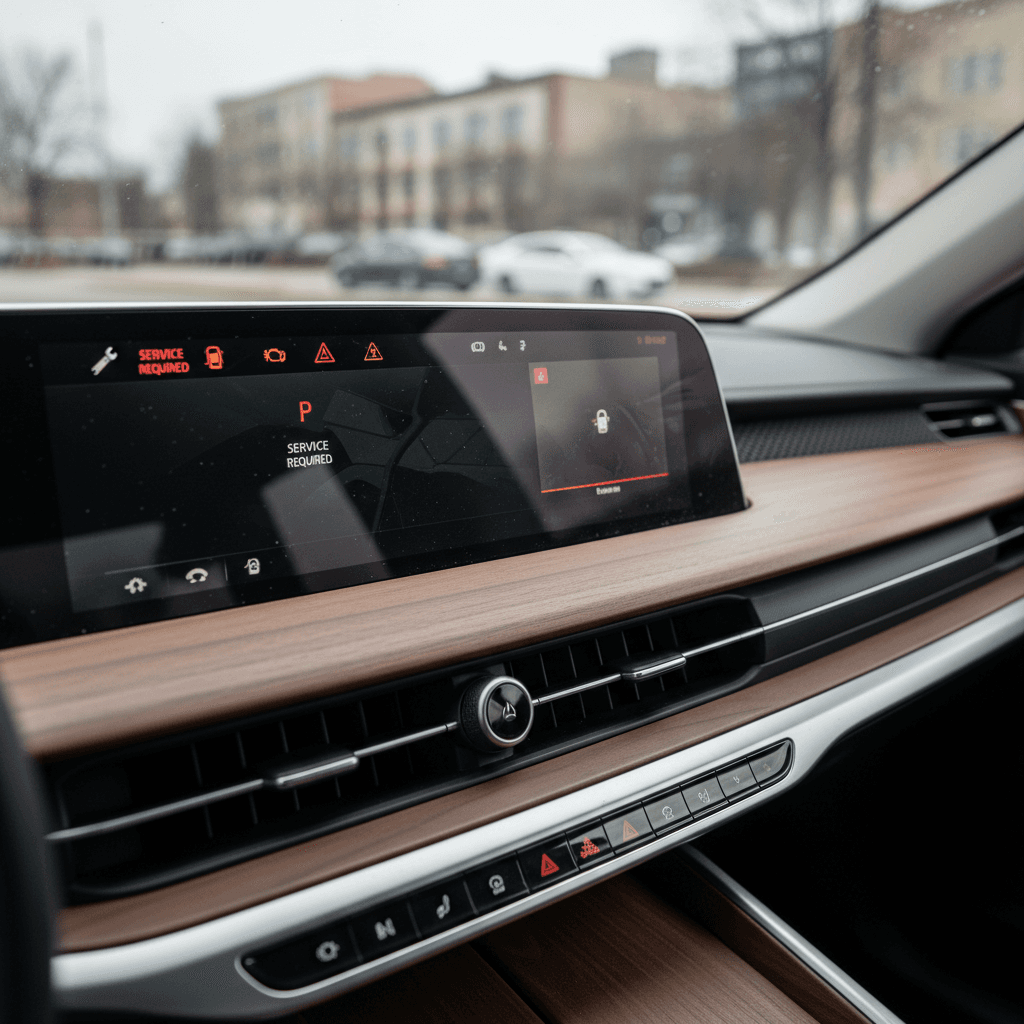
The first widely publicized 2022 Lucid Air recall involved approximately 1,100 early cars built through early May 2022. Lucid found that the wiring harness carrying ethernet lines to the center and driver displays wasn’t always secured correctly. In some cars, the harness could chafe against the steering intermediate shaft, potentially leading to display flickering or even a temporary loss of the main screens.
- Symptoms: Flickering or blacked‑out center/driver display, especially when steering is turned.
- Risk: Loss of critical information (speed, warning lights, camera view) until the display reboots.
- Remedy: Dealer or service center inspects harness routing, installs improved retention, and replaces damaged harnesses where needed.
Quick driveway check
2. High-voltage interlock (HVIL) and loss-of-power recalls
Several related campaigns center on the Lucid Air’s high-voltage interlock loop (HVIL), the safety system that ensures the high‑voltage battery is safely connected and will disconnect in a fault. In some 2022–2023 cars, Lucid and NHTSA determined that the logic handling HVIL signals, and, in certain cases, the robustness of wiring and contactors, could allow an unexpected loss of drive power while the car was in Drive or Reverse.
- Symptoms: Sudden loss of propulsion with warning messages, vehicle dropping into limp mode, or requiring a restart.
- Root cause: Intermittent HVIL signal or contactor behavior confusing the powertrain control module.
- Remedy: An OTA software update that changes HVIL logic so high‑voltage is not removed from the bus while the vehicle is in gear, combined with targeted inspections of hardware in some VIN ranges.
Why this matters on the road
3. Drive-unit software and propulsion performance
Another campaign targets drive-unit software bugs that can lead to power loss or unexpected behavior under specific operating conditions in 2022–2023 Lucid Air vehicles. These are classic early‑fleet EV issues: corner‑case interactions between software modules rather than a fundamental design flaw.
The good news is that the remedy is straightforward: Lucid pushes a new drive-unit software version via OTA update. Once installed, the car logs the updated calibration level, which Lucid reports back to NHTSA as the official remedy applied.
4. Rearview camera and display behavior
Like many modern EVs, the Lucid Air uses its central screen to display the rear camera image. NHTSA regulations require that the image appear reliably within a set time after shifting into Reverse. Some 2022–2025 Airs experienced intermittent camera display issues on certain software and hardware combinations, prompting a recall focused on infotainment behavior.
- Risk: Reduced rear visibility when reversing if the camera image fails to appear or freezes.
- Remedy: OTA update to improve boot sequence, camera initialization, and error handling; some cars may get additional hardware diagnostics or display-module service.
5. HVAC, defrost, and visibility-related software
A smaller set of recalls and service campaigns touch the HVAC and defrost system. In certain scenarios, cold, humid conditions or rapid temperature swings, the windshield defrost performance might not meet regulatory visibility expectations. These are again handled largely via software tuning and improved system logic rather than major hardware overhauls.
The upside of a software-heavy car
Software vs. hardware recalls: what owners should prioritize
Software-focused recalls
Most 2022 Lucid Air recalls are software‑only campaigns covering ADAS tuning, HVIL logic, rear camera behavior, and HVAC performance. Lucid typically labels these as remedied once an over‑the‑air update at or above a certain version is installed.
- Usually no physical visit required.
- Install time is often under an hour.
- Car may need to stay parked and plugged in.
Hardware or inspection-based recalls
A smaller but more serious set of recalls involve wiring harnesses, seat or restraint hardware, or display harness routing. These require in‑person inspection and sometimes part replacement.
- Always schedule service promptly.
- Keep documentation showing work completed.
- These items can materially affect used‑car value if left open.
Prioritization rule of thumb
How to check if your 2022 Lucid Air has open recalls
Because multiple campaigns overlap and evolve, the only way to know exactly which recalls affect your 2022 Lucid Air is to check your specific VIN. Here are the steps you should take:
Step-by-step: confirm recall status on your 2022 Air
1. Look up your VIN on NHTSA.gov
Go to the official NHTSA recall lookup and enter your full 17‑character VIN. This will show all <strong>open safety recalls</strong> that have not yet been marked as remedied.
2. Cross-check with the Lucid app and portal
Lucid may show additional service campaigns or OTA updates that aren’t NHTSA reportable recalls. Check the app for notices or required updates, and confirm your software version in the car’s settings.
3. Verify software versions after updates
After installing any OTA update related to HVIL, ADAS, camera, or HVAC recalls, verify that the car reports the new version number and that the recall shows as completed in the app or service records.
4. Call or message Lucid service with your VIN
If anything looks unclear, especially around HVIL or wiring harness campaigns, contact Lucid service, provide your VIN, and ask for a <strong>recall and campaign history printout</strong> for your car.
5. Keep copies of recall repair invoices
Even when work is free, ask for a detailed invoice or digital record. This becomes valuable documentation if you later sell or trade the car.
6. Re-check annually or before a long trip
New recalls can appear years after production. Make it a habit to run your VIN through NHTSA’s tool at least once a year or before any cross‑country road trip.
How Recharged handles recall status
Used 2022 Lucid Air buyer’s checklist: recalls and battery health
Early-production luxury EVs can be fantastic used buys if you’re methodical. For the 2022 Lucid Air, that means treating recalls, software history, and battery health as a single package of due diligence rather than separate boxes to tick.
Four things to verify before buying a used 2022 Lucid Air
Recalls are just one piece of the puzzle, here’s how to see the whole picture.
Completed safety recalls
Ask the seller for service history showing recall completion, especially for:
- HVIL / loss‑of‑power campaigns
- Display wiring harness inspection
- Any restraint or seat hardware recalls
Current software level
Confirm the car is on a current OTA software release that includes fixes for known issues:
- Drive-unit calibration
- Rear camera behavior
- HVAC / defrost updates
Battery health and fast‑charge behavior
Range estimates and DC fast‑charge speeds can hint at battery health. A structured battery health test, like the Recharged Score, is better than gut feel or owner anecdotes.
Warranty and support path
Lucid’s warranty coverage and service network are still maturing. Clarify:
- Remaining basic and high‑voltage warranty
- Nearest service and mobile support options
- Any open goodwill or service campaigns
Leverage marketplace transparency
What the 2022 Lucid Air recalls say about safety
Viewed in isolation, a long recall list for the 2022 Lucid Air can look alarming. The broader context is that nearly every new EV platform released in the last five years has seen multiple software‑heavy recalls as real‑world data exposes edge cases that lab testing missed. Lucid’s campaigns track that pattern: lots of refinement, especially in powertrain and driver‑assist software, with a few early hardware issues like harness routing.
The key question for you as an owner or buyer isn’t “Has this car ever been recalled?” but rather “Were the fixes applied correctly and documented?” A 2022 Air that’s fully up to date on software, has completed its HVIL and wiring harness remedies, and shows strong battery health can be a compelling long‑range luxury EV, especially at used prices that increasingly undercut new premium sedans.
Early EV recalls are not a sign that the sky is falling; they’re the inevitable convergence of new software-defined vehicles with old-school safety regulation. The winners are the owners who actually take their cars in, or accept the OTA update, when the fix is available.
If you treat the 2022 Lucid Air recalls list as a to‑do list rather than a red flag, you put yourself in a much stronger position, whether you’re daily‑driving an early Air or evaluating one on the used market. Verify recalls by VIN, confirm software and hardware remedies, and pair that with an objective battery health report. Do that, and a 2022 Air can deliver exactly what it promised on launch day: serious range, standout performance, and a cabin that still feels ahead of the curve.