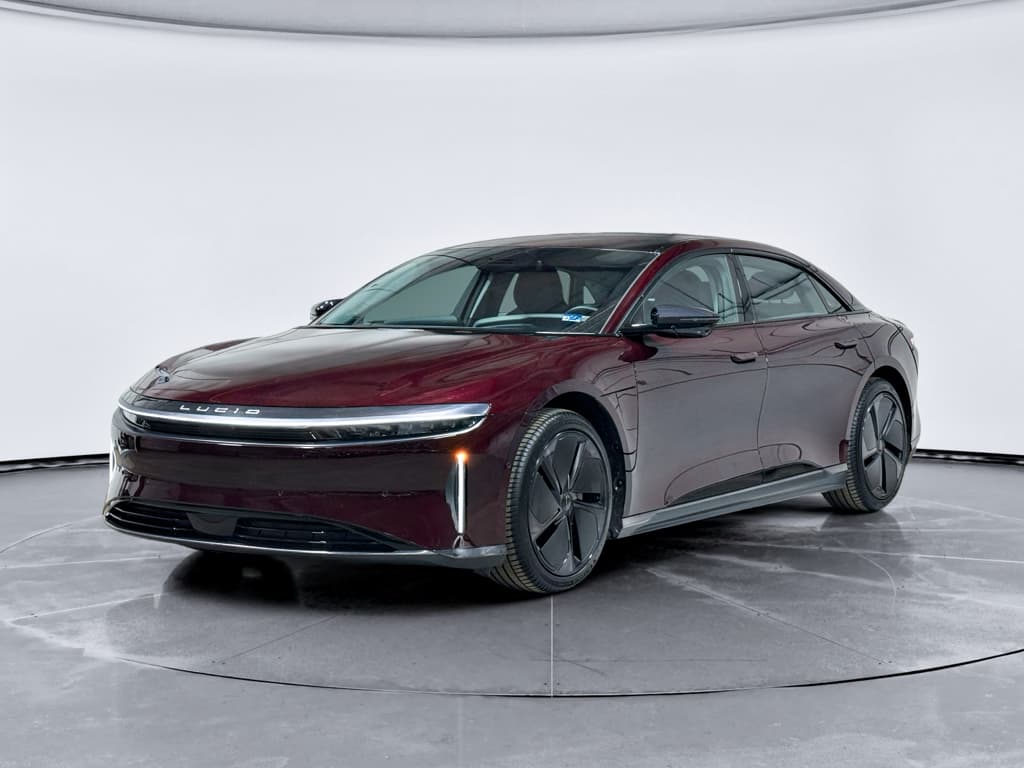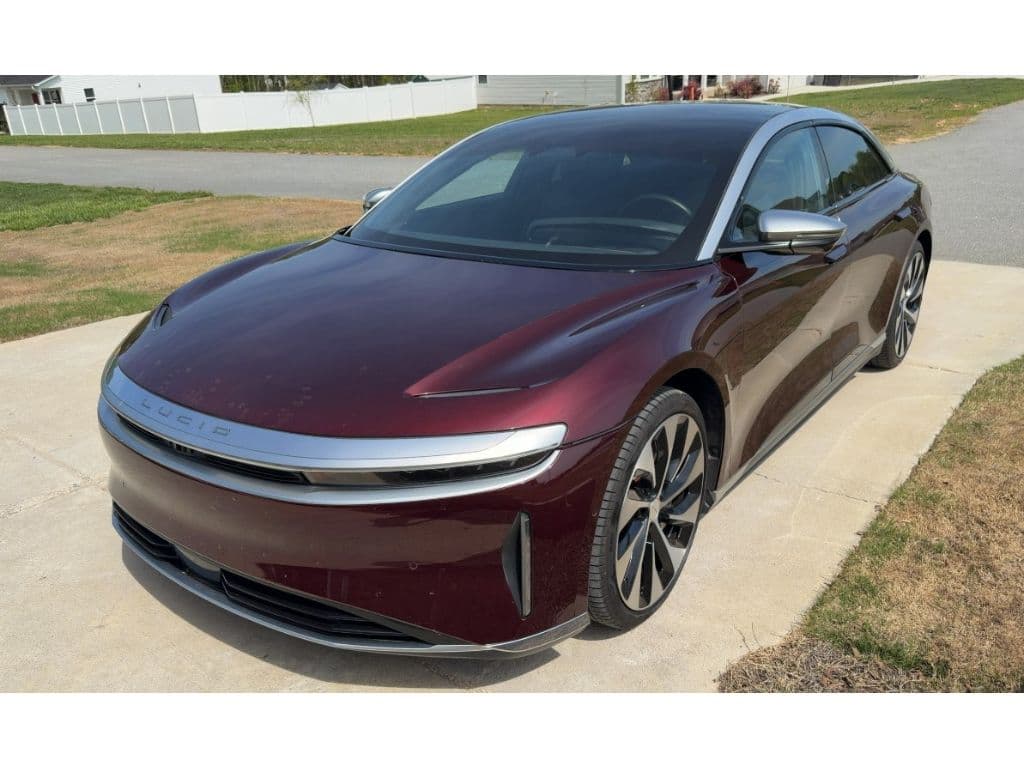
If you’re eyeing a used 2022 Lucid Air, you’ve probably heard two things: it’s one of the most impressive luxury EVs ever built, and early cars have their share of quirks. This guide breaks down the most common 2022 Lucid Air problems and fixes, so you can tell the difference between a great used buy and a headache waiting to happen.
Early-build luxury EV reality check
2022 Lucid Air problems at a glance
Quick snapshot: 2022 Lucid Air issues
Here’s the high-level picture of 2022 Lucid Air problems that show up repeatedly in owner reports, forums, and recall campaigns:
- More recalls than most rivals for a brand-new model year, many fixed with over‑the‑air (OTA) software updates or hardware replacements at no cost
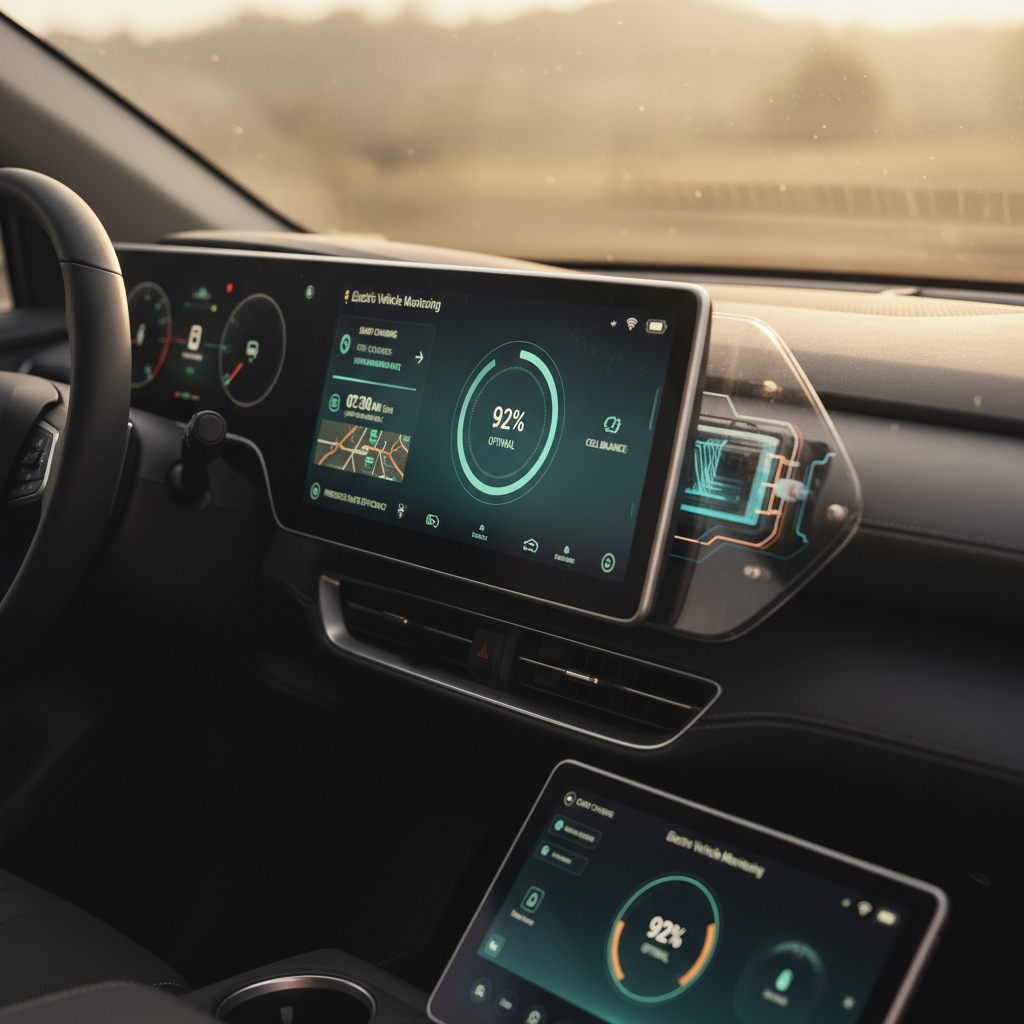
- Software bugs: frozen or black screens, glitchy driver‑assist, occasional need for soft or hard reboots
- Intermittent loss of power tied to high‑voltage system logic (addressed via recalls and OTA updates)
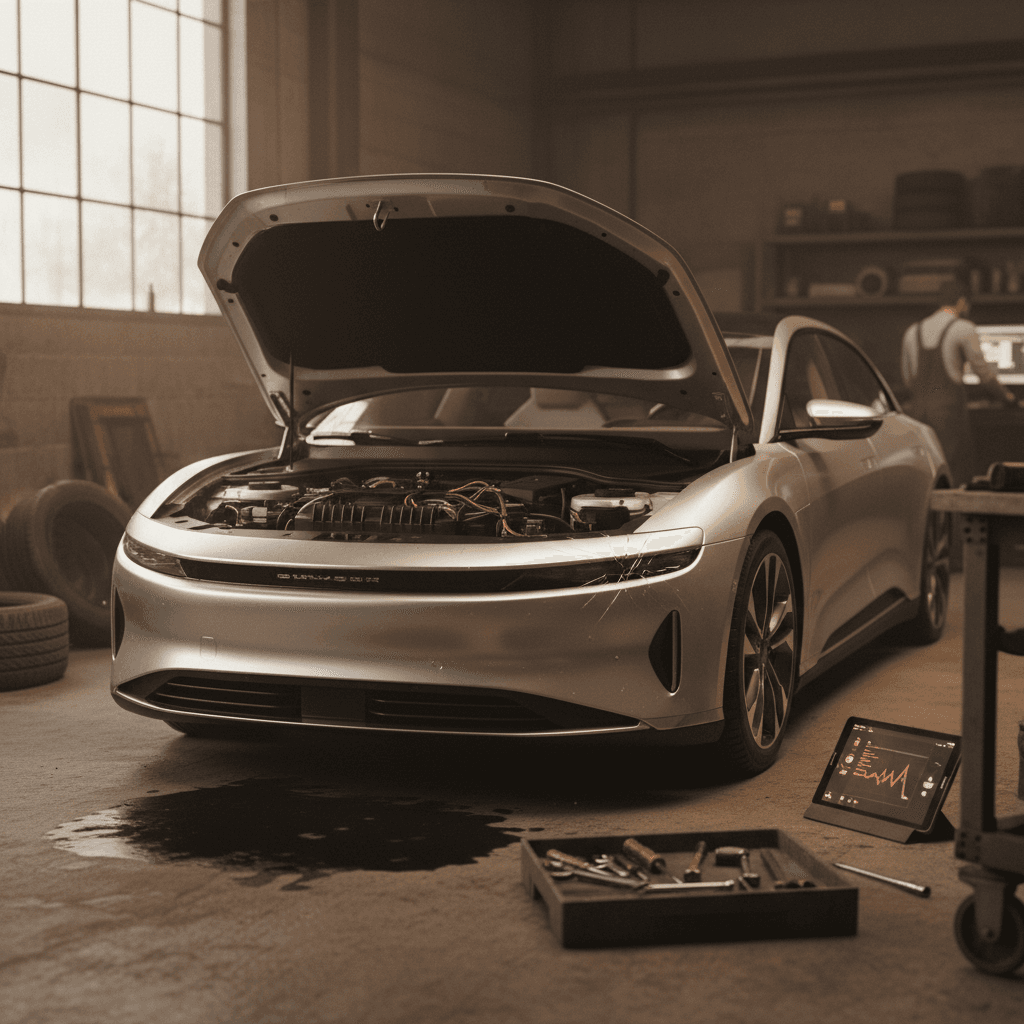
- Build-quality complaints on some cars: wind noise, trim misalignment, water leaks from doors or trunk, creaks and rattles
- HVAC issues on some vehicles: weak cabin heat or windshield defrost under certain conditions
- A wide spread of owner experience, some cars run nearly trouble‑free, others rack up multiple early service visits
Why this matters if you’re buying used
Major 2022 Lucid Air recalls and how they’re fixed
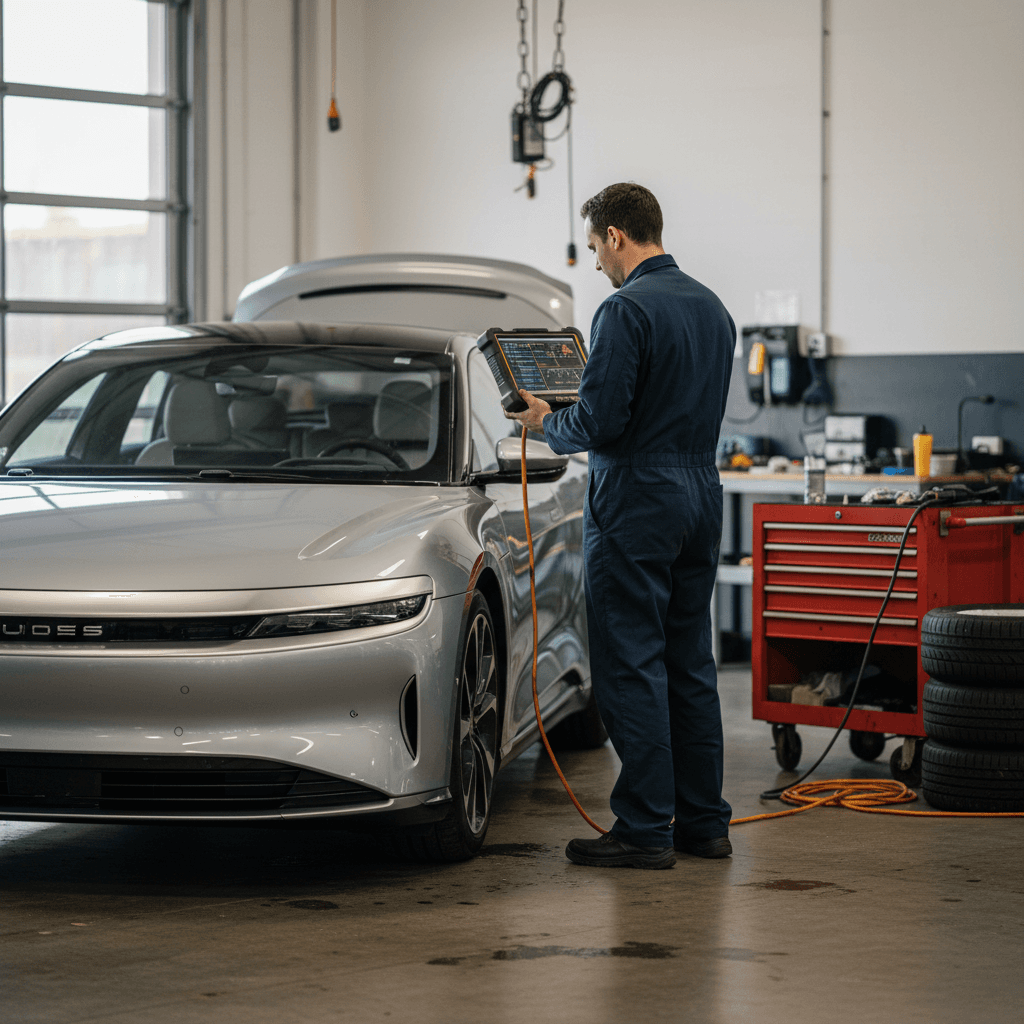
The 2022 Air doesn’t just have “a few” recalls, it has a long list spanning software, power electronics, suspension, lights, HVAC, and even floor mats. The upside: Lucid has leaned heavily on OTA updates and warranty repairs, so many cars are fully remedied if the previous owner stayed on top of service.
Key 2022 Lucid Air recall themes
Not every 2022 Air is affected by every recall. Use this as a conversation starter with the seller and to check VINs with NHTSA.
| Issue area | Typical symptom | Risk if ignored | Typical fix |
|---|---|---|---|
| High-voltage interlock / software logic | Warning lights, reduced power, or sudden loss of drive power in rare cases | Loss of power while driving, potential crash risk | OTA software update plus, in some cases, inspection of HV components |
| Front suspension control arms / steering components | Clunks, vague steering, or abnormal tire wear | Loss of control in extreme failure scenarios | Inspection and replacement of suspect parts |
| HVAC / windshield defrost | Weak heat or poor windshield defogging | Limited visibility in cold or damp weather | Software update and/or heater component replacement |
| Rearview camera display | No image when shifting into Reverse | Backing up without a proper rear view | OTA software update to restore camera function |
| All-weather floor mats | Mats interfering with pedals in some positions | Unintended acceleration or braking difficulty | Recall or replacement of affected accessory mats |
Always verify recall status by running the VIN through the official NHTSA recall lookup before you buy.
Don’t rely on the owner’s memory
Lucid has used software updates aggressively. On a 2022 Air, you should see a history of OTA updates in the car’s records. If the software is significantly out of date, it’s a red flag for broader neglect.
Software bugs, screen freezes, and infotainment glitches
Early Lucid Airs built in 2022 shipped with ambitious software: twin screens, complex driver‑assist, and rich animations. That ambition came with bugs. Owner reports consistently mention infotainment problems that range from mildly annoying to trip‑interrupting.
Common 2022 Lucid Air software issues
Most are fixable today, but you want a car that’s been kept current.
Frozen / black screens
The center or driver display may freeze, go black, or lag badly. In many cases you can recover with a soft reboot, but it’s unsettling in a six‑figure luxury car.
Connectivity gremlins
Intermittent Bluetooth, flaky app connection, or slow over‑the‑air downloads. Later software versions tend to be better behaved.
Driver-assist quirks
Occasional false warnings, lane‑keeping that feels nervous, or adaptive cruise that behaves inconsistently in complex traffic.
Soft reboot vs. hard reboot
Lucid has been shipping regular OTA updates aimed at cleaning up these issues. When you test‑drive a 2022 Air, spend time with the screens:
On-road software shakeout: what to try
Cycle the displays
Toggle between apps and views on both screens. Watch for lag, flicker, or lockups.
Pair your phone
Connect via Bluetooth and stream audio. Make a call. See if the car reconnects easily after a brief stop.
Use navigation fully
Enter a route, zoom and pan the map, and add a stop. The system should respond quickly and predictably.
Engage driver-assist
On a clear highway, try adaptive cruise and lane‑keeping. Note any sudden disengagements, nags, or odd behavior.
Check for error messages
After the drive, scroll through messages or notifications for repeated warnings tied to software modules.
Ask about update history
Have the seller show you the current software version and any recent OTA releases applied to the car.
The good news on software
Power loss and high-voltage system issues
The phrase that makes shoppers nervous is “sudden loss of power.” A subset of 2022 and 2023 Lucid Airs built before late 2022 were involved in recalls related to high‑voltage system logic and hardware communication faults. In rare cases, owners reported the car dropping into a limp mode or losing propulsion while driving.
What was happening?
- Faults in high‑voltage components or communication networks could trigger the system to open contactors (the main high‑voltage switches) while the car was in motion.
- Early on, some cars did this with minimal warning, leading to NHTSA scrutiny and formal recalls.
- Updated software has since been deployed to give drivers more warning and to manage faults more gracefully.
What fixes are in place?
- Lucid pushed OTA updates that change how quickly the car cuts power when certain faults are detected.
- Some cars have had high‑voltage components inspected or replaced under recall or technical service bulletins.
- Later 2022 builds and cars that have had all campaign work completed are much less likely to experience these events.
When to be extra cautious
On a test drive, pay close attention to any drivetrain alerts, abrupt drops in power, or persistent warning lights. Don’t dismiss them as “probably a software glitch” unless a Lucid service center has documented the fix and you can verify it.
Build quality, water leaks, and squeaks & rattles
Early owners of 2022 Lucid Airs have posted a mix of glowing praise for ride and handling, and frustration with luxury‑grade fit and finish. This is common for launch‑year cars from new automakers, but it’s something you can evaluate with your own eyes and ears.
Typical physical issues on some 2022 Lucid Airs
Most are fixable, but they take time and can sour the ownership experience if they pile up.
Panel alignment
Uneven gaps around doors, trunk, or charge port. It’s cosmetic, but it also affects wind noise and water sealing.
Water leaks
Reports of moisture entering around doors, windows, or the trunk, sometimes due to seals or doors not fully closed.
Noises & rattles
Clicks from the suspension, dashboard creaks, or trunk load‑floor rattles over rough pavement.
How to spot build-quality problems in 15 minutes
Walk the body gaps
Step back and look along the sides. Gaps around doors, hood, and trunk should be consistent left to right.
Check doors and trunk for sealing
Open and close each door slowly. Make sure they latch cleanly and don’t bounce. Look for water stains or musty smells inside.
Do a quiet‑road drive
Turn the audio off on a smooth but slightly bumpy road. Listen for rattles from the dash, doors, and rear shelf.
Inspect under carpets and mats
Lift the trunk floor and rear footwell mats. Look for rust, damp insulation, or water lines.
Look for paint repairs
Check for mismatched paint or overspray around edges and seals that might hint at past bodywork.
Ask about service campaigns
Many small quality issues (like cupholder location or trim fixes) were addressed on early cars, ask what’s been done.
What’s “normal” for a launch-year luxury EV
HVAC, heating, and windshield defrost problems
Another recurring theme on early Lucid Airs is the HVAC system. Owners have reported weak cabin heat, delayed warm‑up, and windshield fogging or icing that the defroster struggles to clear. Some of this was linked to high‑voltage coolant heater (HVCH) issues and control software, which led to recall and service actions across multiple model years.
Symptoms to watch for
- Cabin takes an unusually long time to warm up in cold weather.
- Windshield fogs easily and the defrost setting feels weak.
- HVAC error messages or a noticeable lack of heat on one side of the cabin.
Typical fixes
- Software updates that improve HVAC control logic.
- Replacement of heater components or sensors when they fail outright.
- Inspection for related recalls, especially for heater performance and defrost effectiveness.
Cold-climate test
Warranty coverage and what service support looks like
On paper, the 2022 Lucid Air comes with solid coverage: a four‑year / 50,000‑mile basic warranty and roughly eight‑year / 100,000‑mile battery and drivetrain coverage. That means many 2022 cars are still under original coverage today, especially on the high‑voltage bits that worry EV shoppers the most.
What the 2022 Lucid Air warranty typically covers
Exact terms depend on in‑service date and market, always confirm with Lucid.
Basic warranty
Around 4 years / 50,000 miles from the original in‑service date for most non‑wear items.
Battery & drivetrain
Roughly 8 years / 100,000 miles against defects, often with capacity and performance protections.
Roadside & extras
Roadside assistance during the basic warranty and separate coverage for corrosion in many cases.
Owner reports on Lucid service are mixed but trending better: many praise mobile technicians and fast fixes, while others describe long waits for parts or multiple visits to resolve one complaint. As a used buyer, your best move is to piggyback on the work that’s already been done, and buy from someone who has let Lucid sort out early issues on their dime.
How Recharged can help here
Used 2022 Lucid Air checklist: problems to watch for
If you’re serious about a used 2022 Air, treat the test drive like a mini pre‑purchase inspection. Here’s a focused checklist to separate strong candidates from problem cars.
Pre-purchase checklist for a 2022 Lucid Air
1. Run the VIN for recalls
Use the NHTSA recall lookup to confirm there are no open recalls. Ask the seller for invoices or documentation showing completed campaign work.
2. Verify software currency
From the car’s settings, note the software version and date of the last update. A car that hasn’t updated in many months is a concern.
3. Scan for warning lights
On start‑up and during the drive, watch for persistent alerts related to the high‑voltage system, driver‑assist, or HVAC.
4. Test screens and reboot behavior
Exercise both main screens extensively. If they freeze or need frequent reboots during a short drive, expect more of the same in daily life.
5. Listen and feel
Drive on mixed pavement at city and highway speeds. Listen for rattles, thumps, and wind noise. Any clunks over bumps deserve a suspension inspection.
6. Soak test for leaks
If possible, inspect the car after a rain or run it through a wash. Look for water entry at doors, roof, and trunk, and check for damp carpet.
7. Confirm warranty status
Have the seller share the original in‑service date and mileage. Call Lucid or check the owner portal to confirm how much basic and high‑voltage coverage remains.
8. Get a third‑party inspection
For a six‑figure car when new, spending a few hundred dollars on an independent EV‑savvy inspection is cheap insurance, especially on a launch‑year model.
When a 2022 Lucid Air is a great buy, and when to walk away
You’ll see big price swings on 2022 Lucid Airs. Some cars linger on dealer lots because their histories scare informed shoppers; others represent an enormous amount of car for the money once the bugs are sorted.
Signs of a great 2022 Air
- Complete recall history with documentation and current software.
- Service visits that taper off after the first year, not a constant drumbeat.
- Clean bodywork, tight seals, and a quiet cabin at 70 mph.
- No repeated drivetrain, HVAC, or high‑voltage warnings in the records.
- Remaining battery and drivetrain warranty that fits your ownership horizon.
Red flags worth walking away from
- Multiple power‑loss or limp‑mode incidents, even after recall fixes.
- Chronic leaks, persistent wind noise, or unresolved rattles.
- Screens and software that misbehave even on current versions.
- Long stretches in the shop or a stack of invoices for the same complaint.
- Seller shrugs when you ask about recalls, software, or warranty coverage.
Why 2022 is still worth a look
FAQ: 2022 Lucid Air problems and fixes
Frequently asked questions about 2022 Lucid Air problems
The 2022 Lucid Air is both brilliant and imperfect: a car that can out‑range and out‑drive almost anything in its class, but that also arrived with more early‑life issues than most mainstream EVs. If you go in with clear eyes, armed with recall checks, software scrutiny, and a willingness to walk away from sketchy histories, you can land a truly special sedan for used‑car money. And if you’d rather have experts do that homework for you, a platform like Recharged can help you find a 2022 Air that’s already been screened for the problems that matter most.