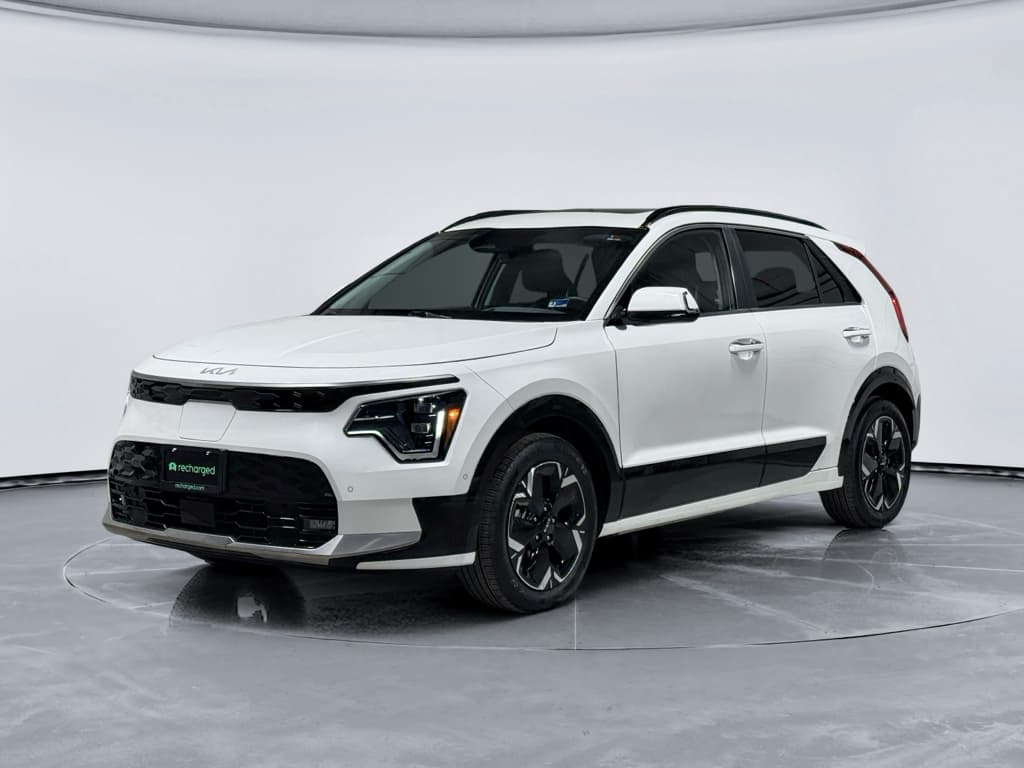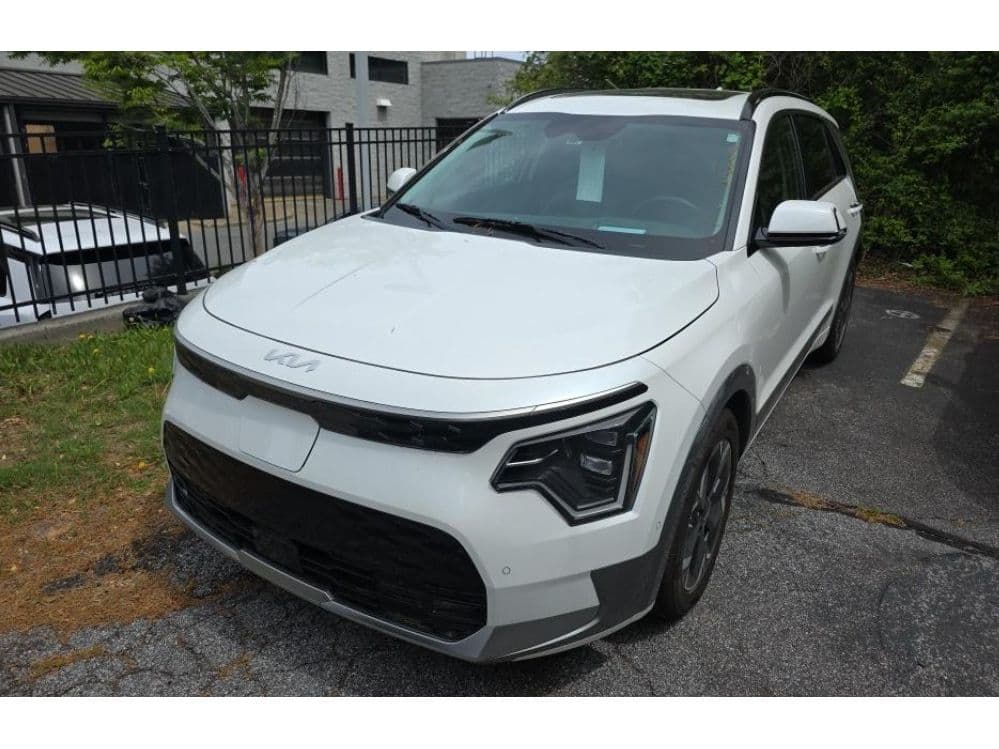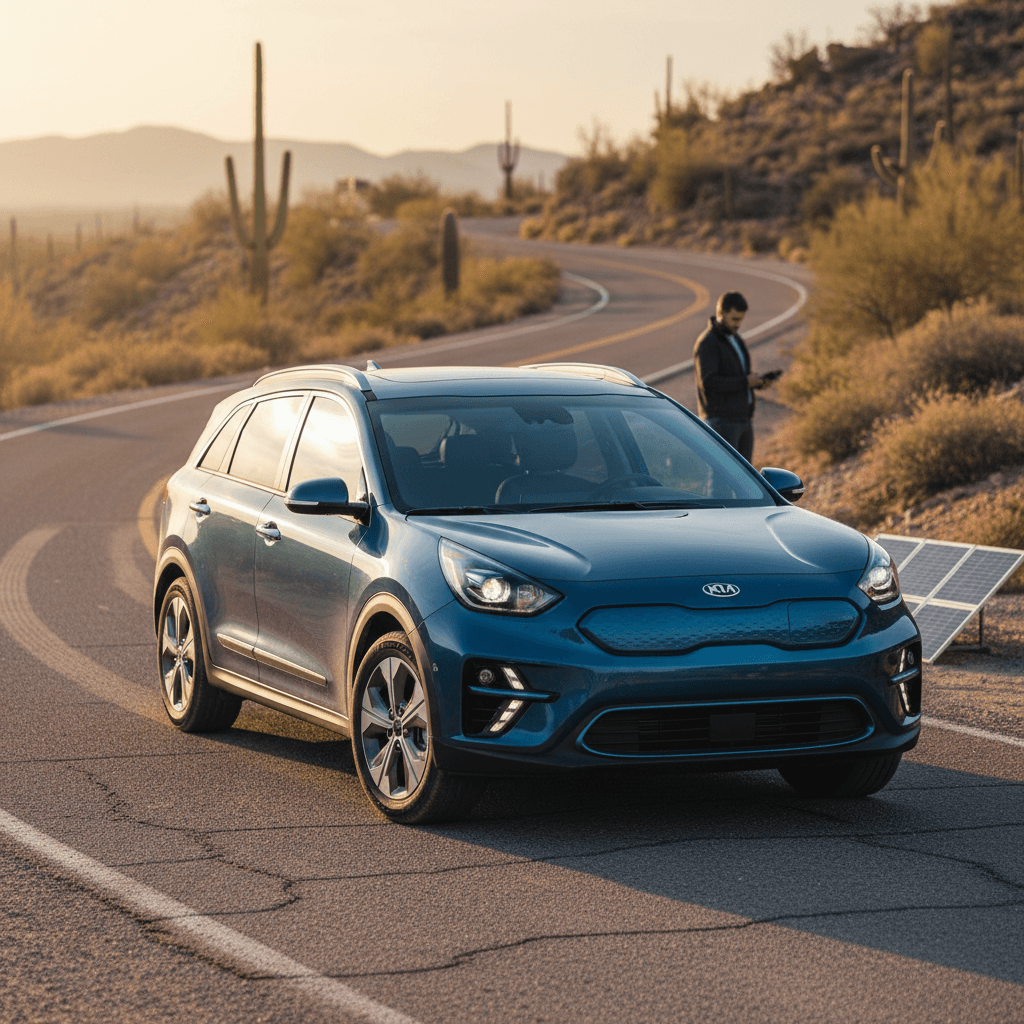
If you’re eyeing a 2022 Kia Niro EV, the number that jumps off the spec sheet is its 239‑mile EPA range. But EPA labels are laboratory fiction; you live in the real world of 70‑mph interstates, winter slush, and that one week in August when the A/C never shuts off. This 2022 Kia Niro EV range test guide pulls together independent tests, owner experiences, and what we see in used cars at Recharged so you know what range you’ll actually get, and how to shop smart.
Headline numbers at a glance
2022 Kia Niro EV range basics
2022 Kia Niro EV: core range specs
On paper, the 2022 Kia Niro EV’s 239‑mile EPA rating looks merely “fine” next to headline‑grabbers from Tesla and Hyundai. But paper does not drive down the freeway. In independent instrumented testing, Edmunds pushed a Niro EV to about 285 miles on a single charge while beating its official efficiency numbers, proving that in easy conditions the little Kia is more marathoner than sprinter.
For 2022, U.S.‑spec Niro EVs use a single front motor and a battery that’s effectively the same 64‑ish kWh pack Kia has been refining for years. That continuity is good news in the used market: the chemistry and thermal management are known quantities, and real‑world range tends to be predictable rather than dramatic or fragile.
How to read the EPA label
Lab vs. real-world range tests
EPA & WLTP cycles
In the U.S., the EPA test cycle that yields the 239‑mile rating is a blend of simulated city and highway driving on a dyno, with modest accelerations, relatively low steady speeds, and mild ambient temperatures. European WLTP tests, where the Niro is rated closer to 280–285 miles, are different again, and generally more optimistic.
Independent & owner tests
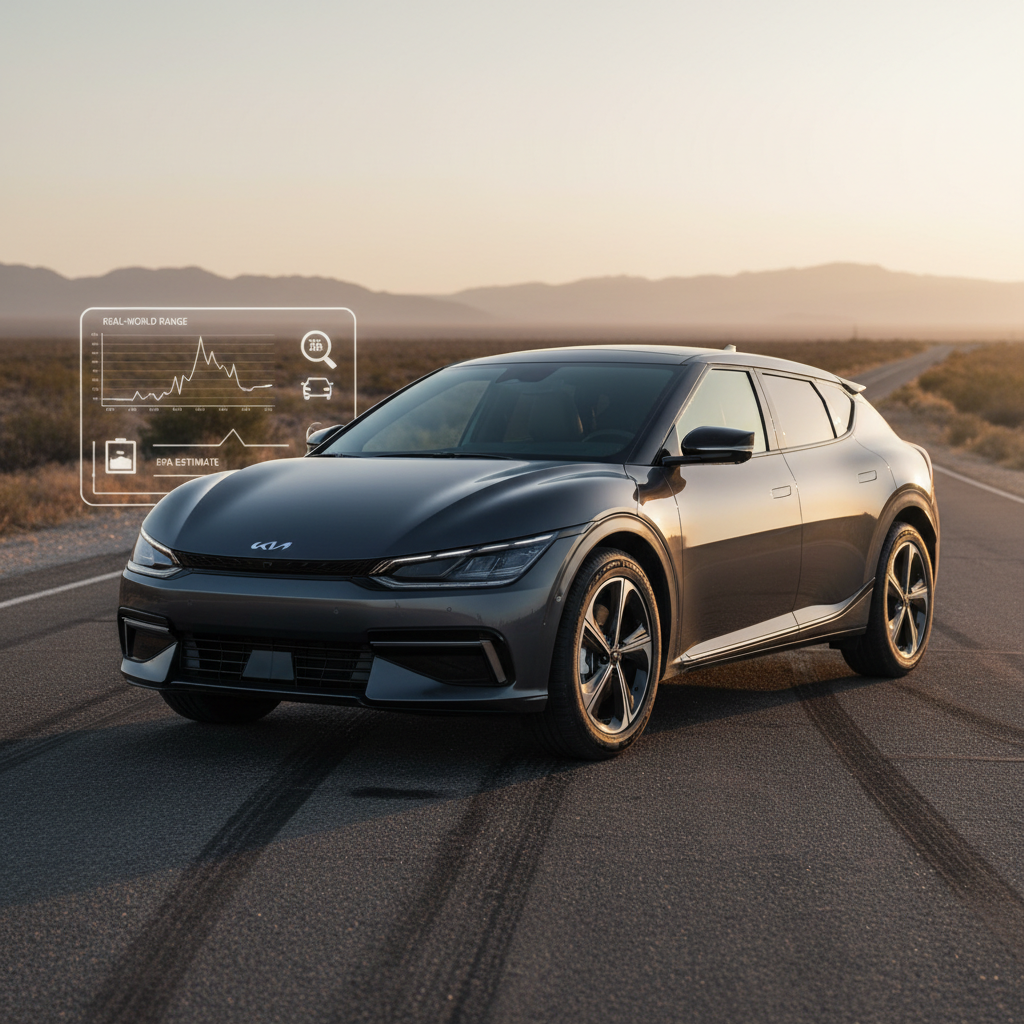
Independent tests like Edmunds’ 285‑mile result, plus long‑form reviews and owner forums, tell a more useful story. In relaxed mixed driving, the Niro EV often returns 3.5–4.0 mi/kWh, which works out to something like 230–260 miles per charge depending on how much of the pack you use.
Put plainly, the car can beat its rating if you drive it like the world’s politest rideshare driver. But as soon as you crank up speed, heat, or both, those gains evaporate. That’s not a Niro quirk; that’s how EV physics works. The upside is that its efficiency doesn’t collapse as quickly as heavier, boxier crossovers when conditions get tricky.
Beware the “guess‑o‑meter”
Highway range: what to expect at 70 mph
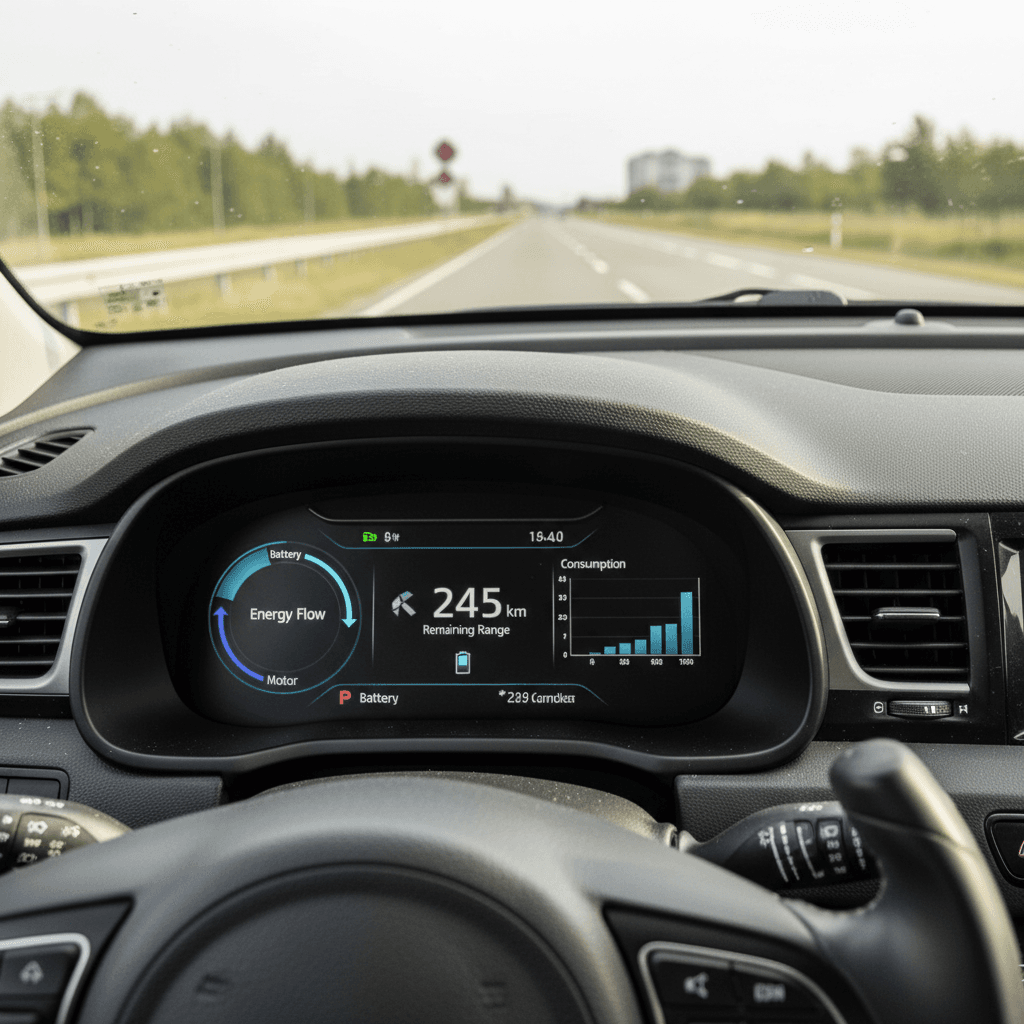
Most American range tests live and die on the right lane of the interstate. So let’s talk about what a 2022 Kia Niro EV highway range test really looks like at typical U.S. speeds.
Realistic highway range scenarios
Assuming a healthy battery and starting near 100% charge
70 mph, mild weather
Expected range: ~210–230 miles
In the 65–75 mph band on flat ground in 60–75°F weather, many drivers see around 3.0–3.3 mi/kWh. That’s roughly 210–220 usable miles if you run from near‑full down to a low state of charge.
75–80 mph, headwinds
Expected range: ~180–200 miles
Push the speedometer into the high‑70s, add a headwind or hills, and consumption creeps toward 2.7–2.9 mi/kWh. That trims effective range into the high‑100s.
Cold highway slog
Expected range: ~150–190 miles
Below freezing with heat blasting, you’re stacking every EV’s sworn enemies: high speed, dense cold air, and HVAC loads. A conservative winter planning figure is to assume ~30% less range than EPA on long highway runs.
When owners report that a 130‑mile highway trip ate 200 miles of displayed range with nothing but eco mode and stoicism to help, that’s exactly what you’d predict from physics. The Niro’s bluff crossover shape and front‑drive layout were designed for efficiency, but they’re not cheating the laws of aerodynamics.
A simple highway planning rule
City and commuter range performance
If your life is more suburb than superslab, the Niro EV quietly shines. Its efficiency advantage over bigger crossovers shows up every time you’re not hammering down an interstate on‑ramp.
- In 25–45 mph mixed urban driving, many drivers report 4.0 mi/kWh or better, especially in temperate weather.
- That translates to an easy 200+ miles of real use even if you only charge to 80–90% daily and avoid running the pack to the bottom.
- For a typical U.S. commute of 30–50 miles round‑trip, you can comfortably go several days between charges with a Level 2 home or workplace charger.
- The Niro’s relatively small footprint and good regen tuning make it feel at home in stop‑and‑go traffic, where EVs harvest energy instead of wasting it as heat.
Ideal use case
Winter, heat, and climate control: how much range you lose
The Niro EV’s battery is liquid‑cooled and offers a heat‑pump option in colder markets, which helps, but no EV walks away from a harsh winter unscathed. The questions are: how much range do you lose, and can you plan around it?
How weather and HVAC affect 2022 Niro EV range
Approximate range impact compared with mild‑weather mixed driving, assuming a healthy battery.
| Scenario | Typical impact | What it feels like |
|---|---|---|
| Summer, A/C on, city‑heavy driving | 0–10% loss | Barely noticeable; car remains very efficient |
| Mild rain, 65–70 mph | 5–15% loss | Slight bump in consumption; range still close to EPA |
| Below 32°F, mixed driving, cabin heat on | 15–25% loss | Short trips sting most; pack and cabin are always warming up |
| Below 20°F, 70‑mph highway, heat on | 25–35% loss | Plan around the low end of your range expectations |
| Extreme heat, long highway run, A/C max | 10–20% loss | Less dramatic than winter, but still worth including in your buffer |
Use conservative numbers for trip planning; enjoy the upside when conditions are better.
The short‑trip winter penalty
If you’re cross‑shopping EVs, the Niro sits in the sensible middle of the pack here. It’s not as hyper‑efficient as its older e‑Niro sibling or a Tesla Model 3 in the same conditions, but it also doesn’t crater the way heavier, taller SUVs do in cold weather.
Battery size, charging, and efficiency explained
Under the floor of the 2022 Kia Niro EV lives a lithium‑ion pack of roughly 64 kWh usable capacity, with total pack capacity a hair higher. That’s the same playbook Kia has used with the e‑Niro and related Hyundai Kona Electric, smallish, efficient crossover with a medium‑sized battery that punches above its weight.
Key technical specs that shape range
You don’t need to be an engineer, but these numbers matter.
Battery capacity
~64 kWh usable, ~68 kWh total. Big enough for long commutes and modest road trips without the weight penalty of a mega‑pack.
Efficiency
Independent tests peg the Niro EV around 25–30 kWh/100 miles (3.3–4.0 mi/kWh) in mixed use, which is competitive among compact EV crossovers.
Charging speeds
Level 2 AC: up to 7.2–11 kW depending on market and charger, roughly 7–9 hours from empty to full at home.
DC fast: around 72–100 kW peak, ~45 minutes from 10–80% in good conditions.
Range vs. charging strategy
Range over time: battery health on used Niro EVs
The question that matters in the used market is not what the Niro EV could do when it rolled off the transporter, but what it can do after 50,000 or 100,000 miles of school runs and DoorDash.
Real‑world data from high‑mileage 2022 Niro EVs suggests the pack is aging gracefully. It’s not unusual to see cars with 70,000–90,000 miles still reporting in the ballpark of 90–95% of original capacity, with estimated full‑charge range numbers hovering near the original EPA figure when driven gently.
How Recharged evaluates Niro EV battery health
- Kia’s high‑voltage warranty on the Niro EV typically runs 8 years or 100,000 miles (check the specific car’s coverage and in‑service date).
- Most owners who charge primarily on Level 2 and avoid constant 0–100% cycles see slow, linear degradation rather than sudden drops.
- Cars that lived life on DC fast chargers or in extreme climates can show more wear, another reason a third‑party health check matters for range‑sensitive buyers.
Can you road-trip a 2022 Niro EV?
Yes, with some planning and realistic expectations. The Niro EV is not a 400‑mile grand tourer, but it’s perfectly capable of knocking out interstate legs if you treat range as a resource to be managed, not a mystery.
Road‑tripping a 2022 Niro EV: practical playbook
1. Plan around 170–190 highway miles
For long legs, assume roughly <strong>70–80% of EPA range</strong> between fast‑charge stops. That leaves headroom for weather, detours, or arriving with 10–15% in the pack.
2. Use EV‑savvy route planners
Apps like ABetterRoutePlanner, PlugShare, or the built‑in navigation (when properly configured) help you pick stops that match your charging speed and desired arrival SOC.
3. Favor 10–80% fast‑charge windows
The Niro EV charges fastest in the middle of the battery. Stopping more often for shorter 10–80% sessions is both time‑efficient and easier on the pack long‑term.
4. Adjust cruise speed when needed
If your next charger is a stretch, <strong>dropping 5–10 mph</strong> off your cruise speed does more for range than any eco mode switch.
5. Precondition when you can
If your Niro EV supports battery preconditioning or cabin pre‑heat while plugged in, use it. Starting a winter trip with a warm pack and cabin saves precious early‑miles energy.
6. Expect variance by region
Flat I‑95 coastal runs in mild weather will feel easy. High‑altitude mountain passes or Midwestern winters will demand more deliberate planning and buffer. Build that into your schedule.
Know your charging network
How to test range on a used Niro EV
If you’re considering a used 2022 Niro EV, you don’t need to run a full 0–100% range test to understand what the car can actually do. A couple of simple checks can tell you whether the battery and range look healthy.
Quick range health checks before you buy
Do these on a test drive or during inspection.
Check the estimate vs. state of charge
With the car at or near 100% and in normal or eco mode, note the displayed range. For a healthy 2022 Niro EV in mild weather, you’d like to see something within striking distance of the 200–240 mile band, depending on how it’s been driven recently.
Do a short, measured drive
Drive a known 10–20 mile loop, ideally at mixed speeds. Compare miles driven to the drop in estimated range and state of charge. You won’t get lab‑grade accuracy, but egregious problems, like burning 40 miles of range over a 10‑mile run in mild weather, will stand out.
Look at energy consumption
Most Niro EVs offer a trip computer readout in kWh/100 miles or mi/kWh. In reasonable conditions, you want to see numbers that line up with owner reports (roughly 25–30 kWh/100 mi, or 3.3–4.0 mi/kWh).
Get a formal battery report
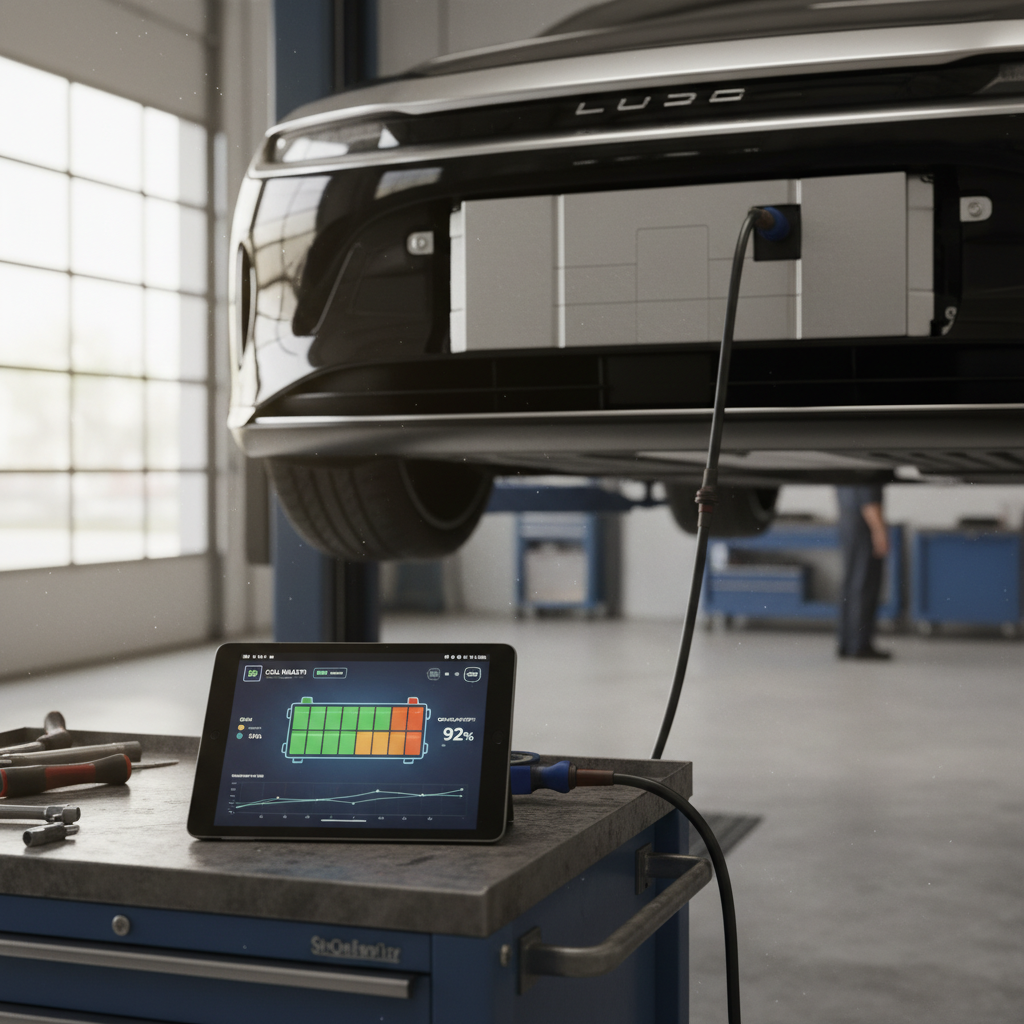
This is where a Recharged Score Report pays off. We use specialized diagnostics to estimate remaining battery capacity and expected range, so you’re not relying on a “guess‑o‑meter” and a handshake.
Why buy a tested Niro EV from Recharged
Ready to find your next EV?
Browse VehiclesFAQ: 2022 Kia Niro EV range questions
Frequently asked questions about 2022 Niro EV range
Is the 2022 Niro EV right for your range needs?
The 2022 Kia Niro EV is not an internet‑hero range monster, and it doesn’t try to be. Instead, it quietly delivers what most drivers actually need: real‑world 200‑ish mile capability, digestible charging times, and battery behavior that ages gracefully rather than dramatically. In the city and suburbs, its efficiency makes the official 239‑mile rating feel conservative. On the highway, it demands respect for physics but rewards planning with calm, comfortable progress.
If your life is mostly commuting, errands, and the occasional regional trip, a well‑cared‑for 2022 Niro EV is an excellent candidate, especially on the used market, where its middle‑of‑the‑road spec sheet hides a genuinely well‑sorted EV. And if you’d rather not play detective with kWh, degradation curves, and trip computers, browsing Niro EVs on Recharged means every car comes with a verified battery‑health report, transparent pricing, available financing and trade‑in options, and help from EV specialists who speak range in plain English.