If you’re shopping for a used EV, the 2022 Hyundai Kona Electric is probably on your shortlist. It’s compact, efficient, and relatively affordable, but you may also have heard about 2022 Hyundai Kona Electric problems around charging, software and long‑term battery health. This guide breaks down real‑world issues, how serious they are, and what to look for before you buy.
Quick take
Overview: How Reliable is the 2022 Kona Electric?
What Hyundai got right in 2022
- The 2022 model benefits from years of Kona Electric production; many early hardware bugs and recall issues were already addressed on previous years.
- The 64 kWh battery pack and front‑wheel‑drive motor have proven efficient and robust for most owners.
- Real‑world drivers regularly report low battery degradation even at high mileage when the pack is treated reasonably well.
Where problems still show up
- Intermittent charging problems (especially DC fast‑charging speed or session failures).
- Range estimate swings and perceived range loss that can be hard to decode.
- Electronics glitches: infotainment, cameras, and warning lights that require software updates.
- Typical EV wear items like tires and brakes wearing faster due to vehicle weight and instant torque.
Used‑buyer tip
2022 Kona Electric Ownership Snapshot
The Biggest 2022 Hyundai Kona Electric Problems
- Perceived or real range loss and confusing state‑of‑health (SOH) readings from apps or OBD tools.
- Slow or inconsistent DC fast‑charging, especially in cold weather or at low state of charge.
- Occasional AC and DC charge session failures that require unplugging and trying again, or a dealer software update.
- Infotainment and camera glitches, including frozen screens and intermittent backup camera issues.
- Random warning lights or error messages tied to software or sensor calibration.
- Normal but sometimes surprising tire wear from the Kona’s weight and torque.
Perspective matters
Battery Health, Range Drop and Degradation
Hyundai switched to updated battery packs after earlier‑generation Kona EVs were hit with high‑profile recall campaigns. By 2022, chemistry and quality control had matured, and many owners now report strong long‑term performance. But that doesn’t mean you’ll never see range changes or health quirks.
Common Battery‑Related Concerns on 2022 Kona Electric
What owners report, and what it usually means in practice
App‑reported SOH drops
Some owners using OBD apps see state‑of‑health numbers fall into the low‑90% range after 50k–70k miles.
Battery management software updates can reset or change these readings, so they’re not always a precise measure of true degradation.
Range estimate swings
The dash estimate can drop 10–20% compared with what the car showed when new, especially after long freeway drives, winter weather, or heavy A/C use.
Often, this is the algorithm adapting to recent driving, not pure capacity loss.
Cold‑weather range hit
In winter or at near‑freezing temps, some 2022 Kona owners see range shrink significantly versus summer numbers.
That’s normal EV behavior: heating the cabin and cold cells both cut range, even if the battery is still healthy.
Real‑world degradation examples
How to Judge a 2022 Kona Electric’s Battery Health
1. Look at real range, not just estimates
Ask the seller how far they typically drive from 100% to around 10–20% in mixed driving. A healthy 2022 Kona Electric often still delivers 220+ miles in moderate weather.
2. Review charging history
Light DC fast‑charging and mostly Level 2 home charging is ideal. Frequent DC use isn’t a deal‑breaker but can accelerate wear over very high mileage.
3. Scan SOH, but don’t obsess
If you or the seller uses an OBD app, treat state‑of‑health as a directional clue, not gospel. Software updates can reset or skew values.
4. Check for battery‑related recalls or campaigns
Have a Hyundai dealer run the VIN for open campaigns and confirm any battery‑management‑system (BMS) updates are current.
5. Confirm warranty status
On a 2022 Kona Electric, the high‑voltage battery should still have years of coverage left under Hyundai’s 8‑year/100,000‑mile warranty, which can protect you from rare major failures.
Charging Problems and Slow DC Fast Charging
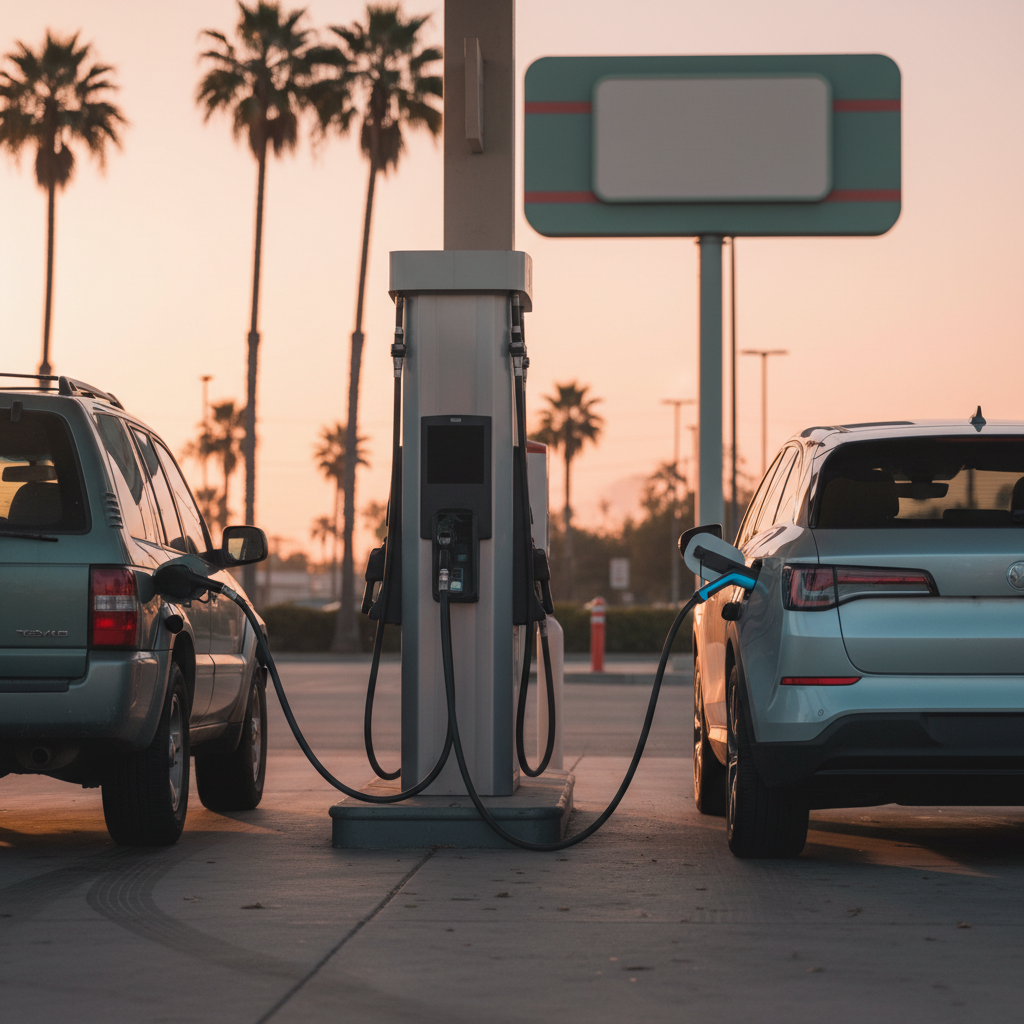
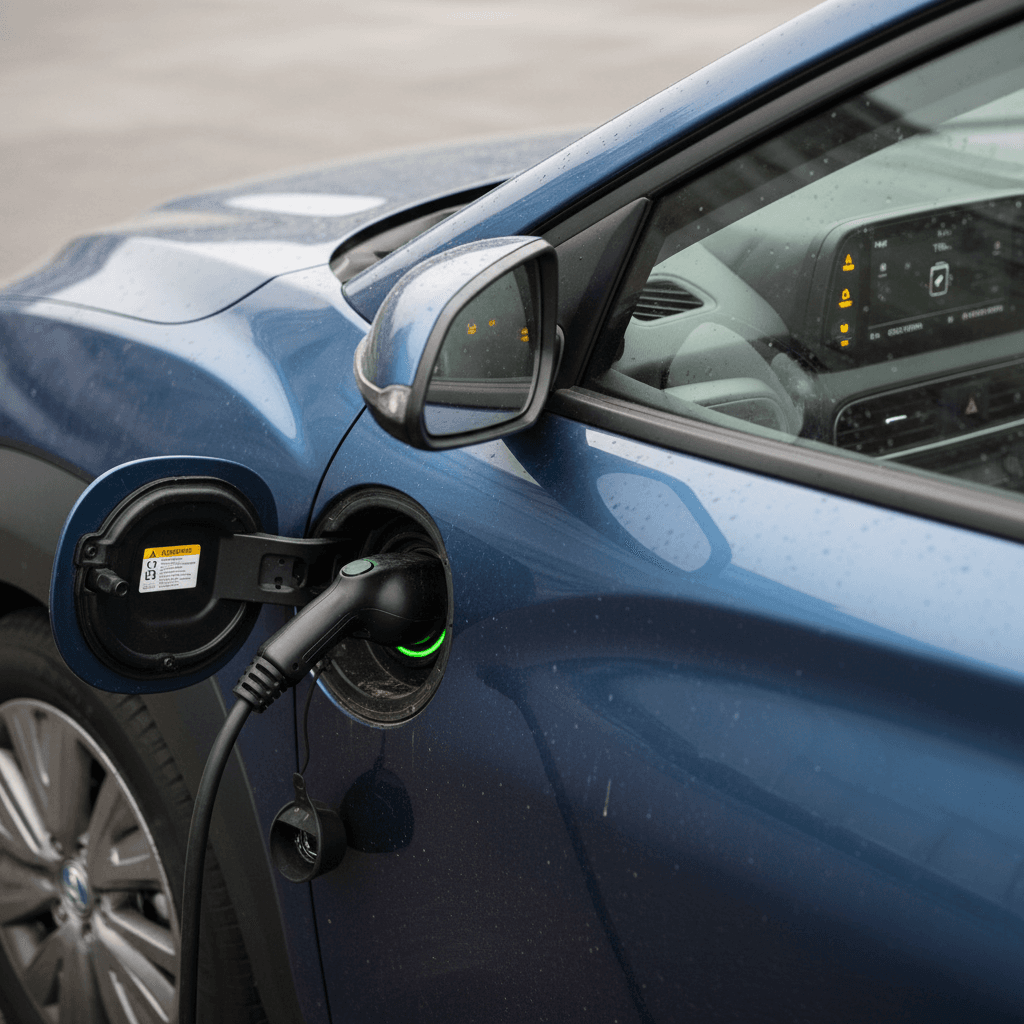
If you search owner forums, a big chunk of 2022 Kona Electric problems relate to charging, either sessions that won’t start, speeds that feel too slow, or behavior that changes after a software update. Most of these are annoying more than catastrophic, but they’re worth understanding.
Typical Charging‑Related Issues on 2022 Kona Electric
What you might see at home or on the road
Slow DC fast‑charging
- Some owners report DC chargers topping out around 40–60 kW even on higher‑powered stations.
- Cold batteries, high state of charge, or conservative software updates can all limit peak speed.
- Plan on 40–60 minutes from ~10% to ~80% in many real‑world conditions, not the "ideal" marketing numbers.
Charge session won’t start
- Occasional "charging cancelled by vehicle" or similar messages show up in forum threads.
- Root causes range from bad public chargers to charge‑port latch issues or outdated firmware.
- Dealers often resolve persistent problems with software updates, charge‑port hardware checks, or wiring inspections.
How to test charging on a used Kona EV
Electronics, Infotainment Glitches and Warning Lights
Like most modern cars, the Kona Electric leans heavily on software. The 2022 model year is better than earlier versions, but owners still report odd behavior from time to time, usually minor, but sometimes enough to warrant a dealer visit.
- Infotainment freezes or reboots: The center screen may lock up, lag, or restart. A software update or hard reset typically fixes it.
- Backup camera and sensor quirks: Occasional black screens, delayed image display, or false parking sensor alerts have been noted.
- Random dashboard warnings: Messages about limited power, charging system faults, or sensor errors can appear briefly and disappear on the next restart.
- Cluster display issues on newer Hyundais: While more prominently associated with 2025–2026 models, Hyundai has been rolling out display‑related software fixes across several lines, so keeping your Kona’s software current is smart.
The upside of software‑driven cars
Safety Recalls and Technical Service Bulletins
Earlier Kona Electrics (especially 2019–2020) were affected by large battery recalls, but the 2022 model year hasn’t seen the same level of high‑risk campaigns. That said, Hyundai and the NHTSA continue to issue smaller recalls and technical service bulletins (TSBs) that may apply to your specific VIN.
Recall & TSB Themes Relevant to Kona Electric Owners
Exact campaigns vary by build date and region. Always run a full VIN check.
| Area | What It Covers | Why It Matters |
|---|---|---|
| Battery management software | Updates to the BMS and high‑voltage controls | Can improve accuracy of range estimates, protect the pack, and reduce nuisance warnings. |
| Instrument cluster / displays | Software fixes for cluster or infotainment glitches | Ensures you can reliably see speed, warnings and charging status. |
| Charging system diagnostics | TSBs around charge‑port or on‑board charger behavior | Can address repeated charge cancellations or error codes. |
| General safety systems | Airbag or stability‑control updates across Hyundai lines | Even if not powertrain‑related, you still want these handled. |
Use this table as a starting point, then confirm details with Hyundai before you buy.
Always run the VIN
What to Check on a Used 2022 Kona Electric
The advantage of shopping a 2022 model is that you’re getting a newer EV with a warranty cushion, and a lot of real‑world data. Still, you want to be methodical. Here’s a practical inspection roadmap tailored to common 2022 Hyundai Kona Electric problems.
Used 2022 Kona Electric Inspection Checklist
1. Battery & charging behavior
Verify the car charges normally on Level 2 and, if possible, DC fast‑charge. Watch for errors like "charging cancelled" or unusual noises from the charger or charge port.
2. Realistic range test
Ask the seller to start a drive around 90–100% and go at least 30–40 miles on mixed roads. Compare energy used (kWh) to miles driven; wildly low efficiency might point to tire, brake, or battery issues.
3. Software & recall status
Have a Hyundai service department confirm that all open recalls and BMS or cluster software updates are done. This alone can clear up some charging and warning‑light quirks.
4. Tires and brakes
Heavy EVs wear tires faster, and regen braking can leave odd patterns if friction brakes are rarely used. Uneven wear may indicate alignment or suspension concerns.
5. Interior electronics
Cycle the infotainment system, backup camera, parking sensors, steering‑wheel controls and driver‑assist features (if equipped). Look for laggy responses, blank screens or persistent alerts.
6. Underbody and corrosion check
If you’re in a snow‑belt state, inspect the underbody, suspension arms and charging components for rust or impact damage from road debris.
7. Professional battery health report
Consider a third‑party EV health check. At Recharged, every vehicle comes with a <strong>Recharged Score</strong> that includes verified battery diagnostics, so you’re not guessing about pack health.
Estimated Repair Costs for Common Issues
Actual repair bills will vary by dealer, independent shop availability and warranty coverage. Many 2022 Kona Electrics will still have portions of the bumper‑to‑bumper and powertrain warranties in force, reducing your exposure for major failures. Still, it helps to know the ballpark if you’re buying out of warranty or planning long‑term ownership.
Typical Repair or Service Cost Ranges
Approximate out‑of‑pocket costs in the U.S. once you’re outside warranty coverage.
| Component / Issue | Typical Fix | Approx. Cost (USD) |
|---|---|---|
| Intermittent charging errors | Software update, charge‑port inspection | $0–$300 |
| Slow or failed DC charging (hardware issue) | On‑board charger or charge‑port component replacement | $800–$1,800 |
| Infotainment or camera glitches | Software reset, screen or module replacement | $150–$900 |
| Instrument cluster or display issues | Cluster software reflash or unit replacement | $250–$1,000 |
| Premature tire wear | Set of four EV‑rated tires + alignment | $800–$1,400 |
| HV battery replacement (out of warranty) | New or remanufactured pack | $8,000+ (rare on 2022 models) |
Hyundai dealer quotes can vary widely, always get an estimate before authorizing work.
Why warranty status matters so much
How the 2022 Kona Electric Compares to Other Used EVs
Versus other small used EVs
- Versus Nissan Leaf: The Kona Electric generally offers better highway range and liquid‑cooled battery tech, which tends to age more gracefully than the Leaf’s air‑cooled packs.
- Versus Chevy Bolt EUV: The Bolt line had its own battery recall history; later packs are improved, but many shoppers see the Kona as the more conservative, efficiency‑oriented choice.
- Versus older Tesla Model 3 Standard Range: Tesla’s network and software polish are strong, but used pricing can be higher. The Kona wins on hatchback practicality and often on purchase price.
Ownership experience & costs
- The Kona Electric is efficient, with low running costs and relatively straightforward hardware.
- It lacks some of the ultra‑fast DC charging speeds of newer platforms, so it’s best if you mostly charge at home and only road‑trip occasionally.
- As a used buy, it hits a sweet spot of modern tech, remaining warranty and relatively modest problem patterns.
Where Recharged fits in
Ready to find your next EV?
Browse VehiclesFAQ: 2022 Hyundai Kona Electric Problems
Common Questions About 2022 Kona Electric Issues
Bottom Line: Should You Buy a Used 2022 Kona EV?
If you want an efficient, compact EV with a usable 200+ miles of real‑world range and reasonable ownership costs, the 2022 Hyundai Kona Electric deserves a hard look. Its most common problems center on charging behavior, software quirks and typical EV wear items, not widespread catastrophic failures. That makes it a compelling used buy, as long as you confirm recall and software status, test charging thoroughly, and get a clear picture of battery health.
The key is to treat the 2022 Kona Electric like any other major purchase: do your homework, verify the data, and lean on experts when you can. Working with an EV‑focused retailer like Recharged, with battery‑health diagnostics, transparent pricing and nationwide delivery, can take much of the uncertainty out of buying a used Kona EV and let you focus on what matters: miles, not headaches.