If you’re eyeing a used electric BMW, the 2022 BMW i4 is probably on your shortlist. It’s quick, comfortable, and familiar if you like BMW’s driving feel, but how does 2022 BMW i4 reliability actually look a few years in? In other words: is this a safe bet as a used EV, or are you inheriting someone else’s software and battery headaches?
Quick verdict
2022 BMW i4 reliability at a glance
2022 BMW i4 reliability snapshot
Put together, the picture is of a car that’s mechanically solid but digitally fussy. If you’re comfortable living with the occasional infotainment reboot or over‑the‑air (OTA) update drama, the 2022 i4 can be a very dependable daily driver.
How reliable is the 2022 BMW i4?
Formal reliability ratings and owner anecdotes are converging on the same conclusion: the 2022 BMW i4 is better than average for its model year, and notably strong compared with many first‑generation EVs.
- Consumer-facing reliability trackers describe the 2022 i4 as more reliable than the average 2022 vehicle overall.
- UK MOT defect data for 2022 i4s shows fewer faults per 100 tests than the 2022 market average, with especially good results in brakes, visibility, lights/electrics, and body structure.
- Enthusiast and owner forums have some threads about annoying bugs, black screens, CarPlay dropouts, and stuck OTA updates, but relatively few stories of being stranded.
How to read i4 reliability scores
Owner reviews and real‑world experience
Owner sentiment for the 2022 BMW i4 skews strongly positive. On consumer review platforms, early i4 drivers give the car top marks for performance, comfort, and overall quality, with very high willingness to recommend.
What owners love
- Refined, quiet ride: Many i4 eDrive40 owners describe it as the most comfortable and composed car they’ve owned, especially on the highway.
- Real‑world range: Drivers routinely report meeting or beating EPA range at moderate highway speeds, which isn’t a given in the EV world.
- BMW driving feel: The i4 still feels like a BMW sedan more than a science project, good steering, familiar ergonomics, and solid build quality.
What annoys people
- Infotainment quirks: Occasional frozen screens, laggy CarPlay connection, or backup camera glitches after software updates.
- Digital “nannies”: Driver‑assist warnings and navigation behavior that can feel intrusive until you tune the settings.
- Minor rattles and trim: A few owners note trunk rattles or small interior squeaks, annoying but usually fixable under warranty.
“I love my i4… best car I’ve ever owned. The software is slightly buggy but not enough to make me not love the car.”
Hard data: MOT and survey results
Owner reviews are helpful, but reliability is ultimately a numbers game. For the 2022 BMW i4, we already have a few years of inspection and survey data to look at.
2022 BMW i4 defect rates vs 2022 market average
Based on MOT test data for 2022‑model‑year vehicles tested in Great Britain from 2024–2025.
| Category | 2022 BMW i4 | 2022 all‑car average | How the i4 compares |
|---|---|---|---|
| Overall defects per 100 tests | ≈65 | ≈71 | About 7% fewer defects than average |
| Brakes, lights, electrics | Below average | Baseline | Fewer issues than typical 2022 cars |
| Body & structure | Below average | Baseline | Good long‑term solidity |
| Suspension / wheels / axles | Above average | Baseline | More issues than average, watch for wheel & suspension wear |
| Emissions / powertrain | Low (EV) | Higher (ICE) | No emissions‑related failures by design |
Lower defects per 100 tests indicate fewer issues caught at inspection.
For a first‑generation premium EV, that’s a strong showing. The main weak spot in the data: suspension, wheels, and axles, which likely reflects heavy curb weights, large wheels, and low‑profile tires rather than deeper design flaws.
2022 BMW i4 recalls and software campaigns
Where the 2022 i4 does rack up red ink is in the recall column. By now, it’s been subject to multiple recall campaigns, but the number alone is more alarming than the content if you don’t dig in.
- High‑voltage system / drive unit software: Some i4s are covered by a recall to update electric motor control software that could otherwise shut down the high‑voltage system and cause a loss of drive power. The fix is a software update, often OTA, sometimes via dealer.
- Battery module assembly: A small subset of 2022–2023 i4s are included in a recall related to improperly assembled high‑voltage battery cell modules that could lead to shutdown or, in rare cases, thermal events. BMW replaces affected modules free of charge.
- General software & safety campaigns: Like most modern EVs, the i4 has seen several smaller software updates to address driver‑assist behavior, display issues, and charging compatibility. These may or may not appear as formal recalls, but they matter for reliability.
Recall reality check
Common 2022 BMW i4 problems to know
No EV is perfect, and the i4 is no exception. The good news is that most commonly reported 2022 BMW i4 reliability issues are nuisance problems rather than wallet‑destroying failures.
Most commonly reported 2022 BMW i4 issues
What you’re likely to see in forums and service bulletins
iDrive 8 glitches
- Occasional frozen or black infotainment screens.
- Delayed voice‑command response.
- Wireless Apple CarPlay or Android Auto randomly disconnecting.
Impact: Annoying, but usually fixed with software updates or a system reboot.
Charging hiccups
- Slow or interrupted DC fast‑charging at some third‑party networks.
- Stations failing to start a session without clear error messages.
Impact: Trip delays rather than permanent damage; often improved by updated vehicle and charger firmware.
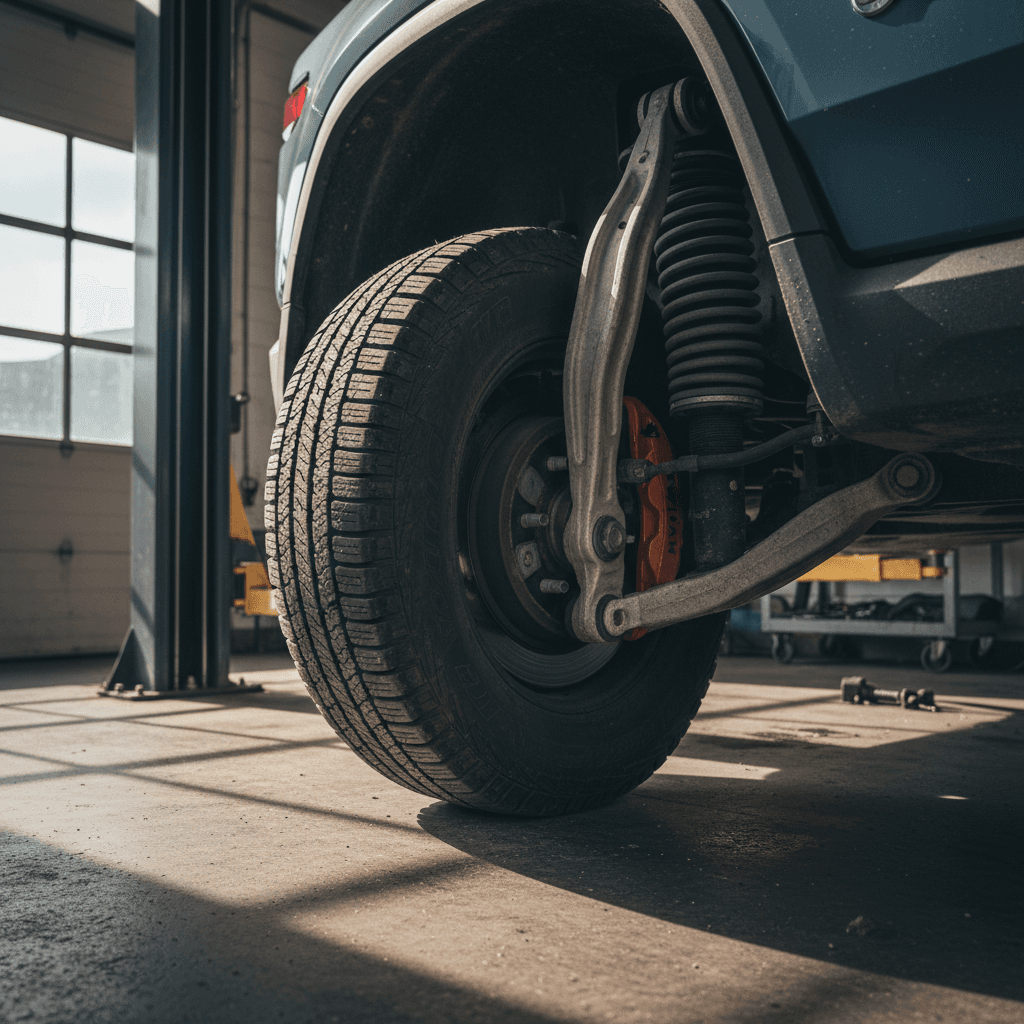
Tire & suspension wear
- Fast tire wear on M50 and large‑wheel trims.
- More MOT‑recorded defects in wheels/suspension than average.
Impact: Higher running costs and the occasional alignment or suspension bushing replacement, especially on rough roads.
Less common but higher‑impact concerns
- OTA update failures: A handful of owners report OTA updates stalling and requiring dealer intervention to reflash modules.
- High‑voltage shutdowns: Very rare cases tied to the battery module and drive‑unit recalls; these are exactly what the campaigns are meant to catch.
Typical BMW quirks
- Small rattles & trim noises: Especially from the hatch area.
- Complex menus: Some drivers find the iDrive 8 interface unintuitive until they customize favorites and shortcuts.
Watch any "loss of power" history closely
Battery health, range and degradation
For any used EV, battery health is the question. The 2022 BMW i4 uses a high‑voltage pack with modern thermal management, and so far there’s no widespread evidence of severe early degradation in normal use.
- Most 2022 i4 owners reporting real‑world data after 2–3 years still see usable ranges close to original EPA estimates, especially on the eDrive40 trims.
- Anecdotes of noticeable range loss tend to cluster around cars that spend a lot of time at high state of charge, fast‑charge frequently, or live in very hot climates, typical EV battery stressors.
- BMW backs the battery with an 8‑year / 100,000‑mile warranty (in the U.S.), generally guaranteeing the pack won’t fall below a defined capacity threshold during that period.
Habits that support i4 battery longevity
At Recharged, every vehicle gets a Recharged Score Report that includes a battery‑health assessment based on pack diagnostics rather than guesswork. That gives you a clearer view than the in‑car range estimate alone when you’re comparing two 2022 i4s with similar mileage.
Maintenance costs and day‑to‑day ownership
The 2022 BMW i4 benefits from the same EV fundamentals that make most electric cars cheaper to run than their gas counterparts: no oil changes, no spark plugs, no transmission fluid services, and fewer moving parts overall.
Where you’ll likely spend money on a 2022 i4
The good (low) and the not‑so‑good (tires)
Lower routine maintenance
- No engine or exhaust system to service.
- Longer brake life thanks to strong regenerative braking.
- Fewer scheduled visits than a comparable 3 Series.
Most costs are software‑ or recall‑driven, and those updates are free.
Higher wear on consumables
- Performance and curb weight chew through tires faster, especially on M50 models.
- Suspension components may wear more quickly on rough roads.
- Out‑of‑warranty repairs at a BMW dealer can be pricey.
Budget realistically for tires and an alignment every so often.
EV running‑cost advantage
What to check on a used 2022 BMW i4
Shopping a used 2022 BMW i4 is all about separating a well‑cared‑for car from one that’s been hammered on fast chargers and potholes. Here’s a focused checklist to use when you’re evaluating specific cars.
Used 2022 BMW i4 reliability checklist
1. Run the VIN for recalls and campaign history
Confirm that all high‑voltage, drive‑unit, and software recalls have been completed. Ask for dealer service records showing recall closure, not just verbal assurances.
2. Get a real battery‑health report
Don’t rely only on the dashboard range estimate. A proper diagnostic, like the battery analysis in a <strong>Recharged Score Report</strong>, can reveal hidden degradation or cell imbalances.
3. Inspect tires, wheels and suspension
Look closely for uneven tire wear, curb rash, and clunks or vibration over bumps. Those can signal alignment, suspension, or wheel issues that line up with the i4’s known weak spots.
4. Test all charging modes
If possible, plug into Level 2 AC and at least one DC fast‑charger. Watch for failed sessions or unusually slow charging that might hint at software or hardware issues.
5. Stress‑test the software
During the test drive, cycle through navigation, CarPlay/Android Auto, cameras, and driver‑assist. Watch for black screens, freezes, or camera failures when shifting into reverse.
6. Listen for rattles and check the hatch
Drive on a rougher surface with the radio off. Rattles around the hatch or parcel shelf are common but fixable; use them as negotiation leverage if they bother you.
7. Verify warranty and service coverage
Confirm remaining battery and vehicle warranty coverage by in‑service date, not just model year. If coverage is ending soon, factor that into your price expectations.
How Recharged helps you evaluate an i4
2022 BMW i4 reliability vs other used EVs
From a reliability standpoint, the 2022 i4 sits in a comfortable middle ground. It doesn’t have the early‑production drama of some first‑wave EVs, and it benefits from BMW’s long experience with plug‑in drivetrains, but it’s also not as minimalist or software‑mature as, say, a simpler mass‑market EV.
Versus Tesla Model 3
- Pros for i4: Better interior materials and perceived build quality; fewer complaints about panel gaps and wind noise.
- Cons: More traditional dealer‑centric service experience; charging network usability depends on your local CCS/NACS options.
Versus Hyundai Ioniq 5 / Kia EV6
- Pros for i4: More familiar sedan dynamics, strong highway efficiency, and BMW chassis tuning.
- Cons: Korean rivals offer 800‑V architectures and very fast DC charging, with generally solid reliability records of their own.
Versus older Nissan Leaf / Chevy Bolt
- Pros for i4: Newer battery and charging tech, stronger long‑range capability, and better long‑term parts support.
- Cons: Higher purchase price and more complex tech that can generate minor software headaches.
Think in terms of "risk mix"
FAQ: 2022 BMW i4 reliability
Frequently asked questions about 2022 BMW i4 reliability
Bottom line: Is a 2022 BMW i4 a good used buy?
If your main question is whether 2022 BMW i4 reliability should scare you away, the answer is no, provided you’re thoughtful about which car you buy. Statistically, the 2022 i4 is performing better than many same‑year vehicles on inspection data, owner satisfaction is high, and serious hardware failures are rare. The trade‑offs live in software quirks, recall housekeeping, and higher‑than‑average tire and suspension wear.
The smart way to shop a 2022 i4 is to focus on verified battery health, clean recall history, and careful inspection of wheels and suspension. That’s exactly what we do at Recharged: every EV comes with a Recharged Score Report, expert support, and the option for financing, trade‑in, and nationwide delivery. If you want a premium, engaging EV without rolling the dice on reliability, a well‑vetted 2022 BMW i4 deserves a serious look.