If you’re eyeing a used Tesla, you’ve probably heard whispers about 2021 Tesla Model Y problems, from sudden loss of cabin heat in winter to door handles that won’t open and a long list of recalls. The reality is more nuanced. The 2021 Model Y is quick, efficient, and wildly popular, but it’s also one of the roughest years for build quality and early-component bugs. Let’s unpack what actually goes wrong, how serious it is, and how to protect yourself if you’re shopping used.
Quick take
Why focus on 2021 Model Y problems?
How the 2021 Model Y stacks up
- More reported problems per vehicle in some owner-report databases.
- A long list of software and hardware recalls, many fixed via over‑the‑air updates.
- Ongoing scrutiny from regulators over door handles, locks, and driver-assist systems.
Big-picture reliability for the 2021 Tesla Model Y
Start with the good news: the core EV hardware, battery pack, drive units, and basic charging system, has generally held up well on the 2021 Model Y. Most owners are not seeing dramatic battery degradation, and complete drive-unit failures are still relatively rare events compared with early-generation EVs from other brands.
Where the 2021 Model Y stumbles is in fit-and-finish and secondary systems, things like trim, weather sealing, the heat-pump-based HVAC system, and electronics. Owner surveys from multiple outlets rate overall reliability for 2021 below average for the year, driven more by frequent minor problems and recalls than by catastrophic failures.
Where the 2021 Model Y is strong
- Range & efficiency: Around 300+ miles of EPA-rated range with real‑world highway legs that make road trips realistic.
- Powertrain durability: Few systemic high‑voltage battery failures reported so far; motors are generally stout.
- Over‑the‑air fixes: Many early bugs (especially HVAC and safety‑system calibrations) have been addressed via software updates.
Where problems tend to crop up
- HVAC & heat pump: Loss of cabin heat in very cold weather on some vehicles, especially before key software updates.
- Doors & locks: Electronic handles that may not open if the low‑voltage system misbehaves; now under federal investigation.
- Trim, seals, wind noise: Panel gaps, loose interior/exterior trim, squeaks and rattles that show up as miles accumulate.
Most common 2021 Tesla Model Y problems
Owner reports and repair data tend to cluster 2021 Tesla Model Y problems into a handful of buckets. Let’s walk through them one by one, in roughly descending order of severity for the average driver.
1. Heat pump and loss of cabin heat in cold weather
Tesla switched the Model Y to an energy‑saving heat pump HVAC system starting around this era. On some 2021 cars, that system became the star of a high‑profile recall when the cabin heat could shut down in sub‑freezing temperatures. Root causes included software logic that allowed a valve to stick, trapping refrigerant and forcing the compressor to shut off to protect itself.
Why it matters
- Loss of heat typically shows up in temperatures below about 14°F, sometimes after an extended drive.
- The car may display HVAC‑related error messages or show limited/disabled climate control in the service screen.
- Tesla has pushed software updates and, in some cases, replaced hardware such as the "super manifold" or compressor under warranty.
If you’re shopping used, confirm that all HVAC-related recalls and service bulletins have been completed. During a test drive on a cold day, let the car sit outside, then verify that heat output is strong and steady at highway speeds, not just around the block.
2. Electronic door handle and lock concerns
In late 2025, U.S. safety regulators opened a preliminary investigation into 2021 Model Y exterior door handles after complaints that they wouldn’t open from the outside when the low‑voltage system sagged. Parents reported having to break windows to get children out of the back seat. The investigation is ongoing as of early 2026; there is not yet a dedicated recall, but it’s a serious item to understand.
Safety red flag, not automatic deal-breaker
- Symptoms include exterior handles that won’t present or unlatch, especially after the car sits or if the 12‑volt battery or low‑voltage system is weak.
- Some owners have had low‑voltage batteries replaced after lock or handle issues.
- Tesla can often diagnose related fault codes remotely, but a physical inspection is wise on a used car.
3. Driver-assistance quirks and false alerts
Like other Teslas of this era, the 2021 Model Y relies heavily on camera-based driver assistance systems: Autopilot, lane centering, automatic emergency braking, and optional Full Self-Driving features. Many of the 21 recalls tied to this model year involve software behavior, everything from warning timing to how vehicles handle intersections and stationary objects.
- Phantom braking, sudden, unnecessary slowdowns on the highway when the car mistakes shadows or roadside vehicles for obstacles.
- Beeper overload, frequent nuisance alerts when roads are poorly marked or lane lines vanish.
- Inconsistent lane keeping in heavy rain or snow when cameras are partially obscured.
How to test Autopilot on a used 2021 Model Y
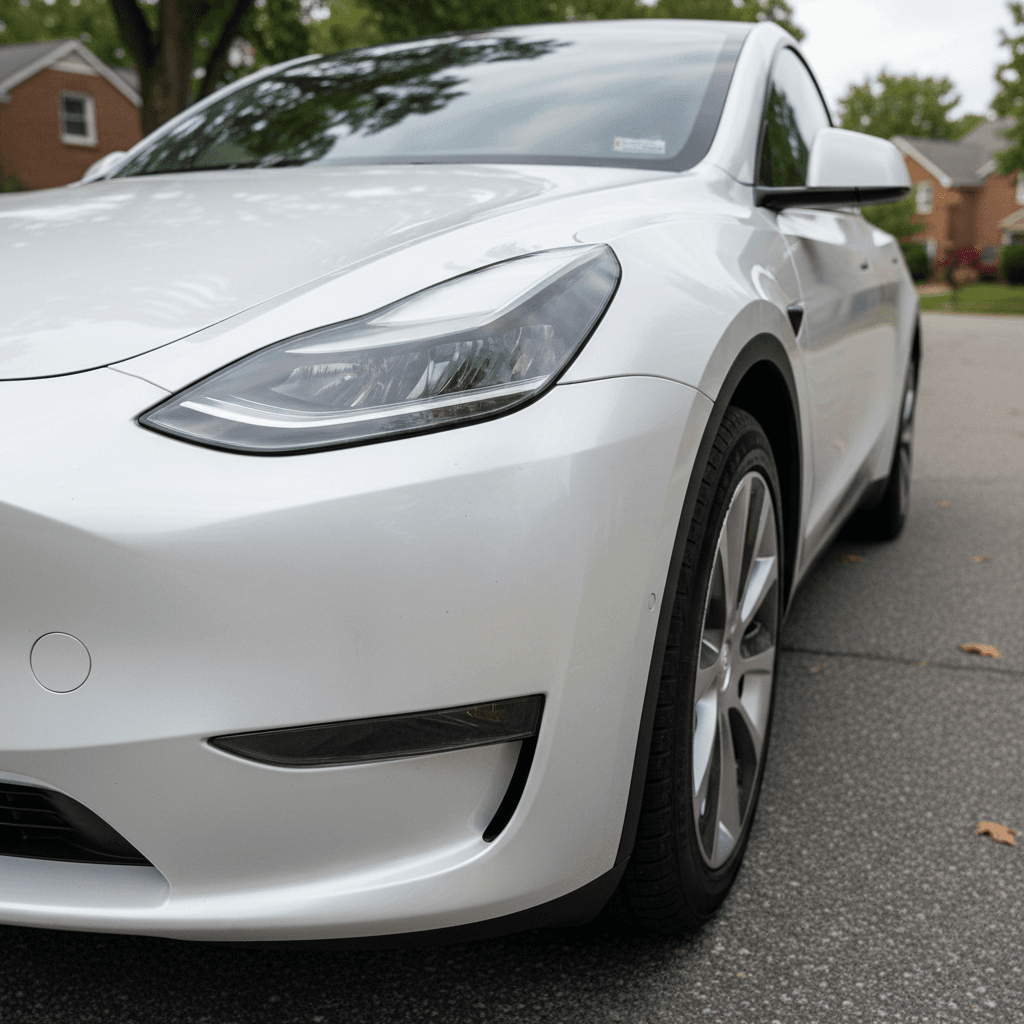
4. Build quality: panel gaps, trim, and wind noise
This is the 2021 Model Y’s most visible problem area. Early examples left the factory with inconsistent panel alignment, paint defects, and squeaks and rattles that showed up as mileage climbed. Over time, those small annoyances can turn into water leaks, whistling around the mirrors, or interior pieces that feel loose.
- Misaligned liftgate or hood that sits high/low on one side.
- Uneven gaps around headlights, doors, or charge port.
- Wind noise that seems to come from a specific corner near 65–75 mph.
- Loose interior trim around the hatch, B‑pillars, or center console.
Good news for late-build 2021s
5. Miscellaneous electronics and minor hardware issues
Owner surveys also flag a scattering of smaller 2021 Tesla Model Y problems in electrical accessories and braking: touchscreen glitches, Bluetooth or wireless charging hiccups, squeaky brakes, and occasional issues with charge-port doors or latches. Most of these end up as dealer- or service‑center‑resolved one‑offs rather than systemic defects, but they’re worth asking about when you review service history.
Safety recalls and open investigations
By early 2026, the 2021 Tesla Model Y has been the subject of roughly 21 separate recalls, more than many comparable compact SUVs. The majority involve software behavior (like Autopilot or warning chimes), but several touch on safety‑critical hardware. When you’re evaluating a specific vehicle, you want two questions answered: Which recalls applied, and which have actually been completed?
Key recall themes for 2021 Model Y
This is a simplified overview of what’s been addressed on the 2021 Model Y. Always verify by VIN with the NHTSA site or Tesla before you buy.
| Area | Example concerns | Typical fix | What to confirm on a used car |
|---|---|---|---|
| HVAC / Heat pump | Loss of cabin heat and reduced defrost performance in very cold weather | Over‑the‑air software updates; in some cases, replacement of heat‑pump components | Car shows latest firmware; any hardware replacements documented in service history |
| Autopilot & FSD behavior | Inconsistent response to intersections, stop signs, stationary obstacles; warning timing | Software updates that change how driver‑assist features work | Owner has installed all updates and understands current behavior of features |
| Rearview camera / displays | Potential loss or delay of backup camera view | Software update or hardware harness replacement, depending on build | Backup camera comes up quickly and reliably in Reverse |
| Seat belt / suspension / hardware | Manufacturing or torque issues on fasteners and latches | Inspection and, if needed, part replacement at service center | Printed or digital records showing the car was checked or repaired |
| Door locks / handles (investigation) | Exterior handles may not open if low‑voltage system sags; children reportedly trapped inside | Investigation ongoing; may lead to future software or hardware actions | Low‑voltage system tests healthy; owner knows how to use manual releases and child locks |
Software updates are convenient, but they still count as recalls. Make sure your prospective 2021 Model Y is fully up to date.
Don’t ignore “just a software recall”
Ownership experience: little annoyances that add up
Not every 2021 Tesla Model Y problem shows up as a recall. Plenty fall into the “gripes” category, the little things that are hard to measure on a spec sheet but easy to notice on your commute. When you read owner forums and surveys, you see some patterns.
Common day-to-day complaints from 2021 Model Y owners
Individually small, collectively they shape how the car feels to live with.
Wind noise & rattles
Extra road roar from tires and whistling around the mirrors at highway speed are common comments. Some of this can be improved with better sealing or updated tires.
Infotainment quirks
Occasional screen reboots, Bluetooth hiccups, or wireless charging pads that are picky about phone placement. Usually fixed with software updates or small hardware tweaks.
Cold-weather behavior
Beyond heat-pump issues, owners mention reduced range in the cold and slower charging until the pack warms up, normal EV behavior but noticeable if you’re new to electric.
None of these are reasons to walk away on their own, but they’re why a long, mixed-condition test drive matters. A quiet loop around the neighborhood won’t tell you how a 2021 Model Y sounds at 75 mph on grooved concrete or how quickly the cabin defogs on a freezing morning.
What this means if you already own a 2021 Model Y
If you already drive a 2021 Model Y, you don’t need to panic. Many owners rack up tens of thousands of miles with nothing more than tire rotations and the occasional software update. But this is a car that rewards staying proactive.
Smart steps for current 2021 Model Y owners
1. Stay current on software
Make a habit of installing Tesla’s over‑the‑air updates promptly, especially those flagged as safety or recall-related. They often fine‑tune HVAC control, driver-assist behavior, and alert timing.
2. Check for open recalls twice a year
Run your VIN through the NHTSA recall lookup tool at least every six months. With this many campaigns in play, it’s easy to miss a notice in your inbox.
3. Test HVAC performance before winter trips
In the fall, set the climate to a warm temperature and verify that you get strong, sustained heat at highway speeds. If you notice lukewarm air or errors, schedule service before the first deep freeze.
4. Practice manual door releases with your family
Show every regular passenger, including older kids, how to open the doors manually from the inside. Make sure child locks are set appropriately, and consider a brief “drill” so it’s muscle memory.
5. Log noises and patterns early
If you notice a new rattle, wind noise, or braking feel, make short notes about when and how it happens. That log can save time at the service center and help catch small issues before they grow.
6. Keep service history organized
Digital copies of all service visits, recall repairs, and tire/brake work help with both troubleshooting and resale value later, especially on a year with a reputation for issues.
Shopping for a used 2021 Model Y: what to check
Now to the big question: should you buy a used 2021 Tesla Model Y at all? The answer can absolutely be yes, but only if you’re picky about the specific vehicle. Here’s how to separate the keepers from the headaches.
Used shopper’s mindset
Pre‑purchase checklist for a 2021 Model Y
Confirm software & recall status
On the center screen, check for pending software updates. Ask the seller for proof that all recalls (HVAC, Autopilot-related, hardware checks) have been completed, or pull the VIN history yourself.
Inspect build quality carefully
Walk around the car in good light. Look for uneven gaps around doors, hood, and hatch; paint mismatches; and signs of water intrusion in the trunk or underfloor wells.
Test doors, locks, and child safety features
Lock and unlock the car several times with the app and key card. Confirm all exterior handles work consistently, and that rear doors can be opened appropriately from inside with child locks set the way you intend to use them.
Exercise HVAC in hot and cold modes
Run the climate system in full heat and full A/C for several minutes. Listen for unusual compressor noises and check that the windshield and side glass stay clear on a humid or cold day.
Drive at highway speed on varied pavement
Take at least 15–20 minutes on a mix of smooth and rough roads. Listen for wind whistles, rattles, or vibration under braking that might hint at alignment or brake rotor issues.
Scan for warning lights and fault messages
From the driver’s display and service screen, check for any stored alerts or frequent notifications about systems like Autopilot, HVAC, or the 12‑volt battery.
How Recharged helps with 2021 Model Y shopping
How Recharged evaluates 2021 Model Y battery & motor health
Because the loudest headlines tend to be about recalls and door handles, it’s easy to forget that the most expensive part of any used EV is still the battery and drive units. The encouraging news on the 2021 Model Y is that, so far, those components look robust. But you still want data, not guesses.
Inside a Recharged Score for a 2021 Model Y
We go beyond a quick test drive and a Carfax report.
Battery health diagnostics
We analyze charge logs, usable capacity, and DC fast‑charging history to estimate real remaining range, not just what the dash says.
Drive unit & charging checks
Our process looks for inverter and motor fault codes, unusual noises under acceleration, and consistent charging behavior at Level 2 and DC fast chargers.
Recall & safety review
We cross‑check VINs against federal databases and Tesla’s own campaigns to confirm that prior recalls and service bulletins have been addressed.
Ready to find your next EV?
Browse VehiclesIf you’re comparing multiple 2021 Model Ys, a clear report like this can be the difference between a car you enjoy for years and one that seemingly lives at the service center. And if you want help structuring the deal, Recharged can also support financing, trade‑ins, and nationwide delivery so you’re not limited to whatever happens to be on a local lot.
FAQ: 2021 Tesla Model Y problems & used buying questions
Frequently asked questions about 2021 Tesla Model Y problems
Bottom line: should you avoid the 2021 Model Y?
If your search history is full of “2021 Tesla Model Y problems,” you’re not imagining things. This is a year with more complaints, more recalls, and more rough edges than Tesla would like. But it’s also a year with strong range, mature core EV hardware, and a price point that can be very attractive on the used market.
The smart move isn’t to run away from every 2021, it’s to run away from the wrong ones. Look for cars with complete recall and software histories, solid build quality, and clean behavior on a long test drive. Lean on data about battery and motor health instead of gut feel. And if you’d like backup, Recharged’s used EV marketplace, Recharged Score battery diagnostics, and EV‑specialist support are built to take the guesswork out of buying a 2021 Model Y, or deciding that a different year, or a different EV, is a better fit for you.