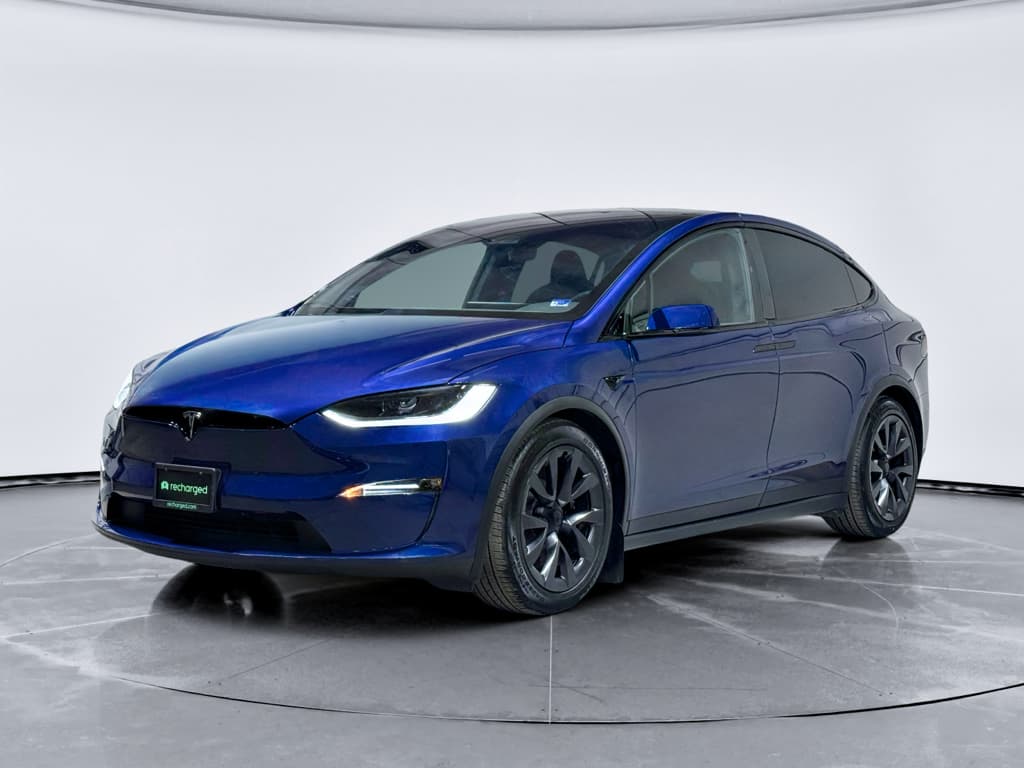
If you’re considering a used 2021 Tesla Model X, you’ve probably heard two very different stories. On one hand, it’s a quick, comfortable, long‑range electric SUV. On the other, you may have seen headlines about dozens of recalls and finicky doors, screens and trim. This guide breaks down the 2021 Tesla Model X reliability rating in plain English so you can decide if the trade‑offs make sense for you, and how to shop smart if you do want one.
Key takeaway up front
2021 Tesla Model X reliability at a glance
2021 Tesla Model X reliability snapshot
Different sources weigh reliability very differently. Traditional rating agencies lean heavily on recall count and reported defects, which drags the 2021 Model X down. Many actual owners, on the other hand, report that once early bugs are ironed out, the SUV is dependable day‑to‑day, with caveats around build quality and service experience.
Recalls ≠ lemons by default
How the 2021 Tesla Model X reliability rating is calculated
When you see a “2021 Tesla Model X reliability rating” online, it usually blends three kinds of data: owner‑reported problems, recall and defect data, and projected long‑term durability based on similar vehicles. Each tells a slightly different story.
What goes into a 2021 Model X reliability score?
Understanding the data behind the rating helps you interpret it correctly.
Owner surveys & reviews
Survey organizations and sites like owner forums gather reports on problems in areas like electronics, paint, trim, charging, HVAC and more.
Upside: Captures real‑world issues that don’t trigger recalls.
Recalls & defect reports
Safety regulators track recalls, investigations and complaints. The 2021 Model X has an unusually long recall list, most for software or minor hardware.
Upside: Objective record of known defects Tesla has had to fix.
Projected durability
Analysts then project how often a given model is likely to require repairs as it ages, based on patterns from previous Model X years and similar EVs.
Upside: Helps estimate long‑term out‑of‑warranty risk.
Put together, these sources tend to place the 2021 Model X in the average to slightly below‑average reliability band for a complex luxury SUV. That’s not a disaster, especially given the performance and tech you’re getting, but it’s not a worry‑free Toyota either.
How to use ratings as a shopper
Recalls: why the 2021 Model X has so many notices
One of the biggest reasons the 2021 Tesla Model X looks bad in traditional reliability charts is its high recall count. Between 2021 and early 2026, regulators and Tesla have issued more than twenty safety campaigns that include the 2021 Model X, ranging from front passenger airbag calibration to software tweaks for Autopilot behavior and warning chimes.
Common themes in 2021 Model X recalls
This is not an exhaustive list of recall campaigns, but it shows the pattern: lots of small, mostly software‑driven fixes.
| Area | Typical Fix | What it Means for You |
|---|---|---|
| Airbags & restraints | Software or hardware replacement in passenger airbag or seat sensor systems | Schedule a service visit; once updated, there’s usually no ongoing impact. |
| Driver assistance | Over‑the‑air firmware updates to Autopilot, forward collision warning or brake assist | Usually fixed via software update at home; your car may drive slightly differently afterward. |
| Instrument cluster & chimes | Updates to how warnings, seatbelt reminders or turn signals behave | Annoying but minor; still important safety features to keep compliant. |
| Doors, latches, hood | Mechanical inspection and adjustment or part replacement | Can require a physical visit; make sure power doors and hood behave correctly after repairs. |
Always run a VIN check on the NHTSA site and through Tesla before buying any used Model X.
The Model X’s complex falcon wing rear doors and power front doors are frequent players in recall and service bulletins. When they work, they’re a party trick; when they don’t, they’re a primary source of owner frustration. That’s part of why the recall list is so long compared with more conventional SUVs.
Don’t ignore open recalls
Common 2021 Tesla Model X problems to watch for

Beyond recalls, a few problem areas show up again and again in owner reports for the 2021 Model X. None of these are guaranteed on every vehicle, but they’re worth actively checking on a test drive.
- Door mechanisms and seals: Falcon wing doors that misalign, creak, leak water, or fail to open/close smoothly. Front power doors occasionally mis‑latch or fail to auto‑present.
- Wind noise and panel alignment: Misaligned doors, hatch and glass can create wind noise at highway speeds and visible panel gap inconsistencies.
- Center screen glitches: Occasional reboots, lag, or temporary loss of HVAC/audio controls. Many are fixed with software, but persistent issues may require hardware replacement.
- Suspension noises: Clunks or squeaks over bumps, sometimes traced to control arm bushings or air suspension components on higher‑mileage vehicles.
- Interior trim wear: Squeaks, rattles and prematurely worn seat bolsters show up more on early‑build 2021s and heavily used fleet vehicles.
Build date matters
Battery, drivetrain and high-voltage reliability
The good news: the battery pack and drive units in the 2021 Tesla Model X are among the more robust parts of the vehicle. There’s no engine oil, transmission fluid or traditional exhaust to deal with, and large‑scale battery failures remain rare relative to the number of Teslas on the road.
High-voltage reliability: what you can expect
This is where Teslas tend to shine compared with gas SUVs.
8‑year battery & drive warranty
Every modern Tesla in North America comes with an 8‑year battery and drive unit warranty, starting from the original in‑service date, with a mileage cap that depends on the specific configuration.
Degradation vs. failure
Most owners report gradual range loss of roughly 5–15% over the first 100,000 miles, not sudden failures. The warranty is designed around catastrophic faults and, on newer contracts, minimum capacity retention.
Charging system robustness
Onboard chargers and DC fast‑charging hardware have matured since early Model X years. Failures happen, but they’re no longer the systemic weak spot they once were.
Where you can get into trouble is assuming the 8‑year coverage means "nothing will ever go wrong." The high‑voltage system is well protected, but peripheral components, like HVAC, door actuators, air suspension and infotainment, are covered only under the basic 4‑year / 50,000‑mile warranty. On a used 2021 Model X in 2026, you’re often past that basic coverage but still inside the high‑voltage warranty window.
Check the original in‑service date
Repair costs, downtime and real-world owner feedback
Repair frequency is only half the story, you also care how expensive and disruptive those repairs are. On that front, the 2021 Model X sits in a familiar place for tech‑heavy luxury vehicles: when something big goes wrong out of warranty, it’s not cheap, but day‑to‑day running costs are low compared with a gas SUV.
Where costs can bite
- Out‑of‑warranty electronics: Replacing a failed central screen or MCU can run well into four figures at retail rates.
- Complex doors: Falcon wing door sensors, actuators and alignment work are labor‑intensive.
- Suspension work: Air suspension components and control arms are pricier than on a mainstream crossover.
Labor rates at Tesla service centers are comparable to other luxury brands, but parts pricing and scheduling delays can raise the pain level.
Why owners still rate it highly
- Low routine maintenance: No oil changes, timing belts or emissions systems to service.
- Strong efficiency: Fuel savings versus a gas‑powered three‑row SUV can easily reach four figures per year for high‑mileage drivers.
- Software fixes: Many issues are resolved via over‑the‑air updates rather than in‑person visits.
That’s why you’ll often see owners rate the 2021 Model X 4–5 stars overall even when they mention a handful of annoying repairs.
Factor in service center access
So how worried should you be about reliability?
If you’re coming from a bulletproof Toyota Highlander, the 2021 Tesla Model X will feel more temperamental. If you’re cross‑shopping other high‑tech luxury SUVs, it’s squarely in the middle of the pack: more recalls and software drama than a Lexus, but far fewer catastrophic mechanical failures than some German V8s or early plug‑in hybrids.
Reliability trade‑offs of a 2021 Model X
How the risk compares to the rewards.
Where it’s strong
- Battery and motors have good long‑term records.
- Brake wear is low thanks to regenerative braking.
- Over‑the‑air updates can fix bugs and add features.
Where it’s weak
- Doors, seals and trim need careful inspection.
- Electronics and screens can be finicky.
- High recall count demands an attentive owner.
Net picture
For the right buyer, a tech‑comfortable driver who doesn’t mind the occasional service visit, the 2021 Model X can be a compelling package. For someone who values “never think about it” reliability above all else, it’s a tougher sell.
Used 2021 Tesla Model X buyer reliability checklist
If you decide a 2021 Model X might be worth it, the way you shop has a huge impact on how reliable your specific SUV will be. Use this checklist to separate solid candidates from future headaches.
Reliability-focused inspection checklist
1. Run a full recall and service history check
Use the VIN to pull recall records from regulators and ask the seller for a print‑out of completed campaigns from Tesla service. Walk away from cars with a long list of open recalls that the seller won’t address.
2. Inspect doors, seals and glass in person
Open and close all four doors, the falcon wings and the hatch multiple times. Listen for grinding, watch for misalignment, and check for water leaks or damp carpet, especially after a recent rain.
3. Test drive at highway speeds
On the test drive, get up to 60–70 mph and listen for wind noise near the A‑pillars, windshield and falcon wing doors. Excessive noise can signal alignment or seal issues that are tedious to chase down.
4. Stress‑test the screens and controls
Spend time in Park running HVAC, seat heaters, navigation, Bluetooth and streaming. Look for random reboots, laggy controls or dead pixels. A one‑off glitch isn’t damning; repeat issues are a red flag.
5. Check suspension feel over bumps
Drive over varied pavement at low and moderate speeds. Clunks, rattles or pogo‑stick bouncing can hint at worn bushings or air suspension problems, price those repairs into your offer or move on.
6. Verify battery health, not just range estimate
A high‑mileage 2021 Model X with a healthy battery can be a better bet than a low‑mileage one that’s been fast‑charged aggressively. Look for a third‑party battery health report or diagnostic data rather than relying only on the in‑car range display.
Leverage independent inspections
How Recharged reduces reliability risk on a used Model X
If you like the idea of a 2021 Model X but not the uncertainty, buying through Recharged is one way to de‑risk the experience. Because we focus exclusively on used EVs, we look at reliability through an electric‑specific lens rather than treating the Model X like any other luxury SUV.
What Recharged does differently for a 2021 Model X
Built to make used EV ownership more transparent and predictable.
Recharged Score battery report
Every vehicle comes with a Recharged Score that includes verified battery health diagnostics, not just a guess based on the dash readout. That helps you see whether a particular 2021 Model X is aging normally or shows signs of abuse.
Curated condition & history
We screen out vehicles with poor service history, major accident damage or severe cosmetic and interior neglect. That removes many of the highest‑risk 2021 Model X examples before you ever see them.
Financing and trade‑in support
Recharged offers financing, trade‑ins, instant offers or consignment, plus nationwide delivery. That means you can focus on choosing the right car rather than juggling lenders and logistics.
Ready to find your next EV?
Browse VehiclesOur EV‑specialist team can also walk you through common 2021 Model X concerns in more detail, everything from how the falcon wing doors should sound to what a healthy charging curve looks like on a test drive. If you’re near Richmond, VA, you can even explore vehicles in person at our Experience Center; otherwise, the entire process can be handled digitally.
Cast a wider net safely
FAQ: 2021 Tesla Model X reliability questions
Frequently asked questions about 2021 Model X reliability
The bottom line on the 2021 Tesla Model X reliability rating is nuance. Statistically, it’s not the most trouble‑free SUV on the market, but its biggest weaknesses are concentrated in doors, trim and electronics rather than in the battery and motors that actually move you. If you go in with eyes open, lean on solid diagnostics and pick your specific vehicle carefully, especially when it comes to battery health and service history, the 2021 Model X can deliver years of fast, quiet, zero‑emission family hauling without turning into a science project.