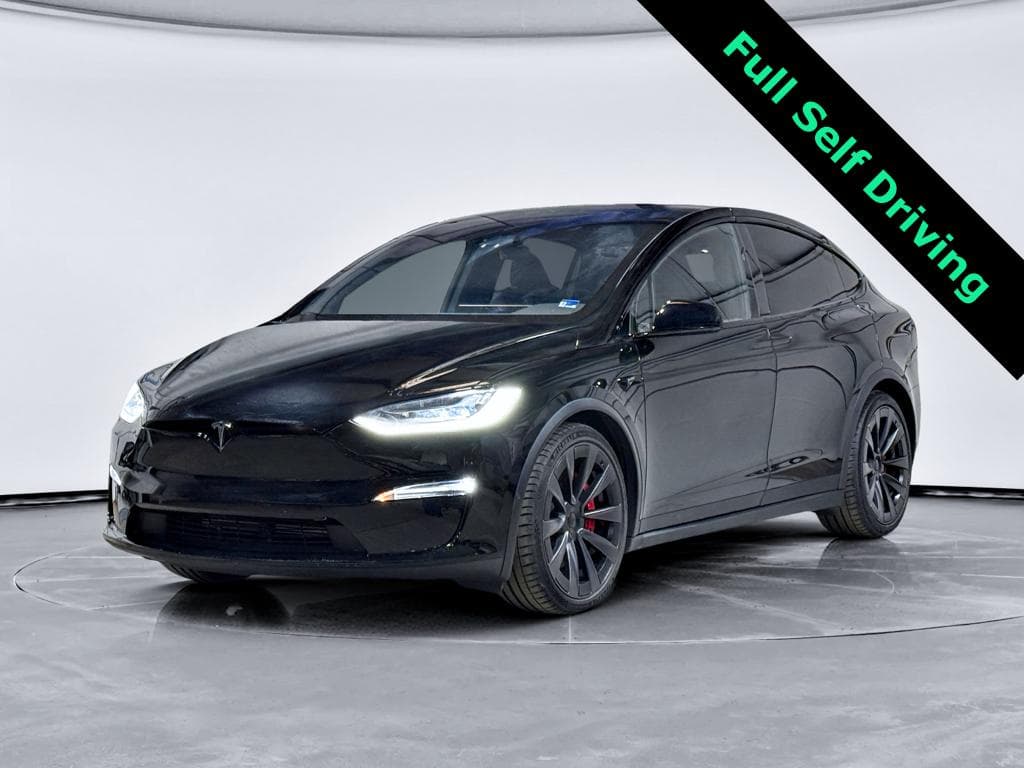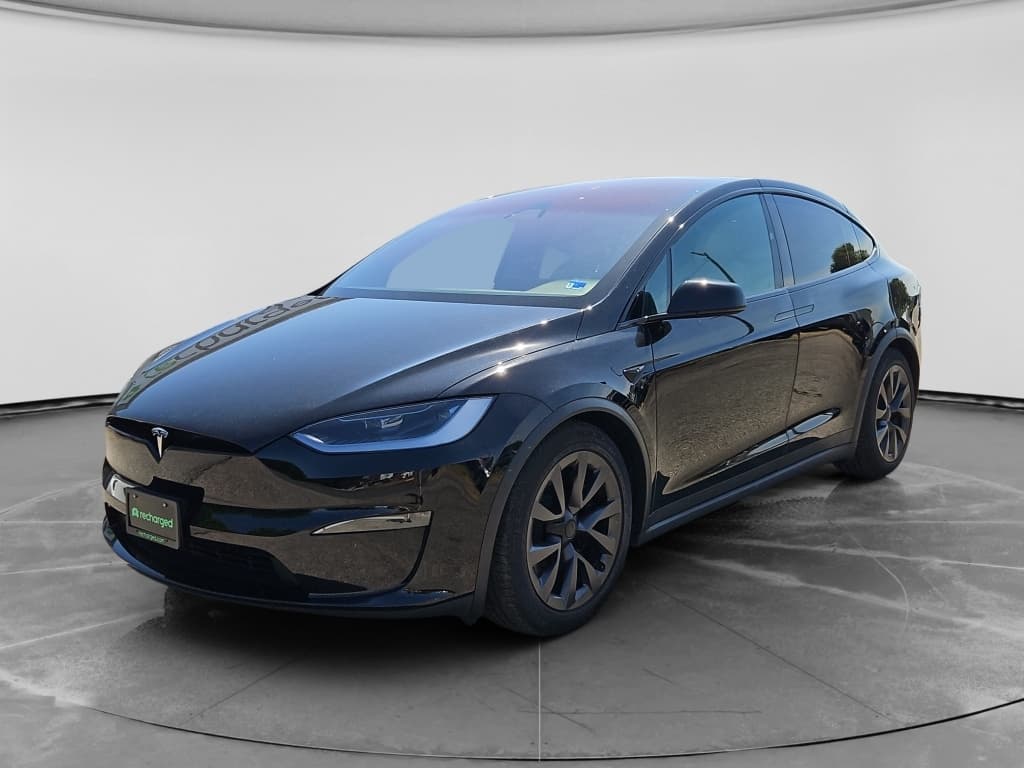
If you’re considering a used 2021 Tesla Model X, you’ve probably heard stories about falcon‑wing doors, suspension shudder, and buggy software. The good news is that by 2021, the Model X was more sorted than early years, but it still has patterns of issues you should understand. This guide breaks down the most common 2021 Tesla Model X problems and fixes, how serious they really are, and what to look for before you buy.
Context: 2021 Is a Pivotal Model X Year
Overview: How Reliable is the 2021 Model X?
2021 Model X Reliability Snapshot
The short version: a 2021 Model X is not a disaster, but it’s not a “set it and forget it” appliance either. Mechanically, powertrain and high‑voltage battery failures are rare. Most pain points cluster around suspension wear, complex doors, electronics, and software quirks. If you buy carefully and have realistic expectations about occasional service visits, a 2021 X can be a compelling used EV, especially if you take advantage of depreciation.
Warranty Timing Matters
Biggest 2021 Tesla Model X Problems
Let’s walk through the most common 2021 Model X problems, how they show up in the real world, and what typical fixes look like, whether through Tesla, an independent EV shop, or a DIY‑friendly solution.
1. Suspension & Half-Shaft Shudder
The front half‑shaft / CV axle shudder under hard acceleration has been one of the longest‑running Model X complaints. On many 2016–2020 vehicles, owners report a vibration or shudder when accelerating briskly, especially in “Standard” or “Low” suspension height. By 2021, Tesla had updated parts and geometry, but enough owners still report shudder or early suspension wear that it’s worth treating as a live risk.
- Vibration through the steering wheel or floor when accelerating from 20–40 mph, especially with the air suspension lowered
- Clunking or knocking noises when going over bumps or turning at low speed
- Uneven front tire wear or feathering on the inside edges
- Steering that feels loose or “tramlines” on the highway
Service Bulletin Coverage
Typical Fix
- Replace one or both front half‑shafts with updated parts.
- Inspect and, if needed, replace control arm bushings and ball joints.
- Re‑align suspension and avoid running at the lowest ride height full‑time.
Typical Cost (Out of Warranty)
- Front half‑shafts: roughly $1,000–$1,800 at Tesla, less at independents.
- Control arms / bushings: $800–$1,500 depending on the scope.
- Alignment: $200–$300.
Actual pricing varies by market, shop, and whether Tesla participates under a bulletin or goodwill.
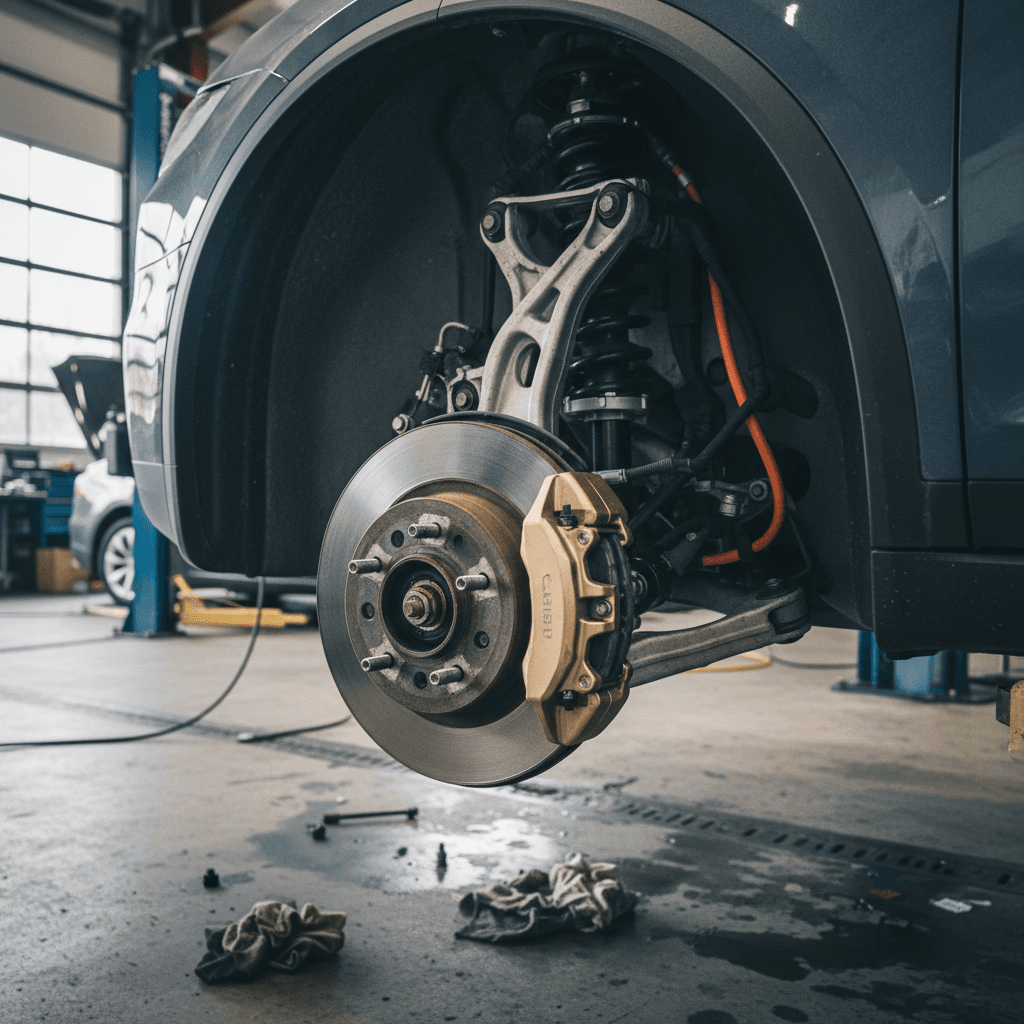
How to Spot Suspension Trouble on a Test Drive
2. Falcon-Wing Doors, Seals & Latches
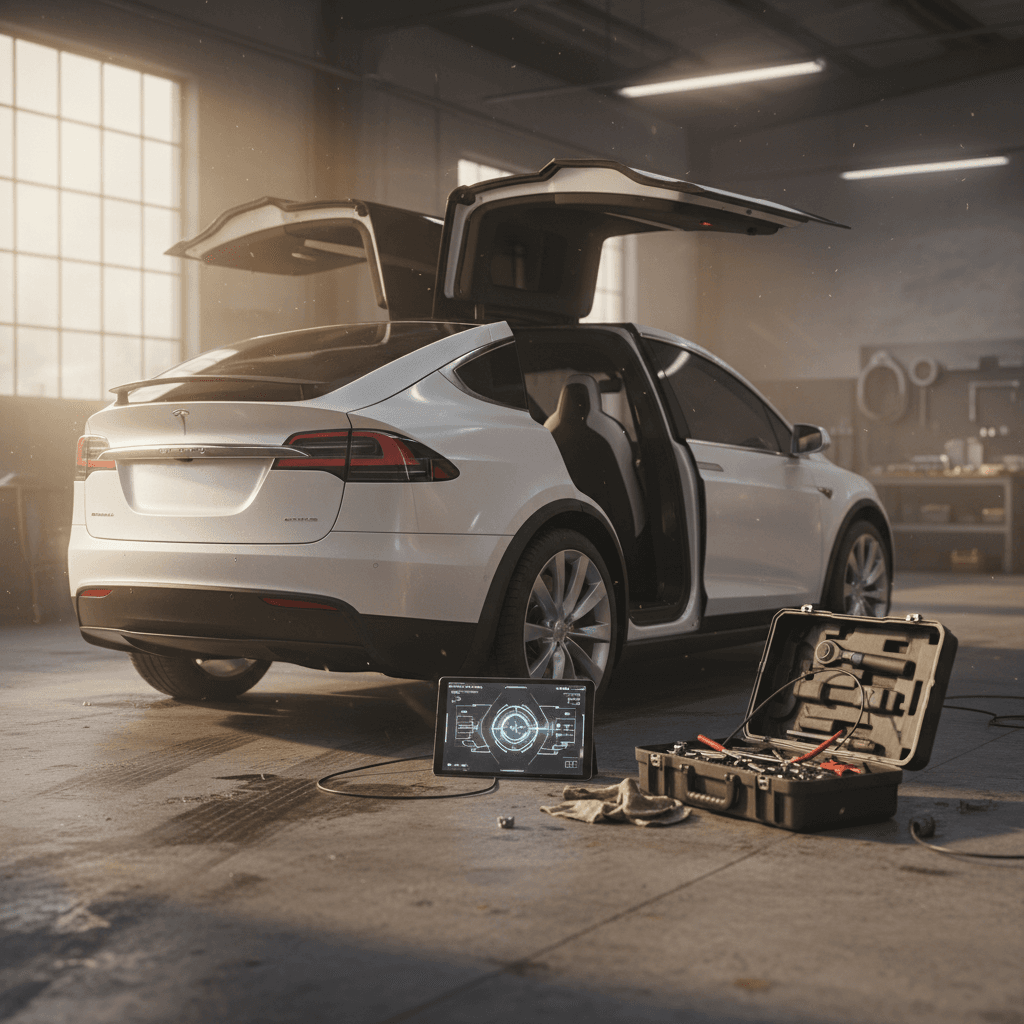
The Model X’s falcon‑wing rear doors are iconic, and mechanically complex. Early‑build Model Xs were notorious for misaligned doors, sensor faults, and seal issues. By 2021, Tesla had ironed out many of the worst defects, but owner forums still report intermittent problems, especially as seals age and hinges see real‑world use.
- Door starts to open then reverses and closes, even when nothing is obviously in the way
- Wind noise or water leaks from the top edges of the falcon‑wing doors at highway speed or in heavy rain
- Creaking or popping sounds from the upper hinges when the body flexes (driveways, speed bumps)
- Interior trim at the door openings coming loose or rubbing
Door Safety Reminder
Typical Fixes
- Recalibrate doors in the vehicle menu and clear any obstruction sensors.
- Adjust latches, strikers, and hinges at a Tesla Service Center.
- Replace weatherstripping or add shims to improve seal and reduce wind noise.
- Apply Tesla‑approved lubricants on hinges and moving parts.
Typical Cost
- Software reset or recalibration: usually free.
- Minor adjustments: often $150–$400 if out of warranty.
- Seal replacement or hardware repairs: $400–$1,200+ if extensive.
Many owners get minor door tweaks handled under warranty; on a 2021, that window is closing or already closed, so factor potential costs into the price you’re willing to pay.
3. Electronics, Screens & Interior Trim
Tesla has largely moved past the early MCU (media control unit) failures that led to high‑profile touchscreen recalls on pre‑2019 Model S and X, but 2021 vehicles still see their share of electronic and trim issues. The pattern is less “catastrophic failure” and more “annoying but fixable”: intermittent Bluetooth, camera glitches, buzzing speakers, or rattling panels.
- Center screen reboots or freezes more often than you’d expect in a luxury SUV
- Backup camera feed delayed, grainy, or occasionally blank
- Rattles from the dash or falcon‑wing roof cross‑member on rough pavement
- Door seals or interior weatherstripping peeling or coming loose
- Wireless phone charging pad intermittently not recognizing devices
The Upside of Software-Centric Cars
Typical Fixes
- Perform a two‑scroll‑wheel reset of the screens and check for pending software updates.
- Have Tesla run remote diagnostics for repeated reboots or camera issues.
- Tighten and re‑clip loose interior panels or seals; many are DIY‑friendly.
- Replace faulty USB hubs, chargers, or speakers as needed.
Typical Cost
- OTA software fixes: free.
- Minor trim or seal re‑attachment: DIY or $100–$300 at a shop.
- Module or camera replacement: typically $300–$900 out of warranty.
4. Battery, Range & Charging Issues
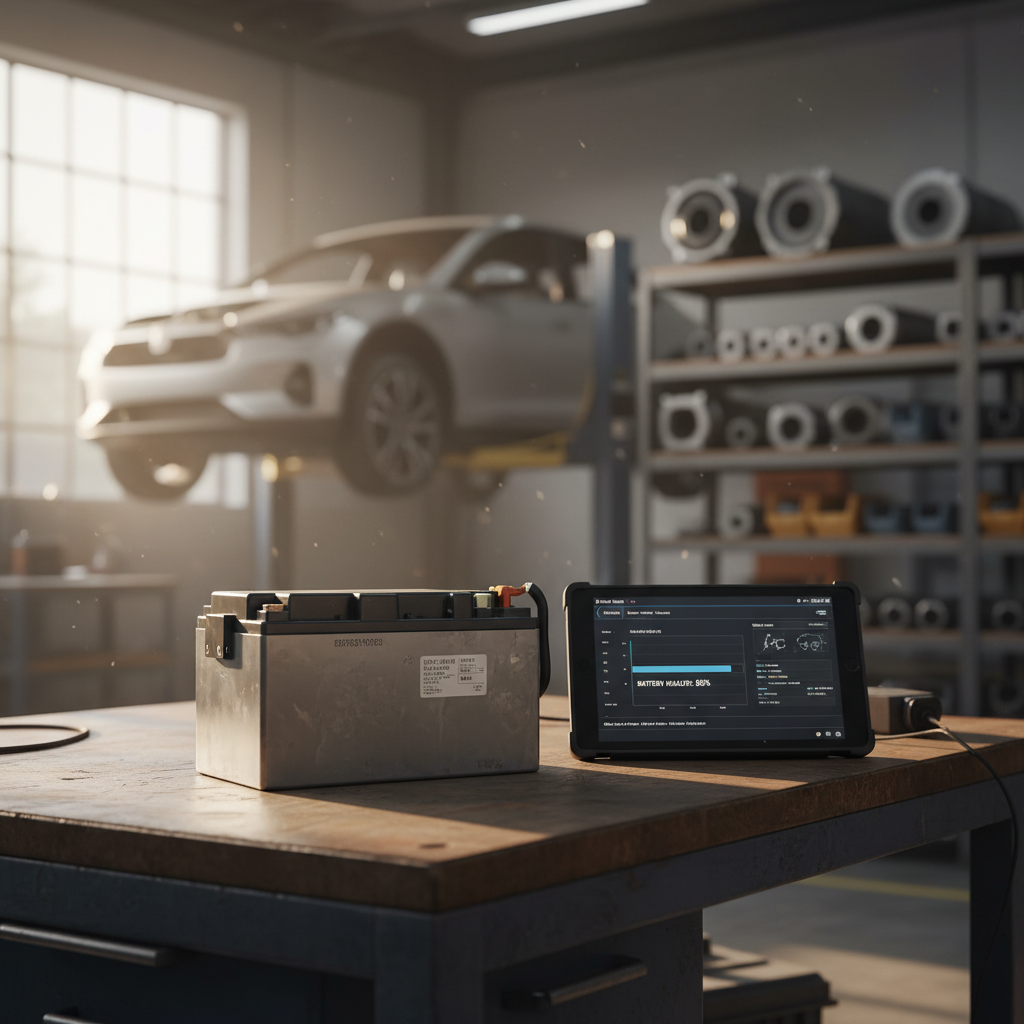
From a high‑voltage standpoint, the 2021 Model X is relatively robust. Widespread pack failures are rare, and Tesla’s 8‑year / 150,000‑mile battery and drive unit warranty covers major defects. That said, used buyers should be realistic about range loss and charging quirks after several years on the road.
- Typical usable range at 100% charge often lands 10–15% below the original EPA rating, depending on mileage and climate history.
- Supercharging speeds can be slower on heavily used vehicles, especially if the pack frequently fast‑charged from very low to very high states of charge.
- Onboard AC charger issues (home charging fails while DC fast charging still works) occasionally show up in owner forums but are not epidemic on 2021s.
- Cold‑weather range loss feels dramatic if you’re new to EVs, 35–40% drops in extreme conditions are possible.
How to Quickly Gauge Battery Health
Driver-Controlled Fixes
- Use scheduled charging and keep daily SOC between ~20–80% when practical.
- Precondition the battery before fast charging or cold‑weather trips.
- Update to the latest software before diagnosing charging oddities.
Service Fixes
- Onboard charger or charge port hardware replacement if home charging fails consistently.
- Investigate HV battery faults if range drops suddenly or the car sets warnings, these may be covered under the battery warranty.
5. Software, Autopilot & OTA Bugs
By 2021, Tesla had fully embraced the idea that almost any issue, from window calibration to braking behavior, could be tuned with an over‑the‑air update. The flip side is that owners sometimes act as beta testers. Common complaints on 2021 cars include phantom braking on Autopilot, temporary regressions after major software releases, and UI changes that hide familiar settings.
- Sudden, unnecessary braking on Autopilot or Traffic‑Aware Cruise Control when passing trucks or driving under overpasses
- Lane‑keeping that feels less confident after a big update until the system “re‑learns” your routes
- Temporary loss or limitation of features during recall‑related software changes (speed assist behavior, for example)
- Random warning messages that disappear after a reboot or update
Know What Autopilot Can, and Can’t, Do
- Keep the car on the current stable software branch; avoid early‑access FSD Betas unless you’re comfortable with rough edges.
- If a new bug appears after an update, report it via the voice command and app; Tesla often triages based on aggregated reports.
- When buying used, verify the status and transferability of Autopilot or FSD, you may not get what’s listed in an old window sticker.
Key Recalls Affecting the 2021 Model X
As of early 2026, the Model X as a platform has seen dozens of safety recalls, many of them software‑only and remedied via OTA updates. A subset specifically includes 2021 Model X VINs, covering items like visibility, door / hood latching logic, lighting behavior, and more.
Selected Recalls That Can Affect 2021 Model X
This is not an exhaustive list, always run a VIN through Tesla or NHTSA before you buy.
| Recall Theme | What Can Happen | Typical Remedy | Owner To‑Do |
|---|---|---|---|
| Door / Horn Function (2021–2025 build window) | Incorrect horn type integrated into driver airbag can reduce horn effectiveness in certain scenarios. | Tesla replaces the airbag / horn assembly at no cost. | Confirm completion via Tesla or NHTSA VIN recall lookup. |
| Forward Collision / AEB Behavior | Software may mis‑classify objects, increasing risk of false warnings or unexpected braking. | OTA software update adjusts detection and braking thresholds. | Ensure vehicle is up to date on software; test AEB in a safe environment. |
| Exterior Lighting & Visibility | Incorrect detection of unlatched hood or lighting behavior that doesn’t meet regulatory specs. | OTA update and, in some cases, hardware inspection. | Check for warning messages related to hood / lights and confirm remedy applied. |
| Seat Belt / Restraints Integrity | Certain seating configurations may not meet internal load or retention criteria. | Inspection and, if needed, hardware reinforcement or replacement. | Have seat belts and anchors inspected as part of pre‑purchase check. |
Major recall themes for 2021 Model X SUVs (exact coverage depends on build date and configuration).
Always Run a VIN Recall Check
What Fails When, and What It Typically Costs
Every vehicle has a failure pattern; for the 2021 Model X, it clusters around a few predictable ages and mileages. Here’s a rough guide to when issues tend to show up and what the real‑world fixes look like once you’re past the basic warranty.
Common 2021 Model X Issues by Age & Mileage
Use this as a planning tool, not a guarantee, your results may vary.
0–30,000 Miles
- Panel alignment or minor paint/body defects show up early.
- Falcon‑wing door calibration issues often appear in the first year.
- Early software bugs; many are fixed via OTA updates.
30,000–60,000 Miles
- Front suspension wear and half‑shaft shudder complaints become more common.
- Interior rattles and trim noises emerge on rough roads.
- First 12V battery replacement may be due.
60,000+ Miles
- More significant suspension work (control arms, bushings, air struts) likely.
- Door seals and weatherstripping may need replacement.
- Range loss becomes more noticeable, though usually still within Tesla’s warranty thresholds.
Budgeting for Ownership
Pre‑Purchase Inspection Checklist for a Used 2021 Model X
You don’t need to be a Tesla engineer to avoid a bad 2021 Model X, you just need a structured inspection and a willingness to walk away. Here’s a focused checklist you can work through yourself or with an EV‑savvy shop.
10-Step 2021 Model X Pre‑Purchase Checklist
1. Verify Warranty & Recall Status
Check the in‑car screen and Tesla account (if accessible) for warranty dates and software status. Run the VIN through both Tesla’s and NHTSA’s recall lookup tools to confirm all safety campaigns are closed.
2. Scan for Error Messages
With the car on, look for any warnings about suspension, Autopilot, battery, or charging. Take screenshots, intermittent errors have a way of disappearing on test drives.
3. Test Falcon-Wing and Front Doors Repeatedly
Open and close each door multiple times in different parking spots and slopes. They should operate smoothly without reversing, binding, or excessive noise. Inspect seals for tears or gaps.
4. Listen for Suspension Shudder
On a warm test drive, accelerate firmly from 20–40 mph on a smooth road. Any vibration or shudder through the steering wheel or floor deserves a second opinion.
5. Evaluate Ride Quality
Cycle the air suspension heights and note how the car feels. Excessive bounce, clunks, or uneven responses between modes can indicate worn struts or bushings.
6. Check Tires and Alignment
Look for uneven or inner‑edge wear on the 20" or 22" tires, especially at the front. Uneven wear often hints at alignment or suspension geometry issues.
7. Inspect Interior Trim and Tech
Test every seat movement, screen, camera view, speaker, window, and the wireless charger. Rattles over rough pavement are a negotiation point if you’re picky about NVH.
8. Assess Battery Health & Range
If possible, see the car at a high state of charge and note the displayed rated range. Compare it to the original EPA figure for that trim. Ask for charging history if the seller has it.
9. Confirm Charging Behavior
Try Level 2 AC charging at a home or public station. If feasible, do a brief DC fast‑charge session to ensure the car connects and charges at a reasonable rate for its state of charge and temperature.
10. Review Service History
Look for patterns: repeated door or suspension visits, unexplained component replacements, or unresolved complaints. One or two corrected issues isn’t a problem; an endless saga is.
Pro Move: Independent EV Inspection
How Recharged Evaluates 2021 Model X SUVs
Because the 2021 Model X has some very specific failure modes, Recharged doesn’t treat it like just another used SUV. Every Model X that goes through our platform gets a structured evaluation that focuses on the high‑value failure points owners actually care about.
What Recharged Checks on a 2021 Model X
Beyond a standard safety inspection, we focus on EV‑specific risks.
Recharged Score Battery Diagnostics
Suspension & Driveline Exam
Doors, Seals & Interior Quality
Ready to find your next EV?
Browse VehiclesEvery vehicle sold through Recharged includes a Recharged Score Report that summarizes these findings in plain English. If you’re cross‑shopping multiple 2021 Model X SUVs, or comparing a Model X to other large used EVs, the Score makes it easier to see which one actually carries the least risk.
Financing & Trade-In Without the Guesswork
2021 Tesla Model X Problems & Fixes: FAQ
Frequently Asked Questions
Bottom Line: Should You Buy a 2021 Model X?
The 2021 Tesla Model X is neither the horror story some forums suggest nor the maintenance‑free spaceship Tesla’s early marketing implied. It’s a highly capable, complex electric SUV with known weak spots: front suspension shudder, falcon‑wing doors, minor electronics gremlins, and the occasional software swing. If you acknowledge those realities, budget for periodic repairs, and choose a car with strong battery health and clean door and suspension behavior, a 2021 X can be an excellent used‑EV play, especially compared with the cost of a new one.
If you’d rather not sort the good 2021 Model Xs from the bad on your own, Recharged can help. Every vehicle on our platform comes with a Recharged Score battery and mechanical report, transparent pricing, and support from EV specialists who live with these vehicles every day. Whether you end up in a Model X or a different large EV, the goal is the same: you know exactly what you’re getting before you plug in at home for the first time.