If you’re eyeing a used 2021 Tesla Model X, you’re probably wondering how serious the well‑known 2021 Tesla Model X problems really are. The good news: many owners report strong day‑to‑day reliability. The bad news: when something does go wrong, it can be expensive and sometimes slow to fix. This guide walks through the most common issues, what’s covered by warranty, and what to check before you buy.
Why 2021 matters
Overview: How Reliable Is the 2021 Tesla Model X?
From an owner‑reported standpoint, the 2021 Model X usually scores average to slightly above average on reliability versus earlier years. The powertrain (motors, inverter, high‑voltage battery) tends to be robust, while most headaches come from doors, trim, suspension and software rather than catastrophic failures. That said, a luxury EV with complex electronics and Falcon Wing doors is never going to be a set‑and‑forget vehicle the way a basic crossover might be.
2021 Model X Reliability Snapshot (High Level)
The Biggest 2021 Tesla Model X Problems at a Glance
Most Common 2021 Model X Problem Areas
Where owners report trouble most often
Battery & Charging
Occasional home charging glitches, supercharging speed complaints, and normal, but noticeable, battery degradation after several years and tens of thousands of miles.
Falcon Wing Doors & Trim
Door alignment, seal noise, water intrusion in heavy rain or car washes, and finicky proximity sensors that cause doors to stop or reverse unexpectedly.
Suspension & Ride
Premature wear on control arm bushings and air‑suspension components on higher‑mileage vehicles, plus accelerated tire wear on heavy 3‑row configurations.
Software & Autopilot
Occasional infotainment lag, phantom braking on some highways, camera calibration warnings, and mixed experiences with Full Self‑Driving (FSD) features.
Interior & Seats
Seat bolsters wearing faster than expected, rattles in the third row, and creaks from the panoramic windshield area over rough pavement.
Recalls & Campaigns
Steering, suspension and Autopilot recall work must be verified as complete, especially on vehicles that haven’t seen a Tesla Service Center in a while.
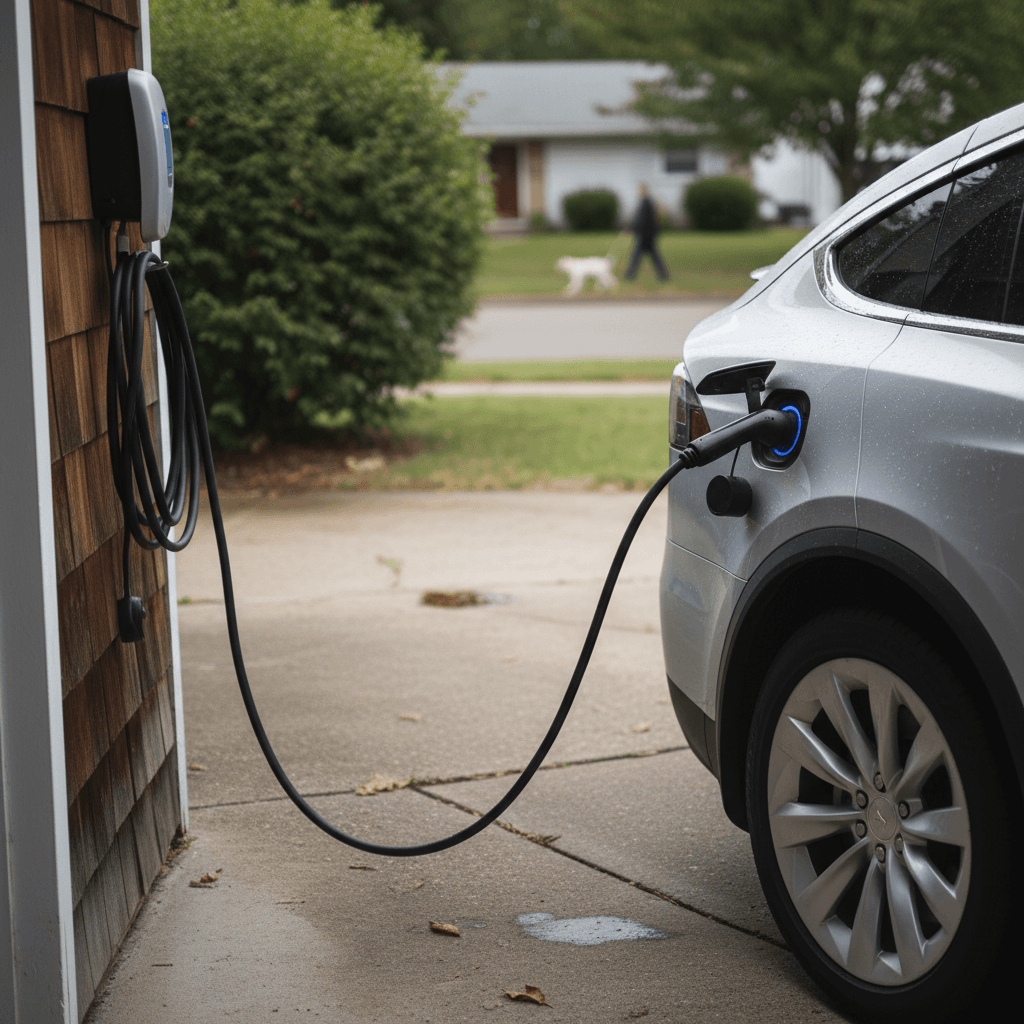
Battery & Charging Problems on the 2021 Model X
The 2021 Model X is built around a large lithium‑ion pack that’s generally durable, but that doesn’t mean owners never see issues. Most “battery problems” people talk about are actually charging behavior surprises rather than battery failures.
- Perceived range loss: It’s normal to see a modest drop in displayed range after a few years, especially on high‑mileage vehicles or those fast‑charged heavily.
- Slower Supercharging: Older batteries may not hit peak kW rates for long. Cold weather and high state of charge can make fast charging appear “too slow.”
- Home charging quirks: Some owners report wall connectors or mobile connectors tripping breakers or refusing to start on older or marginal household wiring.
- Charge‑port door and latch issues: A sticky charge‑port door or sensor can interrupt charging or throw warnings.
Battery health red flags
When you’re buying used, your concern isn’t just “does it charge,” but how much life is left in the pack. That’s where diagnostics matter. At Recharged, every Model X we list receives a Recharged Score battery health assessment, so you can compare pack health against similar vehicles instead of guessing based on the dash display alone.
Falcon Wing Doors, Seals & Exterior Hardware
The Model X’s party trick, its Falcon Wing rear doors, is also one of its more temperamental systems. By 2021 Tesla had improved the design from early years, but owners still report recurring annoyances.
Common Falcon Wing Door & Exterior Issues
Door alignment drift
Over time, some Model X vehicles develop misaligned Falcon Wing doors that require recalibration or adjustment to close cleanly without rubbing trim or seals.
Sensor sensitivity
The overhead and side sensors that prevent doors from hitting obstacles can misread their environment, refusing to open fully in open spaces or stopping halfway for no obvious reason.
Seal noise & water intrusion
Poorly seated or aged rubber seals can lead to wind noise at highway speeds or minor leaks in heavy rain or high‑pressure car washes, especially around the upper corners.
Front door handles & latches
Soft‑close latches and auto‑present handles are convenient until they misbehave. Some owners report intermittent failure to present, latch errors, or “door open” warnings while driving.
Liftgate and strut wear
The powered rear liftgate uses struts and a motor that can wear on higher‑mileage vehicles, leading to weak lifting action, clunks, or failure to stay up in cold weather.
Inspect doors in the real world
Suspension, Brakes & Tire Wear
The 2021 Model X is heavy, powerful and often equipped with 20‑ or 22‑inch wheels. That’s a recipe for faster wear on suspension components, brakes and especially tires compared with a conventional crossover.
Typical Wear Items on a 2021 Model X
These aren’t guaranteed failures, but they’re common enough that you should ask about them, especially on higher‑mileage vehicles.
| Component | Typical Symptoms | When It Shows Up |
|---|---|---|
| Front upper control arms | Creaks or clunks over bumps, uneven tire wear, vague steering feel | Often 40,000–70,000+ miles |
| Air suspension compressor or bags | Car sits unevenly, takes a long time to raise, warnings about ride height | Higher mileage, harsh climates, or vehicles parked long‑term |
| Tires (especially 22-inch) | Edge wear, noisy highway ride, reduced range from sticky compounds | Sometimes under 25,000 miles with aggressive driving |
| Brake rotors and pads | Rust, vibration under braking, uneven pad wear from infrequent use | Varies: EVs use regen, so pads can last long, but rotors may rust if rarely used |
Actual condition depends heavily on driving style, road quality and wheel/tire choice.
Don’t ignore suspension noises
Software, Autopilot & Safety System Quirks
Software is a Tesla strength and weakness. Over‑the‑air updates keep the 2021 Model X feeling current, but they can also introduce new bugs, Autopilot quirks or UI changes that some owners don’t love.
- Infotainment lag or screen reboots on earlier hardware, particularly if the car hasn’t received the optional computer upgrade.
- Phantom braking, sudden, unnecessary slowing, when Autopilot misreads shadows, overpasses or nearby vehicles.
- Forward collision and lane‑departure warnings that are too sensitive or, on the flip side, occasionally fail to trigger when you’d expect.
- Camera visibility warnings in heavy rain, snow or road grime that temporarily disable some driver‑assist features.
Know what’s included
Interior Wear, Seats & Fit-and-Finish
The 2021 Model X cabin feels modern and airy, but it’s not immune to wear. Families use these SUVs hard, and that shows up in the usual places.
Interior Problem Spots to Check
Where 2021 Model X owners most often see wear
Seats & Upholstery
- Driver’s seat bolster wear from sliding in and out.
- Creasing or discoloration on light‑colored vegan leather.
- Third‑row seat backs scuffed from cargo.
Squeaks, Rattles & Creaks
- Noises from the panoramic windshield and dash over uneven roads.
- Rattles behind interior panels or around the third‑row seat mounts.
HVAC & Cabin Comfort
- Occasional fan noise or odors from clogged cabin filters.
- Uneven airflow or temperature complaints in the third row.
Controls & Screens
- Minor screen ghosting or edge yellowing on older displays.
- Sticky steering‑wheel buttons or scroll wheels on higher‑mile examples.
What a clean cabin tells you
2021 Model X Recalls & Service Campaigns
Like most modern vehicles, the 2021 Model X has seen a mix of software‑only recalls and hardware campaigns. Software‑driven items (for example, changes to Autopilot behavior or warning chimes) are usually resolved through over‑the‑air updates. Hardware‑related recalls, steering, suspension, seat belts, require a Tesla Service Center visit.
- Autopilot and FSD behavior adjustments mandated by regulators, typically delivered via software update.
- Various safety‑system calibrations where Tesla updates how the car monitors driver attention or displays warnings.
- Mechanical campaigns on steering or suspension components on specific VIN ranges, which must be checked by service history or with Tesla directly.
Always confirm recall status
What It Costs to Fix Common 2021 Model X Problems
Repair pricing varies by region and whether you use Tesla Service or a trusted independent EV specialist, but it helps to know what ballpark you’re playing in. Below are rough, non‑Tesla‑official estimates to illustrate potential costs if you’re out of warranty.
Example Out‑of‑Warranty Repair Cost Ranges
These are typical third‑party ballparks, not quotes from Tesla. Always get a written estimate for your specific vehicle and location.
| Issue | Typical Fix | Approximate Cost Range (USD) |
|---|---|---|
| Door alignment / recalibration | Adjust or recalibrate Falcon Wing and front doors | $300 – $900 |
| Failed door handle or latch module | Replace and reprogram affected components | $400 – $1,000 per door |
| Upper control arms / front suspension noise | Replace upper control arms, align vehicle | $800 – $1,800 |
| Air suspension leak or failing bag | Locate leak, replace affected air spring or line | $1,000 – $2,500+ |
| Infotainment or Autopilot computer upgrade | Replace with newer hardware, reconfigure software | $1,000 – $2,000+ |
| HVAC odor / cabin filter service | Replace cabin filters, clean ducts, treat evaporator | $150 – $400 |
Major battery and drive‑unit failures may still be covered under the 8‑year warranty; always verify coverage by VIN.
Leverage service history
Pre‑Purchase Checklist for a Used 2021 Tesla Model X
Because issues on a 2021 Model X skew toward expensive hardware and sensors, your best defense is a systematic inspection and a test drive that goes beyond a quick loop around the block.
10 Things to Check Before You Buy
1. Verify battery and drive‑unit warranty
Confirm the in‑service date and mileage so you know how much of the 8‑year high‑voltage warranty remains. This can materially change your risk profile.
2. Review charging behavior
Test both AC (Level 2) and DC fast charging if possible. Look for error messages, inconsistent connection, or unusually slow charging unrelated to temperature or state of charge.
3. Operate all doors repeatedly
Open and close the Falcon Wing doors, front doors and liftgate in multiple scenarios. Listen for crunching or grinding, and check for rubbing on adjacent panels or seals.
4. Listen to the suspension
Drive over speed bumps, broken pavement and at highway speeds. Any clunks, knocks or persistent squeaks should be investigated before purchase.
5. Inspect tires and alignment
Uneven inner‑edge wear is a common sign of alignment or suspension issues. Budget for a new set of tires if tread is low or wear is irregular.
6. Test Autopilot and driver assists
If equipped and safe to do so, test adaptive cruise, Autosteer and lane‑keeping on a clearly marked highway. Note any warnings, phantom braking or camera errors.
7. Check the interior closely
Look at seat bolsters, third‑row mounts, and dashboard/trim alignment. Excessive wear or rattles in a relatively young vehicle can be a red flag.
8. Confirm recall completion
Ask for Tesla service records or screenshots confirming that all open recalls and service campaigns for that VIN have been completed.
9. Scan the service history
Multiple repeat visits for the same system, doors, suspension, infotainment, suggest a chronic problem. Factor that into your price negotiations or walk away.
10. Get objective battery health data
Don’t rely only on the range readout. Use a marketplace that provides independent battery diagnostics, such as the Recharged Score, or pay a specialist for a pre‑purchase EV inspection.
How Recharged Reduces the Risk on a Used Model X
A 2021 Tesla Model X can be a fantastic long‑range family EV, but it’s also a complex luxury vehicle where surprises are expensive. That’s why a traditional used‑car walk‑around isn’t enough. At Recharged, every used EV, including the Model X, goes through EV‑specific checks you won’t get at most franchise or independent dealers.
Battery & High‑Voltage Transparency
- Recharged Score battery diagnostics show how the pack’s health compares to similar vehicles.
- We verify charging performance, connectors and on‑board chargers, not just whether the car starts.
- Clear, upfront pricing that reflects real battery condition and market data.
Used‑EV Expertise & Convenience
- EV‑specialist advisors who understand Tesla‑specific quirks like Falcon Wing doors and Autopilot hardware versions.
- Financing, trade‑in options and nationwide delivery so you can buy online with confidence.
- Hands‑on support at our Experience Center in Richmond, VA if you want to see and feel before you commit.
Why buy a Model X through Recharged
FAQ: 2021 Tesla Model X Problems
Frequently Asked Questions
Bottom Line: Should You Worry About 2021 Model X Problems?
You shouldn’t be scared off from a 2021 Tesla Model X, but you also shouldn’t treat it like a simple used crossover. The powertrain is strong, and many owners are happy with day‑to‑day reliability. The real risk lives in complex hardware, Falcon Wing doors, air suspension, and the cost of chasing down squeaks, rattles and electronics issues once basic warranty coverage fades.
If you choose carefully, confirm recall and service history, and insist on objective battery health data, a 2021 Model X can deliver years of fast, quiet, long‑range family hauling. Working with a used‑EV specialist such as Recharged, with diagnostics, transparent pricing and EV‑savvy support, can tilt the odds sharply in your favor and turn those headline “problems” into well‑managed risks.