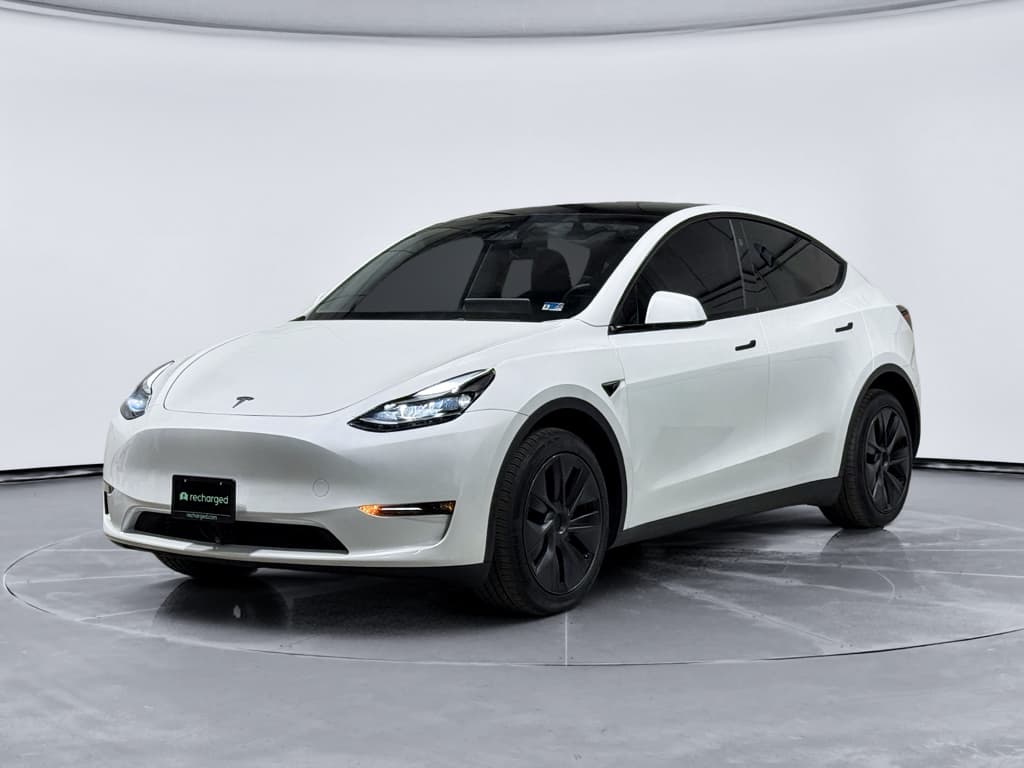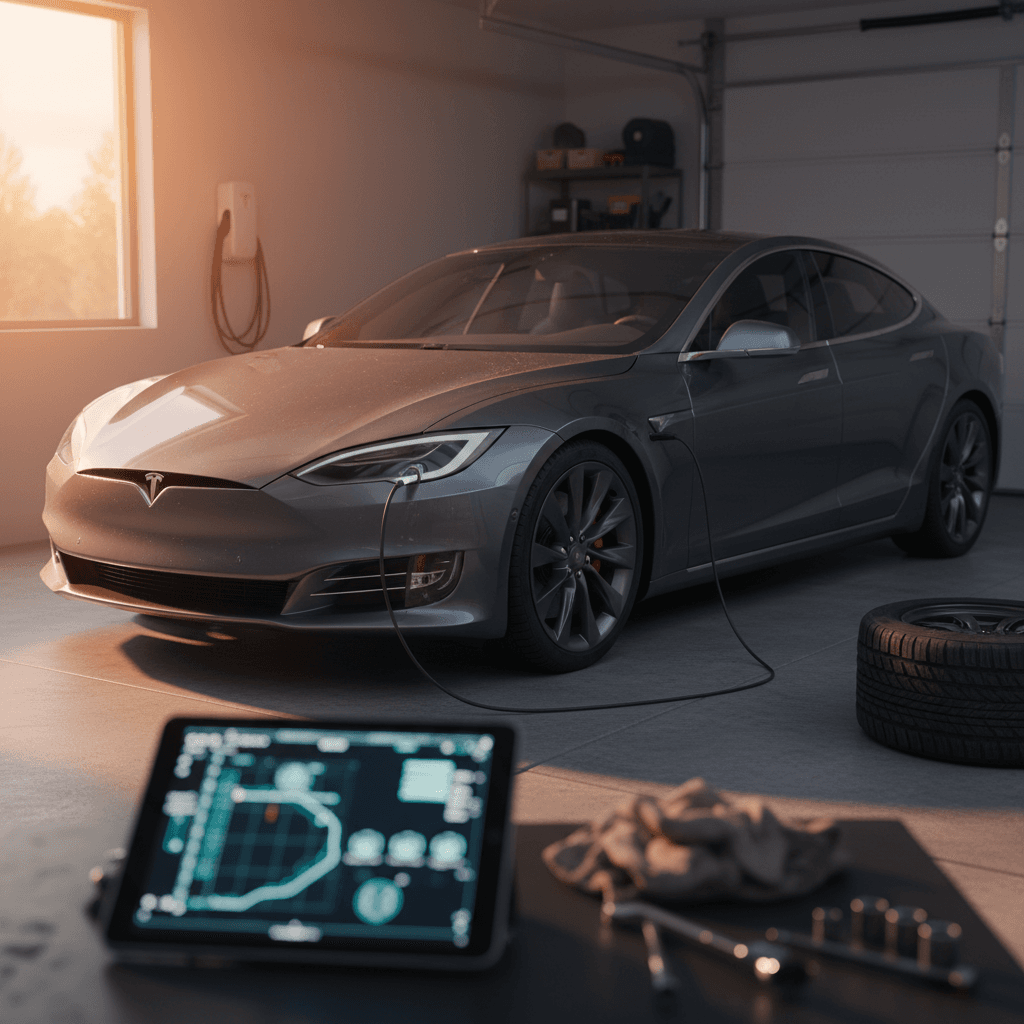
If you’re eyeing a used luxury EV, the 2021 Tesla Model S is probably on your short list. It’s quick, sleek, and delivers serious range, but the 2021 Tesla Model S reliability rating is mixed at best. Between a major mid-cycle refresh, multiple recalls, and plenty of software drama, this is a car you need to understand before you fall in love with the Plaid badge.
Quick takeaway
2021 Tesla Model S reliability at a glance
2021 Model S reliability snapshot
There isn’t a single universal 2021 Tesla Model S reliability rating, but several data points tell a consistent story: the powertrain and battery are generally solid, while build quality and software-driven systems cause headaches. Owner surveys, recall counts, and complaint databases all paint the 2021 refresh as more troublesome than earlier, simpler Model S years, even though it’s also the most advanced and desirable to drive.
How good is the 2021 Tesla Model S reliability rating?
Traditional outlets like Consumer Reports and independent reliability trackers have rated the Model S as below average to mixed over the past few years, and the refreshed 2021 model doesn’t magically escape that reputation. Where things get complicated is that reliability is split into very different buckets:
- Battery and drivetrain: Generally good, with relatively few high-voltage battery failures reported compared with early Model S years.
- Chassis and hardware: Occasional air-suspension component wear, door handle and latch issues, and interior trim problems.
- Electronics and software: The biggest source of complaints, frozen screens, quirky Autopilot behavior, and OTA updates that introduce new bugs as often as they fix old ones.
How to read reliability scores
Owner-survey style ratings
Survey-based ratings focus on what actual owners report. For the 2021 Model S, those reports often cite fit-and-finish defects, phantom warnings, and software bugs. These problems can be annoying and time-consuming, but they aren’t always catastrophic or expensive if they’ve been addressed under warranty.
Hard-data style ratings
Reliability trackers that lean on complaint and recall data tend to score the 2021 Model S harshly, thanks to a high number of safety campaigns and NHTSA complaints tied to its fresh redesign and rapid software updates. That’s why you’ll see some sources labeling 2021 as a "risky" year even though the core EV hardware is strong.
Recalls and safety issues for the 2021 Model S
By 2026, Tesla had issued dozens of recalls affecting 2021 Model S vehicles. Many are software-related, things like Autopilot behavior, warning chimes, or taillight illumination that can be corrected with an over‑the‑air update, but hardware campaigns also show up, especially around steering wheels, airbags, and safety systems introduced in the 2021 refresh.
Key recall themes on 2021 Model S
These categories show up repeatedly when you look at recall histories for the refreshed 2021 Model S.
| Area | Typical Concern | Owner Impact | Fix Type |
|---|---|---|---|
| Autopilot / driver assistance | Incorrect behavior, warning chimes, or system limits | May increase risk of a crash if driver over-relies on automation | Usually over‑the‑air software update |
| Exterior lighting | Tail or brake lights not illuminating correctly | Reduced visibility, especially at night | Over‑the‑air update or service visit |
| Steering wheel / airbag module | Incorrect horn type or airbag setup after wheel swap | Horn or airbag may not function as intended in some swaps | Service visit for inspection and parts replacement |
| Instrument panel & displays | Speedometer or warning information visibility | Driver may not see critical information in some conditions | Software update |
| Seat belt / restraints | Potentially improper anchoring or warning logic | Safety risk in a crash | Service inspection and hardware or software fix |
Exact recall coverage depends on build date and hardware configuration, always run the VIN before you buy.
Always check the VIN
Most common 2021 Model S problems
Digging through owner complaints and service records, a few problem patterns pop up again and again on 2021 cars. Some are familiar Tesla quirks; others are tied to the 2021 refresh and early Plaid builds.
Top trouble spots on the 2021 Model S
Not every car will have these problems, but these are the issues worth checking for on a used example.
Build quality & trim
Owners report misaligned panels, wind noise, and rattles from the refreshed interior. Most issues are cosmetic, but a few can lead to water leaks or persistent noises that are hard to track down.
Infotainment glitches
The big center screen runs nearly everything. Freezes, reboots, Bluetooth dropouts, and camera display bugs are among the most common complaints. Many are fixed via software, but documentation of past repairs is important.
Suspension & steering feel
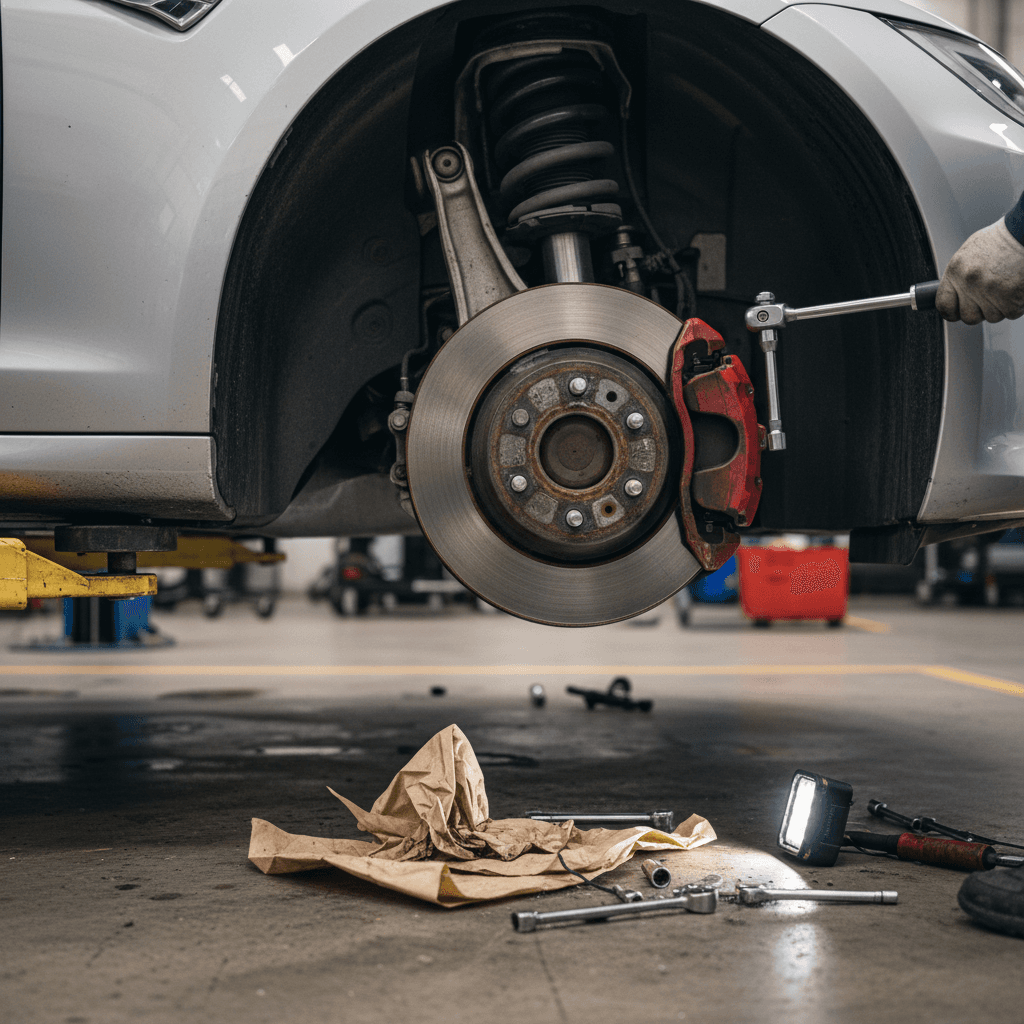
On high‑mileage or hard‑driven cars, you may feel clunks over bumps or uneven tire wear that point to worn bushings or alignment issues. Given the Model S’s weight and performance, a thorough suspension inspection is a must.
It’s also important to look beyond headlines. High‑profile stories about fires or sudden unintended acceleration tend to shape perception, but investigation summaries often point to driver behavior or external damage. That doesn’t mean the 2021 Model S is flawless, it isn’t, but most used shoppers will deal more with noise, leaks, and quirks than catastrophic hardware failures.
Battery and drivetrain reliability
Here’s the good news: as of 2026, the high‑voltage battery and dual‑motor drivetrain in the refreshed Model S have held up well overall. Tesla’s large packs are designed to retain most of their capacity well past 100,000 miles, and outright pack failures on 2021 cars are rare compared with early‑production Model S years.
- Most 2021 cars show modest range loss (often 5–10%) by 60,000–80,000 miles when properly charged and stored.
- The permanent‑magnet front motor and updated rear motor have not developed a pattern of widespread failures.
- What owners often interpret as “battery problems” are usually tied to cold weather, high speeds, 21‑inch wheels, and aggressive driving, all of which cut real‑world range.
Range complaints vs. real failures
On a used 2021 Model S, you want to see a clear picture of how the car was charged (home Level 2 vs. constant DC fast charging), how often it was run to 0% or 100%, and whether it has ever thrown high‑voltage warnings. That’s where a third‑party battery health check becomes valuable.
Software, Autopilot and FSD issues
The brain of the 2021 Model S is also its biggest wild card. Every major function, and plenty of minor ones, runs through software that Tesla continually tweaks with over‑the‑air updates. That’s exciting when you get new features for free, but it can be maddening when an update introduces odd behavior in Autopilot or breaks a feature you rely on.
- Autopilot and Full Self‑Driving (FSD) beta behavior changes frequently and can be unnerving if you expect it to operate like a finished driver‑assist system.
- Owners have reported phantom braking, sudden slowing, and inconsistent lane‑keeping over the years, some of which have triggered NHTSA scrutiny and software recalls.
- Central‑screen glitches can temporarily knock out climate controls, navigation, or cameras until the system reboots.
Treat FSD as driver assistance only
How the 2021 Model S compares to other years
If you look at Model S reliability by year, the refreshed 2021 cars tend to land on the more troublesome side of the curve. The underlying EV platform has matured, but the big interior redesign, new steering options, and evolving driver‑assist stack all added new ways for things to go wrong.
Model S reliability by generation (high level)
A simplified look at how the 2021 refresh stacks up against earlier Model S generations from a reliability perspective.
| Model S generation | Typical reliability pattern | Pros | Cons |
|---|---|---|---|
| 2012–2015 early cars | Below average | Iconic design, early adopter tech | More battery and drive‑unit issues, aging hardware |
| 2016–2019 facelift | Generally better | Improved build quality, more mature software | Still some suspension and MCU concerns as miles add up |
| 2020 pre‑refresh | Relatively stable | Refined, fewer big changes year‑to‑year | Older interior and tech feel dated next to 2021 |
| 2021 refresh (subject here) | Mixed / risky | Incredible performance, modern interior and tech | Lots of recalls, software churn, trim and quality complaints |
Exact rankings vary by source, but most agree that the early years and the aggressive 2021 refresh are less dependable than mid‑cycle 2016–2019 cars.
When 2021 makes sense
What to check before buying a used 2021 Model S
Because the 2021 Tesla Model S blends strong engineering with fussy details, a smart pre‑purchase inspection focuses on catching the fiddly stuff before it becomes your problem. Here’s where to spend your time:
2021 Model S used‑buying checklist
1. Scan for open recalls
Run the VIN through Tesla’s recall search and the NHTSA database. Make sure all open campaigns are completed, or plan to schedule them immediately after purchase.
2. Inspect panel gaps and seals
Walk the car carefully looking at door, trunk, and frunk alignment. Check door and glass seals for wind noise and water leaks, especially around the refreshed headlights and hatch.
3. Test every screen and camera
Cycle the main display, instrument panel, and all cameras. Try navigation, Bluetooth, climate, and backup camera. If you see glitches, reboots, or a sluggish interface, ask for service records or software‑update history.
4. Evaluate suspension and tires
On a quiet test drive, listen for clunks over bumps and feel for steering shimmy. Look for uneven tire wear, especially on 21‑inch wheels, that could signal alignment or bushing issues.
5. Check charging and range behavior
Charge the car if possible. Confirm it takes a charge normally at home‑type speeds and DC fast chargers, and compare an indicated 100% range estimate to what you’d expect for this trim and mileage.
6. Review Autopilot/FSD history
Ask the seller how often they use Autopilot or FSD and whether they’ve had any scary incidents or warnings. Make sure you’re personally comfortable with how the system behaves on your own test drive.
Bring an EV‑savvy inspector
How Recharged evaluates 2021 Model S reliability
At Recharged, every used EV, including the 2021 Tesla Model S, gets a Recharged Score Report. Instead of just guessing from a broad reliability rating, you see how that specific car stacks up on battery health, value, and condition.
What’s inside a Recharged Score for a 2021 Model S
Objective data to balance out internet horror stories and fan‑forum enthusiasm.
Battery health diagnostics
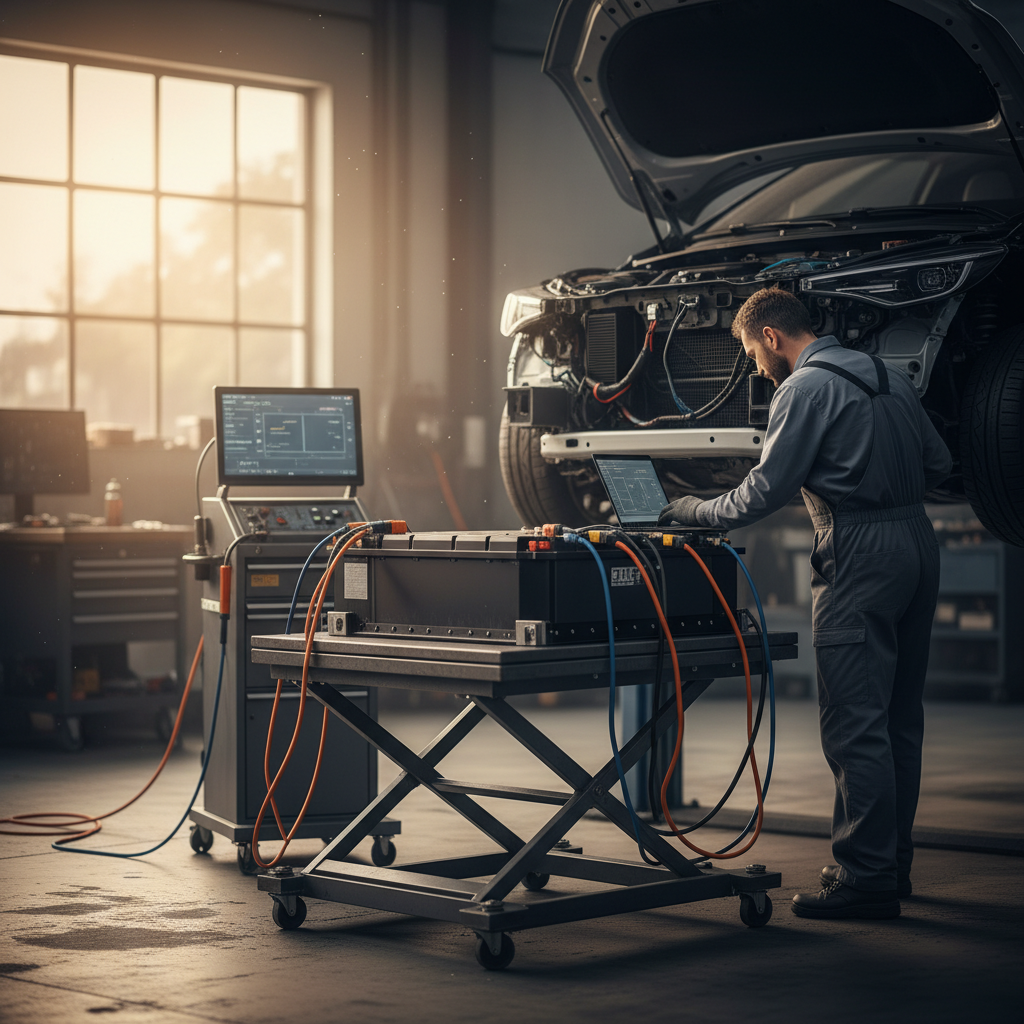
We use advanced diagnostics to estimate remaining battery capacity and look for high‑voltage fault codes. You’ll see whether the pack is aging normally or if there are red flags.
Fair‑market pricing
Our pricing engine compares trim, mileage, condition, options, and market trends so you know whether the asking price properly reflects the car’s reliability and history.
Condition & history review
We review Carfax‑style history, recall completion, service records, and a multi‑point inspection so you understand not just how the 2021 Model S tends to behave, but how this one has been cared for.
Ready to find your next EV?
Browse VehiclesIf you decide to buy, Recharged can also help with financing, trade‑in, and nationwide delivery, plus EV‑specialist support so your first week with a 2021 Model S isn’t spent hunting through forums to figure out how to live with it.
FAQ: 2021 Tesla Model S reliability rating
Frequently asked questions about 2021 Model S reliability
Is a 2021 Tesla Model S a good used buy?
If you want the quickest, flashiest, most modern version of Tesla’s flagship sedan without paying new‑car money, the 2021 Model S is exactly where you’ll be shopping. Its reliability rating won’t impress the risk‑averse, but for many drivers the trade‑off is worth it: a stunning EV with supercar thrust, long‑distance range, and the latest interior design, offset by the need to stay on top of software updates, recalls, and occasional fit‑and‑finish fixes.
The key is to judge each car on its own merits. Look for a 2021 Model S with documented service records, completed recalls, healthy battery data, and a clean inspection. Whether you buy through a private seller or a marketplace like Recharged, that level of transparency turns a high‑tech, high‑performance Tesla from a question mark into a luxury EV you can enjoy for years.