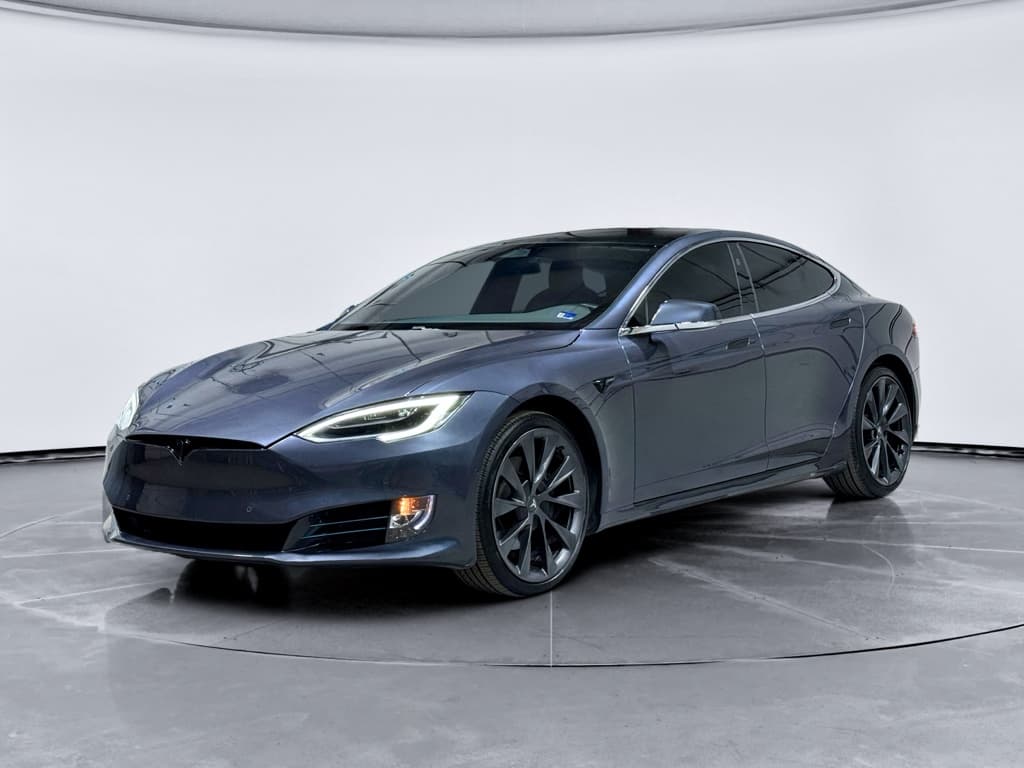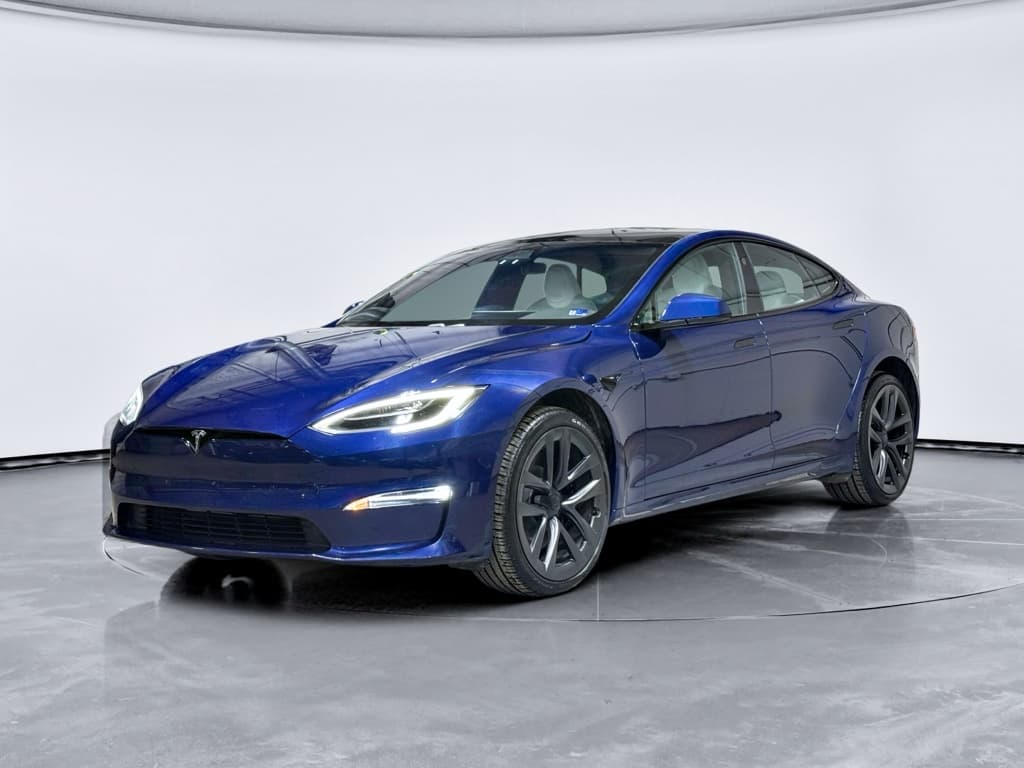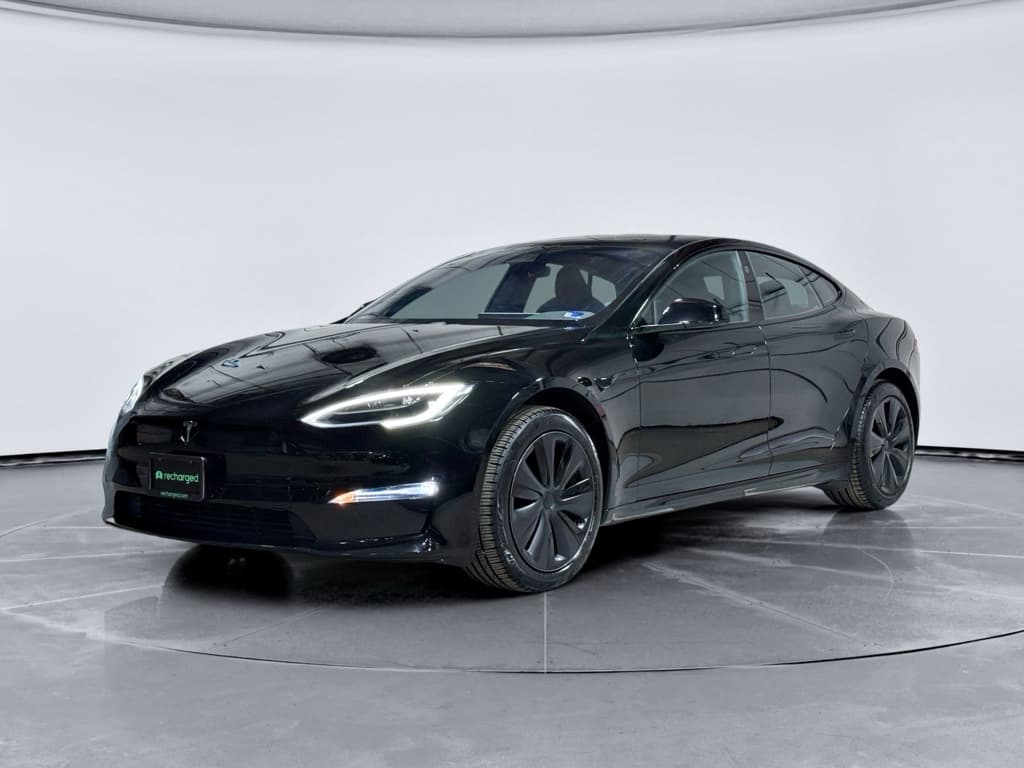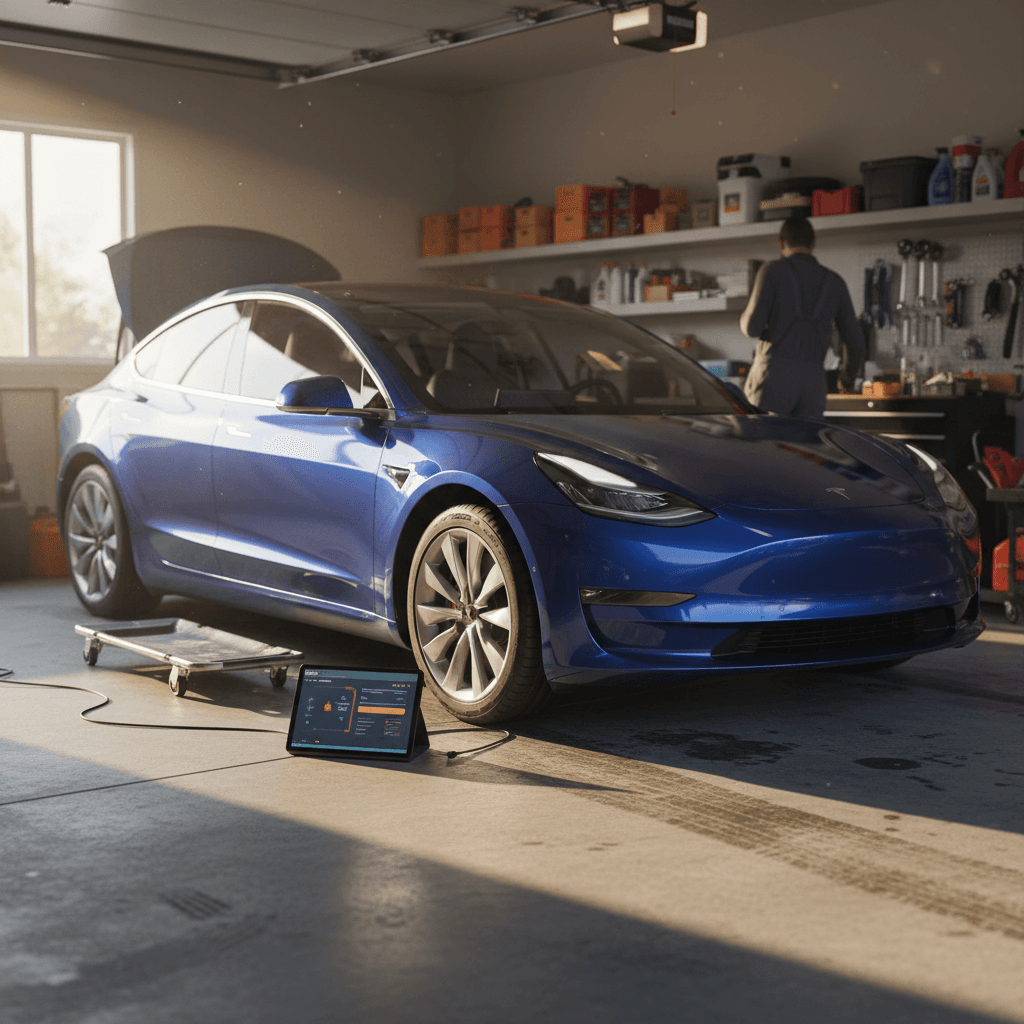
If you’re shopping used, it’s natural to worry about 2021 Tesla Model S problems, especially with the first year of the “refresh” design and the blisteringly quick Plaid version. The good news: many 2021 cars have been trouble‑free. The bad news: the problem cars tend to have similar patterns, and they can get expensive if you buy the wrong one.
Quick take
Overview: Should you worry about 2021 Model S problems?
Tesla doesn’t publish traditional reliability scores, but owner reports, complaints and service records show a mixed picture for the 2021 Model S and Plaid. The drivetrain and battery packs are generally robust; the majority of issues are in suspension components, interior build quality, and software/driver‑assist behavior rather than catastrophic failures. Still, some problems, like accelerated tire wear from aggressive suspension geometry or repeated Autopilot/FSD glitches, can hit your wallet and your confidence.
2021 Tesla Model S problem snapshot (big picture)
First‑year refresh reality
How the 2021 refresh changed the Model S
What’s new on the 2021 refresh
- Redesigned interior with landscape center screen and rear display.
- Optional yoke steering instead of a conventional wheel on early builds.
- Updated powertrains: Long Range and ultra‑high‑performance Plaid.
- Revised adaptive air suspension and bigger brakes, especially on Plaid.
- New user interface, quicker infotainment hardware and more cameras.
Why it matters for problems
- New interior and UI mean more opportunity for software bugs and fit‑and‑finish quirks.
- Plaid’s huge torque magnifies any weaknesses in front half‑shafts, bushings and alignment.
- Early production runs of new designs often see more service bulletins and manufacturing tweaks.
- Driver‑assist features like Autopilot and FSD continue to evolve via software, and behavior can change over time.
Build date tip
Most common 2021 Tesla Model S problems
Based on owner forums, complaint databases and service experiences, several themes emerge for 2021 Tesla Model S problems, especially on Plaid models and cars with 21‑inch wheels:
Key problem areas on 2021 Model S
Issues don’t affect every car, but these are the patterns you’ll see most often.
1. Front half‑shaft vibration
Owners frequently report vibration or shudder under hard acceleration, especially in Plaid models or cars left in higher ride heights. Earlier service bulletins on prior Model S years pointed to half‑shaft and front drive unit geometry contributing to this.
It’s usually more of a comfort and confidence issue than an immediate safety defect, but repairs can be costly out of warranty.
2. Suspension & alignment wear
Some owners and shops have documented aggressive rear camber and toe settings that chew through the inner shoulders of 21‑inch tires in as little as 20–25k miles, even with moderate driving. Misalignment or worn bushings can worsen the problem.
Premature tire wear is both a safety concern and a recurring cost.
3. Steering & ride control warnings
A minority of 2021 owners report dashboard messages such as stability control disabled, traction control disabled or adaptive ride control degraded. In some cases the car becomes undriveable and must be towed while Tesla hunts down the root cause.
4. 12V / low‑voltage system issues
Modern Teslas still rely on a 12‑volt (or low‑voltage) subsystem to wake and run core electronics. Failures here can present as a cascade of alarms and a no‑start condition, sometimes requiring towing and component replacement.
5. Interior rattles, squeaks & trim
Posts from 2021–2024 refresh owners often mention glove box rattles, center console buzzes, rear seat latch squeaks, and occasional wind noise from mis‑seated fender insulation or seals.
These don’t strand you, but they do matter on a six‑figure luxury sedan.
6. Software glitches & UI bugs
Because Tesla pushes frequent over‑the‑air updates, 2021 cars can see temporary navigation, camera, Bluetooth, or Autopilot behavior glitches. Many resolve in later updates, but some owners spend time chasing down regressions.
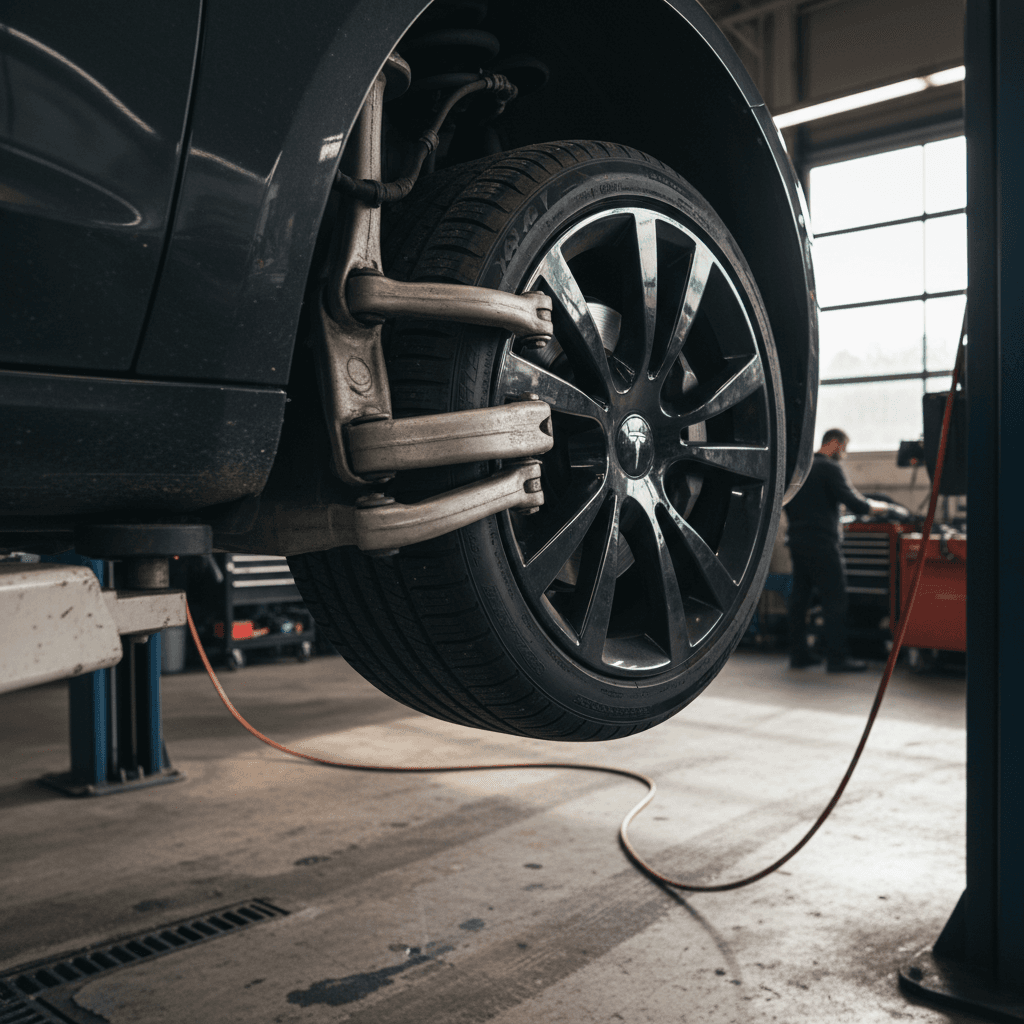
Don’t ignore tire wear patterns
Battery and charging issues on 2021 Model S
Battery fears keep a lot of shoppers up at night, but for the 2021 Model S, the picture is more reassuring than you might expect.
- Most 2021 owners report single‑digit battery degradation after several years and tens of thousands of miles, which is normal for a large‑pack EV.
- Range complaints are common, but they’re often tied to cold weather, high speeds, big wheels (21s) and aggressive driving rather than battery failure.
- Occasional reports of DC fast‑charging quirks or slower than expected charge rates are usually software‑related and may improve after updates or a battery health check.
- True high‑voltage pack failures on 2021 cars appear to be rare compared with early‑generation EVs.
How to sanity‑check range on a test drive
If you buy through Recharged, the Recharged Score battery health diagnostics go a step further by measuring usable capacity and flagging outliers. That gives you an objective view of pack health instead of guessing from the dash display alone.
Software, Autopilot and FSD concerns
Every 2021 Model S is deeply software‑defined. That’s a blessing when Tesla fixes issues over the air, but it also means features you rely on, especially Autopilot and Full Self‑Driving (FSD), can behave differently after an update.
Where 2021 Model S software causes headaches
Most issues are intermittent, but they deserve your attention.
Autopilot & FSD behavior
By late 2025, federal regulators were formally probing Tesla’s FSD system after reports of cars running red lights and drifting into opposing lanes. Even if your 2021 Model S never misbehaves, you should treat any driver‑assist feature as Level 2: the car helps, but you’re responsible.
On a test drive, try basic Autopilot on a divided highway and see whether lane‑keeping and braking feel predictable and confidence‑inspiring.
Random error messages & lockups
Some owners experience sporadic warnings like “no assist for steering,” “no parking assist,” or navigation losing data, sometimes presaging a bigger hardware issue. Others see camera or sensor errors after software updates.
Most glitches clear with reboots or service updates, but repeated warnings on a used car are a sign that deeper diagnosis is needed.
Don’t overvalue FSD on a used 2021
Fit, finish and noise issues inside the cabin
Tesla has improved build quality over the years, but the 2021 refresh Model S still isn’t immune to the kind of small annoyances you’d notice in any luxury car.
- Glove box and center console rattles over rough pavement.
- Squeaks from rear seat latches (sometimes cured with padding or felt tape).
- Wind noise from misaligned door or fender seals, or from sound insulation that’s slipped out of place behind the wheel‑well liners.
- Occasional trunk latch malfunctions, including hatches that close but don’t fully latch, triggering warning beeps.
- Dim reverse lights that some owners feel don’t provide enough illumination when backing up at night.
The upside: most are fixable
Recalls and formal safety issues affecting 2021 cars
Tesla has had several notable recalls in the last few years, some model‑wide and some specific to the Model S. While many are addressed with software updates, they’re still worth understanding when you evaluate a 2021 car.
Examples of recalls that can affect a 2021 Model S
Always check any specific VIN on the NHTSA website or Tesla account portal for the latest status.
| Issue | Model years affected | What it means for a 2021 owner |
|---|---|---|
| Warning light text size | Multiple years including 2021 | A 2024 recall addressed instrument‑panel warning light font size via software so required icons are easier to read. |
| Hood latch concerns (earlier years) | 2017–2020 primarily | Not directly a 2021 problem, but illustrates Tesla’s willingness to recall when latch issues appear. On any 2021, you still want to verify hood and trunk latch operation. |
| FSD / Autopilot behavior probe | Cars equipped with FSD & Autopilot | NHTSA investigations look at how FSD handles traffic lights and lane keeping. Behavior is heavily software‑dependent and can change with updates. |
Software‑based recalls are typically handled automatically, but hardware‑related actions might require a visit to a service center.
VIN check is non‑negotiable
What this means if you’re buying a used 2021 Model S
Put it all together, and the 2021 Model S story looks like this: the core EV tech is strong, but build variability, aggressive suspension settings and complex software can make ownership either delightfully drama‑free or frustratingly visit‑the‑service‑center‑again. Your goal as a used buyer is to separate the solid examples from the problem children before you sign paperwork.
Why a 2021 Model S is attractive used
- Modern interior and tech, including the 2021 refresh look and feel.
- Excellent real‑world efficiency and strong Supercharger access compared with many rivals.
- Plaid delivers supercar acceleration with sedan practicality.
- Many early bugs have already been addressed under warranty by first owners.
Where the risk comes in
- Suspension wear and half‑shaft issues can be pricey once you’re out of warranty.
- A neglected alignment can eat expensive 21‑inch tires quickly.
- Out‑of‑warranty electronic gremlins (sensors, controllers) can require specialized service.
- Autopilot and FSD behavior is a moving target and shouldn’t be your main reason to buy.
Inspection checklist for a used 2021 Model S
Hands‑on checklist before you commit
1. Scan the dash for alerts
When you first power the car on, look for any persistent warnings: stability or traction control disabled, air suspension or ride control errors, parking assist unavailable, camera blocked or Autopilot/FSD disabled. Screenshot or photograph any messages.
2. Inspect tire wear and wheel size
Check all four tires, especially the inner shoulders on 21‑inch wheels. Uneven or extreme inner‑edge wear points to alignment or suspension issues. Replacing a full set of 21s isn’t cheap, and underlying problems may still need attention.
3. Drive it hard enough to feel the front end
On a safe, straight road, accelerate firmly. Pay attention to <strong>vibration or shudder from the front</strong>. That can indicate half‑shaft or front drive‑unit geometry issues. Also note any knocks or clunks over bumps.
4. Listen for rattles and wind noise
On coarse pavement and at highway speeds, listen for glove box buzzes, center console rattles, squeaks from the rear seats and excess wind noise around mirrors or door seals. Annoying, but also useful as bargaining chips.
5. Test every latch and powered closure
Cycle the trunk, frunk, charge port, doors, glove box and center console multiple times. Make sure they latch positively and don’t trigger warning beeps or errors. Look for moisture or condensation in tail lights as well.
6. Evaluate charging and range behavior
If possible, plug into a Level 2 charger and confirm the car charges normally with no faults. Take a mixed‑driving loop and compare indicated energy use to other Model S benchmarks, watching for abnormally high consumption or rapid SOC drop.
7. Review software, FSD and connectivity
Check software version, map loading, streaming, Bluetooth and basic Autopilot on a short highway stretch. You’re not validating full autonomy; you just want to see that core systems behave predictably with no chronic warnings.
8. Pull service and recall history
Ask for Tesla service records if available and check the VIN for open recalls. Multiple tow‑in events, unresolved warnings or repeat attempts to fix the same complaint are reasons to ask hard questions, or move on.
Certified vs. private sale
How Recharged reduces your risk with used Teslas
If you love what the 2021 Model S offers but don’t love the idea of discovering all its personality quirks the hard way, this is exactly the kind of situation Recharged was built for.
Buying a 2021 Model S through Recharged
How we make a complex EV purchase more transparent.
Recharged Score battery health report
Every Tesla we sell comes with a Recharged Score Report that includes verified battery health, charging performance and range estimates. You’re not guessing whether the pack is strong, you see objective data.
EV‑specialist inspection
Our team focuses on EVs all day, every day. For a 2021 Model S, we pay special attention to front suspension, alignment, tire wear and software behavior, then share what we find in plain language.
Fair pricing, financing & trade‑ins
Recharged benchmarks pricing against the market and can help you finance, trade‑in or sell your current vehicle. You can shop fully online or visit our Experience Center in Richmond, VA, and we offer nationwide delivery.
Ready to find your next EV?
Browse VehiclesWhy that matters on a 2021 Model S
FAQ: 2021 Tesla Model S problems
Common questions about 2021 Model S issues
Bottom line: Is a 2021 Model S still worth it?
The 2021 Tesla Model S is one of those cars that can either feel like the future, or like a science experiment someone dropped in your driveway. The underlying platform is strong, but the first year of the refresh and the sheer performance of the Plaid created room for specific 2021 Tesla Model S problems to show up, especially in the suspension, software and driver‑assist systems.
If you go in with clear eyes, do a disciplined inspection and prioritize examples with clean histories and healthy batteries, a 2021 Model S can still be a terrific long‑range EV in 2026 and beyond. And if you’d rather not play detective, buying through a specialist like Recharged, where battery health, pricing and condition are laid out up front, can make the decision a lot more straightforward.