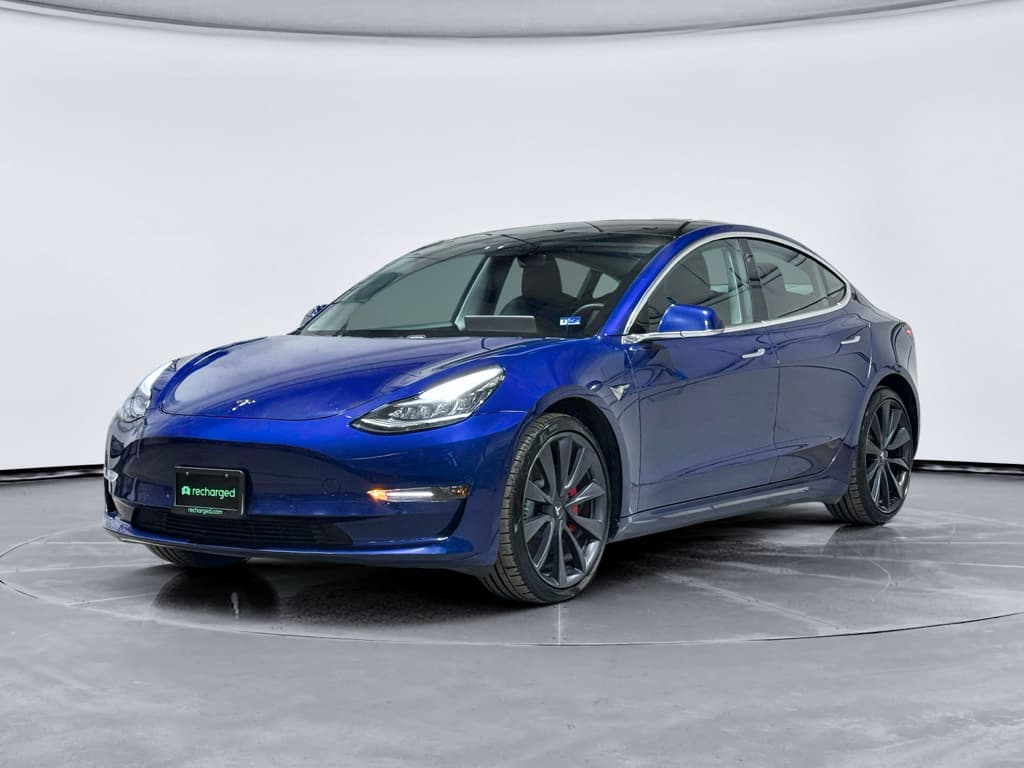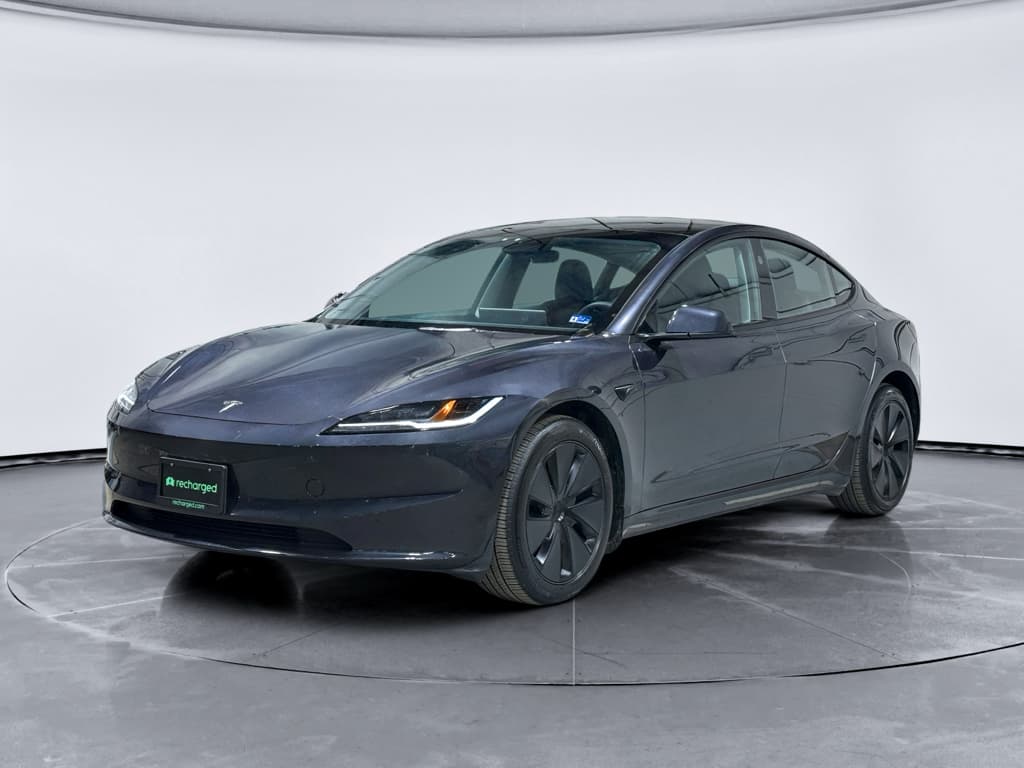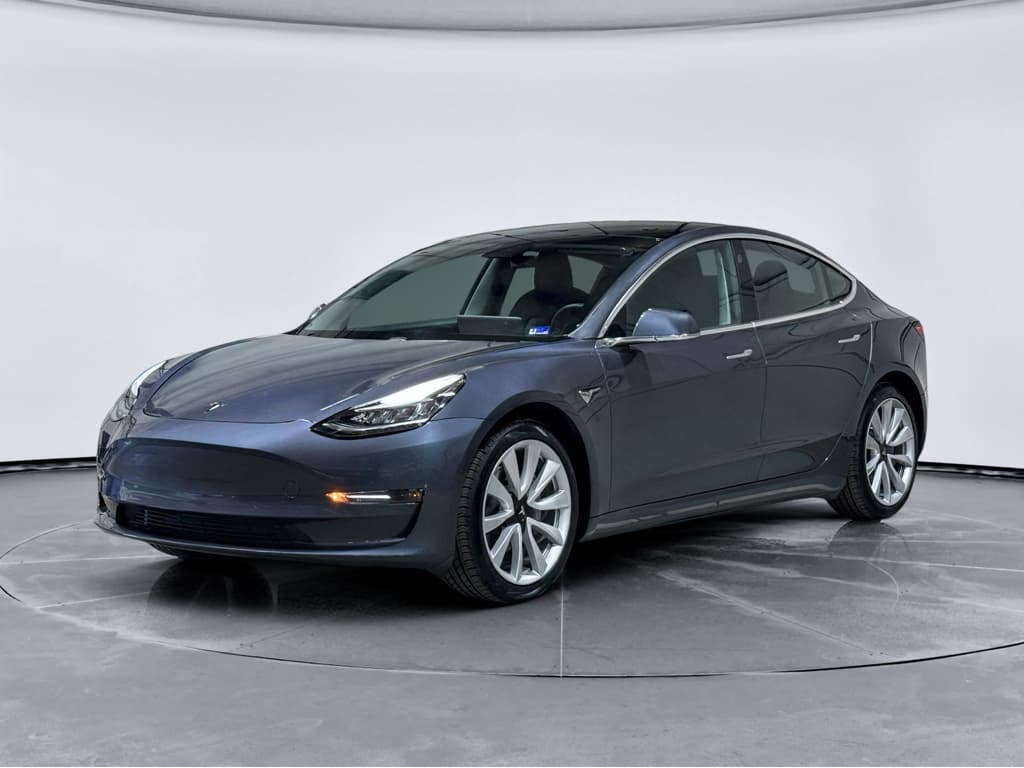
If you’re eyeing a used 2021 Tesla Model 3, you’ve probably seen mixed messages about reliability. Some owners swear their cars have been nearly flawless; others talk about suspension noise, phantom braking, or early battery replacements. This guide pulls together the most important data points on the 2021 Tesla Model 3 reliability rating so you can decide if it’s a smart bet, or a car to approach with eyes wide open.
Quick take
2021 Tesla Model 3 reliability at a glance
Key 2021 Model 3 reliability signals
On paper, the 2021 Model 3 looks solid: early manufacturing bugs from 2017–2019 had largely been ironed out, software has matured, and Tesla’s powertrain remains one of the most robust in the segment. At the same time, Tesla as a brand still ranks near the bottom of many reliability surveys because of build-quality quirks and tech gremlins. The 2021 Model 3 sits right in that tension between a durable electric drivetrain and inconsistent fit and finish.
How major rating organizations score the 2021 Model 3
There’s no single “official” 2021 Tesla Model 3 reliability rating, but a few large-scale sources give us useful direction. Here’s how to read them.
Where the 2021 Model 3 stands in big reliability surveys
Each source looks at reliability a bit differently, combine them for the full picture.
Consumer Reports
Consumer Reports surveys hundreds of thousands of owners and generates a predicted reliability score out of 100.
- Recent Model 3 scores sit around the mid‑40s to high‑40s, which they label as “average.”
- Tesla as a brand ranks near the bottom overall because of issues on other models and years, even as the Model 3 has improved.
Owner review sites
Sites like Kelley Blue Book and Cars.com show the 2021 Model 3 with roughly 4.5+ out of 5 stars from owners for reliability and overall satisfaction.
That reflects the reality that most owners are happy, but those with problems can be quite vocal because repairs sometimes require repeated service center visits.
Industry & dependability studies
Traditional dependability studies like J.D. Power’s VDS don’t always include Tesla because of limited access to owner data.
Where third‑party analysts have estimated Tesla scores, the Model 3 tends to be one of the better-performing Teslas for dependability, but still not at Lexus or Toyota levels of bulletproof reliability.
Brand vs. model reliability
Owner experience: what 2021 Model 3 drivers report after years of use
Surveys and scores are one thing; what matters to you is what a four‑ or five‑year‑old 2021 Model 3 looks like in the real world. Pulling from owner forums, social media, and Recharged’s own intake inspections, a few themes stand out:
- Many 2021 owners report zero significant mechanical issues through 40,000–60,000 miles, especially those who live in milder climates and avoid rough roads.
- Minor issues are common: rattles, trim misalignment, squeaks, and wind noise crop up more than in the best Japanese and Korean competitors.
- Software quirks can be frustrating: phantom braking on Autopilot, Bluetooth connectivity issues, and camera recalibration after windshield replacement show up regularly in owner stories.
- Service center experience is a mixed bag: great mobile service in some markets, long waits and rushed repairs in others. This matters because Tesla service is effectively your only option for many repairs.
“The drivetrain has been bulletproof. All of my issues have been little stuff: squeaky suspension, wind noise, and panel gaps that bother me more than they probably should.”
Most common 2021 Tesla Model 3 problems
No modern EV is problem‑free, and the 2021 Model 3 has a recognizable pattern of issues. Recharged’s own deep dive on 2021 Tesla Model 3 problems groups them into a few major buckets. Here’s a shopper‑focused summary.
Common 2021 Model 3 problems and how serious they are
Use this as a high‑level risk map. Individual cars may show none, or several, of these issues.
| Problem category | Typical symptoms | Severity for buyers | What to look/listen for |
|---|---|---|---|
| Suspension noise & control arms | Clunks or creaks over bumps, especially at low speed; front end feels loose | Medium, parts aren’t exotic but can get pricey if both sides need replacement | Test drive over rough pavement and speed bumps with windows up and down; listen at low speeds for metallic clunks or deep creaks. |
| Squeaks, rattles & wind noise | Noises from dash, doors, or glass roof; whistling around mirrors at highway speeds | Low to medium, annoying, rarely dangerous, sometimes hard to eliminate | On a highway test, listen at 65–75 mph; tap around the dash and door cards gently while riding as a passenger. |
| Paint & underbody wear | Thin paint, chips behind wheels, rust starting in harsh climates | Medium, cosmetic, but can affect resale and corrosion over many years | Inspect lower rocker panels and behind front wheels; look underneath for rust on metal hardware. |
| Door handles & latches | Exterior handles not presenting or releasing, doors hard to open after low 12V voltage or an accident | Medium to high, inconvenient in daily life, potentially serious in a crash | Confirm all doors open smoothly from inside and out; learn where the mechanical release is and verify it works. |
| Infotainment & connectivity | Screen reboots, flaky Bluetooth, laggy UI, camera glitches | Low to medium, usually fixable via updates or service, but annoying | Cycle through cameras, navigation, and streaming; note any lag or error messages. |
| Charging & charge port issues | Charge port won’t unlock, random charging interruptions, stuck cables at public stations | Medium, can strand you at a charger and require manual release or service | At home, plug/unplug several times; ask seller about any history of charge‑port repairs or errors. |
Severity is a blend of safety impact, repair cost, and how often we see the problem on used 2021 cars.
Pay attention to structural repairs
Battery health and range over time
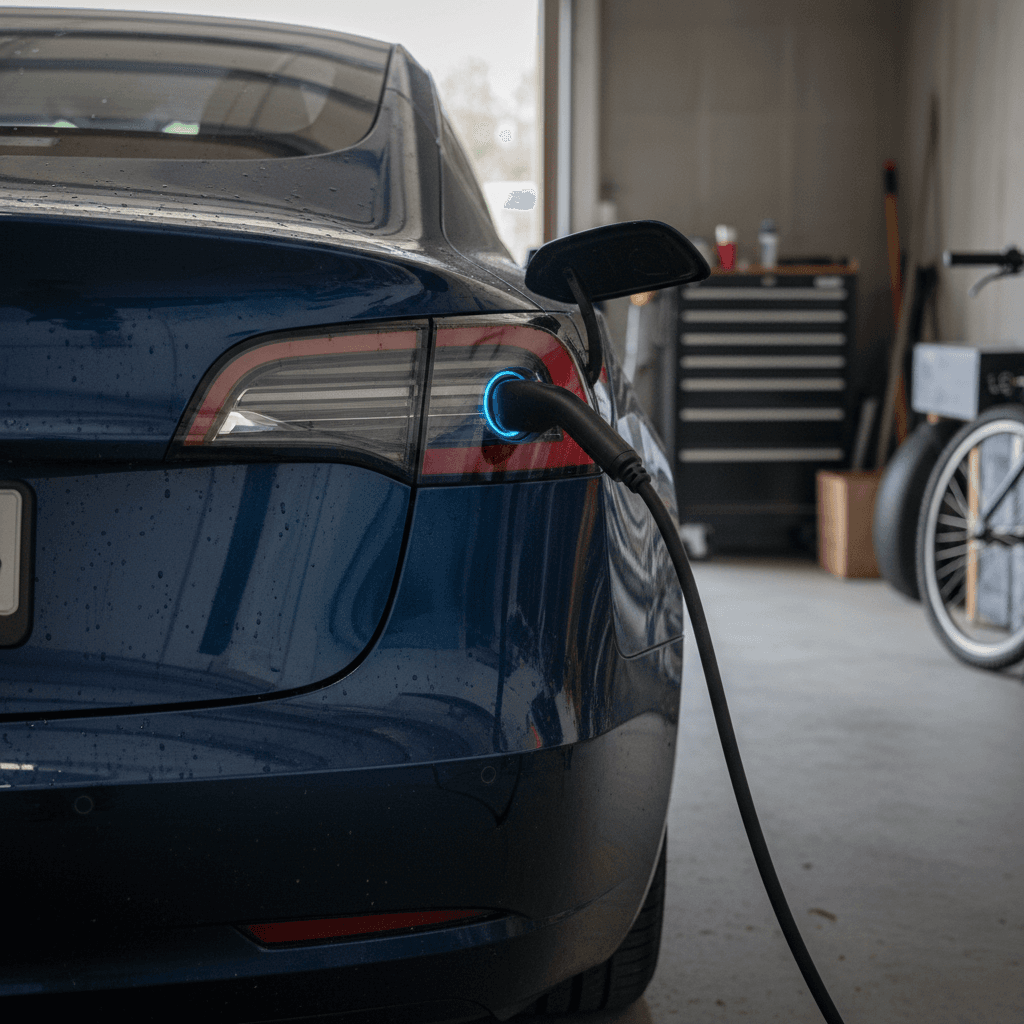
For any used EV, long‑term reliability is really a question about the battery: Will it hold enough charge five or ten years in to keep the car useful? On that front, the 2021 Model 3 is generally reassuring, with a few wrinkles you should know about.
- Most 2021 Model 3 owners report single‑digit percentage range loss over the first 3–5 years, especially on Long Range and Performance trims.
- Tesla’s own fleet data suggests Model 3/Model Y packs retain roughly 85% of original capacity at around 200,000 miles, though that’s an average across packs and climates.
- Some 2021 Standard Range / RWD cars use LFP (lithium iron phosphate) chemistry, which tends to be more tolerant of frequent 100% charges but may show different early‑life degradation patterns.
- There are scattered reports of early battery failures on 2021 cars, particularly Standard Range builds, usually handled under warranty but still disruptive for owners.
Use data, not guesswork, on battery health
Warranty coverage for a 2021 Tesla Model 3
Understanding what’s still covered under Tesla’s warranty is crucial to judging reliability risk on a 2021 Model 3 you’re buying in 2026 or later.
Factory warranty coverage on a 2021 Model 3 (U.S.)
Most original warranties start at the in‑service date, not the model year. Always verify the specific car’s delivery date in the Tesla app or service records.
| Component | Typical 2021 coverage | Where a 2021 sits in 2026 | Key fine print |
|---|---|---|---|
| Basic vehicle (bumper‑to‑bumper) | 4 years / 50,000 miles | Many 2021s are at or near the end of basic coverage now | Covers most non‑wear items, but excludes trim squeaks, cosmetic issues, and normal wear. |
| Battery & drive unit – Long Range / Performance | 8 years / 120,000 miles, with minimum 70% capacity retention | Most 2021 LR/Performance cars still have ~4 years of battery coverage remaining | Abuse, improper modifications, or non‑Tesla tampering can void coverage. |
| Battery & drive unit – Standard Range / RWD | 8 years / 100,000 miles, with minimum 70% capacity retention | Standard Range cars have a slightly lower mileage cap but similar time window | Capacity claims usually require clear, consistent data showing loss below spec. |
| Extended battery ESA (where available) | Optional purchased coverage extending battery/drive‑unit protection | Availability depends on region and timing; not all 2021 owners opted in | If present, it’s a strong plus on a used car, keep documentation with the vehicle. |
Battery coverage is generous compared with many gas cars, but basic bumper‑to‑bumper coverage may already be expired on some 2021s.
Why in‑service date matters more than model year
How reliable is a used 2021 Model 3 to buy today?
Why the 2021 Model 3 is a good bet
- Powertrain durability: The motor and battery system have proven capable of high mileage with modest degradation.
- Post‑refresh build: By 2021, Tesla had already iterated on early‑run issues from 2017–2019 Model 3s.
- Over‑the‑air fixes: Many software‑type bugs can be addressed via updates without a service visit.
- Strong owner satisfaction: Even owners who report issues often say they’d buy another Tesla, which isn’t what you see with truly unreliable cars.
Where you still need to be cautious
- Quality‑control lottery: Panel gaps, squeaks, and rattles vary more from car to car than on a typical Toyota or Honda.
- High repair costs: Out‑of‑warranty suspension, glass, and electronics repairs can be more expensive than on mainstream brands.
- Service bottlenecks: Limited service capacity in some regions means longer waits when something does go wrong.
- Outlier battery failures: While rare, a handful of 2021 packs have failed early, your best defense is good diagnostics and remaining warranty.
Put simply, a well‑vetted 2021 Model 3 with a healthy battery and clean history can be a very reliable daily driver by EV standards. The risk isn’t so much that “all 2021s are bad,” but that the spread between a great car and a headache‑prone one is wider than you’d see on something like a Camry Hybrid. Your job as a buyer is to narrow that spread through careful inspection and smart use of data.
Inspection checklist before you buy a 2021 Model 3
Pre‑purchase reliability checklist for a 2021 Model 3
1. Pull a detailed vehicle history
Start with a Carfax or similar report to check for accidents, structural damage, airbag deployments, and frequent ownership changes. Multiple owners in a short time isn’t always a red flag, but it should prompt more scrutiny.
2. Verify battery & warranty status
Ask for the in‑service date and current odometer reading. Confirm remaining basic and battery warranty in the Tesla app or through Tesla service. If possible, obtain a recent battery‑health report or at least a photo of the projected range at 100% charge.
3. Test drive for suspension & noise
Drive at low speed over speed bumps and rough pavement, then at highway speeds. Listen for clunks, creaks, and wind noise. A good 2021 Model 3 should feel tight and quiet, aside from normal EV tire hum.
4. Inspect paint, glass, and underbody
Look closely at panel alignment around doors, trunk, and hood. Inspect paint behind wheels and along rocker panels for chips or early corrosion, especially in snow‑belt states. Check for cracks or prior replacement on the windshield and glass roof.
5. Exercise every door & emergency release
Open every door from both inside and outside. Learn where the mechanical releases are and verify they work smoothly, this is important both for day‑to‑day usability and emergency egress in a crash or power failure.
6. Stress‑test charging and electronics
If possible, plug into a Level 2 charger and start/stop a session several times. Cycle through cameras, Autopilot (on a safe, clear road), navigation, Bluetooth, and media. Look for warning messages or repeatable glitches.
How Recharged reduces your risk
How Recharged evaluates 2021 Model 3 reliability
Because Tesla’s reliability story is so uneven from one car to the next, Recharged leans heavily on data and standardized inspections rather than reputation alone.
Inside the Recharged reliability evaluation
What happens before a 2021 Model 3 ever gets listed on our site
Battery & charging diagnostics
We pull data on pack health, charging behavior, and fault codes where available, then cross‑check against mileage and age. That feeds into the battery component of the Recharged Score.
Mechanical & NVH inspection
Our EV‑specialist inspectors drive the car over varied surfaces and speeds to identify suspension noise, alignment issues, and excessive squeaks or rattles that could hurt your ownership experience.
History & value analysis
We combine vehicle‑history data with current EV market trends to flag unusual ownership patterns and price the car fairly relative to its condition, mileage, battery health, and remaining warranty.
Ready to find your next EV?
Browse VehiclesFinancing and trade‑in on a used 2021 Model 3
FAQ: 2021 Tesla Model 3 reliability rating
Frequently asked questions about 2021 Model 3 reliability
Bottom line: should you worry about 2021 Model 3 reliability?
If you’re hoping for a car that never squeaks, never needs a visit to the service center, and shrugs off neglect, the 2021 Tesla Model 3 isn’t that car. If, instead, you’re looking for a modern EV whose electric powertrain is fundamentally robust, whose known issues are mostly manageable with good inspection, and whose driving experience is compelling enough that most owners would buy again, a carefully chosen 2021 Model 3 is absolutely worth considering.
The key is to treat "2021 Tesla Model 3 reliability rating" not as a single number, but as a range that depends heavily on how each individual car was built, driven, and maintained. Use battery data, thorough inspection, and remaining warranty, not just star ratings, to separate the great examples from the borderline ones. And if you’d rather have that homework done for you, browsing Recharged’s inventory of inspected, scored used EVs (including Model 3s) is a straightforward way to get the benefits of Tesla ownership with a lot less uncertainty.