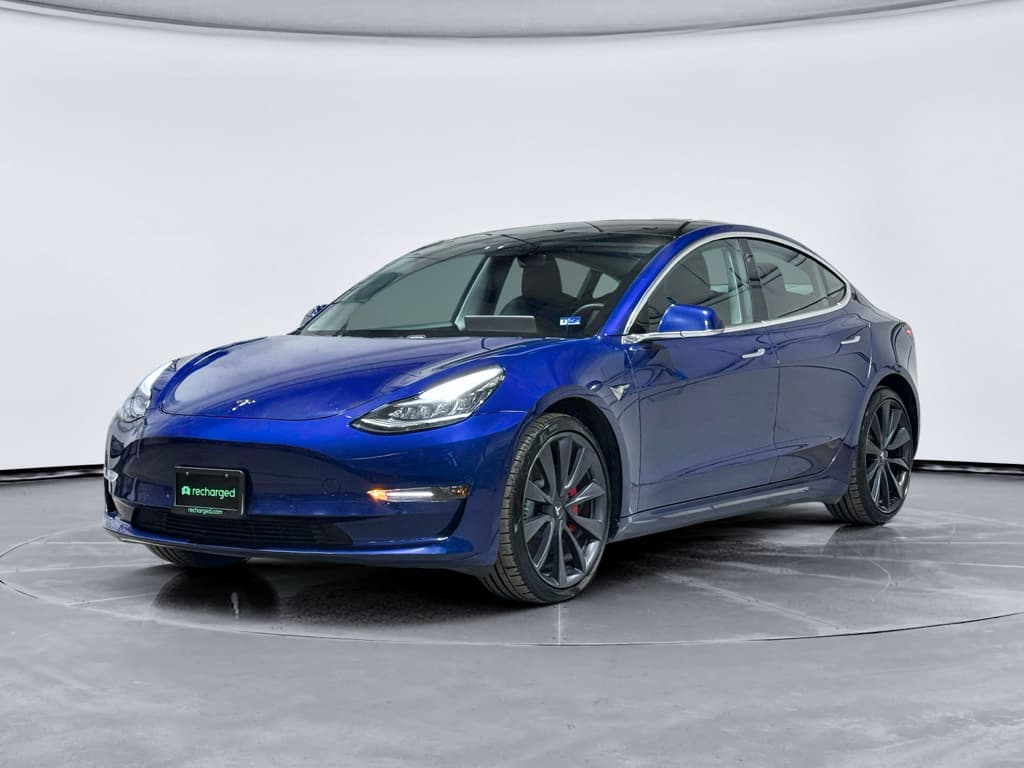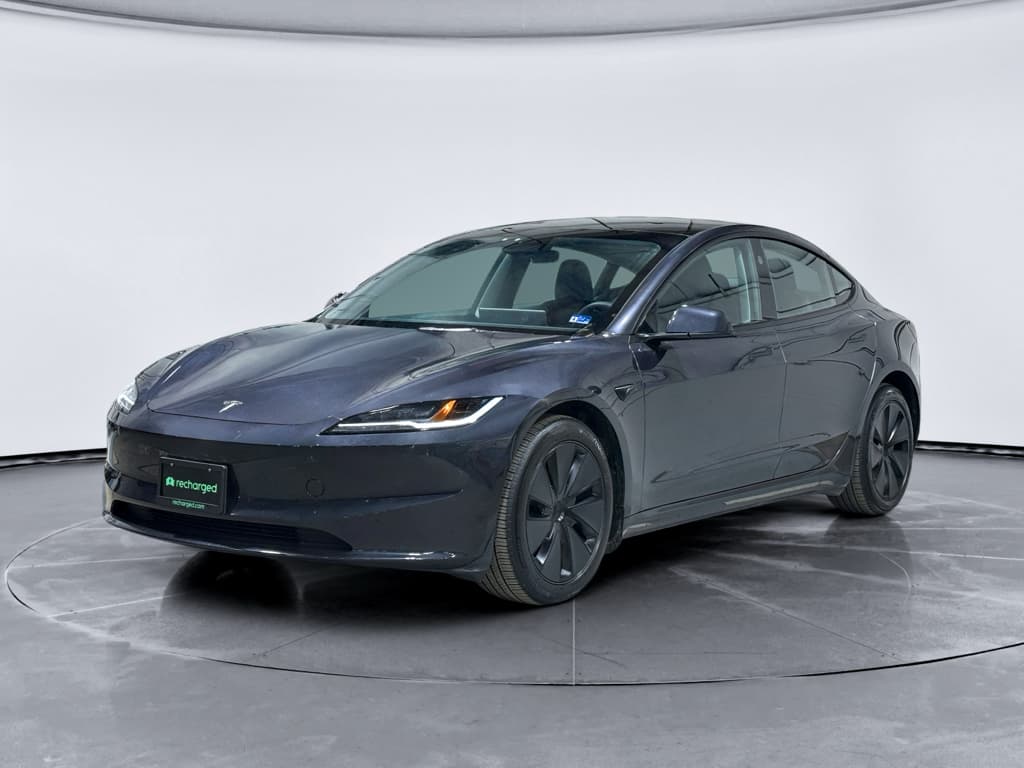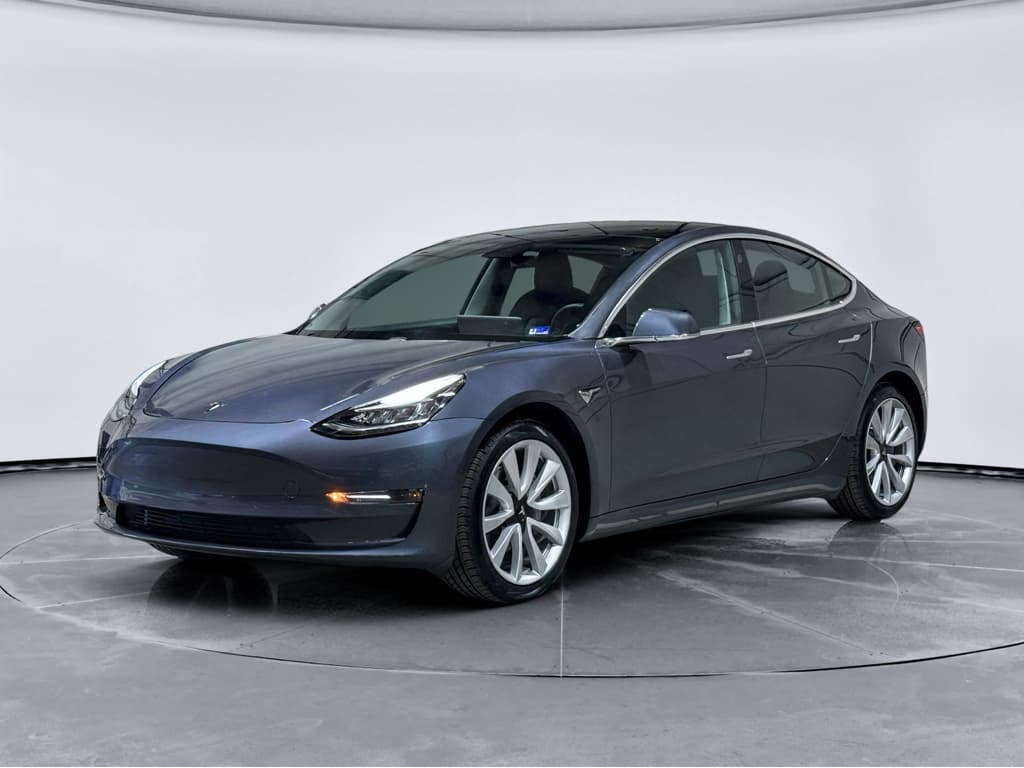
If you’re shopping for a used EV, the 2021 Tesla Model 3 sits in a sweet spot: newer tech than early Model 3s, but meaningfully cheaper than today’s new Teslas. This buying guide walks you through trims, real‑world range, pricing and depreciation, battery health, known 2021 issues, and a step‑by‑step inspection checklist so you can decide if a 2021 Model 3 is the right move for you.
Model year vs build date
Why the 2021 Model 3 is a smart used buy
What improved by 2021
- Heat pump added with the 2021 refresh for more efficient cabin heating and better cold‑weather range.
- Quieter cabin thanks to double‑pane front side glass and other NVH tweaks.
- Refined interior with revised center console, matte black trim, and powered trunk.
- Build quality generally better than 2017–2019 early cars.
Where it still beats newer options
- Similar range and performance to many 2023–2024 EVs, at a significantly lower price.
- Access to Tesla’s Supercharger network without adapters or apps from other networks.
- Continuous over‑the‑air software updates keep the car feeling current.
- Many 2021s still carry original 8‑year battery and drive unit warranty, depending on in‑service date and mileage.
2021 is a good value pivot year
2021 Tesla Model 3 trims and key specs
The 2021 Model 3 came in three main configurations in the U.S. Each shares the same minimalist interior and core tech, but range and performance differ meaningfully. When you shop, verify the exact trim in the Tesla app or on the window sticker rather than trusting the listing title alone.
2021 Model 3 trims at a glance
Approximate EPA range and performance for the 2021 Tesla Model 3 lineup. Real‑world numbers will be lower in cold weather or at highway speeds.
| Trim (2021) | Drive | EPA range when new* | 0–60 mph (approx.) | Battery type |
|---|---|---|---|---|
| Standard Range Plus / Rear‑Wheel Drive | RWD | ≈ 263 miles | ~5.3 s | LFP or NCA depending on build |
| Long Range | Dual‑motor AWD | ≈ 353 miles | ~4.2 s | NCA |
| Performance | Dual‑motor AWD | ≈ 315 miles | ~3.1 s | NCA |
Numbers below are EPA ratings when new; expect some degradation and real‑world variation by 2026.
LFP vs NCA batteries
Trim choice should start with your daily use: if you mostly commute under 60 miles a day and take occasional road trips, the Standard Range Plus can be plenty and is usually the cheapest to buy. If you road‑trip often or live in a cold climate, the Long Range’s bigger buffer makes winter and high‑speed driving less stressful. The Performance trim adds serious acceleration and sportier tuning, but comes with larger wheels that cut range and increase tire costs.
Real‑world range and charging for 2021 Model 3
2021 Model 3 range expectations in 2026
Ignore the marketing fantasy of driving EPA range from 100% down to zero. What matters is the distance you can comfortably cover between roughly 10% and 80% state of charge. For a healthy 2021 Long Range car, that’s usually around 180–220 miles at U.S. highway speeds in decent weather; for a Standard Range Plus, think more like 130–160 miles. Cold weather, higher speeds, roof racks, and big wheels all push those numbers down.
Cold‑weather reality check
- Level 2 home charging at 32–40A will typically add 25–35 miles of range per hour on a 2021 Model 3.
- All 2021 trims can use Tesla’s Supercharger network directly, which is still the most seamless long‑distance option in North America.
- DC fast charging is fastest from ~5–50% state of charge; after that, power tapers to protect the battery. Plan road trips around more frequent, shorter stops instead of always charging to 90–100%.
Pricing and depreciation in 2026
The Model 3 used to be nearly bulletproof on resale; since 2023, values have come back to earth. That’s good news if you’re buying in 2026, as long as you understand why prices dropped and how to separate a fair deal from a future headache.
What drives 2021 Model 3 prices today
Why some cars are thousands apart despite similar odometers
Trim & options
Performance and Long Range cars still command a premium over Standard Range Plus, especially in regions with long highway commutes.
Full Self‑Driving (FSD) can add value for some buyers, but don’t overpay for it if you’re skeptical about its usefulness or future regulation.
Mileage & usage
Everything else equal, a 2021 with 25,000 miles is more attractive than one with 75,000. But how those miles were driven (lots of DC fast charging vs home charging) also matters for battery health.
Condition & history
Clean accident history, intact paint and interior, and documented service or warranty work all support stronger pricing, and lower risk for you.
As of early 2026, many 2021 Model 3s in the U.S. trade in the mid‑$20,000s to low‑$30,000s, depending heavily on trim, mileage, and condition. Long Range and Performance cars with low miles and clean histories can still push higher; high‑mileage or rough examples can dip below that range. The Model 3 has generally depreciated more slowly than the average EV, but faster than many buyers expected, especially since Tesla has repeatedly cut new‑car prices.
How to sanity‑check a price
Battery health on a 2021 Model 3: what to look for
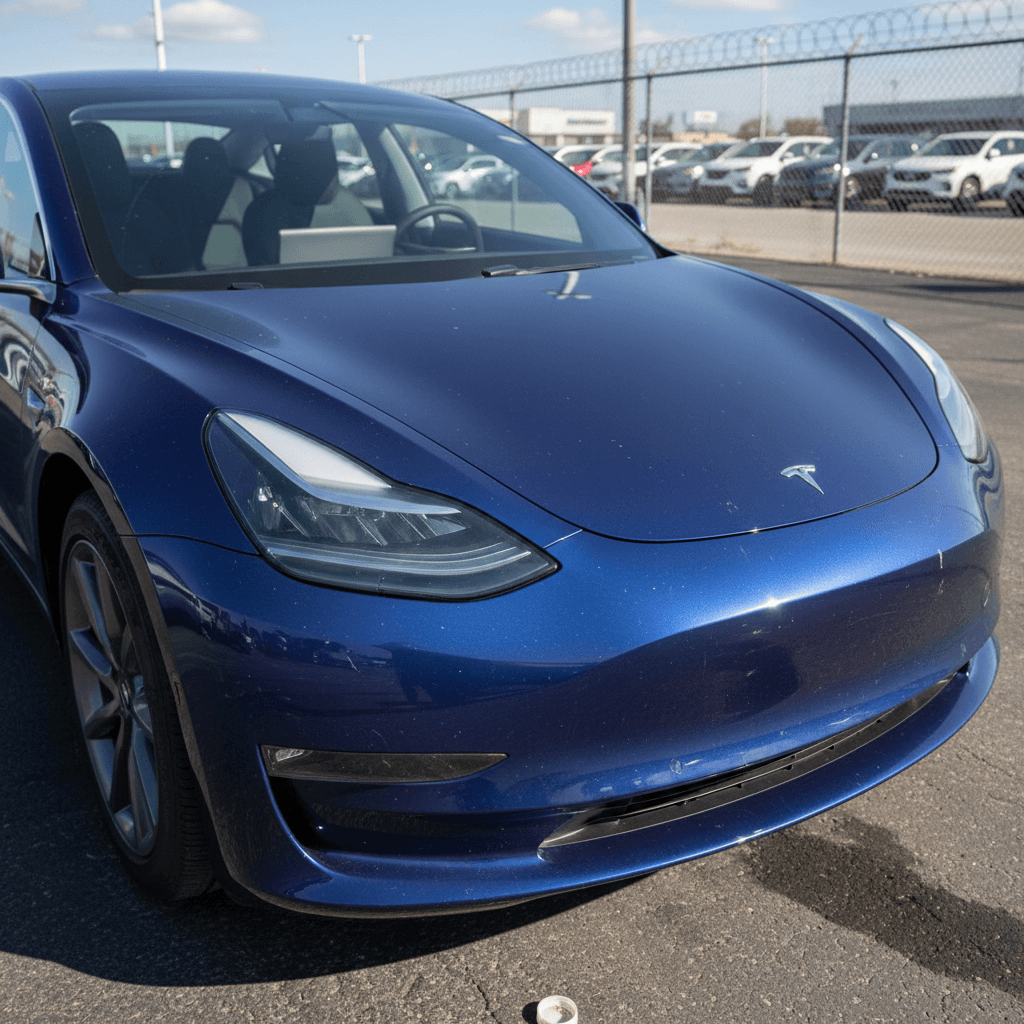
Battery health is the make‑or‑break factor for any used EV, and that’s doubly true with a relatively high‑range car like the Model 3. The good news: most 2021 packs are holding up well in normal use. The bad news: abuse and heavy DC fast charging can hide behind pretty paint.
How to quickly gauge 2021 Model 3 battery health
Start with these three checks before you fall in love with the color
Displayed range at known SOC
Ask the seller to set the charge limit to 100% and note the displayed rated range when fully charged. Compare it to typical new values (≈263 miles for SR+, ≈353 miles for LR). A modest drop is normal; a huge gap may signal accelerated degradation.
Charging history
Frequent DC fast charging and daily 90–100% charges can age the pack faster. If the seller used mostly home Level 2 charging and kept daily limits around 70–80%, that’s a green flag.
Service and warranty status
Review any previous battery‑related service visits and check how much of the original 8‑year/100k–120k‑mile battery warranty remains based on the in‑service date and odometer.
Understanding Tesla’s battery warranty
Leverage objective diagnostics
Common 2021 Model 3 issues and how to handle them
By 2021, Tesla had ironed out many of the worst early Model 3 quality problems, but this still isn’t a Lexus. The main questions you should ask are: will this problem annoy me, does it affect safety, and is it covered or fixable at a reasonable cost?
Typical 2021 Model 3 problem areas
These are issues that show up repeatedly in owner reports and reliability surveys. Not every car will have them, but you should check for them when you inspect and test‑drive.
| Issue | How it shows up | Why it matters | What you can do |
|---|---|---|---|
| Phantom braking on Autopilot | Sudden brief braking on highways with no obvious obstacle, especially in low‑contrast lighting | Annoying; can be dangerous if someone is following closely | Keep following distance generous, be ready to take over, and avoid Autopilot on known trouble routes. |
| Wind noise & trim rattles | Whistling around mirrors or A‑pillars at speed; buzzes over rough pavement | Mostly comfort and perceived quality issue | Test drive at highway speed, note any noises; some can be addressed with seals or adjustments. |
| Heat pump noise | Louder whooshing or buzzing from the front when heating, especially in cold temps | Normal to a point; excessive noise can indicate component issues | Compare to another 2021 if possible; ask about HVAC‑related service history. |
| Touchscreen / MCU glitches | Screen freezes or reboots, laggy interface | Central screen controls nearly everything; persistent issues are a safety and usability concern | Check for recent software updates; if behavior is chronic, budget for out‑of‑warranty repair if coverage has lapsed. |
| Paint & corrosion spots | Chips, thin paint on rocker panels, occasional early surface corrosion in harsh climates | Aesthetic, but rust can worsen if ignored | Inspect lower body carefully; consider paint‑protection or touch‑ups, especially in snowy or coastal regions. |
Use this as a conversation starter with the seller and, if applicable, your inspection shop.
Safety systems deserve extra scrutiny
Must‑check items before you buy
A 2021 Model 3 is software‑heavy and quirky in ways traditional inspection checklists don’t always capture. Use the list below as a structured way to separate great cars from future headaches.
2021 Model 3 pre‑purchase checklist
1. Confirm trim, build date, and warranty
Open the Tesla app or in‑car screen to confirm the exact trim, motor configuration, and software options (like Enhanced Autopilot or FSD). Check the build month on the door jamb and verify how much battery/drive unit warranty remains based on the original in‑service date and mileage.
2. Review battery health indicators
Note displayed full‑charge range, check for any battery or charging‑related alerts, and ask about typical charging habits (home vs Supercharger, daily charge limit). If you’re buying remotely, request screenshots from the energy and charging screens.
3. Test Supercharging and AC charging
If possible, plug into both a Level 2 AC charger and a Supercharger. Confirm the car wakes up, charges normally, and doesn’t throw errors. Pay attention to how quickly power ramps up at low state of charge on DC fast charging.
4. Exercise all doors, windows, and latches
Open and close each door, trunk, and frunk from the app, the key card, and the interior switches. Make sure windows index properly and seals don’t bind. Given Tesla’s reliance on electronic latches, you want everything working cleanly.
5. Drive at highway speed
Take at least a 10–15 minute test drive that includes highway speeds. Listen for wind noise, rattles, or humming from the drivetrain. Try gentle lane changes, moderate acceleration, and a test of Autopilot if equipped and safe to do so.
6. Scan for software and feature issues
Check that basic features like Bluetooth, navigation, backup camera, and parking sensors all work. Verify that any paid software options (like FSD) actually appear on the car’s software page, don’t just take a listing’s word for it.
How Recharged streamlines this
Ready to find your next EV?
Browse VehiclesWhere to buy and how Recharged helps
Shopping channels you’ll encounter
- Tesla direct used inventory: Convenient for trade‑ins and certified repairs, but pricing often assumes you’ll accept less transparency on battery health and prior usage.
- Franchise and independent dealers: Inventory can be hit‑or‑miss, and many stores still treat EVs like gas cars, without the right tools to evaluate battery health.
- Private party sales: You may find the occasional bargain, but you’re on your own for inspection, paperwork, and financing.
How Recharged is different
- Used‑EV specialists: We focus on electric vehicles, with techs trained specifically on EV diagnostics and battery testing.
- Recharged Score: Every car includes an easy‑to‑read report covering verified battery health, pricing vs market, and overall condition.
- Flexible ways to buy and sell: Finance your 2021 Model 3, trade in your current car, or consign a Tesla you’re ready to move on from.
- Nationwide experience, local touch: Shop fully online or visit our Experience Center in Richmond, VA, then arrange nationwide delivery to your driveway.
Lock in financing early
Frequently asked questions about the 2021 Model 3
2021 Tesla Model 3 buying FAQ
Bottom line: should you buy a 2021 Model 3?
If you want a relatively affordable EV that still feels cutting‑edge, a well‑chosen 2021 Tesla Model 3 is hard to beat. You’re getting mature hardware, better range and charging than most direct competitors, and access to the most robust fast‑charging network on the continent.
The key is to buy the car in front of you, not the idea of a Model 3. Confirm the trim and build date, dig into battery health and charging history, listen for squeaks and rattles on a real highway drive, and treat software and camera issues as more than cosmetic. A few hours of diligence now is the difference between a car you love for the next decade and one that constantly reminds you what you missed.
If you’d rather not become a full‑time EV detective, Recharged was built for this exact problem. Our Recharged Score Report, EV‑focused inspections, transparent pricing, financing, trade‑in options, and nationwide delivery are designed to make buying a used 2021 Model 3 as straightforward as buying any mainstream sedan, just with a lot more instant torque.