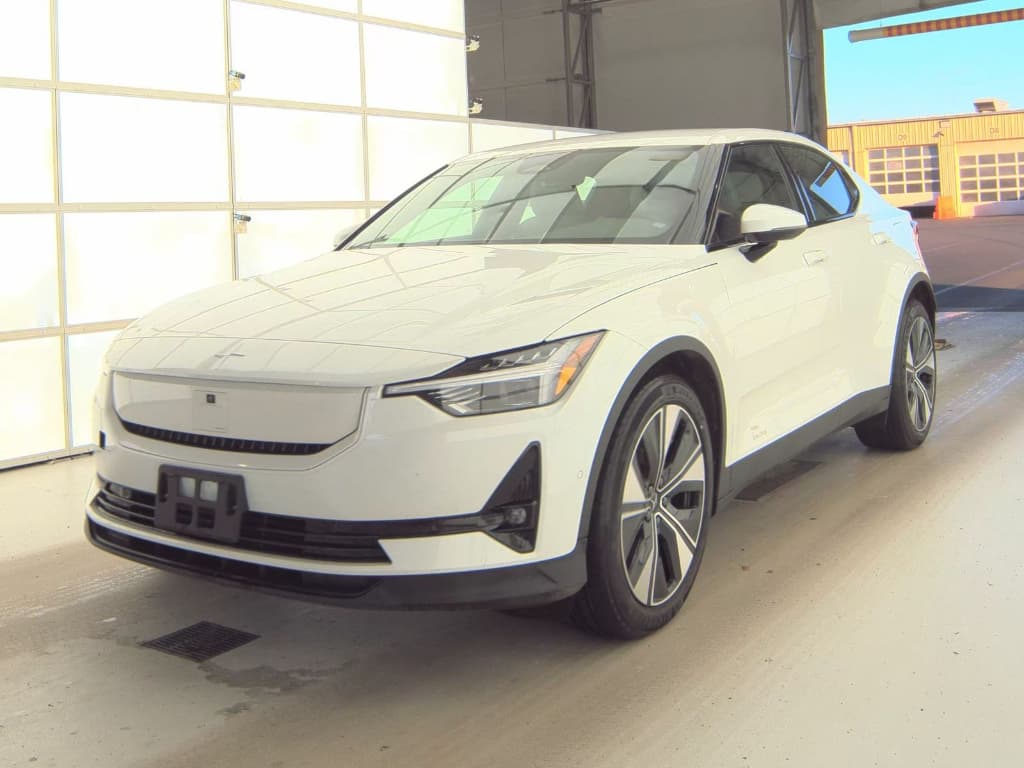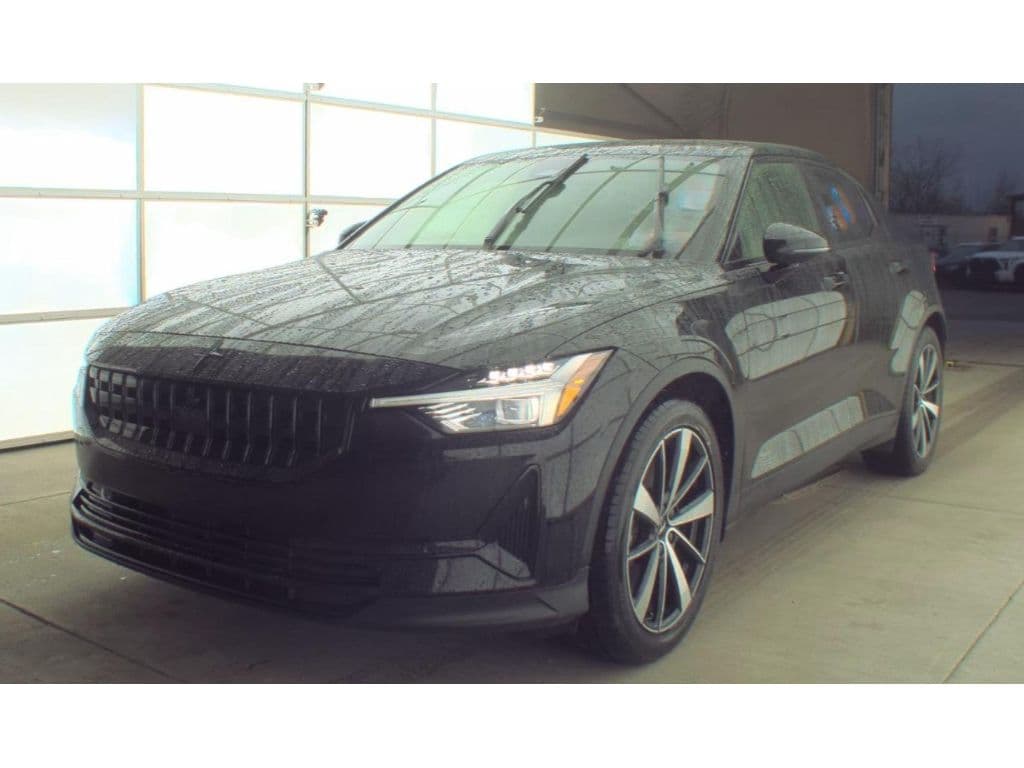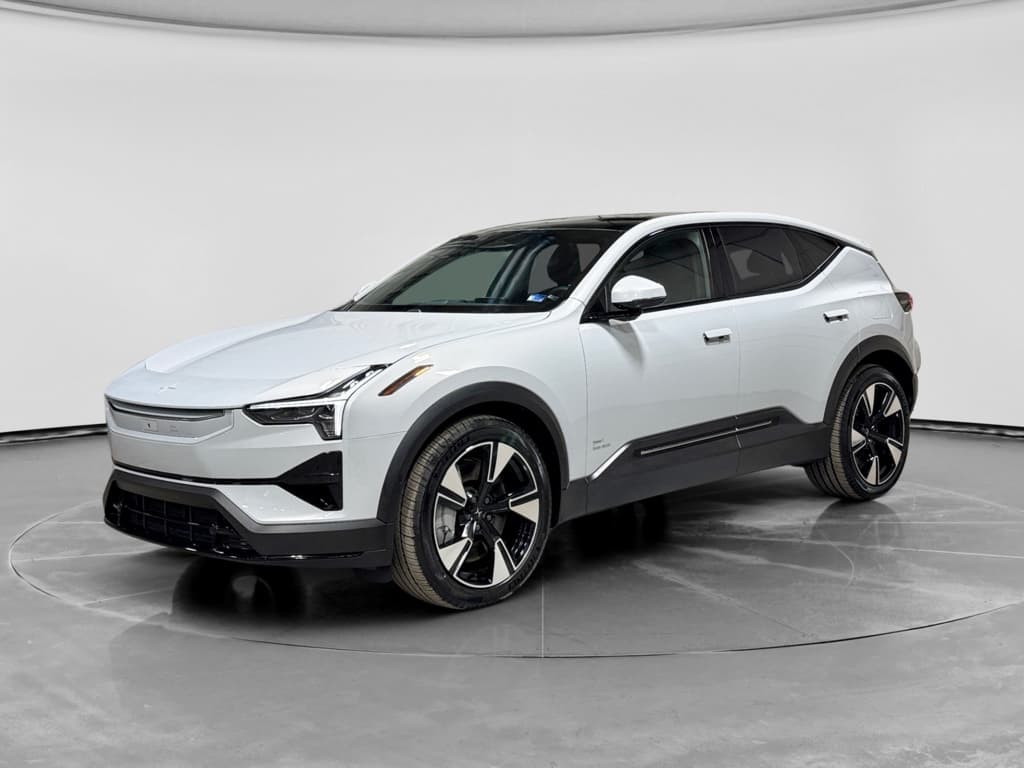
You’re not imagining it: the 2021 Polestar 2 has taken a harder depreciation hit than many people expected. That makes understanding your 2021 Polestar 2 trade-in value in 2026 both frustrating and crucial, especially if you’re deciding between trading it at a dealer, listing it on a marketplace, or just keeping it a bit longer.
Quick context
2021 Polestar 2 trade-in value at a glance
Typical 2021 Polestar 2 value snapshot (early 2026, U.S.)
Third‑party pricing tools and market data show 2021 Polestar 2 trade‑in offers from traditional dealers commonly in the low‑ to mid‑$10,000s for average‑mileage cars in “clean” condition, while retail and private‑party listings often advertise those same cars in the high‑$10,000s to low‑$20,000s. That gap is essentially the spread between wholesale and retail, plus a risk discount for a still‑niche brand.

How much is my 2021 Polestar 2 worth in trade-in today?
Let’s ground this in numbers. As of early 2026, mainstream appraisal tools show a 2021 Polestar 2 with typical mileage and no major issues trading in around the low‑ to mid‑teens at a franchise dealer. Some examples you’ll see if you run an appraisal with conservative assumptions (clean, average mileage, no big options):
Illustrative 2021 Polestar 2 value ranges (U.S., early 2026)
These are ballpark figures to orient you, not guaranteed offers. Real numbers move with mileage, options, region, and selling channel.
| Scenario | Approx. mileage | Typical dealer trade-in | Likely retail / private asking |
|---|---|---|---|
| Single Motor, base options | 60,000 mi | $12,000–$14,000 | $17,000–$19,000 |
| Dual Motor Launch Edition, well equipped | 45,000 mi | $14,000–$16,000 | $19,000–$22,000 |
| High mileage commuter | 90,000 mi | $9,000–$12,000 | $14,000–$17,000 |
| Low mileage, 1-owner, clean history | 25,000 mi | $15,000–$17,000 | $21,000–$24,000 |
Think of this as a lane marker, not a precise quote. A real offer should always be based on a VIN-specific inspection and battery health data.
Why KBB / Edmunds and a dealer’s offer don’t match
Compared to its sticker price when new, often around or above $60,000 for early Launch Edition cars, a 2021 Polestar 2 that now wholesales in the teens has seen roughly 55–60% depreciation. That sounds brutal, and it is, but it also sets up interesting options if you’re trading out of a Polestar 2 into something with stronger residuals.
What actually drives 2021 Polestar 2 trade-in value
Four levers that move your 2021 Polestar 2’s value
Most appraisers are really just quantifying these core factors.
1. Mileage & usage pattern
EV buyers care about mileage, but more importantly about how those miles were added. A 2021 Polestar 2 with 30,000 highway miles and consistent service records can look better than a 20,000‑mile car that sat, fast‑charged constantly, or skipped maintenance.
2. Condition & history
Accidents, paintwork, curb rash, and interior wear all show up in the appraisal. A clean, one‑owner, no‑accident car with good tires and fresh brakes will always beat a similar‑mileage car with bodywork, odd panel gaps, or smoked brakes.
3. Battery health & warranty
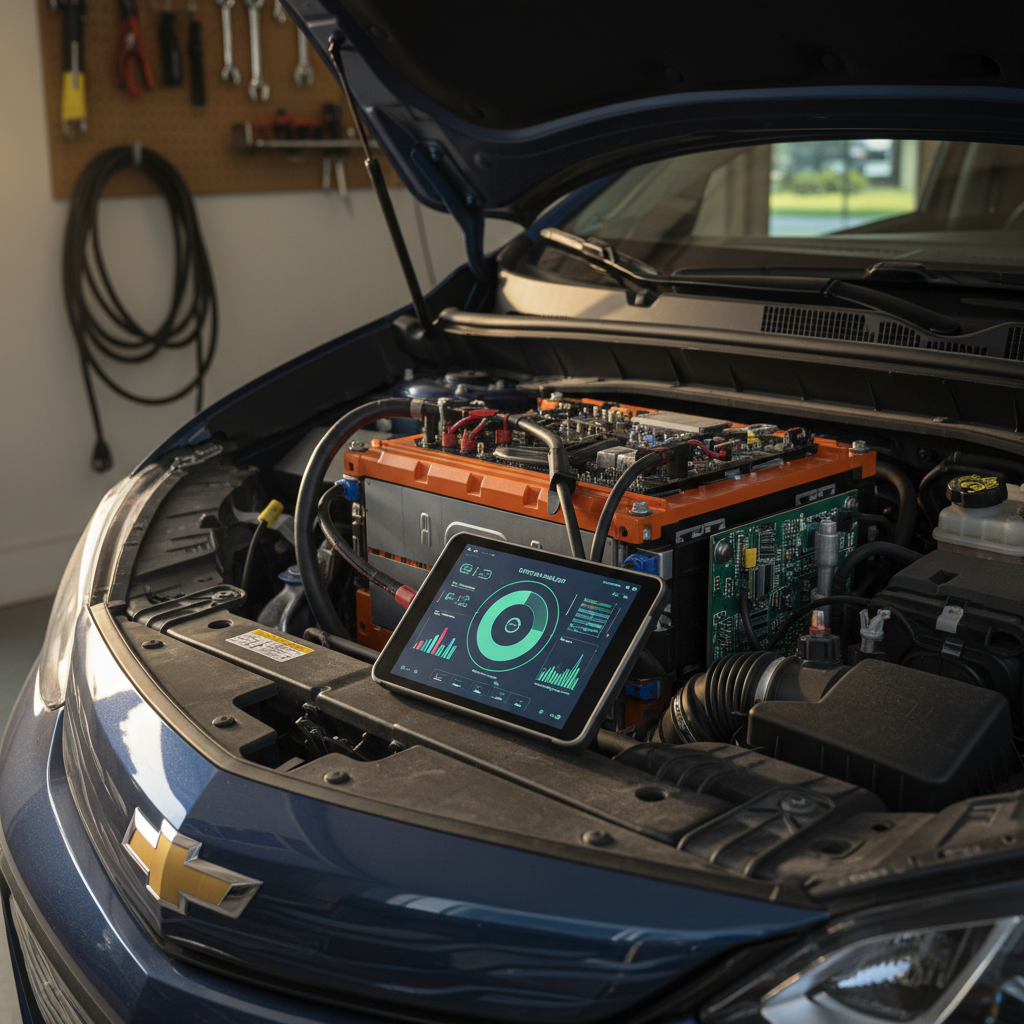
For a 2021 EV, the appraiser is trying to answer: “How healthy is this pack and how long is it covered?” Strong battery diagnostics and remaining 8‑year / 100,000‑mile high‑voltage warranty coverage are big confidence boosters.
4. Trim, options & brand risk
Dual Motor, Pilot and Plus packages, and desirable wheels help. But the bigger, softer factor is that Polestar is still a niche brand in the U.S., so dealers price in extra risk compared with a Tesla Model 3 or Hyundai Ioniq 5.
Pro tip: think like a buyer, not a seller
Real-world examples: trim, mileage, and condition
Scenario A: Early adopter, Launch Edition
You bought a 2021 Dual Motor Launch Edition, loaded with Plus and Pilot, now at 48,000 miles. It’s been serviced on schedule, has no accidents on record, and the tires and brakes are in good shape.
- Dealer trade-in: Often mid‑teens, depending on region.
- Retail / marketplace listing: High teens to low twenties.
- Key swing factor: Documentation of clean history and battery health can nudge you toward the top of those ranges.
Scenario B: High-mileage commuter
Your 2021 Single Motor car has 92,000 miles, a couple of cosmetic dings, and one minor accident that shows on the Carfax. It drives fine, but it’s on its second set of tires and brakes.
- Dealer trade-in: Can fall toward or even below $10,000.
- Retail / marketplace listing: Typically mid‑teens if priced sharply.
- Key swing factor: Still being within the 8‑year battery warranty is a big plus; cosmetic fixes may or may not pencil out.
In both cases, the same basic car can land in very different places depending on where it’s appraised and who is taking on the risk. That’s why getting multiple offers, including from EV‑focused marketplaces like Recharged, often reveals thousands of dollars of spread.
How battery health and warranty affect your offer
With any four‑to‑five‑year‑old EV, an appraiser is quietly asking two questions: “Is the battery healthy?” and “If something goes wrong, who’s paying for it?” On a 2021 Polestar 2 in 2026, you’re roughly halfway through the 8‑year / 100,000‑mile high‑voltage battery warranty, which is good news. But actual battery health still matters.
- Healthy pack with minimal degradation: supports stronger trade-in and resale numbers, especially when you can document it.
- Noticeable degradation or software-limited packs: appraisers will assume higher future risk and either lower the offer or walk away.
- Out-of-pattern usage (constant DC fast charging, lots of time at 100% SOC): may not show up in a quick test, but can worry experienced EV buyers.
- Warranty remaining: more remaining years and miles on the high-voltage warranty generally translate into more aggressive offers.
Where Recharged fits in
Ready to find your next EV?
Browse VehiclesWhere you sell: dealer trade-in vs marketplace vs private
How different selling channels treat a 2021 Polestar 2
Trade-in value isn’t just about the car; it’s also about who’s writing the check and how they plan to resell it.
| Channel | Typical value vs. dealer trade-in | Pros | Cons |
|---|---|---|---|
| Traditional dealer trade-in | Baseline (0%) | Fast, simple, can roll equity directly into next car; sales tax advantage in many states when trading. | Usually the lowest number on the table; some dealers are wary of niche EV brands and bid very conservatively. |
| Instant cash offer / big-box used car chain | +0% to +5% | Slightly more competitive than some franchise dealers; convenient online appraisals. | Still wholesale-minded; will price in heavy risk for EVs they don’t know well. |
| Digital EV marketplace (like Recharged) | +5% to +15% | EV-savvy buyers, professional photos, battery health report, and pricing guidance; often near private-party value with far less hassle. | Takes a bit more time than a same-day trade; you may need to coordinate pickup or delivery. |
| Private-party sale | +10% to +20% | Maximum possible price if you find the right buyer and market the car well. | You’re doing the work: photos, listings, screening buyers, test drives, paperwork, and sometimes financing hurdles. |
Think of this as a spectrum from convenience (dealer trade-in) to maximum value (well‑executed private or marketplace sale).
Why dealers haircut niche EVs
7 ways to boost your 2021 Polestar 2 trade-in value
Practical moves that actually change the number
1. Fix the inexpensive, obvious stuff
Curb‑rashed wheels, cracked glass, missing charge cables, and obvious cosmetic blemishes are low‑hanging fruit. A couple hundred dollars at a wheel shop or detailer can easily add more than that to a serious buyer’s offer.
2. Get a fresh detail before appraisals
A clean, odor‑free interior and polished exterior don’t magically erase depreciation, but they help an appraiser feel better about the car. Clean cars signal careful owners, and careful owners tend to get better numbers.
3. Gather your paperwork
Service invoices, recall proof, charging equipment receipts, and any warranty or CPO documentation all help. The more you can show that the car has been maintained and updated, the less risk a buyer has to price in.
4. Show battery and range data
If you can document real‑world range, recent battery health checks, or software updates, do it. For an EV‑savvy buyer, or a marketplace like Recharged, that information directly supports stronger pricing.
5. Shop more than one offer
Don’t stop at a single franchise dealer. Get at least one instant‑cash style quote and one EV‑focused marketplace valuation. Even if you stick with the dealer, competing numbers give you leverage.
6. Time your move around seasonality
EV demand often softens in very cold months and spikes when gas prices jump or tax refunds hit. If you have flexibility, trading or selling when buyers are thinking about EVs, not winter tires, can help.
7. Consider selling, not just trading
For a 2021 Polestar 2, the gap between wholesale and retail is wide. Selling through a marketplace like Recharged or a well‑managed private listing can be the difference between a $13,000 trade‑in and a $19,000 check.
Step-by-step gameplan before you trade or sell
Two parallel paths: fast trade-in vs maximizing value
If you prioritize convenience
Get a baseline online appraisal from two major pricing tools for your 2021 Polestar 2.
Visit 1–2 local dealers for in‑person trade‑in offers, ideally where you’d consider buying your next vehicle.
Ask each dealer whether they will match or beat any competing instant‑cash offers you’ve received.
Factor in sales tax savings from trading in (where applicable) when comparing offers to cash sales.
If the spread between best dealer offer and marketplace/private value is small, take the easy path.
If you prioritize maximum value
Get a Recharged valuation on your 2021 Polestar 2 and review their fair‑market range with a specialist.
Decide whether you’d rather take an instant offer, consign the car on Recharged, or handle a private sale yourself.
Have the car professionally detailed and photograph it in good light; clean presentation matters online.
Make sure all software updates and open recalls are addressed before serious buyers see the car.
Price the car within the realistic market range, not wishful thinking, slightly competitive pricing usually nets you more, faster.
Once you have a solid buyer or marketplace offer, only then see if a dealer is willing to match it as a trade.
Don’t ignore your payoff or negative equity
2021 Polestar 2 trade-in value FAQs
Frequently asked questions about 2021 Polestar 2 trade-in value
Bottom line: what a 2021 Polestar 2 is really worth
If you bought a 2021 Polestar 2 early, the numbers today are sobering. Rapid EV progress, a high launch MSRP, and brand‑recognition headwinds have pushed trade‑in values into the teens for many cars. But that same depreciation also means your Polestar 2 can be a compelling value for the next owner, especially if you market it with clear battery‑health data and a transparent history.
Your job now is to decide how much convenience you’re willing to pay for. A dealer trade‑in is fast but often the cheapest check. A private or marketplace sale takes more effort but can unlock thousands of extra dollars. If you’d like EV‑savvy help threading that needle, Recharged can value your 2021 Polestar 2, surface your best options, instant offer, trade‑in alternative, or consignment, and back it all with a battery‑health‑driven Recharged Score so you’re not leaving money on the table.