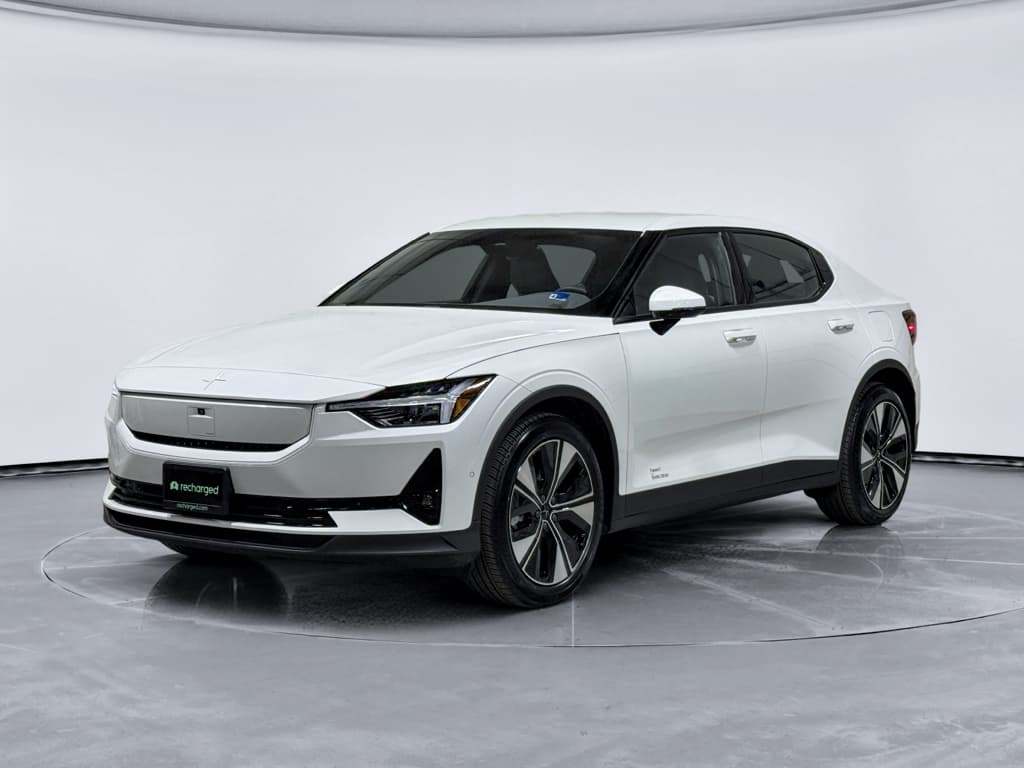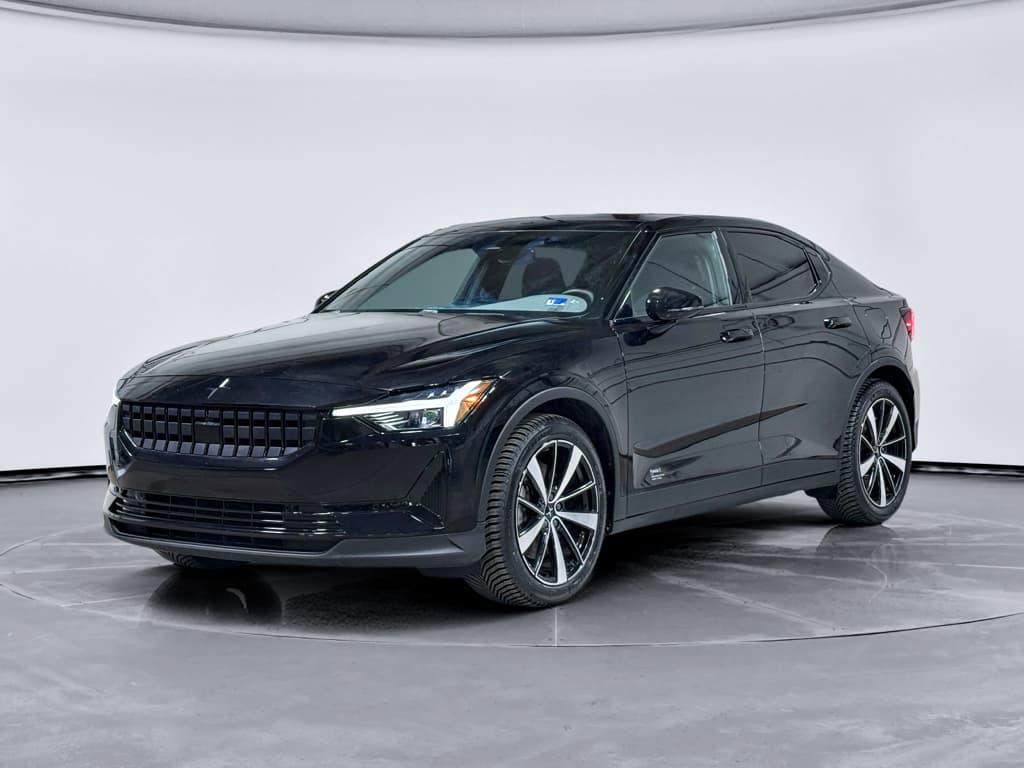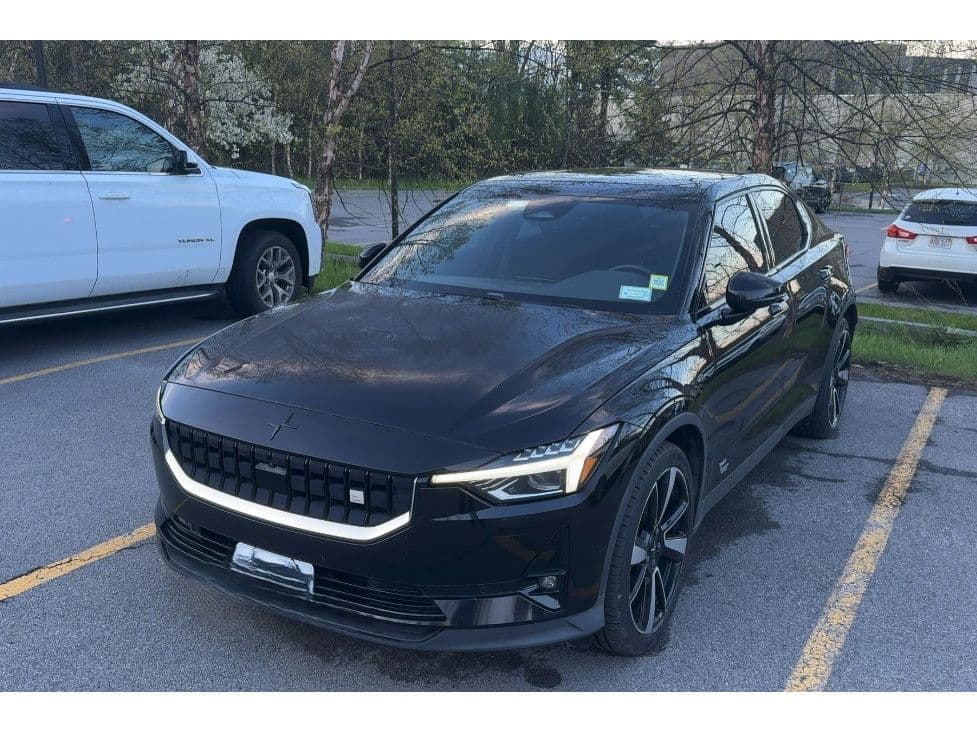
If you’re eyeing a used 2021 Polestar 2, you’re not alone. Early Polestar 2s bring sharp Scandinavian design, strong performance and Google-powered tech at a big discount versus new. But like a lot of first‑wave EVs, the 2021 Polestar 2 has some well‑documented problems, and knowing the fixes is the difference between a great deal and a headache.
Key context for 2021 Polestar 2 shoppers
Overview: How Reliable is the 2021 Polestar 2?
2021 Polestar 2 reliability snapshot
Put simply, the 2021 Polestar 2 isn’t a disaster, but it isn’t trouble‑free either. Recalls have largely focused on **software glitches, battery contactor control and the rear‑view camera**, not on catastrophic driveline failures. Independent data suggests defect and MOT failure rates that are **slightly better than average** for a 2021 EV, but owners report more than their share of infotainment and update frustrations. If you go in understanding those quirks, and verify that recalls and software updates are current, you can end up with a strong value.
Quick summary of common 2021 Polestar 2 problems
- Infotainment freezes, lag and random reboots (Google-based center screen).
- Connectivity and telematics (TCAM) failures that break LTE, GPS, app access and OTA updates.
- Rear‑view camera intermittently failing to display, tied to multiple recalls and software updates.
- High‑voltage contactor / battery-energy control module (BECM) software bugs that can cause sudden loss of drive (addressed via recall).
- Inconsistent over‑the‑air (OTA) updates, some cars get stuck on old firmware and require dealer intervention.
- Range and charging complaints, especially in cold weather or at DC fast chargers, often software‑ or expectation‑related rather than hardware failures.
- Occasional reports of brake feel issues (grabby or inconsistent regen-to-friction transition) and rare software-related braking recalls.
Used-buyer shortcut
Software and infotainment glitches
The 2021 Polestar 2 was one of the first cars to ship with **Android Automotive OS** baked into the dash. That was a big selling point, but also a source of issues. Owners commonly report touchscreen freezes, black screens, laggy menus, audio that cuts out, or the system rebooting while driving. Some see improvement after a soft reset or factory reset; others need dealer intervention and updated firmware.
Typical symptoms
- Center screen becomes unresponsive or freezes.
- Audio (music, calls, navigation prompts) randomly stops.
- System reboots mid‑drive, sometimes losing climate or nav for a minute.
- Reverse camera feed delayed or missing after a reboot.
Owner-level fixes to try first
- Perform a **soft reboot** of the infotainment (hold the home button until the screen restarts).
- Remove and re‑add Google accounts, then re‑pair your phone.
- Check for **pending software updates** in the settings menu when the car has strong LTE or Wi‑Fi.
- If problems persist, document with photos/video and schedule a dealer visit for a full software update.
When it might be more than software
TCAM connectivity and OTA update issues
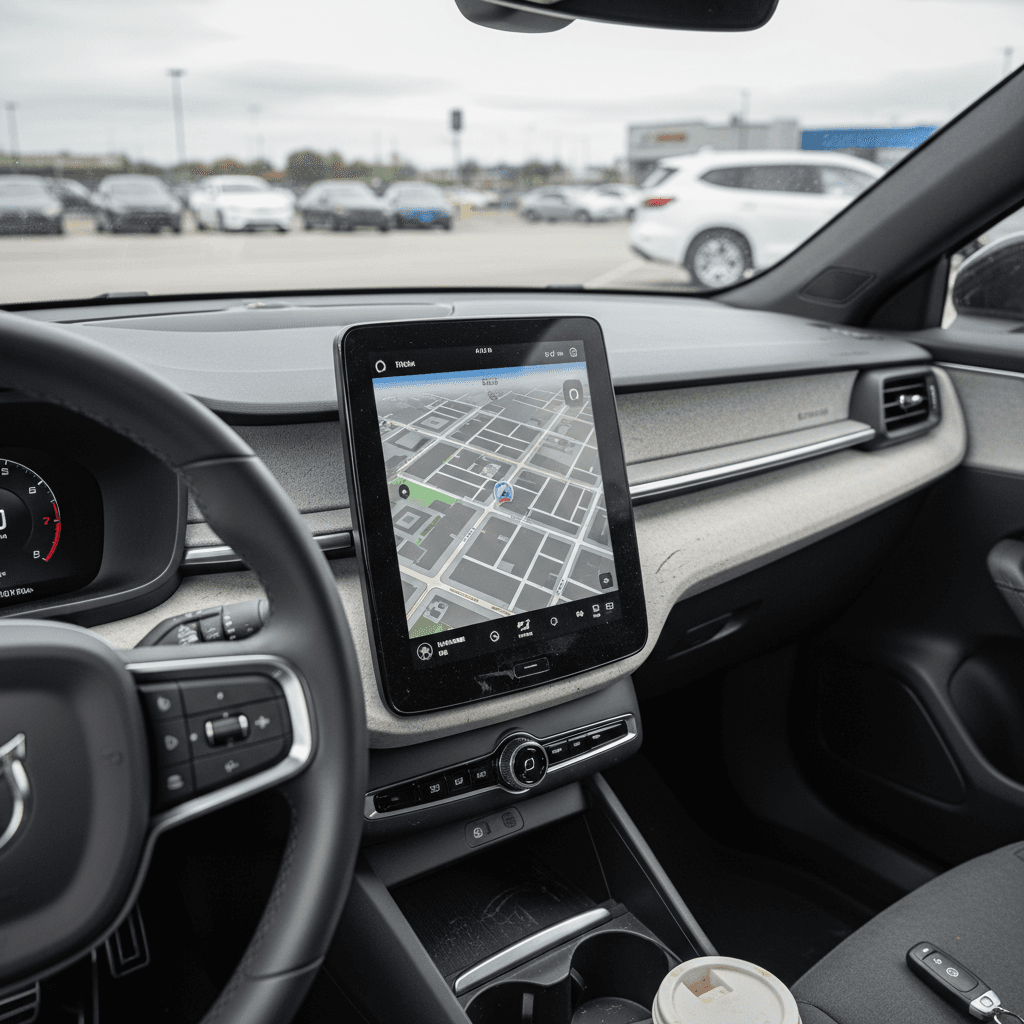
A second big category of 2021 Polestar 2 problems comes from the **TCAM module**, the telematics unit that handles LTE data, GPS, emergency services and communication with Polestar’s servers. When TCAM misbehaves, owners lose app control, real‑time traffic, and, critically, **over‑the‑air (OTA) software updates**.
Common TCAM and connectivity problems
Why some 2021 Polestar 2s fall behind on software
No LTE / online services
You may see a persistent “offline” icon, no live traffic, no Spotify, and maps that won’t load. The Polestar app may show the car as unreachable.
GPS & location glitches
Navigation can place the car in the wrong spot or fail to update your position, making route guidance nearly useless until the system reconnects.
OTA updates fail or never arrive
Many 2021 owners report being stuck on old versions (e.g., P3.x) while newer builds are rolling out. If TCAM is flaky, updates may download incompletely or never trigger.
How to diagnose TCAM issues on a used 2021 Polestar 2
1. Check online status in the car
On the center screen, confirm that LTE signal bars are present and that built‑in apps (Maps, YouTube Music/Spotify) load data quickly. Long “loading” spinners or no network icon are red flags.
2. Test the Polestar app
Pair the car with the Polestar app (if the seller allows). If the app can’t find the car or constantly times out, you may be looking at a TCAM or account‑pairing problem.
3. Look at firmware version
In Settings → System → Software Update, note the current version. If it’s several major releases behind what owners are discussing today, plan on a **dealer visit** to bring it current.
4. Ask about prior TCAM or antenna work
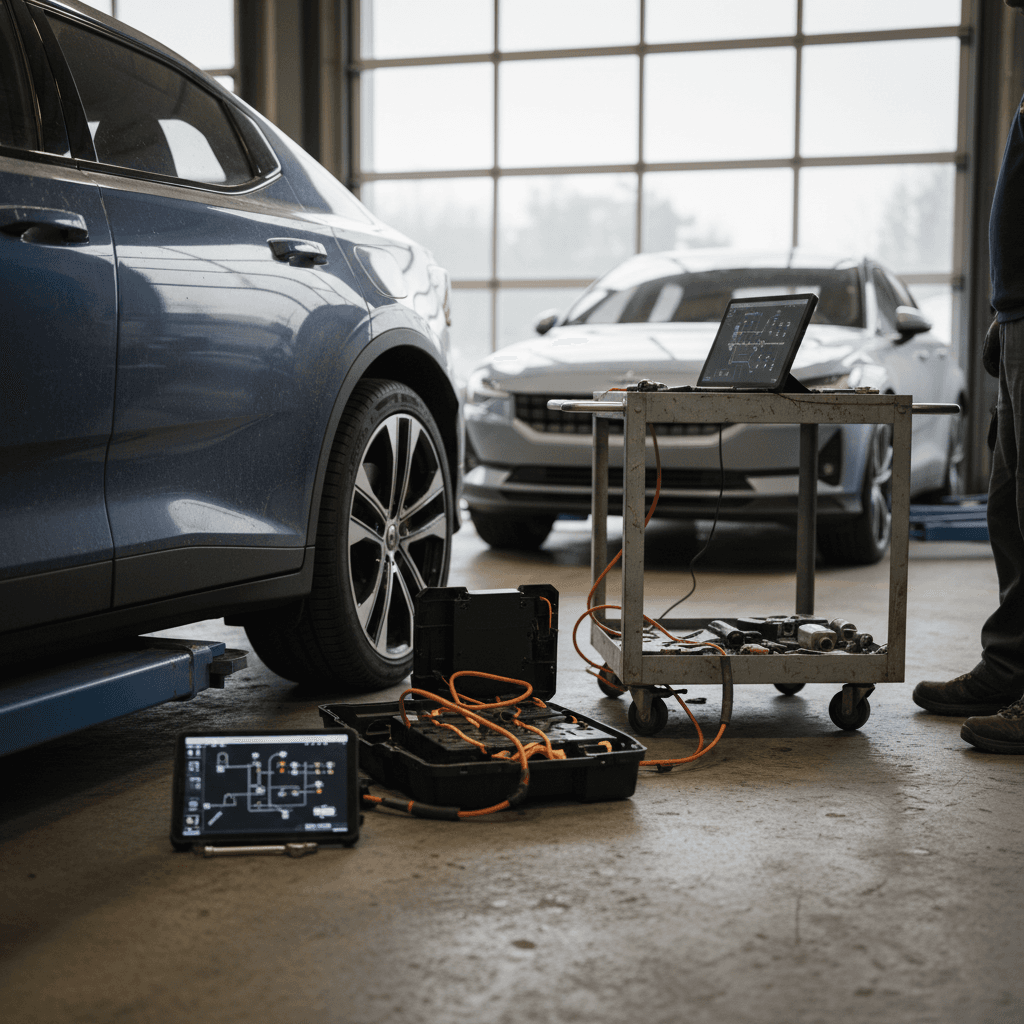
Some cars have had shark‑fin antenna or TCAM replacements because of water intrusion or component failures. A documented repair with current software is a positive sign.
Fixing TCAM and update issues
Rear-view camera and other key recalls
On the safety front, the 2021 Polestar 2 has been hit with several recalls, most notably for **rear‑view camera failures** and **high‑voltage contactor control**. Many of these were addressed with software, but federal regulators have questioned whether early updates fully solved the camera problem, and investigations have continued into 2025.
Major U.S. recalls impacting 2021 Polestar 2 owners
Always run a VIN check on NHTSA or Polestar’s site before you buy.
| Issue | Typical symptoms | Model years involved | Typical fix |
|---|---|---|---|
| High-voltage contactor / BECM reset | Sudden loss of drive, warning lights; car may coast to a stop but still steer and brake. | Early 2021 builds (also some 2020–2022 globally) | Dealer software update to battery-energy control module; in some cases, hardware checks. |
| Rear-view camera not displaying | When shifting into reverse, the camera image sometimes doesn’t appear or cuts out. | 2021–2024 Polestar 2, multiple campaigns | OTA or dealer-installed software updates; ongoing review has considered hardware remedies on stubborn cases. |
| Brake system software behavior | Under specific conditions (e.g., extended downhill one‑pedal driving), braking might not behave as intended. | Small number of 2021–2025 cars | Targeted software update to braking control modules at the dealer. |
| General stability & feature updates | Bug fixes for infotainment, charging logic, range accuracy and new features. | 2021–2023 Polestar 2 | Ongoing OTA or dealer updates, important for long‑term reliability and user experience. |
Recall details can change over time, verify status by VIN before purchase.
Don’t ignore open recalls
Battery, charging and range complaints
Unlike some early EVs, the 2021 Polestar 2 has not developed a pattern of widespread **battery pack failures**. Most owner complaints instead revolve around **software-controlled contactors**, inconsistent DC fast‑charging speeds, and real‑world range that falls short of early marketing numbers, especially in cold climates.
Battery and charging issues: what’s normal vs. a problem
Differentiate quirks from red‑flag defects when buying used.
Cold-weather range loss
Seeing 25–35% less range in winter is common for many EVs, including the 2021 Polestar 2. Pre‑conditioning and eco driving help, but this alone isn’t a defect.
Slow DC fast charging
Some owners report peak speeds below expectations or charging curves that taper early. That can be due to battery temperature, charger limitations or conservative software. Repeatably slow charging on multiple stations is worth checking.
Contactors & “no drive” incidents
Rare but serious: early software bugs could cause the high‑voltage system to shut down unexpectedly. Affected cars should have had recall updates. Any recent shutdowns deserve a diagnostic before purchase.
How Recharged evaluates battery health
Battery and charging checks for a 2021 Polestar 2 test drive
1. Verify state of charge and range estimate
With the battery between 60–80%, compare the estimated range to what you’d expect (roughly 180–220 miles depending on spec and conditions). A wildly low estimate can signal issues or an uncalibrated system.
2. Do a Level 2 charging test
If possible, plug into a 240‑volt Level 2 charger and confirm the car charges at the expected power. Watch for unusual noises, error messages, or repeated start/stop cycles.
3. Inspect the charge port
Look for corrosion, bent pins or moisture intrusion. A clean, intact charge port and cable lock mechanism is a good sign; damage can require expensive parts.
4. Ask for DC fast‑charge history
Frequent high‑power DC fast charging isn’t automatically bad, but a seller who can show normal charging sessions without repeated faults or derating temp messages gives you added confidence.
Brakes, suspension and other hardware issues
Most hardware complaints on the 2021 Polestar 2 are more about **feel** than failure. Owners commonly mention a somewhat **grabby transition between regenerative and friction braking**, especially at low speeds. There are also scattered reports of front axle or suspension noises and the usual EV‑weight‑related tire wear questions, but no epidemic of broken components.
What’s commonly reported
- Brake feel quirks in one‑pedal mode, with a sudden changeover at very low speeds.
- Occasional creaks or clunks from the front axle or suspension over bumps.
- Faster‑than‑expected tire wear on performance trims with sticky tires and heavier curb weight.
What to look for on a test drive
- Try one‑pedal and standard regen in stop‑and‑go traffic; note any alarming surges or dead‑pedal moments.
- On a quiet road, drive over small bumps with the windows slightly down and listen for repeated clunks.
- Check tires for uneven wear patterns, cupping or inside‑edge wear might suggest alignment or suspension issues.
Good news on hard parts
How to spot 2021 Polestar 2 problems on a test drive
Used‑EV shoppers often focus on range and options, but with a 2021 Polestar 2, you’ll want to actively test **software behavior, connectivity and camera function**. A 30‑minute drive with a bit of time parked is usually enough to surface the most common issues.
Targeted 2021 Polestar 2 test-drive checklist
1. Boot-up and shutdown behavior
When you unlock and enter, the screens should wake quickly, with no long black periods or obvious errors. On shutdown, watch for warning lights or messages that persist after you exit.
2. Infotainment stress test
Load navigation, start a music stream, adjust climate and flip between apps. The system should remain responsive. Any repeated freezes, forced reboots or missing audio deserve a closer look.
3. Connectivity confirmation
Check LTE bars, try voice commands, and see if live traffic or online search works. If the car can’t reach the outside world during the test, OTA updates may be a problem later.
4. Rear-view camera checks
Shift into reverse 10–15 times over the drive, including after an infotainment reset. The camera should come on quickly every time and stay on while you’re backing up.
5. Regen and brake feel
Try one‑pedal mode in urban traffic and a few controlled hard stops. You’re looking for smooth, predictable response, not sudden drop‑off, grinding or pull to one side.
6. Warning lights & history
Scan the dash at startup for any persistent warning lamps. Ask the seller for recent service records and whether any software or recall work is still outstanding.
Living with a 2021 Polestar 2: fixes, updates and costs
If you already own, or decide to buy, a 2021 Polestar 2, the best way to avoid headaches is to **stay ahead of software and recall work**. Because so many issues are code‑driven, a car that’s left on an early build can feel dramatically buggier than one that’s been regularly updated.
Practical ownership tips to minimize 2021 Polestar 2 issues
Most fixes are about process, not parts.
Make software updates part of routine service
When you schedule tire rotations or brake inspections, ask the dealer to check for **campaigns and software updates**. Having everything done in one visit reduces downtime and keeps the car on the latest bug‑fix builds.
Use the app and car together
Manage charging schedules and pre‑conditioning from both the **Polestar app and the in‑car menus**. If settings don’t sync or the car often shows as offline, bring it up early with service; that’s frequently a TCAM or account‑pairing clue.
Keep documentation for future buyers
Save service invoices, recall completion letters and screenshots of software versions. That paper trail reassures the next buyer (or a lemon‑law attorney, if it comes to that) that you pursued every fix offered.
Budget for out-of-warranty software visits
Basic recalls remain free, but out‑of‑warranty diagnostic time for quirky software or connectivity complaints may carry a fee. Setting aside a modest annual budget for dealer visits is smart planning for an early‑generation EV.
How Recharged can simplify this
Should you buy a used 2021 Polestar 2?
For the right buyer, a 2021 Polestar 2 can be a smart play. You get a distinctive, premium‑feeling EV with strong performance and a modern cabin, often at **roughly half its original MSRP** in today’s used market. The trade‑off is that you’re buying into a **first‑generation software platform** that still shows its rough edges, plus a camera recall story that regulators have kept open longer than Polestar would probably like.
Why it can be worth it
- Distinctive design and high‑end interior feel for the money.
- Strong dual‑motor performance and confident all‑weather traction.
- Google‑based infotainment that’s excellent once on stable software.
- Battery and core hardware have not shown systemic failure patterns.
Reasons to be cautious
- History of **infotainment and TCAM quirks** that may require persistence with software updates.
- Rear‑view camera recalls that have taken multiple attempts to resolve for some owners.
- OTA update process that can be hit‑or‑miss, especially if the car spends a lot of time offline.
- Out‑of‑warranty diagnostic visits for software issues can add up over time.
If you’re comfortable living with a tech‑forward EV that occasionally behaves like a beta program, and you verify recalls, software version and camera function before you buy, the 2021 Polestar 2 can be a compelling used EV. If you’d rather never think about firmware again, you may be happier targeting a later build year or another model with a calmer track record. Either way, going through a seller that understands EV diagnostics and battery health, like Recharged, can take a lot of the guesswork out of the equation.