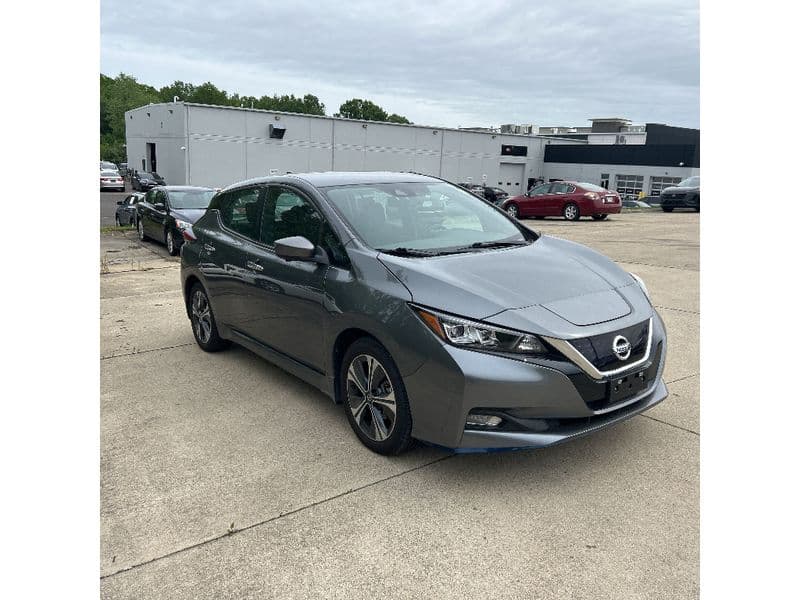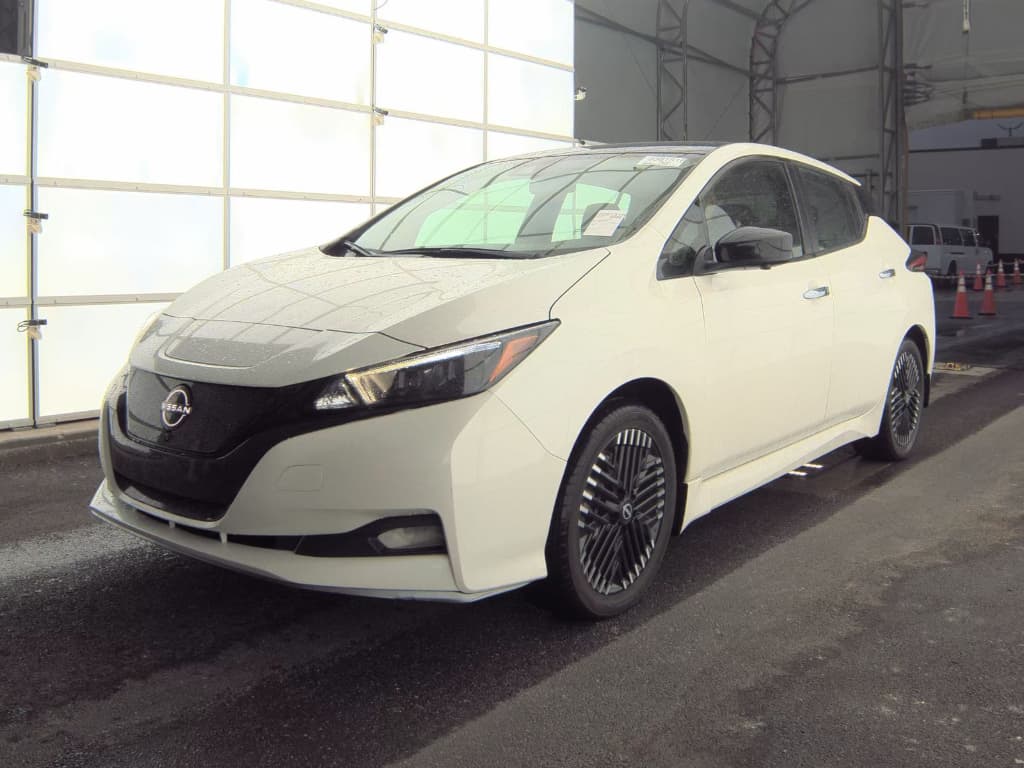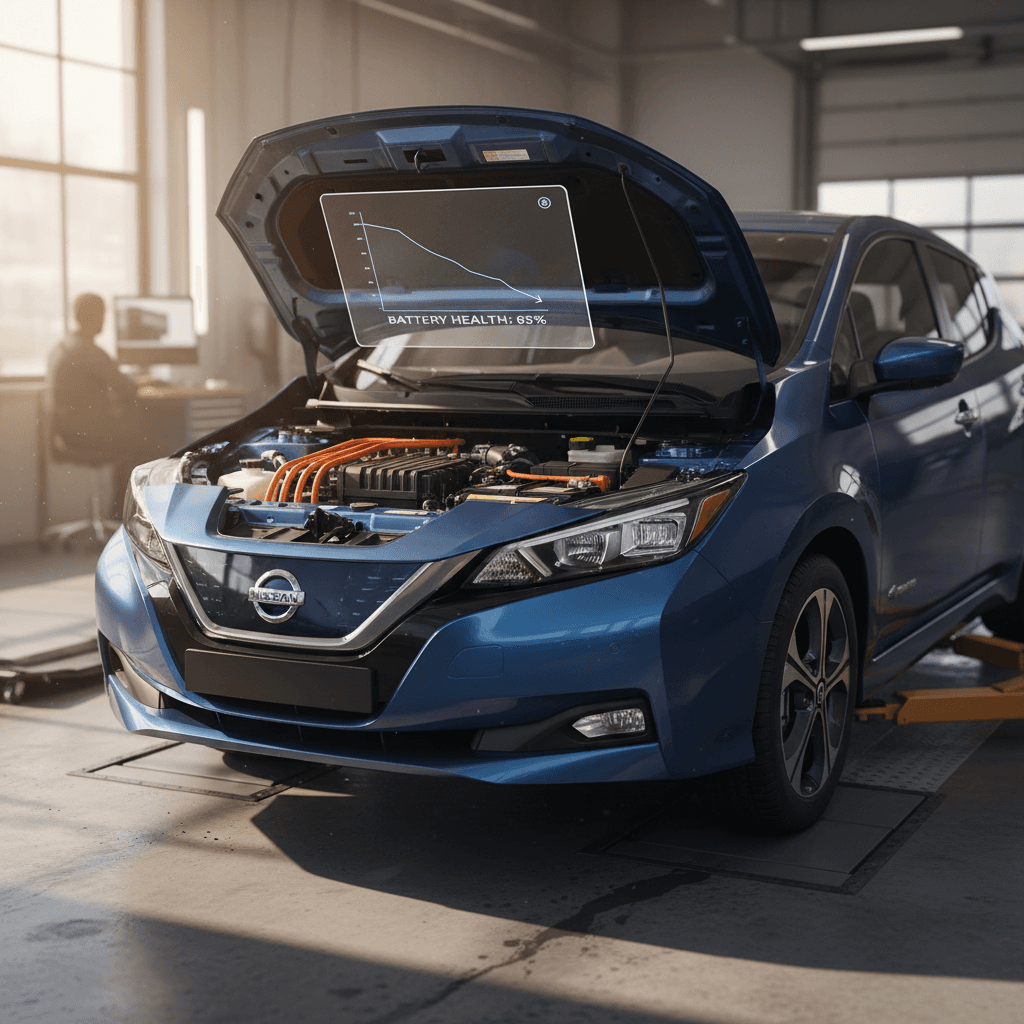
If you’re looking at a 2021 Nissan Leaf range test, you probably care less about lab numbers and more about how far the car will actually go on a charge today, especially if you’re shopping used. The 2021 Leaf came with two battery sizes and some real-world quirks, and understanding those will keep you from over‑ or under‑estimating its range.
Two Leafs, two very different ranges
2021 Nissan Leaf range basics: EPA vs real world
EPA-rated range for 2021 Nissan Leaf
On paper, the 2021 Nissan Leaf 40 kWh is rated for about 149 miles of EPA combined range, while the Leaf Plus 62 kWh stretches that to 215–226 miles depending on trim. Those numbers assume moderate temperatures, mixed driving, and a new battery. In the real world, owners often see roughly 120–140 miles from the 40 kWh car and 180–210 miles from the 62 kWh version in normal mixed driving, with bigger drops at 70–75 mph or in winter.
Don’t plan to 0%
40 kWh vs 62 kWh: how battery size changes range
2021 Nissan Leaf battery and range comparison
How the standard 40 kWh Leaf stacks up against the 62 kWh Leaf Plus for range and use cases.
| Spec | 2021 Leaf 40 kWh | 2021 Leaf Plus 62 kWh (S) | 2021 Leaf Plus 62 kWh (SV/SL) |
|---|---|---|---|
| EPA combined range | 149 mi | 226 mi | 215 mi |
| Typical mixed-driving range (new) | 120–140 mi | 190–210 mi | 185–200 mi |
| Best fit | Short commutes, city driving | Longer commutes, light road trips | Higher trims with more features |
| Motor output | 147 hp / 236 lb‑ft | 214 hp / 250 lb‑ft | 214 hp / 250 lb‑ft |
| DC fast charge peak | Up to 50 kW | Up to 100 kW | Up to 100 kW |
Use this table to sanity‑check any 2021 Leaf range test you see online.
The 40 kWh Leaf is the value play: lower purchase price, lighter weight, and enough range for many daily commutes. The 62 kWh Leaf Plus adds ~50% more battery capacity and noticeably more power, which is why it’s the one most shoppers gravitate toward if they’re planning even occasional highway trips.
When the 40 kWh Leaf makes sense
- Daily round trip under about 60 miles.
- Easy access to Level 2 home or workplace charging.
- Mild climate where winter temps rarely plunge far below freezing.
- You want a low‑cost second car or city commuter.
When to step up to the 62 kWh Leaf Plus
- Regular 60–90 mile round trips, especially at 65–75 mph.
- Occasional 150–200 mile days where you’d rather avoid charging stops.
- Concerned about future battery degradation and want more buffer.
- You care about stronger acceleration and passing power.
Real-world 2021 Nissan Leaf range tests
Independent testers have put the 2021 Leaf and Leaf Plus through controlled loops to see how the EPA numbers translate to pavement. One well‑documented test of a 2021 Leaf Plus (62 kWh) ran two separate 100‑mile drives in mild Southern California weather: one mostly highway, one mostly surface streets, with climate control set to 70°F and e‑Pedal engaged for both legs.
- Highway loop: starting at roughly 97% state of charge and an indicated 220+ miles of range, the car comfortably cleared 100 highway miles but used a larger chunk of its battery, pointing to realistic highway range closer to ~180–200 miles at typical U.S. speeds.
- City/surface-street loop: the same car used noticeably less energy over a 100‑mile urban/surface route, aligning more closely with the full 215–220+ mile EPA expectations in stop‑and‑go driving.
- Owner reports: many 62 kWh owners in mild climates report roughly 4 mi/kWh in city driving (220–240 miles per charge) and 3–3.3 mi/kWh at 70 mph (185–205 miles), when the battery is new and temperatures are comfortable.
A quick way to translate test data
City vs highway: why your 2021 Leaf’s range swings so much
If you’ve seen wildly different numbers from your own 2021 Nissan Leaf range test between a downtown commute and a weekend highway blast, that’s not your imagination. EVs are far more efficient at lower speeds, and the Leaf is no exception.
How driving patterns affect 2021 Leaf range
Same car, same day, different speeds, different results.
City & suburban driving
- Speeds typically under 45 mph.
- Frequent lifting off the accelerator lets regen braking recover energy.
- Light aero drag means most energy goes to actually moving the car.
- Healthy 62 kWh Leaf Plus can flirt with 220+ miles per charge.
Highway & interstate driving
- Steady 70–75 mph amplifies aerodynamic drag.
- Less opportunity for regeneration; you’re mostly fighting wind.
- Efficiency can drop from 4.0 to 3.0 mi/kWh or less.
- Realistic 62 kWh range often falls to ~180–200 miles.
Think in mi/kWh, not just miles
How weather and driving style impact 2021 Leaf range
Two identical 2021 Leafs can deliver very different range tests if one lives in Phoenix and the other in Portland. Temperature, elevation, HVAC use, and your right foot all play major roles, especially on a car like the Leaf that lacks liquid battery thermal management in U.S. 2021 models.
Major factors that change your 2021 Leaf’s range
Cold weather and cabin heat
Using resistive heat on a freezing morning can easily shave 10–20% off your effective range, especially on shorter trips where the cabin and battery never fully warm up.
Summer heat and battery comfort
High ambient temps won’t crush range on a single drive, but repeated DC fast charges and long hot soaks can stress the pack and accelerate degradation over years.
Speed and acceleration habits
Jumping from 65 to 75 mph can cost you more range than you’d expect. Likewise, frequent hard launches chew through energy faster than smooth acceleration.
Elevation and wind
Long climbs pull down efficiency quickly; strong headwinds act like driving at a much higher speed. A downhill or tailwind on the way home can hide how much energy you spent going out.
Tire selection and pressure
Stickier, wider tires and low pressures increase rolling resistance. If range matters, check that you’re on proper low‑rolling‑resistance tires at recommended pressures.
Watch for repeated fast charges in hot weather
Battery degradation on a 2021 Leaf: what we’re seeing now
By 2026, a 2021 Nissan Leaf is about five years old. At this age, real‑world data suggests most 2021 Leafs have lost a modest slice of capacity, often in the 5–10% range in temperate climates, with more spread in very hot regions or for cars fast‑charged heavily.
Typical 2021 Leaf capacity retention so far
These are broad patterns from owner data, not guarantees for any specific car.
Mild climates, mostly Level 2
Think Pacific Northwest or Northeast. Many 2021 Leafs here still show 11–12 capacity bars and deliver roughly 90–95% of original range in day‑to‑day use.
Hot climates, frequent fast charging
In places like Arizona or Texas with heavy CHAdeMO use, some cars are already down one or two bars, translating to a noticeable 10–20% range loss.
Mixed use, typical owner
For a typical commuter mixing home Level 2 with occasional fast charging, expect something like a 5–15% real‑world hit versus new, enough to notice, but often not a deal‑breaker.
Note on 2021–2022 Leaf battery recall
Because the Leaf’s pack is air‑cooled, you should treat capacity like a slowly shrinking gas tank. When you evaluate a used 2021 Leaf, you’re not just asking, “What was the range when new?”, you’re asking, “How has this car been used, and what does its current battery health look like?” This is exactly the gap services like the Recharged Score battery health report are meant to fill, by turning cell‑level diagnostics into a clear picture of remaining capacity.
Can you road-trip a 2021 Leaf? CHAdeMO and fast charging limits
You’ll see plenty of one‑off 2021 Nissan Leaf range tests where someone squeezes a long highway leg out of the Plus. But regular long‑distance road‑tripping is where the Leaf’s age shows, mainly because of its CHAdeMO fast‑charging port and modest peak charge rates.
Fast-charging reality for a 2021 Leaf
What to expect when you depend on public DC fast charging for long drives.
| Model | DC fast-charge connector | Peak power | Typical 20–80% time | Good use case |
|---|---|---|---|---|
| 2021 Leaf 40 kWh | CHAdeMO | Up to 50 kW | ~35–40 minutes | Occasional top‑ups on regional trips |
| 2021 Leaf Plus 62 kWh | CHAdeMO | Up to 100 kW (tapering quickly) | ~45–60 minutes | Stretching 150–200 mile legs with one stop |
| Modern CCS/NACS peers | CCS or NACS | 120–250 kW+ | Often 20–30 minutes | Regular long‑distance interstate travel |
These numbers are approximations in good conditions; actual times vary with station, temperature, and starting state of charge.
CHAdeMO is fading
Can you road‑trip a 2021 Leaf Plus? Yes, with planning, a tolerance for 45–60 minute charging stops, and routes that still have CHAdeMO coverage. For the 40 kWh car, you’re realistically looking at shorter regional trips with more frequent stops, not cross‑country runs.
Used 2021 Leaf range checklist for shoppers
If you’re eyeing a used 2021 Leaf, the smartest move is to treat range like any other wear item. You’re buying the battery the previous owner left you, not the one Nissan sold in 2021. Here’s a practical checklist to keep your expectations grounded.
Range-focused checks before you buy a 2021 Leaf
1. Confirm battery size and trim
Verify from the VIN, window sticker, or build sheet whether you’re looking at a 40 kWh Leaf or a 62 kWh Leaf Plus, and which trim level (S, SV, SL). Range expectations change dramatically between them.
2. Check capacity bars on the dash
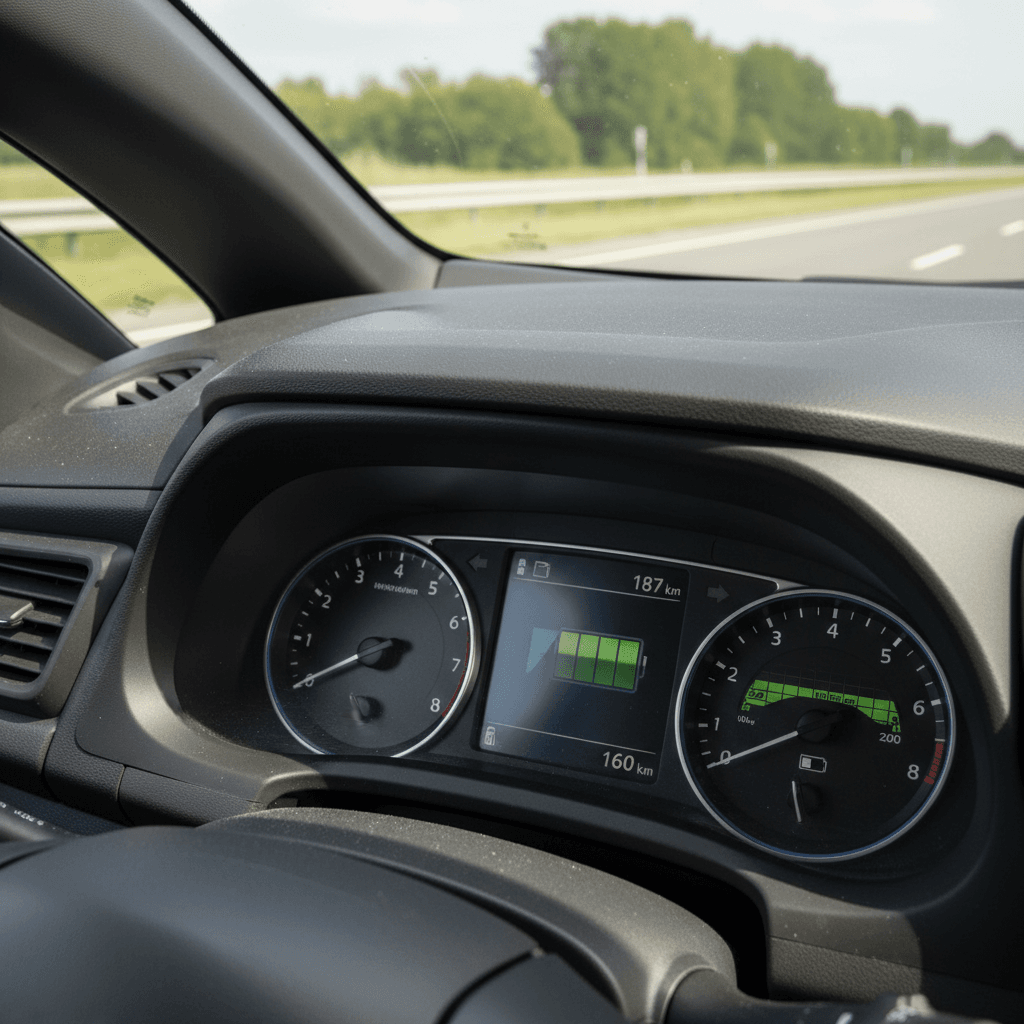
On a quick test drive, look at the right‑side battery gauge. A full 12 bars indicates little visible degradation, while 10–11 bars suggest some capacity loss. This is a blunt tool but still useful for a first pass.
3. Review charging history if possible
Ask how the car was charged: mostly home Level 2, or frequent DC fast charging? A car that lived on CHAdeMO in a hot climate deserves extra scrutiny.
4. Run a proper battery health report
Whenever possible, get a diagnostic scan that reads the pack’s remaining capacity. With Recharged, every used EV includes a <strong>Recharged Score</strong> that converts that raw data into an easy‑to‑understand battery health grade and remaining range estimate.
5. Do your own short range sanity check
On a longer test drive, reset trip data, drive 15–20 miles in your typical conditions, and compare miles driven to % battery used. That quickly reveals whether the car is behaving like a healthy pack or not.
6. Factor climate into your decision
If you live in an area with harsh winters or brutal summers, mentally scale back the advertised range and consider giving yourself more buffer by choosing a lower‑mileage Leaf Plus.
FAQ: 2021 Nissan Leaf range questions answered
Frequently asked questions about 2021 Nissan Leaf range tests
Bottom line: how far a 2021 Leaf really goes
If you strip away the marketing and look at real‑world tests, a 2021 Nissan Leaf range test tells a consistent story. The 40 kWh Leaf is a solid 100‑plus‑mile commuter when new, while the 62 kWh Leaf Plus can comfortably cover roughly 180–200 highway miles and more around town, so long as you respect weather, speed, and the realities of an aging battery.
For used‑EV shoppers, the key is matching the car’s current range to your actual life. That means checking battery health, understanding local charging options, and building in a buffer so winter or degradation don’t leave you short. When you buy through Recharged, every used Leaf comes with a Recharged Score that spells out remaining battery capacity and realistic range, plus expert guidance on financing, trade‑in, and nationwide delivery. That turns a paper EPA number into a clear, confidence‑building picture of what your 2021 Leaf will really do on the road.