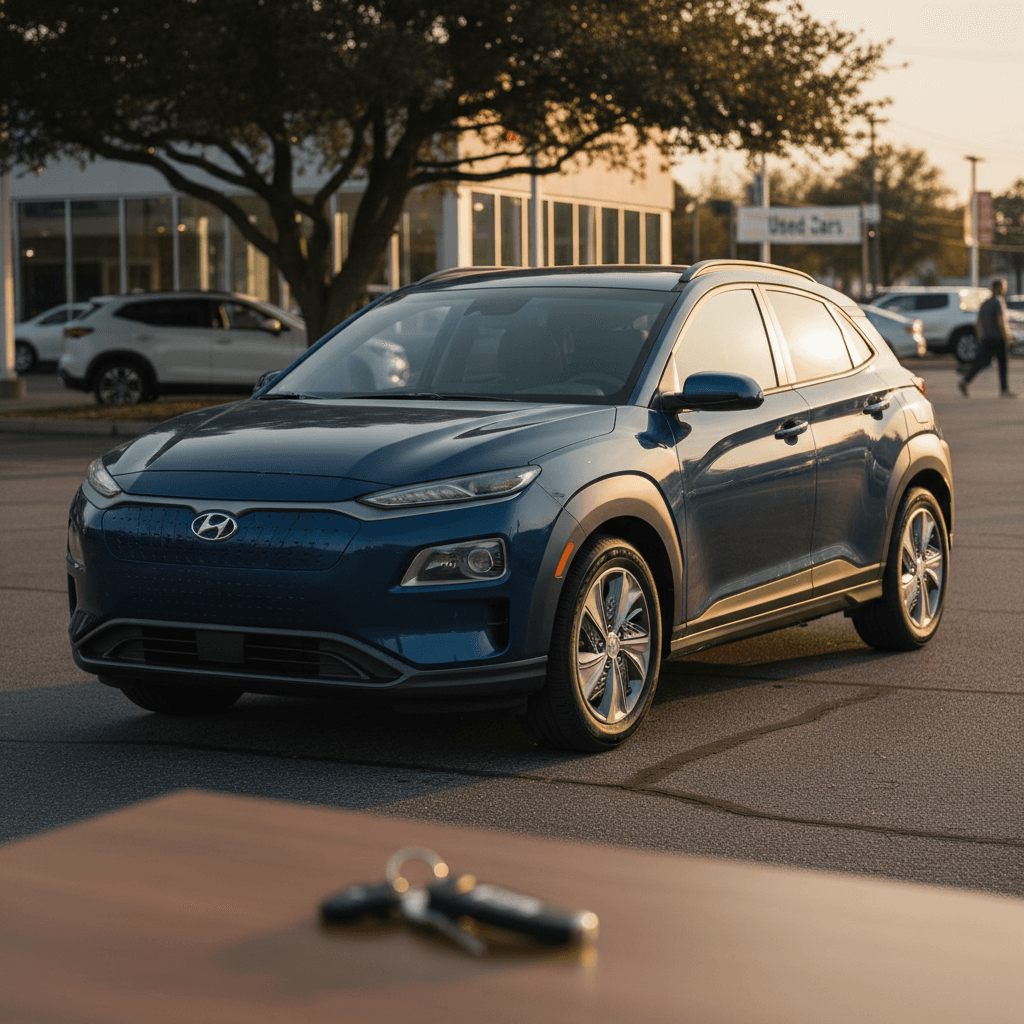
If you shop the used EV market long enough, the 2021 Hyundai Kona Electric starts to look like a cheat code: big range from a small battery, hatchback practicality, and prices that have come down to earth after the early-EV hype. But used EVs are never just about mileage and Carfax. With the Kona Electric, you also have to think about battery health, the shadow of Hyundai’s earlier fire-related recalls, and how it stacks up to a Chevy Bolt or Nissan Leaf on your driveway in 2026.
At-a-glance verdict
2021 Hyundai Kona Electric as a Used EV: Quick Take
2021 Kona Electric: Headline Numbers
The 2021 Kona Electric sits in an interesting place. It dodges the worst of the 2019–2020 battery fire recall drama while still using the same basic, extremely efficient powertrain. It packs more range than a same‑year Nissan Leaf, drives better than a Bolt in many people’s view, and undercuts a Kia Niro EV on price. The catch is that it’s a subcompact crossover that feels more hatchback than SUV inside, and the ride quality can be stiff over broken pavement.
Strengths in a sentence
Watch before you buy
Key Specs: Range, Battery & Performance
2021 Hyundai Kona Electric Key Specs
The numbers that matter when you’re cross‑shopping used EVs.
| Spec | 2021 Kona Electric | Why it matters used |
|---|---|---|
| Battery capacity | 64 kWh lithium‑ion polymer | Determines total usable range and long‑term degradation profile |
| EPA range | 258 miles | Competitive with many newer EVs; a big plus for highway commuters |
| Motor output | 201 hp / 291 lb‑ft | Punchy, instant torque; easy highway passing |
| Drivetrain | FWD only | Winter drivers will want good all‑season or winter tires |
| Max AC charge rate | 7.2 kW Level 2 | Empty to full in roughly 9–10 hours on a 40‑amp home charger |
| Max DC fast charge | Up to ~75 kW peak | 10–80% in about 45–50 minutes at a capable fast charger |
| Onboard warranty (new) | 10‑yr/100k‑mi battery & EV components | Transfers to subsequent owners if within age/mileage limits |
US‑spec 2021 Kona Electric, long‑range 64 kWh pack.
On paper, the 2021 Kona Electric is a masterclass in efficiency over brute force. The 64 kWh pack and tidy aero profile give it excellent miles‑per‑kWh, so even though the battery isn’t huge by 2026 standards, range anxiety is rarely part of the ownership story. Around town, you’ll often see over 4 mi/kWh; on the highway, expect something in the mid‑3s depending on speed and weather.
- Level 1 (120V) charging adds only a trickle of range, fine for low‑mileage drivers or emergencies.
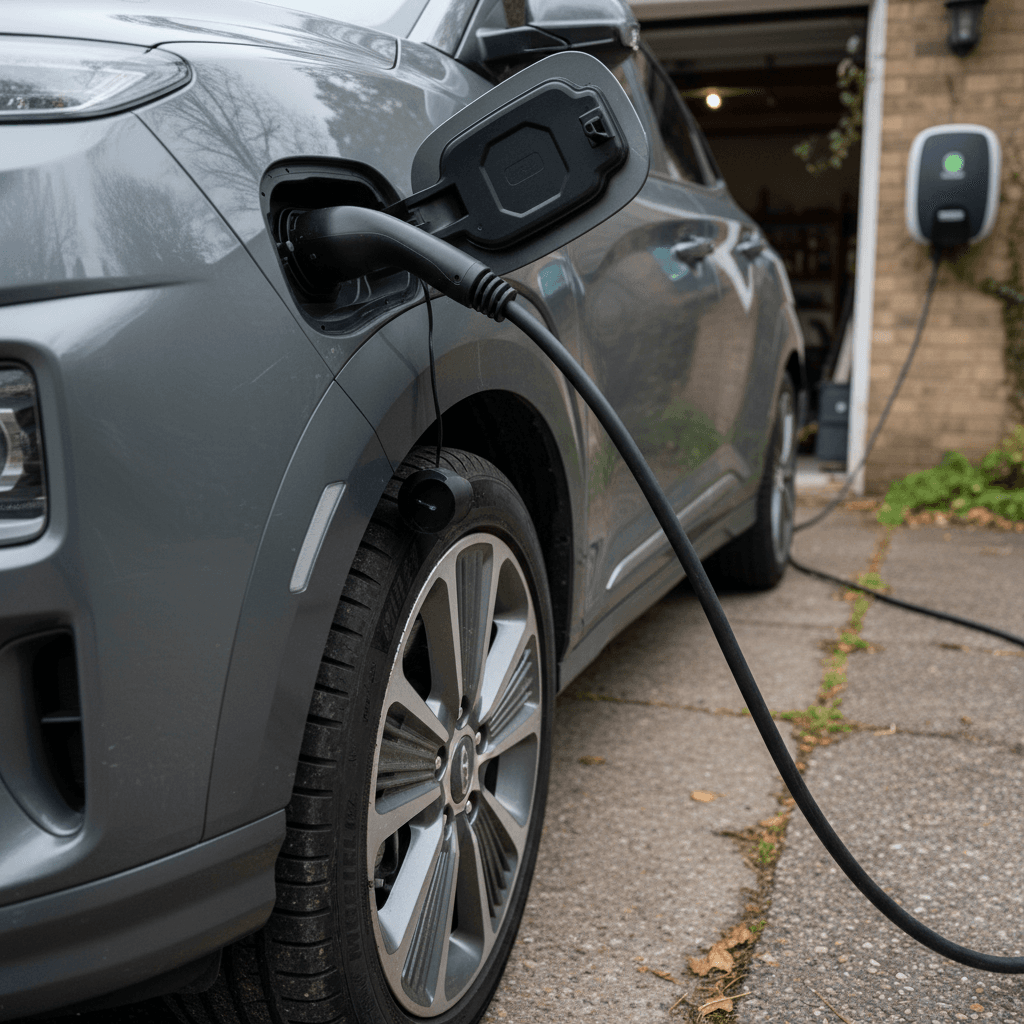
- Level 2 (240V) charging is the sweet spot: overnight from low to full is easy on both battery and schedule.
- DC fast charging is available but not class‑leading; good for road trips, not something to live on daily.
Charging tip for used buyers
Driving Experience: Quiet Punch, Firm Ride
The 2021 Kona Electric is one of those cars that feels quicker than its paper stats. With 291 lb‑ft of torque routed to the front wheels, it delivers brisk, silent launches from stoplights and effortless 40–70 mph passing. There’s some torque steer if you really mash it, but in normal use it just feels alert and responsive.
What you’ll like
- Instant torque: Around‑town driving is smooth, quick, and drama‑free.
- Regenerative braking tuning: Multiple regen levels via paddles let you mimic one‑pedal driving.
- Compact footprint: Easy to park, great sight lines, and a tight turning radius.
What may annoy you
- Firm, busy ride: Short wheelbase and extra battery weight can make rough roads feel choppy.
- Road noise: More tire and wind noise than newer, more refined EVs.
- Front‑wheel drive only: Spirited launches in wet or snowy conditions can spin the fronts.
City car with highway legs
Interior, Tech & Practicality
Inside, the 2021 Kona Electric is more pragmatic than plush. Materials are solid but not luxurious, with plenty of hard plastics dressed up by contrasting textures and a clean center stack. The elevated, bridge‑style console gives you lots of storage underneath, but also makes the cabin feel narrower than it is.
Practicality: Where the Kona Electric Shines (and Doesn’t)
Think of it as a tall hatchback with EV torque.
Front seat comfort
Rear seat space
Cargo & flexibility
Tech is very 2021 Hyundai: a straightforward touchscreen with wired Apple CarPlay and Android Auto on most trims, physical knobs for climate and volume, and a cluster display that gives you the information you need without Tesla‑style novelty. Driver‑assist features like adaptive cruise and lane‑keeping were available and work reasonably well, though calibration and camera cleanliness matter a lot on used examples.
Infotainment & ADAS check
Battery Health, Recalls & Reliability
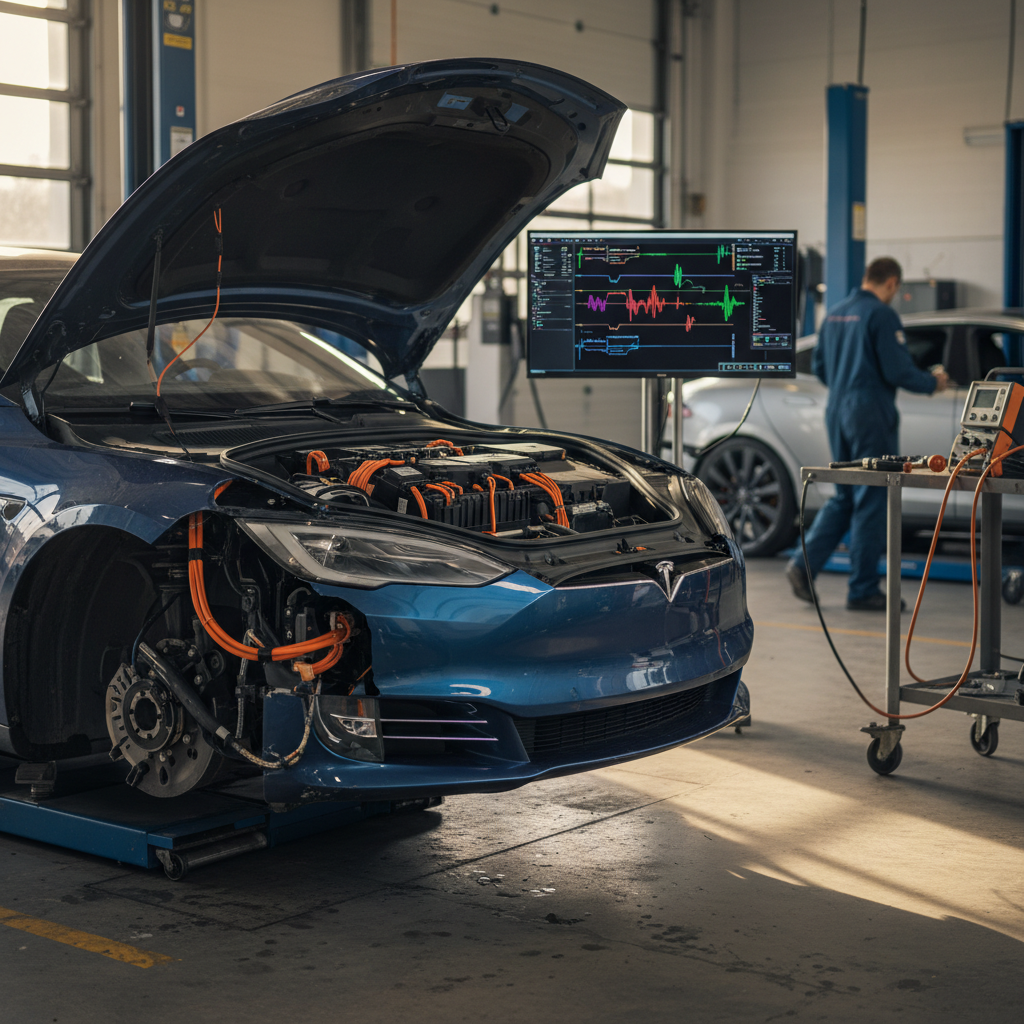
No discussion of a used Kona Electric is complete without talking about battery history. Earlier 2019–2020 cars were the subject of a major global recall because of a risk of battery fires, leading Hyundai to update battery‑management software and in many cases replace packs entirely. The 2021 model year sits just after the worst of this storm, but you still want to approach each example as an individual, not a statistic.
- Hyundai’s battery recall focused primarily on 2019–2020 builds; 2021s generally benefited from updated battery packs and software from the factory.
- Long‑term owner reports often show minimal degradation on 3–4‑year‑old Konas with 50k+ miles, provided they weren’t abused with constant DC fast charging or extreme heat.
- A minority of owners report warning lights or derating traced to battery cooling or high‑voltage components, issues that usually require dealer diagnosis and aren’t DIY‑friendly.
Critical recall homework
Battery & High-Voltage System: Used-Buyer Checklist
1. Request a formal battery health report
Ask the seller or dealer for a recent <strong>state-of-health (SOH)</strong> readout from Hyundai’s diagnostic system, not just a guess based on range display.
2. Ask about DC fast charging habits
Frequent high‑power fast charging and living in hot climates are hard on batteries. Occasional road‑trip fast charging is fine; daily DCFC use is a yellow flag.
3. Check for warning lights and messages
Any history of "Check Electric Vehicle System" messages, sudden power loss, or unexplained derating warrants a pre‑purchase inspection by an EV‑savvy shop.
4. Verify recall and campaign completion
Have the seller print or email an <strong>up‑to‑date service history</strong> from a Hyundai dealer showing completed campaigns, not just verbal assurances.
5. Inspect 12V battery health
Like many EVs, Kona models can be finicky if the 12V battery is weak. A cheap, weak 12V can cause a cascade of bogus warning lights.
How Recharged helps here
Used Pricing, Depreciation & Value
Because the 2021 Kona Electric launched into a fast‑moving EV market, it has already done a healthy chunk of its depreciation. That’s bad news for the first owner and very good news for you. Market trackers and valuation tools show first‑year losses in the low‑teens percentage‑wise, with total three‑to‑five‑year drops often in the 30–40% range depending on mileage and region.
How the 2021 Kona Electric Holds Its Value
Not the rock‑bottom cheap EV, but a strong value play.
Depreciation curve
Price vs. range
Operating costs
Tax credit angle
What to Check Before Buying a 2021 Kona Electric
Pre‑Purchase Inspection: 2021 Kona Electric
1. Confirm trim and equipment
SE vs. Limited vs. Ultimate (where applicable) brings differences in seats, audio, sunroof, and safety tech. Make sure you’re paying for the features you actually care about.
2. Inspect wheels and tires
EVs are heavy; uneven tire wear can hint at alignment issues or a hard city life. Low‑rolling‑resistance tires help preserve that excellent efficiency.
3. Test all charging modes
If possible, plug into Level 2 and, ideally, a DC fast charger. Watch for charging errors, abnormal noises, or slow ramp‑up that could hint at onboard charger issues.
4. Look for underbody and corrosion issues
In salt‑belt states, check the underbody, suspension components, and battery enclosure edges for excessive corrosion or impact damage.
5. Check HVAC performance
Weak cabin heat or AC can sap range and comfort. Heat‑pump‑equipped cars are more efficient in cold climates; verify function carefully if you live where it snows.
6. Drive it like you’ll own it
Take a long enough test drive to sample highways, hills, and stop‑and‑go. Listen for clunks, whines, or buzzing from the drivetrain or suspension that suggest neglected maintenance.
Leaning on expert eyes
Ready to find your next EV?
Browse Vehicles2021 Kona Electric vs. Leaf, Bolt & Niro EV
How the 2021 Kona Electric Stacks Up Against Rivals
Same vintage, similar price, very different personalities.
| Model | Battery / EPA range | Key strengths | Key trade‑offs |
|---|---|---|---|
| Hyundai Kona Electric | 64 kWh / ~258 mi | Class‑leading efficiency, long range, strong warranty, lively to drive | Tight rear seat, firm ride, only FWD |
| Chevrolet Bolt EV | 66 kWh / ~259 mi | Great range, roomy cabin, often very cheap used after recalls | Seats and ride quality divisive; earlier fire recall history similar to Kona’s story |
| Nissan Leaf (62 kWh) | 62 kWh / up to ~226 mi | Comfortable ride, simple controls, more conventional feel | Shorter range, CHAdeMO fast‑charging limits options in North America |
| Kia Niro EV | 64 kWh / ~239 mi | More space and practicality, similar efficiency, familiar crossover shape | Typically higher used prices than Kona; still not a large SUV inside |
Approximate specs for 2021 model year vehicles.
Among these, the 2021 Kona Electric is the range‑per‑dollar specialist that happens to be fun to drive. The Bolt is its most direct rival, often undercutting it on price, while the Niro EV appeals if you want the same basic powertrain in a roomier wrapper. The Leaf is the comfort king but trails badly on charging standard and long‑range road‑trip convenience.
Who the 2021 Kona Electric Suits, and Who Should Skip It
Great fit if you are…
- A commuter doing 30–80 miles a day who wants to plug in at home and barely think about public charging.
- Living in or near a city where parking and maneuverability matter more than third‑row seating.
- EV‑curious but budget‑sensitive, looking for modern range without paying new‑EV money.
- Comfortable trading some ride softness and rear‑seat space for efficiency and value.
Think twice if you are…
- A family regularly carrying three teens or adults in the back seat.
- Planning frequent long‑distance winter road trips where AWD and ultra‑fast charging would be higher priorities.
- Allergic to firm rides or road noise; some newer EVs are much more refined here.
- Unwilling to do the homework on recalls, battery health, and service history.
Frequently Asked Questions: 2021 Kona Electric Used
2021 Hyundai Kona Electric Used – FAQ
Bottom Line: Is the 2021 Kona Electric a Good Used Buy?
If you strip away the forum noise and recall headlines, the 2021 Hyundai Kona Electric emerges as what it has quietly been all along: a highly efficient, punchy little EV that gives you big‑car range in a city‑friendly footprint. As a used buy, the value proposition is strong, especially if you can leverage a federal used EV tax credit and find a car with clean history, solid battery health, and some warranty runway left.
The trade‑offs are real: a firm ride, modest rear‑seat and cargo space, and the need to be meticulous about recalls and high‑voltage service history. If you want a full‑size family crossover or ultra‑fast DC charging, look elsewhere. But if your daily life is more commute than cross‑country, and you appreciate a small car that drives with quiet confidence, a well‑vetted 2021 Kona Electric deserves a serious look.
Shopping through a platform like Recharged adds another layer of confidence: you get a Recharged Score Report with verified battery diagnostics, transparent pricing, and expert EV guidance from first click to delivery. For a lot of buyers, that turns a promising used EV into an easy yes.