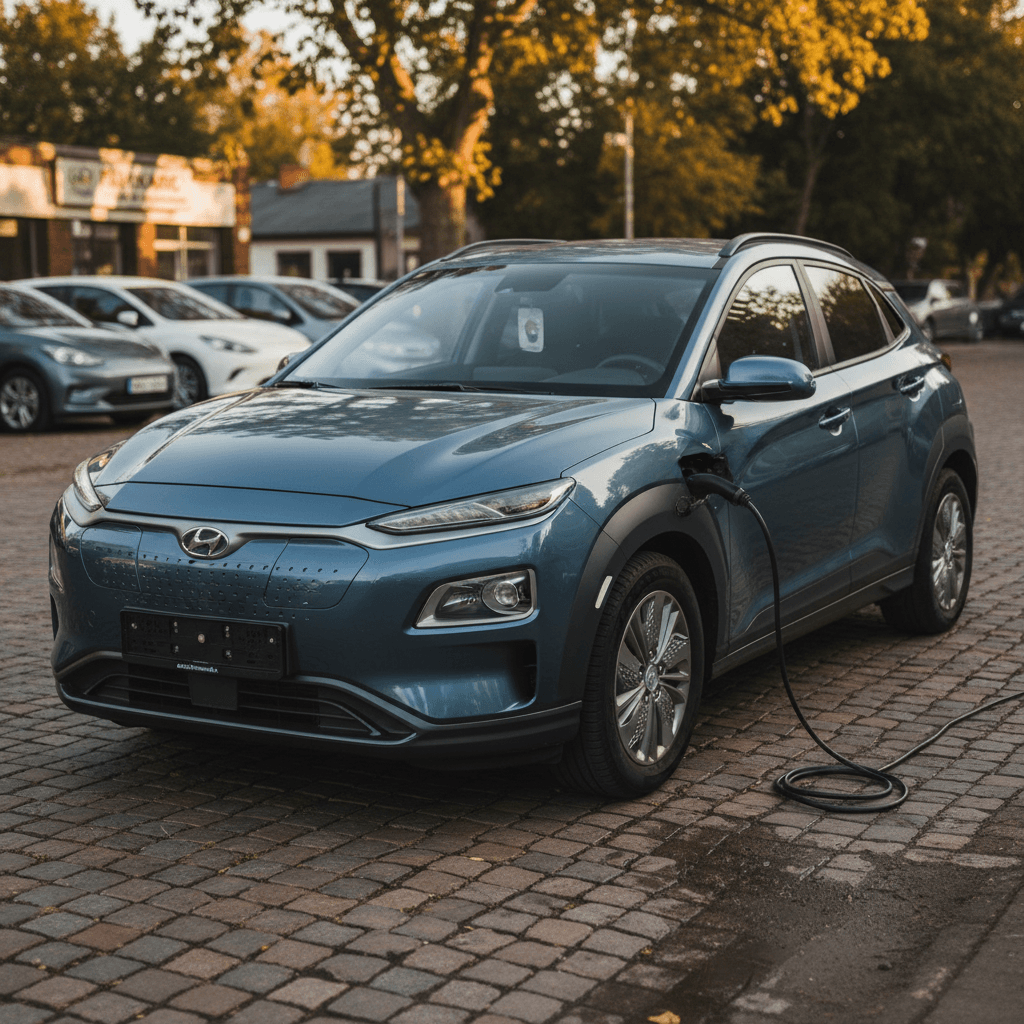
The 2021 Ford Mustang Mach-E was Ford’s first clean-sheet electric SUV and one of the earliest serious Tesla Model Y rivals. If you’re looking at a 2021 Ford Mustang Mach-E on the used market today, you’re really asking two questions: how does it drive, and how well has it aged in terms of range, charging, and reliability?
Quick take
2021 Mustang Mach-E overview: what Ford got right
Ford positioned the 2021 Mustang Mach-E as a sporty, all-electric compact SUV that borrows Mustang styling cues without trying to be a two-door muscle car. Underneath the branding exercise, there’s a fairly traditional crossover layout: five seats, a hatchback, and useable cargo space front and rear. That’s exactly what many EV shoppers, especially families, actually want.
2021 Mustang Mach-E highlights
Strengths and weaknesses in one glance
Pros
- Strong performance, especially on AWD and GT trims
- Competitive range (up to ~300 miles EPA on certain versions)
- Fast DC charging up to 150 kW
- Spacious interior with usable frunk and hatch
- Good standard safety tech and driver assists
Cons
- Less efficient than a comparable Tesla Model Y
- Early software quirks and infotainment lag on some cars
- Ride quality can feel firm on larger wheels
- Some notable recalls, especially for door latches and camera software
Best for
- Drivers who want a fun-to-drive EV without going full luxury
- Households with reliable home or workplace charging
- Shoppers cross-shopping Model Y, VW ID.4, Hyundai Ioniq 5
Used-market sweet spot
Trims, specs, and performance: how quick is the Mach-E?
The 2021 Mustang Mach-E launched with a fairly complex lineup. Power output and range depend on two main choices: standard-range vs. extended-range battery and rear-wheel drive (RWD) vs. all-wheel drive (AWD).
2021 Mustang Mach-E performance snapshot
2021 Mustang Mach-E trims at a glance
Key traits by trim for the 2021 model year (U.S.). Exact equipment varies by options.
| Trim | Battery (std) | Drivetrain | Power (approx.) | EPA range (best case) |
|---|---|---|---|---|
| Select | Standard-range | RWD or AWD | ~255 hp | 230 mi (SR RWD) |
| Premium | Standard- or extended-range | RWD or AWD | ~255–346 hp | 300 mi (ER RWD) |
| California Route 1 | Extended-range | Primarily RWD | ~290 hp | ~305 mi (late-build RWD) |
| GT / GT Performance | Extended-range | AWD only | 480 hp | 270 mi (GT), 260 mi (GT Perf) |
Always confirm battery size and drivetrain on any used Mach-E; they dramatically affect range and performance.
How it feels on the road
Battery, range, and real-world efficiency
The heart of any EV review is the battery. In 2021, Ford offered two packs: a standard-range pack around 75.7 kWh gross and an extended-range pack around 98.8 kWh gross. Usable capacity is lower, but what matters to you is EPA range and how that translates to real roads.
- Standard-range RWD: EPA ~230 miles
- Standard-range AWD: EPA ~211 miles
- Extended-range RWD: up to ~300–305 miles depending on trim and build date
- Extended-range AWD: ~270 miles (non-GT), ~270 miles (GT) and ~260 miles (GT Performance)
Real-world vs. EPA
Where the Mach-E shines
- City and mixed driving efficiency is solid thanks to good regen tuning.
- Extended-range RWD trims are the range champs and a great fit if most of your driving is suburban commuting.
- Battery thermal management helps limit extreme cold or heat penalties versus some early EVs.
Where it lags
- On the highway, the 2021 Mach-E is less efficient than a Tesla Model Y, needing more energy to hold 70–75 mph.
- Large 20-inch wheels on some trims cost you a few miles of range and add ride harshness.
- Frequent DC fast charging on road trips can slow charging speeds as the pack warms up, especially at high states of charge.
Range planning tip
Charging the 2021 Mustang Mach-E: home and public
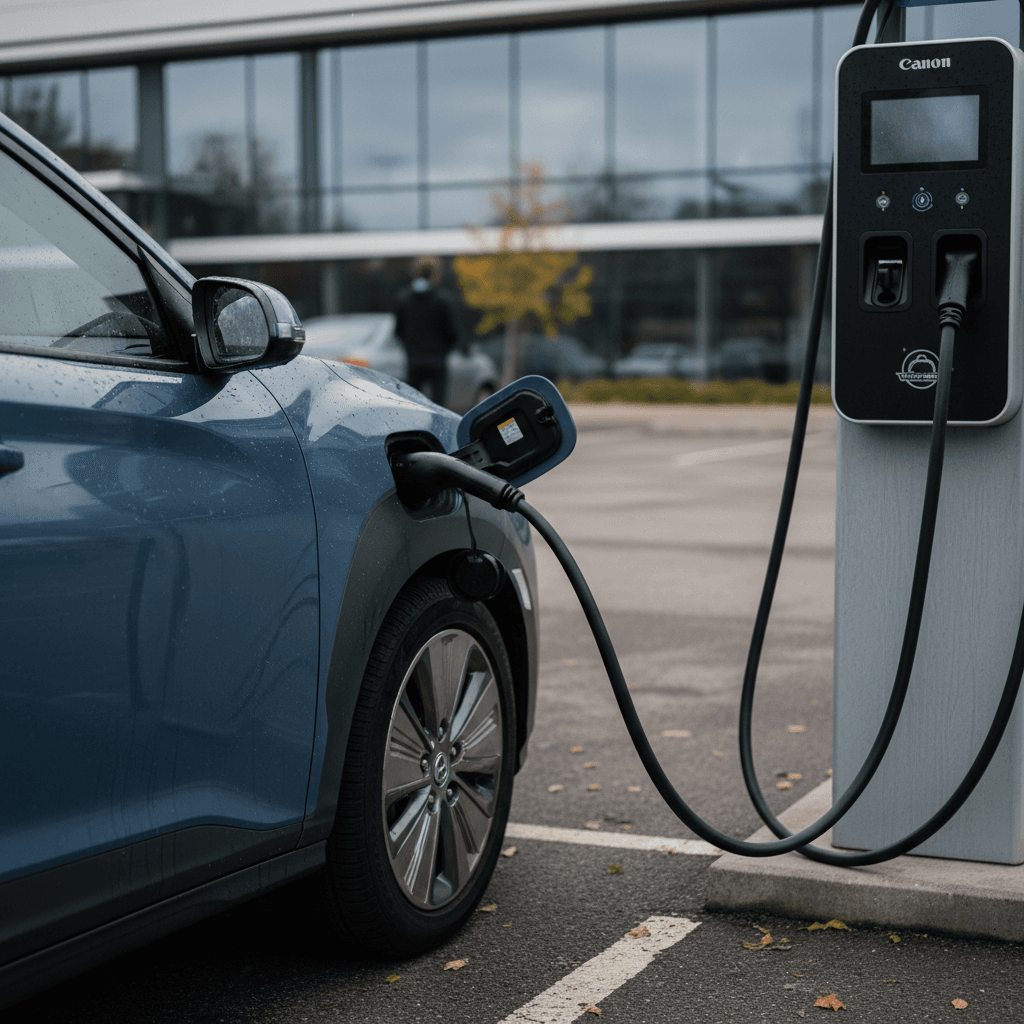
All 2021 Mustang Mach-E models support Level 2 AC charging at home and DC fast charging using the CCS standard. Ford sold the Mach-E with a mobile cord and offered an optional home wallbox, but any properly sized third-party Level 2 charger can work just as well.
Charging options for a 2021 Mustang Mach-E
What to expect from Level 1, Level 2, and DC fast charging
Level 1 (120V wall outlet)
- Included mobile cord
- Roughly 3 miles of range per hour
- Best only for occasional top-ups
Level 2 (240V home/work)
- Up to roughly 30+ miles of range per hour with a 40–48A charger
- Full charge overnight even on extended-range battery
- Ideal for daily charging if you own or can reliably access a 240V outlet
DC fast charging (public CCS)
- Standard-range: up to ~115 kW peak
- Extended-range: up to ~150 kW peak
- Roughly 10–80% in about 38–45 minutes when conditions are right
Charging reality check
Checklist: making a 2021 Mach-E work with your charging situation
1. Confirm home charging access
If you can, install a 240V outlet or Level 2 charger in your garage or driveway. That’s the single biggest factor in making EV ownership painless.
2. Map your local fast chargers
Use apps like FordPass, PlugShare, and others to locate CCS fast chargers on your regular routes and along any road-trip corridors you use often.
3. Understand charge curves
Plan to DC fast charge from about 10–70% for the best combination of speed and cost. Charging from 80–100% is much slower on most EVs, including the Mach-E.
4. Check network reliability
Not all charging networks are equal. Look for recent user reviews in apps before counting on a station on a tight schedule.
Interior, tech, and practicality
Ford leaned into a tech-forward cabin for the 2021 Mach-E. The centerpiece is a 15.5-inch portrait touchscreen running Ford’s SYNC infotainment software, backed by a small but clear digital gauge display in front of the driver. Materials and build quality are generally solid for a mainstream brand, and the overall layout feels airy thanks to the flat floor and available glass roof.
Space and practicality
- Comfortable seating for four adults; the middle rear seat is fine for shorter trips.
- Good cargo room in the rear hatch, plus a drainable front trunk for small items.
- Flat battery floor makes ingress and egress easy compared with some ICE crossovers.
Tech & user experience
- Large touchscreen is intuitive once you learn the layout, but early software builds could feel laggy.
- Wireless Apple CarPlay/Android Auto is a big plus for many shoppers.
- Driver-assistance features like adaptive cruise and lane centering are widely available and generally well-tuned.
Software matters on a used EV
Reliability, recalls, and battery health on 2021 models
Any first-year EV is going to have some teething issues, and the 2021 Mustang Mach-E is no exception. The good news is that most high-profile problems have been handled via recalls or software updates, while the high-voltage battery and drivetrain have generally held up well so far.
Known 2021 Mach-E issues to be aware of
Most are addressable with software or service visits
Electronic door latch recall
Rear-view camera / infotainment glitches
Why recalls matter on a used Mach-E
On the battery-health front, the 2021 Mach-E’s pack is covered by an 8-year/100,000-mile warranty for defects and excessive degradation. Fleet and independent data so far suggest that these packs are aging relatively well, with typical degradation in the low single digits over the first few years, broadly in line with other modern liquid-cooled EV packs.
How Recharged helps on battery health
Ready to find your next EV?
Browse Vehicles2021 Mustang Mach-E vs. Tesla Model Y
The 2021 Mustang Mach-E launched directly into the ring with Tesla’s Model Y, and shoppers still cross-shop these two heavily on the used market. The comparison isn’t just about specs, it’s about charging ecosystem, software, and long-term ownership tradeoffs.
Where the Mach-E wins
- Driving feel: Many reviewers find the Mach-E’s steering and chassis tuning more engaging than the Model Y, especially on twisty roads.
- Traditional cabin layout: You get a driver display plus a central screen, which some drivers prefer over Tesla’s single-screen setup.
- Brand familiarity: Ford dealers, parts networks, and mainstream insurance expectations can feel more familiar to some buyers.
- Used pricing: On many used lots, a comparable Mach-E undercuts a similar-range Model Y, especially GT vs. Performance comparisons.
Where the Model Y wins
- Efficiency and range: A 2021 Model Y Long Range typically goes farther on the same kWh, making road trips simpler.
- Supercharger network: In 2021, Tesla’s network was still a major advantage. By 2026, more non-Tesla access is rolling out, but CCS reliability is still patchy region to region.
- Software polish: Tesla still leads on UI speed and deeply integrated app experiences, though Ford has closed some of the gap with updates.
Which one should you pick?
Is a used 2021 Mustang Mach-E a good buy?
In 2026, the 2021 Mach-E sits at a useful inflection point: old enough that early depreciation has done its work, but new enough that battery tech, safety, and software are still competitive. Whether it’s a good buy for you depends on how you drive and which trim you’re looking at.
Used 2021 Mustang Mach-E buying checklist
1. Choose the right battery and drivetrain
If most of your trips are under 60 miles a day and you have home charging, a standard-range Mach-E may be all you need. If you road-trip or want more buffer in bad weather, target an extended-range battery, ideally RWD or non-GT AWD for maximum range.
2. Verify recalls and software updates
Ask for a printout of completed recalls and software campaigns. Make sure door-latch and camera-related recalls are closed and that the infotainment software is current.
3. Check real battery health
Range estimates on the dash are helpful but not definitive. A professional battery-health report, like the Recharged Score, gives you a clearer picture of usable capacity and expected range today.
4. Inspect tires and brakes
EVs are heavy and powerful. Uneven tire wear or prematurely worn brakes can hint at hard use. Factor replacement costs into your budget, especially on GT models with stickier tires.
5. Test-drive charging behavior
If possible, plug into a nearby DC fast charger during your test drive. Confirm that the car initiates a session cleanly and ramps up to expected speeds, and that there are no error messages.
6. Compare total ownership cost
Look beyond the sticker price. Consider home-charger installation, insurance, and your local electricity rates versus gasoline. For many drivers, a used Mach-E’s monthly energy costs are far below a comparable gas SUV.
How Recharged fits in
Key 2021 Mustang Mach-E specs at a glance
Core 2021 Mustang Mach-E specifications
Approximate headline specs for popular 2021 configurations. Always verify exact equipment on an individual VIN.
| Spec | Standard-Range RWD | Extended-Range RWD | Extended-Range AWD | GT / GT Performance |
|---|---|---|---|---|
| Battery (gross) | ~75.7 kWh | ~98.8 kWh | ~98.8 kWh | ~98.8 kWh |
| EPA range | ~230 mi | ~300–305 mi | ~270 mi | 270 / 260 mi |
| Peak DC charge rate | Up to ~115 kW | Up to ~150 kW | Up to ~150 kW | Up to ~150 kW |
| 0–60 mph | ~6.0 sec | Low 6s | ~4.8 sec | 3.5–3.8 sec |
| Drivetrain | RWD | RWD | AWD | AWD |
Battery sizes are gross; usable capacity is lower but not always disclosed in marketing materials.
2021 Mustang Mach-E FAQ
Frequently asked questions about the 2021 Ford Mustang Mach-E
Bottom line: who the 2021 Mach-E is for
The 2021 Ford Mustang Mach-E wasn’t perfect out of the gate, but it was a credible, ambitious first step for Ford, and time has been relatively kind to it. As a used EV in 2026, it offers engaging performance, competitive range, and a practical SUV body at prices that can undercut some rivals. The tradeoffs are slightly lower highway efficiency than the class leaders and the need to confirm that early software and recall issues have been fully addressed.
If you have access to home or reliable workplace charging and you’re comfortable navigating today’s public CCS networks when needed, a well-vetted 2021 Mach-E, especially in extended-range form, can be a smart way to get into an EV without paying new-car money. And if you want help decoding battery reports, comparing trims, or arranging financing and delivery, Recharged is built to make that used-EV journey as transparent and data-driven as it should be.