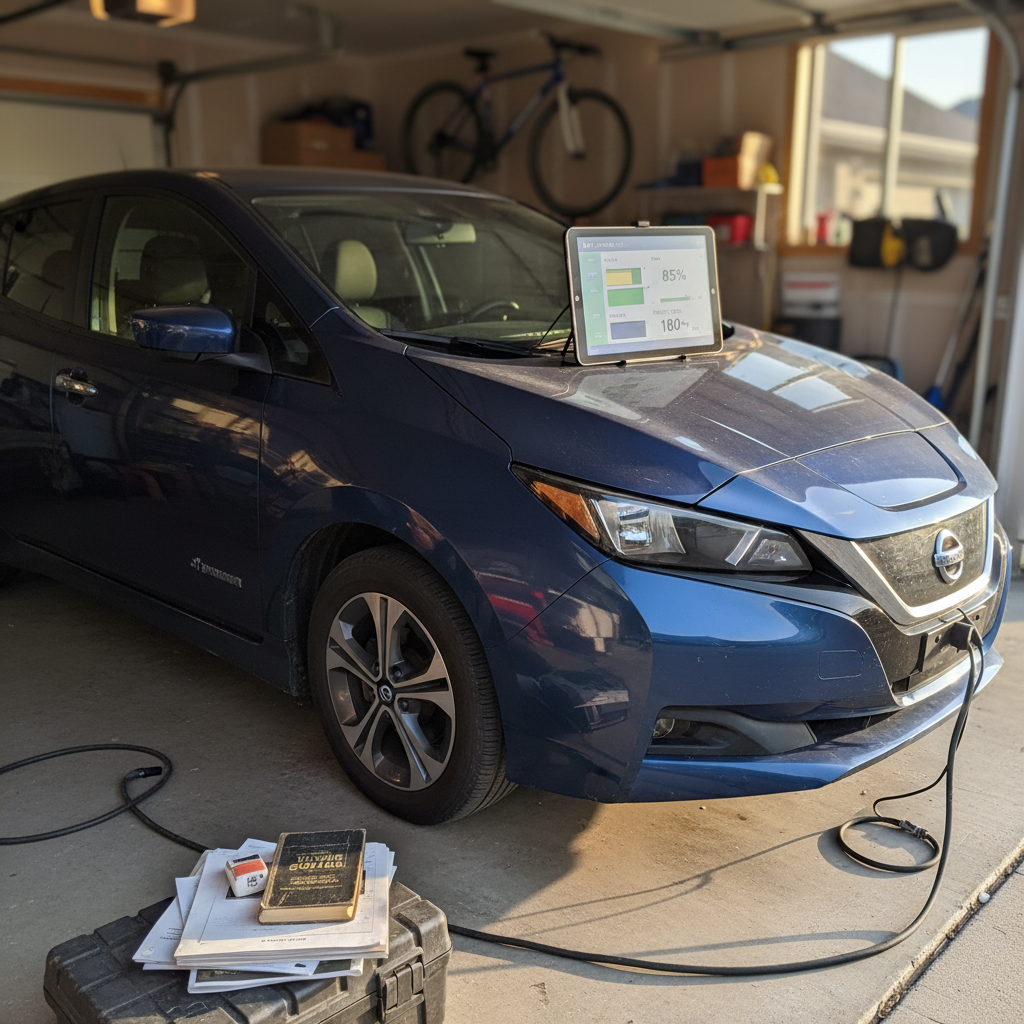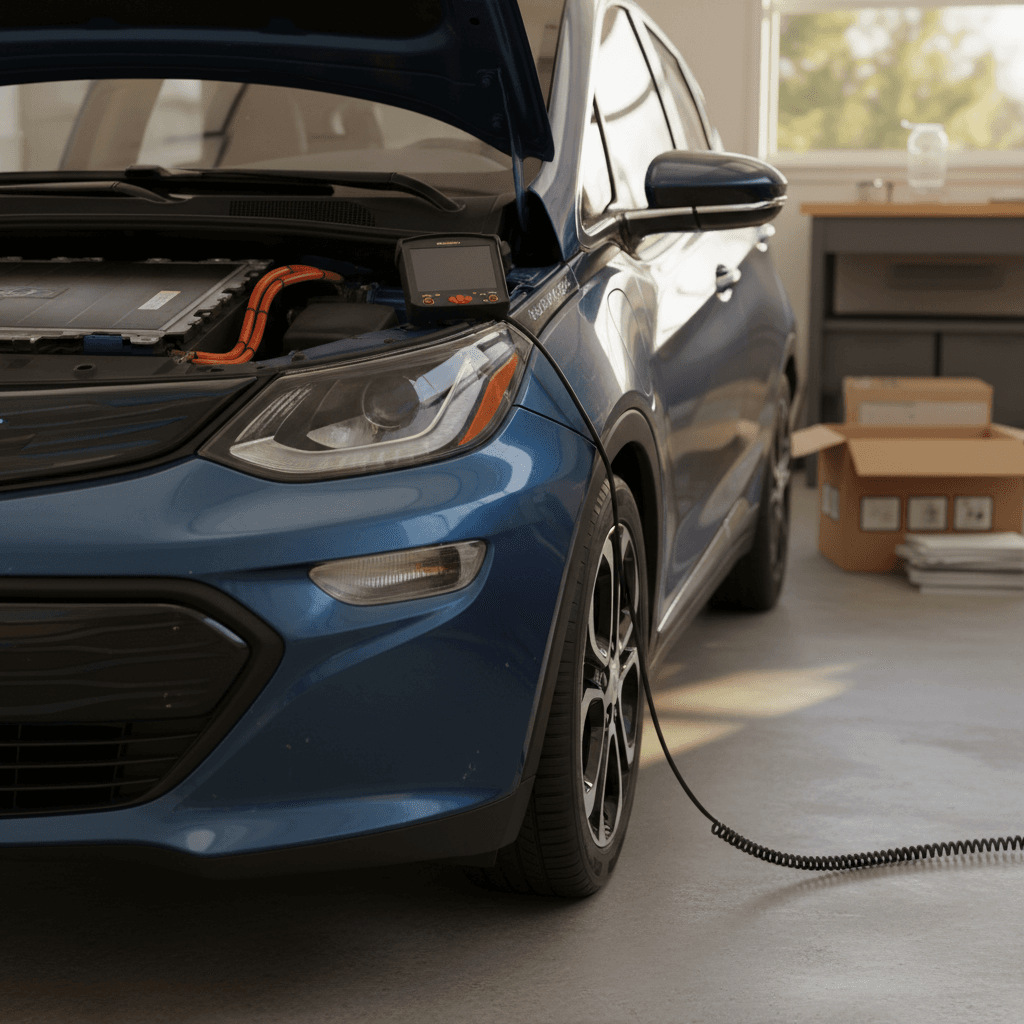
If you’re looking at a used 2021 Chevrolet Bolt EV, you’ve probably seen two very different stories: glowing owner reviews about a practical, efficient commuter – and headlines about battery recalls and fire risk. This guide pulls those threads together so you can understand the true 2021 Chevrolet Bolt EV reliability rating, what the recall actually means today, and how to shop confidently for a used Bolt.
Quick take
Overview: How reliable is the 2021 Bolt EV?
2021 Chevrolet Bolt EV at a glance
Most mainstream reliability trackers rate the 2021 Bolt EV as below average or even "poor" on paper, almost entirely because of the high‑voltage battery recall and the disruption it caused. At the same time, owner‑review sites show high satisfaction with the car’s electric drivetrain, low maintenance needs, and everyday dependability once recall work is wrapped up.
For you as a used‑car shopper, that split matters. The reliability rating tells you there was a serious, widely documented problem that affected every model year. But it doesn’t automatically mean every 2021 Bolt on the market today is a ticking time bomb. The key questions are what’s been done to the specific car you’re looking at, and how healthy its battery is right now.
Official reliability ratings vs. real‑world experience
What the rating agencies see
- Large, model‑wide battery recall for fire risk.
- Software limits on state of charge while engineers worked on a fix.
- Reports of repeated dealer visits for battery diagnostics or module replacements.
- Some owners facing weeks or months of wait time for parts or buyback negotiations.
From a data standpoint, that looks like a vehicle with serious reliability concerns, and it pushes predicted scores down.
What many owners report
- Smooth, low‑drama electric drivetrain with few traditional mechanical issues.
- Low routine maintenance costs vs. gas cars.
- Strong satisfaction once a new battery pack is installed or monitored packs show no faults.
- Annoyance with the recall process, but not necessarily with the car itself.
Owner‑review aggregators show a high share of 4–5 star reviews for the 2021 Bolt’s reliability once recall work is complete.
Why scores look harsh
Battery recall on the 2021 Bolt EV: what actually happened
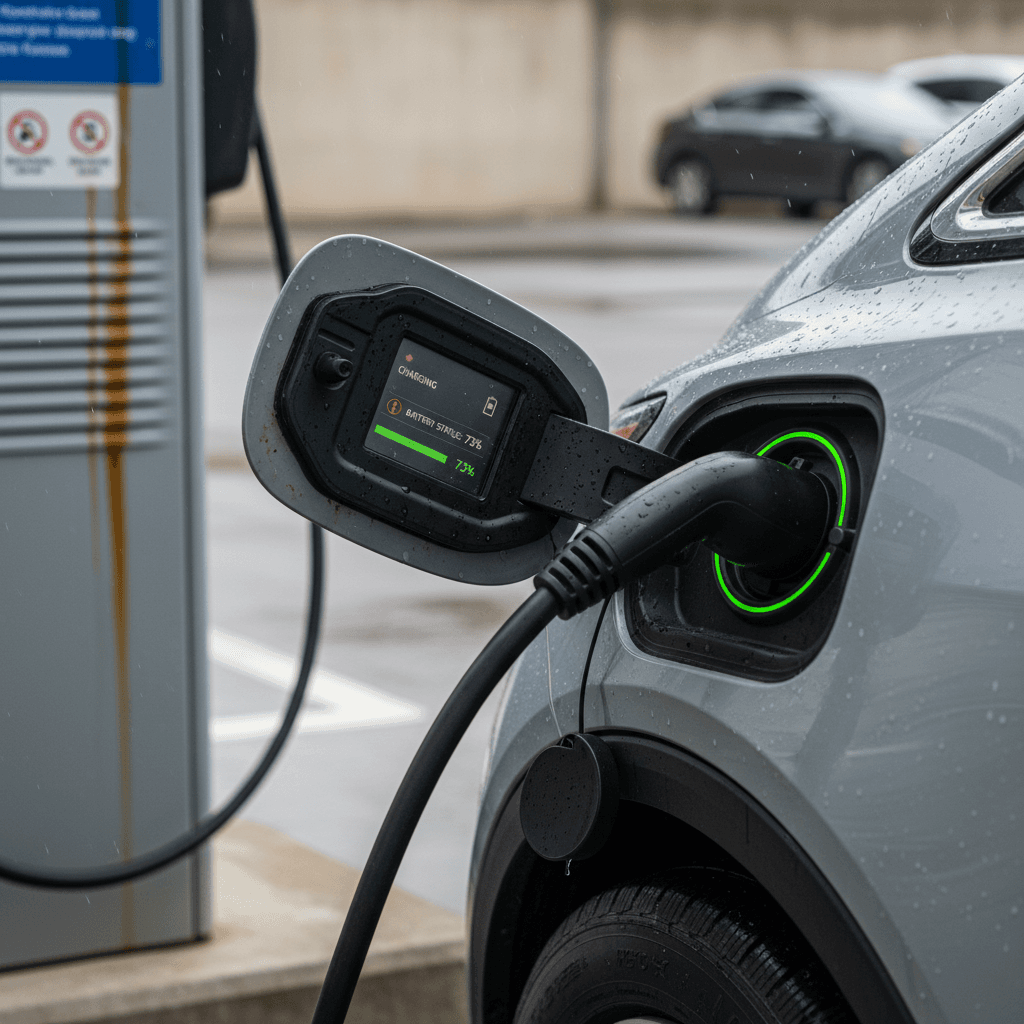
The defining reliability story for any 2021 Chevrolet Bolt EV is its high‑voltage battery recall. General Motors discovered that some LG‑supplied battery packs could have two rare manufacturing defects in the same cell, increasing the risk of a thermal event and fire, especially when charged to high states of charge and left parked.
- Initial recalls started with 2017–2019 Bolts, then expanded in 2021 to cover all 2017–2022 Bolt EV and 2022 Bolt EUV models, including the 2021 model year.
- Owners were advised to limit charging (often to about 90% or less), avoid depleting the pack to near‑zero, and park outside rather than in garages until a fix was available.
- GM rolled out software updates to monitor the pack and limit use, followed by phased battery module replacements or full pack replacements for affected vehicles.
- Some 2020–2022 owners initially received only monitoring software, leading to frustration when "propulsion power reduced" warnings or repeated service visits followed.
- As of 2025, GM and dealers are still working through a final wave of recall bulletins and updated procedures for 2020–2022 battery packs.
How to verify recall status
Common 2021 Bolt EV problems to know about
Typical 2021 Bolt EV problem areas
Most issues are battery‑ or electronics‑related, not engine or transmission failures.
Battery & "Propulsion Power Reduced" messages
The most serious complaints involve high‑voltage battery packs triggering warnings, limiting power, or needing full replacement under the recall or warranty. In some cases, owners report long waits for parts or repeated visits before the issue is resolved.
Range fluctuations
Owners sometimes see unexpected drops in estimated range, especially in cold weather or after recall‑related software updates. This is often normal EV behavior, but it can also hint at battery health or calibration issues that deserve a closer look.
Infotainment & electronics glitches
A smaller, but real, set of complaints involve the touchscreen freezing, Bluetooth problems, or random warning lights. These are inconvenient more than dangerous, and many are resolved with software updates or module replacements.
Outside of the battery and electronics, the 2021 Bolt EV doesn’t have a long list of recurring mechanical failures. There’s no traditional transmission, engine, or exhaust system to worry about, and its brakes tend to last a long time thanks to strong regenerative braking. That’s part of why so many owners still rate it highly for reliability despite the recall drama.
Look past cosmetic "problems"
Battery health, replacements, and long‑term durability
Because the recall is so central to the 2021 Bolt’s reliability rating, the best thing you can do when shopping used is treat the battery like a separate line item. You want to know what pack is in the car now, what work has been done, and how it’s performing.
Battery health questions to ask about a 2021 Bolt EV
1. Has the recall work been fully completed?
Ask for documentation that shows the exact recall code and what was done. A full battery or module replacement is more reassuring than monitoring software alone.
2. Is the pack original or replacement?
Some 2021 Bolts now carry newer replacement packs installed under recall. That can effectively reset the clock on long‑term battery health and may improve real‑world reliability.
3. What’s the current usable range?
Have the seller or dealer charge the car to the current recommended limit and show you the estimated range. Compare it to the original EPA rating of about 259 miles; modest degradation is normal, major gaps deserve questions.
4. Any recent warnings or reduced‑power events?
Ask specifically about messages like "Propulsion Power Reduced" or charging interruptions. Repeated warnings can signal an unresolved battery or high‑voltage issue.
5. How was the Bolt charged and stored?
Vehicles mostly charged on Level 2, kept between roughly 20–80% for daily use, and not regularly fast‑charged to 100% tend to see gentler long‑term battery wear.
6. Can you see a battery health report?
A third‑party battery diagnostic – like the Recharged Score you’ll see on vehicles sold through Recharged – gives a data‑driven look at current pack condition instead of guesswork.
Why a verified battery can be a win
Safety considerations and fire‑risk history
There’s no way around it: the Bolt EV’s recall centered on the risk of high‑voltage battery fires. Early cases, mostly in 2017–2019 cars, led regulators and GM to treat the problem seriously and eventually extend coverage to later years like 2021.
The important nuance for a 2021 shopper is that fire incidents were extremely rare compared with the total number of Bolts on the road, but the consequences were serious enough that engineers and regulators took a zero‑tolerance approach. That’s why the recall and monitoring software felt so intrusive for owners, and why reliability scores took a hit.
Practical safety steps for Bolt owners
- Follow GM’s latest charging and parking guidance in your owner’s materials.
- Keep software up to date and pay attention to any new warnings.
- Address unusual smells, smoke, or repeated high‑voltage alerts immediately with a certified EV dealer.
- Use only approved charging equipment and avoid damaged cords or outlets.
Used 2021 Bolt EV buying checklist
If you approach a 2021 Chevrolet Bolt EV like any other compact hatchback, you’ll miss the most important reliability questions. Here’s a focused checklist tailored to the Bolt’s unique history.
Step‑by‑step checklist for evaluating a used 2021 Bolt EV
1. Pull the full recall and service history
Use the VIN to confirm all open recalls and ask for dealer invoices that show what was actually done. Prioritize cars with clear, completed battery work at a Chevrolet EV‑certified dealer.
2. Ask for a battery health report
A structured report – like the Recharged Score battery diagnostics offered on vehicles sold through Recharged – shows current capacity, recent faults, and pack behavior under load so you’re not guessing about the most expensive component on the car.
3. Test charging behavior
Charge on Level 2 for at least 20–30 minutes. Watch for any error messages, unusual noises from the pack, or abrupt stops in charging. If possible, confirm DC fast‑charging works as expected too.
4. Drive it in mixed conditions
On the test drive, use highway speeds, city traffic, and strong regen. Note any shuddering, power limits, or warning messages. The Bolt should feel smooth, quiet, and predictable.
5. Inspect tires, brakes, and suspension
Long‑range commuters can rack up mileage quickly. Uneven tire wear or noisy suspension over bumps may not be deal‑breakers, but they should factor into price negotiations.
6. Confirm remaining warranties
Have the seller or dealer show you in writing how much coverage is left on the basic and battery warranties, and whether any extended coverage or recall‑related extensions apply.
How Recharged can help
Ownership costs, warranty coverage, and recall work
From a cost‑of‑ownership standpoint, the 2021 Bolt EV can be a bargain if you buy the right example. There’s no oil to change, no timing belt, and no complex multi‑speed automatic transmission. Most owners report low running costs beyond tires, occasional cabin air filters, and brake fluid service.
Typical U.S. warranty coverage for a 2021 Bolt EV (original owner)
Exact terms can vary slightly by region and in recall‑related situations, so always verify coverage on the specific VIN.
| Coverage type | Typical term | What it covers | Why it matters for reliability |
|---|---|---|---|
| Bumper‑to‑bumper warranty | 3 yrs / 36,000 mi | Most components other than wear items and the high‑voltage battery | May still apply on low‑mileage, lightly used 2021 Bolts. |
| Powertrain warranty | 5 yrs / 60,000 mi | Electric drive motor and related hardware | Protects you if a rare drivetrain fault shows up early. |
| High‑voltage battery warranty | 8 yrs / 100,000 mi | Battery pack and high‑voltage components | Key protection on the most expensive part of the car. |
| Recall‑related coverage | Varies by campaign | Battery modules or packs, monitoring software, associated hardware | Can extend effective coverage and support even beyond standard warranty windows. |
Even on a used Bolt, you may benefit from remaining factory or recall‑extended coverage.
Don’t assume recall equals "out of warranty"
How the 2021 Bolt EV stacks up against other EVs
Within the broader used‑EV market, the 2021 Chevrolet Bolt EV sits in an unusual place. It offers excellent efficiency, strong range for the money, and a roomy hatchback body. On price, it’s often cheaper than similarly ranged rivals like the Kona Electric or Nissan Leaf Plus, largely because the recall history weighs on shopper confidence.
Where the 2021 Bolt looks strong
- Competitive EPA‑rated range (around 259 miles when new).
- Simple, proven BEV2 platform with no engine or transmission to fail.
- Often lower purchase prices than comparable‑range EVs.
- Lots of real‑world owner satisfaction with daily reliability post‑recall.
Where it lags on paper
- Reliability ratings marked down because of the battery recall and service‑experience complaints.
- Perception risk for buyers worried about fire headlines, even if their specific car is fully repaired.
- No Ultium‑era improvements in charging speed or architecture – it’s an older‑generation GM EV.
A value play for informed buyers
FAQ: 2021 Chevrolet Bolt EV reliability
Frequently asked questions about 2021 Bolt EV reliability
Bottom line: Is a 2021 Bolt EV a good used buy?
The 2021 Chevrolet Bolt EV is a rare case where the headline reliability rating and the everyday ownership experience can look very different. Official scores are depressed by a serious, widely covered battery recall and the frustration many owners felt navigating that process. Yet the underlying car – a simple, efficient electric hatchback with no engine or transmission and low running costs – has earned a loyal following among drivers who’ve had their packs repaired or replaced and kept up with software updates.
If you’re considering a used 2021 Bolt EV, treat the battery and recall history as your starting point, not an afterthought. Look for clear documentation of recall work, verify current battery health, and make sure charging and driving behavior feel normal. When those boxes are checked, the 2021 Bolt can deliver a lot of EV for the money – especially when you buy through a platform like Recharged that backs every car with a transparent Recharged Score Report, EV‑specialist support, and a fully digital buying experience.