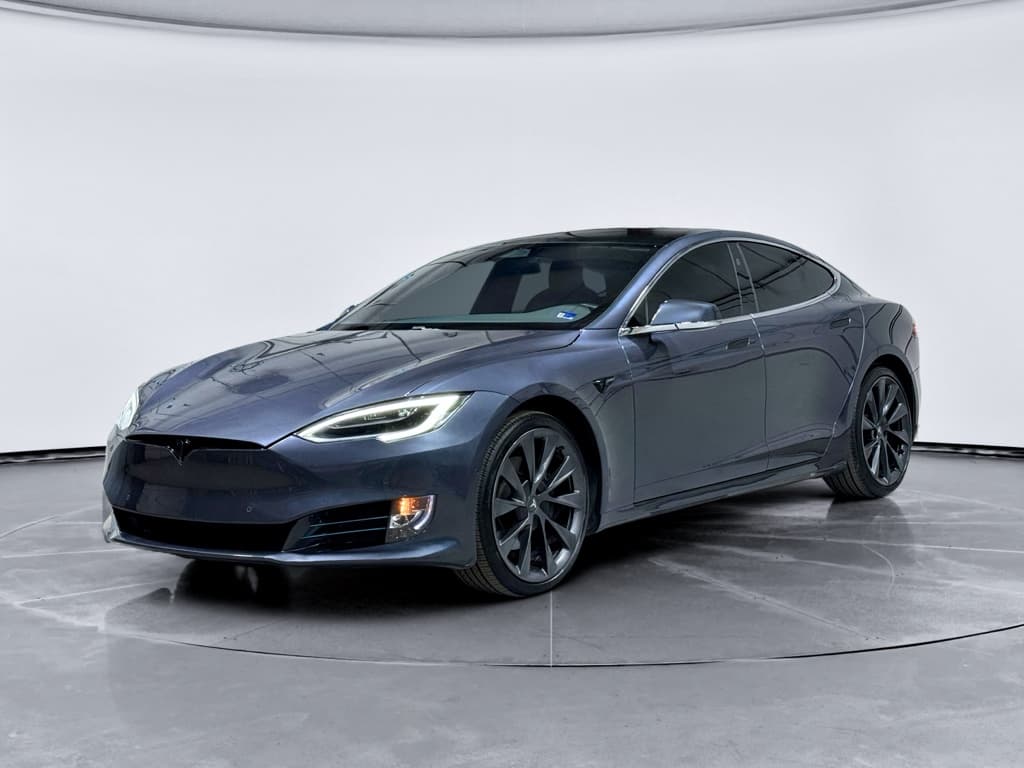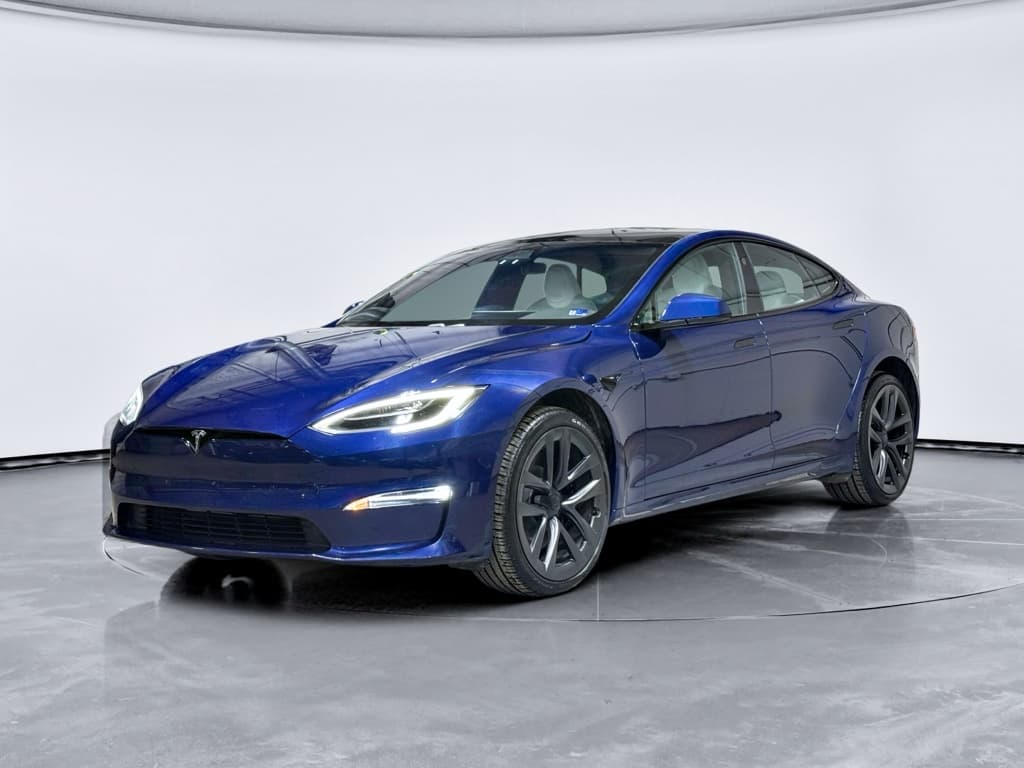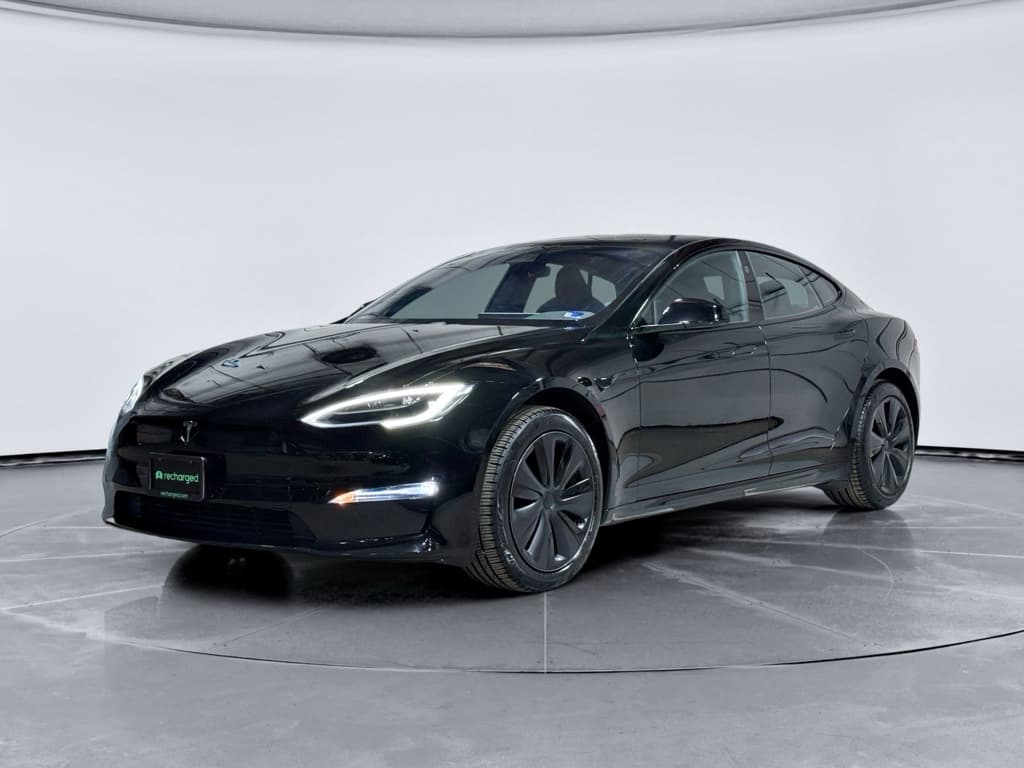
If you’re shopping for a used Tesla, the phrase “2020 Tesla Model S range test” probably keeps popping up. On paper, the 2020 Model S Long Range Plus was the first production EV with an EPA rating over 400 miles. But what does that actually look like at 75 mph on the highway, on a cold morning, or five years down the road when you’re buying used?
Quick Take
Why the 2020 Model S Range Still Matters
Tesla has updated the Model S several times since 2020, but that model year’s Long Range Plus trim is a sweet spot for used buyers: huge battery, industry‑leading efficiency, and pricing that’s now thousands below new cars. Understanding real‑world range helps you decide if it fits your commute, your road‑trip plans, and how much battery health matters when you buy used.
At Recharged, we spend a lot of time on exactly these questions. Our Recharged Score reports pull detailed battery diagnostics and real‑world data so you’re not guessing how much range a particular 2020 Model S has left, you see it in black and white before you buy.
2020 Tesla Model S Range Specs at a Glance
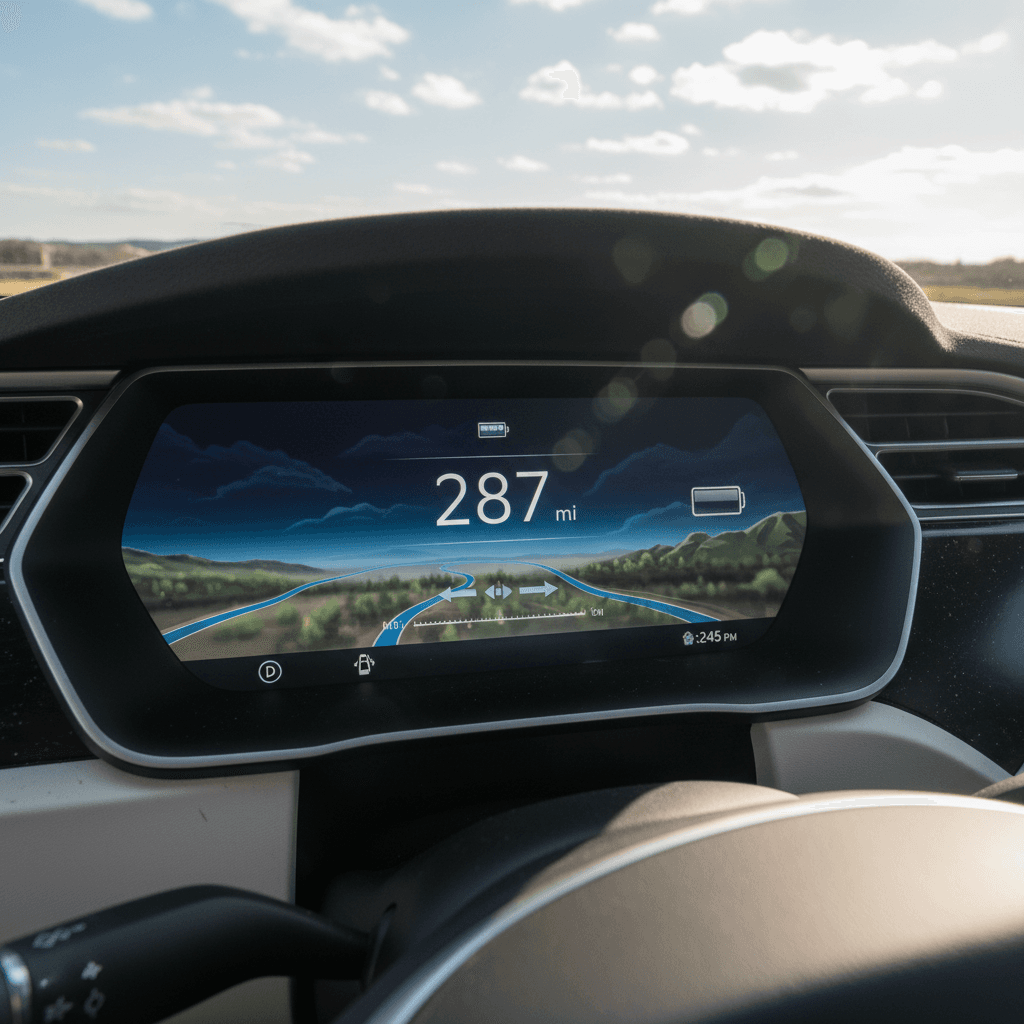
2020 Model S Range & Battery Snapshot
For 2020, Tesla simplified the Model S lineup to two main versions: Long Range Plus (LR+) and Performance. Both use roughly a 100‑kWh pack (about 94–98 kWh usable), but they’re tuned differently:
- Long Range Plus (LR+) – Prioritizes efficiency and maximum range; smaller wheels and aero‑optimized tires help it reach the 402‑mile EPA rating.
- Performance – Same basic battery, but more powerful motors, stickier tires, and different wheels cut EPA range to about 348 miles while delivering brutal acceleration.
Model Year vs Build Details
EPA vs Real‑World Range: What Tests Actually Show
The EPA test cycle is designed to be repeatable and comparable, not to mirror your exact commute. In 2020, the Model S Long Range Plus became the first EV officially rated above 400 miles by the EPA, at 402 miles combined. That’s an impressive number, but it assumes a controlled mix of city and highway driving, moderate speeds, and mild weather.
How the EPA Gets 402 Miles
- Moderate average speeds with relatively gentle acceleration.
- Mix of city and highway driving, not constant 75–80 mph.
- Temperature and HVAC use that represent a mild, idealized scenario.
- Battery charged to 100% and run nearly to empty.
How You Actually Drive
- Cruise‑controlled at 70–80 mph on U.S. interstates.
- Real weather, hot summers, cold winters, rain and headwinds.
- Partial charges (10–90% or 20–80%) to preserve the battery.
- Frequent stops, hills, cargo, and passengers.
The result? Real‑world range tests for the 2020 Model S LR+ consistently land below the EPA number, but still ahead of most rivals of its era. That’s exactly what highway testers have seen.
Highway Range Testing: The 75‑mph Benchmark
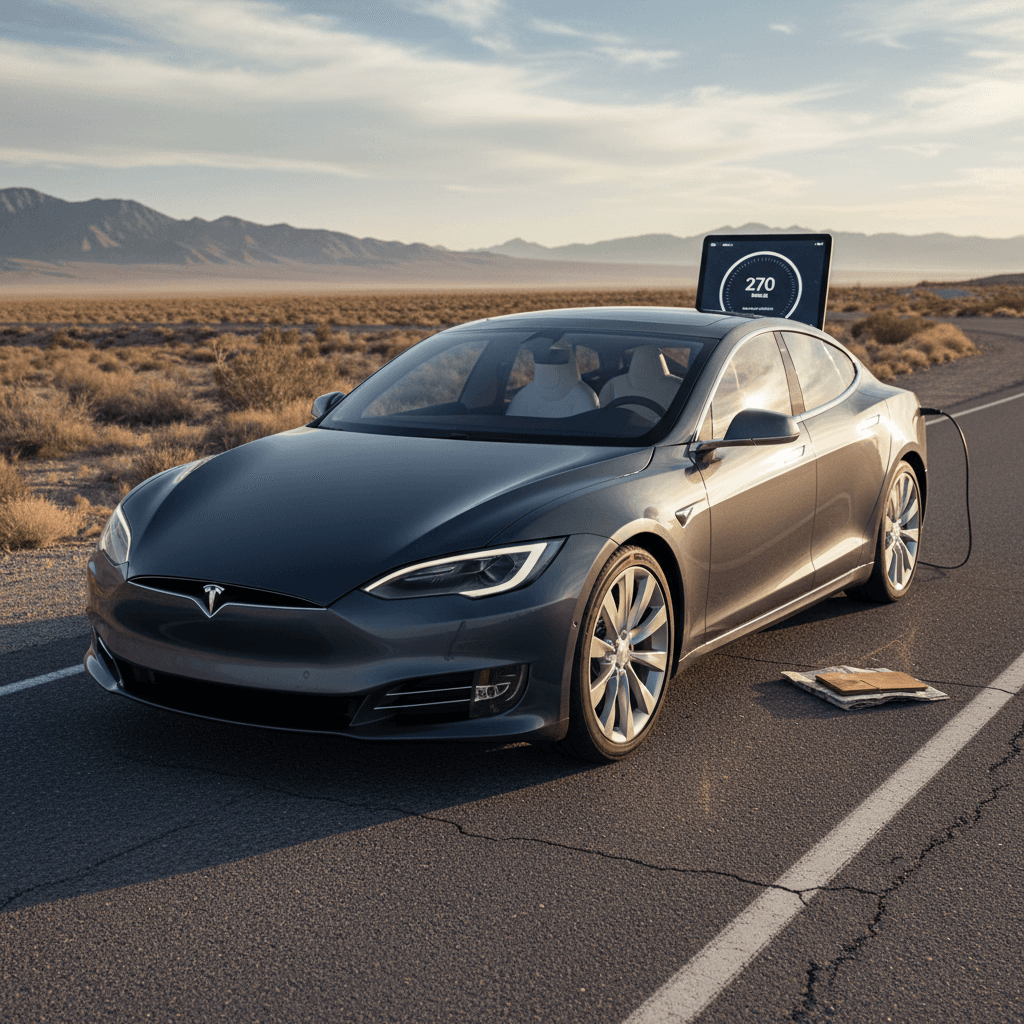
One of the most respected real‑world tests is Car and Driver’s 75‑mph highway loop. They charge the car to 100%, set cruise control to 75 mph, and run an out‑and‑back interstate route until the battery is nearly empty. In this controlled test, a 2020 Tesla Model S Long Range Plus logged about 320 miles before it had to pull off for a charger, making it the first EV to break 300 miles in their highway testing.
2020 Model S Long Range Plus: Range by Scenario
Approximate ranges for a healthy Long Range Plus battery under different conditions, based on EPA ratings and third‑party testing.
| Scenario | Speed & Conditions | Estimated Range |
|---|---|---|
| EPA Combined Rating | Mixed city/highway, moderate speeds | ~402 miles |
| Highway Test (C&D) | 75 mph, mild weather | ~320 miles |
| Conservative Highway | 65–70 mph, mild weather | 330–360 miles (typical) |
| Cold Weather Highway | 75 mph, freezing temps, cabin heat on | 230–280 miles (typical) |
| Aggressive Driving | 80+ mph, frequent bursts, loaded car | Below 300 miles |
These are estimates, not guarantees. Your results will vary by route, weather, and driving style.
Cold Weather is a Range Killer
City and Mixed Driving: What Most Owners See
Not everyone spends their life at 75 mph. Around town, the 2020 Model S can feel almost impossible to "run out" of in a normal day. Regenerative braking works harder in stop‑and‑go traffic, and average speeds are lower, which is friendlier to aerodynamics.
Typical Day‑to‑Day Range in a Healthy 2020 Model S
Approximate real‑world results for a Long Range Plus on 19‑inch wheels in mild weather
Urban / Suburban Errands
Short trips, lots of stops, 30–45 mph average.
Rough expectation: 330–380 miles per full charge equivalent.
Mixed Commute
Half city, half highway at 65–70 mph.
Rough expectation: 300–340 miles per full charge equivalent.
Mostly Highway
Frequent 70–75 mph cruising.
Rough expectation: 280–320 miles, very similar to 75‑mph tests.
Most owners don’t measure range from 100% to 0%. Instead, they live in a comfortable band, say 20–90%, and recharge at home or at work. In that scenario, even a "short" day’s worth of 200–220 miles is well within this car’s comfort zone.
If You Charge at Home
8 Big Factors That Affect Your 2020 Model S Range
Key Range Factors for a 2020 Model S
1. Speed and Aerodynamics
Above about 65 mph, air resistance ramps up sharply. Jumping from 65 to 80 mph can cost you dozens of miles of highway range in a 2020 Model S.
2. Temperature and Climate Control
Cold batteries are less efficient and heating the cabin is energy‑intensive. Expect reduced range in freezing temperatures, especially at higher speeds.
3. Wheels and Tires
The Long Range Plus with 19‑inch Tempest wheels is the range champ. Larger 21‑inch wheels and stickier performance tires add drag and rolling resistance.
4. Driving Style
Smooth, steady inputs keep consumption low. Hard acceleration, late braking, and fast lane‑changes all chip away at your real‑world range.
5. Elevation Changes
Climbing long grades uses extra energy; descending can regenerate some of it. On net, mountainous routes are usually harder on range than flat highway.
6. Payload and Roof Racks
Extra passengers, cargo, or a roof box mean more weight and more drag. At highway speeds, a roof box can noticeably shrink your range.
7. Battery Health and Age
Every lithium‑ion pack loses some capacity over time. A well‑treated 2020 Model S typically shows modest degradation by year 5, often in the 5–10% ballpark.
8. Software and Updates
Tesla has a history of improving efficiency via software. Ensuring the car is on a current, stable version can slightly improve how far each kWh takes you.
Don’t Ignore Old or Mismatched Tires
Range Tips for Road Trips in a 2020 Model S
The 2020 Model S was built for covering big distances quickly, especially when you pair it with the Supercharger network. But using that capability well means thinking a little differently than you would in a gas car.
Road‑Trip Strategy: Squeezing the Most from a Charge
Practical ways to keep your 2020 Model S stress‑free between chargers
Plan Around Chargers, Not Max Range
Use the in‑car trip planner or popular EV route‑planning apps to string together Supercharger stops.
On a 2020 Model S LR+, it’s often faster overall to drive, quick‑charge from ~10–60%, then get back on the road rather than waiting for a slow top‑off to 100%.
Drive the “Fast, Not Furious” Way
Sticking near 70–75 mph usually hits a sweet spot between time and consumption.
If your next Supercharger is at the edge of your projected range, easing back to 65 mph can save the day without adding an extra stop.
- Start each leg with a warm battery, Supercharging just before a long segment helps.
- Keep an eye on the trip energy graph rather than the percentage alone; it shows whether you’re trending above or below the estimate.
- Use cabin preconditioning while plugged in so heater or A/C draw less on the open road.
- Avoid fully charging to 100% unless you need every mile for the next leg, and try not to sit at 100% for long periods.
Used 2020 Model S: How Much Range to Expect Today
By 2026, every 2020 Tesla Model S is at least five model years old. That means some degree of battery degradation is normal. The question for a shopper is: how much has this particular car lost, and does it matter for you?
Typical Degradation Patterns
- Most well‑cared‑for Teslas lose a few percent in the first couple of years, then level off.
- A healthy 2020 Long Range Plus might realistically show roughly 360–380 miles at 100% today, instead of the original 402.
- Abuse (frequent 100% charges, hot climates, sitting at 0%) can accelerate loss.
What a Buyer Should Look For
- State of health (SoH) estimate from a trusted diagnostic tool, not just the in‑car guess.
- Consistent charging behavior records: mostly home charging at moderate levels is a good sign.
- Documentation of any battery‑related service under Tesla’s 8‑year/150k–240k‑km warranty.
How Recharged Measures Real Battery Health
How the 2020 Model S Compares to Other EVs
When the 2020 Model S Long Range Plus launched, it didn’t just edge out rivals, it reset expectations. Even today, its combination of battery size and efficiency stacks up well against many newer EVs, especially in highway range.
2020 Model S LR+ vs Other Long‑Range EVs (2020 Era)
High‑level range comparison using EPA ratings and widely reported highway results for similar‑age EVs.
| Model & Year | EPA Range (approx.) | Typical 70–75 mph Highway Range |
|---|---|---|
| 2020 Tesla Model S Long Range Plus | 402 mi | ~320 mi |
| 2020 Tesla Model S Performance | 348 mi | ~270–290 mi |
| 2020 Tesla Model 3 Long Range AWD | 322 mi | ~250–270 mi |
| 2020 Porsche Taycan Turbo S | ~192 mi | ~200+ mi in some independent tests |
| 2020 Nissan Leaf Plus | ~215–226 mi | ~150–170 mi |
Numbers are rounded; actual results depend on configuration and conditions.
Still a Long‑Distance Benchmark
FAQ: 2020 Tesla Model S Range and Testing
Frequently Asked Questions
Bottom Line: Is the 2020 Model S Still a Range Champion?
On a spec sheet, the 2020 Tesla Model S Long Range Plus shattered the 400‑mile barrier. In independent 75‑mph testing, it backed that up with roughly 320 miles of highway range, still remarkable today, especially compared with other 2020‑era EVs. In real life, your experience will land somewhere between those numbers, shaped by weather, speed, and how the car has been treated over the last five years.
If you’re considering a used 2020 Model S, the big questions aren’t just, “What was the range when it was new?” but “What’s the range on this exact car, right now?” That’s where a transparent battery health check matters. At Recharged, every Model S we sell includes a Recharged Score Report with verified battery state of health, pricing grounded in that data, and EV‑specialist support to help you decide whether this is the right long‑range workhorse for your life.