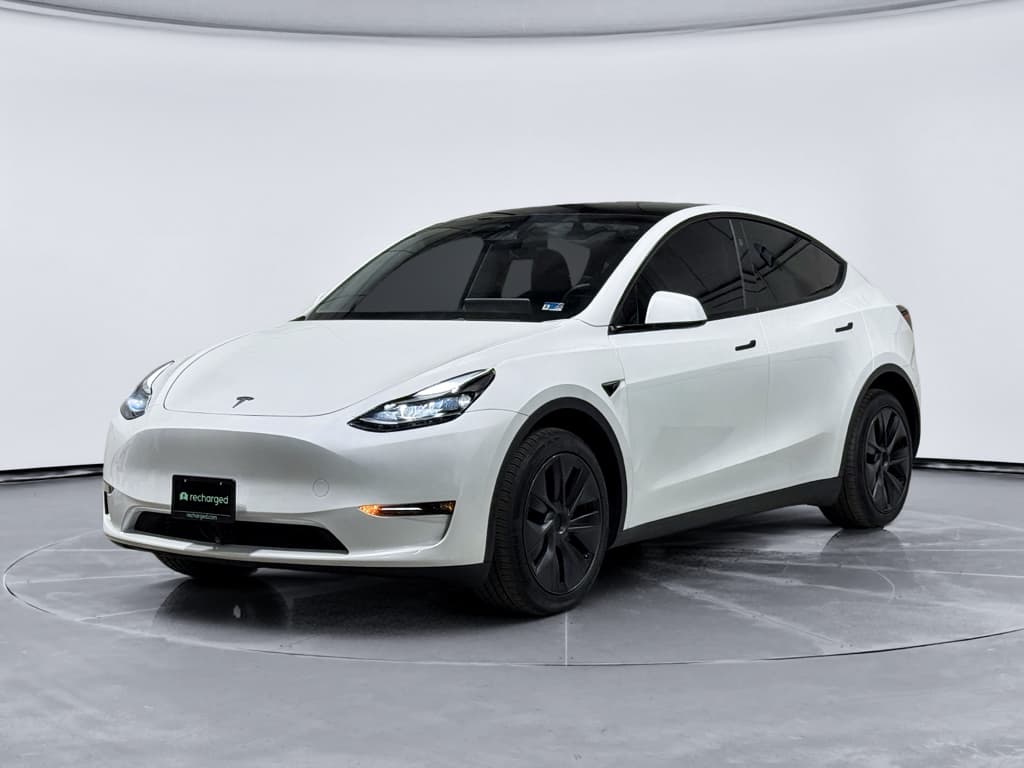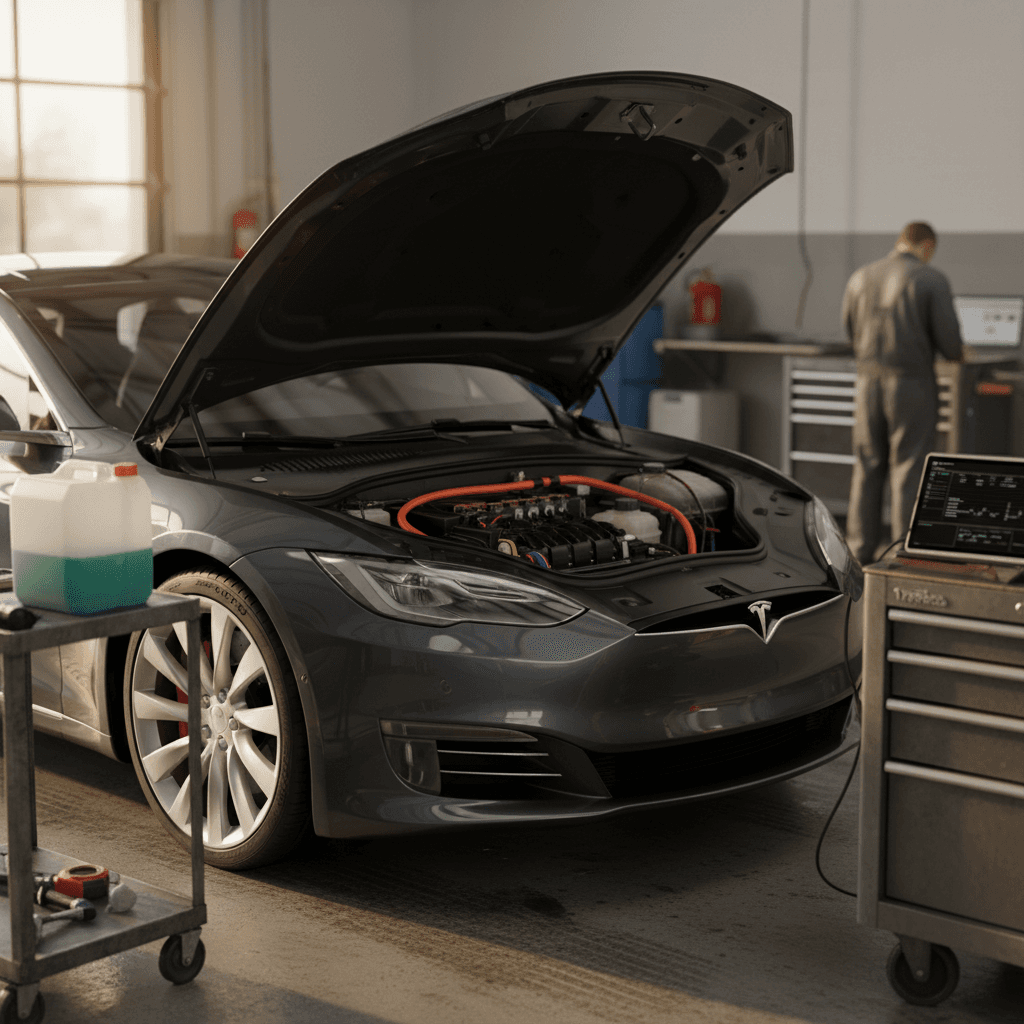
If you’re considering a used 2020 Tesla Model S, you’ve probably heard two very different stories: owners who love the performance and range, and others who complain about build quality and repeated service visits. The truth lands somewhere in between. This guide walks you through the most common 2020 Tesla Model S problems, how serious they are, and what you should look for before you buy.
Why focus on the 2020 Model S specifically?
Should you worry about 2020 Model S problems?
2020 Model S reliability snapshot
Owner surveys and complaint data show the 2020 Tesla Model S is less reliable than the average 2020 luxury sedan, especially in areas like body hardware, suspension, and electronics. At the same time, the core EV components, the battery pack and drive units, have generally held up well when properly cared for. If you go in with eyes open, verify battery health, and inspect known weak points, a 2020 Model S can still be a very rewarding used EV.
Key takeaway on reliability
2020 Model S at a glance: range, warranty, recalls
2020 Tesla Model S quick specs and coverage
Core specs that influence long‑term ownership and problem risk.
| Item | 2020 Model S Long Range / Performance |
|---|---|
| EPA range | Up to 373 miles (Long Range) |
| Battery & drive unit warranty | 8 years / 150,000 miles (whichever comes first) |
| Basic vehicle warranty | 4 years / 50,000 miles (most 2020 cars are now out of this coverage) |
| Drivetrain | Dual‑motor all‑wheel drive |
| DC fast charging | Tesla Supercharger network (no adapter needed) |
| Recalls | Double‑digit recalls over life of vehicle across multiple systems |
Always confirm exact trim and in‑service date for the specific car you’re shopping.
Most 2020 Model S cars on the market today are out of their basic 4‑year/50,000‑mile warranty, but many still have remaining battery and drive‑unit coverage. That’s good news for the most expensive components, but it means issues with suspension, interior trim, or electronics are more likely to be out of pocket unless covered by special programs or recalls.
Don’t ignore recall history
Most common 2020 Tesla Model S problem areas
Top problem zones on the 2020 Model S
These are the systems that most often generate owner complaints.
Electronics & screens
Central touchscreen freezes, glitches, or reboots; occasional instrument cluster issues; Bluetooth and camera quirks.
Body hardware
Auto‑presenting door handles, window regulators, and trim pieces can fail or go out of adjustment.
Suspension & ride
Clunks or squeaks over bumps, premature wear of control arms or air‑suspension components in higher‑mileage cars.
Charging system
Home charging faults, charge‑port door issues, or errors on some public stations, even when DC fast charging is fine.
Climate system
Heater or A/C performance problems, especially in very cold or very hot climates; occasional noisy fans or sensors.
Driver assistance
Autopilot camera or sensor misalignment, phantom braking, or lane‑keeping behavior that requires calibration.
Those problem areas don’t affect every 2020 Model S, and many issues are fixable with updated parts or software. But they do shape what you should inspect and test‑drive for when you’re choosing between individual cars.
Battery health and degradation on a 2020 Model S
Battery health is usually the first concern on any used EV. The good news: real‑world data on Model S and X packs suggests they typically retain around 85–90% of their original capacity near 200,000 miles when properly maintained and not abused with repeated full‑to‑empty fast‑charge cycles. That means most 2020 Model S cars should still offer excellent range if they haven’t led an unusually hard life.
- Normal degradation for a well‑cared‑for 2020 Model S might be in the 5–12% range by 80,000–100,000 miles.
- Cars that lived in very hot climates, fast‑charged heavily, or were stored at 100% charge for long periods can show higher degradation.
- Battery replacement on a Model S is rare but extremely expensive, which is why verification up front matters so much.
How to quickly check battery health on a test drive
Signs of a healthy battery
- Rated range still close to mid‑300‑mile territory when fully charged.
- Consistent charging speeds at Superchargers, without severe throttling.
- No battery‑related warning messages or high‑voltage system alerts.
Red flags to watch for
- Full‑charge range dramatically below 300 miles on a Long Range car.
- Frequent rapid drops in state of charge, or sudden shutdowns.
- History of repeated "maximum battery charge" use and heavy DC fast charging.
Climate matters
Software and MCU issues: screens, bugs and updates
Teslas are computers on wheels, and the 2020 Model S is no exception. Earlier Model S and X cars (through early 2018) had well‑documented failures of the original media control unit (MCU1) due to eMMC memory wear. By 2020 Tesla had switched to updated hardware and also addressed many concerns with over‑the‑air software updates, but screen‑related problems are still one of the most common complaints.
- Occasional touchscreen reboots or freezing, especially after a recent software update.
- Slow or buggy navigation and streaming apps until the system is rebooted.
- Backup camera delays or glitches when shifting into reverse.
- Rare but frustrating Bluetooth or phone‑key connectivity problems.
Software fixes vs. hardware failures
On your test drive: quick electronics and MCU checklist
1. Check boot‑up time
When you first power the car, does the center screen wake up quickly and respond immediately to touches? Long delays or multiple reboots can signal deeper issues.
2. Test all cameras
Engage the backup camera and side repeater views. Look for lag, blank screens, or artifacts. These can indicate failing cameras or wiring.
3. Run navigation and audio
Set a destination, zoom in and out on the map, stream audio, and switch sources. Sluggish performance or frequent spinning icons deserve follow‑up questions.
4. Confirm climate control
Adjust temperature, fan speed, and defrost. Make sure air actually changes temperature as expected, some owners report weak heat or A/C.
5. Look for warning lights
Any persistent alerts related to Autopilot, cameras, or the infotainment system should be investigated before purchase.
Suspension, tires, and ride quality
Owner surveys highlight suspension and body noises as recurring complaints on the Model S family. The 2020 model benefits from incremental improvements over earlier years, but it’s still a heavy, high‑torque car that can be tough on bushings, control arms, and tires, especially on rough roads or with aggressive driving.

- Clunks or knocks over low‑speed bumps, especially in the front end.
- Uneven tire wear, feathering, or inside‑edge wear from misalignment or worn bushings.
- Air‑suspension compressor noise or ride‑height errors on cars equipped with Smart Air Suspension.
Why suspension issues matter more on EVs
Charging problems: home and Supercharging
Another cluster of 2020 Tesla Model S problems involves charging behavior. These are often more annoying than catastrophic, but they can disrupt daily life if you rely on overnight charging or road‑trip fast charging.
Typical charging issues reported by Model S owners
Different issues, different root causes, and very different repair bills.
Home charging quirks
- Car won’t start a scheduled charge or randomly stops.
- Charging limited to a lower amperage than expected.
- Errors when using certain third‑party wallboxes.
Many of these are wiring or wallbox issues, not the car itself.
Public & Supercharger issues
- Slower‑than‑expected Supercharger speeds after repeated fast charging or in cold weather.
- Charge‑port door sticking or failing to open.
- Occasional handshake errors with some non‑Tesla DC fast chargers.
How to test charging before you buy
Repair costs, parts availability, and downtime
Even when problems are manageable, you need a realistic view of costs and downtime. In owner surveys, a significant share of Model S drivers report repairs that kept the car off the road for a week or more, often due to parts availability or busy service centers.
Typical out‑of‑warranty repair scenarios on a used Model S
Approximate ranges for common non‑warranty repairs. Actual pricing varies by region and shop.
| Issue | Typical Fix | Ballpark Cost (USD) |
|---|---|---|
| Noisy front suspension / clunk | Control arms, links, alignment | $800–$2,000 |
| Door handle won’t present or open | Replace or rebuild door handle module | $300–$700 per handle |
| Touchscreen yellowing / delamination | Screen replacement | $1,000–$1,800 |
| Failed window regulator | Replace regulator and re‑calibrate | $300–$600 per window |
| Charge‑port door fault | Replace door assembly or actuator | $300–$800 |
| 12V battery replacement | Replace low‑voltage battery | $200–$400 |
These are ballpark figures to help you compare risk; always get a real quote for your specific VIN and symptom.
Mobile service helps, but plan for downtime
How to inspect a used 2020 Model S
Because the 2020 Tesla Model S mixes advanced software with traditional wear‑and‑tear items, a good inspection needs to cover both. You don’t have to be a technician, but you do need a systematic approach.
Used 2020 Model S inspection checklist
1. Pull the vehicle history
Look for prior accidents, buybacks, or flood damage. Pay special attention to repeated repairs in the same area, like suspension or electronics, that can signal an ongoing problem.
2. Verify warranty and recall status
Confirm remaining battery and drive‑unit warranty based on the in‑service date. Ask the seller for documentation that recalls and service campaigns have been completed.
3. Evaluate battery health
Check rated range at a high state of charge, ask about typical charging habits, and look for any battery or high‑voltage alerts in the instrument panel or service menu.
4. Inspect suspension and tires
On the test drive, listen for clunks, rattles, or steering vibration. Afterward, inspect tire wear patterns, especially the inside edges. Uneven wear suggests alignment or suspension problems.
5. Stress‑test electronics
Spend 10–15 minutes playing with the touchscreen: navigation, cameras, audio, climate, seat heaters, and driver‑assistance settings. A car that glitches regularly in that short window will likely frustrate you in daily use.
6. Get an expert EV inspection
Because Teslas differ from traditional cars, a shop or marketplace that specializes in EVs can spot battery, charging, and software issues that a general mechanic might miss.
How Recharged helps with used Tesla Model S shopping
If you like the idea of a 2020 Model S but don’t love the idea of decoding battery data and service histories on your own, this is where Recharged is built to help. Every vehicle we sell comes with a Recharged Score Report that includes verified battery health, detailed condition notes, and fair‑market pricing, so you can see, at a glance, how the car you’re considering stacks up against others.
What you get when you buy a used Model S through Recharged
Built to make used EV ownership simpler and more transparent.
Verified battery health
We run advanced diagnostics on pack capacity and performance, not just dashboard range guesses, so you know how much real‑world range to expect.
Fair, transparent pricing
Our pricing reflects condition, mileage, battery health, and market trends. No trips to multiple dealers to find out what’s fair.
EV‑specialist support
From answering questions about Autopilot updates to explaining charger options for your home, our EV specialists guide you end‑to‑end.
Trade‑in and instant offer
Have a gas car or another EV to sell? Get an instant offer or use our consignment option to maximize value.
Nationwide delivery
Shop digitally and have your Model S delivered to your driveway, or visit our Experience Center in Richmond, VA if you prefer to see it in person.
Clear, digital paperwork
Financing, title, taxes, and registration are handled through a fully digital process, so you spend more time driving and less time waiting at a desk.
Ready to find your next EV?
Browse VehiclesFAQ: 2020 Tesla Model S problems
Common questions about 2020 Tesla Model S problems
Bottom line: is a 2020 Tesla Model S a good used buy?
A used 2020 Tesla Model S offers world‑class EV range, performance that embarrasses many sports cars, and access to the Supercharger network, but it also carries more risk of minor repairs than the average luxury sedan. If you understand the common 2020 Tesla Model S problems, verify battery health, and choose a car with a clean inspection and up‑to‑date software, it can be an excellent long‑distance EV for years to come. And if you’d rather not play detective with each listing, starting your search with a curated marketplace like Recharged, where battery health, pricing, and condition are already vetted, can take much of the uncertainty out of buying a used Model S.