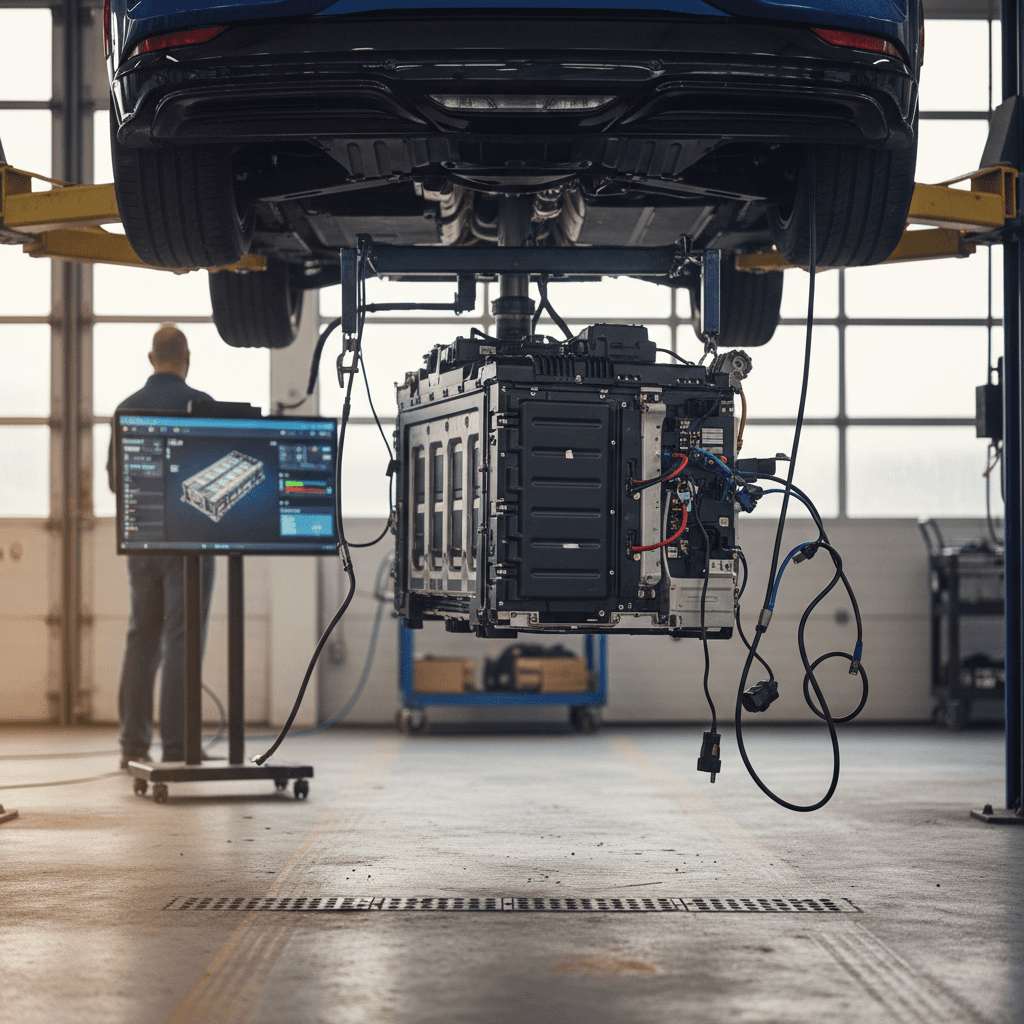
If you’re shopping for a used EV, a 2020 Tesla Model 3 is one of the most tempting options on the market. It’s modern, relatively affordable, and has access to Tesla’s Supercharger network. But like any high-volume car, the 2020 Model 3 has its share of **problems**, some annoying, some genuinely expensive, especially as these cars move beyond their basic warranty period.
Where the 2020 Model 3 sits today
2020 Tesla Model 3 reliability at a glance
2020 Model 3 reliability snapshot
In broad strokes, the 2020 Tesla Model 3 is **mechanically robust**. You don’t have to worry about timing belts, engine oil leaks, or transmission failures because they don’t exist. Instead, the real pain points tend to cluster around **battery health**, **charging hardware**, **build quality**, and **electronics/Autopilot** behavior. None of these are automatic deal-breakers, but they’re exactly what you should investigate on any used example.
Major vs. minor 2020 Model 3 problems
Potentially major (costly) issues
- High battery degradation beyond what’s typical for mileage and use.
- DC fast charging problems, such as reduced charging speed or repeated charging interruptions at multiple stations.
- HVAC and heat pump failures (on some builds), which can mean expensive service if out of warranty.
- Water ingress into lights, trunk, or cabin that’s been neglected long-term.
- Airbag or safety-related repair history that wasn’t done by Tesla or a known EV specialist.
Typically minor (annoying) issues
- Panel gaps, paint defects, and trim misalignment, especially on early-build 2020s.
- Squeaks and rattles from the dash, doors, or suspension over rough roads.
- Door handle and window calibration glitches that are often fixed with software updates or simple adjustments.
- Center screen reboots or lag that resolve with updates or a soft reset.
- Wind noise from frameless doors or the glass roof at highway speeds.
Why separating major vs. minor matters
Battery health, degradation, and real-world range
The question every used-Tesla shopper asks: **“How’s the battery?”** For a 2020 Model 3, that’s exactly the right place to start. Battery health drives range, charging speed, and ultimately resale value. Tesla’s battery packs are generally durable, but not all used cars are treated equally.

- Typical owners report **modest degradation**, often in the 5–10% range by year five, depending on mileage and climate.
- Cars that did frequent DC fast charging (Supercharging) and lots of highway miles may show more range loss.
- Cold climates can temporarily reduce displayed range, but that’s different from permanent degradation.
- Extreme, out-of-pattern range loss may hint at underlying battery issues or high mileage with lots of fast charging.
Quick way to sanity-check battery health
At Recharged, every vehicle gets a **Recharged Score Report** with verified battery diagnostics. Instead of guessing based on the dash readout, you see how the pack is performing against expected norms for age and mileage, so you can separate a healthy 2020 Model 3 from one that’s been ridden hard.
Charging problems and home charging quirks
Most 2020 Model 3s charge reliably, but used buyers should pay close attention to how the car behaves on both **AC Level 2 charging at home** and **DC fast charging on the road**. Problems here can be annoying, and occasionally expensive, if you don’t catch them before you buy.
Common 2020 Model 3 charging complaints
What they look like and what they usually mean
Slow AC charging at home
You plug into a 240V Level 2 charger but only see a trickle of power.
- Often due to circuit limits or the car being set to a low amp setting.
- Can also be misconfigured home wiring or low-quality aftermarket charger.
Supercharger stops or throttles
Charging sessions that repeatedly fail or stay stuck at low power.
- Sometimes station-related; always test with multiple locations.
- If the issue follows the car, it may need diagnosis of the onboard hardware.
Charge port door & connector issues
Charge door won’t open reliably, or connector needs jiggling.
- Minor in many cases (debris, lubrication, alignment).
- Can require replacement of the door actuator or charge port on higher‑miles cars.
Don’t ignore chronic fast‑charging problems
A proper pre‑purchase evaluation should include testing the car on **Level 2** charging and, ideally, a quick **DC fast charge** to confirm that the car reaches normal power levels for its battery state of charge and temperature. At Recharged, this kind of real‑world charging behavior feeds directly into the Recharged Score you see for each vehicle.
Build quality, noises, and water leaks
Early Model 3s, and some 2020s, earned a reputation for **uneven build quality**. By 2020, Tesla had improved a lot of its processes, but you can still find examples with paint flaws, uneven panel gaps, and trim that hasn’t aged gracefully. The good news: most of that is cosmetic. The bad news: water leaks and structural corrosion are not.
Typical 2020 Model 3 build-quality complaints
What you might see on a used car, and how worried to be
| Issue | Where it shows up | Severity | What to do |
|---|---|---|---|
| Panel gaps & misalignment | Trunk, hood, doors, charge port | Low–Medium | Check for rubbing paint or misaligned seals; cosmetic unless it indicates prior accident. |
| Paint thin spots or chips | Front bumper, rocker panels, wheel arches | Low–Medium | Budget for touch-up or PPF; look underneath for corrosion or poorly repaired damage. |
| Wind noise | Driver’s door, frameless windows, glass roof | Low | Often resolved with new seals or minor adjustments; test drive at highway speeds. |
| Rattles & squeaks | Dash, door panels, rear shelf | Low | Annoying but usually fixable; listen on a rougher road during test drive. |
| Water in trunk or lights | Rear trunk seal, taillights, underfloor storage | High | Walk away or insist on professional inspection, chronic leaks can lead to mold and electrical issues. |
Use this as a triage chart during your visual inspection.
Water leaks: the one cosmetic issue that isn’t cosmetic
Electronics, Autopilot, and infotainment glitches
By 2020, Tesla had rolled out a more mature version of its hardware and software stack, but the Model 3 is still a rolling computer. That means issues are less about mechanical failure and more about **behavior**: phantom braking, inconsistent lane centering, Bluetooth hiccups, and screen oddities.
- Occasional **screen freezes or reboots**, typically fixed by a soft reset and later software updates.
- **Autopilot phantom braking**, especially under overpasses or when lane markings are unclear, unsettling but often software‑related rather than hardware failure.
- **Camera condensation or blurriness** after rain or car washes, which can affect driver‑assist performance.
- **Bluetooth key and phone-as-key issues**, where the car is slow to recognize your phone.
- Rare but important: **airbag or sensor warnings** that persist after a restart, these should always be scanned and verified before purchase.
Software vs. hardware: why it matters when buying used
When you’re shopping used, ask for **service history** and note how often the car has been in for camera, sensor, or Autopilot repairs. A clean record with regular software updates is a strong sign that the previous owner treated the car, and its connectivity, seriously.
Ownership costs, warranty coverage, and recalls
One advantage of a 2020 Tesla Model 3 is that many cars are still under at least part of their **original warranty**, particularly the battery and drive unit. But you need to understand what’s still covered and what’s already on your dime.
Typical 2020 Model 3 warranty coverage
Always verify specifics by VIN and in the Tesla app
Basic limited warranty
Originally 4 years / 50,000 miles from in‑service date.
Most 2020 cars are now out of basic coverage, so interior trim, minor electronics, and some hardware issues are owner‑pay.
Battery & drive unit
Typically 8 years and 100,000–120,000 miles (varies by variant) with a minimum battery capacity retention clause.
This is the most valuable protection on a used Model 3.
Recalls & service campaigns
Tesla handles many updates over‑the‑air, but some items require a service visit.
Before buying, check that any open recalls or campaigns are resolved or scheduled.
Confirm warranty and recall status before you buy
In terms of ongoing costs, a 2020 Model 3 can be very friendly: no oil changes, far less brake wear (thanks to regen), and simple annual checks. But budget realistically for **tires**, especially on long‑range or Performance models, and for out‑of‑warranty items like suspension components and cabin electronics as the car ages.
Checklist for inspecting a used 2020 Model 3
9 key checks before you buy a 2020 Model 3
1. Verify software, options, and connectivity
From the center screen, confirm software version, Autopilot/FSD status, Premium Connectivity, and whether the car is still receiving over‑the‑air updates.
2. Review battery health indicators
Check the indicated full‑charge range versus original EPA rating. Ask for charging habits (home vs. Supercharger) and review any available battery reports or diagnostics.
3. Test home and fast charging
If possible, plug into a Level 2 charger and a DC fast charger. Look for normal charging speeds, no repeated disconnects, and no unusual errors.
4. Inspect for leaks and moisture
Lift trunk mats, check the under‑floor well, and look around door seals for dampness or musty smells. Examine headlights and taillights for standing water or heavy condensation.
5. Examine bodywork and paint closely
Look for uneven gaps, mismatched paint, and overspray that could indicate accident repairs. Cosmetic issues are negotiable; structural repairs require documentation and careful evaluation.
6. Listen for rattles and suspension noises
On a test drive over mixed pavement, pay attention to rattles from the dash, doors, or rear shelf, plus any clunks from the suspension when going over bumps.
7. Check Autopilot and driver-assist behavior
On a safe, well‑marked road, test lane keeping and adaptive cruise. Expect some quirks, but persistent warning messages or erratic behavior should trigger a deeper inspection.
8. Scan for warning lights and stored faults
Have the car scanned for current and stored fault codes, especially relating to high‑voltage, airbags, and driver‑assist systems. A clean report is worth a lot.
9. Confirm service history and repairs
Ask for Tesla service records, body‑shop invoices, and proof of recall work. A car with documented maintenance and properly repaired damage is far safer than a mystery history bargain.
Make the car earn your confidence
How Recharged reduces the risk on used Teslas
If you like the idea of a 2020 Model 3 but not the idea of rolling the dice, this is exactly where Recharged is built to help. Instead of buying blind from a private seller or a general used‑car lot, you’re getting a car that’s been evaluated specifically as an **electric vehicle**, not just as another used sedan.
Why shopping a used Tesla through Recharged feels different
Focused on EV health, not just miles and paint
Recharged Score battery diagnostics
Every car includes a Recharged Score Report that analyzes battery health, charging behavior, and overall EV system performance.
You see how that 2020 Model 3 compares to expected norms for its age and mileage.
Fair market pricing & financing
Because EV condition and battery health are verified, pricing is grounded in data, not guesswork.
You can also line up financing through Recharged and even trade in your current vehicle.
Nationwide delivery & expert support
You can complete the entire process digitally, with EV‑specialist support at every step.
Vehicles can be delivered nationwide, or you can visit Recharged’s Experience Center in Richmond, VA.
Ready to find your next EV?
Browse VehiclesAlready own a Tesla and thinking of selling?
FAQ: 2020 Tesla Model 3 problems
Common questions about 2020 Tesla Model 3 problems
Bottom line: Should you avoid a 2020 Model 3?
You don’t need to avoid the 2020 Tesla Model 3, in fact, it’s one of the **sweet spots in the used EV market**. You get modern tech, strong performance, and access to Tesla’s charging ecosystem at a significant discount from new. The catch is that you must treat battery health, charging behavior, and build quality as seriously as you’d treat an engine and transmission on a gas car.
If a specific car shows healthy diagnostics, reasonable cosmetic wear, and clean service history, a 2020 Model 3 can be a safe and rewarding long‑term buy. If it raises questions you can’t answer, keep walking, there are plenty of good examples out there. And if you’d rather not decode all of this alone, a platform like Recharged, with EV‑specialist support, Recharged Score battery health reports, financing, and nationwide delivery, can make that 2020 Tesla Model 3 feel a lot less like a gamble and a lot more like a smart move.