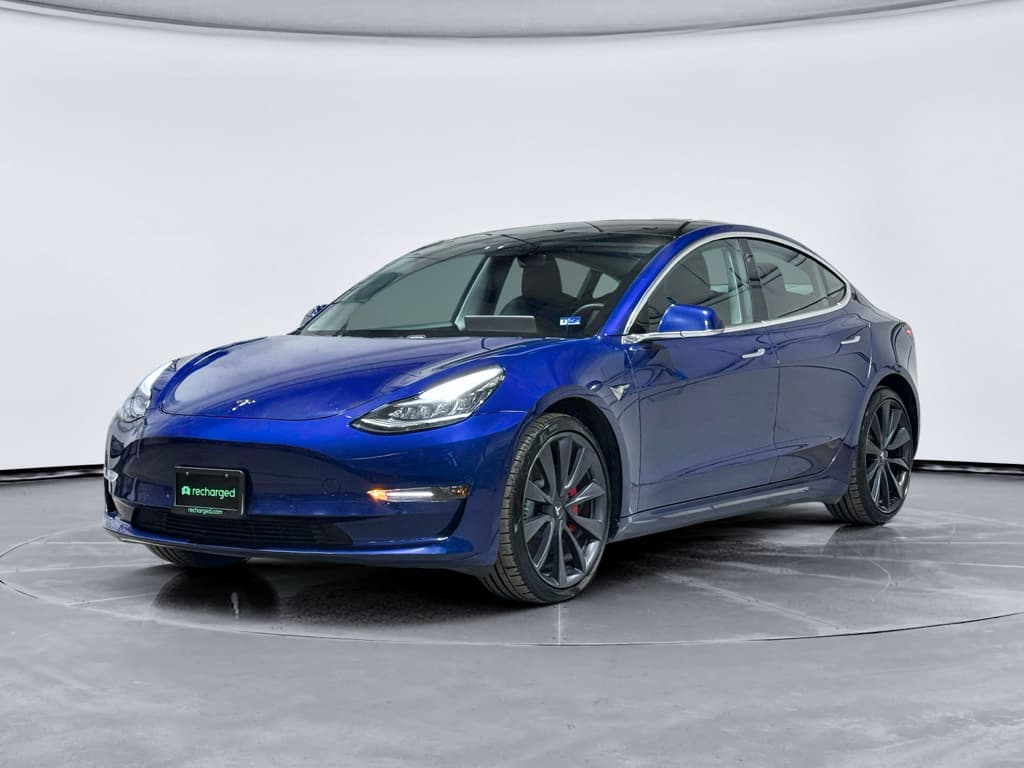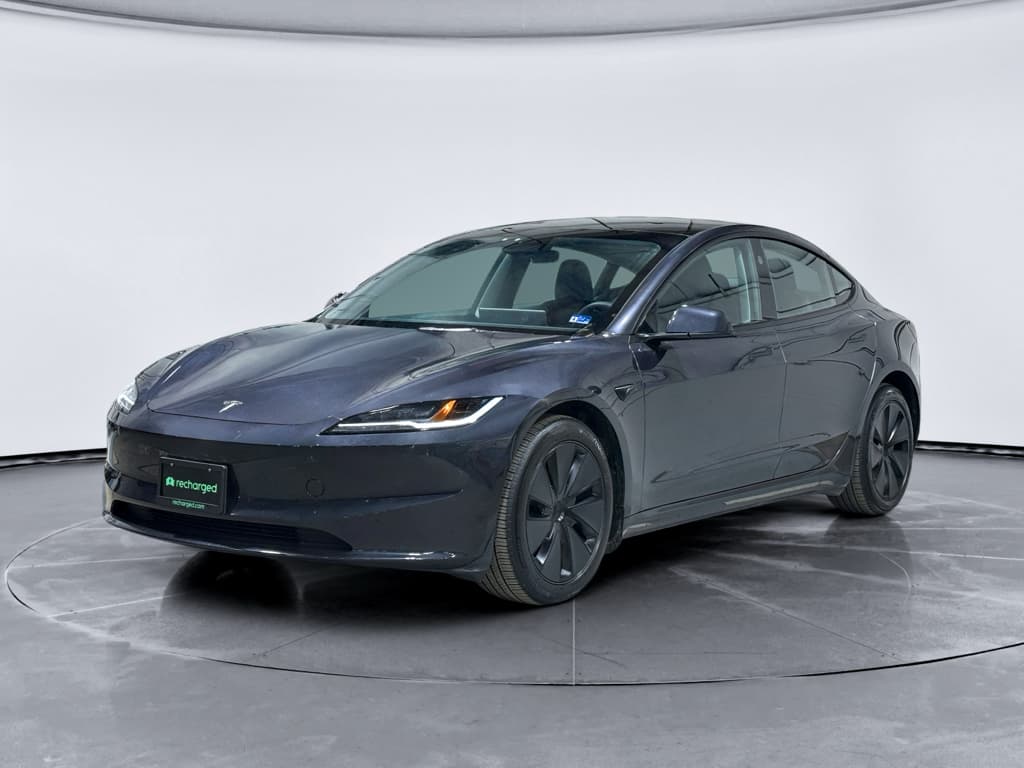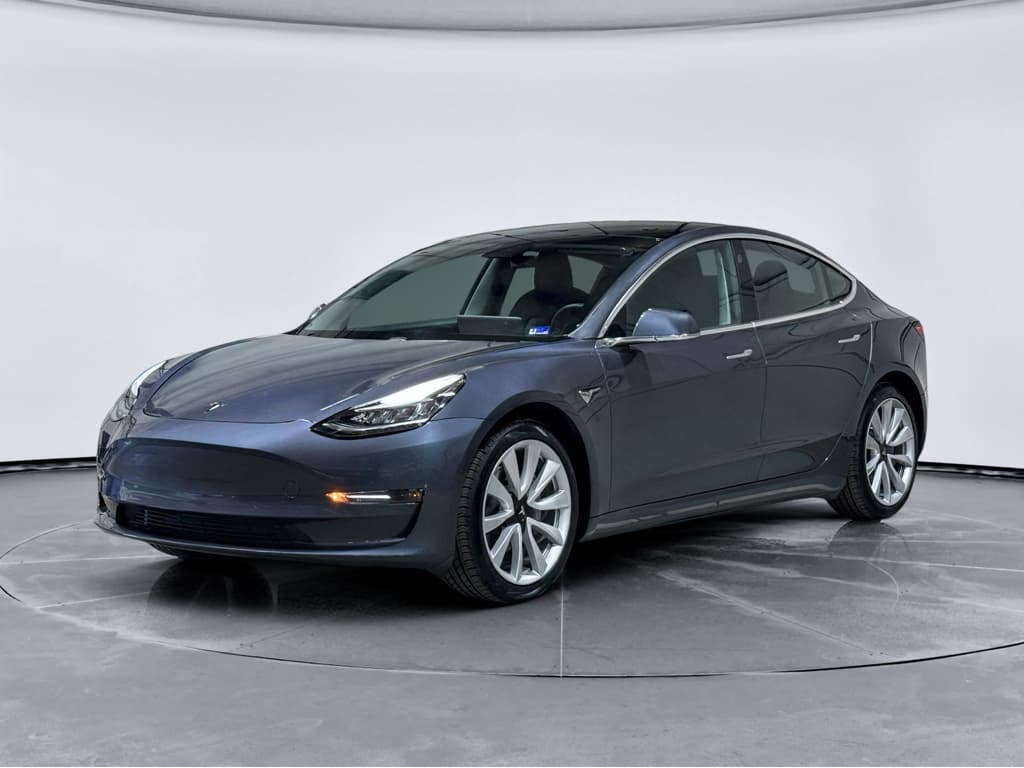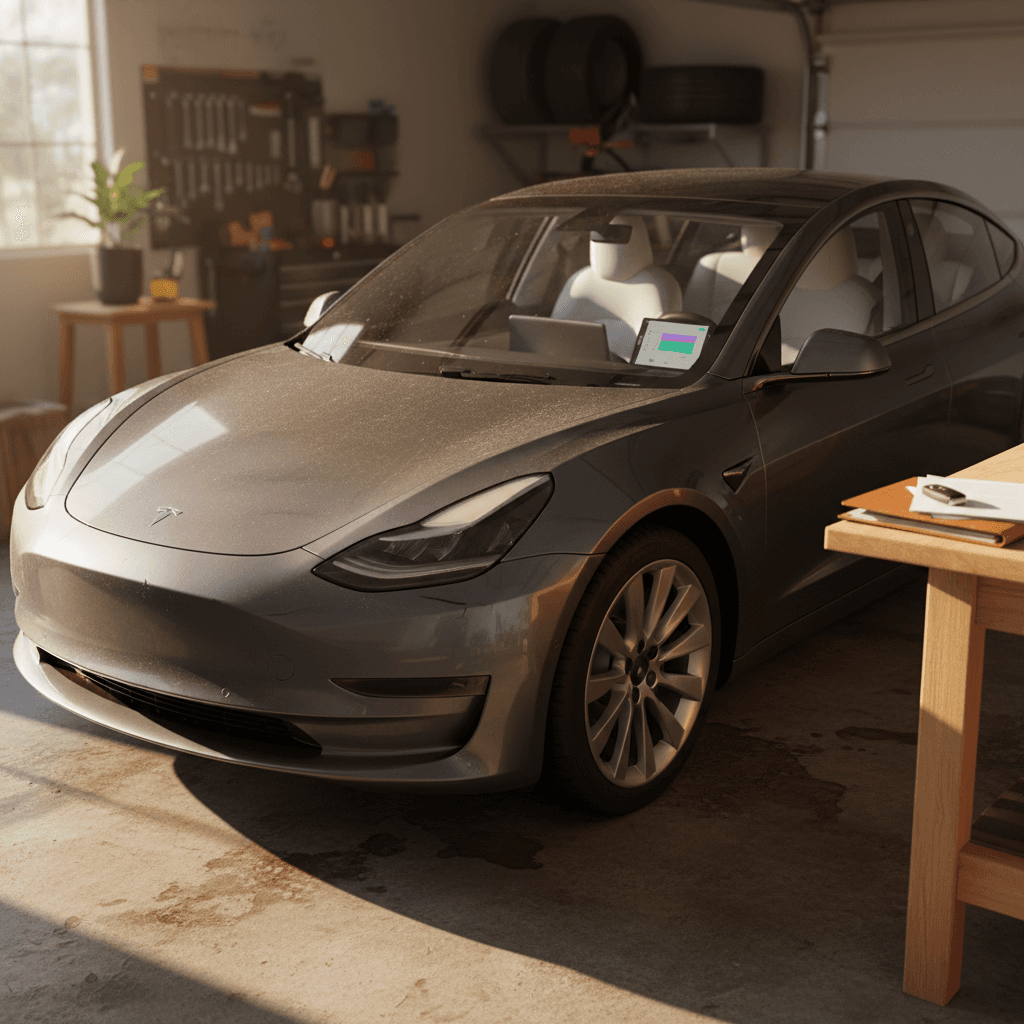
If you want a Tesla without new-Tesla pricing, a used 2020 Tesla Model 3 hits a sweet spot: modern tech, strong range, and wide availability on the used market. But year-specific quirks, battery health, and software history can turn a great deal into an expensive headache if you don’t know what to look for.
Quick take
Why the 2020 Model 3 Is a Sweet Spot
What makes 2020 stand out?
- Mature design: By 2020, Tesla had ironed out some early Model 3 build issues from 2017–2018.
- Modern tech: You still get OTA updates, Autopilot hardware capable of Tesla’s latest software, and a minimalist interior that looks current.
- Useful range: Long Range and Performance trims were rated near or above 300 miles when new, and many still deliver comfortable real‑world highway range.
Where 2020 shows its age
- Out of basic warranty: Every 2020 Model 3 is now past its 4‑year/50,000‑mile basic warranty, so small issues are on you.
- Battery age: You’re looking at a 5–6‑year‑old pack, so documenting degradation is critical.
- More owners, more variation: Some 2020 cars have led easy commuter lives; others have high‑miles, hard fast‑charging use. History matters.
2020 Model 3 in today’s used market
Don’t shop 2020s like gas cars
2020 Tesla Model 3 trims and key specs
For 2020, the Tesla Model 3 came in three main trims in the U.S.: Standard Range Plus (SR+), Long Range (LR) Dual Motor, and Performance Dual Motor. Knowing which one you’re looking at, and what it was rated for when new, helps you judge pricing and current battery health.
2020 Tesla Model 3 trims at a glance
Approximate U.S. EPA ratings and key differences when new for the 2020 model year.
| Trim (2020) | Drivetrain | EPA range (new, mi) | 0–60 mph (approx.) | Notable features |
|---|---|---|---|---|
| Standard Range Plus (SR+) | RWD | ~250 | 5.3 sec | Single motor, smaller battery, still quick, most affordable entry. |
| Long Range (LR) Dual Motor | AWD | ~322 | 4.4 sec | Dual‑motor AWD, biggest battery, best all‑weather and road‑trip car. |
| Performance Dual Motor | AWD | ~299 | 3.2 sec | Lowered suspension, performance brakes, track mode, 20" wheels. |
Always verify the exact configuration in the Tesla app or by VIN; options and wheel choices can change range slightly.
Trim decoding tip
Real-world range and battery degradation
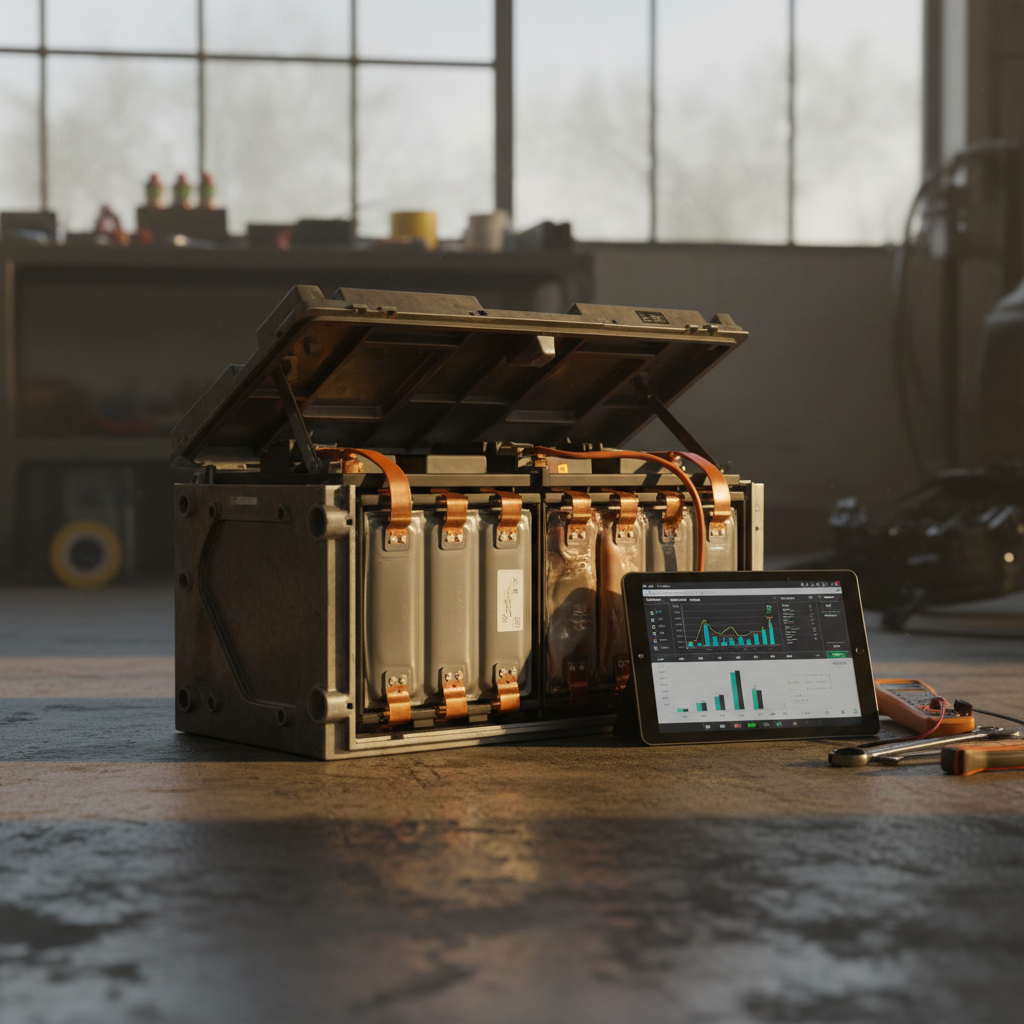
The single biggest question on any used EV, especially a 2020 Model 3, is “how much range is left?” Tesla’s warranty promises at least 70% battery capacity for 8 years (with mileage limits by trim), but actual degradation depends heavily on how the car was driven and charged.
What to expect from a 6‑year‑old Model 3 battery
Every car is different, but these are realistic ballparks if the pack has been cared for.
Standard Range Plus
New: about 250 miles EPA.
Typical now: Many owners see ~210–230 miles at 100% if degradation is around 10–15% and the estimate is calibrated.
Check the car at a known state of charge (or ask for photos) rather than trusting guesses.
Long Range Dual Motor
New: about 322 miles EPA.
Typical now: A healthy pack often shows ~270–290 miles at 100% after a few years of mixed use.
Hard fast‑charging or constant 100% charging can push these numbers lower.
Performance Dual Motor
New: about 299 miles EPA.
Typical now: Many owners report mid‑250s to high‑260s for a well‑cared‑for car.
20" wheels and sticky tires trim real‑world range vs. Long Range on 18" or 19" wheels.
How to sanity‑check degradation
- Expect some initial drop in displayed range in the first 1–2 years, then a slower decline afterward.
- Tesla’s pack warranty only kicks in if usable capacity falls under 70% before 8 years / the mileage limit for your trim, so significant range loss beyond that is on you.
- Third‑party tools (like TeslaFi or Scan My Tesla) can give deeper data, but you usually won’t get that access until you own the car. That’s where independent health testing, like the Recharged Score, becomes valuable.
Pricing: What a 2020 Model 3 should cost today
Used EV prices have cooled from their 2022 peak, and Tesla values have adjusted faster than many brands. A 2020 Model 3 now typically trades meaningfully below a comparable 2022 or 2023, but exact numbers swing with mileage, trim, battery health, and options.
Ballpark 2020 Model 3 price positioning (U.S.)
Approximate relative pricing bands as of early 2026, assuming clean history and average mileage. Local markets, demand, and incentives can move real numbers up or down.
| Configuration example | Mileage example | Relative pricing vs. used market | What that usually gets you |
|---|---|---|---|
| 2020 SR+ RWD, basic Autopilot | 50,000–70,000 mi | Often below U.S. average used‑car price | Lower entry cost; focus hard on battery health and cosmetic condition. |
| 2020 Long Range AWD, 18" Aero wheels | 40,000–80,000 mi | Closer to mid‑$30k band in many markets | Best blend of range, traction, and efficiency; very popular spec. |
| 2020 Performance, 20" wheels | 40,000–70,000 mi | Carries a performance premium vs. LR | Quickest Model 3, but check tire and brake wear and curb‑rash carefully. |
Use this as a sanity‑check against quotes and listings, not as a formal appraisal.
Compare against similar years
Reliability, common issues, and recalls
The 2020 Model 3 generally avoids the worst early‑production issues, but it’s not trouble‑free. Several software and hardware recalls apply to this year, and long‑term survey data often rates its reliability as slightly below average mainly due to minor build and electronic problems, not catastrophic drivetrain failures.
Common 2020 Model 3 trouble spots
Not every car will show these, but they’re worth checking before you buy.
HVAC & heat pump issues
Some owners report weak cabin heat or AC performance as the car ages. A failing HVAC system can be an expensive repair, especially out of basic warranty.
On a test drive, run both heat and AC hard and watch for odd noises or weak airflow.
Electronics & sensors
Door handles, window regulators, and parking or Autopilot sensors can glitch. Often minor, but annoying.
Scan the touchscreen for warning lights and test every window, mirror, camera, and turn signal.
Software‑related recalls
Multiple recalls have addressed software issues such as tail‑lamp illumination behavior and other safety‑related alerts on Model 3 and Model Y.
Have the seller show a screenshot of the "Service" tab indicating no open recalls.
Safety first
Battery and charging questions to ask the seller
With a 2020 Model 3, you’re buying a powertrain that’s likely still under high‑voltage warranty but well into its life. The right questions help you separate a gently‑used commuter from a fast‑charged‑to‑death road‑warrior.
Key battery and charging questions
1. How was the car usually charged?
Look for answers like “mostly Level 2 at home, rarely Supercharged” and “typically charged to 70–80%.” Heavy DC fast charging and daily 100% charges can accelerate degradation.
2. What’s the current rated range at 90–100%?
Ask for a fresh photo of the charge screen at 90% and, if possible, at 100%. Compare those numbers to the original EPA rating for that trim to estimate degradation.
3. Has the car ever hit 0% or sat at 100% for long periods?
Deep discharges and long‑term high‑state‑of‑charge storage are stressful on lithium‑ion packs. Occasional events are fine; frequent ones are a red flag.
4. Any charging errors or reduced‑power messages?
Intermittent charging faults, "power reduced" warnings, or service visits for inverters, pumps, or onboard chargers deserve close attention and documentation.
5. Are there receipts for HV system work?
Battery or drive‑unit replacements are rare but expensive. If work was done under warranty, get the paperwork and confirm whether the replacement pack resets the warranty clock.
6. Which charging equipment is included?
Confirm which mobile connector, adapters, and any third‑party home or portable chargers come with the sale. Replacements can add hundreds of dollars.

2020 Model 3 used-buying checklist
You don’t need to be a Tesla engineer to buy smart. You just need a structured checklist and the patience to walk away from cars that don’t clear it.
Hands‑on inspection checklist for a 2020 Model 3
Confirm trim, options, and hardware
Match the VIN and "Software" screen to the listing. Verify whether the car has basic Autopilot, Enhanced Autopilot, or FSD, and whether any features are tied to the original owner’s account.
Check exterior and wheels closely
Walk the car in daylight. Look for mismatched paint, uneven panel gaps, cracked glass roof, curbed wheels, and uneven tire wear (which can hint at alignment or suspension issues).
Test all doors, windows, and handles
Open every door from inside and out, roll each window up and down, and check the trunk and frunk struts. Sticking handles or slow windows are common annoyance repairs.
Drive at city and highway speeds
Listen for wind noise, rattles, suspension clunks, and vibration from the 18"–20" wheels. Test regen aggressiveness and make sure acceleration is smooth with no warning messages.
Stress‑test HVAC and infotainment
Blast heat and AC, check defrost, and stream audio. A failing HVAC system or glitchy screen can turn into a four‑figure bill out of warranty.
Scan for alerts and open recalls
After the drive, sit in Park and review the Service/Alerts section on the screen. Any persistent error codes or mention of open recalls should be cleared, and documented, before you buy.
Review service, accident, and mileage history
Pull a vehicle‑history report, look for insurance claims or structural repairs, and compare odometer readings across records. EVs handle mileage differently, but big discrepancies are still a deal‑breaker.
Get independent battery health data if possible
If you’re buying through a platform like <strong>Recharged</strong>, review the Recharged Score battery report. Otherwise, consider paying for an independent EV inspection or battery test in addition to a traditional pre‑purchase inspection.
A green‑light 2020 Model 3
When a 2020 Model 3 isn’t the right choice
Walk away from these red flags
- Noticeable battery loss: Displayed full‑charge range that’s dramatically below expectations with no clear explanation or test data.
- Repeated drivetrain or inverter faults: "Power reduced" or similar messages in the car’s history without documented fixes.
- Unresolved recalls: Seller can’t show proof that applicable safety recalls have been completed.
- Salvage or rebuilt titles: Especially if pack or front‑end damage is involved, insurance and Supercharger access can be limited.
When another year may be smarter
- Same price as a newer car: If a 2020 is priced within a small margin of a 2021–2022 with lower miles, the newer car often wins on value.
- You need maximum warranty coverage: If you’re risk‑averse, a younger Model 3 still inside basic warranty can be worth the premium.
- You drive extreme miles: Heavy drivers (30k+ miles/year) may want the youngest, lowest‑mile pack they can afford.
Don’t chase the cheapest VIN
How Recharged helps with used Tesla Model 3 shopping
If you like the idea of a 2020 Model 3 but not the idea of decoding battery charts and recall bulletins alone, this is exactly the gap Recharged is built to fill.
What you get with a Model 3 from Recharged
Transparency on the stuff that matters most with a 6‑year‑old EV.
Recharged Score battery report
EV‑specialist inspection
Financing, trade‑in & digital buying
Ready to find your next EV?
Browse VehiclesWant to see a Model 3 in person?
2020 Tesla Model 3 buying guide FAQ
Frequently asked questions about buying a 2020 Model 3
Bottom line: Should you buy a 2020 Model 3?
A 2020 Tesla Model 3 can be one of the best value plays in the used EV market right now: modern software, strong performance, and real‑world range that still works for many American commutes and road trips. The trade‑off is that you’re stepping into a car that’s out of basic warranty and whose battery history matters more than its odometer alone.
If you focus on trim and options that match your driving, verify battery health and charging history, confirm recalls and service records, and buy at a price that reflects age and condition, a 2020 Model 3 can serve you well for years. And if you’d rather not do that detective work solo, shopping through a used‑EV specialist like Recharged, with battery diagnostics, transparent pricing, and EV‑savvy support baked in, lets you enjoy the upside of a 2020 Model 3 without gambling on the unknowns.