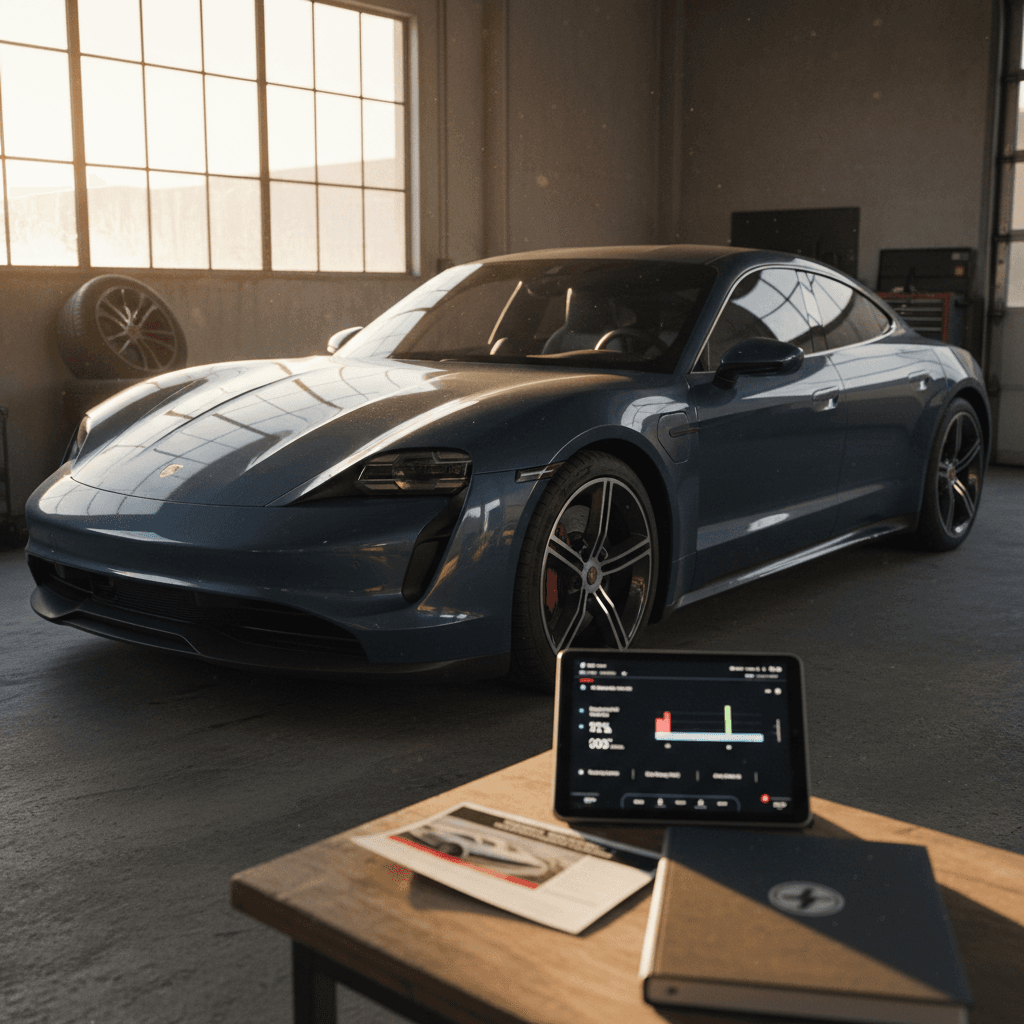
If you’re shopping for a high‑performance electric sedan, a used 2020 Porsche Taycan is one of the most tempting deals in the EV world. Early cars have already absorbed the steepest depreciation, yet they still deliver supercar‑grade acceleration, 800‑volt fast charging, and a cabin that feels every bit like a modern Porsche. But 2020 was the Taycan’s first full model year, and that means real upsides, and some very real risks, you should understand before you buy.
Why focus on 2020 specifically?
2020 Porsche Taycan as a Used EV: Quick Take
2020 Taycan at a Glance (U.S. Market)
From a value perspective, the 2020 Taycan 4S is the sweet spot: dual‑motor all‑wheel drive, huge performance, and access to the bigger battery in many builds. The headline drawbacks are software complexity, a mixed reliability record, and the fact that these cars are now aging luxury Porsches with luxury‑car repair costs. If you buy carefully, and protect yourself on battery and high‑voltage hardware, a 2020 Taycan can be a fantastic used EV.
Key 2020 Taycan Specs: Batteries, Range and Performance
The 2020 Taycan lineup in the U.S. centered on three trims: 4S, Turbo, and Turbo S. All share the same basic 800‑volt architecture, two‑speed rear gearbox, and sophisticated air suspension, but differ in battery options and power output.
2020 Porsche Taycan Core Specs (U.S.)
Approximate specs for key 2020 Taycan trims that dominate the used market.
| Trim (2020) | Drivetrain | Usable Battery | Power (Overboost w/Launch) | 0–60 mph | Typical Real‑World Range |
|---|---|---|---|---|---|
| Taycan 4S (std battery) | AWD dual motor | ~71 kWh | ~522 hp | ~4.0 s | ~190–210 mi |
| Taycan 4S Perf Battery Plus | AWD dual motor | ~83–84 kWh usable (93.4 kWh gross) | up to ~563 hp | ~3.8 s | ~210–240 mi |
| Taycan Turbo | AWD dual motor | Perf Battery Plus only | up to ~670 hp | ~3.0 s | ~200–230 mi |
| Taycan Turbo S | AWD dual motor | Perf Battery Plus only | up to ~750 hp | ~2.6 s | ~190–220 mi |
Exact range and performance depend on configuration and conditions; always verify the build sheet for the specific car you’re considering.
Pay more attention to battery than horsepower
Real‑World Range and Charging: What You’ll Actually Experience
EPA ratings undersell the Taycan’s efficiency, but it’s still a heavy, high‑performance sedan. Owners of 2020 4S models with the large battery typically report ~210–240 miles of usable mixed‑driving range on 20‑inch wheels in mild weather, with Turbo and Turbo S a bit lower due to stickier tires and more enthusiastic driving.
- Cold weather, high speeds, and aggressive driving can pull range down toward 170–190 miles on the big battery.
- Smaller wheels and efficient tires help; the aero‑optimized 19–20" wheels can add meaningful real‑world range.
- Highway road‑tripping at 75–80 mph will expose the Taycan’s drag and weight more than city or mixed use.
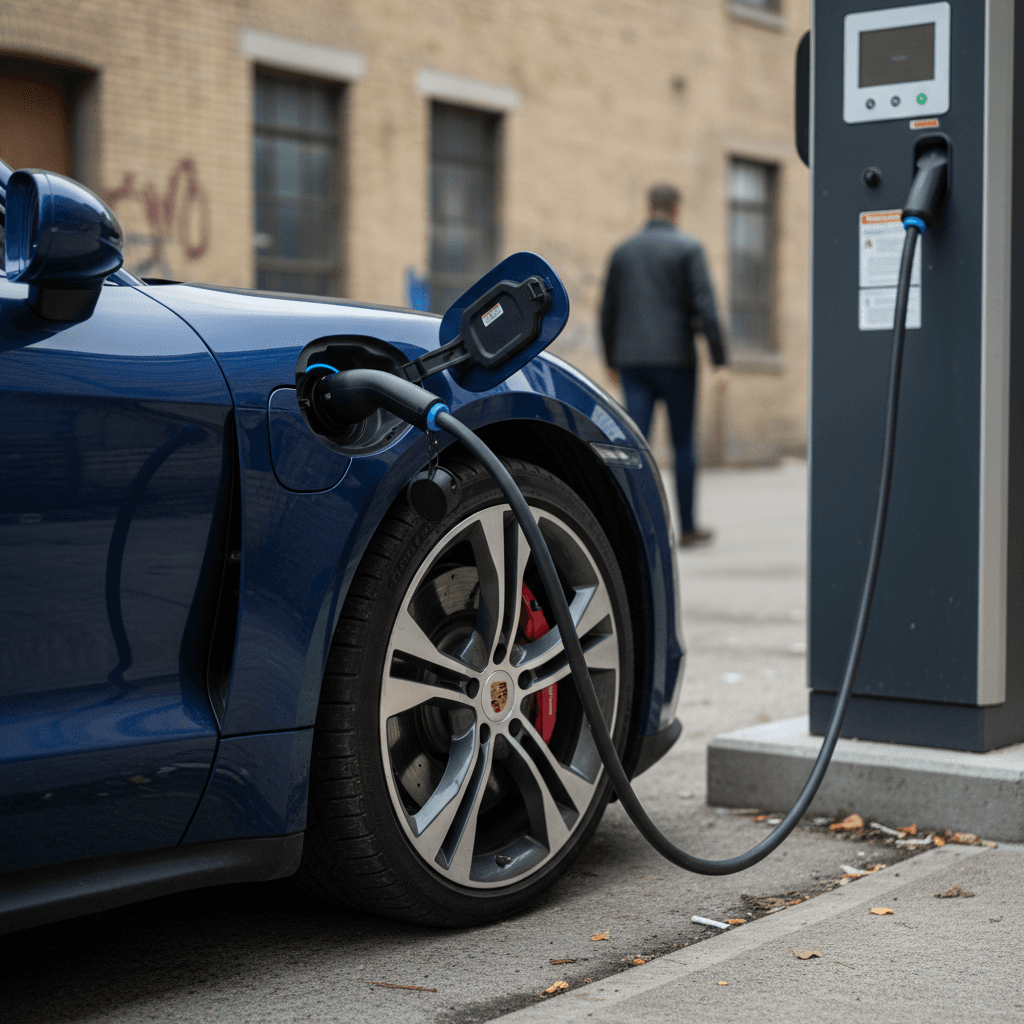
Where the 2020 Taycan still feels right on the cutting edge is DC fast charging. Its 800‑volt architecture supports peak DC charge rates in the 220–270 kW range at capable stations. In ideal conditions, you can go from a low state of charge to about 80% in roughly 20–25 minutes, and the Taycan sustains higher power deeper into the pack than many contemporaries.
Home and destination charging
Depreciation, Pricing and Where the Value Is
Luxury EVs depreciate faster than their gasoline counterparts, and the Taycan is no exception. Across trims, many 2020 cars in today’s U.S. market are trading roughly 40–55% below original MSRP after about five to six years. High‑MSRP builds, Turismos, Turbos with big option lists, can fall even further in dollar terms.
Typical 2020 Taycan Asking Ranges (Spring 2026, U.S.)
High‑level price bands you’re likely to see when browsing used listings. Actual prices vary with mileage, options, condition, warranty and location.
| Configuration | Original MSRP (approx.) | Typical Used Asking Range | Notes |
|---|---|---|---|
| 4S, std battery, modest options | ~$105,000 | ~$55,000–$65,000 | Least expensive way into a Taycan with AWD. |
| 4S, Perf Battery Plus, well‑optioned | $115,000–$135,000+ | ~$60,000–$75,000 | Strong value; look for remaining CPO warranty. |
| Turbo | $150,000+ | ~$75,000–$90,000 | Huge performance; higher tire/insurance costs. |
| Turbo S | $185,000+ | ~$90,000–$110,000+ | Halo cars; more sensitive to condition and history. |
These are directional ranges intended to frame the market, not formal appraisals.
Where the sweet spot is
Reliability and Common Issues on 2020 Taycans
Here’s the uncomfortable part: the 2020 Taycan’s reliability record is mixed. Plenty of owners have had relatively drama‑free experiences. But there’s also a long list of software updates, recalls, and a not‑insignificant number of expensive repairs on early cars. That’s what you’re being compensated for with today’s used prices.
Common Pain Points Reported on Early Taycans
Not every 2020 Taycan will see these issues, but you should screen for all of them.
Software & control modules
Owners report early‑build cars needing multiple software campaigns and occasional control‑module replacements (for charging, infotainment, or driver‑assist systems). Most should be updated by now, but verify recall and TSB history.
Cooling fans & ancillaries
Cooling system components, including radiator fans, come up often in owner anecdotes and can run into the thousands of dollars at Porsche labor rates.
Onboard AC charger issues
Some early high‑power (22 kW) onboard chargers on global Taycans have shown higher failure rates, leading Porsche to simplify later options. U.S. cars are mostly 11 kW, but you still want to test AC charging thoroughly.
Nuisance Issues vs. Big‑Ticket Items
Separate minor annoyances from things that can really move your cost of ownership.
Nuisance issues
- Intermittent driver‑assist warnings
- Glitches in the multiple infotainment screens
- Door, trim or B‑pillar rattles
- Quirks in Porsche’s charging services or app accounts
Annoying, but typically not catastrophic if you have warranty coverage.
Big‑ticket concerns
- High‑voltage battery faults or ARB7‑related campaigns
- DC fast‑charging hardware failures
- Onboard charger replacements
- Major cooling or inverter repairs
These are the issues that can put a serious dent in the economics of a used Taycan if you’re paying out of pocket.
Do not skip the warranty question
Battery Health and Degradation on Early Taycans
The good news is that, so far, high‑voltage battery degradation on 2020 Taycans looks modest in owner reports. Many long‑term drivers with 30,000–40,000 miles report battery state‑of‑health figures in the low‑ to mid‑90% range after roughly four years of mixed use, assuming they avoid living at 100% charge and consistently fast‑charging from empty.
- Porsche’s large, thermally managed battery pack and conservative charge buffers appear to be doing their job.
- Most degradation happens early, then flattens; expect perhaps a 5–8% hit by year four or five on a well‑cared‑for pack, based on anecdotal data.
- Leaving the Taycan at 100% for long periods or repeatedly fast‑charging from very low state of charge will increase long‑term wear.
Practical battery‑health checks
2020 Taycan Trim Guide: Which Used Model to Target
Choosing the right 2020 Taycan is less about bragging‑rights horsepower and more about matching your range needs, budget, and risk tolerance.
How the Main 2020 Taycan Trims Stack Up Used
Think in terms of use case, not just spec sheets.
Taycan 4S (std battery)
Best for: Drivers with short‑to‑medium daily commutes and strong DC‑fast‑charging access.
Pros: Lowest price of the AWD cars, still brutally quick, often lighter option load.
Cons: Smaller battery limits road‑trip flexibility; some buyers overlook these cars, which can help negotiation.
Taycan 4S w/ Perf Battery Plus
Best for: Most buyers. Daily use plus comfortable regional road trips.
Pros: Bigger battery, strong range, still affordable versus Turbo; wide availability.
Cons: Slightly higher price; DC charging still depends on station quality and conditions.
Turbo & Turbo S
Best for: Enthusiasts who really will use the extra power, or collectors.
Pros: Supercar performance, rich standard equipment, halo appeal.
Cons: Pricier tires, brakes, and insurance; diminishing returns versus a well‑spec’d 4S for most real‑world use.
Key options to look for
Pre‑Purchase Inspection Checklist for a 2020 Taycan
Must‑Do Checks Before You Buy a 2020 Taycan
1. Verify recall and campaign history
Ask for a full print‑out of completed recalls and software campaigns from a Porsche dealer. Pay special attention to any high‑voltage battery or charging‑system campaigns on early cars.
2. Get objective battery health data
Don’t rely solely on the guess‑o‑meter range. A structured battery diagnostic, like the <strong>Recharged Score</strong> report included with every vehicle on Recharged, can reveal hidden degradation or fault codes.
3. Test DC fast charging
If possible, plug into a DC fast charger and observe how quickly the car ramps up and whether it holds high power beyond ~50%. Sudden drops or error messages can hint at cooling or high‑voltage issues.
4. Check AC charging on Level 2
Use a 240‑volt Level 2 charger to confirm the onboard AC charger works properly and reaches the expected kW rate. Failures here can be expensive but may be covered under warranty.
5. Inspect tires, brakes, and alignment
Taycans are heavy and fast. Uneven tire wear, grooved rotors, or a crooked steering wheel can signal hard use or curb strikes that merit a closer look at suspension and alignment.
6. Scan for water intrusion and underbody damage
Have a shop lift the car to inspect the battery pack’s protective trays, cooling lines, and underbody panels for scrapes or impact damage, especially on low‑sitting 2020 cars with sport suspension.
7. Evaluate infotainment and driver‑assist systems
Work through every screen, camera, and assist feature. The Taycan’s multiple displays and control units mean glitches can crop up; you want to discover them before you sign.
When to walk away
Ownership Costs: Charging, Maintenance and Insurance
Compared with a 911 or Panamera, a used Taycan shifts a lot of your spend from gasoline to electricity, but it’s still a complex German luxury car at heart. Here’s how the cost picture typically breaks down for U.S. owners.
Energy and charging
- Home charging: At average U.S. residential electricity rates, many Taycan owners see energy costs comparable to driving a 25–35 mpg gas sedan on current fuel prices.
- Public fast charging: Paid DC fast charging can approach or even exceed gas‑car fuel costs per mile, especially on premium networks. Use it as a convenience, not your default.
- Smart scheduling: Taking advantage of off‑peak rates at home, where available, can materially lower your running costs.
Maintenance, repairs and insurance
- Routine maintenance: No oil changes, but you still have brake fluid, cabin filters, tires, and alignment. Porsche’s factory schedule is conservative; budget accordingly.
- Repairs: Out‑of‑warranty repairs on high‑voltage and electronic systems can be four‑figure events. This is where warranty coverage and careful screening really matter.
- Insurance: Expect higher premiums than for a mainstream EV due to Porsche parts pricing and repair complexity. Shopping around and choosing sensible wheels/tires can help.
How to de‑risk a used Taycan financially
How Recharged Helps You Buy a Used Taycan With Confidence
Because the 2020 Taycan combines cutting‑edge EV tech with Porsche‑level complexity, the usual used‑car test drive isn’t enough. You want objective, verifiable data, especially on battery health and pricing fairness, before you wire a five‑figure sum.
- Every EV on Recharged includes a Recharged Score Report with verified battery health, charging behavior, and key diagnostic data, so you’re not guessing about pack condition.
- Our pricing tools benchmark asking prices against the broader EV market, including historical depreciation trends for models like the Taycan.
- If you have a vehicle to sell, Recharged can provide an instant offer or consignment on your current car and help you roll that value directly into your Taycan purchase.
- You can complete the entire process digitally, or visit our Recharged Experience Center in Richmond, VA if you prefer to see and drive EVs in person.
- Nationwide delivery and EV‑specialist support mean you can shop Taycans beyond your local inventory without losing expert guidance.
Why this matters for 2020 Taycans
2020 Porsche Taycan Used: Frequently Asked Questions
Common Questions About Buying a Used 2020 Taycan
Final Verdict: Who Should Buy a Used 2020 Taycan?
A used 2020 Porsche Taycan is not the right EV for someone chasing the absolute lowest cost per mile. It’s for the driver who wants a genuinely special car, one that happens to be electric, and is willing to engage with a bit more complexity to get there. In return, you get a sedan that still feels futuristic in its performance, charging behavior, and overall polish, at a price point that would have been unthinkable when these cars were new.
If you go in eyes‑open on reliability, protect yourself on battery and high‑voltage hardware, and are disciplined about pre‑purchase inspection, a 2020 Taycan can be one of the most compelling used EV buys on the market. Tools like the Recharged Score, fair‑market pricing analysis, and EV‑specialist support exist precisely to close the information gap that makes early‑generation EVs feel risky. Use them, shop patiently, and you can end up with a Porsche that delivers far more than its used‑car price tag suggests.