The 2020 Porsche Taycan wasn’t just Porsche’s first EV; it was the car that proved an electric sedan could feel like a true Porsche. Today, as a used EV, it’s one of the most compelling performance bargains on the market, if you understand its range, charging needs, and long‑term ownership realities. This 2020 Porsche Taycan review walks you through all of that, with a special focus on what matters if you’re shopping used.
Model-year context
2020 Porsche Taycan overview
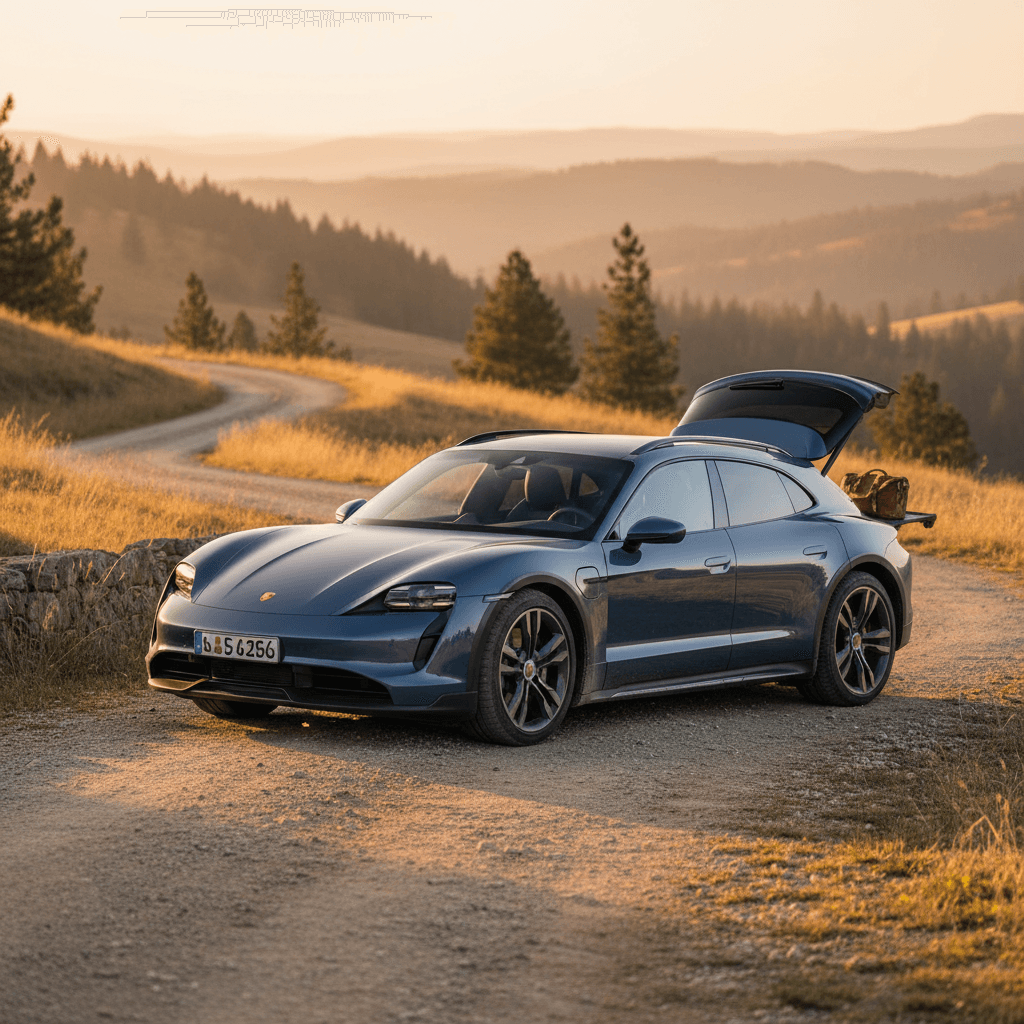
What the 2020 Taycan is
- All-electric, four-door performance sedan roughly the size of a Panamera.
- Dual‑motor all‑wheel drive on all 2020 U.S. trims (4S, Turbo, Turbo S).
- Standard 800‑volt architecture for ultra‑fast DC charging.
- Focus on repeatable performance, handling, and braking, not just headline range numbers.
Who it’s perfect for
- Drivers who care more about driving feel than absolute range.
- Owners with reliable home or workplace charging.
- Shoppers moving out of an M5, E63, or Panamera into an EV.
- Enthusiasts who want Porsche dynamics without new‑car pricing.
If you’re a road‑trip warrior with limited charging options, you’ll want to look closely at range and network access before buying.
2020 Porsche Taycan fast facts
Trims, power, and key 2020 Taycan specs
For 2020 in the U.S., the Taycan lineup consisted of three main trims: 4S, Turbo, and Turbo S. All use dual permanent‑magnet motors and a 93.4‑kWh (gross) Performance Battery Plus pack, even though early press material mentioned a smaller 79.2‑kWh pack for some 4S models.
2020 Porsche Taycan trims and performance
Key performance specs for the 2020 Taycan range. Horsepower figures include overboost with launch control.
| Trim | Drivetrain | Battery (gross) | Horsepower (max) | 0–60 mph (approx.) | Top speed | EPA range |
|---|---|---|---|---|---|---|
| Taycan 4S | AWD dual motor | 93.4 kWh | up to ~522 hp | 3.8 sec | 155 mph | 203 mi |
| Taycan Turbo | AWD dual motor | 93.4 kWh | up to ~670 hp | 3.0 sec | 161 mph | 201 mi |
| Taycan Turbo S | AWD dual motor | 93.4 kWh | up to ~750 hp | 2.6 sec | 161 mph | 192 mi |
Specs may vary slightly by equipment; always confirm with the specific VIN and original window sticker.
Sweet-spot pick
Real-world range and efficiency
On paper, the 2020 Taycan’s range numbers look underwhelming compared with a same‑year Tesla Model S. Official EPA ratings land around 192–203 miles depending on trim. In the real world, though, most testers and owners see higher numbers, especially in milder weather and at reasonable highway speeds.
What range you can realistically expect
Numbers assume a healthy battery and mixed driving in mild temperatures.
City & suburb use
Driven at legal speeds with light traffic, many 2020 Taycan owners report 220–260 miles per charge, especially in 4S models with efficient driving modes.
Highway road trips
At 70–75 mph, expect something closer to 190–230 miles, again with the 4S typically doing a bit better than the Turbo S.
Cold‑weather driving
Like most EVs, the Taycan can lose 20–30% of its range in very cold temperatures. Plan for roughly 150–190 miles of practical winter range if you live in a cold climate.
Software and range updates
The key takeaway: you shouldn’t buy a 2020 Taycan expecting Tesla‑like range, but in daily use, especially with home charging, it delivers plenty of miles for most commutes and errands. On longer trips, its charging speed helps offset the somewhat smaller battery range.
Charging experience and speed
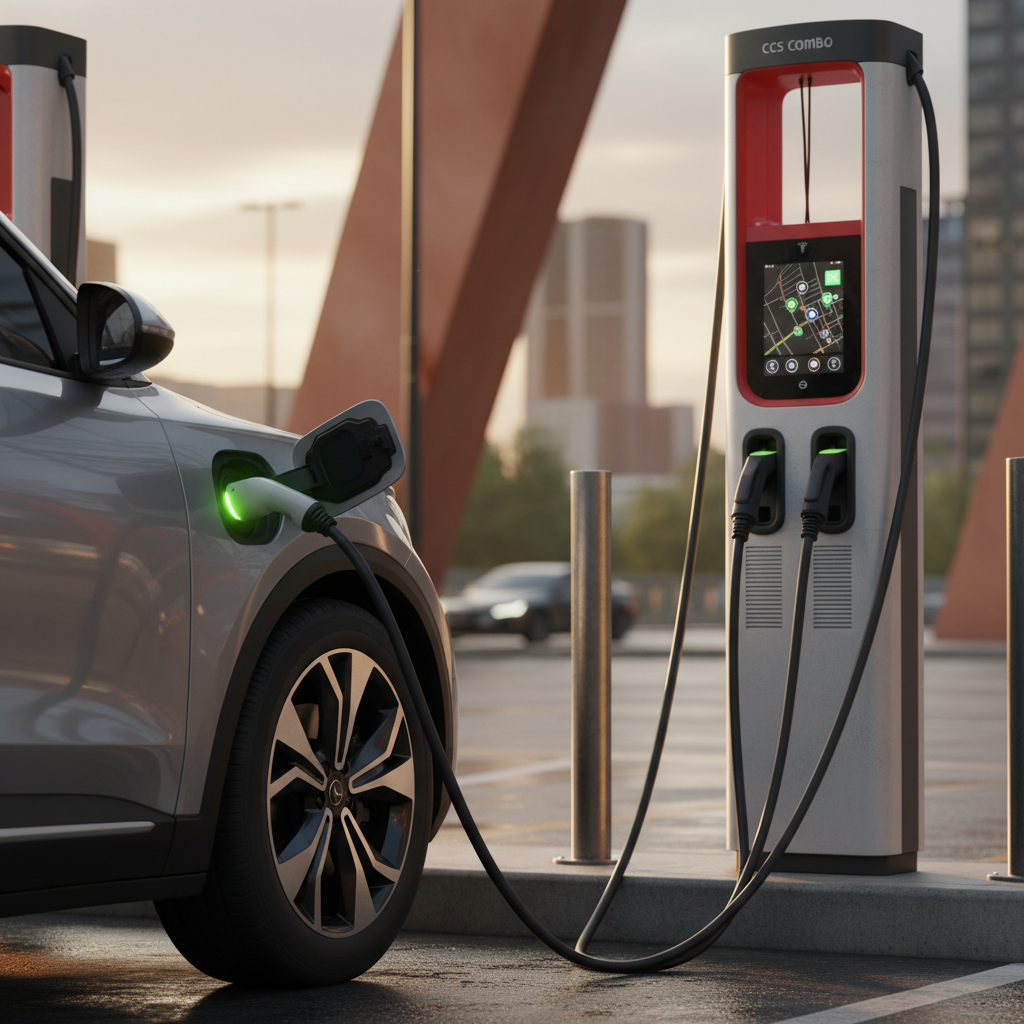
The 2020 Taycan’s 800‑volt electrical architecture is one of its headline features. Compared with typical 400‑volt EVs, it can sustain higher DC fast‑charging power with less heat buildup, which is exactly what you want on a road trip.
Charging capabilities: home and away
What the 2020 Taycan can do at the plug.
Level 2 home charging
With an 11‑kW onboard AC charger, a properly wired 240‑volt Level 2 station can add roughly 25–30 miles of range per hour. An overnight charge easily covers a full battery.
DC fast charging
At compatible 800‑volt stations, the Taycan can peak at up to around 270 kW, taking the battery from about 5% to 80% in roughly 22–23 minutes in ideal conditions.
Public 400‑V fast chargers
On more common 400‑volt DC fast chargers, power levels are lower but still strong. You won’t always see the headline 270‑kW figure, but recharge times remain competitive with other luxury EVs.
Plan charging around 10–80%
At home, think of the Taycan as a plug‑in appliance: you set your charge target and departure time, and it quietly refills overnight. On the road, its DC charging behavior is one of the strongest in the segment, especially compared with other early‑2020s EVs.
Interior, comfort, and tech
Inside, the 2020 Taycan clearly takes cues from modern Porsches: a low seating position, a wide center console, and crisp digital displays. It feels more like a sports car than a tall EV crossover, which is exactly the point.
Strengths
- Build quality feels solid, with tight panel gaps and upscale materials.
- Available 14‑way or 18‑way sport seats provide excellent long‑distance support.
- Multiple screens (instrument cluster, central display, optional passenger display) create a modern, tech‑forward cabin.
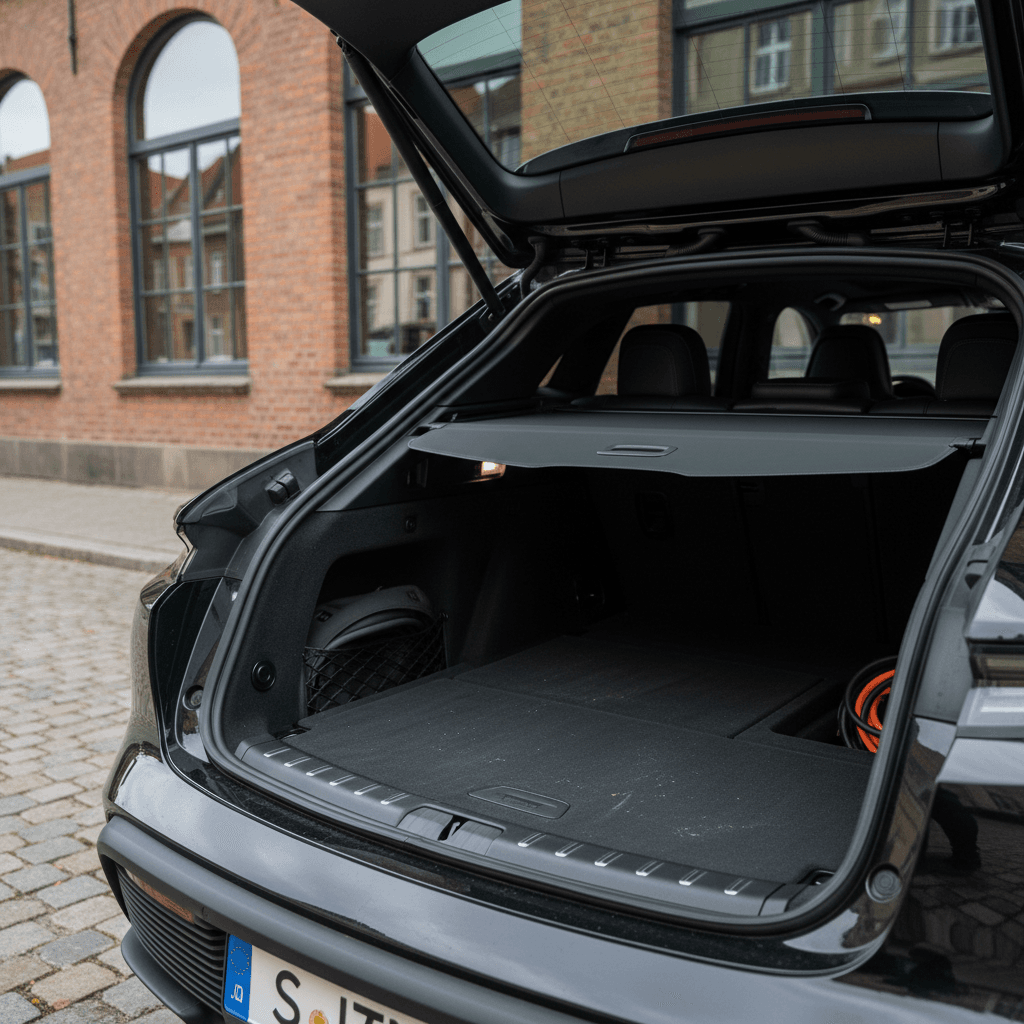
- Cargo space is reasonable for a sporty sedan, with both a rear trunk and a small front frunk.
Drawbacks
- Rear‑seat headroom is tight for taller adults due to the sloping roofline.
- The touch‑sensitive climate and control surfaces can feel fussy compared with physical buttons.
- Early software versions felt a bit laggy; many cars have since been updated, but test every function on a used example.
Family usability note
How the 2020 Taycan drives
If you care about how a car feels from behind the wheel, the 2020 Taycan remains one of the very best EVs you can buy, new or used. Porsche engineered it to behave like a sports sedan first and an electric car second, and it shows.
Driving character: what stands out
Immediate, repeatable acceleration
Even the 4S delivers the instant torque you expect from an EV, and launch‑control runs in the Turbo and Turbo S are ferociously quick. Crucially, the Taycan can repeat strong launches without dramatic performance fade.
Precise steering feel
The steering is weighty and accurate, closer to a 911 than most electric sedans. It gives you confidence on a back road instead of feeling numb or over‑boosted.
Sophisticated ride and handling balance
Adaptive air suspension and advanced chassis systems (like rear‑axle steering, where fitted) allow the Taycan to corner flat yet ride comfortably in Normal and Range modes.
Consistent braking behavior
Unlike some EVs that transition awkwardly between regenerative and friction braking, the Taycan’s pedal feel is natural and confidence‑inspiring, whether the battery is full or nearly empty.
Quiet, refined cruising
Wind and road noise are well‑suppressed, especially on cars with smaller wheels and more touring‑oriented tires. That makes it an easy highway companion.
Enthusiast verdict
Ownership costs, depreciation, and reliability
From an ownership‑cost standpoint, a used 2020 Taycan sits at an interesting intersection. On one hand, energy and routine service costs are lower than an equivalent gas‑powered performance sedan. On the other hand, it’s a complex first‑model‑year Porsche with sophisticated electronics, air suspension, and high‑end braking hardware.
What to budget for
Key cost areas for a used 2020 Taycan.
Energy vs. fuel
Electricity almost always undercuts premium gasoline on cost per mile, especially if you can charge at home on off‑peak rates. Relying heavily on paid DC fast charging, however, can narrow that gap.
Maintenance and consumables
No oil changes, but you’ll still have brake fluid, cabin filters, tires, and alignment to handle. High‑performance tires and large wheels can be expensive, and they wear faster on a heavy, powerful EV.
Depreciation
Like many luxury EVs, early Taycans have seen significant depreciation from their six‑figure MSRPs. That’s bad news for first owners but good news if you’re buying used, you’re getting a lot of car for the money.
Recent recall note
Overall reliability for early Taycans has been reasonable for a high‑performance first‑year EV, but there have been software campaigns, occasional 12‑volt battery issues, and isolated reports of infotainment glitches. None of these are unusual in a cutting‑edge luxury EV, but they do make a thorough pre‑purchase inspection and full software update history extra important.
How Recharged helps on the used market
2020 Taycan vs. Tesla Model S
In 2020, the obvious comparison for the Taycan was the Tesla Model S. If you’re buying used today, you may be cross‑shopping a 2020 Taycan against a similar‑year Model S Long Range or Performance. They take very different approaches.
Where the Taycan wins
- Driving dynamics: steering feel, body control, and braking are all more polished and engaging.
- Build quality and cabin materials: the interior feels more solid and premium.
- Charging speed at the right stations: the 800‑V system delivers exceptional 10–80% times on compatible high‑power DC chargers.
- Brand and ownership experience: if you already like Porsche, the Taycan feels like a natural extension of that world.
Where the Model S wins
- Range: comparable‑year Model S variants generally offer substantially more EPA‑rated range.
- Charging network: access to Tesla’s dense Supercharger network (increasingly open to other brands, but still optimized for Teslas).
- Cargo and space: the hatchback body and roomier rear seating make it more practical for families.
If range and long‑distance road‑tripping dominate your use case, the Tesla may still be the more pragmatic choice. If you value driving feel, the Taycan is hard to beat.
Used 2020 Taycan buying checklist
Shopping for a used Taycan is different from shopping for a used gas‑powered Porsche. You’re evaluating not just cosmetic condition and service history, but also how the high‑voltage battery, DC fast‑charging history, and software updates will affect your ownership experience.
Key steps before you buy a used 2020 Porsche Taycan
1. Review the battery health
Ask for documentation on <strong>battery state of health</strong>. On Recharged, the Recharged Score Report summarizes battery performance and degradation; elsewhere, look for dealer printouts or third‑party tests, and avoid cars with unusually high fast‑charging usage and low capacity readings.
2. Confirm all software campaigns and recalls
Have a Porsche dealer run the VIN to verify that all available software updates and recalls, including the backup camera fix, have been applied. Updated software can improve range, charging behavior, and reliability.
3. Inspect charging equipment
Make sure the car comes with its factory mobile charger, adapters, and, if applicable, any upgraded home charging hardware. Replacing missing cables and adapters is not cheap.
4. Check suspension, brakes, and tires
On a heavy, powerful EV, consumables matter. Inspect tires for uneven wear, check for curb rash on large wheels, and have a technician evaluate the air suspension and big brake components for leaks, noise, or abnormal wear.
5. Evaluate cosmetic and interior wear
Look for scuffed lower bodywork, cargo area damage, seat bolster wear, and any water intrusion or odors. None of these are Taycan‑specific, but they tell you a lot about previous use and care.
6. Test drive all drive modes
On your test drive, cycle through Range, Normal, Sport, and Sport Plus (if equipped). Listen for clunks over bumps, ensure brakes are smooth, and watch for any warning lights when you accelerate hard or regenerate aggressively.
7. Verify charging behavior
If possible, plug the car into both a Level 2 AC charger and a DC fast charger during your evaluation. Confirm that charging initiates quickly, no error messages appear, and that charge power ramps up normally as state of charge increases.
8. Compare pricing to fair market values
Use multiple sources to understand current market values. Recharged’s pricing tools and Recharged Score Report benchmark each vehicle against similar EVs nationwide, helping you avoid overpaying and spot genuinely good deals.
2020 Porsche Taycan FAQ
Frequently asked questions about the 2020 Porsche Taycan
Is the 2020 Taycan a good used buy?
If you’re the kind of driver who values steering feel, braking precision, and day‑to‑day refinement as much as raw numbers, the 2020 Porsche Taycan is one of the most rewarding used EVs you can own. Its range isn’t class‑leading, and it’s a complex first‑year car, but depreciation has transformed it into a relative bargain among high‑performance luxury sedans.
Go into the process with clear eyes: verify battery health, confirm software and recall status, and budget appropriately for tires and other wear items. Do that, and a well‑chosen 2020 Taycan can deliver years of fast, quiet, genuinely enjoyable electric miles, backed by the kind of driving experience that made Porsche famous long before the brand ever plugged into a charger. And if you’d like help finding the right example, Recharged can guide you from short list to delivery, with data‑backed insights at every step.