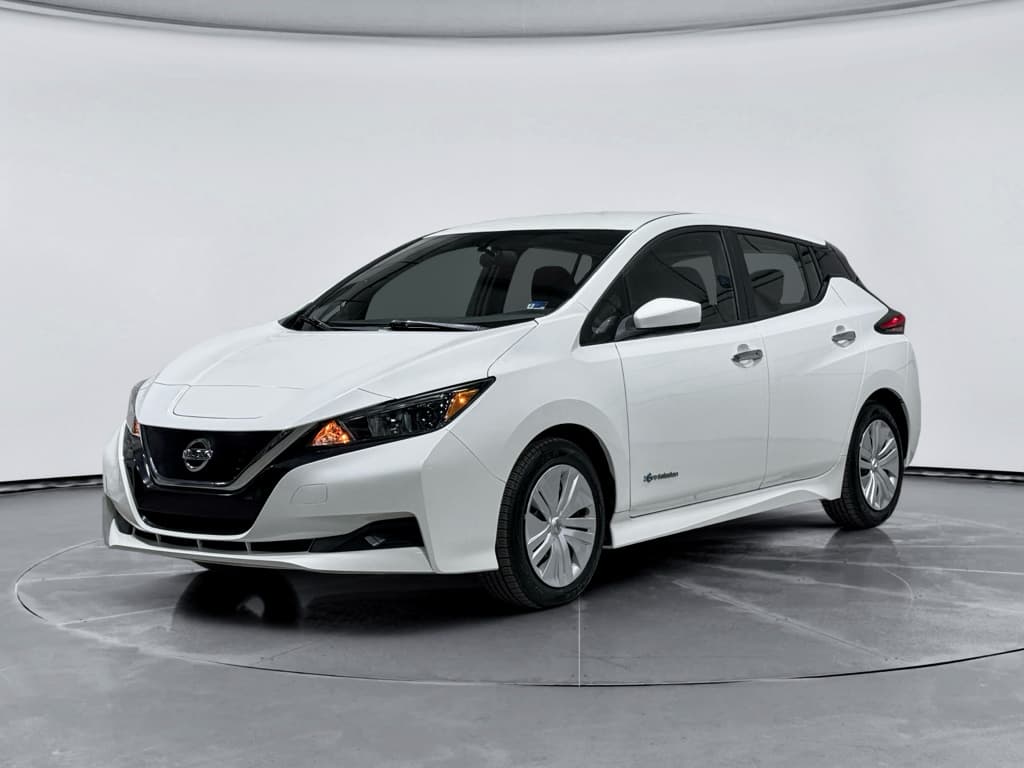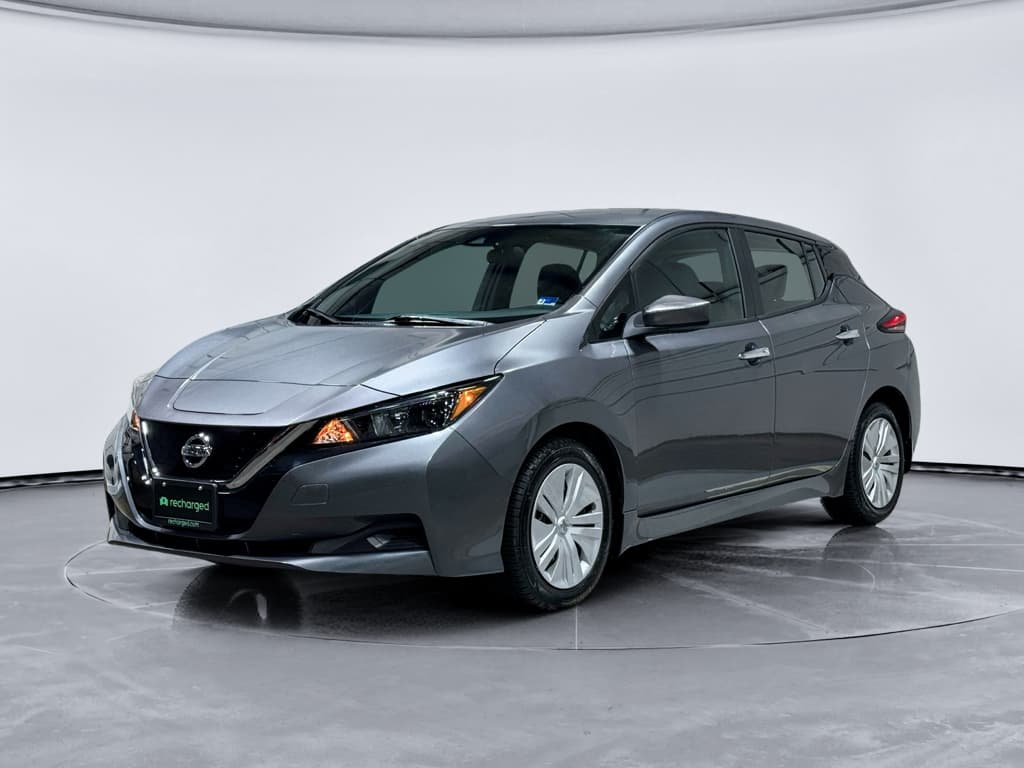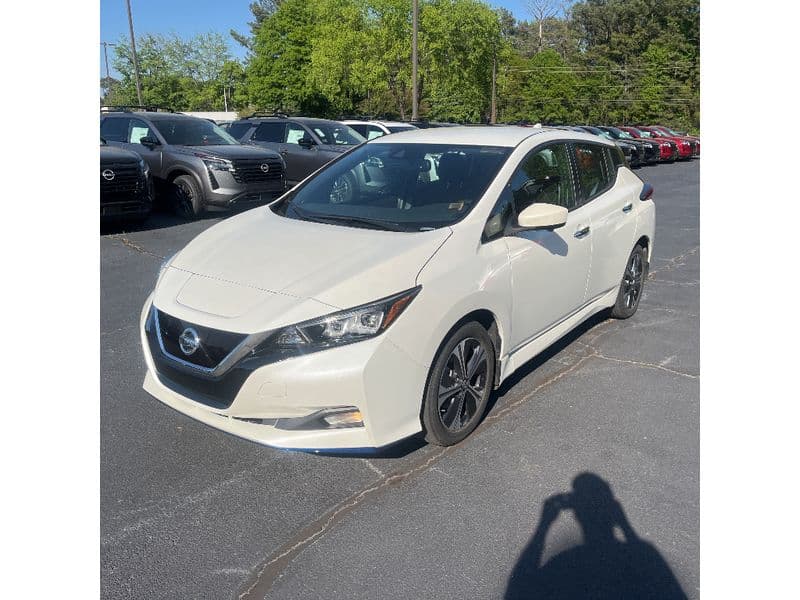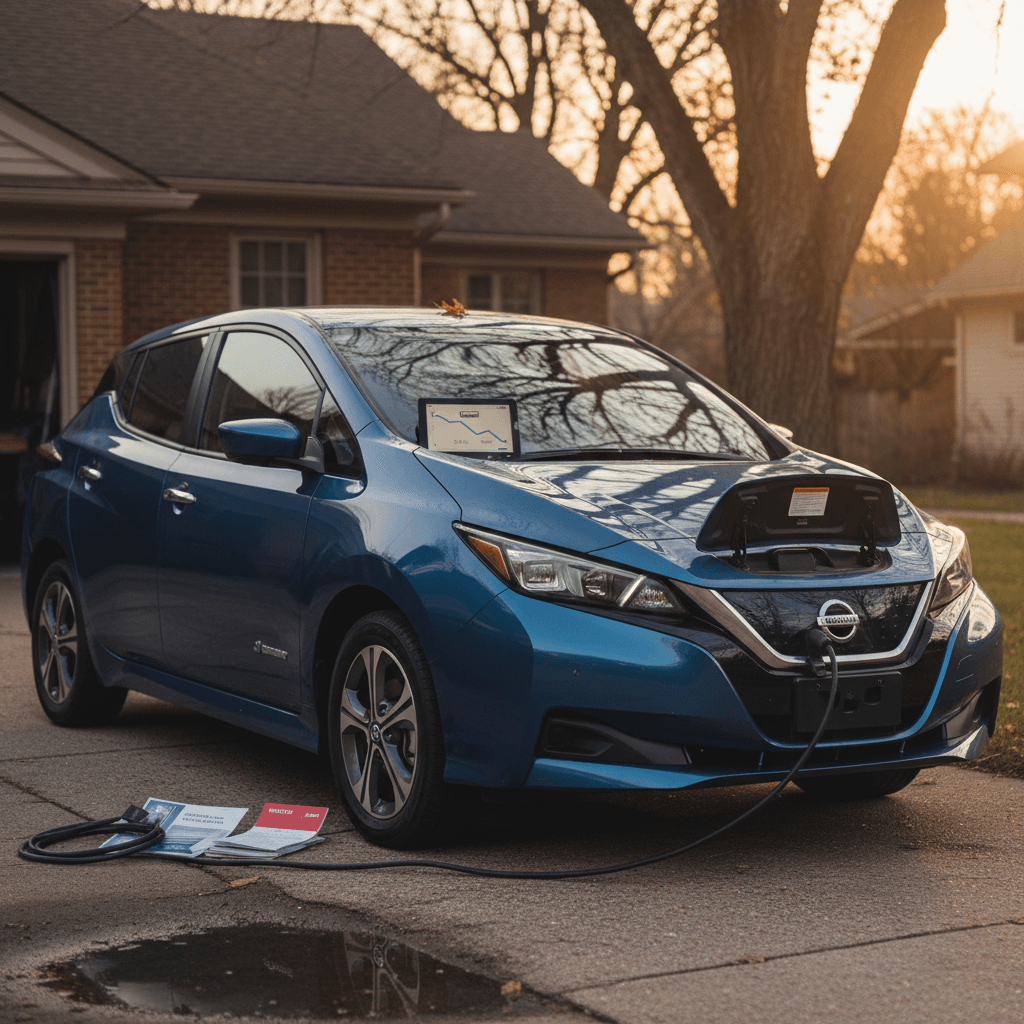
If you’re shopping for an affordable used EV, the 2020 Nissan Leaf will pop up a lot. The big question is whether 2020 Nissan Leaf reliability is good enough to justify the savings, especially with today’s concerns about battery life, recalls, and fast‑charging limitations.
Quick take
2020 Nissan Leaf reliability at a glance
2020 Leaf reliability snapshot
To make sense of whether a 2020 Leaf is a smart buy, you have to separate three things: basic mechanical reliability (generally good), battery longevity (mixed, but better than early Leafs), and recall‑related headaches (real, especially around DC fast charging).
How the 2020 Nissan Leaf has held up
Mechanically, the 2020 Leaf benefits from being a relatively simple EV. There’s no multi‑speed transmission, no turbocharger, no fuel system, and far fewer moving parts than a conventional compact. That simplicity shows up in owner satisfaction and low repair rates. Many owners report years of trouble‑free commuting with only tires, cabin filters, and brake fluid to worry about.
Key reliability strengths and weaknesses
Where the 2020 Leaf shines, and where it struggles
Reliability strengths
- Proven powertrain: The motor and inverter design had been in production for years by 2020 with few systemic failures.
- No complex gearbox: Single‑speed reduction drive avoids the transmission issues that plague many ICE cars.
- Low routine maintenance: No oil changes, spark plugs, timing belts, or exhaust to replace.
- Good owner satisfaction: A strong majority of owners would recommend the 2020 Leaf, often citing reliability and ease of use.
Reliability weaknesses
- Passive battery cooling: The pack relies on ambient airflow instead of liquid cooling, which can accelerate degradation in hot climates or with frequent fast charging.
- Above‑average recalls: The 2020 model year had multiple NHTSA recalls, including a later battery fire risk campaign that restricted Level 3 charging.
- CHAdeMO fast charge standard: Network support in North America is shrinking, reducing long‑trip flexibility, and making any fast‑charging issues feel worse.
- Range ceiling: Even in good health, range is modest versus newer EVs, which can matter if your usage grows over time.
Used‑EV reality check
Battery life and degradation on 40‑kWh vs 62‑kWh Leafs
Battery health is the centerpiece of 2020 Nissan Leaf reliability. That year came with two pack sizes: a 40‑kWh pack (Leaf S, SV, SL) and a 62‑kWh pack (Leaf Plus trims). Both use passive air cooling and similar chemistry, but they age a bit differently.
2020 Leaf battery options and reliability implications
How the 40‑kWh and 62‑kWh packs typically behave in real‑world use.
| Battery | EPA range when new | Typical 5‑year capacity loss* | Best fit for | Key watch‑outs |
|---|---|---|---|---|
| 40‑kWh | Approx. 149 miles | ~10–15% | Short‑range commuters, second cars | More sensitive to heat and repeated DC fast charging; reduced range margin as it ages. |
| 62‑kWh (Leaf Plus) | Up to ~215 miles | ~8–12% | Longer commutes, occasional highway trips | Higher replacement cost; also affected by the later battery recall on Level 3 fast charging. |
Actual degradation will vary with climate, driving habits, and fast‑charging frequency.
What the numbers mean
The absence of liquid cooling is the Leaf’s biggest long‑term Achilles’ heel. In cooler climates and with mostly Level 1 or Level 2 charging, many 2020 Leafs still retain high‑70s to mid‑80s percent of original capacity. In very hot regions or with heavy DC fast‑charge use, degradation can be faster, and a minority of owners have reported weak cells or pack issues even at relatively low mileage.
Heat and highway driving matter
Recalls and known issues for the 2020 Leaf
Where the 2020 Leaf really stumbles is in the recall column. This model year has more NHTSA recalls than most of its ZE1‑generation siblings, and some of those campaigns directly impact usability and peace of mind.
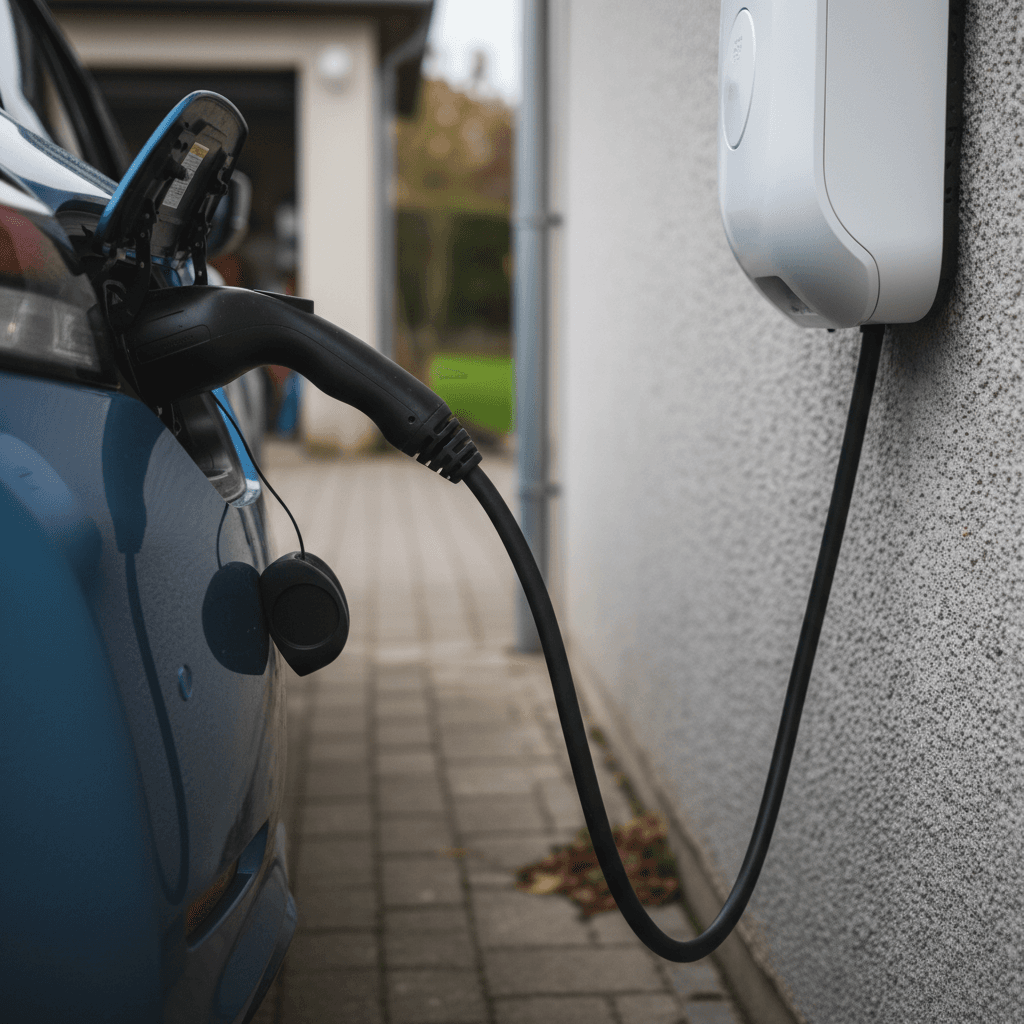
- Battery fire risk / Level 3 fast‑charging recall: A major recall covers 2019–2020 Leafs with a quick‑charge (CHAdeMO) port. The issue involves lithium‑ion cells that can overheat and, in rare cases, pose a fire risk during DC fast charging. Nissan has instructed affected owners not to use Level 3 chargers until a software remedy is installed, and some owners report long waits and frustration over limited fast‑charging capability.
- Rearview camera recall: Certain 2020 Leafs were recalled because the rear camera image could fail to display properly, potentially increasing back‑up crash risk. Dealers update software or replace components.
- Unintended acceleration / speed control: A separate recall addressed a vehicle speed control issue that could, in specific scenarios, lead to unintended acceleration. The remedy is typically a software update.
- Rear glass separation: Some vehicles were recalled because the rear window glass could detach, again handled by dealer inspection and repair.
Don’t skip the recall check
Owner reviews and real‑world reliability experience
Numbers tell part of the story; owners fill in the rest. Consumer‑review platforms paint a generally positive picture of the 2020 Leaf. On one major site, the car posts about a 4.1 out of 5 overall, with reliability and quality scoring around 4.4 out of 5 and more than 80% of reviewers saying they would recommend the car. Many owners call it the lowest‑maintenance vehicle they’ve ever owned.
“No oil changes, no trips to the shop, and it just quietly does the job. My biggest concern is range dropping in winter, not mechanical failure.”
What owners love
- Near‑zero maintenance: Several years of driving with little more than tire rotations and cabin filters.
- Smooth, quiet drive: Instant torque and one‑pedal driving make city trips easy.
- Predictable reliability: Few surprise failures when the car is used as a commuter and charged mostly at home.
- Value in the used market: Prices tend to be lower than comparable‑range rivals, especially for the 40‑kWh cars.
What owners complain about
- Range anxiety in winter: Cold weather can trim usable range substantially, especially on the 40‑kWh pack.
- Fast‑charging frustrations: Some report the car throttling DC fast charge speeds or refusing CHAdeMO sessions, even before the official recall.
- Lack of thermal management: Enthusiasts in hot climates point to faster degradation than liquid‑cooled EVs.
- Charging‑network reality: With CHAdeMO stations slowly disappearing in North America, it’s harder to rely on the Leaf for long trips.
Cost of ownership and likely repair costs
From a day‑to‑day wallet perspective, the 2020 Leaf is one of the cheaper EVs to own. Independent cost‑of‑ownership analyses for recent Leafs suggest five‑year maintenance costs in the low‑$2,000 range and repairs under $1,000 for a new‑car buyer. On the used market, you’re outside the new‑car warranty window sooner, but the underlying economics are similar: very few wear items, inexpensive routine service, and no major engine‑related work to budget for.
Where your money goes with a 2020 Leaf
Comparing costs to a similar gas compact
Maintenance
Leaf: Cabin filters, brake fluid, coolant (for electronics, not the battery), tires, and the occasional 12‑volt battery.
Gas compact: All of the above plus oil services, spark plugs, belts, exhaust, emissions components.
Repairs
Leaf: Fewer major failure points. Big outlier is battery replacement, which is rare but costly and should be avoided by shopping carefully.
Gas compact: Transmission, head gasket, fuel system, catalytic converter, and more are all in play over 8–10 years.
Energy
Leaf: Electricity costs roughly equivalent to 90–120 MPGe for most U.S. drivers.
Gas compact: Typically 30–35 MPG; fuel spend can be 2–3x higher over 5–7 years, depending on driving and gas prices.
Where a used Leaf really shines
What to check before buying a used 2020 Nissan Leaf
Shopping for a used Leaf isn’t like shopping for a used Altima. Engine compression and transmission shifts aren’t your focus; battery health, software history, and charging behavior are. Here’s how to put the odds in your favor.
2020 Leaf pre‑purchase checklist
1. Get an objective battery health report
Ask for a <strong>third‑party battery diagnostic</strong> that reads true pack capacity, not just the in‑dash bar display. At Recharged, every vehicle comes with a Recharged Score Report that includes verified battery health, so you can see how much usable capacity remains before you commit.
2. Verify open recalls and completion
Run the VIN through official recall lookups and ask for service records that prove each recall, especially the <strong>Level 3 fast‑charging / battery fire risk campaign</strong>, has been completed. If not, factor the inconvenience of limited fast charging into your decision.
3. Confirm charging behavior in the real world
If possible, test the car at both a <strong>Level 2 home or public charger</strong> and a CHAdeMO fast charger. Watch for error messages, unusually slow fast‑charge rates, or the car refusing sessions. If recalls are incomplete, follow Nissan’s instructions and don’t attempt fast charging just to test it.
4. Inspect for heat‑related wear
Check where the car has lived. A 2020 Leaf from a cool‑weather state, lightly fast‑charged, is a much safer bet than one that spent years doing summer highway commutes in Arizona. Battery degradation is strongly influenced by heat and charge patterns.
5. Evaluate your daily range needs
Map your real daily use. If you routinely drive 120 miles or more in a day, a 40‑kWh 2020 Leaf may already be at the limit of its comfortable range, especially in winter. A 62‑kWh Leaf Plus or a newer EV might be a better fit.
6. Review warranty status
The 2020 Leaf’s <strong>8‑year/100,000‑mile battery warranty</strong> (from original in‑service date) may still apply for capacity loss or certain failures. Check in‑service date and mileage to see how much coverage is left, and confirm any warranty work already performed.
How Recharged can simplify this
Who the 2020 Leaf is, and isn’t, right for
Good fit
- Short‑to‑moderate distance commuters: Daily round‑trips under 80–100 miles who can charge at home most nights.
- Second‑car households: Families that keep a gas or longer‑range EV for road trips but want a cheap‑to‑run city car.
- Cool‑climate drivers: Owners in temperate regions where heat‑driven degradation is less aggressive.
- Budget‑focused buyers: Shoppers who prioritize low purchase price and running costs over cutting‑edge tech, and who are willing to do their homework on battery health and recalls.
Probably not the best choice
- Frequent road‑trippers: With shrinking CHAdeMO support and recall‑related fast‑charge limitations, the 2020 Leaf is a tough sell as your only long‑distance vehicle.
- Very hot‑climate drivers: In places with long, hot summers, the lack of liquid cooling makes pack longevity more of a gamble.
- Drivers needing 200+ real‑world miles often: Even a healthy 62‑kWh Leaf can feel tight at that distance once you factor in weather, aging, and highway speeds.
- Tech‑focused shoppers: If you want the latest driver‑assistance suites, ultra‑fast charging, and long‑range packs, a newer EV platform will be more satisfying.
Viewed through a used‑car lens, 2020 Nissan Leaf reliability is a story of strengths and trade‑offs. The basic hardware is simple and dependable, and many owners experience years of nearly maintenance‑free driving. But the combination of passive battery cooling, a stack of recalls, and a shrinking CHAdeMO ecosystem means you can’t buy purely on price. If you confirm battery health, verify recall completion, and match the car to realistic range needs, a 2020 Leaf can still be a smart, low‑drama commuter EV, especially when you have transparent battery data and EV‑savvy support guiding your decision.