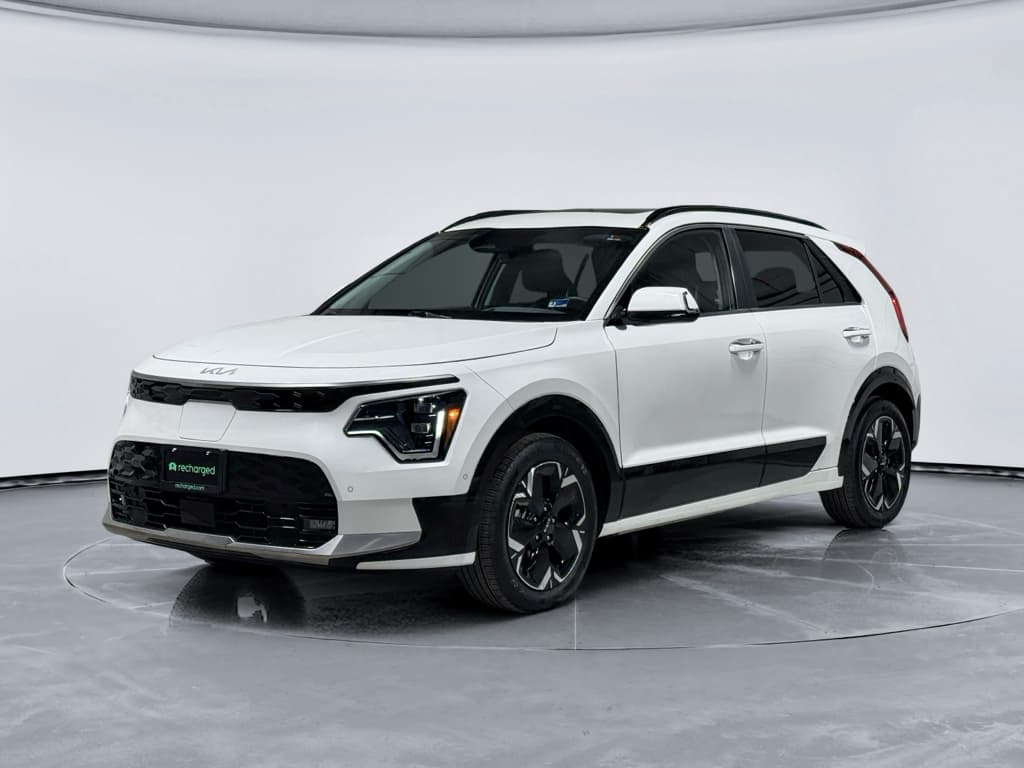
If you’re researching a 2020 Kia Niro EV recalls list, you’re doing exactly what a smart EV owner or shopper should do. Every modern vehicle gets recalled at some point; the real story is what the recall fixes, how serious it is, and whether the work’s already been done on the car you’re looking at.
Quick snapshot
Overview: 2020 Kia Niro EV recalls at a glance
2020 Kia Niro EV recall snapshot
Compared with some early EVs, the 2020 Niro EV’s formal recall record is relatively calm. The big item is the EPCU recall for sudden loss of power. On top of that, there are a few body and electronics recalls floating around the wider Niro lineup (back‑up camera visibility, airbag and seat‑mount issues on later model years) that you may see mentioned when you run a VIN.
Recall info changes over time
Full 2020 Kia Niro EV recalls list
Here’s an owner‑friendly 2020 Kia Niro EV recalls list based on publicly available data as of April 2026. Exact wording and campaign numbers can vary slightly by market, so use this as a translation guide alongside the official VIN lookup results.
2020 Kia Niro EV recalls list (US‑centric)
Major safety recalls and widely reported campaigns that can affect the 2020 Niro EV. Always verify details for your specific VIN and market.
| Recall / campaign | Key system | Main risk or symptom | Typical dealer fix | Owner cost |
|---|---|---|---|---|
| EPCU sudden power‑loss recall (often labeled SC342) | Electric Power Control Unit (EPCU) | EV may lose motive power while driving; “Check Electric Vehicle System” warning may appear | Inspect EPCU for coolant intrusion or sealing issues; replace EPCU if fault found; update related software if specified | $0 (safety recall) |
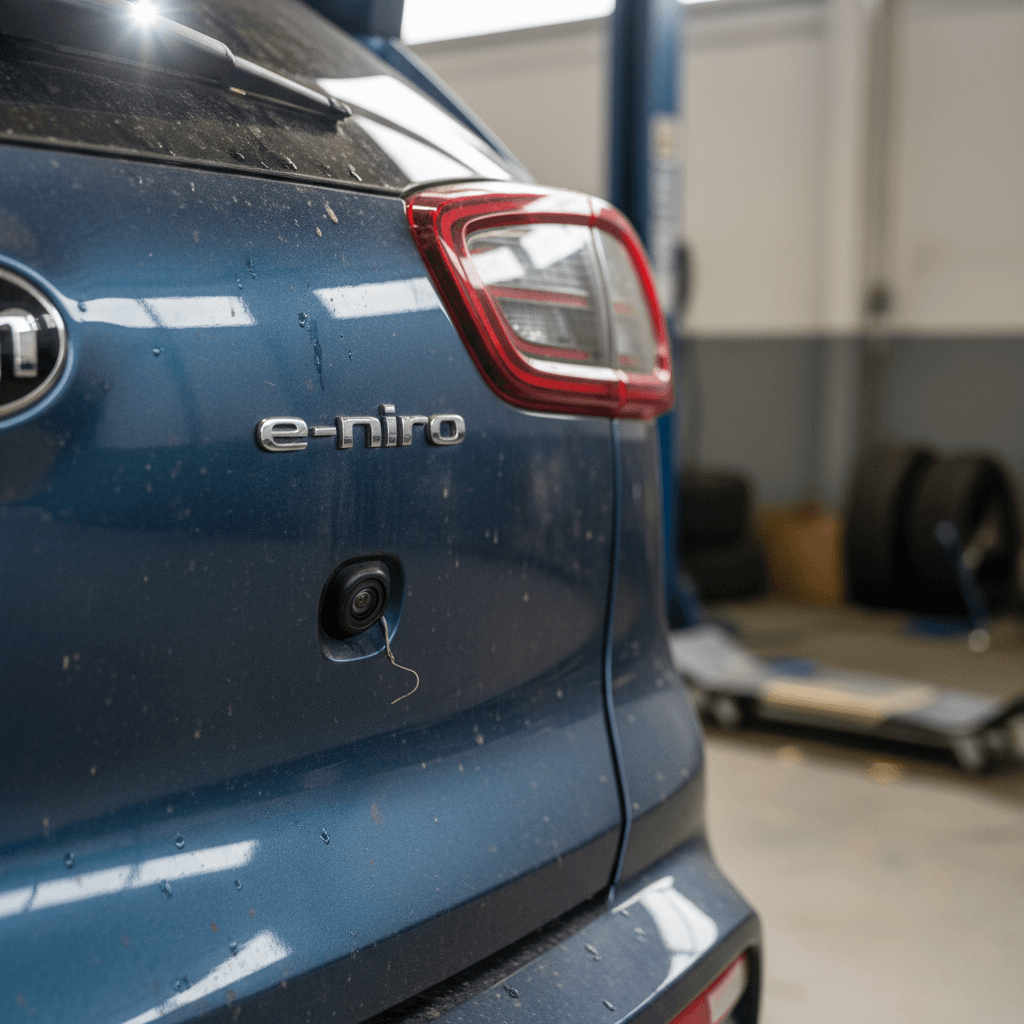
| Rearview / back‑up camera visibility recall (various Niro campaigns) | Rear camera image and wiring | Camera image may not display or may cut out, reducing rear visibility | Inspect and repair or replace back‑up camera components and wiring; update software if applicable | $0 when performed as a recall |
| Regional or market‑specific campaigns (coolant flush, emissions labels, etc.) | Cooling or labels/markings | Usually low‑risk issues such as coolant contamination, incorrect labels, or regulatory labeling gaps | Flush/change coolant, inspect hoses, or replace labels to meet regulations | $0 when part of an official campaign |
This table is a summary; your car’s actual recall status may differ. Use NHTSA.gov or Kia’s site to confirm.
How to match your notice to this list
EPCU sudden power‑loss recall (SC342) explained
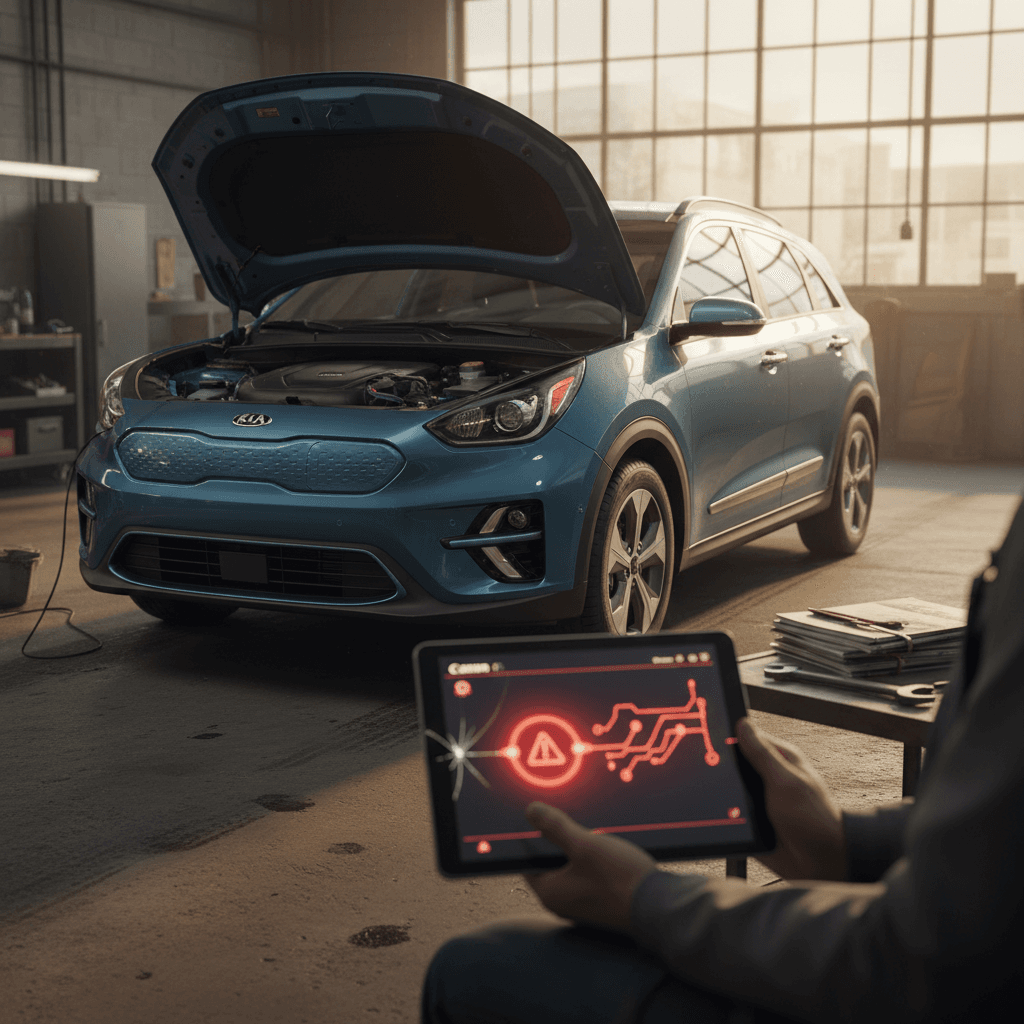
The most important recall on 2020 Niro EVs centers on the Electric Power Control Unit (EPCU), the box that manages high‑voltage power delivery to the motor and other components. On a subset of 2020 cars, the EPCU wasn’t sealed properly during manufacturing. Over time, coolant can leak onto the circuit board inside the unit.
- Coolant reaching the EPCU’s internal electronics can cause short circuits or corrosion.
- In some cases the car may trigger a “Check Electric Vehicle System” warning and drop into reduced‑power “limp” mode.
- In the worst case, the Niro EV can lose motive power without much warning, which is why this is a formal safety recall.
Dealers handle this recall by pulling the car into the bay, accessing the EPCU, and checking for any signs of sealing problems or coolant intrusion. If they see evidence of a bad unit, they replace the entire EPCU assembly and confirm proper operation with updated software where required. You shouldn’t be charged anything for parts, labor, or shop supplies when work is done under an open recall.
Don’t drive through symptoms
Backup camera and other non‑EV recalls that can touch 2020 Niro
When you plug a 2020 Niro EV VIN into an online recall checker, you may see more than one line item, especially as new campaigns roll out for the broader Niro family. Some of these are more about compliance and convenience than EV hardware, but they’re still worth getting done.
Other campaigns you may see on a 2020 Niro EV
These don’t usually affect driving range, but they do matter for safety and everyday use.
Rearview camera visibility
Seat, airbag, or belt campaigns
Labels & compliance items
Why camera recalls matter on EVs
How to check your 2020 Niro EV for open recalls
You don’t have to guess which recalls apply to your car. In the US, every 17‑digit VIN ties directly into the NHTSA recall database and Kia’s own service records. Here’s how to get a definitive answer in a few minutes.
Step‑by‑step: see every recall tied to your 2020 Niro EV
1. Find your full VIN
Look at the lower left of the windshield from outside, the driver‑side door jamb, or your registration/insurance card. You need all 17 characters; a partial VIN won’t work.
2. Run the VIN through NHTSA.gov
Go to the official recall lookup on NHTSA’s website and paste in your VIN. This shows all <strong>open safety recalls</strong> that still need to be done on your specific vehicle.
3. Check Kia’s owner portal or call a dealer
Kia’s online owner portal and any Kia service department can pull a more detailed record that may include service campaigns and completed recalls. Ask them to read back what’s open and what’s already been closed.
4. Confirm EPCU recall status
Specifically ask whether the EPCU power‑loss recall (often labeled with an SC campaign number) has been completed. If not, schedule it right away, even if the car feels fine.
5. Ask for a printout or PDF
Have the service advisor email or print the recall and campaign summary. This is great documentation to keep with your records or share with a future buyer.
6. If you’re shopping used, get it in writing
When you’re buying from a dealer, ask them to confirm in writing that all open safety recalls will be completed at no cost before you take delivery.
Good news for owners
What recalls mean when you’re buying a used 2020 Niro EV
If you’re shopping for a used 2020 Niro EV, recall history isn’t something to fear, it’s something to understand. Almost every modern EV has at least one recall, and many of them, like the EPCU campaign, are exactly what you want to see: the manufacturer identifying a serious issue and footing the bill to fix it.
Completed recalls are a positive sign
When you see a 2020 Niro EV with documented, completed recall work, that tells you a few things:
- The previous owner or dealer stayed on top of safety notices.
- The car’s most serious design flaws have already been addressed at the manufacturer’s expense.
- Future buyers and lenders are less likely to balk at the car’s history.
Open recalls are leverage, and a to‑do
If a Carfax, Kia printout, or Recharged Score shows an open recall, factor in time and convenience, not extra cost. You can’t be charged for recall work, but you may need to leave the car at a dealer for a day or more while they order parts and perform the repair. Use that as a bargaining chip when negotiating price.
Buying through Recharged
Common 2020 Niro EV issues vs. official recalls
It’s easy to blur the line between “recall” and “problem.” Owners of 2020 Niro EVs talk about a handful of recurring issues, but not all of them rise to the level of a safety recall. That doesn’t make them any less real; it just changes how they’re handled.
Typical 2020 Niro EV trouble spots (not all are recalls)
Use this alongside the official recalls list to get a full picture of risk.
Drivetrain “wheel‑of‑fortune” noise
12‑volt battery drain
AC/climate issues after fast charging
Service bulletins vs. safety recalls
How recalls show up in the Recharged Score
When you shop a 2020 Niro EV on Recharged, you’re not just looking at photos and a price tag. Every car gets a Recharged Score Report that pulls in service history, battery diagnostics, and recall status so you can see the full story at a glance.
- Recall history section: We flag any open safety recalls that still need attention, and highlight key campaigns like the EPCU power‑loss recall by name.
- Completion tracking: If major recalls have already been done, that work helps the vehicle’s overall confidence score and we note when and where the repairs were performed.
- Battery and drivetrain health: Our high‑voltage battery diagnostics and road‑test impressions help you separate recall‑related factory fixes from wear‑and‑tear issues that might be your responsibility down the road.
- Pricing context: If a car is due for recall work or shows patterns of recurring repairs (like multiple visits for drivetrain noise), that nuance is reflected in how we think about fair market pricing.
Why this matters for a 2020 Niro EV
Owner checklist after a 2020 Niro EV recall
Once your recall work is done, you’re not quite finished. A few simple checks can make sure the fix actually fixed something, and didn’t create any new headaches.
After the recall: 7 quick checks for your 2020 Niro EV
1. Review the repair order
Before you leave the dealer, read the repair invoice. It should clearly list the recall campaign, what was inspected, and whether parts were replaced. Keep this with your service records.
2. Confirm no warning lights
On your first drive home, make sure there are no “Check Electric Vehicle System,” ABS, airbag, or TPMS warnings that weren’t there before. If anything lights up, turn around and have the dealer re‑check their work.
3. Test basic functions
Verify that the car locks and unlocks normally, starts in READY mode without hesitation, and shifts into Drive and Reverse smoothly. For EPCU work, pay attention to how the car accelerates and regeneratively brakes.
4. Check the rear camera image
If any work was done around the tailgate or camera, put the car in Reverse and confirm that the image appears promptly, looks clear, and doesn’t flicker or freeze.
5. Listen for new noises
With the radio off, take a short drive at neighborhood speeds and on a smooth road. Listen for new hums, rattles, or grinding sounds from the front end that started after the repair.
6. Verify your paperwork online
A week or two later, re‑run your VIN on NHTSA.gov or through Kia’s portal. The completed recall should now show as closed. If it doesn’t, call the dealer and ask them to double‑check the submission.
7. Update your records if you sell later
If you sell privately or trade in somewhere other than Recharged, pass along copies of recall paperwork. It shows good stewardship and can help you defend your asking price.
Don’t ignore letters you don’t understand
2020 Kia Niro EV recalls FAQ
Frequently asked questions about 2020 Niro EV recalls
Bottom line on the 2020 Niro EV recalls list
The 2020 Kia Niro EV doesn’t have a spotless record, but its recalls list is short and manageable, with one standout campaign for the EPCU that every owner should confirm and complete. Treat recalls as free engineering upgrades, not red flags. If you pair that recall awareness with a solid battery‑health check and a look at common problem areas, you can enjoy what the Niro EV does best: quiet, efficient miles with real‑world range that still holds up several years on.
If you’d rather skip the detective work, shopping a 2020 Niro EV through Recharged means every car comes with a Recharged Score Report, verified battery diagnostics, and an at‑a‑glance view of recall and service history. However you get there, knowing this car’s recall landscape puts you firmly in the driver’s seat.