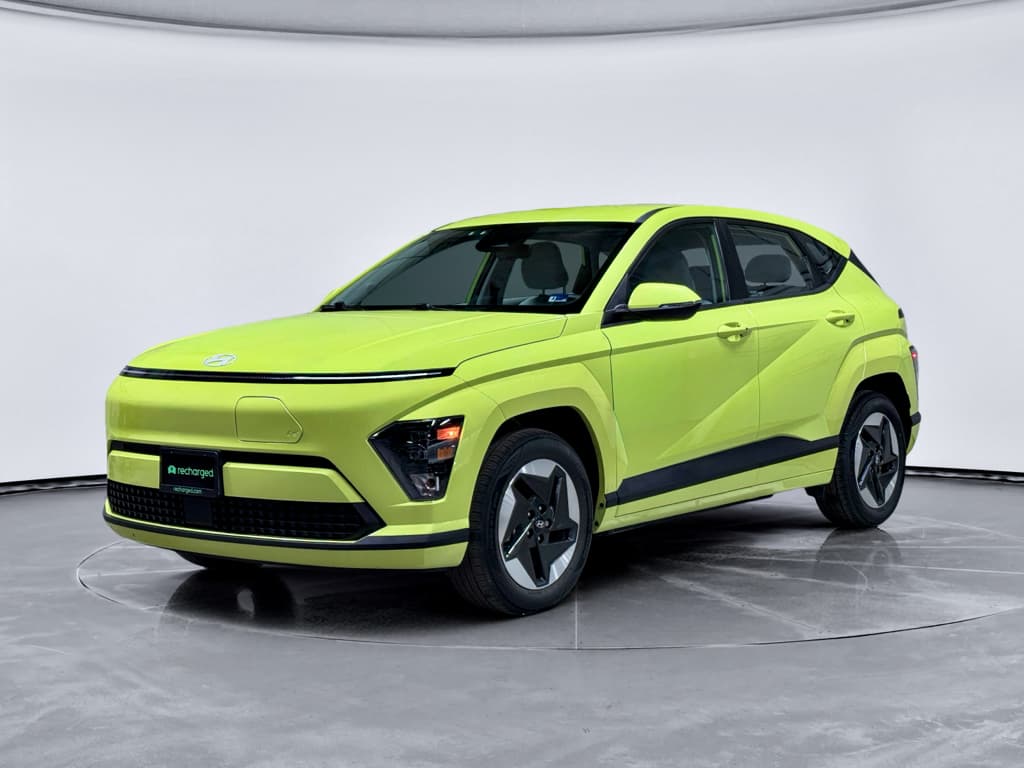
If you’re considering a used 2020 Hyundai Kona Electric, reliability is probably at the top of your list. The good news: the Kona EV has earned a solid reputation for efficiency and everyday dependability, but like any early‑generation electric crossover, there are some known issues, recall history, and battery questions you should understand before you buy.
Quick take
2020 Hyundai Kona Electric reliability at a glance
2020 Kona Electric: reliability snapshot
When shoppers ask about a 2020 Hyundai Kona Electric reliability rating, what they really want to know is, “Will this EV be expensive or stressful to own?” On balance, the answer is no: the Kona Electric tends to be a dependable commuter with simple maintenance needs. The watch‑outs are concentrated around early battery recalls, high‑voltage components, and a handful of software and electronics concerns.
Battery recall matters
How 2020 Kona Electric reliability ratings are calculated
Different sources weigh reliability in slightly different ways, but most ratings for the 2020 Hyundai Kona Electric draw on three pillars: owner‑reported problems, repair severity and cost, and recall/service campaign history. Compared with other subcompact crossovers, the Kona EV usually lands in the “better than average” band, though some rating systems knock it down a notch because of battery‑recall headlines.
- Owner surveys that track issues per 100 vehicles over several years of use
- Warranty claim data that highlights expensive or repeated component failures
- NHTSA and manufacturer recall campaigns, especially those tied to safety
- Independent repair‑shop data on frequency and cost of non‑routine work
- Road‑test data related to long‑term drivability, charging performance and range
Look beyond a single score
Battery life and degradation on the 2020 Kona Electric
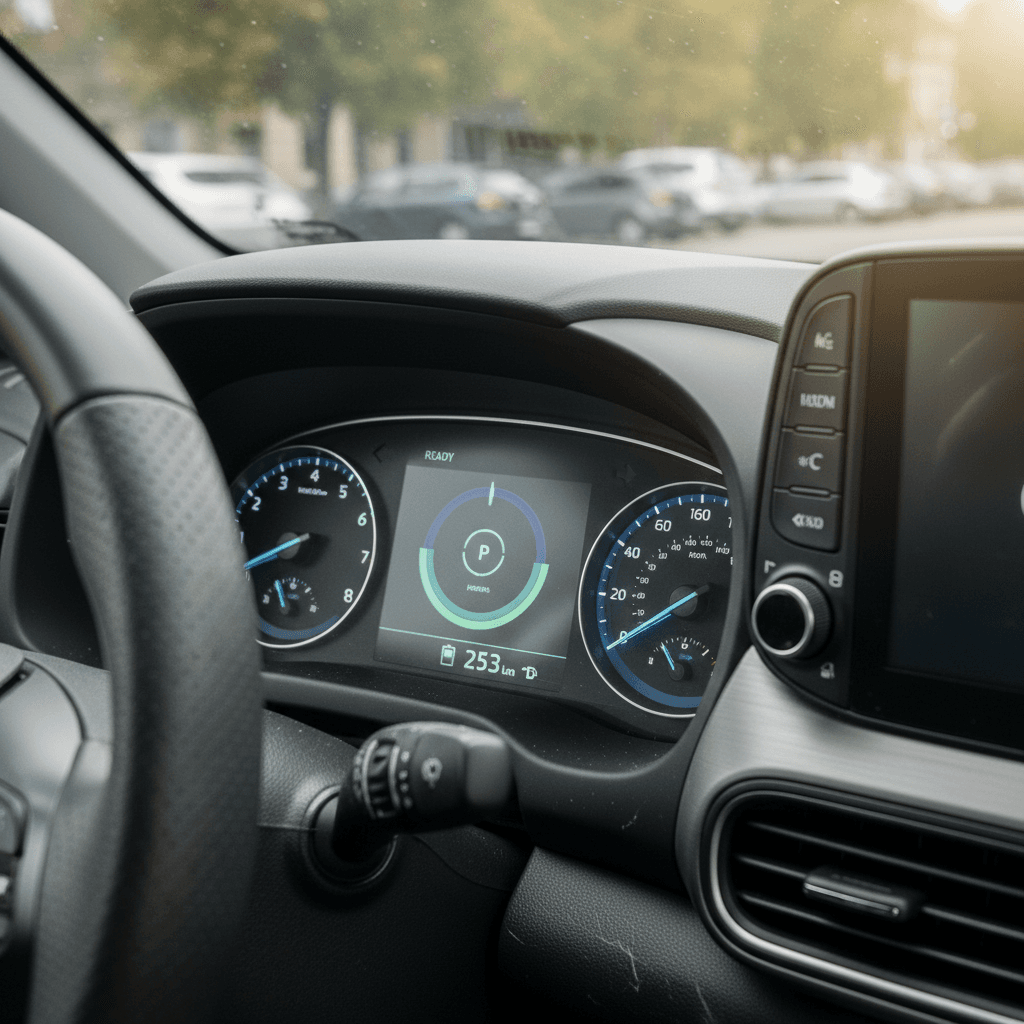
The 2020 Hyundai Kona Electric uses a 64 kWh lithium‑ion polymer battery pack that gives it EPA‑rated range in the mid‑250‑mile bracket when new. In real‑world use, most owners report modest degradation after several years, often on the order of a few percent, assuming the car hasn’t lived its whole life on DC fast charging or in extreme heat.
What typically helps battery longevity
- Regular use in mild climates rather than constant extreme heat or cold
- Frequent Level 2 charging at home instead of nonstop DC fast charging
- Keeping the battery between roughly 20–80% for everyday driving
- Software updates applied promptly, especially those related to battery management
What can accelerate degradation
- Years of high‑speed DC fast charging as the primary charging method
- Parking outside in very hot climates with the pack frequently at 100%
- Ignoring warning lights or recall notices related to the high‑voltage system
- Poor maintenance of cooling components that support the battery pack
Battery warranty coverage
Known issues and recalls for the 2020 Hyundai Kona Electric
No used EV is perfect, and the 2020 Kona Electric is no exception. Its headline concern is the family of battery‑related recalls that affected many early Kona EVs, along with a handful of software and component issues. The key question for you as a buyer is not, “Did this model ever have issues?” but rather, “Has this car been properly updated and repaired?”
Common issues and recall themes on the 2020 Kona Electric
This table summarizes patterns that owners and technicians most often report on the 2020 Kona EV. Not every car will experience these issues, but you should ask about each one.
| Area | Issue type | Why it matters | What to check |
|---|---|---|---|
| High‑voltage battery | Recall campaigns and monitoring | Some packs required software changes or intensive inspections | Request recall history and proof of completed battery‑related work |
| Battery management software | Updates and reprogramming | Outdated software can trigger warning lights or inaccurate range estimates | Verify latest software update records from a Hyundai dealer |
| On‑board charger / charging port | Intermittent charging or slow charge rates | Can be caused by port contamination, failed components, or wiring | Inspect port condition and test Level 2 charging during inspection |
| 12‑volt system | Accessory battery failures | Weak 12‑volt battery can cause no‑start conditions or random warnings | Check age of 12‑volt battery and replace preventively if it’s original |
| Infotainment & electronics | Occasional glitches or reboots | Annoying but usually not dangerous; sometimes fixed by software | Test all screens, cameras, Bluetooth, and driver‑assist features |
| Brakes & tires | Higher wear with spirited driving torque | Instant EV torque can speed tire wear; regen can mask pad wear | Inspect tire tread, listen for brake noise, review rotation history |
Use this list as a conversation starter with the seller and your inspector.
Never ignore warning lights
What real owners report about 2020 Kona Electric reliability
Scan through owner forums and long‑term road tests and a pattern appears: most 2020 Kona Electric drivers describe the car as boringly reliable transportation. They praise its punchy acceleration, strong real‑world efficiency, and relatively trouble‑free ownership experience. Many report driving tens of thousands of miles with little more than tire rotations and cabin‑filter changes.
Real‑world pros and cons from 2020 Kona EV owners
What drivers love, and what annoys them over time
Big pros owners mention
- Excellent efficiency and real‑world range for the size
- Easy to park but still practical for daily use
- Smooth, quiet drivetrain ideal for commuting
- Low routine maintenance and few random failures
Minor complaints
- Firm ride quality compared with some rivals
- Infotainment that feels dated next to newer EVs
- Limited rear‑seat space for taller passengers
- Highway wind and road noise in certain conditions
Serious concerns (less common)
- Stress and downtime related to battery recall work
- Isolated cases of charging hardware replacement
- Occasional electronic gremlins needing dealer visits
For a lot of owners, the Kona Electric simply disappears into the background of everyday life, which is exactly what you want from a daily driver.
Cost of ownership: repairs, maintenance and warranty coverage
One major advantage of the 2020 Kona Electric over a comparable gas crossover is lower routine maintenance. There’s no engine oil, spark plugs, or transmission fluid to worry about. Outside of tires and the occasional cabin air filter, many owners see only modest service bills for the first several years.
Typical cost considerations for a 2020 Kona Electric
Routine maintenance
Expect periodic tire rotations, brake‑fluid changes on schedule, and cabin‑filter replacements. Regenerative braking means brake pads often last much longer than in a gas SUV.
Tires and wheels
The Kona Electric’s torque can wear through front tires more quickly, especially if driven hard. Budget for quality all‑season or EV‑rated tires when shopping used.
Out‑of‑warranty repairs
High‑voltage components can be expensive if they fail out of warranty, but failure rates are relatively low. A pre‑purchase inspection is your best defense against surprises.
Home charging setup
If you don’t already have a Level 2 charger, factor in the cost of a 240‑volt circuit and hardware. That investment benefits any EV you own in the future.
Insurance costs
Rates vary by state and insurer, but some carriers price EVs slightly higher because of battery‑pack replacement costs. It’s worth getting quotes before you buy.
Warranty can still work in your favor
How the 2020 Kona Electric compares to other used EVs
If you’re cross‑shopping the 2020 Kona Electric against cars like the Chevrolet Bolt EV, Nissan Leaf Plus, or Tesla Model 3 Standard Range, reliability is only one part of the puzzle, but it’s a big one. Broadly, the Kona EV stacks up well: it offers competitive range and strong reliability with a conventional small‑SUV form factor that many shoppers prefer.
2020 Kona Electric vs. other popular used EVs
This high‑level comparison focuses on reliability‑related factors: battery history, recall complexity, and perceived durability.
| Model & year | Typical range (EPA, new) | Reliability perception | Key considerations |
|---|---|---|---|
| Hyundai Kona Electric 2020 | Mid‑250 miles | Above average | Battery‑recall history, compact size, strong efficiency |
| Chevrolet Bolt EV 2020 | ~259 miles | Mixed to above average | Battery‑recall completion, interior quality, charging network access |
| Nissan Leaf Plus 2020 | Mid‑200s miles | Mixed | Passive‑air‑cooled battery more sensitive to heat, CHAdeMO fast‑charge format |
| Tesla Model 3 SR+ 2020 | Low‑250s miles | Mixed to above average | Excellent fast‑charge access, variable build quality and service experiences |
Always look at the specific car in front of you, this table is a starting point, not the final word.
Think about your use case
Pre‑purchase checklist for a used 2020 Kona Electric
A strong reliability rating at the model level is reassuring, but every used car lives a different life. This checklist helps you evaluate the reliability of the specific 2020 Kona Electric you’re about to buy.
Essential reliability checks before you buy
1. Run a full vehicle history report
Look for accident damage, salvage or lemon branding, repeated electrical issues, and how consistently the car was serviced.
2. Verify all recalls and campaigns
Ask for documentation showing that all Hyundai battery‑related recalls and software campaigns have been completed. If anything is open, have it done before purchase.
3. Get a battery‑health report
A high‑quality battery diagnostic will estimate remaining capacity and flag problem cells. This is far more useful than just reading the dash range estimate on a full charge.
4. Test home and public charging
If possible, plug into a Level 2 charger and, if you can, a DC fast charger. Confirm that charge rates look normal and that the car doesn’t throw charging‑system warnings.
5. Inspect tires, brakes and suspension
Uneven tire wear, noisy brakes, or suspension clunks can hint at neglect, hard use, or alignment problems. These are relatively easy fixes, but still useful bargaining chips.
6. Evaluate software and features
Confirm that infotainment, cameras, Bluetooth, and driver‑assist features work as intended. Ask when the last software update was done and whether over‑the‑air updates are enabled, if applicable.
Bring an EV‑savvy inspector
How Recharged evaluates 2020 Kona Electrics
At Recharged, every used EV, 2020 Kona Electric included, goes through a standardized evaluation process that looks well beyond a simple test drive. Our goal is to make the reliability picture as clear as possible before a vehicle ever appears on our marketplace.
What’s inside a Recharged Score for a 2020 Kona Electric
Designed to make EV reliability and value easy to understand
Battery health diagnostics
We perform dedicated battery‑health testing, not just a visual inspection of the dash. You’ll see estimated remaining capacity and any irregularities that might affect long‑term reliability.
Recall & software verification
We confirm Hyundai recall status, check for open campaigns, and verify that critical software updates have been completed or scheduled.
Mechanical & cosmetic inspection
Tires, brakes, suspension, and bodywork are evaluated so you know whether you’re looking at a well‑cared‑for Kona EV or one that needs immediate attention.
Fair‑market pricing & support
The Recharged Score pairs reliability insights with fair‑market pricing data and EV‑specialist guidance, so you understand not just whether a car is solid, but also whether it’s priced right.
Ready to find your next EV?
Browse VehiclesShop or sell with confidence
FAQ: 2020 Hyundai Kona Electric reliability questions
Frequently asked questions about 2020 Kona Electric reliability
Is the 2020 Hyundai Kona Electric a good used buy?
If you want a compact, efficient EV that behaves like a familiar small SUV, the 2020 Hyundai Kona Electric deserves a spot on your shortlist. Its overall reliability record is strong, routine maintenance is simple, and real‑world owner satisfaction is high. The trade‑off is that you must take recall history, software updates, and battery health seriously when you shop.
Focus on the individual car’s records, get a proper battery‑health report, and lean on EV‑savvy experts when in doubt. Do that, and a well‑vetted 2020 Kona Electric can be a smart, confidence‑inspiring way to step into used EV ownership, especially when backed by a transparent evaluation like the Recharged Score and support from specialists who live and breathe electric vehicles every day.