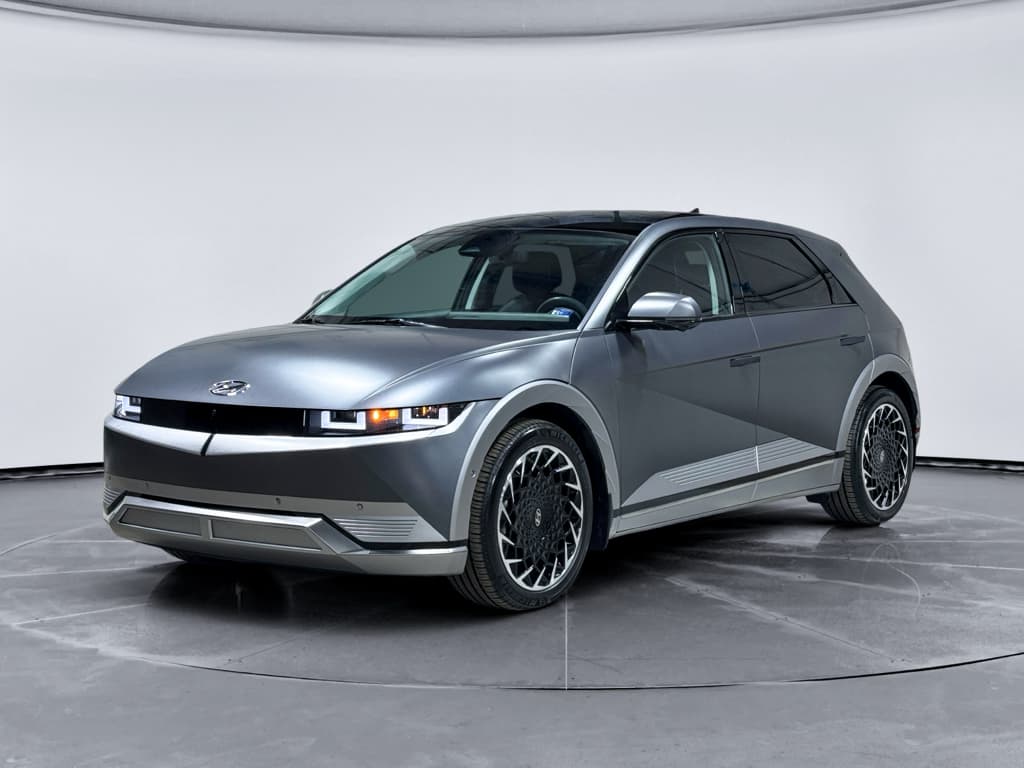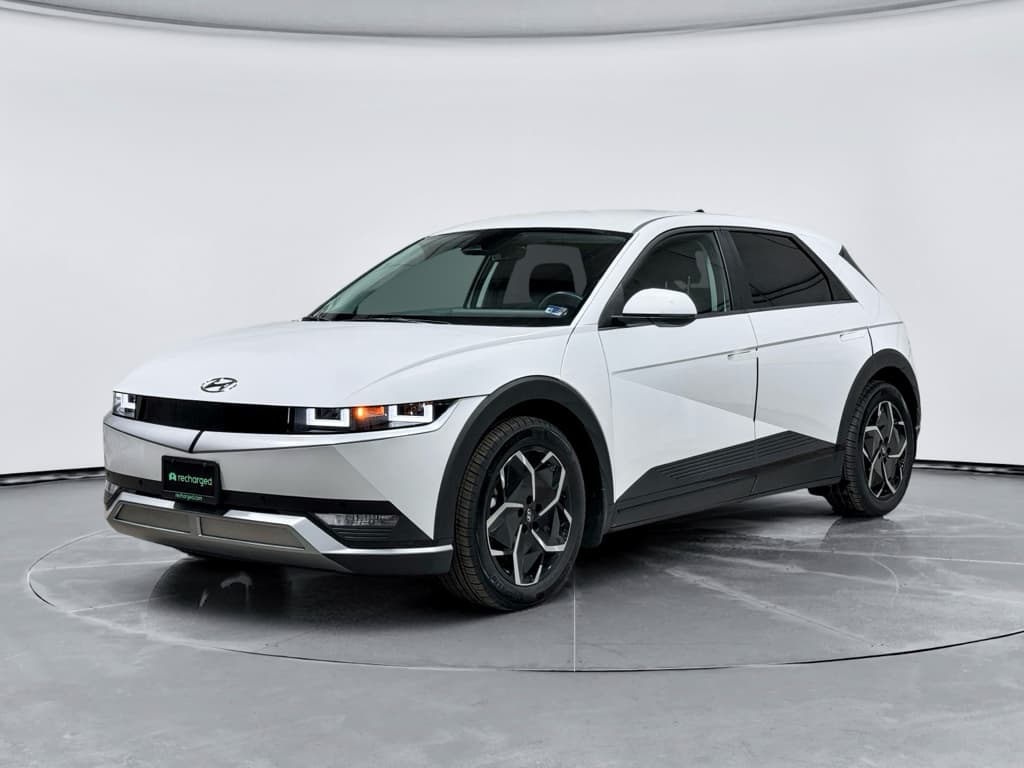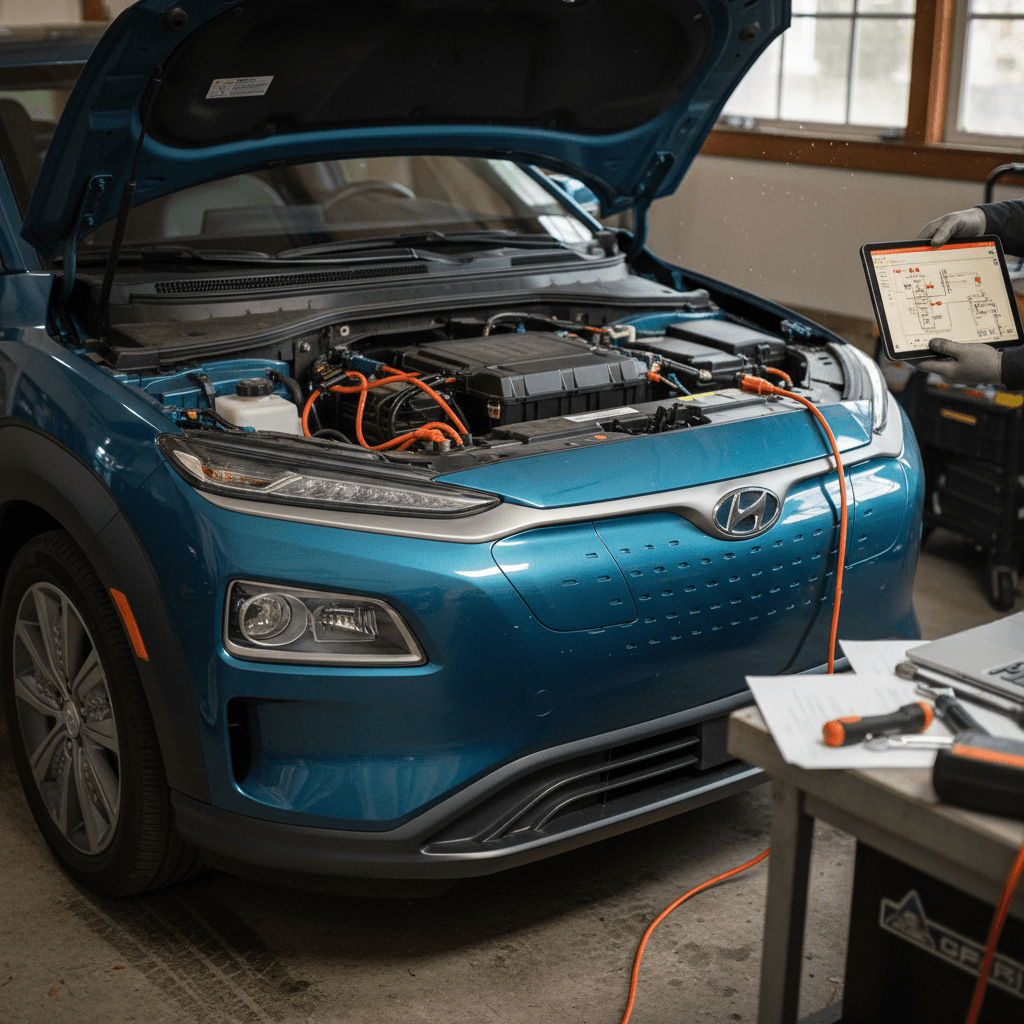
If you own or are considering a 2020 Hyundai Kona Electric, you’ve almost certainly heard about its battery fire recalls. This guide pulls together the most important information into a single, easy‑to‑read 2020 Hyundai Kona Electric recalls list, and explains what each campaign means for safety, daily use, and resale value.
Quick take
2020 Kona Electric recall overview
The 2020 Kona Electric is widely praised for its efficiency and usable real‑world range, but its early production run was built with high‑voltage battery packs that were later tied to a small number of fires worldwide. That prompted Hyundai and regulators to issue a series of safety recalls starting in late 2020 and continuing into 2021.
- The major U.S. recalls focus on the lithium‑ion high‑voltage battery and its control software.
- Most affected vehicles were built between August 28, 2018 and March 2, 2020, which includes the vast majority of 2020 U.S.‑market Kona EVs.
- Hyundai dealers were instructed to perform BMS (Battery Management System) software updates and, in many cases, to replace the entire high‑voltage battery pack at no cost to the owner.
- Separate from the EV‑specific campaigns, your 2020 Kona may also be covered by general Hyundai recalls that apply to gas and electric models alike (airbags, ABS, etc.).
Safety first
Full 2020 Hyundai Kona Electric recalls list
Below is a plain‑English rundown of the major 2020 Hyundai Kona Electric recalls that specifically involve the EV powertrain and high‑voltage battery. Exact applicability depends on build date, market, and VIN, so always confirm your individual vehicle with an official recall lookup.
Key 2020 Kona Electric EV‑related recalls
Summary of the main high‑voltage battery and BMS‑related recalls affecting 2020 Hyundai Kona Electric models in the U.S.
| Common name | NHTSA campaign / Hyundai code | Main issue | Primary fix | Typical impact on owner |
|---|---|---|---|---|
| Initial HV battery fire risk recall | 20V630000 / Hyundai 196 | Potential internal damage to certain high‑voltage battery cells can cause an electrical short and fire risk. | BMS software update plus detailed battery inspection; pack replacement if abnormal cells are detected. | Short dealer visit for software update; some owners receive a brand‑new battery pack under warranty. |
| Expanded lithium‑ion battery defect recall | 21V127000 / Hyundai 200 | Further investigation confirms defect in certain LG‑supplied battery cells; elevated fire risk even with earlier BMS update. | High‑voltage battery pack replaced with updated design; BMS software revised again. | Longer service visit (often several days); new pack typically restores full original capacity and may reset warranty clock on the battery. |
| High‑voltage battery monitoring / BMS campaigns | Various regional service campaigns (e.g., 960, 30D077 outside U.S.) | Need for improved detection of abnormal cell behavior and fault‑code logic for later vehicles and replacement packs. | Additional BMS or charging‑system software updates during routine service or as a campaign. | Brief visit; may slightly change charging behavior but is intended to improve safety and reliability. |
This list focuses on EV‑specific recalls. Your Kona may also have non‑EV recalls (airbags, ABS, etc.) that you should check separately.
Non‑EV recalls still matter
High‑voltage battery fire recalls explained
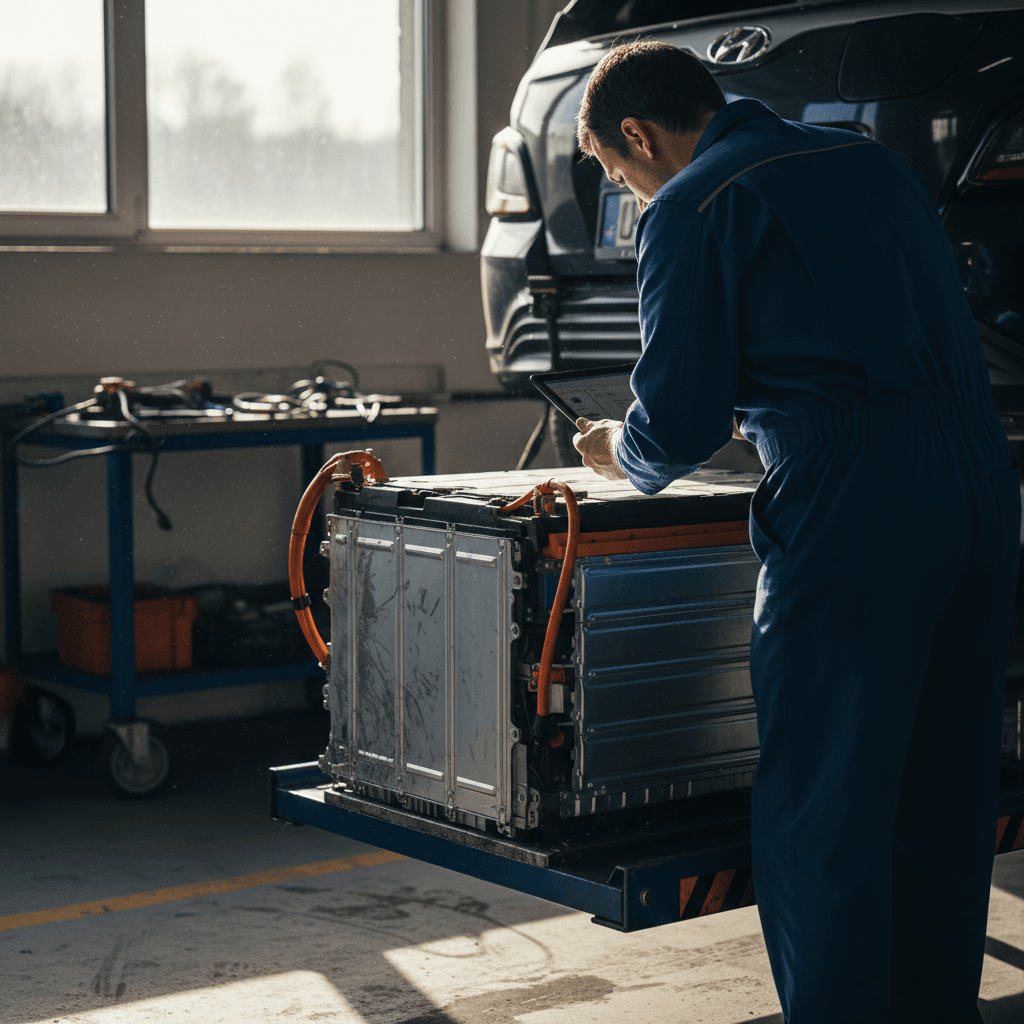
The heart of the 2020 Kona Electric recall story is the high‑voltage battery pack. Early packs used cells that, in rare cases, could have internal defects. Under certain conditions, those defects could lead to a short circuit and thermal runaway, in plain English, a fire risk, even when the car was parked.
Recall 20V630000 / Hyundai 196 – initial battery fire risk
The first major U.S. recall, often referred to by owners as “recall 196,” covered 2019–2020 Kona Electrics. Hyundai’s initial remedy was to update the Battery Management System (BMS) software and carefully inspect each pack. If the software detected abnormal voltage behavior or if inspections revealed issues, the dealer could replace the entire pack.
- Owners were advised to park outside and away from buildings until the recall work was done.
- Dealers installed updated BMS software designed to better monitor cell voltages and temperatures, especially while the vehicle was parked and charging.
- If diagnostics or inspection suggested a high‑voltage battery problem, Hyundai authorized a full pack replacement under warranty.
Recall 21V127000 / Hyundai 200 – expanded defect and pack replacements
Follow‑up analysis and additional incidents led Hyundai to broaden its remedy. Under this campaign, Hyundai committed to replace the high‑voltage battery pack in many affected 2019–2020 Kona Electric and 2020 Ioniq Electric vehicles using updated cells and pack designs.
- Many 2020 Kona EVs that previously only had a BMS update under the first recall later received full battery replacements.
- Pack replacements are done at no cost to the owner, though the vehicle might be in the shop for several days or longer.
- New packs typically come with fresh warranty coverage, which can be a long‑term advantage for used‑vehicle buyers.
If you still see fire‑risk language in your recall notice
BMS software updates vs. full battery replacement
A point of confusion for many Kona EV owners is the difference between a simple BMS software update and a full high‑voltage battery pack replacement. Both show up as “recall work” on a service record, but they’re very different remedies.
BMS software update only
- Usually a short visit (often under a couple of hours).
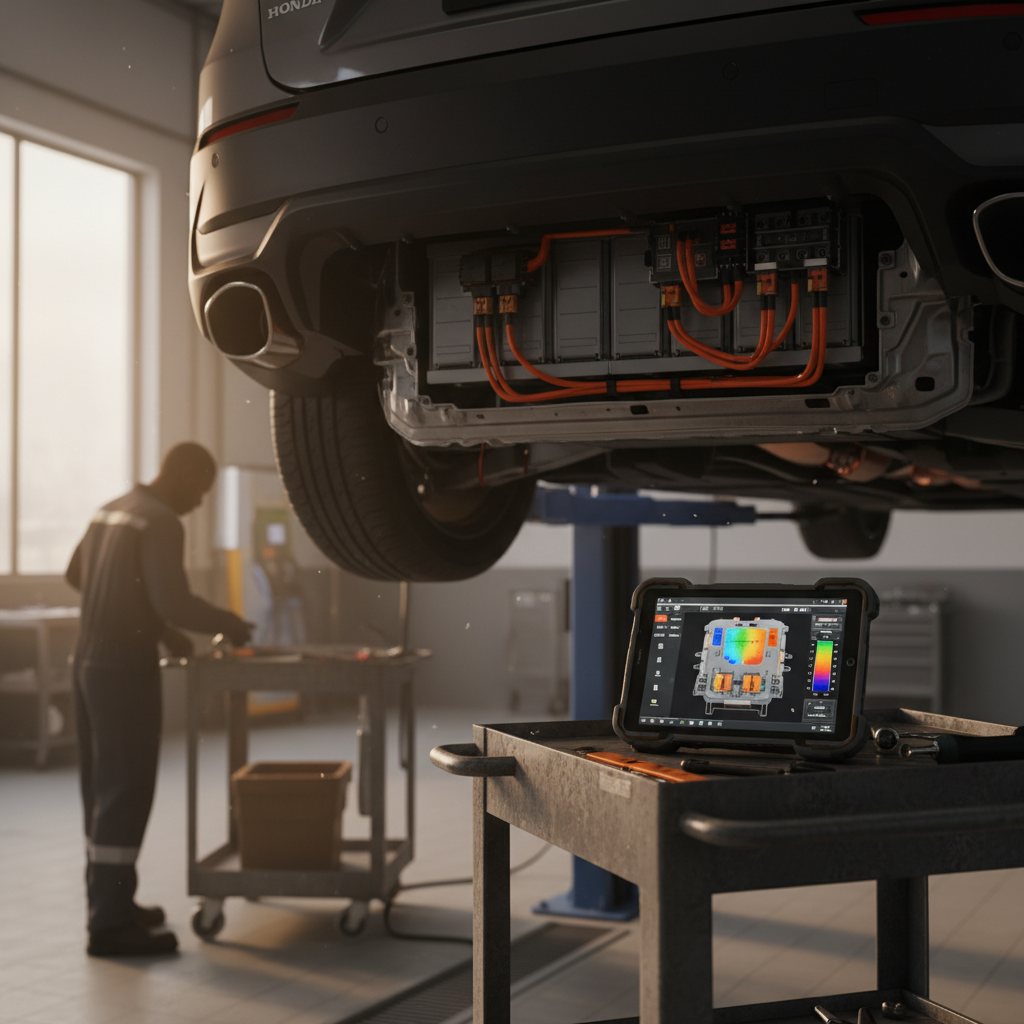
- Dealer connects the car to factory diagnostic tools and flashes updated software to the Battery Management System and sometimes the charging or VCMS modules.
- Goal is to improve detection of abnormal behavior and adjust charge limits or fault logic if needed.
- May slightly change DC fast‑charging profiles or displayed range, especially at high states of charge.
Full pack replacement
- Vehicle usually stays at the dealer for several days or longer.
- The entire high‑voltage battery assembly is removed and replaced with a new unit built to updated specifications.
- Often restores the vehicle to near‑original usable capacity and can improve real‑world range if the old pack had degraded.
- New pack is typically covered under its own long‑term battery warranty, which is a major plus for used‑EV shoppers.
Ask your service advisor the right question
How to check your 2020 Kona EV for open recalls
Because recalls are VIN‑specific and can be updated over time, the only authoritative way to know where your individual Kona Electric stands is to run a recall check using your 17‑character Vehicle Identification Number.
Step‑by‑step: Verify your 2020 Kona Electric’s recall status
1. Find your VIN
Your 17‑digit VIN is visible through the lower driver’s side of the windshield, printed on your registration and insurance card, and listed in the Hyundai Owner’s Portal if you’ve registered.
2. Check the official NHTSA database
Go to the U.S. government’s official recall lookup site and enter your VIN. This will show all open safety recalls that have not yet been completed on your specific vehicle.
3. Log in to Hyundai’s owner portal
Create or sign in to a MyHyundai account and add your vehicle. Hyundai’s site often lists safety recalls, service campaigns, and software updates applicable to your VIN, sometimes with more brand‑specific detail.
4. Call a Hyundai EV‑certified dealer
Ask for the service department and read them your VIN. Confirm whether any <strong>open battery‑related recalls or service campaigns</strong> remain, and whether your vehicle already received a new pack.
5. Get service history in writing
If you’re the second or third owner, or shopping used, ask the dealer for a printout of recall and warranty work. This should show BMS updates, high‑voltage battery replacements, and dates completed.
6. Keep documentation with the vehicle
File recall letters and dealer invoices in a folder. When you go to sell or trade the car, that paper trail reassures the next owner and can help preserve resale value.
Good news for owners
What these recalls mean for safety, value, and insurance
Battery‑related recalls can sound alarming, but it’s important to separate headline fear from day‑to‑day reality. The actual number of Kona EV fires worldwide has been small relative to the number of vehicles on the road, and the purpose of these recalls is to drive that risk down even further.
How 2020 Kona EV recalls affect real‑world ownership
Safety, resale value, and insurability all tie back to whether the recall work is complete.
Safety
With updated BMS software and, where applicable, a new pack, the 2020 Kona Electric is designed to detect and respond to abnormal battery behavior early. Completing recall work is the single most important step you can take for peace of mind.
Resale value
A documented battery replacement can actually help resale value. Used‑EV shoppers like the idea of a newer pack and fresh warranty coverage. An unremedied recall, on the other hand, is a red flag and can hurt offers.
Insurance & financing
Most mainstream insurers continue to write coverage for recalled Kona EVs as long as the recalls are addressed. Lenders and buyers, however, will often insist that all open safety recalls be completed before finalizing a deal.
Selling with open recalls is harder
Shopping for a used 2020 Kona Electric after the recalls
If you’re looking at a used 2020 Kona Electric, the recall history can actually be an advantage, if you approach it the right way. A car that has had its pack replaced and software updated, with paperwork to prove it, can be more attractive than a comparable EV that hasn’t been through such thorough scrutiny.
Used‑buyer checklist: 2020 Kona Electric
1. Confirm recall completion
Run the VIN through the official recall lookup and ask the seller for service records. Look specifically for high‑voltage battery recalls and BMS updates by campaign number.
2. Ask whether the pack was replaced
A full pack replacement is a selling point. Ask for the date and mileage at replacement and request a copy of the repair invoice or Hyundai warranty paperwork.
3. Evaluate real‑world range
On a full charge, note the estimated range and compare it with typical EPA figures. Remember that temperature, driving style, and wheel/tire choices also affect range, but a very low estimate may warrant further investigation.
4. Look for warning lights
On a test drive, ensure no EV system or battery‑related warning messages are present. Anything related to the “Check EV” system or high‑voltage battery deserves a professional diagnosis before you buy.
5. Have the car inspected by an EV‑savvy shop
A pre‑purchase inspection that includes scanning for fault codes and reviewing battery data can reveal issues that aren’t obvious on a quick test drive.
6. Consider total cost of ownership
Factor in warranty coverage, any pending software campaigns, and your local electricity vs. fuel costs. A sorted Kona EV can offer very low running costs compared with a similar‑size gas crossover.
Why battery paperwork matters
How Recharged handles Kona EV recalls and battery health
At Recharged, we specialize in used electric vehicles, including the Kona Electric. Because of the 2020 model’s recall history, we take extra steps before any Kona EV is listed on our marketplace.
Our process for 2020 Kona Electric models
Every Kona EV we sell comes with transparent documentation and battery‑health insight.
Verified recall & service status
We run every VIN through factory and federal databases, verify that all open safety recalls are completed, and obtain dealer service records where available. If a Kona EV still needs recall work, we get it done before you ever see the car listed.
Recharged Score battery diagnostics
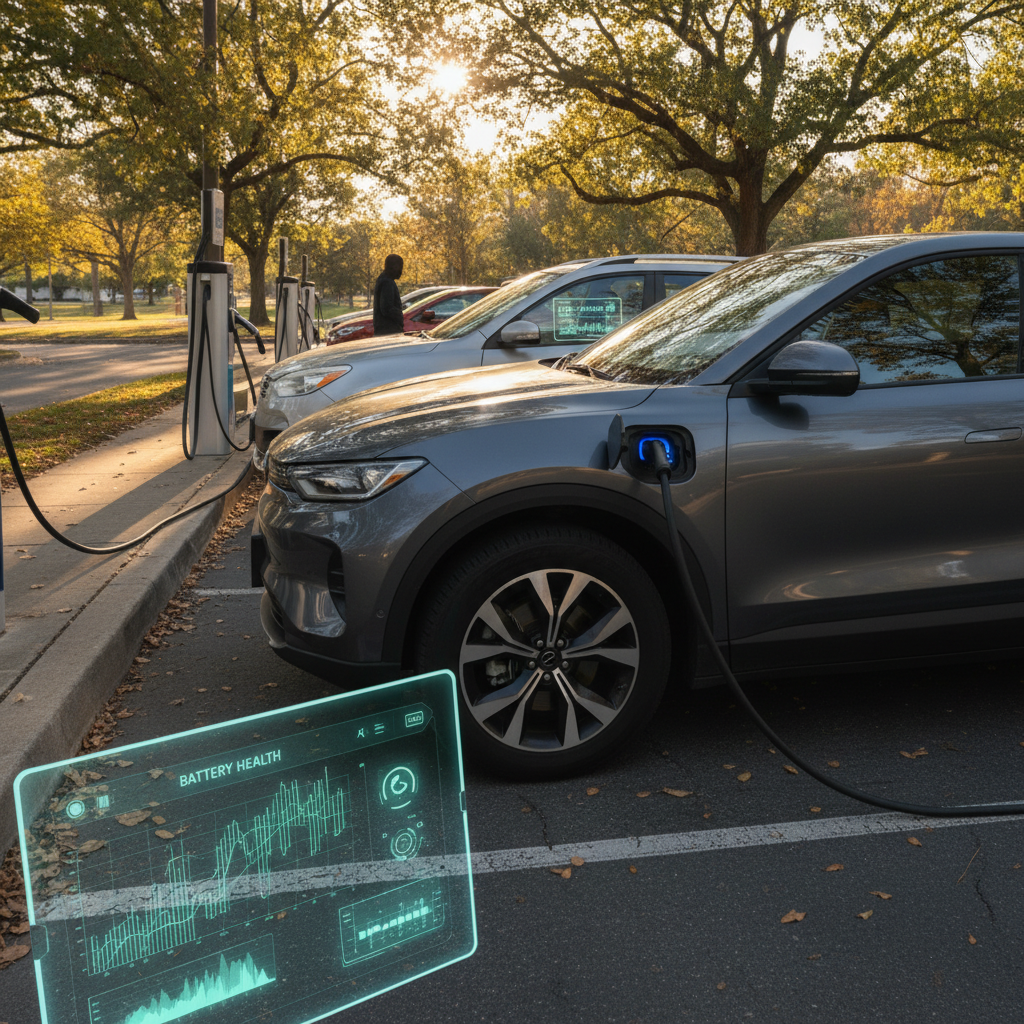
Each vehicle comes with a Recharged Score Report that includes third‑party battery‑health diagnostics and fair‑market pricing analysis. For Kona EVs that have had battery replacements, we highlight when the work was done and how that impacts long‑term ownership.
If you’re considering trading in or selling your 2020 Kona Electric, Recharged can provide an instant offer or consignment option, and we’ll help you navigate any remaining recall steps so the process is as smooth, and as transparent, as possible.
FAQ: 2020 Hyundai Kona Electric recalls
Frequently asked questions about 2020 Kona Electric recalls
Bottom line: Should these recalls stop you?
The 2020 Hyundai Kona Electric’s recall history is something you should take seriously, but it isn’t an automatic deal‑breaker. In many ways, the recalls have forced a level of scrutiny and component replacement that most early EVs never receive. If the battery and BMS campaigns are fully completed and documented, a 2020 Kona EV can be a smart, efficient, and affordable electric crossover for years to come.
Whether you’re driving one now or shopping for a used example, your best move is to verify recall status by VIN, keep meticulous paperwork, and lean on EV‑specialist resources. At Recharged, every Kona Electric we sell comes with a Recharged Score Report, expert guidance, and financing and trade‑in options designed around real‑world EV ownership, so you can benefit from the fixes, not be surprised by them.