If you’re shopping used, the 2020 Chevy Bolt EV looks tempting: solid range, hatchback practicality, and usually a lower price than comparable Teslas or Korean EVs. But you’ve probably also heard about 2020 Chevy Bolt EV problems, especially the high‑profile battery recall and some quirks around charging and infotainment. This guide walks through the real issues owners see, what’s been fixed, and how to shop smart if you’re considering a used 2020 Bolt.
Big picture
Overview: How Reliable Is the 2020 Chevy Bolt EV?
On the whole, the 2020 Bolt EV sits in the middle of the EV pack on reliability. Owner‑feedback services highlight recurring complaints around charging behavior, brake feel, climate system quirks, and body hardware like doors and hatch latches. At the same time, many owners report trouble‑free daily driving once the battery recall work is complete and software is up to date.
2020 Bolt EV at a Glance
The recall is non‑negotiable
Battery Fire Recall: What It Means for 2020 Bolt Owners
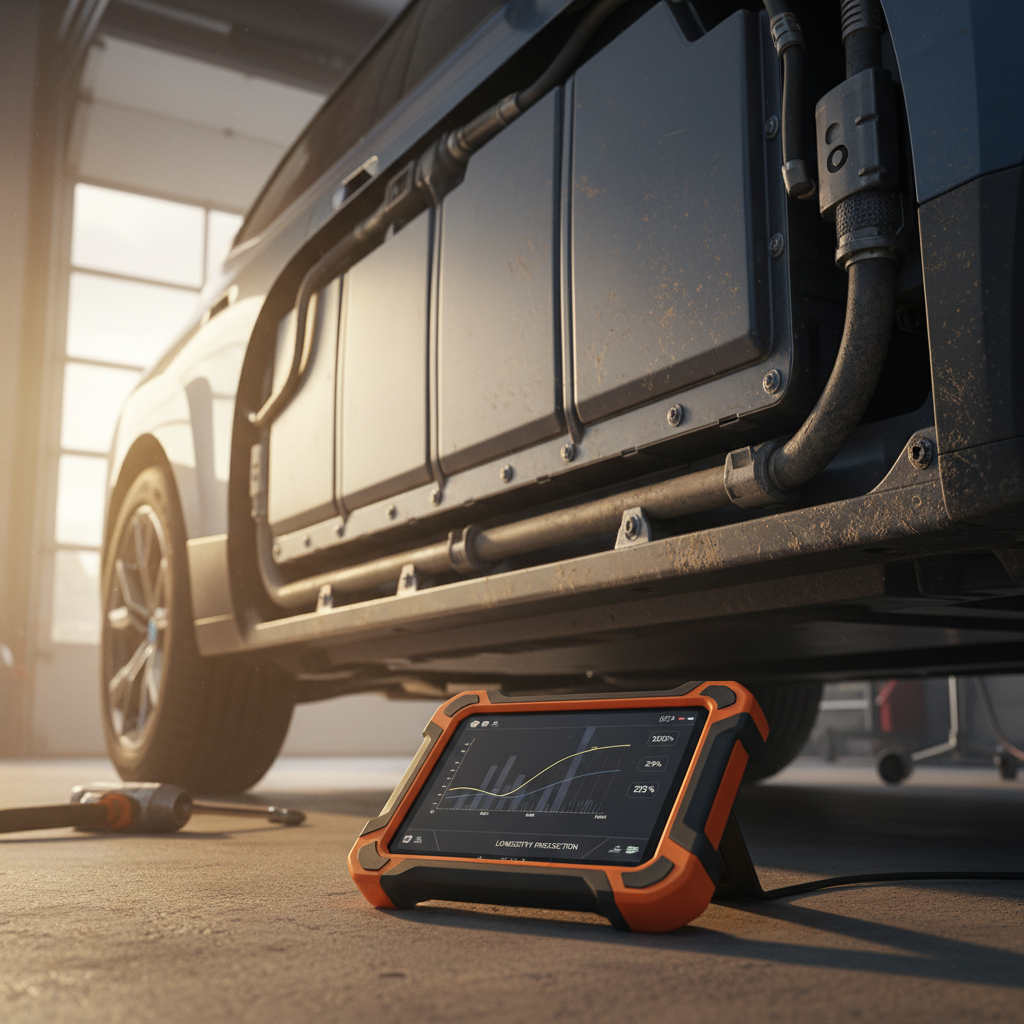
The single biggest story around Bolt EV problems is the high‑voltage battery fire recall. GM and its supplier, LG, identified rare manufacturing defects in some battery cells that could cause internal short circuits and, in worst cases, fires. The recall ultimately covered all 2017–2022 Bolt EVs, including the 2020 model year.
- GM’s remedy is to replace some or all battery modules in affected cars with new units built to revised standards.
- Until modules were replaced, owners were advised to limit state of charge and avoid parking indoors right after charging.
- Once the module replacement is done and software is updated, the vehicle should be able to charge to 100% again and is considered safe to use normally.
How to verify recall completion
How it affects used shoppers
- Cars with completed module replacements are typically more desirable and may command a modest price premium.
- Cars that haven’t had the fix could still be eligible, but you’ll be waiting on parts and scheduling with a dealer.
- Battery replacement can effectively give the car a “younger” pack, which is a plus if you plan to keep it long term.
Red flags to watch for
- Seller can’t produce service invoices for recall work.
- Car is still software‑limited to 90% charge with no clear plan for module replacement.
- Evidence of prior fire or significant battery‑area damage in Carfax or inspection reports.
Most Common 2020 Chevy Bolt EV Problems
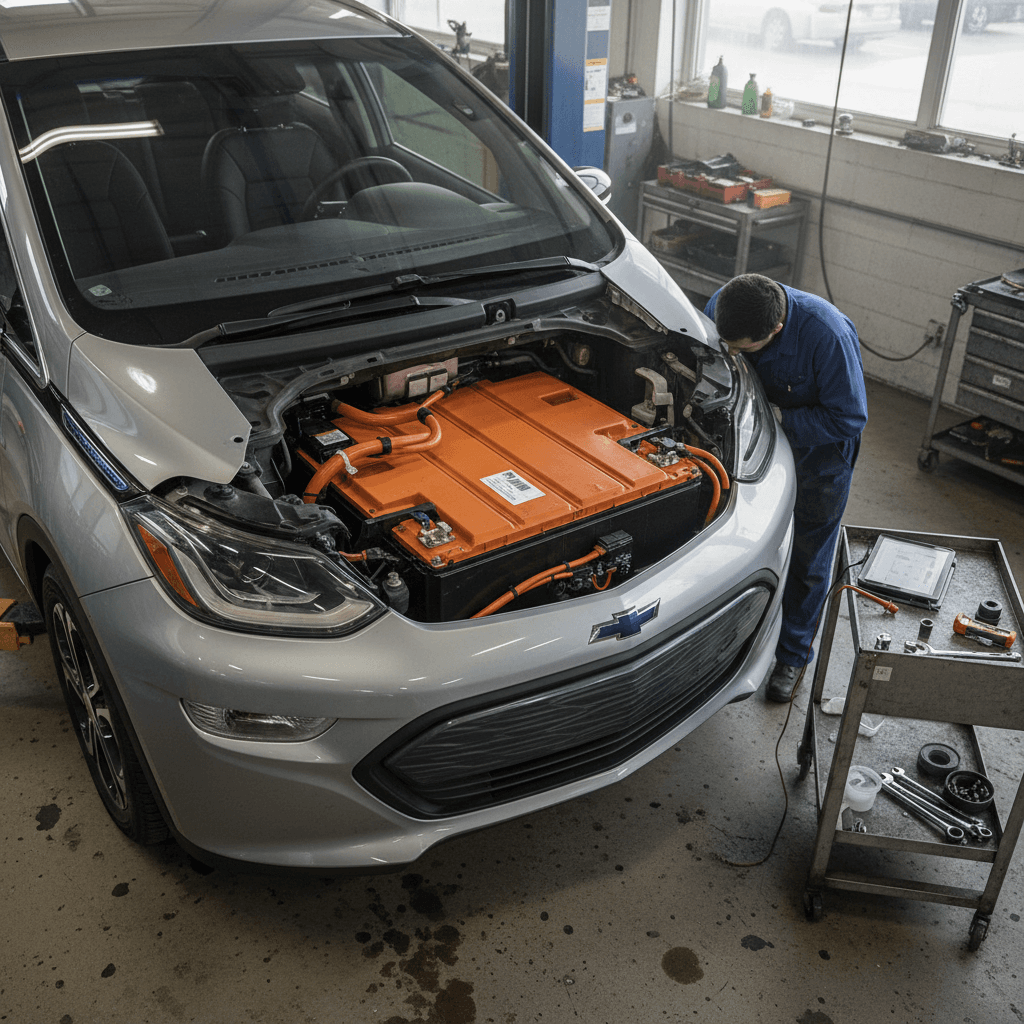
Beyond the battery recall, owners of 2020 Bolts report a handful of recurring issues. Not every car will experience these, but they’re common enough that you should understand the patterns before you buy.
Top Problem Areas Reported by 2020 Bolt Owners
What tends to show up as the miles add up
Charging behavior
Complaints about the car refusing to start a charge, stopping mid‑session, or not working with specific public DC fast chargers. Often tied to software quirks, connector issues, or station compatibility, not always the car itself.
Battery & range
Moderate range loss over time is expected, but big drops can point to cell problems. Some owners also report the guess‑o‑meter being overly pessimistic in cold weather.
Infotainment & USB
Freezing or blank screens, random reboots, and USB ports losing data connectivity are common themes. Many issues are resolved with a head‑unit reset or, in some cases, module replacement.
Brakes & regen feel
Reports of brake pulsation or vibration, especially at higher mileage, plus inconsistent regenerative braking feel. Often related to rotors and pads rather than the electric motor.
Climate system
HVAC that struggles in very cold or very hot conditions, noisy fans, and occasional failures of the A/C compressor or heater components.
Body hardware
Owners note sticky door handles, hatch latches that need adjustment, and occasional wind‑noise complaints around doors and mirrors.
How Recharged helps here
Charging & DC Fast-Charging Issues
Charging‑related complaints around the 2020 Bolt usually fall into two buckets: everyday Level 2 charging quirks and limitations on DC fast‑charging that frustrate road‑trippers.
- Home Level 2 quirks: Some owners report the car refusing to charge on certain wall boxes or portable EVSEs, or stopping mid‑charge. In many cases, this traces back to ground‑fault detections, wiring issues with the outlet, or outdated charger firmware.
- Public Level 2 inconsistencies: It’s not unusual for older ChargePoint or similar stations to be finicky with any EV, Bolt included. Try another station or port before assuming the car is at fault.
- DC fast‑charge speed: The 2020 Bolt EV tops out around 55 kW under ideal conditions, tapering down as the pack warms or fills. Compared with newer EVs that accept 100–200+ kW, this can make highway charging feel slow.
- Compatibility with some DC networks: A minority of owners see repeated handshake failures with particular stations or networks. Software updates can improve this; in rare cases, the charge port or control modules need service.
Practical charging tips for Bolt owners
Where the 2020 Bolt EV Stands on DC Fast Charging
How the 2020 Bolt’s DC performance compares with common used‑EV alternatives
| Model | Model Year | Peak DC Rate | 30–80% Charge Time* |
|---|---|---|---|
| Chevy Bolt EV | 2020 | ~55 kW | ~45–60 min |
| Nissan Leaf Plus | 2020 | ~70 kW | ~40–50 min |
| Hyundai Kona Electric | 2020 | ~75 kW | ~35–45 min |
| Tesla Model 3 SR+ | 2020 | 170+ kW | ~20–25 min |
Charging times are approximate and assume good conditions and compatible chargers.
Don’t confuse slow with broken
Cold-Weather Range, Heating, and Climate Issues
Like every EV, the 2020 Bolt EV loses range in cold weather. But between its resistive heater (on many trims) and relatively small pack compared with newer EVs, drivers in northern climates sometimes feel the impact more acutely.
- Winter range loss: Seeing 30–40% less real‑world range on bitterly cold days isn’t unusual, especially at highway speeds with heat running.
- Heater performance: Some owners report slow warm‑up or weak cabin heat. In a few cases, heater or HVAC components have failed and required replacement.
- Defrost and fogging: The Bolt’s relatively compact HVAC system can struggle to keep windows perfectly clear in mixed conditions unless you fine‑tune fan speed and temperature.
- Battery conditioning: Fast‑charge speeds drop sharply in cold weather because the pack needs to warm up. Preconditioning via remote start while plugged in helps but isn’t as sophisticated as newer EVs with dedicated battery preheat modes.
Cold‑weather survival tips
Ownership Costs, Repairs, and Remaining Warranty
One upside to the 2020 Bolt EV: with no engine, transmission, or oil changes, routine maintenance is fairly simple. But certain repairs, especially high‑voltage or infotainment components, can be expensive out of pocket.
Warranty Snapshot for a 2020 Bolt EV
What may still be covered today (check your VIN to confirm)
Battery & electric drive
The high‑voltage battery and electric drive components were originally covered by an 8‑year/100,000‑mile warranty from in‑service date. Many 2020s are still within that window in 2026.
Coverage details can vary by state and original sale date, verify with a Chevrolet dealer.
Bumper‑to‑bumper
The 3‑year/36,000‑mile comprehensive warranty has expired for nearly all 2020s at this point, so things like infotainment screens or interior hardware are now typically owner‑paid unless covered by extended protection.
- Infotainment repairs: Head‑unit replacement for frozen or dead screens and failed USB data ports has been reported by some owners. Costs vary widely depending on parts and whether any goodwill coverage is available.
- Brake service: Even with strong regenerative braking, rotors can develop rust or uneven wear on cars that sit a lot or mainly do short trips. A brake service is not unique to the Bolt but can surprise EV shoppers who assumed brakes would last forever.
- HVAC repairs: Replacing an A/C compressor, heater core, or related components can rival similar costs on gas cars and may require high‑voltage safety procedures at the shop.
Factor repairs into the total deal
What to Check Before You Buy a Used 2020 Bolt EV
A careful pre‑purchase check can separate a great 2020 Bolt EV from one that will nickel‑and‑dime you. Here’s a practical checklist to use when you’re shopping, whether privately, at a dealer, or through a marketplace like Recharged.
Pre‑Purchase Checklist for a 2020 Chevy Bolt EV
1. Confirm battery recall status
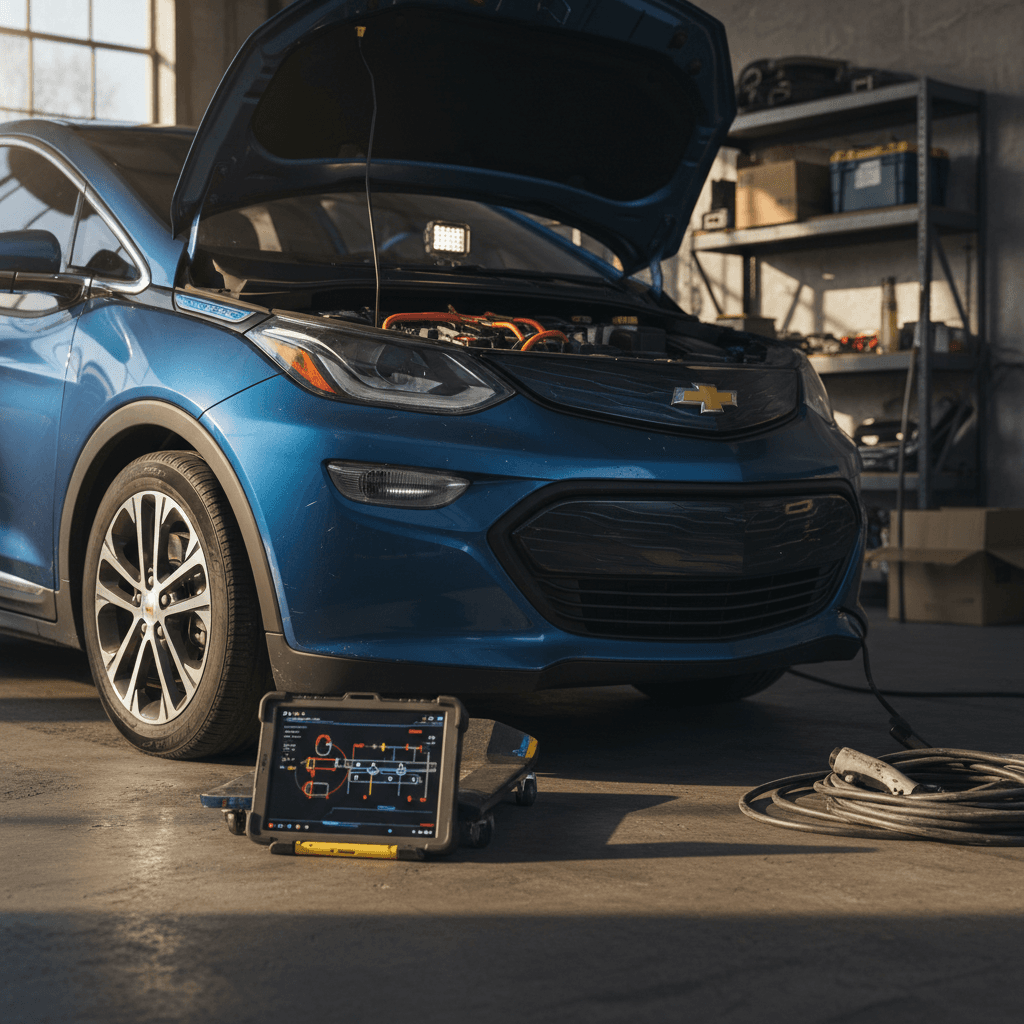
Get the VIN, run it through GM or NHTSA recall tools, and verify that <strong>battery modules were replaced</strong>. Ask for the service invoice, and check that there are no open recalls.
2. Review battery health & range
On a full or near‑full charge, note the estimated range and compare it to the original 259‑mile rating. Large unexplained deviations, especially with mild driving, can signal battery or calibration issues. A professional battery health report, like the Recharged Score, adds objective data.
3. Test Level 2 and DC fast charging
If possible, plug into a Level 2 charger and a DC fast charger during your test. Confirm that the car starts charging promptly, maintains a session without random disconnects, and that DC charging hits a reasonable peak near its ~55 kW capability under good conditions.
4. Exercise the infotainment system
Check for <strong>slow boot‑ups, frozen screens, or “connection error” messages</strong>. Plug in a phone and test both USB ports for charging and data (CarPlay/Android Auto). Try a head‑unit reset if anything feels glitchy and see if the issue returns.
5. Inspect brakes and tires
During the drive, listen and feel for brake pulsation or vibration. Afterward, visually check pad thickness and rotor condition. Uneven wear or heavy rust may signal a need for near‑term service.
6. Check climate performance
Run the HVAC in both heating and cooling modes. Make sure the cabin reaches the target temperature, fans operate quietly, and no error messages appear. Poor performance can indicate compressor, heater, or refrigerant issues.
7. Look over body hardware
Open and close all doors, the hatch, and windows. Look for misalignment, wind noise on the highway, or latches that stick. These are usually fixable but are good leverage points when you’re negotiating.
Buying through Recharged
Ready to find your next EV?
Browse VehiclesIs the 2020 Chevy Bolt EV Still Worth Buying?
For the right driver, a 2020 Bolt EV can still be an excellent value. You’re getting a compact hatch with strong real‑world efficiency, decent range, and relatively low running costs, often for less than many plug‑in hybrids of the same age. The catch is that you can’t treat every used Bolt as equal. Recall history, battery condition, charging behavior, and basic maintenance all matter.
The 2020 Bolt EV is a good fit if…
- You have a daily commute well under 200 miles and can charge at home or work.
- You value a small, easy‑to‑park hatchback over SUV styling.
- You’re comfortable with slower DC fast‑charging on occasional road trips.
- You’re buying a car with documented recall completion and a clean battery health report.
You may want to look elsewhere if…
- You rely heavily on public fast charging and want very quick highway stops.
- You live in an extremely cold climate without reliable home charging.
- You need a larger cargo area or towing capacity.
- The specific car you’re considering has spotty service history or unresolved electrical issues.
If you go in with clear eyes, and prioritize examples with strong documentation, the 2020 Bolt EV doesn’t have to be a problem child. Focus on verifying the battery recall, testing charging behavior, and confirming infotainment and climate systems work properly. Whether you buy from a private seller, a traditional dealer, or a digital marketplace like Recharged, those steps will help you land on the right car rather than the cheapest one.