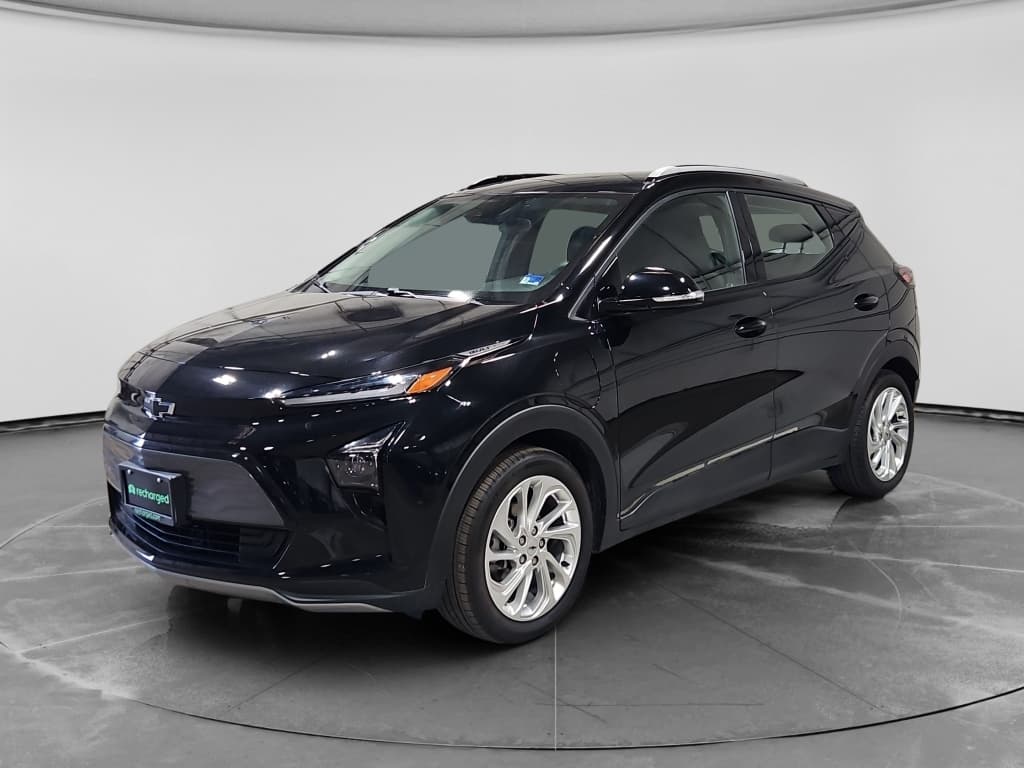
You’re not imagining it: figuring out the 2020 Chevrolet Bolt EV trade in value in 2025 is a little more complicated than checking a single price guide. Between the battery recall saga, shifting EV incentives, and fast‑moving used EV prices, your Bolt can be worth thousands more (or less) depending on who you ask, and what they know about electric cars.
Why this year matters
Why 2020 Bolt EV trade-in values are tricky in 2025
Electric cars age differently
On a gasoline car, dealers mostly care about mileage, accident history, and options. On an EV like the 2020 Bolt, the invisible stuff matters more: battery health, charging behavior, and whether recall work was done properly.
Dealers are still catching up
Many traditional dealers are excellent at appraising Silverados and Suburbans, but less confident with a compact EV that survived a high‑profile battery recall. When they’re unsure, they often bid conservatively, which is why your first trade-in number may feel low.
Don’t anchor on a single number
Quick estimate: what your 2020 Bolt EV might be worth
Used EV prices move fast, and exact figures depend on your zip code, trim, mileage, options and condition. But it helps to have a ballpark frame of reference before you start collecting offers.
Illustrative trade-in value bands for 2020 Chevy Bolt EV
These are directional ranges to help you frame expectations. Real offers may come in above or below based on your specific car and market conditions.
| Vehicle condition | Mileage band | Battery/recall status | Typical dealer trade-in band* | Potential retail / marketplace band* |
|---|---|---|---|---|
| Excellent urban commuter | Under 35,000 miles | Strong range, recall complete | Conservatively priced | Thousands higher than trade-in |
| Average daily driver | 35,000–70,000 miles | Normal range, recall complete | Mid market | Moderately higher |
| High-mileage workhorse | 70,000+ miles | Noticeable range loss or unknown | Discounted | Closer to trade-in |
| Accident history or cosmetic issues | Any | Mixed | Heavily discounted | Case-by-case |
Value bands assume a clean title, no major accident history, and recall work completed where required.
About the numbers
Key factors that drive 2020 Bolt EV trade-in value
What appraisers look at on a 2020 Bolt EV
Some of these are familiar. Others are EV‑specific and easy to overlook.
Mileage & usage
Low miles still help, but how the car was used matters. Mostly city driving, limited DC fast charging, and garage parking tend to preserve value.
Battery health & range
Is your 2020 Bolt still delivering range close to original, or does it feel tired? Degradation shows up directly in value.
Recall & service history
Completed battery recall, regular maintenance, and documented software updates can nudge offers upward.
Trim & options
Premier trim, comfort features, DC fast‑charge port, and driver‑assist options make your Bolt easier to resell.
Accidents & cosmetic damage
Structural damage, branded titles, and obvious scrapes or dents push you toward the lower end of any trade range.
Local EV demand
In EV‑dense markets, a 2020 Bolt EV can command surprisingly strong offers. In truck country, not so much.
Know your build sheet
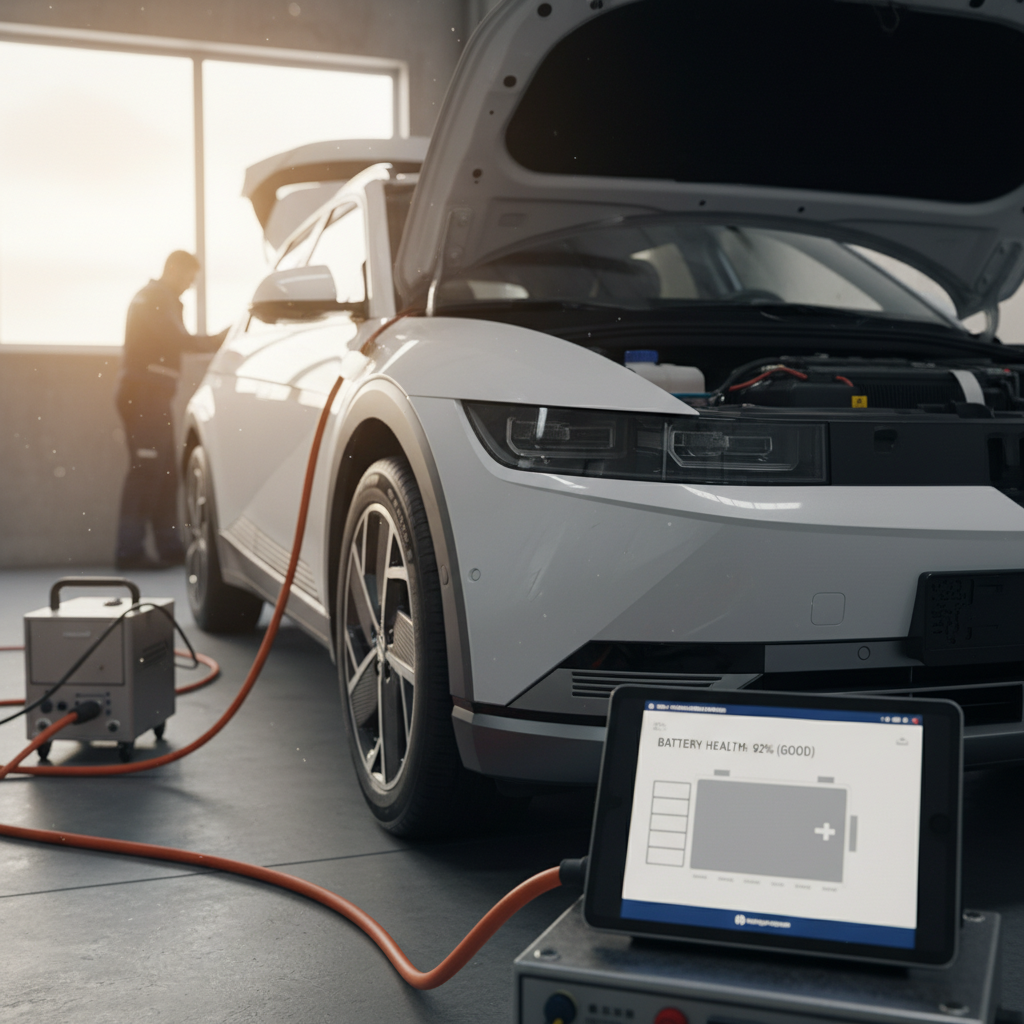
Battery health: the number-one value driver
On a five‑year‑old EV, the high‑voltage battery pack is the story. The 2020 Bolt EV came with a roughly 66 kWh pack and an EPA‑rated range around 259 miles when new. What your car does today, on the same commute, in similar weather, is what buyers and sophisticated marketplaces care about.
- If your real‑world range still feels close to new, you’re in a stronger position than the generic price guides suggest.
- If you’ve noticed a meaningful drop in range, your value will track more like a high‑mileage car, even if the odometer looks reasonable.
- If you’ve had a battery replacement under recall, that can actually be a selling point when documented clearly.
How Recharged uses battery data
Recalls, warranty, and how the battery-fire saga still matters
If you own a 2020 Bolt, you’ve lived through the GM battery recall chapters, software limits, park‑outside warnings, and ultimately large‑scale pack replacements for affected vehicles. That history still follows the car, but not always in the way you might think.
Before you get a trade-in offer, verify these
Confirm recall completion
Log into your GM/OnStar account or call a Chevy dealer with your VIN to confirm that all open recalls, especially battery‑related, show as completed.
Gather proof of battery work
If your pack was replaced, keep any paperwork or service records handy. A replaced pack with fresh warranty coverage can be a value booster.
Know your remaining warranty
The Bolt’s battery warranty is long by ICE standards. Note when yours expires so you can answer that question confidently during appraisal.
Check for software updates
Features like enhanced charging limits and diagnostics are handled via software. A well‑updated car signals a more careful owner.
An incomplete recall is a value killer
Where to sell: dealer trade-in vs cash offer vs marketplace
A 2020 Bolt EV is a niche product in many showrooms and a hot commodity in others. Where you shop the car has almost as much impact on value as the car itself.
1. Traditional dealer trade-in
Pros: Easiest path if you’re already buying another car. You hand over the keys, sign, and the Bolt disappears into the wholesale pipeline.
Cons: Many dealers are conservative on used EVs; they worry about sitting on an electric compact in a truck‑heavy market. You often get convenience pricing, not true market pricing.
2. Instant cash-offer sites
Pros: Fast, transparent initial bids. You can shop a few offers in an afternoon.
Cons: These tools lean heavily on generic data. They may undervalue a Bolt with strong battery health or a fresh pack because they’re not measuring your specific car.
3. EV-focused marketplaces
Pros: Platforms built for EVs, like Recharged, understand battery health, range, and recall history, and present that clearly to buyers. That makes your 2020 Bolt easier to price fairly and sell for its real value.
Cons: Selling through a marketplace can take a bit more time than a same‑day dealer trade.
How Recharged fits in
Ready to find your next EV?
Browse VehiclesHow to prepare your 2020 Bolt EV for a better offer
You can’t change your odometer, but you can absolutely change the story your car tells when someone evaluates it. A couple of hours of prep often translates into hundreds more on the offer sheet.
Pre‑trade checklist for a stronger 2020 Bolt offer
Give it a proper clean, inside and out
Wipe fingerprints off the big center screen, vacuum the seats, and wash the exterior. EV shoppers tend to be detail‑oriented; they notice grime and clutter.
Fix the cheap cosmetic stuff
Touch up obvious curb rash if you can, replace missing charge‑port caps, and deal with burned‑out bulbs. Don’t dump money into major cosmetic work you can’t recoup.
Organize your service history
Print or save PDFs of key service records, especially recall completion and any battery‑related repairs. Keep it all in a single folder you can email or hand over.
Check tires and brake life
Unevenly worn tires or worn pads give appraisers an easy excuse to discount. If you’re near replacement anyway, new rubber can make the whole car feel fresher.
Document real-world range
On a familiar route, note how many miles you drive and how much the battery percentage drops. This kind of “lived‑in” range data resonates with EV‑savvy buyers.
Bring all keys and chargers
A missing key fob or forgotten portable charge cord is a classic last‑minute deduction. Make sure it’s all in the car on appraisal day.
Example scenarios: what different 2020 Bolts might bring
Because the 2020 Bolt EV sits at the crossroads of battery tech, recalls, and a fast‑moving used EV market, two superficially similar cars can land very different numbers.
Scenario A: The city commuter hero
- Usage: 2020 Bolt Premier, 32,000 miles, mostly city driving, garage‑kept.
- Battery: Fresh recall pack, range feels as strong as new.
- History: No accidents, full records, all recalls complete.
Expectations: Dealers still may bid cautiously because it’s “just” a small hatchback, but an EV‑savvy buyer or marketplace will recognize this as near‑top‑of‑the‑segment inventory.
Scenario B: The road‑warrior workhorse
- Usage: 2020 Bolt LT, 88,000 miles, lots of highway and DC fast charging.
- Battery: Noticeable range drop, but still functional and recall work done.
- History: One minor accident, clean repair, a few dings and scrapes.
Expectations: Here the car prices more like a high‑miles compact. It will still find a buyer, especially as a budget EV, but you should expect trade bids that reflect battery wear and mileage.
Reality check
Common mistakes when trading in a 2020 Bolt EV
- Treating the Bolt like a gas compact on value, ignoring battery health, recall history, and EV‑centric buyers.
- Only getting a number from the dealer you’re already buying from, instead of shopping your car with at least two other sources.
- Showing up for appraisal with open recalls or missing paperwork on prior battery work.
- Letting a single low offer convince you your Bolt is “worthless.” Often it’s just the wrong buyer.
- Spending big on cosmetic reconditioning you can’t recoup in offers. Small touchups are fine; major bodywork rarely pencils out.
The cost of convenience
FAQs: 2020 Chevrolet Bolt EV trade-in value
Frequently asked questions about 2020 Bolt EV trade-ins
Bottom line on your 2020 Bolt EV’s trade-in value
A 2020 Chevrolet Bolt EV is not a generic compact at the auction; it’s an electric appliance with a very expensive battery and a complicated backstory. That’s why your trade‑in value can feel slippery. The more you can prove, healthy range, completed recalls, thoughtful ownership, the more you can push your offers toward the top of the realistic band rather than the bottom.
Don’t let a single conservative dealer bid write the obituary for your car. Shop your 2020 Bolt EV where EV knowledge actually lives, compare multiple offers in a tight window, and insist that your battery health and history are part of the conversation. If you’d like a selling experience designed around used EVs from the ground up, with verified battery diagnostics, transparent pricing, and expert help, consider starting your trade or sale with Recharged.