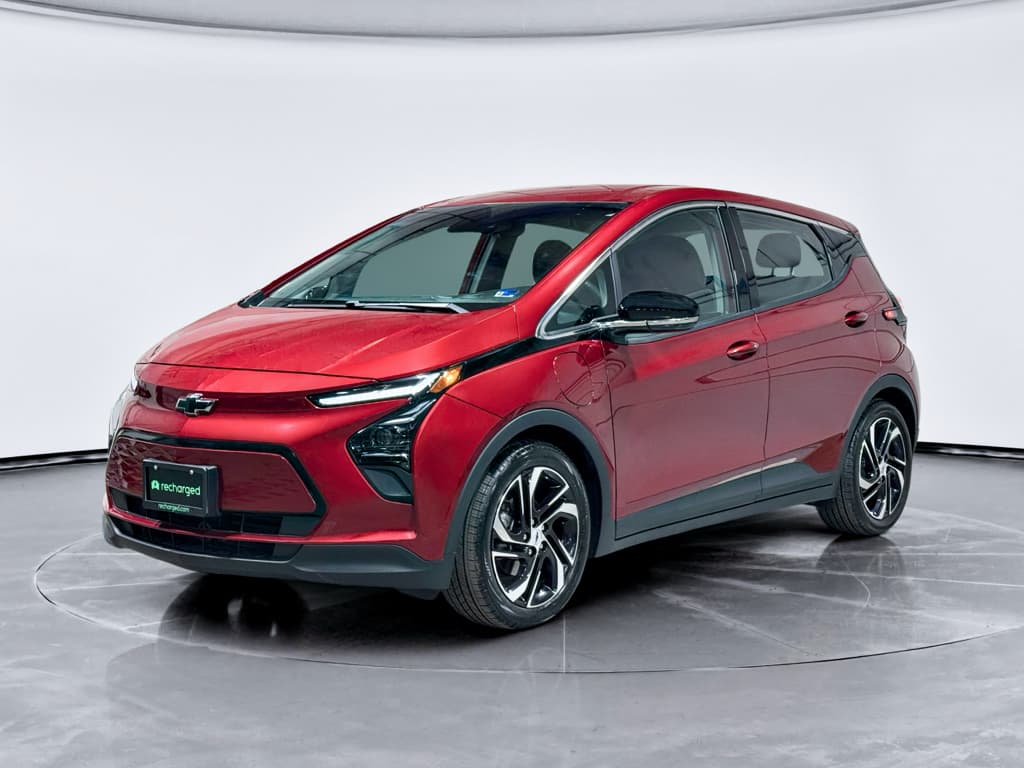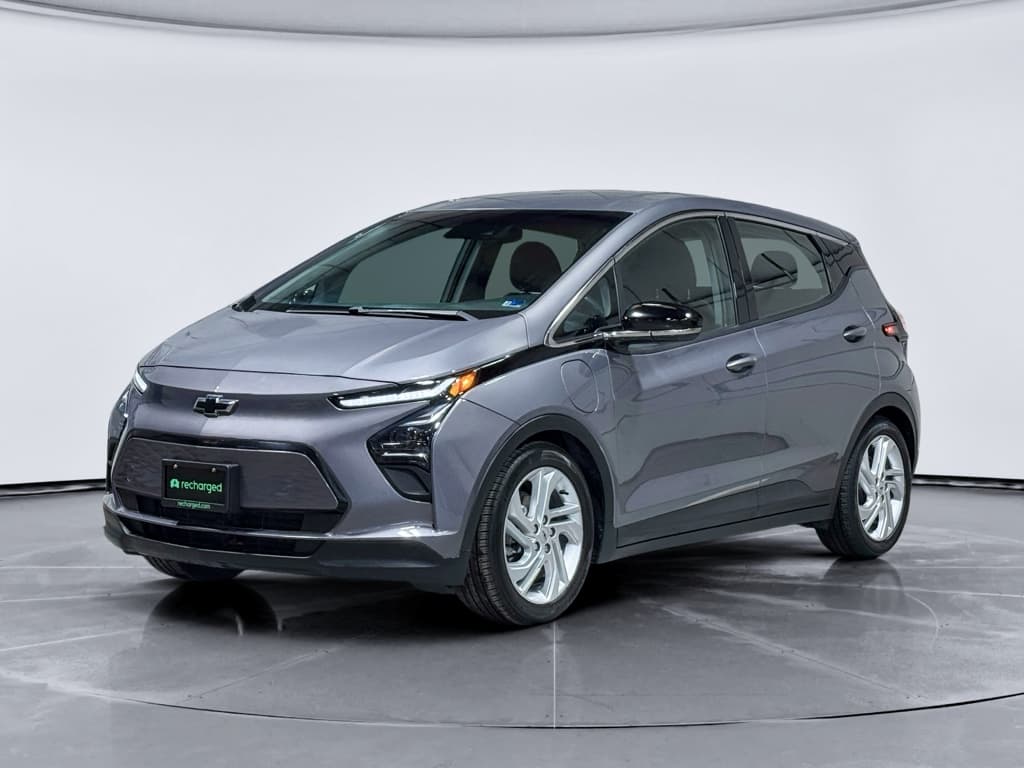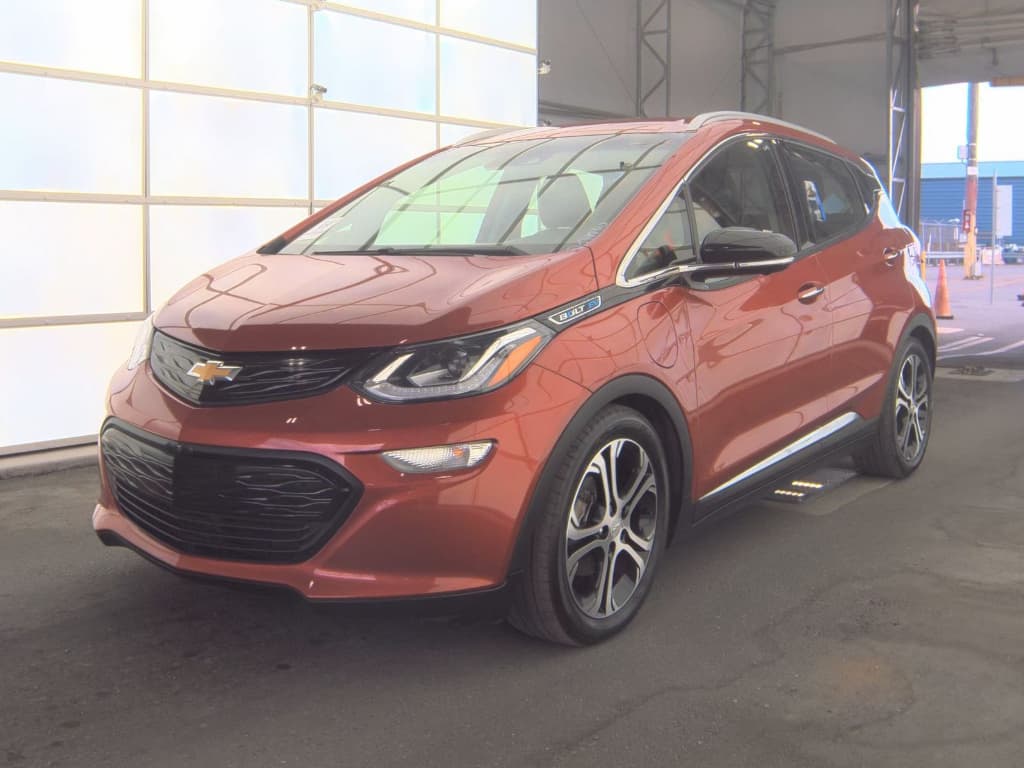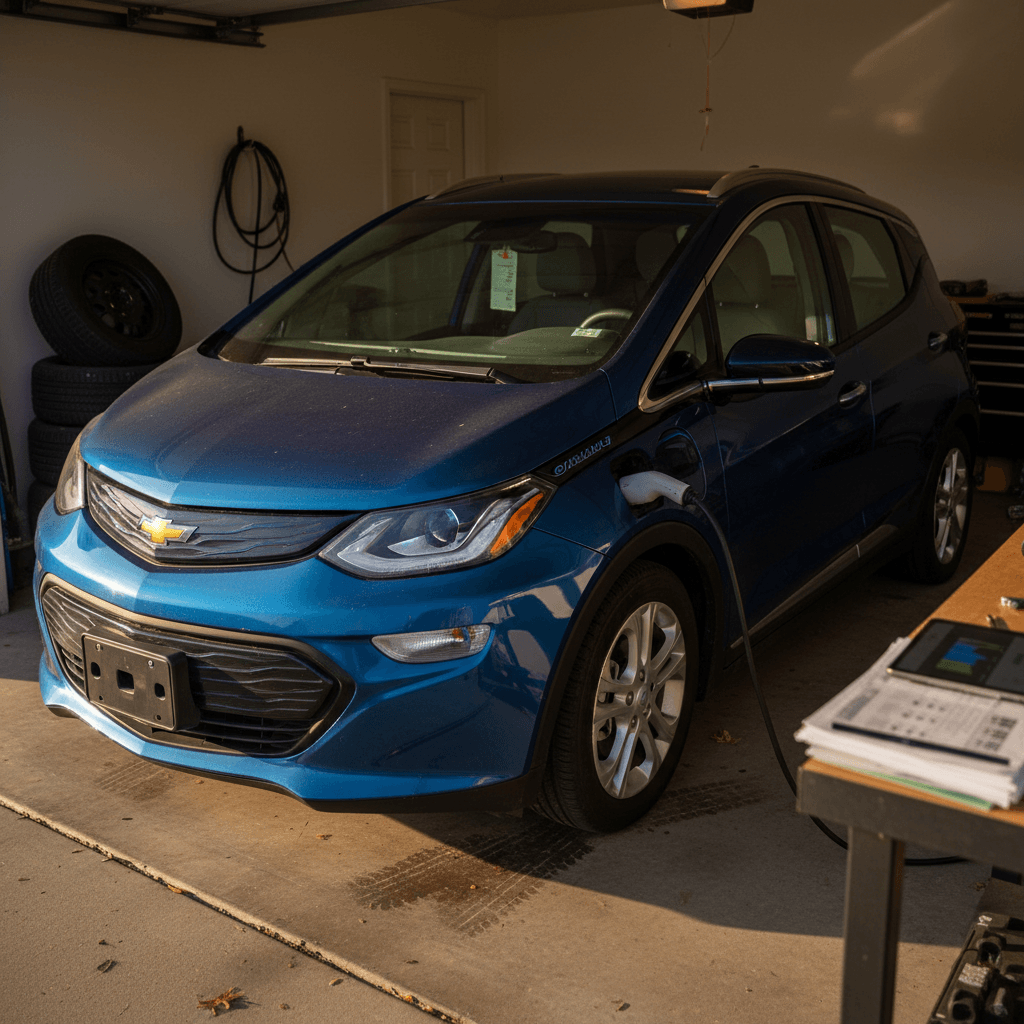
If you’re shopping for an affordable used EV, the 2020 Chevrolet Bolt EV is going to show up on every search page. It packs 259 miles of EPA-rated range, a roomy hatchback body, and used prices that have fallen hard in the wake of GM’s battery recall. This 2020 Chevrolet Bolt EV buying guide walks you through specs, range, charging, recall history, pricing, and exactly what to check before you sign anything.
Snapshot: 2020 Chevy Bolt EV
Why the 2020 Bolt EV is worth a look
By 2020, the Bolt EV was no longer the new kid. Chevrolet had already ironed out early quirks, enlarged the battery, and settled the car into a clear role: maximum range for the money in a small footprint. Its 259‑mile EPA range still beats many newer, pricier EVs, and depreciation plus recall anxiety have pushed used prices into genuinely budget‑friendly territory.
Who the 2020 Chevy Bolt EV fits best
Match the Bolt EV to your daily life before you shop
Urban & suburban commuters
You drive mostly in town or on the highway under 80 miles a day and can charge overnight. The Bolt’s compact size and instant torque make it easy to park and fun in traffic.
Value hunters
You want modern EV range without new‑car prices. The recall cloud hit resale values hard, which means smart used buyers can benefit, if you choose carefully.
First EV households
You’re ready to ditch gas for daily driving but might keep a second car for long trips. The 2020 Bolt EV can cover nearly all local driving needs with minimal fuss.
Recharged perspective
2020 Chevrolet Bolt EV: key specs at a glance
2020 Bolt EV headline numbers
2020 Chevrolet Bolt EV core specifications
The essentials you should know before comparing the Bolt EV to other used electric hatchbacks and crossovers.
| Category | Spec |
|---|---|
| Body style | 5‑door compact hatchback, front‑wheel drive |
| Battery capacity | 66 kWh usable (approx.) lithium‑ion |
| EPA range | 259 miles (combined) |
| Motor output | 200 hp / 266 lb‑ft torque (front motor) |
| 0–60 mph | ~6.5 seconds (manufacturer estimates/road tests) |
| Onboard AC charger | 7.2 kW (Level 2) |
| Max DC fast charge | Up to ~55 kW peak, CCS connector |
| Seating capacity | 5 passengers |
| Cargo space | 16.9 cu ft seats up, ~56.6 cu ft seats folded |
| Battery warranty | 8 years / 100,000 miles on high‑voltage components |
Specifications for U.S.‑market 2020 Chevrolet Bolt EV LT and Premier trims.
Spec sheet vs reality
Pricing, depreciation, and value in today’s market
The Bolt EV was never cheap when new. A 2020 Bolt LT with options and destination could easily push past $38,000, with a Premier breaking the $40,000 mark. A few years, and one very public battery recall, later, used prices for 2020 models have dropped into territory that would have seemed impossible when these cars hit showrooms.
Typical used price range (2026)
- LT models often list in the mid‑teens, depending on mileage, battery recall status, and region.
- Premier models with more features and driver aids usually carry a modest premium.
- Low‑mileage, recall‑completed cars from trusted sellers can still command higher asking prices.
Exact numbers swing with local demand, tax credits, and how nervous buyers feel about the recall, but as a rule, the 2020 Bolt is one of the best value-per‑mile EVs on the used market.
Why depreciation is your friend
When GM stopped new Bolt sales and launched the battery recall, resale values dipped hard. Many original owners took the depreciation hit so that used buyers today don’t have to.
- You’re buying after the worst of the uncertainty is priced in.
- Cars with new or monitored batteries can be safer long‑term bets than their reputation suggests.
- If you choose carefully, you can get a long‑range EV for roughly economy‑car money.
How Recharged prices used Bolts
Battery, range, and real-world efficiency
The 2020 model year is when the Bolt EV’s battery grew from 60 kWh to about 66 kWh, pushing the official EPA range from 238 miles to 259 miles. In instrumented testing, many outlets managed mid‑ to high‑260s in mixed driving, and gentle highway runs can sneak past 270 miles on a mild day if you start at 100% charge.
- Typical mixed commuting: 3.5–4.0 mi/kWh is common, which translates to 230–260 miles on a full charge.
- Cold weather: Expect 20–30% range loss in deep winter with heater use, sometimes more on short trips.
- Hot weather: Air conditioning is comparatively gentle, think 5–10% range hit.
- Battery cooling: The Bolt’s liquid‑cooled pack helps manage heat better than older air‑cooled EVs, especially during summer DC fast‑charging.
Winter driving reality check
Charging: how fast the 2020 Bolt really is
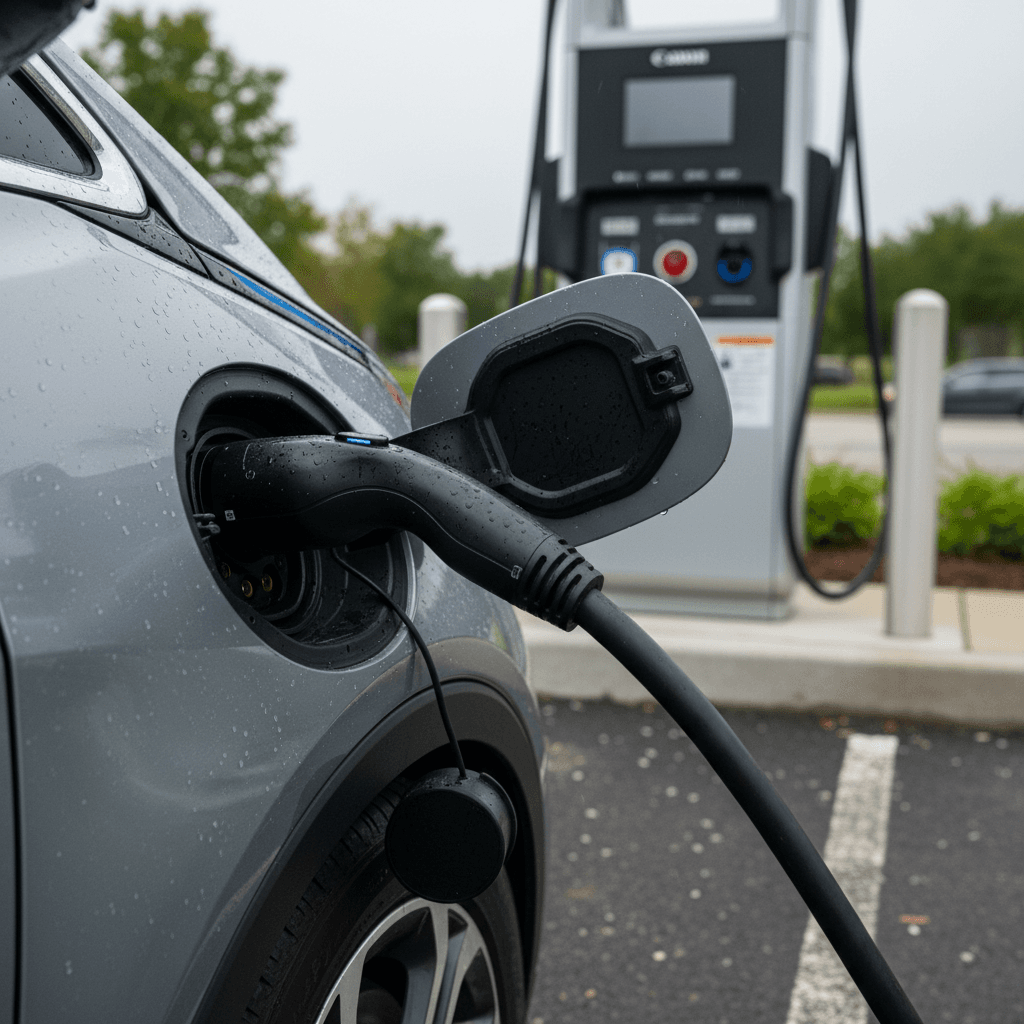
The 2020 Chevrolet Bolt EV shines at home on Level 2 charging and looks merely okay on DC fast charging. If you picture yourself plugging in overnight and waking up to a full battery, you’ll be happy. If you dream of tearing across the country at 75 mph, charging speed is the Bolt’s biggest compromise.
2020 Bolt EV charging options
Approximate real‑world charging times will vary with temperature, station power, and state of charge, but this gives you a usable frame of reference.
| Charging type | Hardware | Typical rate | Time from ~10% to ~80% |
|---|---|---|---|
| Level 1 (120V) | Included portable cord on standard outlet | ~4–5 miles of range per hour | Overnight top‑offs only; 24+ hours from near empty |
| Level 2 (240V) | 7.2 kW onboard charger, 32–40A circuit | ~25–30 miles of range per hour | About 8–9 hours to full from low state of charge |
| DC fast charging | CCS connector, up to ~55 kW peak | Up to ~100 miles in 30 minutes at low SOC | Roughly 60–70 minutes from 10% to 80% on a strong station |
Level 1, Level 2, and DC fast‑charging behavior for the 2020 Bolt EV.
How charging fits your life
Understanding the Chevy Bolt battery recall
You can’t talk about buying a 2020 Chevrolet Bolt EV without talking about the high‑voltage battery recall. GM identified manufacturing defects in certain battery cells supplied by LG that, in rare cases, could lead to thermal events. The initial recall focused on earlier model years, but by 2021 GM expanded it to all 2017–2022 Bolt EV and EUV models.
- Early fix: Software updates limited usable battery capacity and monitored for problem patterns.
- Later fix: Many 2017–2019 cars received full battery pack replacements; select 2020–2022 vehicles received new diagnostic software and, in some cases, replacement packs.
- Usage guidance: GM advised owners to avoid charging to 100%, avoid running below ~70 miles of remaining range, and to park outside after charging until remedies were complete.
Why recall status matters to you
How to verify recall status on a 2020 Bolt EV
1. Get the full VIN
Ask the seller for the car’s 17‑digit Vehicle Identification Number. You’ll need it to check recall status and service history.
2. Run the VIN on GM’s recall site
Visit Chevrolet’s official recall lookup and enter the VIN. Confirm that <strong>all open recalls are completed</strong>, especially those related to the high‑voltage battery.
3. Ask for service records
Request dealer invoices or service reports showing what was done: software monitoring only, module replacement, or full battery pack replacement.
4. Look for battery replacement codes
On dealer paperwork, certain campaign numbers indicate a full pack swap. If you’re unsure what you’re looking at, a Recharged specialist, or any Chevy service advisor, can help decode it.
5. Confirm warranty coverage
Ask the seller or dealer to verify remaining <strong>8‑year/100,000‑mile battery warranty</strong>, or any updated coverage tied to a replacement pack.
6. Take note of charge limits
If the car is still limited to 90% or shows warnings about charge levels, clarify whether that’s by owner choice or an interim recall measure that hasn’t been updated.
How Recharged de‑risks Bolt recall shopping
Ready to find your next EV?
Browse VehiclesInspection checklist before you buy a 2020 Bolt EV
Once you’re comfortable with recall status, you still need to treat the 2020 Bolt like any used car: inspect, test drive, and verify that what’s on the spec sheet matches the car in front of you. The good news is that with no engine, transmission, or exhaust system, you have fewer moving parts to worry about.
2020 Bolt EV pre‑purchase checklist
Battery health & range estimate
Start near 100% and note the car’s predicted range in the dash cluster. A healthy 2020 Bolt typically shows 230–270 miles depending on recent driving style and climate. If it’s far lower, you’ll want a deeper battery health check.
DC fast‑charging test (if possible)
If you can, plug into a CCS fast charger during the test drive. Watch whether the car ramps toward 40–50 kW at low state of charge and how quickly it tapers. Sluggish rates can point to station quirks, cold battery, or, occasionally, pack issues.
Tires, brakes, and suspension
Because of regenerative braking, Bolt brake pads often wear slowly, but rotors can rust on low‑mileage city cars. Listen for clunks over bumps and check that tires are a matched set with good tread.
Interior electronics & infotainment
Test the 10.2‑inch touchscreen, Bluetooth, CarPlay/Android Auto, and every window, lock, and seat adjustment. Pixel issues or dead USB ports are annoying on an otherwise simple EV.
Driver‑assistance features
On Premier models, verify that blind‑spot monitoring, rear cross‑traffic alert, and rear parking sensors work as expected. Try adaptive cruise, if equipped, on a safe open road.
Charging equipment & cables
Confirm that the factory portable charger is present and functioning, and ask if any home Level 2 equipment is included in the sale.
Which 2020 Bolt EV trim should you choose?
The 2020 Chevrolet Bolt EV came in two trims, LT and Premier, and both share the same battery, motor, and range. Your decision comes down to comfort features and driver‑assistance tech rather than performance.
2020 Bolt EV LT vs Premier
Same core EV, different creature comforts
LT: Value-first choice
- Cloth seats, manual adjustments
- Keyless entry and push‑button start
- 8‑inch digital cluster, 10.2‑inch touchscreen
- Available Driver Confidence packages with blind‑spot monitoring on some cars
- Often the best deal if you don’t need leather or extra gadgets
Premier: Nicest to live with
- Leather‑appointed seats, some with power and memory
- Heated front and rear seats plus heated steering wheel on many cars
- Standard additional safety tech on most examples
- Available surround‑view camera and upgraded wheels
- Ideal if you plan to keep the car for many years
Always verify individual option content, used Bolts can be equipped very differently even within the same trim.
Trim choice rule of thumb
How the 2020 Bolt EV compares to alternatives
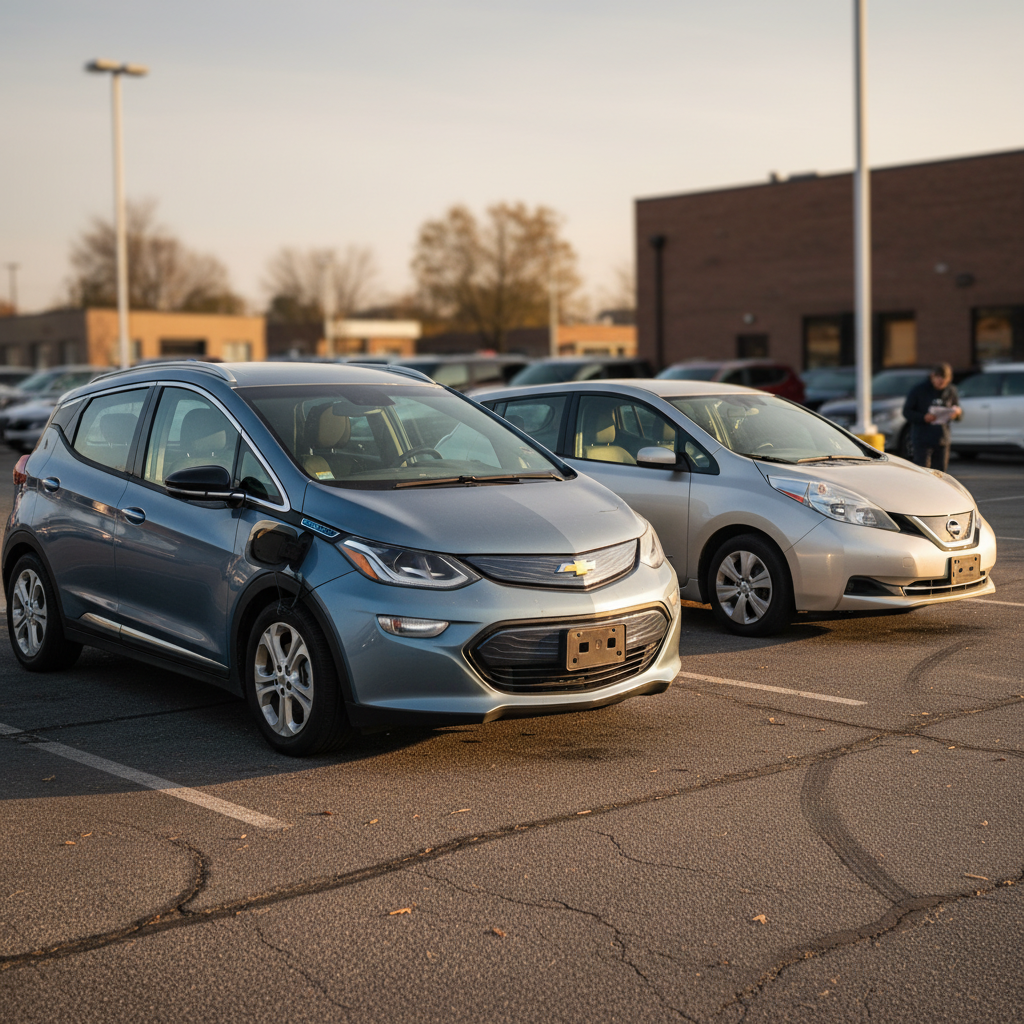
Used‑EV shoppers looking at the 2020 Bolt EV often cross‑shop Nissan Leaf Plus models, early Tesla Model 3s, and small crossovers like the Hyundai Kona Electric or Kia Niro EV. The Bolt usually wins on price‑to‑range, loses on charging speed, and lands in the middle on comfort and refinement.
2020 Bolt EV vs common used EV alternatives
High‑level comparison of what most buyers care about: range, charging, and feel.
| Model | Approx. range | DC fast‑charge speed | Where the Bolt wins / loses |
|---|---|---|---|
| 2020 Chevy Bolt EV | 259 mi | Up to ~55 kW | Best value per mile of range; slower fast‑charging than many rivals |
| Nissan Leaf Plus (62 kWh) | ~215–226 mi | ~70 kW peak (CHAdeMO) | Bolt has more range and a more future‑proof CCS connector; some Leafs charge faster initially. |
| 2018–2019 Tesla Model 3 LR | ~310 mi | 120+ kW (Supercharger) | Model 3 charges far faster and has better road‑trip chops; Bolt is cheaper and simpler. |
| Hyundai Kona Electric / Kia Niro EV | ~239–258 mi | ~75 kW peak | Very efficient with stronger DC charging; Bolt often undercuts them on price. |
Representative specs; actual range and charging behavior vary by configuration and conditions.
How to think about these trade‑offs
Financing and total cost of ownership
A used 2020 Chevy Bolt EV isn’t just cheap to buy, it’s cheap to keep running. Electricity is typically far less expensive per mile than gasoline, routine maintenance is minimal, and there’s no oil to change, no timing belt to worry about, and no transmission fluid to service.
Where the 2020 Bolt EV saves you money
Look beyond the purchase price when comparing to gas cars
Fuel savings
At 3.5–4.0 mi/kWh and average residential electricity prices, many owners spend the equivalent of $0.70–$1.20 per “gallon” to drive, compared with $3–$5 gasoline.
Low maintenance
Brake wear is slow thanks to regenerative braking, and there’s no exhaust, spark plugs, or complex transmission. Budget mainly for tires, cabin filters, and coolant services on factory schedule.
Resale dynamics
Most heavy depreciation has already happened. If you buy smart, your 2020 Bolt EV should lose value more gently than the first owner experienced.
Financing with an EV specialist
FAQ: 2020 Chevy Bolt EV buying questions
Frequently asked questions about buying a 2020 Bolt EV
Is a 2020 Chevy Bolt EV right for you?
The 2020 Chevrolet Bolt EV is a rare thing in today’s EV world: a compact hatchback with genuinely useful range and a used‑car price tag that doesn’t require heroics. Its biggest flaws, slow DC fast‑charging and a complicated battery recall, are real, but they’re also manageable if you go in with your eyes open and do your homework.
If you spend most of your time commuting, running errands, and making the occasional weekend trip, a well‑sorted 2020 Bolt EV with documented recall work and a healthy battery can be a terrific way to go electric without overspending. The key is picking the right car: verifying recall completion, confirming battery health, and making sure the price reflects the car’s condition and equipment.
That’s where a structured buying process, and partners who live and breathe EVs, make life easier. Every used EV at Recharged includes a Recharged Score battery health report, transparent pricing, and guidance from EV specialists who know how to separate a great 2020 Bolt EV from one you should walk away from. If the Bolt fits your driving pattern, it’s still one of the smartest, most approachable steps into electric driving you can take.