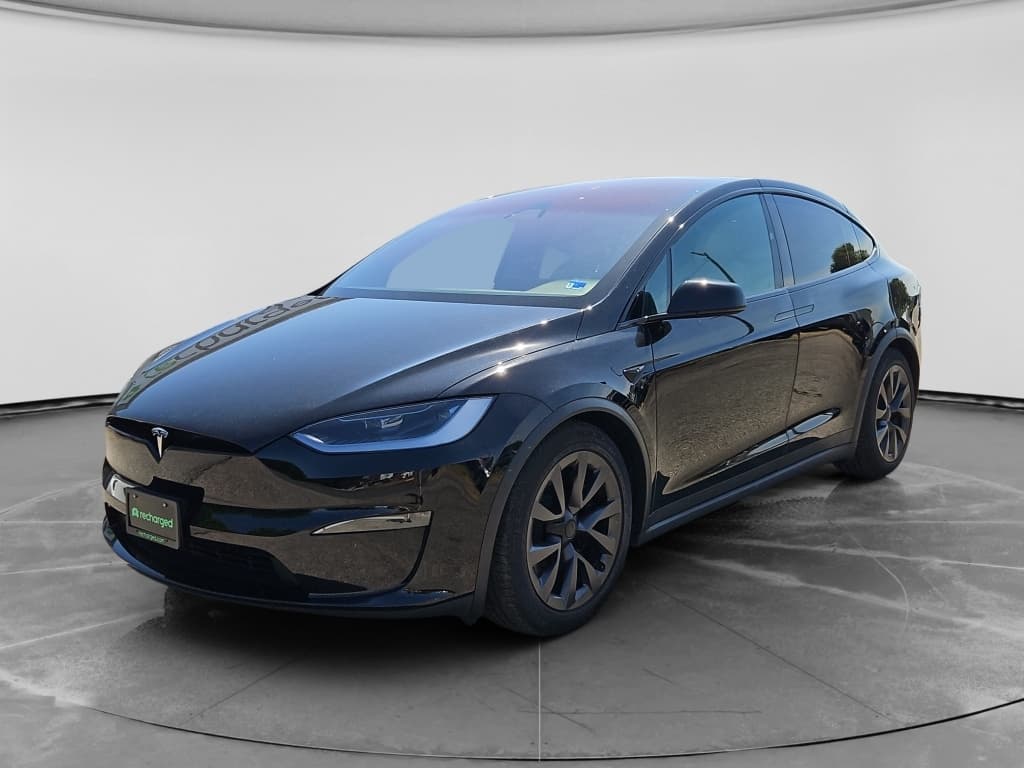
If you’re eyeing a used 2019 Tesla Model X, you’re probably wondering whether its reliability lives up to the price tag. By 2026, these all‑electric SUVs are seven years old, so questions about 2019 Tesla Model X reliability, battery life, and repair costs are not just smart, they’re essential before you sign anything.
Quick take
2019 Model X reliability at a glance
2019 Tesla Model X reliability snapshot
The headline is this: compared with the earliest Model X years (2016–2017), the 2019 model year benefits from several running improvements. Many owners report trouble‑free daily use and strong satisfaction. At the same time, Tesla as a brand has historically ranked in the lower half of reliability surveys, and the Model X, packed with complex doors and electronics, has often been one of its more problem‑prone models.
Luxury EV reality check
How the 2019 Model X scores on reliability
Consumer and industry data tell a mixed but improving story. Earlier Model X years were frequently flagged near the bottom of reliability rankings, largely because of complex falcon wing doors and electronics. By 2019, owner‑reported reliability had generally improved, and consumer‑review sites show high overall satisfaction scores for the year, with reliability often rated among the car’s strengths.
What owners tend to like
- Drivetrain durability: Motor and battery issues are relatively rare compared with early years.
- Everyday usability: Many families use the 2019 X as their primary vehicle with few breakdowns.
- Over‑the‑air updates: Software fixes can resolve minor glitches without a service visit.
Where surveys are cautious
- Body hardware: The falcon wing doors and power liftgate still generate complaints.
- In‑car tech: Center screen glitches, slow boots, or occasional rebooting.
- Ride & noise: Premature suspension wear and rattles show up more as mileage climbs.
2019 vs earlier Model X years
Battery and drivetrain longevity
For an EV, long‑term reliability lives or dies with the high‑voltage battery and drive units. The good news is that, as a family with a larger pack, the 2019 Model X has shown very strong battery durability in the real world when properly maintained.
- Tesla data and independent analyses of Model S/X fleets suggest roughly 88% battery capacity remaining around 200,000 miles under typical mixed use, with many vehicles showing even better results when not fast‑charged constantly.
- Degradation is usually fastest in the first couple of years, then tends to flatten, so by 2026, a well‑cared‑for 2019 pack has often already gone through its steepest decline.
- The dual‑motor drivetrain in the 2019 Model X has proven robust, with relatively few catastrophic motor or gearbox failures reported compared to some early cars.
How to quickly gauge battery health
It’s also worth remembering that Tesla’s battery and drive unit warranty on a 2019 Model X was eight years and high‑mileage (often unlimited), depending on configuration. In 2026, many 2019s are just exiting that coverage window, so a clean history and a recent battery health check matter more than ever.
Common 2019 Model X problems to know
No used luxury SUV is perfect, and the Model X is more complex than most. Here are the issues that come up most often on 2019s and what they mean for you as a buyer.
Top 2019 Model X reliability pain points
Focus your inspection time where it matters most
Falcon wing & liftgate issues
The Model X’s signature falcon wing rear doors can misread obstacles, stop short, squeak, or in rare cases rub the body or interior trim. Some owners also report water dripping into the cabin when opened after rain if alignment isn’t perfect.
Minor sensor tweaks are inexpensive; major hinge or body repairs can be costly.
Suspension wear & noises
Front suspension components, control arms, bushings, and ball joints, can wear early, leading to clunks over bumps, wandering steering, or uneven tire wear.
An alignment plus parts replacement can run four figures if several components are tired at once.
Screen & electronics glitches
Owners occasionally report yellowing around the MCU screen edge, random reboots, laggy backup cameras, or instrument cluster freezes. Most are software issues, but some require hardware replacement.
Check for recall or extended‑warranty repairs on the infotainment system.
2019 Tesla Model X common issues and what to look for
Use this table as a quick reference when you test‑drive or inspect a used Model X.
| System / area | Typical symptoms | Why it matters |
|---|---|---|
| Falcon wing doors | Door stops mid‑travel, beeps about an obstacle when nothing is there, or rubs interior trim; door might refuse to open fully. | Sensor calibration and alignment can be finicky; hardware and body repairs are expensive if neglected. |
| Rear liftgate | Inconsistent power operation, latch not catching cleanly, or water leaks around the hatch. | Water intrusion can damage trim and electronics; adjusters are cheap but bodywork is not. |
| Front suspension | Clunks over bumps, steering that feels loose or drifty, or rapidly wearing inner tire edges. | Premature wear can lead to unsafe handling and costly suspension overhauls. |
| MCU / screens | Center screen slow to respond, random reboots, yellow border, or frozen instrument cluster. | You lose access to important controls and driving information; replacement screens are not cheap. |
| Autopilot & cameras | Frequent false alerts, “camera blocked” warnings in clear weather, or blurry front camera view after hardware upgrades. | Can compromise driver‑assist features and, in some cases, may tie into safety‑related recalls or service campaigns. |
| Interior trim & rattles | Buzzes over rough roads, squeaks from the dashboard or doors. | Mostly a comfort issue, but persistent noises can indicate loose panels or underlying hardware problems. |
Not every 2019 Model X will have these problems, but they’re the most important trouble spots to screen for.
Pay attention to safety‑critical tech
Typical repair costs and remaining warranty coverage
Because the Model X is an aluminum‑bodied, high‑tech SUV, out‑of‑warranty repairs can be expensive compared with a mainstream gas crossover. At the same time, there are far fewer wear items, no oil changes, spark plugs, or exhaust systems to worry about.
- Falcon wing door sensor adjustment: can be relatively minor if it’s only calibration; full hinge or body repair can climb into the low thousands.
- Front suspension components (control arms, bushings, links): a few hundred dollars per corner at independent shops; a full refresh at a Tesla service center can exceed $1,000–$2,000 depending on parts and labor rates.
- MCU or screen replacement: typically a four‑figure job if not covered by recall, extended warranty, or goodwill repair.
- Drive unit or battery pack replacement: rarely needed on 2019s, but if out of warranty, these are among the most expensive components in the vehicle.
Where 2019s sit on warranty in 2026
Maintenance needs vs. a comparable gas SUV
When people talk about “reliability,” they often mix up breakdown risk with ongoing maintenance. The 2019 Model X shines in the second category. There’s simply less to service than in a comparable gasoline‑powered luxury SUV.
What you don’t service on a Model X
- No oil changes or transmission fluid services.
- No spark plugs, timing belts, or exhaust systems.
- Regenerative braking extends pad and rotor life.
What still needs attention
- Tires (heavy EVs can be hard on rubber).
- Brake fluid, cabin filters, and coolant for the battery/drive units.
- Suspension, steering, and door hardware as the miles add up.
Day‑to‑day dependability
Used 2019 Model X pre‑purchase checklist
If you’re considering a used 2019 Model X, especially one that’s just moved beyond its factory warranty, you want to make your test drive count. Use this checklist to separate the solid examples from the future headaches.
2019 Model X reliability checklist
1. Verify battery health & charging behavior
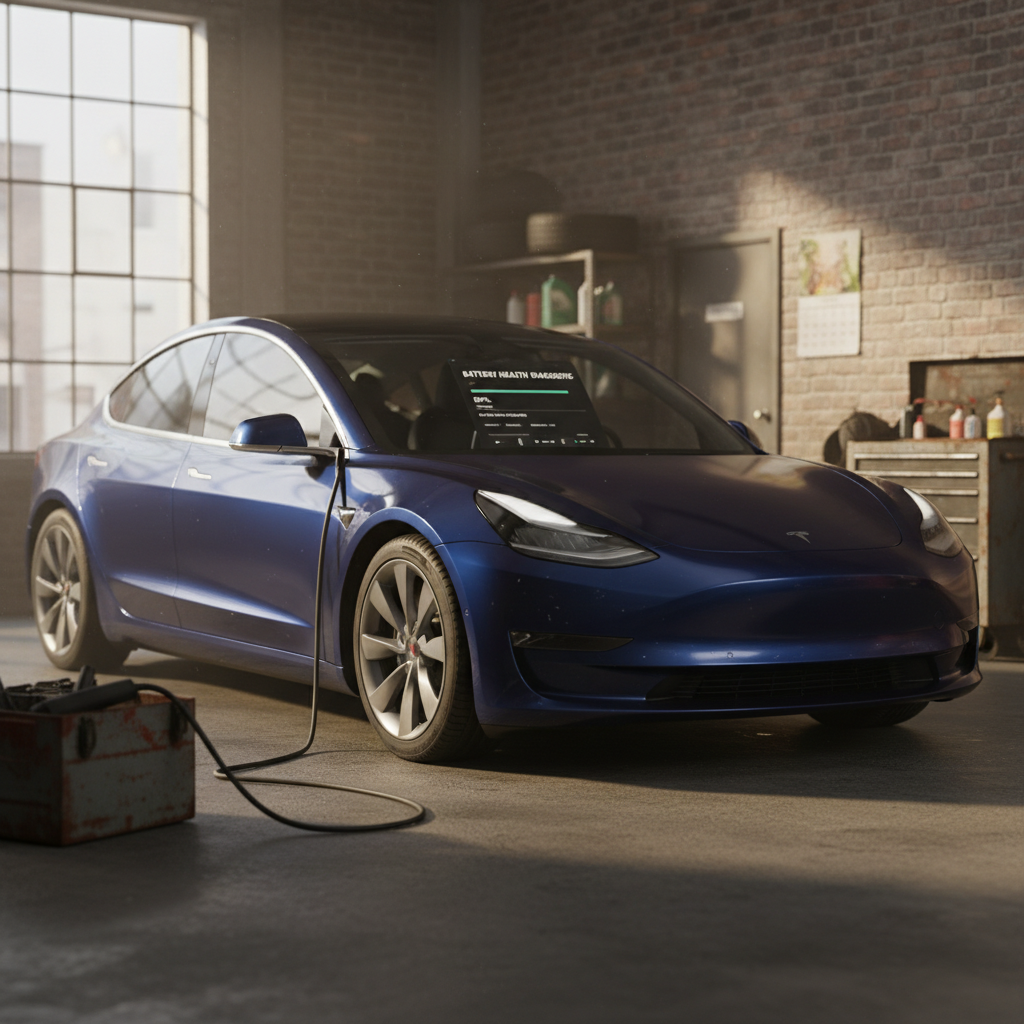
Ask for a recent photo of the car at 100% charge and compare the rated range to the original spec for that battery size. If possible, review a third‑party or Recharged <strong>Recharged Score</strong> battery report to confirm degradation is within a normal band.
2. Inspect and operate all doors repeatedly
Open and close both falcon wing doors from the key, screen, and pillar buttons several times. Listen for grinding, rubbing, or loud pops, and watch for false obstacle warnings. Do the same for the front doors and liftgate.
3. Drive over bumps and at highway speed
On a test drive, use a rougher road segment to listen for clunks or rattles from the suspension. At highway speed, check for steering wander, vibrations, or wind noise that might suggest alignment or door‑seal issues.
4. Stress‑test the screens and software
With the car in Park, cycle through the main menus on the center screen, test navigation, switch between apps, and engage the backup camera repeatedly. Watch for lag, reboots, or a yellow border around the screen.
5. Check Autopilot and camera performance
If the car has Autopilot or Full Self‑Driving, test basic lane‑keeping and adaptive cruise on a clear, well‑marked road. Frequent camera‑blocked warnings or erratic behavior can signify camera, windshield, or hardware issues.
6. Review service and recall history
Ask for a printout or screenshots of service records and check that open recalls or service campaigns have been addressed. Be cautious if the seller can’t document how known issues were handled.
Bring a second set of eyes
How Recharged evaluates a used Model X
A 2019 Model X combines cutting‑edge EV tech with some complicated hardware. That’s exactly the kind of vehicle where a generic used‑car checklist falls short. At Recharged, every Tesla we list, including Model X, goes through an EV‑specific evaluation designed to answer the questions traditional inspections can’t.
What’s different about a Recharged‑inspected Model X
Beyond a basic safety check
Battery & charging diagnostics
We use specialized diagnostics and real‑world charging data to assess pack health, estimate remaining capacity, and flag cars that have been fast‑charged unusually hard.
Door & body hardware check
Technicians operate falcon wing doors, liftgate, and front doors multiple times, checking for misalignment, abnormal noises, and potential water‑leak paths.
Software & feature verification
We confirm key software features (Autopilot level, FSD purchases), run through major in‑car functions, and note any error messages so you know exactly what you’re buying.
Ready to find your next EV?
Browse VehiclesThe Recharged Score advantage
Is a 2019 Tesla Model X a good buy in 2026?
Whether a 2019 Model X is “reliable enough” for you depends on what you’re comparing it to and how much risk you’re comfortable carrying. Versus an early‑build Model X, the 2019 looks like a safer bet. Versus a simpler EV, or a mainstream gasoline SUV, it’s still more complex and potentially more expensive to fix when something does go wrong.
Who the 2019 Model X suits well
- Families wanting a spacious, three‑row EV with access to fast charging and lots of safety tech.
- Drivers comfortable with owning a high‑end, tech‑heavy vehicle and budgeting for occasional big repairs.
- Buyers who can leverage home charging and expect to keep the car for several years.
Who may be happier elsewhere
- Shoppers on a tight repair budget who can’t stomach a four‑figure surprise.
- Drivers who value absolute simplicity over cutting‑edge features.
- Owners without easy access to a Tesla service center or experienced EV shop.
In short, a well‑cared‑for 2019 Tesla Model X can be a dependable, long‑range electric family hauler with strong battery life and reasonable day‑to‑day reliability. The key is to be choosy: focus on examples with clean histories, healthy batteries, solid door and suspension behavior, and clear documentation. That’s exactly what Recharged’s EV‑specialist inspections and Recharged Score are designed to surface, so when you do find the right 2019 Model X, you can enjoy the drive instead of worrying what’s waiting around the corner.