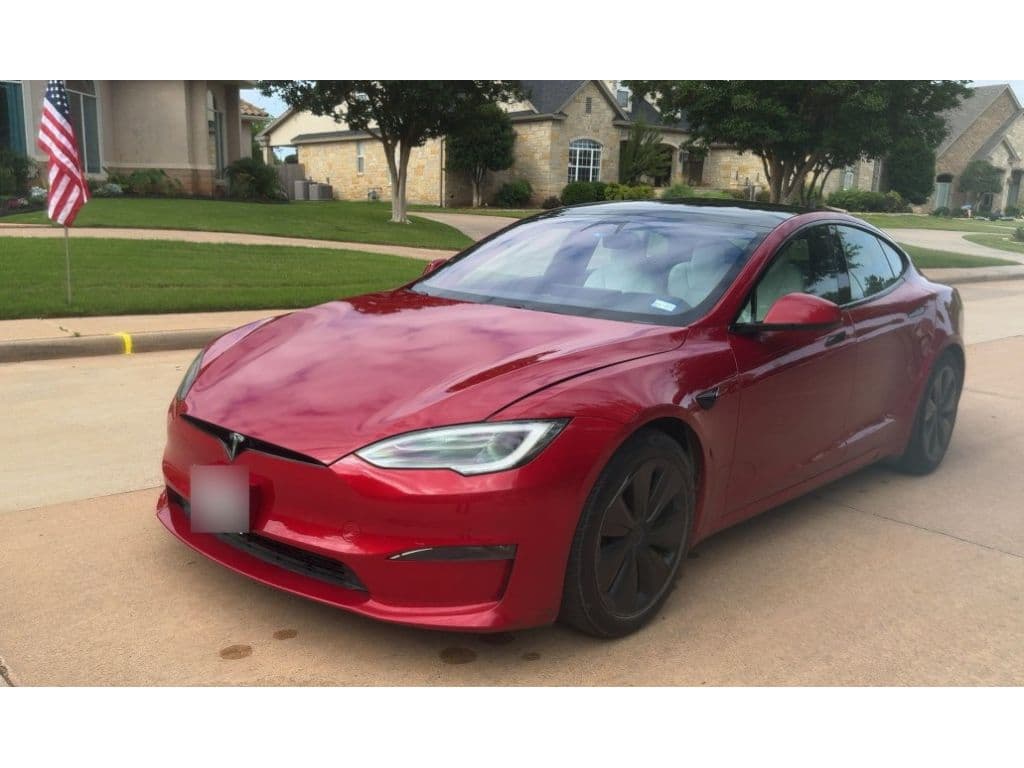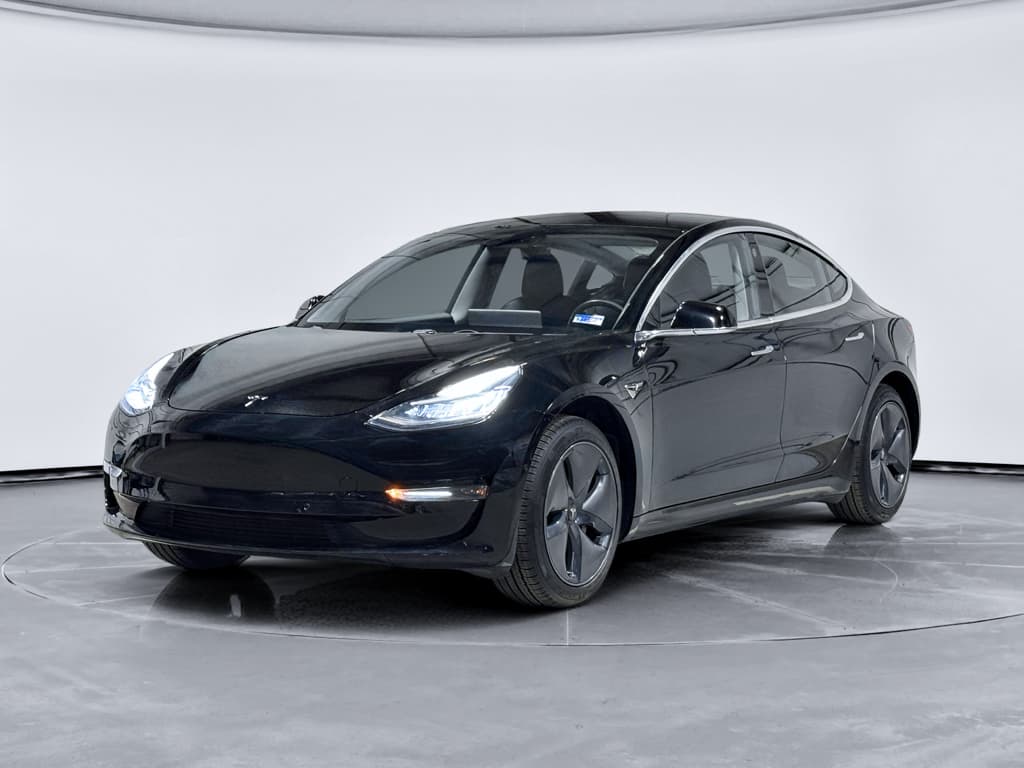
If you’re shopping for a premium used EV, a 2019 Tesla Model S will almost certainly land on your shortlist. It was one of the longest‑range, quickest electric sedans you could buy in 2019, and today it’s a compelling value on the used market, if you understand its strengths, weaknesses, and how to evaluate battery health.
2019 Model S at a glance
2019 Tesla Model S overview
By 2019, the Model S was no longer a brand‑new disruptor, it was a mature product enjoying the benefits of years of over‑the‑air updates. That model year sits in a sweet spot: newer interior and Autopilot hardware than early cars, but often thousands cheaper than 2020+ “Raven” and Plaid models. For used‑EV buyers, 2019 can be a pragmatic balance of price, range, and tech.
- All 2019 Model S trims are dual‑motor all‑wheel drive.
- Battery options centered around ~75 kWh and ~100 kWh packs, sold as 75D/Standard Range, Long Range/100D, and Performance/P100D in various markets.
- EPA range spans from the mid‑250s to around 370 miles depending on configuration.
- All cars use Tesla’s NACS connector for AC and DC fast charging.
- 2019 cars typically include Autopilot hardware capable of advanced driver‑assistance features via software options.
2019 Tesla Model S by the numbers (typical ranges & value)
Key specs, trims, and real-world range
Tesla shuffled Model S naming frequently around 2019, which can be confusing on the used market. What matters most is which battery and motor tune you’re getting, because that determines range and performance more than the badge on the trunk.
2019 Tesla Model S key trims and specs (typical U.S. configurations)
Exact numbers vary slightly by wheel choice and production date, but this table captures the key differences you’ll see when shopping used.
| Trim (common name) | Battery | Drivetrain | EPA range (new) | 0–60 mph (approx.) | Typical use case |
|---|---|---|---|---|---|
| Standard Range / 75D | ~75 kWh | Dual‑motor AWD | ~259–285 mi | ~4.2–4.5 s | Strong all‑rounder if you don’t road‑trip constantly |
| Long Range / 100D | ~100 kWh | Dual‑motor AWD | ~335–370 mi | ~4.0–4.3 s | Best balance of long range and efficiency |
| Performance | ~100 kWh | Dual‑motor AWD | ~315–345 mi | ~3.0–3.2 s | Serious straight‑line pace with solid range |
| Performance Ludicrous (P100D) | ~100 kWh | Dual‑motor AWD | ~315–335 mi | ~2.4–2.5 s | Super‑car quick launches; battery longevity depends heavily on prior use |
Always verify exact range and performance for a specific VIN; Tesla changed software and naming mid‑year in 2019.
Range reality vs window sticker
Driving experience: performance, comfort, and noise
On the road, a 2019 Model S still feels fast and effortless. Even the “slowest” versions outrun most gas luxury sedans, and the instant torque makes everyday passing and merging nearly thoughtless. What stands out most in 2026 isn’t just the acceleration, but how quiet and relaxed the car feels at highway speeds compared with many newer, cheaper EVs.
What the 2019 Model S does well on the road
Strengths that still hold up several model cycles later
Effortless acceleration
Long‑legged highway manners
Quiet cruising
Ride & comfort
Most 2019 Model S examples ride on air suspension, which can vary a bit depending on age and software tuning. In its softer modes it’s comfortable but not pillowy, think "firm European" more than floaty American luxury. The optional 21‑inch wheels sharpen steering response but can introduce more impact harshness and wheel‑damage risk.
Handling & feel
This is still a big, heavy car, but the battery’s low mounting keeps body roll reasonably in check. Steering feel is light and somewhat artificial, but quick enough. Drivers coming from a BMW 5‑Series may miss some feedback, but most EV shoppers find the Model S easy and confidence‑inspiring to hustle.
Watch out for curb rash and bent wheels
Tech, Autopilot, and infotainment
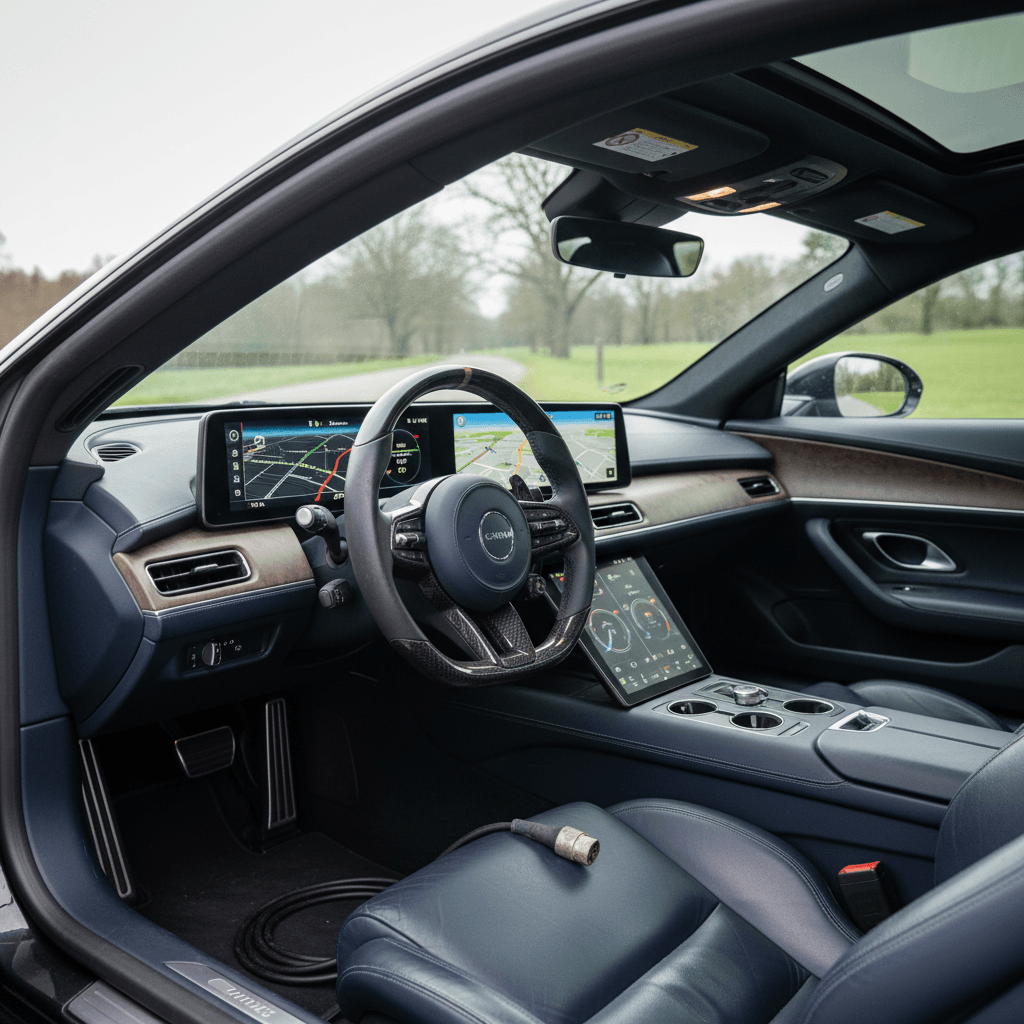
Tech is where the 2019 Model S still feels more like a modern EV than a seven‑year‑old car. The large 17‑inch center touchscreen, over‑the‑air updates, and app connectivity laid the groundwork for today’s software‑centric vehicles. That said, the exact experience depends heavily on options and hardware revisions.
2019 Model S tech highlights
What you’re likely to get, and what to double‑check by VIN
Big center touchscreen
Tesla app integration
Autopilot driver‑assist
MCU1 vs MCU2: why it matters
Autopilot performance in 2019 hardware is generally strong on highways, smooth lane‑keeping and adaptive cruise, but it’s not hands‑off driving. The system demands attention and hands on the wheel, and it won’t magically turn your used Model S into a robotaxi, regardless of what software package it has.
Charging, road‑trip usability, and home charging
One of the biggest reasons to consider a 2019 Model S over rival EVs is straightforward: the Supercharger network. Being able to plug into Tesla’s fast‑charging network without adapters (and without wrestling with some of the user‑experience issues that plague other networks) still makes long‑distance travel easier.
How the 2019 Model S fits into your charging life
Daily driving, home charging, and cross‑country trips
Home Level 2 charging
DC fast charging on trips
Public non‑Tesla networks
Plan for 30–80% on road trips
At home, you’ll want at least a 240V Level 2 solution to make daily life easy. Recharged can help you understand compatible home charging setups and how a 2019 Model S will fit into your daily routine, or pair you with an EV‑savvy installer in your area.
Reliability, battery health, and common issues
Reliability for the 2019 Model S is generally better than early‑production Teslas, but it’s still a high‑tech luxury car with complex electronics, air suspension, and a very powerful battery pack. Owner reviews and independent reliability ratings tend to score it above average overall, but you do see patterns in where problems crop up.
Typical 2019 Model S trouble spots
Most aren’t deal‑breakers, but you should budget and inspect for them
Door handles & seals
Air suspension hardware
MCU and screen wear
Battery and high‑voltage system checks are non‑optional
In terms of battery degradation, most well‑cared‑for 2019 packs show modest loss, often on the order of a few to perhaps low‑double‑digit percent by year seven, depending heavily on climate and charge habits. Cars that spent their lives living on Superchargers, sitting fully charged, or towing/hauling at high speed will generally age faster than those kept mostly in the 20–80% window and charged at home.
Depreciation, pricing, and running costs
The Model S was never cheap when new, and 2019 cars had original MSRPs from around the upper‑$70,000s to well over $130,000 for fully‑loaded Performance and P100D trims. The flip side of that high entry price is that depreciation has done a lot of work for you by 2026.
Typical 2019 Model S used pricing snapshot (U.S. retail)
These are ballpark figures for average‑mileage examples in good condition. Actual pricing varies by location, mileage, software options, and battery health.
| Trim | Original MSRP (approx.) | Typical 2026 asking prices | Depreciation flavor |
|---|---|---|---|
| 75D / Standard Range | ~$77,000–$80,000 | ~$24,000–$27,000 | Heavy depreciation, best entry price into Model S ownership |
| Long Range / 100D | ~$95,000 | ~$25,000–$30,000 | Often just a small premium over Standard Range despite significantly more range |
| Performance | ~$107,000+ | ~$26,000–$31,000 | Performance badge doesn’t always carry the premium you’d expect |
| Performance Ludicrous (P100D) | $130,000+ | ~$28,000–$34,000+ | Command higher prices if low‑mileage and clean history |
Battery health, Autopilot options, and mileage can easily swing values by several thousand dollars in either direction.
Model S depreciation cuts both ways
Energy and maintenance costs
Electricity costs per mile are typically a fraction of premium gasoline, especially if you can charge at home on an off‑peak rate. Maintenance is lighter than a gas luxury sedan, no oil changes, fewer moving parts, but consumables like tires and brakes can still be pricey given the car’s weight and performance.
Insurance and repairs
Insurance for a 2019 Model S can run higher than average, particularly for Performance trims and in markets where Tesla repairs are expensive or body‑shop capacity is limited. When comparing used options, factor in not just the purchase price but your local insurance quotes and availability of EV‑literate repair shops.
How the 2019 Model S compares to other used EVs
If you’re cross‑shopping a 2019 Model S with other used EVs, you’re probably looking at a mix of Tesla Model 3 and X, plus rivals like the Jaguar I‑PACE, Audi e‑tron, or early Porsche Taycan. Each has its own tradeoffs.
2019 Model S vs common used‑EV alternatives
Where it shines and where rivals can make more sense
Vs. Tesla Model 3
Vs. Tesla Model X
Vs. non‑Tesla luxury EVs
Where the 2019 Model S still wins
Buying checklist for a used 2019 Tesla Model S
Because so much of a 2019 Model S’s value lives in its battery, software, and high‑voltage systems, a traditional “walk around the lot and kick the tires” inspection isn’t enough. Use this checklist to structure your evaluation.
Essential checks before you buy a 2019 Model S
1. Confirm battery health and remaining range
Use in‑car energy and range displays, recent full‑charge data, and, ideally, a third‑party battery diagnostic. With Recharged, every car includes a <strong>Recharged Score Report</strong> with objective battery‑health metrics and degradation estimates.
2. Verify charging behavior
Test both AC and DC charging if possible. Confirm that the car charges at expected speeds on a Level 2 charger and plugs into a Supercharger without errors or unusual noise from the battery and cooling system.
3. Check Autopilot hardware and software options
On the car’s software screen, verify which Autopilot package is active (basic, Enhanced, or Full Self‑Driving) and which hardware generation you’re getting. Don’t assume listings are accurate, screen photos are your friend.
4. Inspect suspension, steering, and tires
Look for uneven tire wear, listen for clunks or squeaks over bumps, and verify that the car sits level at all suspension heights. A professional inspection can catch worn bushings or air‑suspension issues early.
5. Evaluate infotainment performance (MCU)
Check that the main screen boots quickly, responds to inputs without freezing, and doesn’t show bubbling, yellowing, or excessive ghosting. Ask if the car has had a media‑unit replacement or MCU2 upgrade.
6. Review service history and recalls
Ask for service invoices and confirm that outstanding recalls or service campaigns have been addressed. Pay attention to repeated visits for the same issue, which can signal a deeper underlying problem.
7. Consider total cost of ownership
Beyond price, factor in electricity costs, home‑charging installation, insurance, and likely maintenance. Recharged advisors can help you model total cost of ownership and compare a 2019 Model S to other EVs you’re considering.
Who the 2019 Tesla Model S is (and isn’t) for
Great fit if…
- You want a long‑range luxury EV with access to a robust fast‑charging network.
- You value over‑the‑air updates, strong app integration, and a tech‑forward cabin.
- You’re upgrading from a gasoline luxury sedan and want comparable comfort and space.
- You’re comfortable owning a high‑tech used vehicle and prioritizing battery health in your purchase decision.
Think twice if…
- You rarely drive long distances and could be just as happy in a smaller, more efficient EV or plug‑in hybrid.
- Your local repair ecosystem isn’t familiar with EVs, and the nearest Tesla or EV‑experienced shop is hours away.
- You prefer physical buttons and traditional interiors to large touchscreens and software‑centric controls.
- You can’t get clear documentation on battery health, service history, or accident repairs for the specific car you’re eyeing.
A well‑vetted 2019 Tesla Model S remains one of the most capable and desirable used EVs on the road. But the spread in owner experience is wide: a carefully charged, lightly‑used Long Range with a clean history will feel like a future‑proof luxury car, while a hard‑driven, poorly maintained P100D can become an expensive headache. Working with a specialist used‑EV retailer like Recharged, where every car includes a battery‑health‑driven Recharged Score, expert guidance, financing, trade‑in options, and nationwide delivery, can turn that uncertainty into confidence.