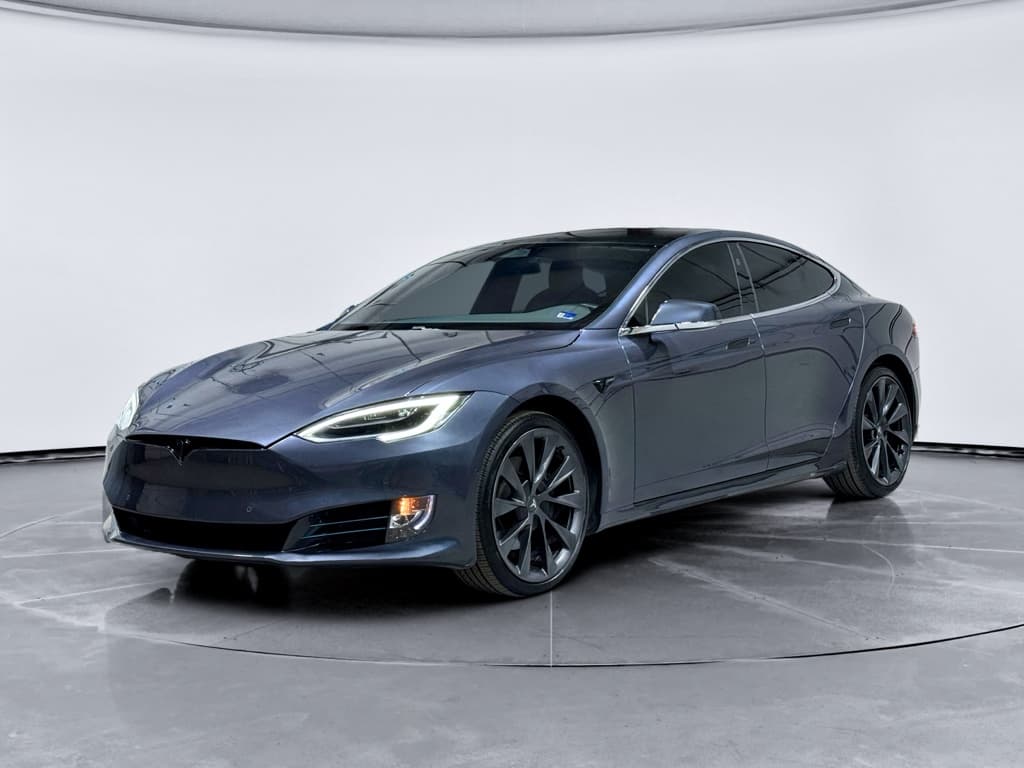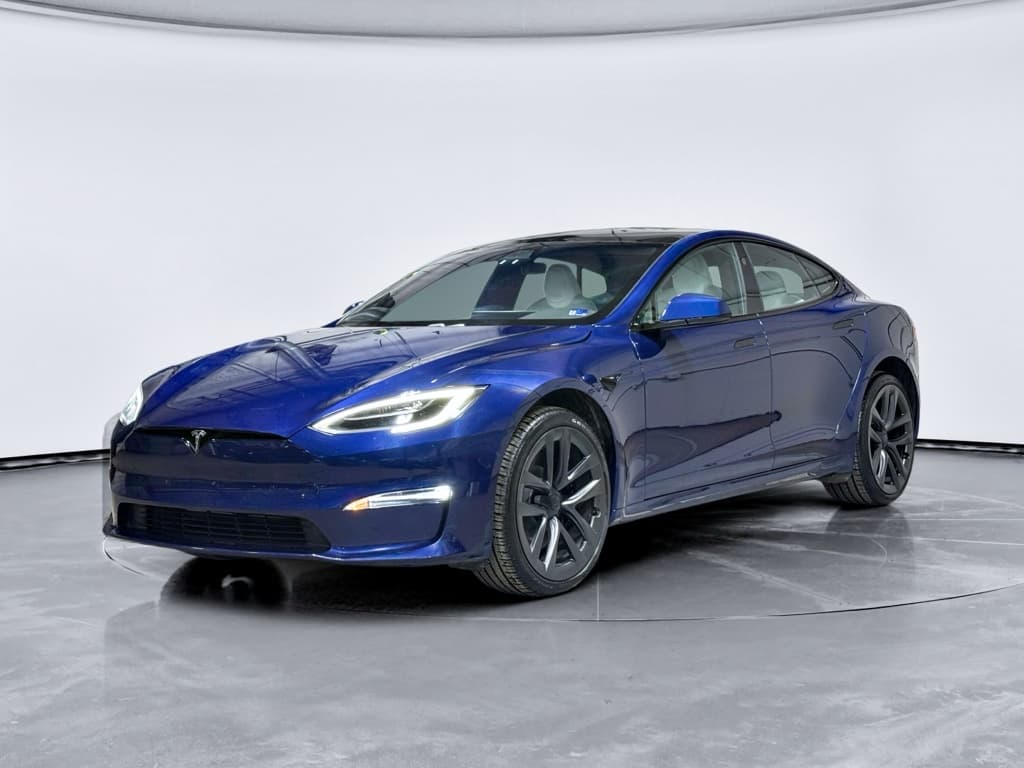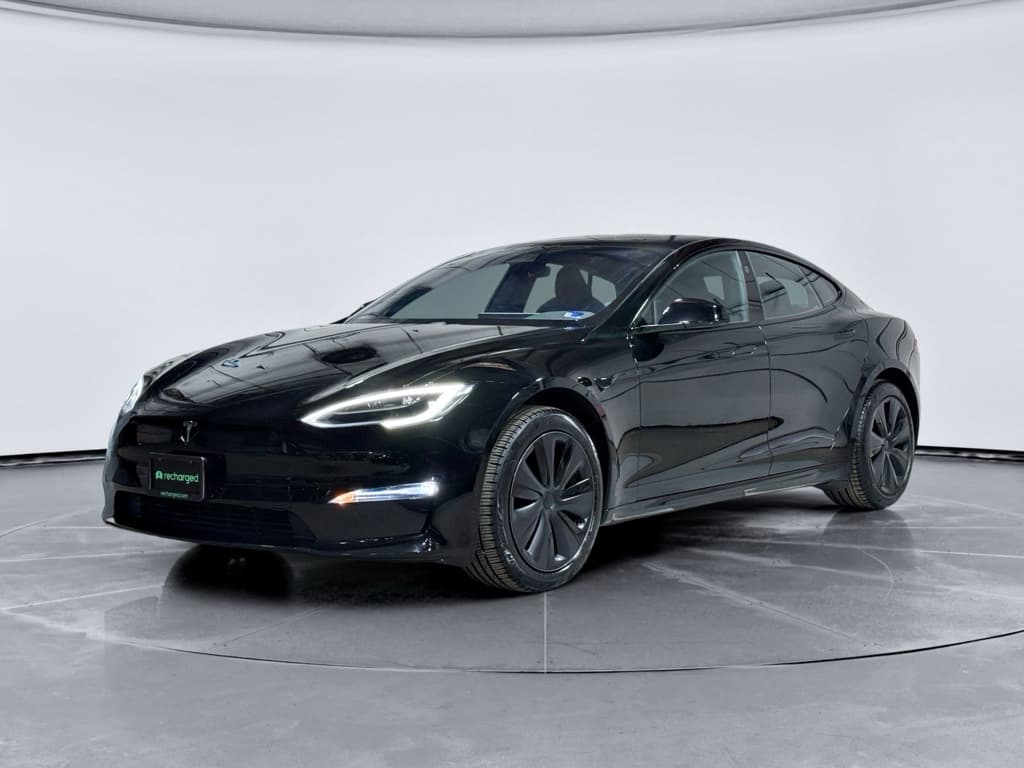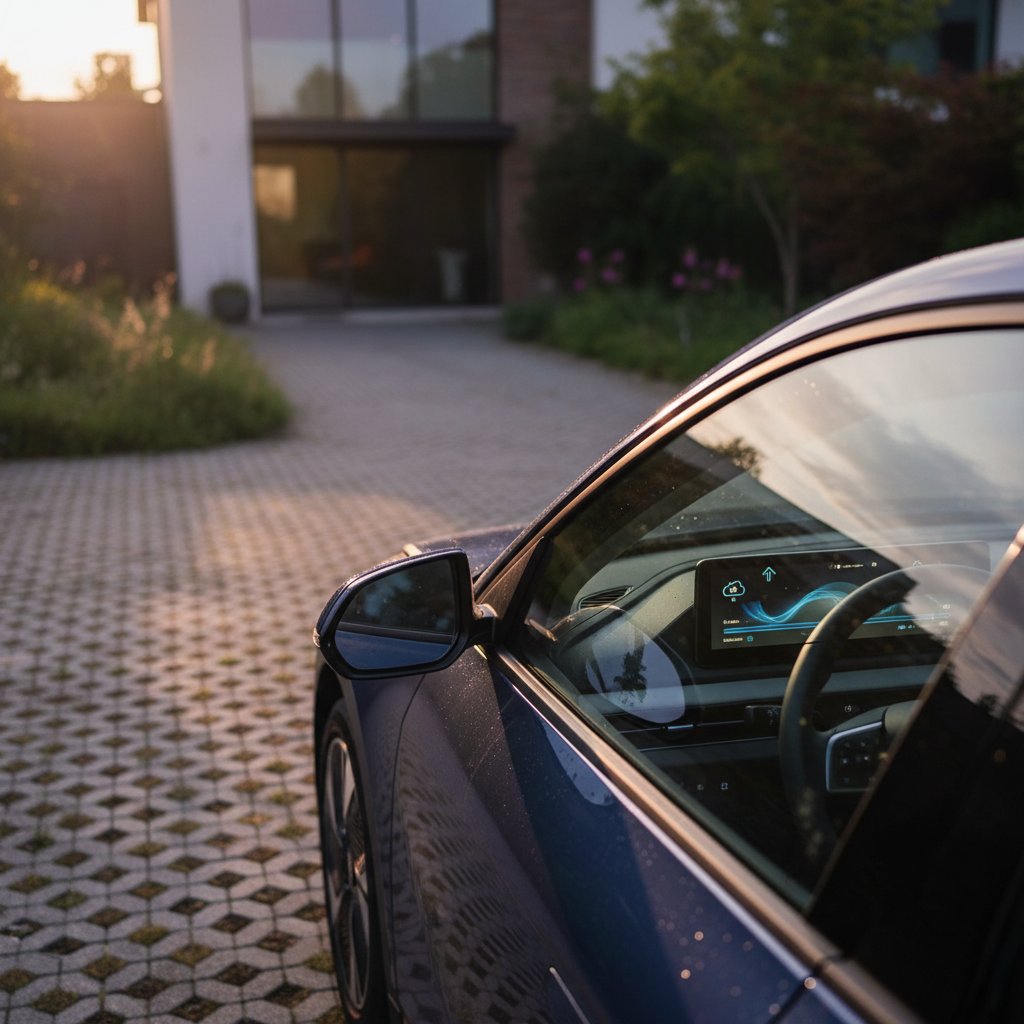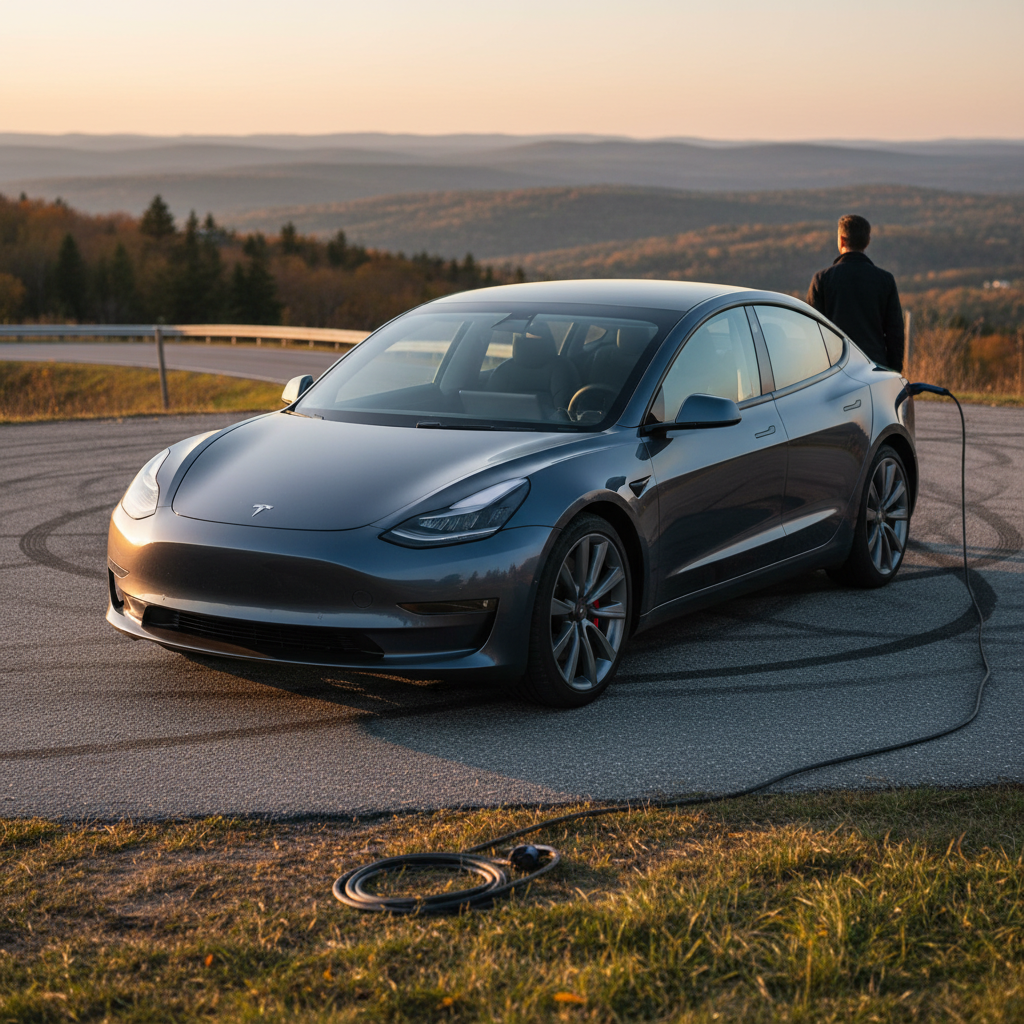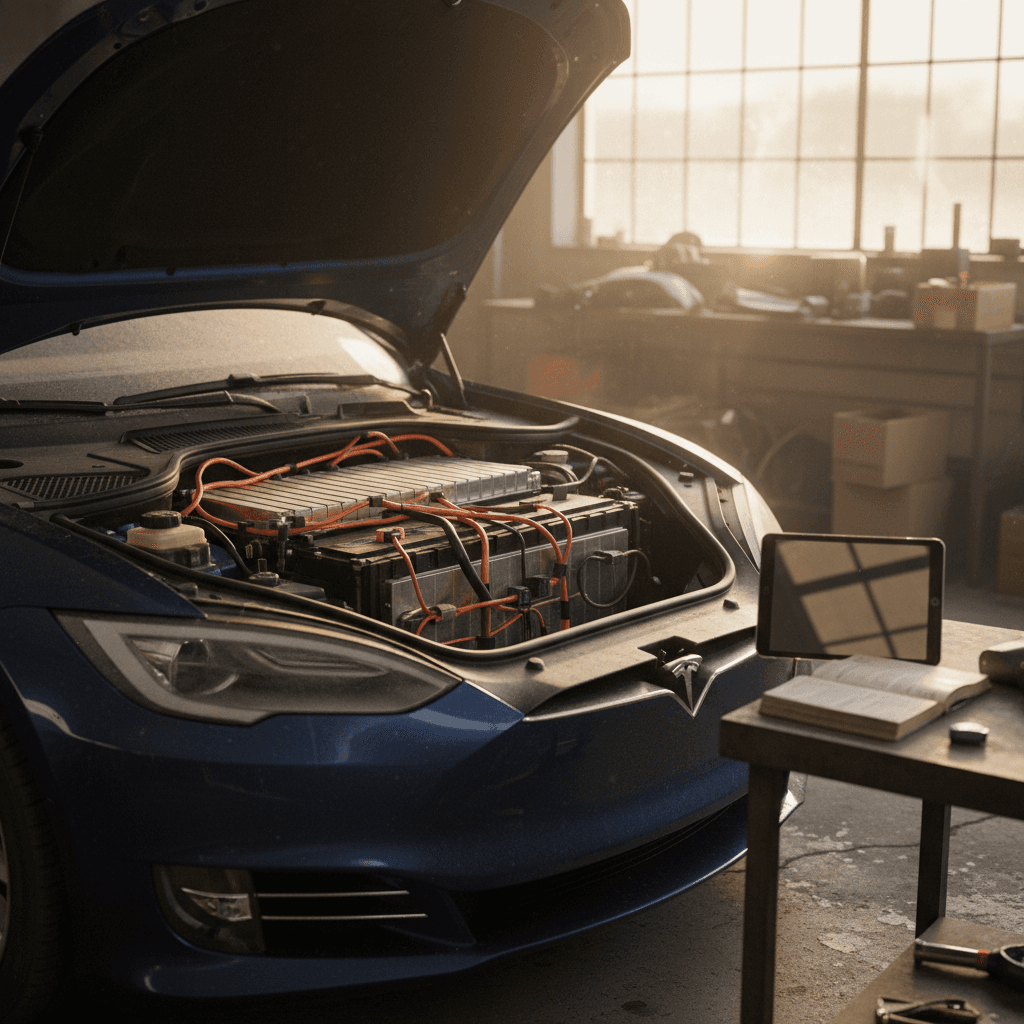
If you’re eyeing a used luxury EV, the 2019 Tesla Model S is probably near the top of your list. It combines long range, jaw-dropping acceleration, and that unmistakable Tesla tech vibe. But performance and range are only half the story. When you’re spending real money on a seven‑year‑old flagship EV, 2019 Tesla Model S reliability, especially the battery, drive unit, and electronics, has to be front and center.
Big picture on 2019 Model S
2019 Tesla Model S reliability in a nutshell
2019 Model S reliability quick stats
Step back from all the noise and the story looks like this: the 2019 Model S is mechanically robust but picky about details. The high‑voltage battery and dual‑motor drive units have aged well for most owners. Where issues do crop up, they tend to be in software glitches, screens, trim bits, and the occasional suspension or steering component, things that are annoying but usually fixable.
How reliable is the 2019 Tesla Model S overall?
Unlike traditional automakers, Tesla doesn’t show up in every mainstream reliability study, the sample sizes are often too small or Tesla doesn’t fully cooperate with the survey. That means you have to read between the lines using owner reviews, recall history, and what independent data is available.
- Owner satisfaction is high. KBB consumer reviews for the 2019 Model S average around 4.7/5 overall, with about 90% of owners saying they’d recommend the car and reliability scoring in the mid‑4s.
- Predicted reliability is mixed across outlets. Some rating services give the Model S line a relatively low predicted reliability score, while others place it mid‑pack for luxury EVs. The net takeaway: not a Toyota Corolla, but not a ticking time bomb either.
- No major pattern of catastrophic failures. Widespread battery or motor failures on 2019 cars are not a common story. When problems happen, they’re more likely to be one‑off components, not the whole vehicle.
How to interpret “mixed” scores
Battery and drive unit longevity on 2019 Model S
The question most shoppers ask first, rightly, is, “How long will the battery last?” The good news is that Tesla’s battery and drive unit warranty on the Model S is one of the strongest in the EV world.
2019 Tesla Model S battery and drivetrain coverage
How Tesla’s core EV components are protected on a 2019 Model S.
| Component | Coverage length | Mileage limit | Capacity guarantee |
|---|---|---|---|
| Battery & Drive Unit | 8 years from in‑service date | 150,000 miles | Minimum 70% battery capacity retained over warranty period |
| Basic Vehicle | 4 years from in‑service date | 50,000 miles | No formal capacity guarantee; covers defects |
| Rust Perforation | Varies by region | Varies | Body corrosion through‑perforation only |
Coverage details may vary slightly by specific configuration; always confirm against the individual vehicle’s documentation.
On a 2019 car first sold in, say, mid‑2019, that battery and drive unit warranty runs until roughly mid‑2027 or 150,000 miles, whichever comes first. For many used shoppers today, that means you still have meaningful factory coverage left on the most expensive parts of the car.
- Real‑world data from earlier Model S years shows gradual battery degradation, often in the range of 5–10% over the first 100,000 miles when properly maintained.
- The liquid‑cooled battery pack and motors themselves have proven durable, especially on post‑2016 cars that benefited from running production changes.
- Fast‑charging exclusively and frequent high‑state‑of‑charge storage can accelerate wear, so the individual car’s charging history still matters a lot.
Watch for supercharging‑only cars
Common 2019 Model S problems and trouble spots
Every car has its quirks, and the 2019 Model S is no exception. By this point in the production cycle, Tesla had ironed out many early‑generation gremlins, but a few themes still appear in owner reports and service records.
Most reported issues on 2019 Tesla Model S
What we see most often in the field and in owner reports
Suspension & steering noises
Some owners report clunks, creaks, or knocks from the front suspension, especially over speed bumps or rough pavement. Common culprits include control arm bushings or links. These aren’t unique to the 2019 year, but they’re worth listening for on a test drive.
MCU & screen issues
Earlier Model S years had well‑documented media control unit (MCU) failures. By 2019, Tesla had updated hardware, but you can still see isolated failures, ghost touches, or yellowing around the screen. Tesla has addressed some MCU concerns via warranty and service campaigns.
Body trim & weatherstripping
Reports of misaligned panels, squeaks, or wind noise are not uncommon. Most of this falls into the “fit and finish” bucket, annoying rather than dangerous, and can often be improved with adjustments or replacement seals.
HVAC & cabin comfort
A small number of owners mention HVAC performance issues, such as uneven cooling or heater performance. Cabin air filters, software updates, or HVAC service can usually resolve these.
Minor electrical glitches
Door handles, window switches, and other electronic convenience features can misbehave. Tesla’s over‑the‑air updates have fixed many software‑related quirks, but you should still test every powered feature during your inspection.
Autopilot sensors & cameras
Occasional sensor calibration issues or camera fogging can trigger warnings or limit driver‑assist features. Most of this is fixable, but it’s something to check carefully on a used car, especially one parked outside long‑term.
High‑voltage safety first
Recalls, over-the-air fixes, and what they mean
The 2019 Model S shares in roughly ten recalls that span a wide range of issues, seat belt chimes, instrument‑panel warning light font size, Autosteer and Full Self‑Driving behavior, and pedestrian warning sounds, among others. For many brands, that many recalls would mean multiple trips to a dealer. With Tesla, it’s a bit different.
1. Many recalls are software‑only
Tesla leans heavily on over‑the‑air (OTA) updates. Several recalls on the 2019 Model S, like Autosteer behavior and warning chime performance, have been resolved via software updates downloaded at home, with no need for a service visit.
When you’re shopping used, make sure the car is on a recent software version and that the previous owner didn’t ignore update prompts.
2. Some recalls still require service
Not everything can be fixed with code. Certain steering, safety, or hardware‑related recalls may still require a physical inspection or part replacement at a Tesla Service Center.
Before you buy, run the VIN through the NHTSA recall lookup and confirm with the seller that all open recalls have been addressed or will be taken care of before delivery.
How Recharged handles recalls
Real-world maintenance costs and downtime
One upside of any EV is the simplified maintenance picture, no oil changes, spark plugs, timing belts, or exhaust work. That doesn’t mean the 2019 Model S is cheap to own, but it does change where your money goes.
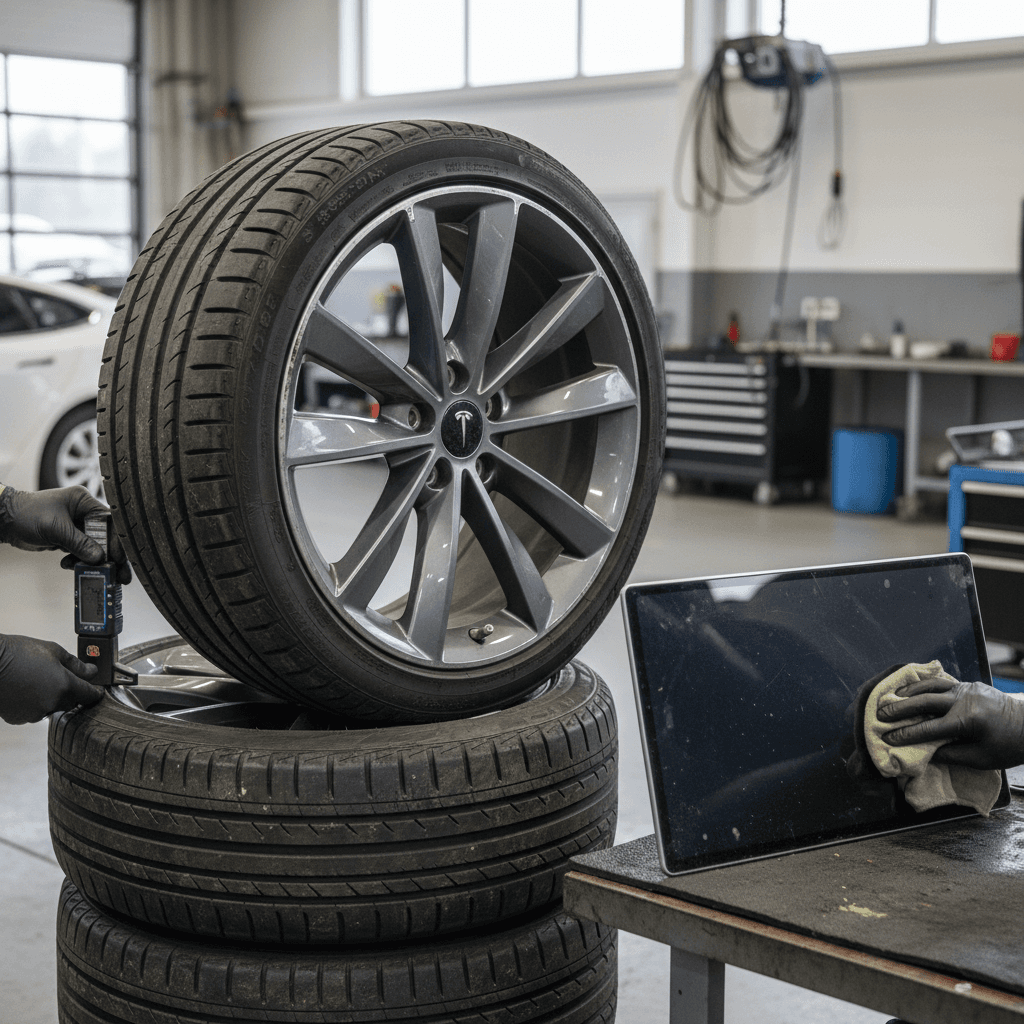
Where 2019 Model S owners actually spend money
Less routine maintenance, more focus on tires, alignment, and the occasional repair
Tires & alignments
The Model S is a heavy, high‑torque car. It eats tires faster than an economy sedan, especially if you enjoy the acceleration. Budget for quality tires and regular alignments, particularly on Performance or large‑wheel trims.
Brakes & fluids
Thanks to regenerative braking, pads and rotors can last a long time, but they still need periodic inspections and brake fluid changes. Expect fewer brake jobs than with a comparable gas car.
Out‑of‑warranty fixes
Once you’re outside the 4‑year/50,000‑mile basic warranty, you’re on the hook for non‑battery, non‑drive‑unit repairs, things like door handles, window regulators, or suspension components. This is where choice of a clean, well‑documented car really matters.
Good news on long-term costs
2019 vs other Model S years for reliability
If you’re cross‑shopping different years of the Model S, it helps to understand where 2019 sits in the lineup.
How 2019 stacks up against other Model S years
High‑level comparison using recall counts, typical issues, and rough pricing trends from public data.
| Model year | Relative reliability | Recalls (approx.) | Typical used pricing trend* |
|---|---|---|---|
| 2013–2015 | Least desirable | 9–11 | Lowest prices, most early‑production issues |
| 2016–2018 | Improving | 8–10 | Stronger choice as updates roll in |
| 2019 | Mid‑pack, generally solid | ≈10 | Attractive blend of price, range, and updated hardware |
| 2020–2021 | Similar or slightly better | 9–10 | Newer tech, higher price |
| 2022+ (refresh) | Too new to fully judge | Ongoing | Better tech, highest prices |
Values are directional and can vary by configuration, mileage, and condition.
Is 2019 a “sweet spot”?
What to check before buying a 2019 Model S
Because reliability is so tied to how each Tesla was driven and maintained, your pre‑purchase inspection matters just as much as the model year. Here’s a focused checklist tailored to the 2019 Model S.
2019 Tesla Model S pre‑purchase reliability checklist
1. Confirm battery & drive unit warranty dates
Ask for the original in‑service date and mileage. Verify how much time and mileage remain on the 8‑year/150,000‑mile battery and drive unit warranty. This is a big part of the car’s long‑term value.
2. Review a battery health report, not just range
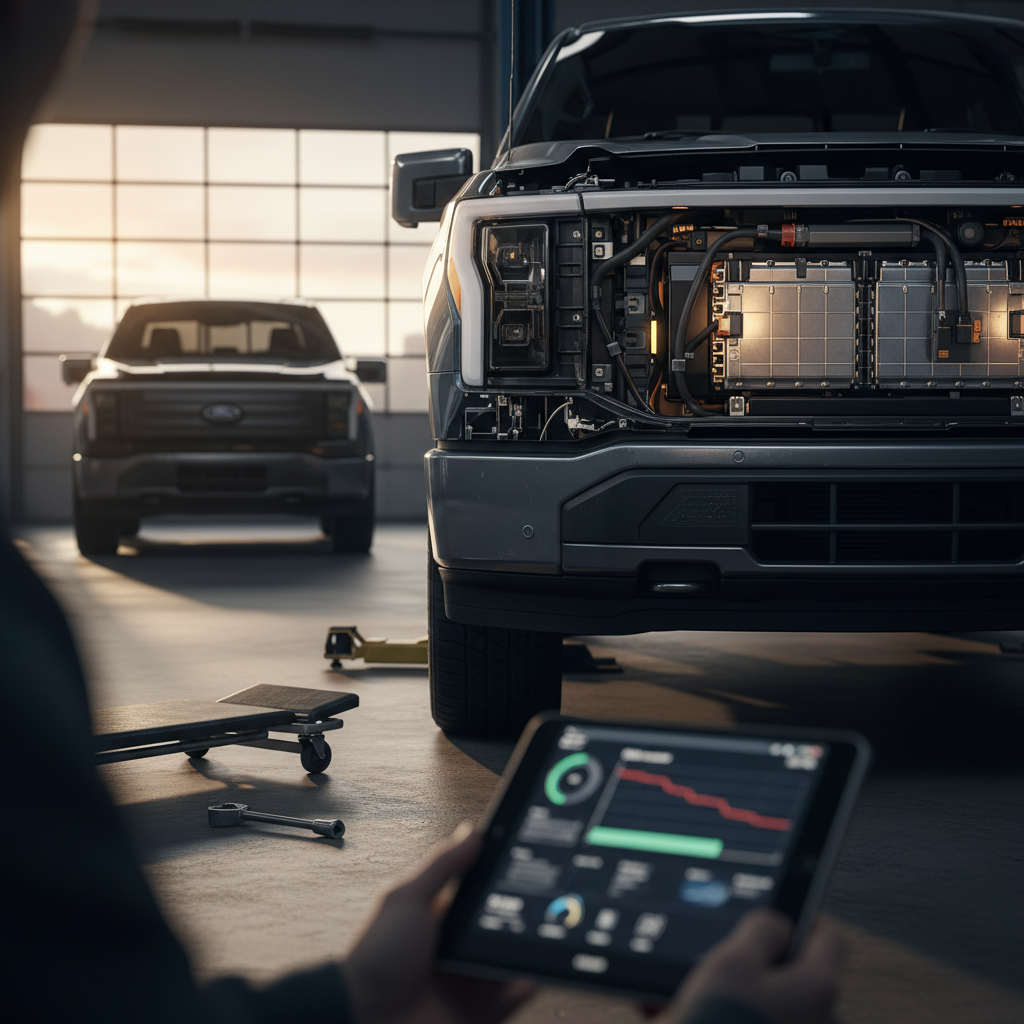
Don’t rely only on the displayed range at 100%. A proper <strong>state‑of‑health report</strong> from a specialist, like the Recharged Score battery diagnostics, can reveal deeper issues or confirm that the pack has aged normally.
3. Check charging history and habits
Look for logs or owner statements indicating mostly Level 2 home charging, with DC fast charging used mainly for trips. Heavy fast‑charge usage, especially on a high‑mileage car, deserves a closer look at battery health.
4. Inspect suspension & steering on a real‑world drive
Drive over speed bumps, into driveways, and on rough pavement. Listen for clunks, pops, or rubbing. Make sure the car tracks straight and doesn’t wander. Uneven tire wear can signal alignment or suspension issues.
5. Test every electronic feature and screen
Cycle all windows, locks, cameras, Autopilot functions (where equipped), the MCU touchscreen, HVAC settings, and audio. You’re looking for glitches, lag, warning lights, or dead pixels that might foreshadow bigger issues.
6. Run a recall and software‑update check
Use the VIN in the NHTSA recall tool and confirm all applicable recalls have been remedied. Then confirm with the seller that the car is on a current software version with OTA updates successfully enabled.
Don’t skip the paperwork
How Recharged lowers your reliability risk
You can do all this homework yourself, but you don’t have to. Recharged is built specifically around making used EV ownership, especially complex cars like the 2019 Model S, simpler and more transparent.
Why shop a 2019 Model S through Recharged
Reliability concerns get a lot smaller when the details are verified for you
Verified battery health
Every Recharged vehicle comes with a Recharged Score Report that includes battery diagnostics and charging‑history insights, so you’re not guessing about pack health on a 7‑year‑old Tesla.
Transparency on pricing & condition
We benchmark fair‑market pricing on each 2019 Model S and disclose cosmetic and mechanical findings up front, giving you an honest picture of how this particular car has aged.
End‑to‑end EV‑focused support
From financing and trade‑in to nationwide delivery and our EV‑specialist guidance, Recharged is set up to help you choose the right car, not just any car, with less risk and less hassle.
Ready to find your next EV?
Browse Vehicles2019 Tesla Model S reliability FAQ
Frequently asked questions about 2019 Model S reliability
The bottom line on 2019 Tesla Model S reliability is straightforward: you’re looking at a powerful, tech‑forward luxury EV whose core mechanical pieces, battery and motors, have generally aged well, but whose details still demand a careful eye. If you verify battery health, confirm recall and software status, and choose a car with clean records, a 2019 Model S can deliver years of fast, quiet, low‑maintenance driving. Working with a specialist used‑EV retailer like Recharged, where battery health and fair pricing are verified up front, simply tilts the odds even further in your favor.